How Long a British Shorthair Stays a Kitten
Bringing a British Shorthair kitten into your home is an absolute joy, filled with boundless energy, adorable clumsiness, and those irresistible wide-eyed stares. Many new owners, and even experienced cat lovers, often wonder how long this delightful kitten phase truly lasts, especially with a breed known for its substantial size and dignified demeanor as an adult. It can be a little disheartening when you feel like their kittenhood is flying by too quickly, or perhaps confusing when they still seem kittenish long after their first birthday. This guide will delve deep into the unique growth trajectory of the British Shorthair, from their tiny beginnings to their full, magnificent maturity, helping you understand and cherish every stage of their development.
Defining "Kittenhood" in British Shorthairs
When we talk about "kittenhood," it's not always a clear-cut definition, especially with a breed like the British Shorthair. Most people think of a kitten as a tiny, highly energetic furball under a year old, and while that's generally true, the British Shorthair truly marches to the beat of its own drum. They mature slowly, both physically and emotionally, making their "kitten" phase feel wonderfully extended compared to many other breeds.
The Biological vs. Perceived Kitten Phase
Biologically, a cat is generally considered an adult once they reach sexual maturity, often around 6-12 months of age. This is when their growth plates typically close, and they've achieved most of their skeletal size. However, any British Shorthair owner will tell you that a one-year-old BSH is far from a fully developed adult. They might be physically capable of reproduction, but their personality is still very much in flux, and their body is still doing a lot of growing. It’s like comparing a human teenager to a fully formed adult; while technically capable of certain adult functions, they still have years of development ahead.
The perceived kitten phase often lasts much longer. It's that period where they're still learning, still a bit goofy, still exploring everything with wide-eyed wonder, and haven't quite settled into their full adult personality or majestic physique. For many British Shorthair owners, this perceived kitten phase can easily extend into their second year, sometimes even a bit beyond, before they truly feel like they have a mature adult cat on their hands. It's a delightful drawn-out period where you get to enjoy their youthful charm for longer.
Breed-Specific Growth Patterns
The British Shorthair is a medium-to-large breed, renowned for its cobby body, dense coat, and rounded features. This substantial build means they don't just "pop" into adulthood overnight. Their growth isn't just about getting taller or longer; it's about filling out, developing that signature breadth across the chest, and getting those wonderful, full jowls that are so characteristic of the breed, especially in males. What a British Shorthair Weighs and How Big It Gets covers this in more detail.
Unlike some more lithe and speedy breeds that mature quickly, the British Shorthair's robust physique requires more time to develop. Think of it like a slow-cooked meal – all that wonderful flavor (or in this case, substance and character) needs time to fully develop. Their bone structure takes time to solidify and broaden, and their dense, plush coat often continues to thicken and develop its distinctive "crisp" texture well into their second year. This slower, more gradual development is a hallmark of the breed and a major reason why their kitten-like qualities linger.
Beyond the First Year: A Slow Burn Development
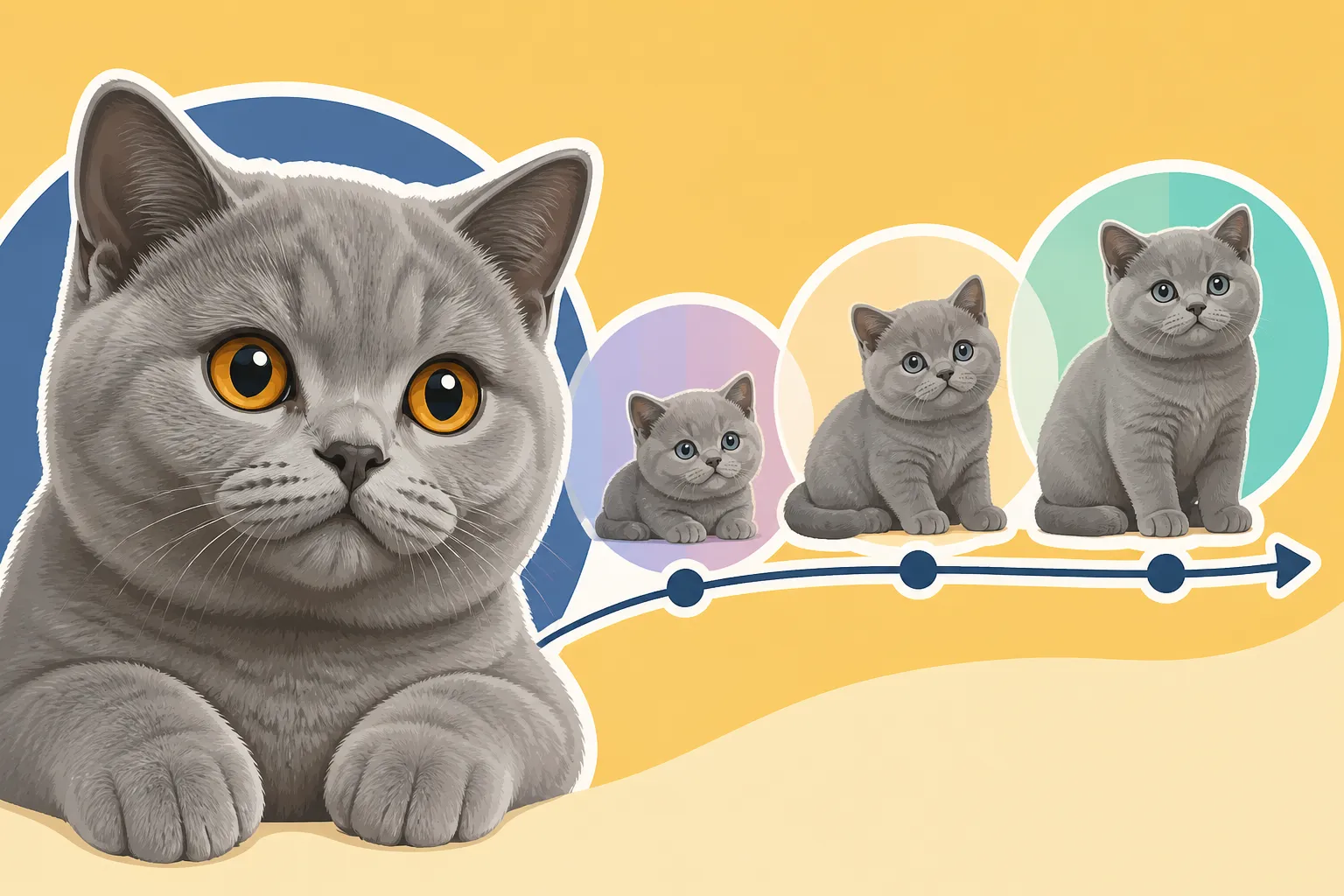
So, if not one year, then how long exactly? For a British Shorthair, true physical and emotional maturity is a slow burn. While they might reach their full height and length by around 12-18 months, their full weight, muscle definition, and that iconic "teddy bear" appearance often aren't truly established until they are three to five years old. Yes, you read that right – five years! You Are Paying for a British Shorthair That Fills Out Over Five Years explains why this longer development cycle is so important to breeders and owners alike.
Their emotional and behavioral development also follows this unhurried pace. While they might calm down significantly from their most boisterous kitten moments by age two, they continue to refine their personality, become more settled, and develop deeper bonds in the years that follow. It's a wonderful journey to witness, watching them slowly but surely transform from a playful, slightly awkward adolescent into the magnificent, calm, and affectionate adult British Shorthair we all adore. This extended developmental period allows for a prolonged enjoyment of their youthful charm and ensures they grow into truly impressive specimens of their breed.
Physical Development Milestones
Watching a British Shorthair kitten grow is a fascinating experience because their transformation is so profound. They start as tiny, often quite lanky, creatures and gradually morph into those round, sturdy, plush giants we know and love. It's not just about getting bigger; it's about a complete change in their body shape and density.
Early Weeks: Rapid Growth and Sensory Development
The first few weeks of a British Shorthair kitten's life are a whirlwind of rapid growth and sensory development. Born blind and deaf, they quickly open their eyes (initially blue, of course!) and start to respond to sounds. Their weight increases exponentially as they nurse, and they begin to explore their immediate surroundings with wobbly steps. By about 3-4 weeks, they're typically starting to eat solid food and developing basic coordination.
From 8 to 12 weeks, the typical age for leaving their mother and littermates, they're still relatively small, but their distinct British Shorthair features are beginning to emerge. You'll notice the roundness of their head, the beginning of their dense coat, and their stocky little legs. At this stage, they are absolute bundles of energy, full of curious exploration and short, intense bursts of play. They might weigh anywhere from 2 to 4 pounds, but they're growing quickly, consuming kitten-specific food to fuel their incredible development. This foundational period is crucial for setting them up for healthy growth.
The Awkward Teenage Months: Filling Out and Lengthening
Just like human teenagers, British Shorthairs go through an "awkward" phase, usually between 4 months and a year. This is when they might seem a bit lanky, all legs and tail, and haven't quite grown into their adult proportions. Their bodies are lengthening and gaining height, but the characteristic "cobby" build and broad chest haven't fully developed yet. Their heads might still seem a little small for their growing bodies, and those jowls that will later define the males are often just faint suggestions.
During this time, their energy levels can still be quite high, though perhaps not as frantic as the youngest kitten stage. They're refining their motor skills, practicing their pounces, and engaging in more complex play behaviors. You might find them stretching out dramatically on the floor, seemingly endless in their reach, a stark contrast to the compact adult shape they'll eventually achieve. It's a period of significant growth spurt, where their food intake is crucial for healthy bone and muscle development. Patience is key here, as this gangly stage is a necessary step towards their eventual impressive stature.
Reaching Adult Size: More Than Just Weight
By around 12-18 months, most British Shorthairs will have reached their adult height and length. However, "adult size" for this breed is not just about skeletal dimensions; it's heavily focused on density, muscle, and that famously plush coat. While the scale might show a significant weight gain, their body condition is still very much evolving. They are still building muscle mass and filling out their frame, transitioning from a lean adolescent look to a more substantial, rounded physique. What a British Shorthair Should Weigh at One Year details these metrics.
This filling-out process means they continue to gain weight healthily over the next couple of years, steadily increasing their muscle and fat stores to achieve that sturdy, powerful build. It’s important not to confuse this natural, slow weight gain with obesity; a healthy British Shorthair will gain weight as it matures into its frame, not simply get fat. Their dense, double coat also continues to grow and thicken, contributing to their overall impressive volume and making them look even more substantial.
The Full British Shorthair Look: Years in the Making
The truly iconic British Shorthair look – the broad, round head, the full cheeks and prominent jowls (especially in males), the deep copper eyes, and the dense, "crisp" coat standing away from the body – takes years to fully manifest. Many breeders and enthusiasts agree that a British Shorthair doesn't reach its peak show condition until it's three, four, or even five years old. This is when all the elements come together, creating that classic, teddy-bear-like appearance that is so beloved.
For male British Shorthairs, those magnificent jowls, which give them their distinctive "grumpy" or "wise" expression, often don't fully develop until they are two to three years old, sometimes even later. What Jowls Are on a Male British Shorthair explains this unique feature. The density and texture of their coat also continue to improve with age, becoming even more luxurious and plush. So, if your two-year-old British Shorthair still looks a little slender or hasn't quite developed that characteristic "gravitas," don't worry – they're likely still on their way to becoming their most magnificent self. This extended development is a defining characteristic of the breed, a testament to their robust genetics and unhurried path to grandeur.
Behavioral Maturation
Beyond their physical changes, a British Shorthair's behavior evolves significantly from kittenhood to adulthood. Those early days of chaotic energy and fearless exploration slowly give way to a more measured, calm, and affectionate demeanor. Understanding these shifts can help you appreciate their journey and adapt your interactions to suit their developing personality.
From Hyperactive Kitten to Calm Companion
Let's be real: British Shorthair kittens, while perhaps not quite as frantic as some other breeds, can still be absolute whirlwinds! They zoom around, pounce on imaginary prey, and explore every nook and cranny with boundless curiosity. They might try to scale curtains, bat at every dangling thing, and engage in wrestling matches with their own tail. This high-energy phase is normal and necessary for their development, helping them build coordination and learn about their environment.
However, as they mature, typically around 1.5 to 2 years of age, you'll notice a distinct shift. The frantic kitten energy mellows considerably. They become much calmer, more deliberate in their movements, and often prefer observing the world from a comfortable perch rather than constantly being in the thick of it. While they'll still have bursts of playful energy, especially if encouraged, their default mode transitions to that of a serene, dignified, and wonderfully placid companion. This calm nature is one of the most cherished traits of the adult British Shorthair, making them excellent companions for quieter households. The Quietest Cat in the House describes this behavior in more detail.
Play Habits: Evolving Preferences
A young British Shorthair kitten will play with just about anything – a stray dust bunny, your shoelaces, or even their own reflection. They're driven by instinct and endless curiosity. Their play tends to be very physical, involving lots of chasing, pouncing, and batting. Interactive toys that mimic prey, like wand toys with feathers or small plush mice, are usually a huge hit, encouraging them to burn off that endless energy. You can find a fantastic selection of these on Amazon.
As they age, their play habits tend to become more refined and less intense. While they still enjoy a good game, they might need more encouragement to get moving. They often prefer short, focused play sessions rather than prolonged rambunctious ones. Puzzle toys that challenge their minds or offer a food reward can become more engaging. They might also enjoy watching the world outside from a window perch, engaging in a quiet "hunt" from the comfort of their home. Play for a British Shorthair That Would Rather Not gives great tips for encouraging activity in a more sedate adult British Shorthair. It’s important to adapt the type and intensity of play to match their evolving energy levels to keep them mentally and physically stimulated.
Social Development: Interactions with People and Pets
British Shorthair kittens are often quite outgoing and curious about new people and pets. They're generally not shy and will approach visitors with a cautious but playful interest. Early socialization during kittenhood is vital to ensure they grow into well-adjusted adults. Exposing them gently to different sounds, sights, and people helps them develop confidence.
As they mature, their social interactions become more refined and often more discerning. While they remain affectionate, they are typically not "lap cats" in the traditional sense, preferring to sit near you rather than directly on you. A British Shorthair Sits Near You, Not On You is a classic observation of the breed. They form deep bonds with their primary caregivers but might be a bit reserved with strangers, preferring to observe from a distance before deciding whether to engage. With other pets, if introduced properly as a kitten, they typically get along well, often adopting a tolerant and gentle demeanor. Their calm nature makes them excellent housemates, though their preference for quiet companionship rather than constant physical interaction becomes more pronounced as they move beyond their initial kitten antics.
Mental and Emotional Growth
The maturation process of a British Shorthair isn't just about their body and outward behavior; it deeply involves their mental faculties and emotional landscape. These changes are subtle but significant, shaping them into the intelligent, secure, and independent companions they become.
Personality Development and Independence
A British Shorthair kitten is, like any young creature, highly dependent on its caregivers. They look to you for food, comfort, security, and play. Their personality is still forming, and they're very much influenced by their early experiences. They might be a bit clingy at times, seeking reassurance, and constantly curious about your every move.
As they transition into adulthood, British Shorthairs develop a remarkable sense of independence and self-possession. They become incredibly secure in their environment and with their humans. This isn't to say they don't love you; quite the opposite! They express their affection in a subtle, dignified manner, often choosing to be in the same room, observing you, or gently head-butting your leg rather than demanding constant attention. They are often described as being "in the room with you, not on you." This independence means they handle solitude very well, making them an excellent choice for individuals who work full-time. A British Shorthair Is Genuinely Fine on Its Own highlights this lovely trait. Their calm, self-assured nature is a testament to their mature emotional development.
Learning and Training Capabilities
Kittens are sponges, soaking up information at an incredible rate. British Shorthair kittens are intelligent and can be taught basic commands, litter box etiquette, and even leash training from a young age, if you're patient enough. Their curiosity makes them eager to explore and understand their world, and positive reinforcement works wonders. Investing in good quality training treats, readily available on Amazon, can make this process smoother.
As they mature, their learning capabilities don't diminish, but their motivation might shift. While a kitten might learn tricks for sheer excitement, an adult British Shorthair might need a more compelling reason, like a favorite treat or a specific type of interaction they enjoy. They retain their intelligence and can learn new routines or adapt to changes, but they might do so with a more thoughtful, less impulsive approach. They are not typically a breed that performs elaborate tricks, but they are quick to understand household rules and routines, which contributes to their calm and easygoing nature.
Emotional Security and Bonding
Early kitten experiences, especially with their mother and littermates, lay the foundation for a British Shorthair's emotional security. Being raised in a loving, stable environment helps them develop into confident, emotionally resilient adults. A well-socialized kitten is more likely to become a well-adjusted cat.
As they grow, British Shorthairs form deep, lasting bonds with their families. These bonds are built on trust, routine, and mutual respect. While they may not be overtly demonstrative, their affection is profound and consistent. They thrive in predictable environments and draw comfort from their routine. A secure adult British Shorthair will greet you with a soft trill, rub against your legs, or simply choose to nap nearby, demonstrating their deep contentment and emotional attachment. Their emotional maturity is characterized by a stable, loving presence that enriches any home.
Factors Influencing Maturation Speed
The journey from a tiny kitten to a majestic adult British Shorthair isn't a race with a strict timeline. Several factors can subtly influence how quickly, or slowly, an individual cat develops, making each one unique. Understanding these elements can help you appreciate their personal growth trajectory.
Genetics and Lineage: The Slow Maturing Trait
One of the most significant factors influencing a British Shorthair's maturation speed is their genetics. This breed is inherently known for its slow development, a trait carefully preserved by responsible breeders. Certain lines might mature slightly faster or slower than others, depending on the specific genetic predispositions passed down from their parents. If you've ever seen a breeder talk about "type" and how long it takes to develop, they're often referring to this genetic blueprint for their slow, deliberate growth.
A good breeder will be able to give you an idea of the typical growth curve for their lines, observing how previous generations have developed. They understand that patience is a virtue when breeding British Shorthairs, knowing that the full glory of their cats won't be apparent until they are several years old. This inherent slow-maturing trait is what gives British Shorthairs their substantial, well-rounded appearance, which takes time to achieve. It’s part of what makes them so unique and worth the wait.
Nutrition and Environment: Fueling Growth and Health
Proper nutrition is absolutely critical for healthy development, especially during the rapid growth phases of kittenhood and adolescence. A British Shorthair kitten needs a high-quality, balanced diet specifically formulated for kittens, providing ample protein, healthy fats, and essential vitamins and minerals to support bone, muscle, and coat growth. Skimping on nutrition during these formative years can potentially hinder their full developmental potential. Many excellent kitten foods are available, often found with helpful reviews on Amazon.
Beyond diet, the overall environment plays a vital role. A stress-free, loving home where the kitten feels safe and secure allows them to expend their energy on growth and learning rather than anxiety. Consistent routines, appropriate play, and plenty of opportunities for mental stimulation all contribute to their healthy physical and emotional maturation. An enriching environment fosters confidence and allows their inherent calm and dignified personality to blossom without hindrance.
Spaying/Neutering: Hormonal Impact on Development
The timing of spaying or neutering can also have an impact on a British Shorthair's physical development, particularly in males. Intact males develop very prominent jowls and a broader head shape, influenced by their hormones. While neutering at the typical age (around 5-6 months) is important for health and behavioral reasons, it can sometimes mean that a male's jowls might not become as pronounced as those of an intact male. Whether a Neutered British Shorthair Keeps His Jowls goes into more depth on this.
Similarly, early spaying in females can affect bone development, as sex hormones play a role in the closing of growth plates. However, for pet cats, the health and behavioral benefits of early spaying/neutering (preventing unwanted pregnancies, reducing spraying, decreasing certain cancer risks) generally outweigh these minor developmental considerations. Discussing the optimal timing with your veterinarian is always best, weighing the benefits against any potential subtle impacts on their full physical maturation. The goal is always a healthy, happy cat, and responsible decisions about spaying/neutering are a crucial part of that.
Caring for a Maturing British Shorthair
As your British Shorthair transitions from a playful kitten to a stately adult, their care needs will also shift. What worked perfectly for a tiny furball might not be ideal for a developing adolescent or a fully mature cat. Adjusting your care routine is essential to support their ongoing health and well-being.
Adjusting Diet and Exercise for Growth
One of the biggest changes in caring for a maturing British Shorthair is adjusting their diet. Kitten food is calorie-dense and rich in nutrients to support rapid growth, but continuing this diet past 12-18 months can easily lead to excessive weight gain. British Shorthairs are notoriously prone to obesity because of their calm nature and love for food. So, transitioning them to a high-quality adult cat food at the appropriate age, often around their first birthday, is crucial. How Much an Adult British Shorthair Eats provides guidance on daily intake.
Portion control becomes the entire job for a British Shorthair owner. Free feeding, where food is left out all day, is a recipe for an overweight cat. Instead, measure out their daily food allowance and feed them in controlled portions. As for exercise, while kittens will often entertain themselves, maturing British Shorthairs need deliberate encouragement to stay active. Engage them in interactive play sessions with wand toys or laser pointers (but always end with a physical catch!) to keep their muscles toned and their minds stimulated. Regular, gentle play helps maintain a healthy weight and supports joint health.
Maintaining Grooming Needs Through Coat Changes
A British Shorthair's coat is one of its most defining features, but it also changes as they mature. Kitten coats are often softer and less dense than the adult coat. As they get older, typically around one to two years, their plush double coat will fully develop, becoming denser and acquiring its characteristic "crisp" texture that stands away from the body. This coat needs regular attention to stay healthy and mat-free.
While British Shorthairs are generally low-maintenance groomers, weekly combing with a good quality metal comb is essential, especially during seasonal shedding periods. Which Comb a British Shorthair Needs is very informative here. A slicker brush, often used on other breeds, can actually damage their unique coat. Regular combing helps remove loose fur, prevents matting, and reduces hairballs. They usually tolerate brushing well if introduced early and positively. Pay attention to areas where mats might form, like under the armpits or around the 'britches'. As they fill out, they might also need help cleaning their backside, especially if they become a bit chunky, so make sure they can reach all areas or offer assistance.
Providing Appropriate Enrichment for Each Stage
The type of enrichment a British Shorthair needs evolves as they mature. Young kittens benefit from a wide variety of toys, climbing opportunities (within safe limits), and constant interaction to develop their senses and motor skills. They love exploring tunnels and batting at dangling toys.
As they settle into adulthood, their need for high-intensity play might decrease, but their need for mental stimulation remains. Puzzle feeders, cat trees for vertical exploration (even if they prefer lower perches), and regular interactive play sessions are still important. A British Shorthair might not climb to the ceiling, but they do enjoy a sturdy cat tree where they can survey their domain from a comfortable, slightly elevated spot. Which Cat Tree a British Shorthair Uses offers some excellent advice. Rotate toys to keep things interesting and consider window perches where they can watch birds and squirrels, providing passive entertainment. Even as calm adults, they benefit from a stimulating environment that caters to their natural instincts and keeps boredom at bay.
The "Forever Kitten" Myth
Many British Shorthair owners, myself included, often refer to their adult cats as "forever kittens." It's a term of endearment, of course, but it speaks to a deeper truth about this wonderful breed: even as they mature, they retain a charming essence of their youth that makes them eternally captivating.
Why Owners Feel Their British Shorthair Stays Young
The feeling that your British Shorthair is a "forever kitten" stems from a combination of their slow maturation and their enduring personality traits. As we've discussed, their physical development takes years, so for a long time, they still look like a "big kitten" rather than a fully mature adult. Their full, round faces and expressive eyes, even as adults, contribute to a perpetually youthful look that reminds you of their early days.
Beyond their appearance, it's their personality that truly makes them feel like eternal kittens. While they might calm down, they often retain a playful spark, a curious nature, and a certain endearing clumsiness that harkens back to their kitten antics. They might still chase a dust bunny with gusto, or bat playfully at your feet as you walk by. This blend of maturity and lingering playfulness creates the delightful illusion that they never truly lose their kitten spirit. How Long a British Shorthair Acts Like a Kitten explores this phenomenon beautifully. It’s not that they don't grow up; it's that they grow up with a piece of their kitten heart always intact.
The Charm of Their Enduring Playfulness
One of the most appealing aspects of the British Shorthair is their enduring, gentle playfulness. While they won't be climbing your curtains at age five (we hope!), they often remain interested in short, focused play sessions throughout their lives. They might not instigate play as much as a kitten, but they will happily engage if you offer a favorite wand toy or a crinkly ball. This readiness to play, even in their dignified older years, is a huge part of their charm.
This playful spirit is a wonderful counterbalance to their otherwise calm and independent nature. It means that while they are content to lounge quietly, they also offer moments of joyful interaction that remind you of their youth. It's a subtle, sophisticated form of play that is less about raw energy and more about connection and enjoyment. This makes them incredibly rewarding companions, offering both serene companionship and delightful moments of shared fun.
Embracing Every Stage of Their Life
Ultimately, the journey of a British Shorthair from kitten to adult is a long, rewarding one, and every stage brings its own unique joys. While you might miss the frantic zoomies of their earliest days, you'll come to cherish the calm, affectionate presence of your mature British Shorthair. Their slow maturation is a gift, allowing you to enjoy their "kitten" qualities for longer and witness their full potential unfold over several years.
Embrace each phase – the awkward teenage months, the slow filling out, the gradual settling into their adult personality. Provide them with the right care, nutrition, and love, and they will reward you with a magnificent presence and a deep, unwavering affection. The "forever kitten" might just be a feeling, but it's a feeling rooted in the enduring charm and unique developmental pace of this truly special breed. Whether they are 6 months or 6 years old, they will always be your beloved British Shorthair.
| Age Range | Physical Development | Behavioral Traits | Care Considerations |
|---|---|---|---|
| 0-3 Months | Rapid growth, sensory development, gaining coordination. | Highly dependent, playful, curious, learning basic skills. | Kitten food, safe exploration space, early socialization. |
| 3-12 Months | Rapid growth, lengthening, "awkward" phase, muscle development. | Energetic, playful, refining motor skills, increasing independence. | Kitten food (portion controlled), active play, continued socialization. |
| 12-24 Months | Reaching full height/length, continued filling out, coat thickening. | Mellowing energy, more deliberate play, increasing calm, deeper bonds. | Transition to adult food, maintain play, consider spay/neuter impact. |
| 2-5 Years | Full physical maturity, jowls develop (males), peak coat density. | Calm, dignified, independent, stable personality, mature affection. | Adult food, consistent exercise, regular grooming, mental enrichment. |
| 5+ Years | Fully mature, maintaining physique. | Retain playfulness, deeply bonded, consistent temperament. | Age-appropriate diet, monitor weight, regular vet checks. |
Disclaimer
This article is for general informational purposes only and does not constitute professional advice. Laws, prices and regulations vary by location and change over time. Consult a qualified professional for guidance on your specific situation.