How Long a British Shorthair Tolerates Being Held
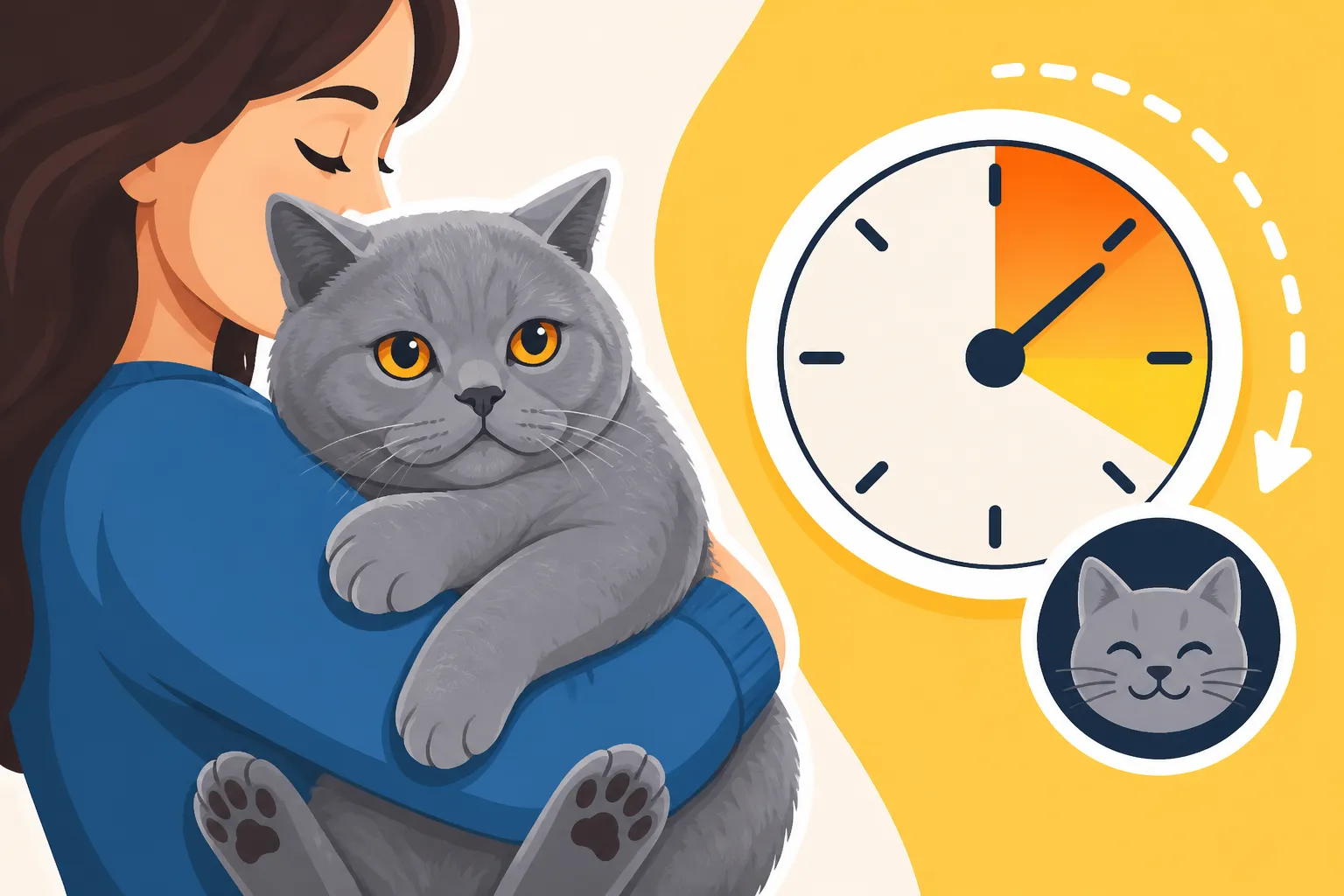
It’s a common scenario for many British Shorthair owners: you long to scoop up your fluffy companion for a cuddle, imagining them purring contently in your arms, only to find them wriggling free within seconds. This isn't just your cat being fussy; it's a deeply ingrained trait of the breed, and understanding how long a British Shorthair truly tolerates being held, and more importantly, why, can transform your relationship with your beloved feline into one built on mutual respect and understanding.
Why British Shorthairs Prefer Proximity Over Being Picked Up
Let's face it, the British Shorthair isn't generally known for being a lap cat. They're affectionate, yes, but often on their own terms, preferring to supervise you from a nearby armchair or curl up at your feet rather than directly on your lap. This independent streak is a hallmark of the breed, and it significantly impacts their tolerance for being held. It’s not that they don’t love you; it’s just that they express it differently, and forcing physical closeness can actually backfire, eroding trust rather than building it.
The Breed's Independent Nature and Affection Style
British Shorthairs are typically very calm, composed, and dignified cats. They often carry themselves with an air of quiet self-possession, and this extends to their interactions with humans. They enjoy being in the same room as you, following you from one spot to another, and often settling close by. Many owners describe them as "velcro cats" in the sense that they like to be near you, but not necessarily on you or in your arms. Think of it less as aloofness and more as a preference for personal space, a trait many introverts can certainly relate to. This inherent desire for autonomy means that while they cherish your presence, they might not appreciate being restricted in your embrace.
Their affection often manifests in subtle ways: a gentle head bonk against your leg as they walk past, a slow blink from across the room, or the quiet rumble of a purr when you're stroking them on their own terms. Learning to recognize these quiet gestures of love is key to bonding with a British Shorthair. Trying to force more intense physical affection, like prolonged holding, can be met with resistance, simply because it goes against their fundamental nature. You might find that your British Shorthair will grace your lap for a minute or two, perhaps for a brief scratch behind the ears, but then they'll gracefully hop off to find a new spot of their own. For more on this, you might find our article A British Shorthair Will Not Be Picked Up insightful.
Early Experiences and Socialization's Impact on Handling
The early experiences a British Shorthair kitten has with being handled can play a significant role in their adult tolerance for being held, but even then, it's often more about tolerance than enjoyment. Kittens who are regularly, gently, and positively handled from a young age by their breeders and then their new owners may be more accustomed to the sensation. This means picking them up for short periods, giving them a treat, and putting them back down before they show signs of discomfort. It's about building a positive association, not forcing them into submission.
However, even the most well-socialized British Shorthair usually has a limit. If a kitten had negative experiences, such as being held too tightly, dropped, or picked up by strangers constantly without a safe retreat, they might develop a strong aversion to being held as adults. Conversely, a cat who was handled gently but inconsistently might be more amenable if the owner takes the time to re-establish trust and positive reinforcement. The key is never to push them past their comfort zone, as this can lead to fear, scratching, or biting – not because they are aggressive, but because they feel trapped and are trying to communicate their distress. Understanding How to Pick Up a British Shorthair Without a Fight can make a huge difference here.
Deciphering Your British Shorthair's Body Language
Before you even think about scooping up your British Shorthair, or when you do have them in your arms, it's absolutely vital to understand their body language. Cats communicate volumes without a single meow, and a British Shorthair, being naturally quiet, relies heavily on subtle cues. Missing these signals means you might be inadvertently stressing your cat, which can lead to a quick escape or, in extreme cases, a defensive swat.
Reading the Subtle Cues of Discomfort
British Shorthairs are masters of subtle communication. They won't always vocalize their displeasure immediately; instead, they'll give you a series of small, increasingly obvious hints. Pay close attention to their eyes, ears, tail, and overall posture. When they're feeling relaxed and generally tolerant of an interaction, their eyes might be soft, perhaps slow-blinking, and their ears will be relaxed, facing forward. Their tail might be held high with a slight curl, or gently wrapped around them if they're sitting.
However, if they start to feel uncomfortable while being held, these cues will change. You might see their pupils dilate slightly, indicating a heightened state of awareness or anxiety. Their ears might swivel to the side, flattening slightly, or twitch rapidly as they try to pinpoint an escape route or gauge your intentions. A tell-tale sign is a tail that begins to twitch or flick rapidly from side to side; this isn't a happy wag like a dog's, but a clear sign of agitation. A stiff body posture, rather than a relaxed one, also indicates they're not enjoying the embrace. Ignoring these initial signals often leads to a quick, decisive struggle to get free.
Escalating Signs That Say "Let Me Down!"
If the subtle cues are missed, your British Shorthair will escalate their communication. These are the "please let me down now" signals, and they should be heeded immediately to avoid scratches or drops. Their pupils might become fully dilated, making their eyes look black and wide. Their ears may flatten completely against their head, often referred to as "airplane ears," a clear sign of fear and defensive posture. The tail might lash forcefully or tuck tightly between their legs, both signs of extreme stress.
They might also start to vocalize, though for a British Shorthair, this is usually a low growl or a frustrated meow rather than a piercing shriek. Panting, licking their lips excessively, or tensing their muscles are also strong indicators of distress. If you feel them tense up, shift their weight, or try to brace their paws against you, they are preparing to jump or wriggle free. At this point, it’s crucial to gently and safely put them down, allowing them to retreat to a safe space. Forcing the interaction further only teaches them to fear your touch.
Here's a quick guide to their body language when being held:
| Sign of Comfort/Relaxation | Sign of Discomfort/Stress |
|---|---|
| Soft, slow-blinking eyes | Dilated pupils, wide eyes |
| Ears forward, relaxed | Ears swiveling, flattened ("airplane") |
| Loose, relaxed posture | Stiffening body, tensing muscles |
| Tail held steady or gentle wrap | Tail twitching, lashing, or tucked |
| Gentle purring or quiet | Low growls, frustrated meows, hissing |
| Kneading paws softly | Bracing paws to push away, squirming |
| No vocalization | Panting, lip licking |
Strategies for Brief, Positive Holding Experiences
Given their independent nature, the goal with a British Shorthair isn't usually to turn them into a cat that loves to be held for long periods. Instead, it's about making brief, necessary holding experiences as positive and stress-free as possible, building trust rather than breaking it. This approach respects their boundaries while still allowing for essential care and occasional cuddles on their terms.
Short, Sweet, and Voluntary Interactions
The golden rule for holding a British Shorthair is to keep it short and make it feel voluntary, even when it's not entirely their choice. Start with very brief pickups, maybe just for a few seconds, and then immediately put them down. The key here is to put them down before they start struggling. This teaches them that being picked up isn't a long, scary ordeal, and they always have an "out." Over time, you might find those few seconds stretch into slightly longer periods, but always remain vigilant for signs of discomfort.
When you do pick them up, do so calmly and securely, supporting their entire body. Avoid dangling them or picking them up by their front legs, which can feel insecure and even painful. A good technique is to place one hand under their chest, just behind their front legs, and the other hand under their hindquarters, cradling their body against yours. Speak in a soft, reassuring voice. Remember, the goal is not to force them to like being held, but to make them tolerate it without fear. Our post How to Carry a British Shorthair Safely offers more detailed advice on handling techniques.
Creating Positive Associations with Treats and Gentle Words
Positive reinforcement is your best friend when it comes to handling a British Shorthair. Every time you pick them up, even if it's just for a moment, reward them immediately with a high-value treat. This could be a small piece of cooked chicken, a lickable treat, or their favorite crunchy snack. The association then becomes: "being picked up = delicious reward," which can significantly increase their tolerance.
Combine treats with gentle praise and soft petting. A calm, reassuring tone of voice can go a long way in communicating your good intentions. If you're struggling to even pick them up, try approaching them with a treat first. Let them eat it from your hand, then gently scoop them up for a second or two, offer another treat, and put them down. Consistency is vital; make every interaction positive and predictable. You might even find that engaging them in a quick play session with their favorite Amazon wand toy before and after a brief hold can help redirect any lingering anxiety.
The "Carry and Release" Method for Quick Movements
Sometimes you need to move your British Shorthair from one room to another, or off a counter where they shouldn't be. For these situations, the "carry and release" method can be very effective. It's similar to the short, sweet interaction but with a clear purpose and immediate release. Scoop them up swiftly but gently, carry them directly to their new location, and put them down immediately with a reassuring word and perhaps a treat if possible.
The key is efficiency and minimal fuss. Don't linger, don't try to pet them extensively while carrying them, and don't make it a drawn-out affair. This method respects their desire for autonomy by making the restriction as short-lived as possible. They learn that while they might not love being picked up, it's quickly over, and they are then free to resume their activities. This builds a foundational level of trust, even if they never become a "cuddly" cat in the traditional sense. It's about respecting A British Shorthair Sits Near You, Not On You while still managing essential movements.
When Holding Is Necessary: Tips for Essential Tasks
While we strive to respect our British Shorthairs' preferences, there are times when holding them is simply non-negotiable. Vet visits, grooming, and administering medication often require us to physically restrain our cats. In these situations, your goal shifts from creating a pleasant experience to making it as stress-free and efficient as possible, minimizing fear and discomfort for both of you.
Handling for Health: Vet Visits and Medication
Taking a British Shorthair to the vet can be a challenge. They're not always keen on car rides, new environments, or being handled by strangers. However, regular vet check-ups are essential for their long-term health, especially as they age. To make vet visits easier, start by getting your cat comfortable with their carrier well in advance. Leave it out in the house with a soft blanket and treats inside, making it a familiar, safe space, not just a scary prison that appears when the vet trip is due. What a Carrier for a British Shorthair Costs is a small investment for peace of mind.
At the vet, be honest with the staff about your cat's aversion to being held. They can often provide tips or use techniques to make examinations less stressful, such as using calming pheromone sprays or blankets. When holding your cat for the vet, cradle them firmly but gently against your body, often with a towel wrapped around them if they're particularly squirmy. The vet or vet tech can often guide you on the best way to hold them to ensure their safety and make their work easier. For administering medication at home, try to do it quickly and confidently. Practice holding them briefly beforehand, rewarding them, so they associate it with positive outcomes. If oral medication is a struggle, ask your vet about compounding pharmacies that can turn pills into flavored liquids or transdermal gels. For more insights on their temperament during such visits, read How a British Shorthair Behaves at the Vet.
Grooming Without a Fight: Nail Trims and Combing
British Shorthairs have wonderfully dense coats that require regular grooming, and their sturdy claws need trimming to prevent overgrowth. These are essential tasks that often involve holding them, at least briefly. Their coats, while relatively easy to care for, still need combing to prevent mats and reduce shedding, especially during seasonal "blowouts." How Often a British Shorthair Needs Combing really depends on the individual cat, but regular sessions are beneficial.
For nail trims, wrap your British Shorthair in a towel like a burrito, leaving only one paw out at a time. This provides a sense of security and limits their ability to wriggle. Trim just the tip of the nail, avoiding the quick, and offer a treat immediately after each paw is done (or even after each nail if they're very sensitive). For combing, many British Shorthairs will tolerate this if it's done gently and introduced gradually. Start with very short sessions, using a high-quality steel comb that doesn't pull their fur. Make it a relaxing bonding experience, offering praise and treats. A popular steel comb found on Amazon can make grooming easier for both of you. If your cat tolerates brushing but not holding, try to comb them while they are relaxed on the floor or a sofa, and only pick them up if absolutely necessary for hard-to-reach spots.
Conclusion: Respecting Their Boundaries for a Stronger Bond
Ultimately, how long a British Shorthair tolerates being held is usually a matter of seconds to a few minutes, depending on the individual cat and the situation. They are not typically the kind of cat that will happily melt into your arms for a long snuggle. Their independent, dignified nature means they value their autonomy and prefer to interact on their own terms, often choosing to be close by rather than directly on you.
The key to a strong, loving relationship with your British Shorthair lies in respecting these boundaries. Learn to read their subtle cues of comfort and discomfort, and never push them past their limits. By keeping holding sessions short, making them positive with treats and praise, and handling them securely and gently, you can build a foundation of trust. This approach ensures that even when holding is necessary for health or grooming, it's a tolerable experience for your cat, rather than a frightening one. Embrace their unique personality, and you'll find that their quiet affection is just as rewarding, if not more so, than constant cuddles.
Disclaimer
This article is for general informational purposes only and does not constitute professional advice. Laws, prices and regulations vary by location and change over time. Consult a qualified professional for guidance on your specific situation.