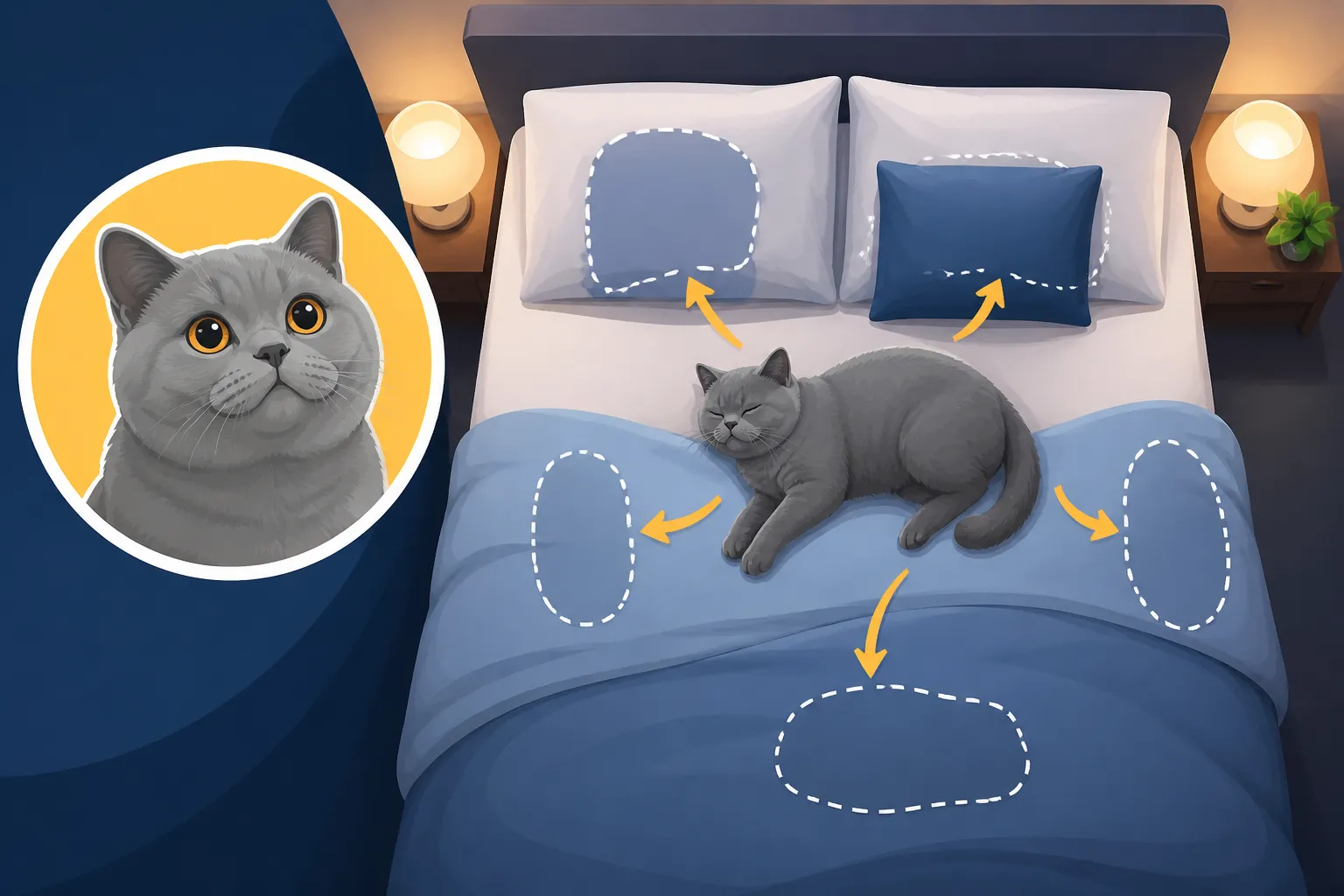
Where a British Shorthair Sleeps on Your Bed
It’s a peculiar thing, isn't it, sharing your bed with a British Shorthair? You might imagine them curled right up against you, a furry purring hot water bottle. But more often than not, you wake up to find them in a spot that seems… just slightly off-kilter from what you expected. Perhaps they’re a fluffy sentinel at the foot of the bed, or a serene, distant lump on a separate pillow. It can leave you wondering what goes on in their adorable, round heads! This guide will delve into the intriguing world of where British Shorthairs choose to sleep on your bed, what these unique sleeping arrangements might reveal about their comfort levels and affection for you, and how you can ensure their chosen snooze zones are as perfect as can be.
The British Shorthair's Bedroom Preferences: Why They Choose Their Spot
Our British Shorthairs, with their stoic expressions and luxurious coats, have very distinct ideas about comfort and security, especially when it comes to their sleeping arrangements. They're not always the in-your-face, smother-you-with-love type of cat, and their choice of sleeping spot on your bed reflects this beautifully nuanced personality.
Seeking Comfort and Security
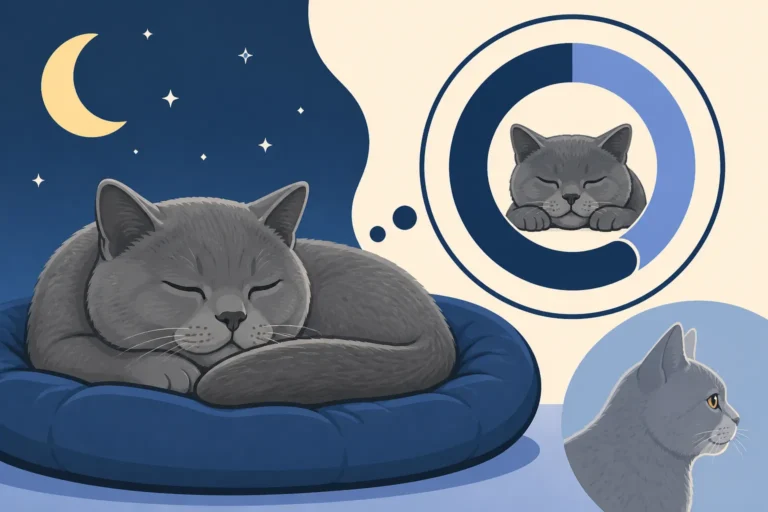
For a British Shorthair, a prime sleeping spot isn't just about softness; it's about feeling completely safe and undisturbed. They are creatures of habit and routine, and a consistent, secure sleeping area contributes immensely to their overall well-being. Think about it from their perspective: the bed is a vast landscape, full of shifting terrain (you!) and potential disturbances. They need a place where they can relax fully, knowing they won't be accidentally rolled on, jostled, or suddenly scooped up when they're in a deep slumber. This often means a spot that offers a sense of enclosure or a clear escape route.
They love warmth, but their incredibly dense, plush coat means they can overheat easily. So, while they appreciate a cozy blanket, they might also seek out areas where there's a gentle breeze or where they can stretch out a paw into cooler air. It’s a delicate balance between snugginess and thermal comfort. Finding that sweet spot on the bed often involves a fair bit of reconnaissance before they finally settle down for the night, ensuring all their comfort and security criteria are met.
Proximity Without Pressure
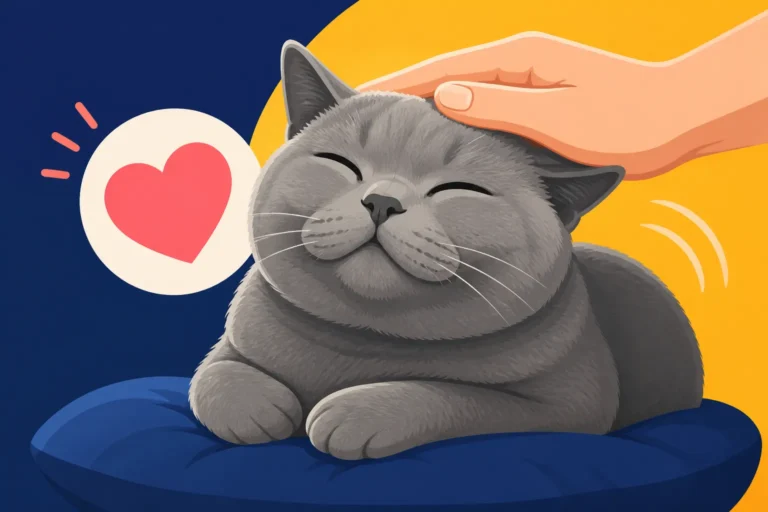
One of the most charming, and sometimes puzzling, traits of a British Shorthair is their unique approach to affection. They often love to be near you, to be in the same room, or even on the same piece of furniture, but not necessarily on you. They are the masters of "close but not touching," a kind of affectionate parallel play. This translates directly to their sleeping habits on your bed. They want to share your space, to feel your presence, and to know you’re there, but they rarely want to be pinned down or used as a cuddle toy all night long.
This isn't a sign that they don't love you; quite the opposite, in fact. It signifies a deep trust and comfort that allows them to be vulnerable in your space while still maintaining their sense of feline independence. They might stretch out on your pillow but leave a clear demarcation line, or settle at your feet where they can feel your movement but aren't directly entangled. It's their way of saying, "I adore you, and I trust you enough to sleep near you, but please respect my personal bubble." A British Shorthair Sits Near You, Not On You is a concept they truly embody.
Temperature Regulation and Airflow
That magnificent, thick coat of a British Shorthair isn't just for show; it's a testament to their origins and an integral part of their temperature regulation. While we humans might love to burrow under a heavy duvet, our British Shorthair companions often have a different perspective. Their plush fur acts as an excellent insulator, which is fantastic for keeping warm in a chilly British climate, but can quickly lead to overheating in a warm house or when pressed against a human body all night.
Because of this, you'll often see them opting for spots that offer better airflow. This might be the very edge of the bed, where they can drape a paw over the side, or an area that isn't completely engulfed by blankets. If your bedroom is particularly warm, they might even choose to sleep on the duvet rather than under it, or stretch out on a cooler sheet rather than a fluffy comforter. Keeping this in mind can help you understand why they might prefer the cooler expanses of the bed rather than snuggling directly into your side. It's not a rejection; it's just smart cat thermoregulation!
Common British Shorthair Sleeping Locations on Your Bed
Once you understand the 'why,' the 'where' starts to make a lot more sense. Our British Shorthairs have a repertoire of preferred sleeping spots on the bed, each with its own charm and underlying feline logic.
The Foot of the Bed Sentinel
This is perhaps one of the most classic British Shorthair sleeping positions. You'll find them a fluffy, dense lump at the very foot of your bed, often stretched out or curled into a neat ball. They might be on top of the duvet, or sometimes snuggled under a throw if you keep one there. This position speaks volumes about their personality. They are your silent, ever-present guardian. From this vantage point, they can observe the entire room, keeping an eye on doors, windows, and any nocturnal stirrings.
It's a position that offers both security and independence. They are close enough to you to feel safe and connected, but far enough away to maintain their cherished personal space. It's also an ideal spot for a swift exit should they decide a midnight snack is in order or a sudden phantom mouse needs chasing. If your British Shorthair routinely adopts this position, it's a clear sign of their loyalty and protective instincts, allowing you to sleep soundly knowing your round-faced guardian is on duty. It's how they show affection in their own unique way. How a British Shorthair Shows Affection isn't always direct contact.
The Pillow Companion (At a Distance)
Some British Shorthairs, particularly those with a very close bond to their humans, might opt for a spot closer to your head. However, don't expect them to be snuggled right into your hair! More often, they'll choose a separate pillow next to yours, or perhaps the top edge of your pillow, creating a clear buffer zone between your sleeping heads. This allows them to be near your scent, which is incredibly comforting to them, and to feel your gentle breathing.
This proximity, even with a slight distance, is a profound expression of trust and affection. It means they feel secure enough to sleep near your most vulnerable area – your head – and enjoy the quiet intimacy of sharing such a personal space. Sometimes, they might even rest their head on the pillow, looking almost human in their peaceful slumber. It's a truly heartwarming sight and a testament to How Affectionate a British Shorthair Is when they choose to be so close.
The "Crevice" Seeker (Under the Duvet or Between Legs)
While British Shorthairs generally value their personal space and good airflow, there are moments when the call of deep warmth and ultimate security becomes irresistible. This is when you might find them burrowed under the duvet, often forming a mysterious lump at your feet or tucked between your legs. This isn't an everyday occurrence for all British Shorthairs, but when it happens, it signifies an extraordinary level of trust and comfort. They feel utterly safe and protected when enveloped in your bedding.
The warmth provided by the duvet can be a powerful draw, especially on a chilly night. For a cat that usually prefers to keep its distance, choosing to be so deeply entwined with your sleeping form is a clear sign that they view you as their ultimate safe harbor. It’s also important to be mindful of this if your cat does this, especially for older or less mobile British Shorthairs. Always be gentle when shifting and ensure they have a clear path out, should they need it. Remember, even when buried deep, they might still not want to be picked up directly. How to Pick Up a British Shorthair Without a Fight applies even when they're cozy.
The Side-Sleeper, Just Out of Reach
This position is a common favorite for British Shorthairs who want to be close but still maintain a degree of independence. You'll find them stretched out along your side, often parallel to your body, but with a deliberate few inches of space between you. It's as if they're saying, "I'm with you, but I'm also my own cat." They might even rest a paw lightly against your leg, a subtle physical connection that speaks volumes without being overwhelming.
This "buffer zone" sleeping position is a hallmark of the British Shorthair's temperament: affectionate but not clingy, present but not smothering. They enjoy the shared warmth and the comforting rhythm of your breathing, but they also appreciate the freedom to stretch, shift, or stand up without disturbing you or feeling trapped. It's a comfortable compromise that satisfies their need for companionship while respecting their inherent need for personal space.
Interpreting Your British Shorthair's Sleeping Signals
Understanding where your British Shorthair chooses to sleep on your bed isn't just about curiosity; it's a window into their world, offering insights into their emotional state and the strength of your bond. These subtle choices are their way of communicating with you.
A Measure of Trust and Affection
The location your British Shorthair picks for their slumber party on your bed is a direct reflection of how much they trust you and how secure they feel in your presence. A cat that chooses to sleep anywhere on your bed, whether at your feet or near your head, is displaying a significant level of affection and comfort. Cats are most vulnerable when they're asleep, and by choosing to sleep near you, they are essentially entrusting their safety to you. This is especially true for a breed like the British Shorthair, which can be quite reserved.
If your British Shorthair starts sleeping closer than usual, or in a more exposed position, it often indicates a deepening bond and increased confidence. Conversely, if they suddenly retreat to a more distant spot, it might be worth considering if anything has changed in their routine or environment that might be making them feel less secure. It's all part of their unique language, and learning to "read" their sleeping spots can enhance your connection. They may not be a lap cat, but their choice of sleeping spot is definitely a profound gesture of love. How Well a British Shorthair Can Be Cuddled at All sometimes extends to simply being in your space.
Recognizing Subtle Cues
Beyond the general area, the specific posture and nuances of their sleeping spot can offer even more insight. Is your British Shorthair curled tightly into a ball, indicating a desire for warmth or perhaps a feeling of slight vulnerability? Or are they stretched out luxuriantly, belly exposed (the ultimate sign of trust!), suggesting complete relaxation and confidence? Do they purr contentedly as they settle, a soft rumble that signifies deep contentment and happiness in their chosen spot?
Pay attention to these small details. A British Shorthair that occasionally shifts closer to nuzzle your hand or leg before settling back into their preferred buffer zone is expressing affection in a way that respects both your space and theirs. A cat that actively seeks out a particular blanket or pillow, perhaps one that carries your scent, is often doing so for comfort and reassurance. These subtle cues are the quiet conversations your British Shorthair has with you every night, building on How Much a British Shorthair Likes Being Stroked without actually needing to be stroked all night.
When Habits Change
Cats are creatures of habit, and British Shorthairs are no exception. If your British Shorthair suddenly changes their long-standing sleeping spot on the bed, it's worth taking a moment to consider why. Sometimes, it's a simple environmental factor: perhaps a new draft, a change in room temperature, or a different pillow that's more appealing. Other times, it could be a subtle sign of discomfort or even an underlying health issue. A cat in pain might seek out a new position to alleviate pressure, or an anxious cat might choose a more hidden spot.
Consider any recent changes in your household – new furniture, new people, changes in your own sleep schedule, or even a different type of bedding. If the change is accompanied by other behavioral shifts, such as changes in appetite, litter box habits, or activity levels (even for a calm British Shorthair, a sudden change in activity is noticeable), it might be wise to consult your vet. Often, however, a shift in sleeping preference is harmless, simply reflecting a new discovery of a prime, extra-comfortable spot on the bed. What a British Shorthair's Temperament Is Really Like means they are generally stable, so changes can be significant.
Making Your Bed a British Shorthair Haven
Whether your British Shorthair is a foot-of-the-bed guardian or a pillow companion, there are ways to enhance their comfort and reinforce your bond, making your bed an irresistible haven for their nightly slumbers.
Providing Dedicated Comfort Spots
While your British Shorthair might choose your bed as their ultimate sleeping destination, they often appreciate having their own dedicated space on it. This means providing them with soft, inviting options. Consider placing a plush cat bed at the foot of your bed, or a soft fleece blanket draped over a specific corner. This gives them a clear "territory" that is theirs, minimizing any perceived competition for space and enhancing their sense of security. You can find a fantastic selection of cozy cat beds and blankets on sites like Amazon, with everything from orthopedic memory foam options for older cats to simple, fluffy designs that a British Shorthair will adore.
These dedicated spots allow them to enjoy the warmth and scent of your bed, while still having their own defined area. You might even find that they alternate between these dedicated spots and other areas of the bed, depending on their mood or the temperature. The key is to offer choices, letting them decide what feels most comfortable and secure for them on any given night. This can also prevent them from commandeering your favorite pillow! You can easily search "cat bed" or "pet blanket" on Amazon to see a vast array of options.
Respecting Their Boundaries
The golden rule when sharing your bed with a British Shorthair is to respect their boundaries. They are not typically cats who enjoy being constantly handled or repositioned while they're trying to sleep. If your British Shorthair has settled into a spot, even if it's slightly inconvenient for you, try to avoid disturbing them unnecessarily. If you must move them, do so gently, waking them softly before lifting. This reinforces their trust in you and makes them feel safe and respected in their chosen space.
Never force snuggles or pull them into a position they don't seem to want. A British Shorthair will reciprocate your respect with deeper trust and affection. If they initiate contact – a gentle head-bonk, a quiet purr, or a paw resting on you – then, by all means, respond with soft pets, especially in areas they enjoy. How Long a British Shorthair Tolerates Being Held is usually not very long, especially when they're trying to relax or sleep. Allowing them to dictate the terms of physical affection strengthens your relationship.
Maintaining a Clean and Inviting Environment
A clean and calm sleeping environment is paramount for a British Shorthair. Their sensitive noses will appreciate fresh bedding, so regular washing of sheets, duvets, and any dedicated cat blankets is a must. A clean space is also a healthy space, reducing allergens and keeping their beautiful coats free from unnecessary oils or dirt. Consider using unscented laundry detergents if your cat seems sensitive to strong smells.
Beyond cleanliness, cultivate a peaceful bedroom atmosphere. Keep noise levels down, especially as they're settling down for the night. A consistent bedtime routine can also be very reassuring for them, letting them know it's time to wind down and settle into their preferred snooze spot. Ensuring fresh water is accessible nearby, perhaps on a nightstand or dresser, also contributes to their overall comfort and sense of well-being throughout the night. Providing a comfortable and secure environment, whether through an extra soft blanket from Amazon or simply a clean bed, ensures your British Shorthair feels cherished and safe. Whether a British Shorthair Prefers a Floor Bed or your bed ultimately comes down to which offers the most comfort and security.
| Sleeping Spot on Bed | Implied Reason | What it Means for Your Bond |
|---|---|---|
| Foot of the Bed | Security, Oversight, Personal Space | Loyal guardian, trusts you but values independence |
| Adjacent Pillow | Proximity, Comfort, Scent | Affectionate, enjoys being near your presence and scent |
| Under Covers (Deep) | Warmth, Ultimate Security | Feels extremely safe and protected, high trust |
| Side of the Bed (Buffer Zone) | Comfort, Shared Space, Independence | Trusts you, but maintains personal boundaries, quiet companionship |
| On the Duvet/Comforter | Temperature Regulation, Observation | Seeking cooler spot, comfortable being in your general vicinity |
Disclaimer
This article is for general informational purposes only and does not constitute professional advice. Laws, prices and regulations vary by location and change over time. Consult a qualified professional for guidance on your specific situation.