How a British Shorthair Takes to Brushing
Many British Shorthair owners find themselves admiring their cat's luxurious, dense coat but occasionally dreading the grooming session that comes with it. Their placid, seemingly unflappable nature might lead you to believe they'll tolerate anything, but when it comes to brushing, some British Shorthairs can be surprisingly particular, even opinionated! This comprehensive guide will delve into the unique characteristics of your British Shorthair's fur and temperament, offering practical strategies to help you make brushing a calm, positive, and bonding experience for both of you, ensuring their magnificent coat stays healthy and mat-free.
Understanding Your British Shorthair's Unique Coat
The British Shorthair is renowned for its distinctive coat, a hallmark of the breed that gives them their plush, teddy bear-like appearance. This isn't just any cat fur; it's a double coat that's incredibly dense and short, designed to protect them from the elements of their ancestral British climate. Understanding the intricacies of this coat is the first step in effective and comfortable brushing.
The Density and Texture of the British Shorthair Coat
Imagine a plush velvet cushion, but with a surprising firmness to it—that's often how a British Shorthair's coat feels. It's described as crisp to the touch, not soft and silky like some other breeds. This crispness is due to the structure of the individual hairs, which are very fine but grow in incredibly dense clusters, standing away from their body. This unique density is beautiful but also prone to holding onto loose fur, leading to matting if not regularly maintained. When you run your hand through their fur, you can truly appreciate the thick undercoat that contributes to this voluminous feel. This is why tools that can penetrate this density are so crucial.
Their coat isn't just thick; it's also relatively short. This combination of short, dense, and standing-away-from-the-body hairs means that traditional brushes designed for longer, softer coats often don't do the trick. You might find a standard slicker brush just skims the surface, failing to reach the deeper layers where shedding fur and potential mats hide. It's a common frustration for owners who diligently brush but still find fur tumbleweeds floating around their homes. The goal with a British Shorthair isn't just to make the top layer look neat, but to truly get down into that substantial undercoat. You can learn more about this in A British Shorthair's Coat Stands Away From Its Body.
Shedding Cycles and Matting Potential
All cats shed, but the British Shorthair's shedding patterns can be quite pronounced due to their double coat. They tend to have two main shedding seasons, often referred to as "blowing their coat," usually in spring and autumn. During these periods, the amount of loose fur can be astonishing. If you've never owned a British Shorthair before, you might be surprised by the sheer volume of fur that can come off during a good brushing session, especially during these peak times. How Much a British Shorthair Sheds will give you more insights into this phenomenon. This seasonal shedding is their body's way of adapting to temperature changes, preparing for warmer or cooler weather.
Outside of these intense shedding periods, British Shorthairs still shed year-round, albeit at a lighter, more consistent rate, particularly if they are indoor-only cats with stable temperatures. This constant, albeit lower-level, shedding means regular brushing is essential not just seasonally, but weekly, if not more often. The dense nature of their coat also means that loose hairs can get trapped within the existing fur, forming painful mats. These mats, especially in areas like behind the ears, under the chin, in the "armpits," or around the hind legs, can pull on the skin, causing discomfort and even skin infections if neglected. For an overweight British Shorthair, reaching these spots can be even harder, leading to more severe matting in areas they can't groom themselves. Why an Overweight British Shorthair Stops Grooming Its Back highlights this particular challenge. Regular, thorough brushing can prevent these issues, keeping your cat comfortable and their coat pristine.
Decoding Your British Shorthair's Brushing Preferences
Beyond the physical characteristics of their fur, understanding the unique temperament of your British Shorthair is paramount to successful grooming. These are not typically high-strung or hyperactive cats; they possess a calm, dignified, and often quite stoic demeanor. However, this doesn't automatically translate to loving all forms of physical interaction, especially when it feels intrusive.
The British Shorthair Temperament and Personal Space
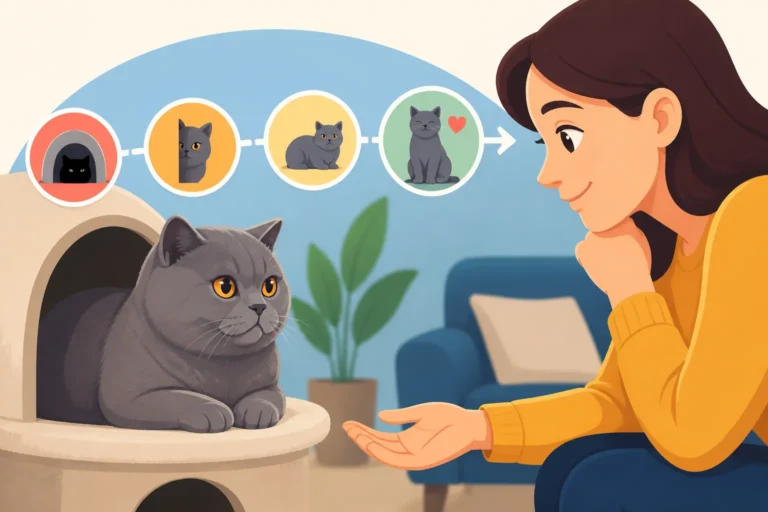
British Shorthairs are generally known for their easygoing and adaptable nature, making them wonderful companions. They are often described as amiable and tolerant, fitting well into various household dynamics. However, they also famously value their personal space. Unlike some breeds that crave constant lap time or being carried around, a British Shorthair usually prefers to be near you rather than directly on you. They might follow you from room to room, settling on the armchair next to yours or at the foot of the bed, perfectly content with proximity without direct physical contact. A British Shorthair Sits Near You, Not On You explores this affectionate but independent trait.
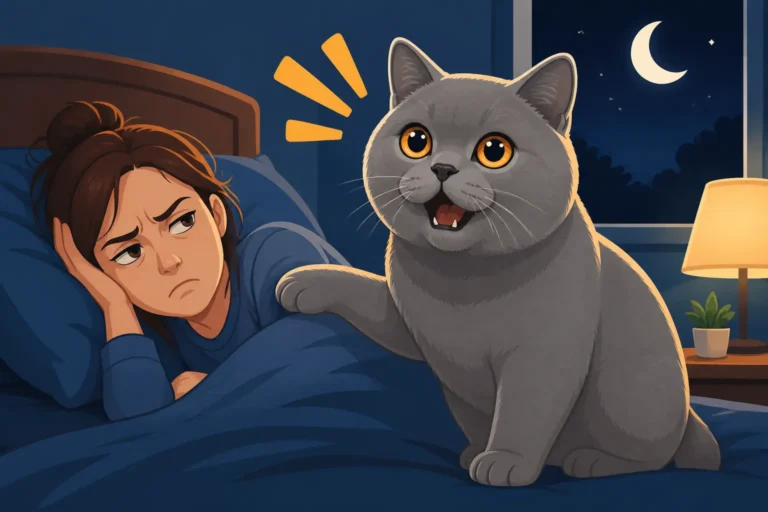
This preference for personal space extends to how they perceive handling, including brushing. While they might tolerate a gentle stroke or head scratch, a full-body grooming session, especially if it involves being held down or handled in ways they dislike, can be met with quiet resistance rather than outright aggression. They might simply walk away, try to bat the brush gently, or give you a look that clearly communicates their displeasure. They aren't usually vocal about their discomfort, often expressing it through body language. Learning to read these subtle cues is key to making brushing a positive experience. You can get a deeper understanding of their personality in What a British Shorthair's Temperament Is Really Like.
Signs of Enjoyment and Dislike During Brushing
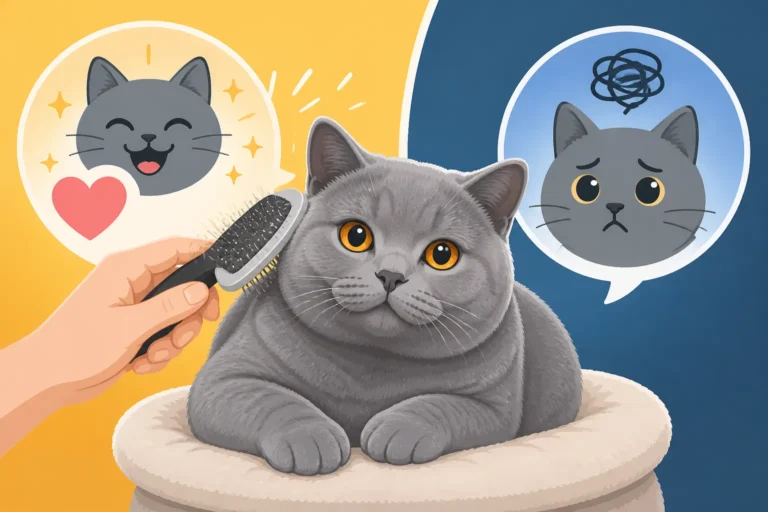
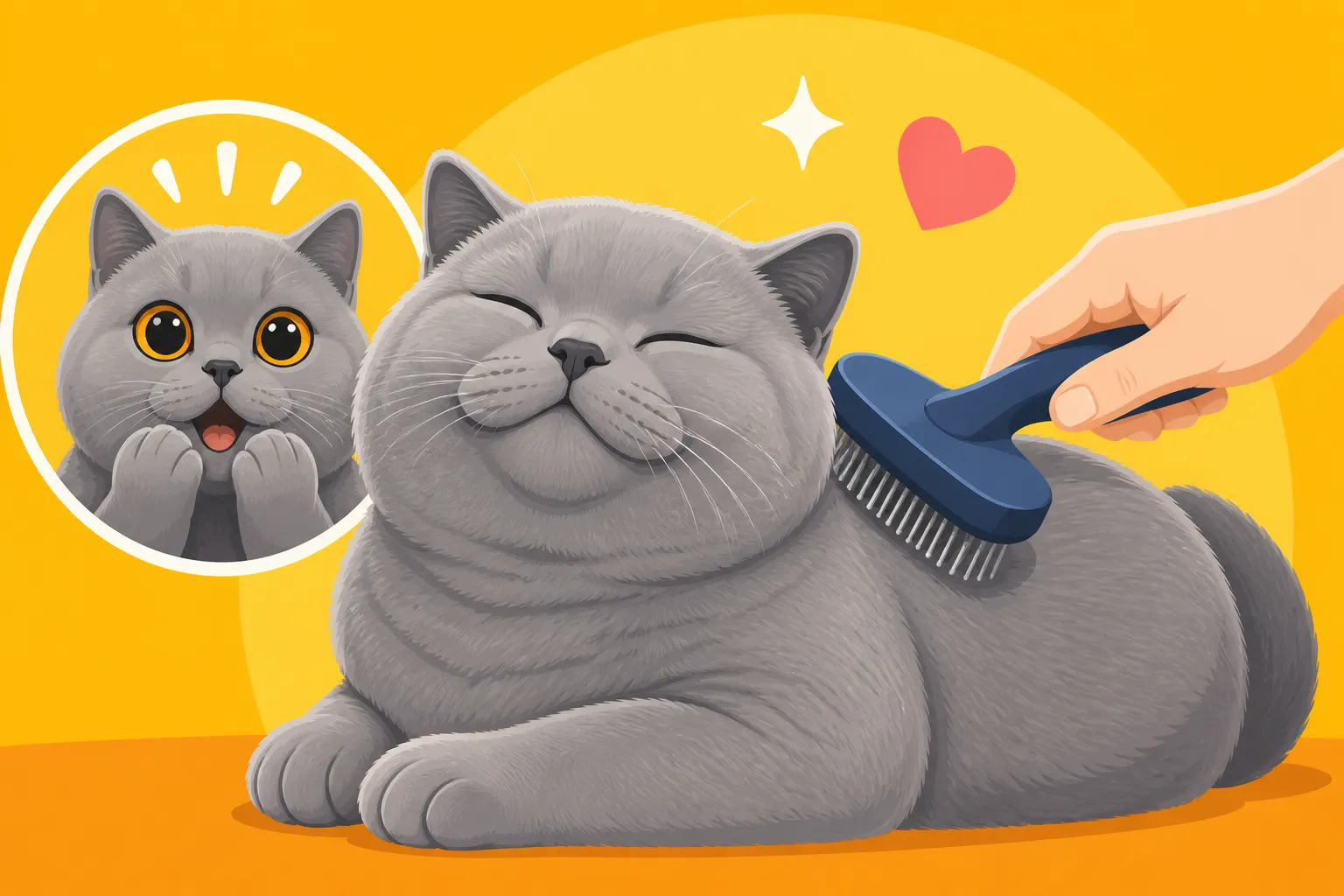
Observing your British Shorthair's reactions during brushing is crucial. When they are enjoying it, you might notice them purring softly, leaning into the brush, kneading their paws, or even closing their eyes in contentment. Some might even stretch out, presenting different areas for you to groom. This is the ideal scenario, and it's built on trust and positive association. Many British Shorthairs can learn to enjoy brushing, especially if it's introduced gently from a young age and associated with treats and praise.
On the flip side, signs of dislike or discomfort can be subtle. They might flatten their ears, flick their tail rapidly, try to move away, or give a low growl or hiss. More overt signs include swatting at the brush or attempting to bite. If you notice any of these, it's a clear signal to stop or change your approach. Pushing through their discomfort will only create negative associations, making future sessions even harder. The key is to keep sessions short and positive, ending before they become agitated. Remember, the goal is not just a well-groomed cat, but a cat that trusts you and views grooming as a pleasant routine, not a battle. This patience is vital, as forcing the issue can make them completely averse to being groomed, as discussed in Whether a British Shorthair Enjoys Being Groomed.
Essential Tools and Techniques for a Smooth Brushing Session
Equipping yourself with the right tools and knowing how to use them is half the battle when it comes to grooming a British Shorthair. Their specific coat type demands particular attention and implements that can penetrate its density without causing discomfort.
Selecting the Right Brushes and Combs
When it comes to British Shorthairs, not all brushes are created equal. Forget the flimsy plastic brushes or soft bristle brushes for anything beyond a gentle surface stroke. You need tools designed to handle a thick undercoat.
- Metal Comb (Fine-toothed or Medium-toothed): This is arguably your most important tool. A good quality, sturdy metal comb with both fine and medium-spaced teeth will be invaluable for getting deep into the coat and removing loose undercoat and small mats. Look for one with rounded tips to avoid scratching their skin. You can find excellent options on Amazon. Which Comb a British Shorthair Needs delves deeper into comb selection.
- Rubber Curry Brush or Grooming Glove: These are fantastic for removing loose surface hair and providing a gentle massage, which many British Shorthairs appreciate. They're great for a quick daily rub-down and are less intimidating than a comb for initial introductions to grooming. They also help stimulate blood flow and distribute natural skin oils, leaving the coat shiny.
- Deshedding Tool (e.g., a popular brand like Furminator): While effective, these should be used with caution and not excessively, especially on a British Shorthair's already dense coat. They are designed to pull out large amounts of undercoat. Overuse can strip too much of their protective fur and irritate their skin. Limit use to once or twice a week during peak shedding seasons, and always follow the manufacturer's instructions. A good quality deshedding tool can be easily found on Amazon.
- Slicker Brush (Optional and with care): A slicker brush with fine, closely spaced wire pins can be useful for some British Shorthairs, particularly those with a slightly less dense coat, or for finishing. However, be extremely gentle as the pins can be sharp and easily irritate the skin or damage the guard hairs if used too aggressively. Always choose one with coated tips if possible.
Establishing a Brushing Routine
Consistency is key when grooming a British Shorthair. Aim for regular, short sessions rather than infrequent, long ones.
- Frequency: During non-shedding periods, brushing 2-3 times a week with a metal comb and a rubber brush should suffice. During peak shedding season (spring and autumn), daily brushing might be necessary to keep up with the shedding fur and prevent mats. How Often a British Shorthair Needs Combing further emphasizes the importance of routine.
- Location: Choose a quiet, calm spot where your cat feels safe and comfortable. Avoid noisy or high-traffic areas. A specific "grooming spot" can help them associate it with a routine.
- Technique:
- Start Gentle: Always begin with light strokes in the direction of hair growth. Use the rubber brush first to warm them up and remove surface hair.
- Work in Sections: For the metal comb, work in small sections. Start at the head and work your way down the back, sides, and belly. Support their weight if you need to groom their belly or hind legs, but avoid forcing them into awkward positions.
- Lift and Comb: To tackle the undercoat effectively, use one hand to gently "lift" sections of the fur, and use the comb with the other hand to comb through from the skin outwards. This "line brushing" technique ensures you're getting all the way to the skin.
- Be Mindful of Mats: If you encounter a mat, do not pull on it. Gently try to work it apart with your fingers first. Then, use the fine-toothed side of your metal comb, working from the outer edge of the mat inwards, a few hairs at a time. If the mat is too tight or large, it's better to consult a professional groomer or your vet to avoid hurting your cat.
- Positive Reinforcement: Always end the session on a positive note, even if it was short. Offer a favorite treat, a gentle stroke, or a bit of playtime afterwards. This helps build a positive association with grooming.
Regular brushing not only keeps their coat healthy but also provides an opportunity to check for any skin issues, bumps, or parasites, which is an important part of their overall care.
Navigating Brushing Challenges and Resistance
Even with the best tools and intentions, some British Shorthairs can be resistant to brushing. Their inherent calm nature doesn't always mean they'll passively accept every interaction. Overcoming this resistance requires patience, understanding, and a consistent, positive approach.
Introducing Brushing to a Reluctant British Shorthair
If your British Shorthair isn't a fan of brushing, the key is to take it slow and make it a positive experience, not a battle. Start by introducing the brush or comb as a non-threatening object. Let your cat sniff it, rub against it, and get used to its presence. You can leave it near their favorite sleeping spot or where they eat.
- Short and Sweet Sessions: Begin with very brief sessions, perhaps just a few strokes with a gentle rubber brush while they are relaxed, such as after a meal or during a cuddle. End the session before they show signs of annoyance, even if it's only 30 seconds. The goal is to build up positive associations over time.
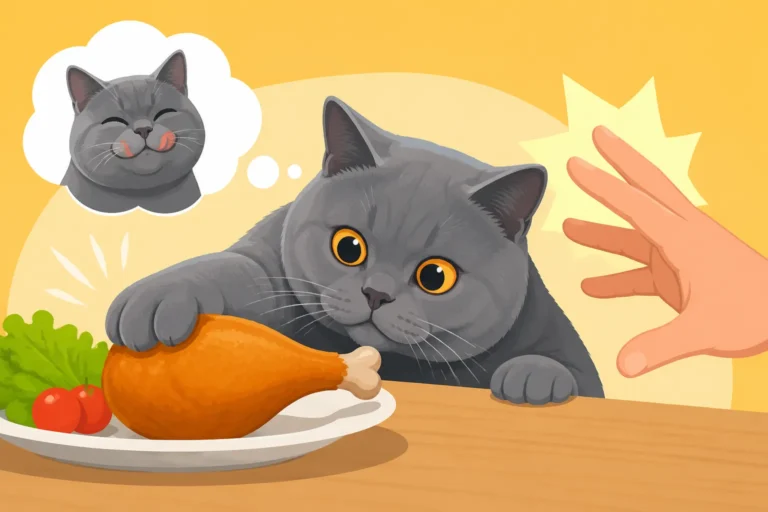
- Treats and Praise: Reward immediately after a few successful strokes. High-value treats, like a tiny piece of cooked chicken or a lickable treat, can work wonders. Pair the brushing with soothing verbal praise. This positive reinforcement teaches them that brushing equals good things. Many British Shorthairs are food motivated, and even if they don't respond to toys, they often will respond to food. You can find many popular lickable treats on Amazon that are great for this purpose.
- Gentle Touch: Always use a gentle touch. Avoid pulling on their fur or digging the brush into their skin. If they flinch or show discomfort, ease up immediately. Remember, their skin is sensitive.
- Identify Sensitive Spots: Pay attention to where your cat enjoys being touched and where they don't. Many cats dislike their belly or paws being handled, so save those areas for when they are fully comfortable, or work on them very gradually. Some British Shorthairs might be more amenable to grooming around their cheeks, which is great practice for getting them used to the sensation.
When to Seek Professional Help
There are times when even the most dedicated owner might need a little extra help with their British Shorthair's grooming.
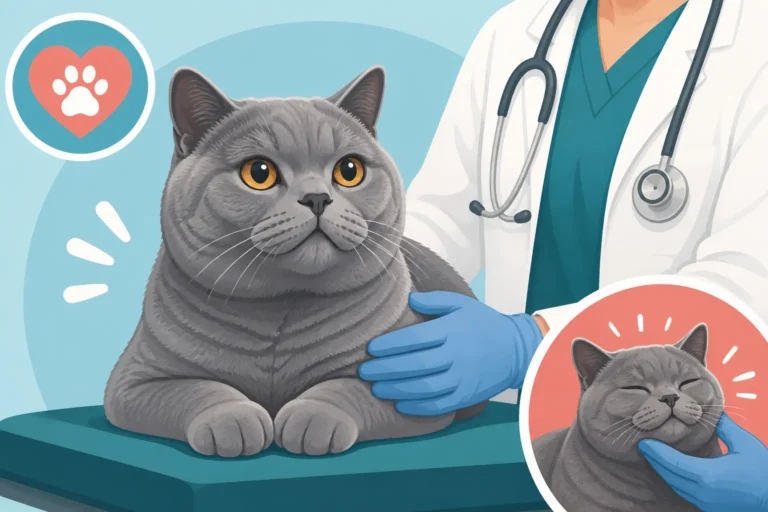
- Severe Matting: If your cat develops large, tight mats that you cannot gently detangle with your fingers and comb, it's time to call a professional groomer or your veterinarian. Attempting to cut out mats yourself can be extremely dangerous, as cat skin is very thin and easily cut. A professional has the right tools and expertise to safely remove mats without causing pain or injury to your cat. These kinds of mats can be very painful, pulling at the skin and causing discomfort with every movement.
- Extreme Resistance: If your British Shorthair becomes genuinely aggressive or extremely stressed during grooming attempts, it might be safer and less traumatic for both of you to involve a professional. They have techniques and tools to handle reluctant cats safely and efficiently. Some veterinary clinics offer grooming services, which can be beneficial if your cat needs sedation for mat removal or is particularly anxious.
- Special Health Concerns: Cats with certain health conditions, such as arthritis or obesity, might find self-grooming difficult and be extra sensitive to handling. In these cases, a professional can tailor their approach to your cat's specific needs, ensuring they remain comfortable. For example, an older cat with Arthritis in an Older British Shorthair might find certain positions painful.
- Regular Maintenance for Difficult Cats: Even if you manage light brushing at home, a professional groomer can provide thorough deshedding treatments or sanitary clips if needed, especially if your British Shorthair is particularly prone to matting or struggles to keep clean. They can keep up with the dense coat more effectively than many owners can manage alone.
Regular, positive brushing sessions are an investment in your British Shorthair's health, comfort, and your bond with them. By understanding their coat and their unique personality, and by using the right tools and techniques, you can transform grooming from a chore into a cherished routine.
| Brushing Tool Type | Primary Purpose | British Shorthair Suitability | Usage Tips |
|---|---|---|---|
| Metal Comb | Detangling, removing loose undercoat, mat prevention | Essential | Start wide-toothed, then fine. Lift fur and comb from skin. |
| Rubber Curry Brush | Surface shedding, massage | Excellent | Gentle strokes, good for daily use, helps distribute oils. |
| Deshedding Tool | Deep undercoat removal (e.g., Furminator) | Good, but with caution | Use sparingly (1-2x/week in shedding season), never over-brush. |
| Soft Bristle Brush | Polishing coat, light grooming | Limited use | Best for finishing, distributing natural oils, gentle introduction. |
| Grooming Glove | Surface shedding, petting-like feel | Excellent | Ideal for reluctant cats, feels like a regular petting session. |
Disclaimer
This article is for general informational purposes only and does not constitute professional advice. Laws, prices and regulations vary by location and change over time. Consult a qualified professional for guidance on your specific situation.