Whether a British Shorthair Plays With Another Cat
It's a common dream for cat owners: you get a second feline friend, and they immediately become best pals, chasing toys and wrestling playfully around the house. However, if you're a British Shorthair owner, you might find yourself wondering if this laid-back, independent breed is even interested in such boisterous interactions. Many British Shorthairs are notoriously calm, and introducing another cat can sometimes feel like trying to get two statues to dance. This guide will delve into the nuances of British Shorthairs' social dynamics with other cats, exploring whether they're likely to play, what influences their interactions, and how you can foster a harmonious multi-cat household.
Understanding the British Shorthair's Approach to Companionship
British Shorthairs are known for their calm, stoic, and sometimes seemingly aloof nature. This isn't to say they aren't affectionate, but their affection often manifests differently than, say, a highly clingy Siamese or a perpetually playful Abyssinian. They are often described as "velcro cats" that prefer to be near you rather than on you, and this independent streak extends to their interactions with other animals as well.
The British Shorthair Temperament and Socializing
When we talk about the British Shorthair's temperament, words like "dignified" and "easygoing" often come to mind. They're not typically prone to dramatic outbursts or constant demands for attention. This inherent calmness can be a double-edged sword when it comes to playing with other cats. On one hand, their generally unaggressive nature means they're less likely to instigate fights or cause undue stress in a multi-cat home. On the other hand, their preference for quiet observation might mean they're simply not that interested in a full-on play session with a housemate, especially if that housemate is more energetic. You might find that your British Shorthair is quite content to watch the other cat pounce on a toy, perhaps with a slight tilt of their famously round head, but without feeling the need to join in. For a deeper dive into their personality, you might want to read What a British Shorthair's Temperament Is Really Like.
The British Shorthair's Idea of "Play"
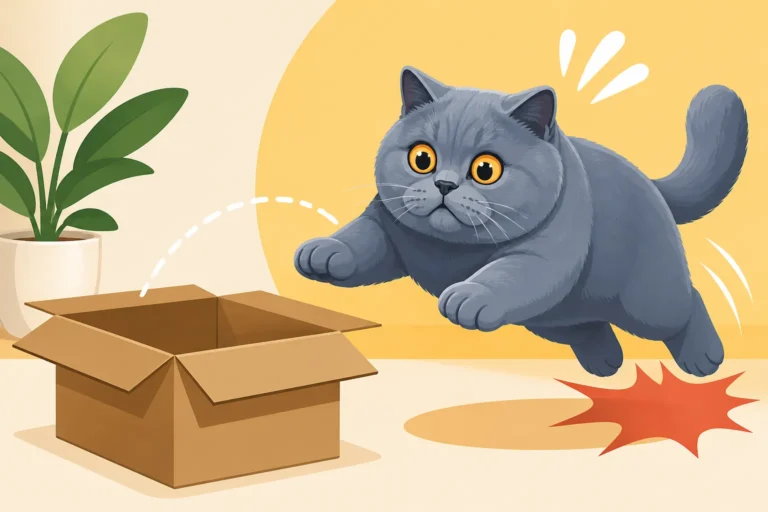
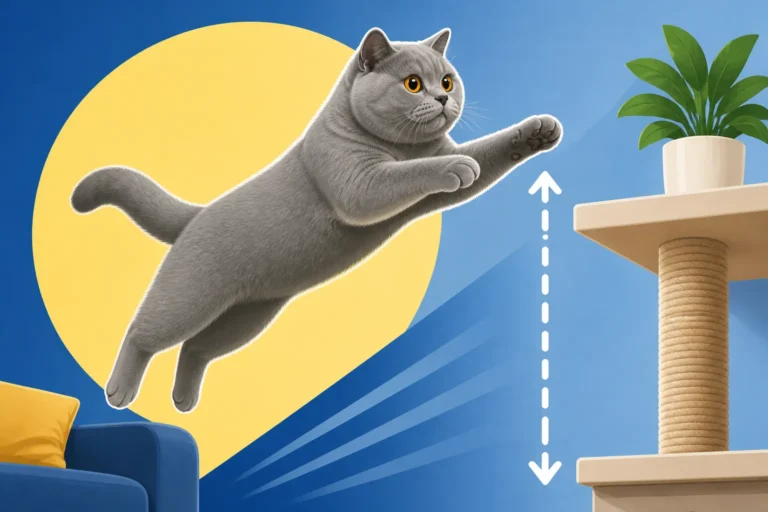
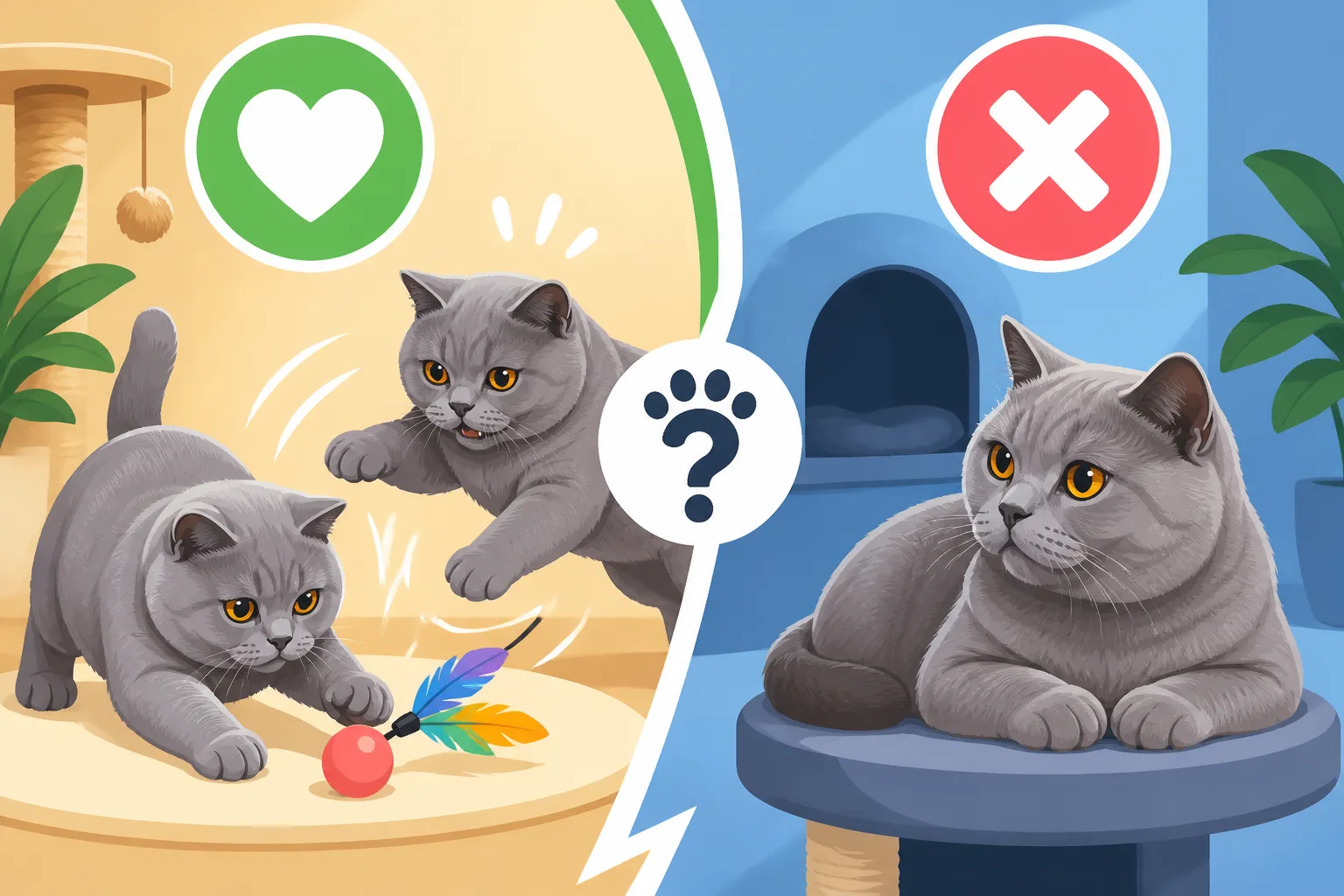
What one cat considers "play," another might view as an annoying interruption to their nap schedule. For many British Shorthairs, intense, prolonged wrestling matches or high-speed chase games aren't their preferred form of entertainment. They often engage in shorter bursts of play, if at all, and their idea of a good time might involve slow, deliberate stalking of a feather wand, or a gentle batting at a crinkly ball. They might enjoy a brief wrestling session, but it's usually less boisterous and far shorter than what you'd see from more active breeds. This can lead to a mismatch if their companion cat is a bundle of endless energy, always ready for a vigorous game. Understanding this difference in play style is crucial to managing expectations when you bring another cat into their world.
Factors Influencing Play Between British Shorthairs and Other Cats
So, while the British Shorthair breed generally leans towards a more sedate lifestyle, it's not a hard and fast rule that they won't play with other cats. Several factors can significantly influence how (and if) your British Shorthair interacts and plays with a feline housemate. It's rarely a one-size-fits-all situation, and what works for one pairing might be a total flop for another.
Age and Energy Levels
This is perhaps one of the most significant factors. A young British Shorthair kitten, like any kitten, will have bursts of playful energy, though perhaps less sustained than other breeds. They might be more inclined to chase and tumble with a littermate or a similarly aged new companion. However, as they mature, typically around the age of three, their activity levels tend to significantly decrease. How Active a British Shorthair Is really highlights this transition. If you pair a calm, mature British Shorthair with a high-energy, boisterous kitten, you might find a serious mismatch. The kitten wants to play, and the British Shorthair just wants to nap in a sunbeam. This can lead to frustration for the kitten and annoyance for the older cat, manifesting as the British Shorthair simply ignoring the younger cat's overtures, or, in more extreme cases, hissing to tell them off. Conversely, two equally mellow British Shorthairs, or a British Shorthair paired with another calm breed, might find common ground in gentle play or simply enjoying each other's quiet company.
Individual Personalities and Prior Experiences
Just like people, every cat is an individual. While British Shorthairs share certain breed traits, there's still a spectrum of personalities within the breed. Some British Shorthairs are naturally more outgoing and curious, while others are incredibly reserved. A British Shorthair who grew up with other cats, particularly other British Shorthairs or similarly quiet breeds, might be more accustomed to and tolerant of play. If your British Shorthair came from a busy household with many other animals, they might have developed better social skills for interaction. However, a British Shorthair rescued from a solitary existence might be less inclined to share their space, let alone play. Past negative experiences with other cats can also make a British Shorthair wary, making playful interactions a distant possibility. Always consider the individual cat's history and personality when planning an introduction.
The Role of Introduction Methods
How you introduce a new cat to your British Shorthair is absolutely paramount. Rushing the process or simply throwing them together can doom any chance of a peaceful coexistence, let alone playful interaction. British Shorthairs thrive on routine and stability, and a sudden, unwelcome intruder can be very stressful. A slow, scent-based introduction, gradually moving to visual contact and supervised interactions, is almost always the best approach. This allows both cats to adjust at their own pace and build positive associations. If you're wondering How to Introduce a British Shorthair to a Resident Cat, you'll find detailed steps that can make all the difference. Patience is truly a virtue here. Even if your British Shorthair never becomes a wrestling buddy, a good introduction can at least ensure they tolerate each other, which is a success in itself.
The Other Cat's Breed and Play Style
It's not just about the British Shorthair; the temperament and play style of the other cat are equally important. As mentioned, a high-energy breed like a Bengal or an Oriental Shorthair might overwhelm a British Shorthair. They have vastly different play drives and might not understand each other's social cues. Imagine a British Shorthair gently batting a toy mouse while a Bengal attempts parkour around the room. It’s unlikely to result in harmonious play. However, pairing a British Shorthair with another calm, sturdy breed, or even another British Shorthair, can increase the chances of shared, gentle play sessions. Breeds known for their placid temperaments, such as Ragdolls or even some older, more sedate mixed breeds, might be a better match. Sometimes, you might find that Whether Two British Shorthairs Get Along is the easiest scenario for establishing peaceful coexistence and occasional shared activities.
Encouraging Play and Harmony Between Cats
Even if your British Shorthair isn't naturally inclined to wrestle, there are many ways you can encourage positive interactions and even some form of play between them and another cat. The goal isn't necessarily to turn them into Olympic athletes, but to foster a comfortable and stimulating environment for both.
Structured Play Sessions for Both Cats
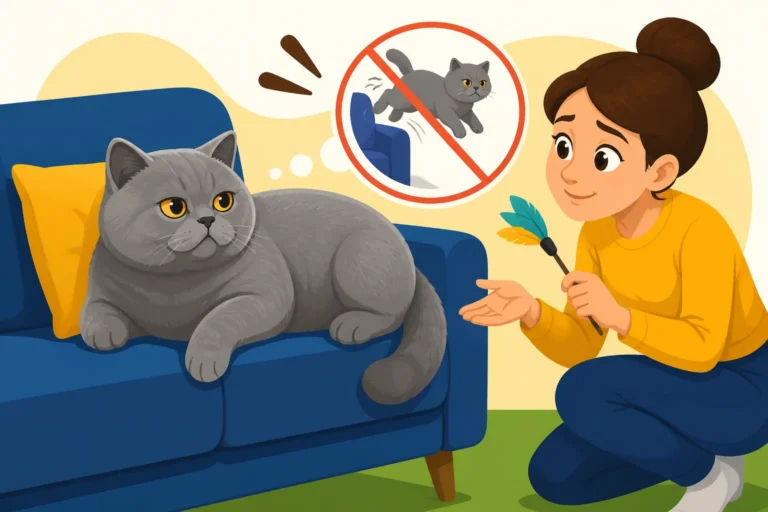
One of the best ways to encourage interaction is through structured play sessions, especially with wand toys. British Shorthairs often enjoy these, as they allow them to stalk and pounce from a comfortable distance without direct physical contact initially. Use two separate wand toys, one for each cat, and engage them individually but in the same room. This creates a shared positive experience. Over time, you might notice them start to watch each other, perhaps even taking turns or making a joint pounce. An interactive toy, like those available on Amazon that move unpredictably or have feathers, can sometimes spark interest in both cats simultaneously. Remember, their play might be short-lived, so don't push it too hard. Consider that Which Toys a British Shorthair Will Actually Chase are usually the ones that mimic prey in a less threatening way.
Environmental Enrichment and Shared Spaces
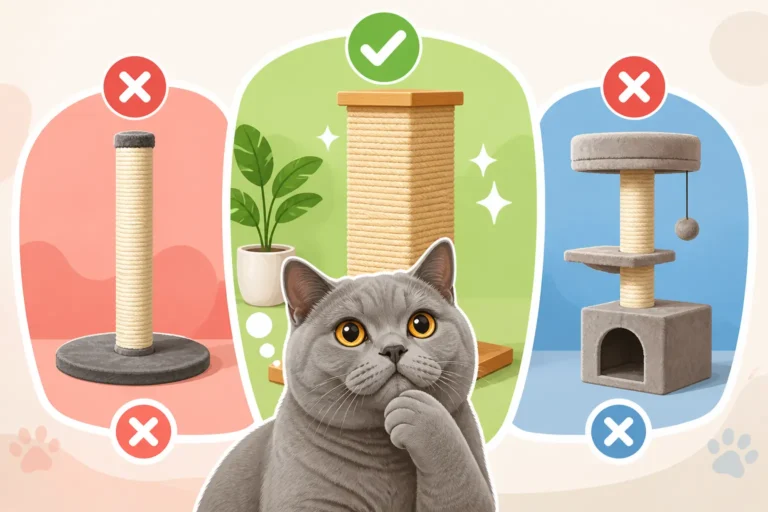
Creating an enriched environment that caters to both cats' needs can significantly improve their relationship. This means having enough resources for everyone: multiple food and water stations, several litter boxes (the general rule is one per cat plus one extra), and various resting spots. British Shorthairs tend to be ground dwellers, but offering vertical space like sturdy cat trees can still be beneficial, providing safe observation points. A wide, stable cat tree can be found on Amazon. When cats have their own designated spaces and don't feel competitive over resources, they are more relaxed and open to positive interactions. Shared vantage points, like a large window perch, can also create bonding opportunities even if they're just quietly observing the outside world together. You can also explore options for Whether a British Shorthair Uses a Cat Tree at All to help make good choices for your home.
Food Puzzles and Treat Games
Food is often a powerful motivator, even for a British Shorthair! Introducing food puzzles or treat-dispensing toys can be a great way to engage both cats in a low-stress, shared activity. When they're focused on solving a puzzle for a reward, they're often less concerned with each other, and it can create a positive association with being in close proximity. Start with easy puzzles and gradually increase the difficulty. You can find a wide array of these on Amazon, from simple treat balls to more complex sniff mats. This kind of mental stimulation can be just as beneficial as physical play, especially for a less active breed. Just be mindful of their calorie intake, as British Shorthairs are prone to weight gain, as discussed in Why a British Shorthair Gains Weight So Easily.
| Interaction Type | British Shorthair's Typical Response | Encouragement Strategy |
|---|---|---|
| Rough & Tumble | Usually avoids or quickly disengages | Redirect with separate wand toys, avoid forcing. |
| Chase Games | Brief bursts, prefers stalking | Use slow-moving toys, laser pointers (with a catch). |
| Parallel Play | Often enjoys observing another cat | Provide identical toys for simultaneous play. |
| Scent Swapping | Important for acceptance | Use blankets, gradual introductions. |
| Shared Relaxation | Highly values quiet companionship | Offer multiple comfy beds, sunny spots. |
| Grooming | May tolerate or initiate gentle licks | Only if comfortable, don't force closeness. |
Maintaining Separate and Shared Resources
While encouraging shared spaces is good, it's equally important to ensure each cat has their own "safe zone" where they can retreat and feel secure. This might be a favorite bed, a high shelf, or even just a room that only they can access at certain times. This reduces competition and stress. For some British Shorthairs, their interaction with other cats might primarily consist of calmly sharing a room, occasionally sniffing each other, and then going about their own business. That's a perfectly acceptable and often ideal outcome for this breed. The key is to avoid forcing interactions and let them dictate the pace of their relationship. You want them to coexist peacefully, and play, if it happens, is a bonus.
When Play Doesn't Happen, and That's Okay
Sometimes, despite all your best efforts, your British Shorthair and their feline housemate just won't become the dynamic duo you envisioned. They might never engage in traditional, boisterous play, and that's not a sign of failure. It's simply a reflection of their individual personalities and the unique dynamics of your household.
Respecting Individual Personalities
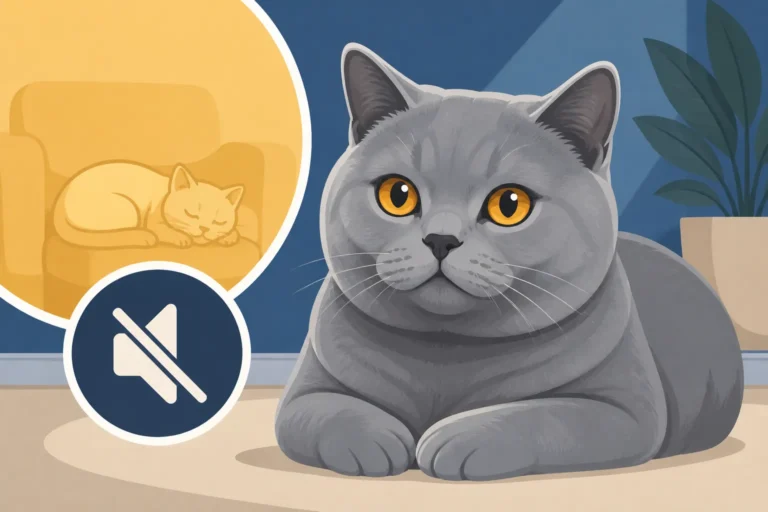
It’s crucial to remember that not all cats are destined to be playmates, especially with a breed like the British Shorthair, which often has a lower play drive. Your British Shorthair might simply be a cat who prefers quiet companionship, or even solitude, over rowdy play. If your British Shorthair and the other cat are living peacefully, eating well, using their litter boxes, and showing no signs of stress or aggression towards each other, then you've achieved a significant success. Sometimes, the best form of companionship for a British Shorthair is simply having another cat present in the home, a silent observer or a shared napper, rather than an active playmate. Their version of "getting along" might look more like parallel existence than enthusiastic play. This quiet coexistence can be wonderful in itself, providing subtle enrichment and preventing the loneliness that some cats experience, as discussed in Signs a British Shorthair Is Lonely.
Alternative Forms of Interaction and Bonding
If your cats aren't playing together, it doesn't mean they aren't bonding or enjoying each other's company. British Shorthairs are subtle communicators. They might show affection by simply sharing a sunny spot, napping in the same room (even if not touching), engaging in mutual grooming (though this is less common with British Shorthairs), or simply tolerating each other's presence. Sometimes, a quiet exchange of scent, a soft head butt, or a shared glance is all the "play" they need. For many British Shorthairs, their idea of interaction is simply being in the same vicinity as another beloved creature. They are renowned for being A British Shorthair Sits Near You, Not On You, and this extends to their feline friends as well. You might find them curled up in separate beds but facing each other, or sharing a window perch, each lost in their own thoughts but connected by presence.
Recognizing Signs of Stress Versus Non-Play
It’s important to differentiate between cats who simply aren't interested in playing together and those who are actively stressed or unhappy with the living situation. Signs of stress can include hiding, inappropriate urination, excessive grooming, aggression (hissing, swatting, chasing), or a sudden change in eating habits. If you observe any of these, it's time to reassess your setup and potentially consult with a feline behaviorist. However, if your British Shorthair and their companion are simply ignoring each other, or engaging in very minimal, polite interactions, that's generally fine. It means they've established boundaries and found a way to coexist peacefully without needing to be best friends. Sometimes, the lack of overt play simply means they are The Quietest Cat in the House and prefer a serene environment over boisterous activity, a trait that makes them wonderfully adaptable to many homes.
Ultimately, whether a British Shorthair plays with another cat depends on a delicate balance of individual personality, age, introduction methods, and the temperament of the companion cat. While some may surprise you with their playful antics, it's often more realistic to expect a calm coexistence rather than constant frolicking. Providing a safe, resource-rich environment and respecting their unique social preferences will lead to the happiest outcome for all your feline family members.
Disclaimer
This article is for general informational purposes only and does not constitute professional advice. Laws, prices and regulations vary by location and change over time. Consult a qualified professional for guidance on your specific situation.