Whether a British Shorthair Uses a Cat Tree at All
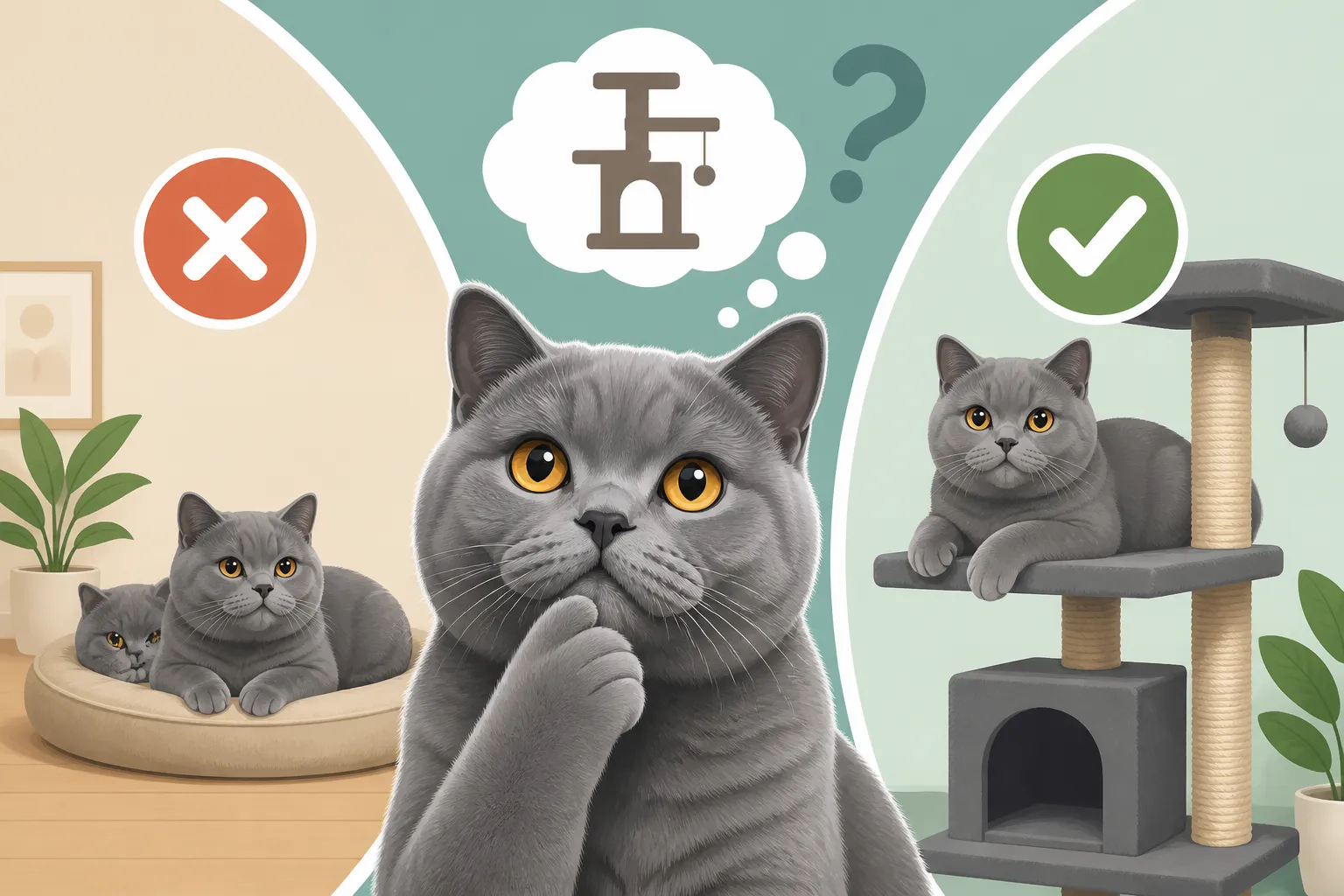
It's a common, and very fair, question that many British Shorthair owners ponder: "Will my wonderfully plush, but often wonderfully lazy, British Shorthair actually use a cat tree?" You invest in what looks like a fantastic multi-level palace, only for your round-faced companion to eye it with suspicion, preferring the humble sofa. This guide is here to shed light on your British Shorthair's potential relationship with cat trees, offering tips on choosing the right one and encouraging its use, so your investment doesn't just gather dust.
Understanding the British Shorthair's Nature
British Shorthairs are magnificent creatures, renowned for their dense, plush coats, round faces, and generally calm, easygoing dispositions. However, their relaxed nature often leads owners to believe they're simply not interested in vertical adventures. While they might not be scaling curtains like a Bengal, there's more to their behavior than meets the eye when it comes to elevated spaces.
Their Calm Demeanor and Low Energy Levels
One of the most endearing qualities of the British Shorthair is their generally serene temperament. They are not typically high-energy cats; you won't often find them tearing through the house in mad dashes or engaging in elaborate acrobatics. Instead, they prefer quiet observation, leisurely naps, and a good snuggle on the sofa – though usually beside you, not always on you. This low-key energy profile can make a tall, intricate cat tree seem like an intimidating obstacle rather than an inviting playground. They are perfectly content to be ground-dwellers, and any effort must seem worthwhile for them to expend it.
Their physical build also plays a role. British Shorthairs are solid, cobby cats with substantial bone structure. They mature slowly, often not reaching their full size and weight until three to five years old. This means they can be heavier than many other breeds, and jumping or climbing requires more effort and stability. A flimsy cat tree simply won't inspire confidence in a cat that weighs a good deal and prefers its paws firmly on the ground. Understanding that your British Shorthair isn't just "lazy" but rather built for a more sedate lifestyle is the first step in appreciating their approach to environmental enrichment. We’ve explored this quiet nature in depth in Why a British Shorthair Is So Still.
Despite their calm demeanor, it's crucial for their health to encourage some form of activity. British Shorthairs are particularly prone to obesity, given their love for food and their lack of self-starting exercise routines. A cat tree, if used, can be an excellent way to introduce more movement into their day, helping them stretch, climb a little, and engage their muscles. Without these outlets, their propensity for weight gain can lead to a host of health problems.
The Instinct for Elevated Spaces Even if They're Sedate
Even the most laid-back British Shorthair still possesses an innate feline instinct to survey their surroundings from a height. This isn't necessarily about hunting, though they are certainly capable hunters; it's more about security, observation, and establishing their domain. From an elevated perch, they can watch the household goings-on, keep an eye on perceived threats (like the vacuum cleaner or an unexpected guest), and simply feel more secure and in control. This instinct, while perhaps less pronounced than in a more agile breed, is still very much present.
Think about it from their perspective: a quiet corner on a bookshelf, the back of a sofa, or even a sunny windowsill offers a sense of privacy and a vantage point. A well-designed cat tree can replicate these desirable features, providing multiple levels for them to choose from. It's not always about reaching the absolute highest point, but rather finding a comfortable, safe spot that's just a little bit above the fray. Offering these opportunities allows them to express natural behaviors that contribute to their overall well-being.
Sometimes, the "sedate" label hides a quiet curiosity. While they might not immediately launch themselves onto the tallest platform, a British Shorthair will often observe a new elevated space from afar before making a cautious exploration. Providing easy access, stable platforms, and perhaps a cozy bed on one of the levels can tap into this instinct without overwhelming their preference for calm.
Why They Might Seem Indifferent at First
It's easy to get discouraged when you unbox a brand-new, elaborate cat tree, only for your British Shorthair to give it a sniff and then walk away, perhaps to nap in the empty box it came in. This apparent indifference isn't necessarily a rejection of the tree itself, but rather a reflection of their cautious, deliberate nature. British Shorthairs are not generally impulsive; they prefer routine and familiarity. A large, new piece of furniture can be a bit startling and requires careful assessment before they deem it safe and worthy of their attention.
Their lack of immediate enthusiasm might also stem from the perceived effort. If the platforms are too far apart, too small, or feel wobbly, a British Shorthair, particularly one that's already a little chunky, will likely decide it's not worth the risk or the exertion. They need clear pathways, ample space to recline, and a sense of absolute security. If a tree feels like a puzzle they don't want to solve, or a challenge they'd rather avoid, they'll simply opt out. This is a breed that prioritizes comfort and safety above all else, so the tree needs to meet those standards before they even consider engaging with it.
Consider their preference for established comfort zones. If your British Shorthair has always had access to the sofa or a specific chair, that's their safe, elevated spot. A new cat tree is a foreign object that needs to earn its place in their mental map of the home. It takes time, positive reinforcement, and sometimes a little bit of creative coaxing to shift their habits. Don't take their initial disinterest personally; it's simply how they process new additions to their world. We often discuss How a British Shorthair Copes With a House Move and how they dislike change, and a new cat tree, even a good one, can be just as unsettling at first.
Choosing the Right Cat Tree for a British Shorthair
Selecting a cat tree for a British Shorthair isn't like picking one for a more agile, lighter breed. Their unique build and temperament mean certain features are absolutely essential to ensure it becomes a beloved piece of furniture rather than an ignored obstacle.
Stability and Size are Paramount
When it comes to a British Shorthair, stability is non-negotiable. These are solid, heavy cats, and a wobbly or flimsy cat tree will be immediately rejected as unsafe. Imagine trying to relax on a rickety chair – you wouldn't feel comfortable, and neither will your British Shorthair. Look for trees with a wide, heavy base that can support their weight as they ascend or descend, and especially when they launch themselves onto a platform. The heavier the cat, the more substantial the base needs to be. Materials like solid wood or dense particle board are preferable to lightweight cardboard tubes.
Platform size is equally critical. A British Shorthair needs ample space to curl up, stretch out, and feel secure on each level. Tiny perches designed for smaller cats simply won't do. Look for platforms that are at least 15-18 inches square, or even larger, allowing them to truly relax without fear of falling off. Some British Shorthairs can reach 15-20 pounds, and a plush bed that's too small means discomfort. Consider the actual footprint your cat takes up when sleeping or lounging; that's the minimum space you'll need. A good rule of thumb is that if it looks small for your cat, it probably is. The costs for these larger, more robust trees can be higher, but considering What a Cat Tree for a Heavy British Shorthair Costs is an investment in their long-term health and happiness.
The overall height should also be considered. While some British Shorthairs might eventually enjoy the very top, many prefer mid-level platforms that offer a good view without requiring an Olympic-level jump. Ensure there are easy-to-navigate steps or ramps between levels, or at least generously spaced platforms that create a gentle ascent. Avoid trees with huge gaps between levels, which can be challenging and even dangerous for a heavier, less acrobatic cat. Brands like Chewy often have a good selection of extra-large and heavy-duty cat trees designed with larger breeds in mind, making it easier to find appropriate options.
The Importance of Plush and Cozy Perches
Once stability and size are covered, comfort is the next big factor. British Shorthairs adore soft, cozy spots where they can nap for hours. Therefore, the perches and sleeping areas on the cat tree must be incredibly inviting. Look for plush carpeting, faux fur, or soft, removable cushions that can be washed. A hard, uncovered platform is unlikely to appeal to a cat that loves its creature comforts. The material should also feel good on their dense fur; a crisp coat can be quite luxurious.
Consider enclosed spaces or "condos" within the tree. Many British Shorthairs appreciate a den-like area where they can retreat and feel completely hidden and secure. This satisfies their natural desire for a safe haven and can be particularly appealing if your home is busy or you have other pets. A private hideaway can transform a mere piece of furniture into their personal sanctuary. This is particularly relevant given How Much a British Shorthair Likes High Places and their preference for quiet, secluded spots.
Furthermore, think about warmth. Cats are sun-seekers, and if a perch is positioned in a sunny spot, even better. Soft, insulating materials will make the space more inviting. Some cat trees even come with heated beds, which can be a real game-changer for encouraging a British Shorthair to embrace its new vertical territory. The more comfortable and appealing you make the tree, the more likely your British Shorthair is to adopt it as their own.
Scratching Surfaces and Their Appeal
A cat tree isn't just for climbing and napping; it's also a vital scratching post. British Shorthairs have strong claws that need regular maintenance, and providing appropriate scratching surfaces can save your furniture. Look for cat trees that incorporate sisal rope-covered posts. Sisal is a durable material that cats love to sink their claws into, providing a satisfying scratch and helping to shed the outer layers of their claws.
Make sure the scratching posts are tall enough to allow your British Shorthair to stretch fully while scratching. A short post that forces them to crouch isn't as satisfying and won't encourage its use. Multiple scratching surfaces on different levels can also be beneficial, offering variety and ensuring there's always an option nearby no matter which perch they choose. Some trees also incorporate carpeted scratching areas, but sisal is generally preferred for its texture and longevity.
By providing varied scratching options on the cat tree, you're not just giving them a place to climb and sleep, but also fulfilling another essential feline need. This can be a huge benefit for protecting your sofas and chairs, reducing the need for constant vigilance against errant claws. Think of the cat tree as a multi-purpose enrichment center, not just a climbing frame.
| Feature | Ideal for British Shorthair | Why It Matters |
|---|---|---|
| Base Stability | Wide, heavy, solid construction (wood/dense particle board) | Prevents wobbling, ensures safety for heavier cats, builds confidence. |
| Platform Size | At least 15-18 inches square, larger is better | Ample space for comfortable lounging, stretching, and secure movement. |
| Connecting Ramps/Steps | Gentle inclines, widely spaced platforms, not steep drops | Accommodates their less agile nature and heavier build, encourages ascent. |
| Perch Comfort | Thick plush, faux fur, or soft removable cushions | British Shorthairs prioritize comfort for napping and relaxing. |
| Enclosed Areas | Cozy condos or cubbies | Provides a sense of security, privacy, and a quiet retreat. |
| Scratching Material | Sisal rope posts, tall enough for full stretch | Fulfills natural scratching instinct, helps claw health, protects furniture. |
| Overall Durability | Robust construction that can withstand heavy use over time | Long-term investment, ensures safety and prevents early wear and tear. |
Encouraging Your British Shorthair to Use Their Tree
So, you've invested in a magnificent, sturdy, plush cat tree that seems perfect for your British Shorthair. Now comes the trickier part: convincing your discerning feline to actually use it. It often requires a bit of patience, strategy, and positive reinforcement.
Strategic Placement and Scent Association
Location, location, location! Where you place the cat tree can make all the difference. British Shorthairs love to observe, so position the tree in an area where there's plenty of activity or a good view. A living room with a window overlooking the outside world, or a spot where they can oversee the family interactions, can be very appealing. Avoid tucking it away in a lonely corner unless that's where your cat already prefers to hide. If your British Shorthair likes to sit on the back of the sofa or on a window perch, place the tree nearby to tap into those existing preferences.
To further encourage interest, try scent association. Cats are highly driven by smell. Rub a favorite blanket or toy on the cat tree to transfer your cat's familiar scent onto it. You can also use catnip spray or sprinkle dried catnip on the lower platforms or inside a condo. For some British Shorthairs, a gentle, appealing scent is enough to spark their curiosity and encourage a closer inspection. Just be mindful not to overdo it, as too much catnip can sometimes be overwhelming.
Consistency is key here. Once you've chosen a spot, try to keep the tree there for a while. Moving it around too frequently can be unsettling for a British Shorthair, which thrives on routine. Give them time to explore it on their own terms, even if it's just a cautious sniff or a quick rub against a post. Sometimes, simply having it present in their environment for a few days or weeks is enough for them to eventually decide to investigate.
The Power of Play and Treats
British Shorthairs might not be the most energetic, but they do enjoy short bursts of interactive play, especially if it involves minimal effort on their part. This is where wand toys come in handy. Use a wand toy to guide their attention up the tree. Dangle the toy just above a lower platform, encouraging them to jump onto it. Once they're there, let them "catch" the toy and reward them with a small, high-value treat. Gradually, you can guide them to higher levels this way. This gentle coaxing can be very effective, especially for Getting a Low Energy British Shorthair to Move.
Treats are powerful motivators for a food-loving British Shorthair. Place small, irresistible treats on various platforms, especially the lower ones initially. Let them discover these “surprises” on their own. As they become more comfortable, you can place treats on higher levels, encouraging them to climb to reach them. This positive association (climbing = tasty reward) can build their confidence and willingness to explore the tree.
Another fun trick is using puzzle feeders on the tree. If your British Shorthair loves to eat, hiding a few kibbles or treats in a puzzle feeder on a platform can turn the tree into a foraging adventure. This engages their minds as well as their bodies, making the experience more rewarding. Remember, the goal is to make the tree a source of positive experiences, not a source of frustration.
Patience and Consistency Are Key
The most important ingredient in encouraging your British Shorthair to use a cat tree is patience. These cats are not known for their spontaneity. It might take days, weeks, or even months for them to fully embrace their new furniture. Don't force them or try to place them on the tree if they resist; this can create a negative association and make them avoid it even more. Instead, make it an inviting, low-pressure experience.
Consistency in your approach is also vital. Try to engage them with the tree for a few minutes each day using play or treats. Even if they only sniff a post or step onto the lowest platform, acknowledge and reward that small interaction. Over time, these small steps will build their confidence and familiarity. Remember that How Much Play a British Shorthair Needs might be less than other breeds, but consistent, gentle encouragement goes a long way.
Finally, understand that every British Shorthair is an individual. Some might take to a cat tree immediately, while others might view it as an interesting sculpture that occasionally provides a convenient scratching surface. The goal is to provide the opportunity for enrichment and vertical space, enhancing their environment even if they don't use it in the way a more athletic cat might. The simple presence of a safe, sturdy, and comfortable cat tree still offers mental stimulation and the potential for exploration, contributing to their overall happiness and well-being.
Benefits of a Cat Tree for Your British Shorthair
While it may take some effort to get your British Shorthair to fully adopt their cat tree, the benefits for their physical and mental health are significant and well worth the investment.
Promoting Exercise and Preventing Obesity
As we've touched upon, British Shorthairs are notoriously prone to weight gain due to their calm nature and love for food. A well-utilized cat tree provides much-needed opportunities for exercise, even if it's just a few deliberate climbs a day. Each jump, stretch, and climb engages their muscles, helps burn calories, and keeps their joints mobile. This is especially crucial as they age; Arthritis in an Older British Shorthair can be exacerbated by excess weight, making early preventative measures invaluable.
Consider a scenario where your British Shorthair, let's call him Winston, typically just naps on the sofa. By strategically placing treats on the cat tree and engaging him with a wand toy to encourage short climbing sessions, you can turn passive lounging into active movement. Even a few minutes of climbing up and down the tree several times a day can add up to a significant increase in their daily activity compared to a life spent entirely on flat surfaces. This can be a huge help in managing their weight and preventing conditions like Diabetes in a British Shorthair, which is often linked to obesity.
The alternative to providing these enrichment opportunities often means a more sedentary life, leading to the health complications associated with obesity. Veterinary bills for weight-related issues can quickly add up, from special diets to medication. Investing in a good cat tree and encouraging its use can be a proactive step in maintaining their health, potentially saving you money and your cat discomfort in the long run. Some pet insurance providers, such as Healthy Paws, cover a wide range of conditions, but preventing issues like obesity is always the best approach.
Providing a Safe Haven and Observation Point
Beyond physical exercise, a cat tree offers invaluable psychological benefits. Cats inherently feel safer when they have an elevated retreat. From a perch on the cat tree, your British Shorthair can survey their territory, watching the world go by from a secure vantage point. This reduces stress, especially in multi-pet households or homes with small children, where ground-level can sometimes feel overwhelming. It's their own personal lookout tower, a place where they can feel protected and in control.
Imagine a busy afternoon in your home: kids playing, guests arriving, a flurry of activity. Instead of hiding under a bed, your British Shorthair, now accustomed to their cat tree, can calmly ascend to a mid-level perch. From there, they can observe the chaos without being directly in the middle of it. This allows them to stay connected to the family while maintaining a comfortable distance. This quiet observation is a classic British Shorthair trait, and the cat tree simply provides an optimal stage for it. This ties directly into How Much a British Shorthair Likes High Places as an expression of their natural instincts.
For shy or anxious British Shorthairs, a cat tree with an enclosed condo space can become a vital sanctuary. It offers a private, dark, and elevated spot where they can feel completely safe and hidden. This sense of security can significantly improve their confidence and overall comfort within your home environment. Providing these options is a fundamental part of good cat ownership, catering to their intrinsic behavioral needs.
Scratching Opportunities to Protect Your Furniture
Let's be honest, few things are more frustrating than finding your beloved sofa or armchair shredded by cat claws. British Shorthairs, like all cats, have an instinctive need to scratch. This behavior sharpens their claws, stretches their muscles, and helps them mark their territory. A cat tree that incorporates sturdy, appropriately sized scratching posts offers a designated, acceptable outlet for this natural behavior.
By providing a highly appealing scratching surface on the cat tree, you redirect their scratching instincts away from your furniture. The rough texture of sisal rope is often far more satisfying to a cat than upholstery. If you place the tree in a prominent area where your cat spends a lot of time, and especially if it's near furniture they might otherwise target, you increase the likelihood of them using the designated posts. This is a simple, yet incredibly effective, way to protect your home.
Think of it as training. When your British Shorthair scratches the post on the tree, offer praise or a treat. If you see them scratching something inappropriate, gently redirect them to the cat tree. With consistent positive reinforcement and a desirable alternative, your British Shorthair will quickly learn where their scratching efforts are welcome. This not only saves your furniture but also contributes to your cat's overall well-being by allowing them to express a vital natural behavior.
Disclaimer
This article is for general informational purposes only and does not constitute professional advice. Laws, prices and regulations vary by location and change over time. Consult a qualified professional for guidance on your specific situation.