Where the British Shorthair Ranks Among Cat Breeds
It's a common thought when you see a British Shorthair – that round face, those big, expressive eyes, and that plush coat – that they must be one of the most popular cats around. And you wouldn't be wrong to think that! However, understanding "popularity" in the cat world can be a little more nuanced than just seeing a lot of pictures on social media. This comprehensive guide will dive deep into where the British Shorthair truly ranks among cat breeds, exploring what makes them so beloved, how their standing is measured, and what this means for you as a prospective owner. We'll look beyond the surface to uncover the real story behind their rise to fame and what makes them a truly special companion.
The British Shorthair's Enduring Appeal and Distinctive Traits
There's something undeniably captivating about the British Shorthair, a quality that has propelled them to remarkable popularity across the globe. Their distinctive appearance and wonderfully calm demeanor have made them a favorite, consistently placing them high on lists of desirable breeds. It’s not just their looks, though, that have cemented their place in so many hearts and homes.
More Than Just a Pretty Face: What Makes Them Popular
When you first encounter a British Shorthair, you're immediately struck by their unique aesthetic – often described as a "teddy bear" look. Their chunky build, round face, and dense, crisp coat are truly endearing. But their charm runs much deeper than just their physical attributes. These cats possess a temperament that perfectly complements modern lifestyles, making them incredibly adaptable and easy to live with. They are known for their quiet, placid nature, often content to observe the world around them from a comfortable perch rather than demanding constant attention. They aren't typically the type to climb your curtains or sprint through the house like a furry missile at 3 AM. Instead, they offer a serene presence, a comforting anchor in a busy home.
This calm disposition means they fit beautifully into a variety of households. Whether you live in a bustling family home with children and other pets, or a quiet apartment where you appreciate a peaceful companion, a British Shorthair often thrives. They tend to be tolerant and good-natured, making them excellent companions for those who might not want an overly clingy or hyperactive feline. While they may not be "lap cats" in the traditional sense, preferring to sit next to you rather than on you, their affection is undeniable, often expressed through gentle head-nuzzles or a comforting purr. They bond deeply with their families, offering quiet companionship without being overly demanding. For many, this balanced, independent yet affectionate nature is the ideal cat personality. The British Shorthair truly shines as a low-maintenance, high-reward pet, offering love and presence without overwhelming their owners. What a British Shorthair Does All Day further explores their daily routines. They embody the ideal of a relaxed, dignified, and utterly charming domestic companion, a far cry from their humble beginnings as The British Shorthair Started as a British Street Cat.
The Iconic "British Blue" and Other Colors
When most people picture a British Shorthair, they envision the stunning "British Blue" – a cat with a solid, dense grey-blue coat and striking copper or gold eyes. This particular coloration has become so synonymous with the breed that many people mistakenly believe "British Blue" is a separate breed entirely, rather than just a color variation of the British Shorthair. This iconic look, with its velvety texture and robust appearance, undoubtedly played a massive role in propelling the breed into the public consciousness and solidifying its image. The blue variant was historically one of the first colors recognized and shown, gaining immense popularity early on, and its appeal has never truly waned. It’s classic, elegant, and instantly recognizable, making it a natural choice for media and advertising, further cementing its place as the archetypal British Shorthair. Why the Blue Became the British Shorthair Everyone Pictures delves into this history.
However, it's a delightful surprise for many to learn that British Shorthairs come in an astonishing array of colors and patterns. Beyond the quintessential blue, you'll find them in black, white, cream, red, lilac, chocolate, and cinnamon. The patterns are just as varied, including solid, tabby (classic, mackerel, spotted, ticked), bi-color, calico, tortoiseshell, and even colorpoint variations. Each color and pattern brings its own unique charm, from the deep, rich tones of a chocolate British Shorthair to the intricate swirls of a silver tabby. While the blue remains the most famous, the diversity means there's a British Shorthair to match almost any preference. This broad spectrum of appearances, all while retaining the breed's signature robust build and calm temperament, contributes significantly to their widespread appeal and continued high ranking in breed registries. It ensures that breeders can continue to develop and refine beautiful cats, offering a truly varied choice to prospective owners.
Understanding Breed Registries and Rankings
When we talk about where a breed "ranks," we're generally referring to its position within the official records of various cat fancy associations. These organizations are the backbone of responsible breeding, maintaining pedigrees, setting breed standards, and, crucially, tracking the number of registered cats and litters. Their data gives us the most authoritative insight into a breed's popularity among dedicated breeders and show enthusiasts.
Who Tracks Cat Breed Popularity?
Globally, several prominent cat registries meticulously track and maintain records for various cat breeds, including the British Shorthair. The three most widely recognized are:
- The Cat Fanciers' Association (CFA): Based in the United States, CFA is one of the largest pedigree cat registries in the world. Their annual rankings are often cited as a benchmark for popularity in North America.
- The International Cat Association (TICA): Another major international registry, TICA is known for its progressive approach and recognizes a wide range of breeds, often including newer or experimental breeds. Their rankings reflect a broader international appeal.
- The Governing Council of the Cat Fancy (GCCF): This is the primary cat registry in the United Kingdom, the British Shorthair's country of origin. Naturally, their rankings are highly significant for understanding the breed's popularity in its homeland and across Europe.
These organizations don't just count cats; they register litters, individual cats, and track titles won at cat shows. Each registry has its own methods for compiling and releasing "popularity" statistics, but generally, these rankings are based on the number of new cats or litters registered within a given year. It's important to remember that these figures reflect breeder activity and show participation, not necessarily the total number of pet cats owned worldwide. A breed might be incredibly popular as a pet but have fewer registered cats if many owners acquire them from non-registered sources, though this is less common with established pedigree breeds like the British Shorthair. The rankings provide a snapshot of the breed's standing within the organized cat fancy, reflecting breeding trends and demand among those committed to preserving and promoting the breed.
How Registrations Translate to Rankings
The process of how a breed earns its ranking within a registry is straightforward but hinges entirely on breeder engagement. When a reputable breeder has a litter of British Shorthair kittens, they will register that litter with their chosen cat fancy association, such as the CFA, TICA, or GCCF. After the kittens are placed in their new homes, individual kittens may then be registered by their new owners, especially if those owners plan to show the cat or are themselves breeders. Each of these registrations contributes to the breed's overall tally for the year.
The registries then compile these numbers. The breed with the highest number of new registrations for that year is ranked number one, the next highest is number two, and so on. This means that a high ranking indicates a healthy and active breeding community, strong demand from prospective owners, and consistent participation in the organized cat fancy. It's a testament to the breed's perceived value, its adherence to breed standards, and the positive experiences people have with the cats themselves. While these rankings are valuable for breeders and those interested in the pedigree world, it’s worth noting they don't capture the entire picture of a breed's presence in general pet homes, especially in areas where formal registration is less common for pet-only animals. However, for a breed with such a strong identity and dedicated following, the registry rankings offer a robust indicator of its sustained appeal and prominence within the cat world.
British Shorthair's Standing in Major Cat Fancy Associations
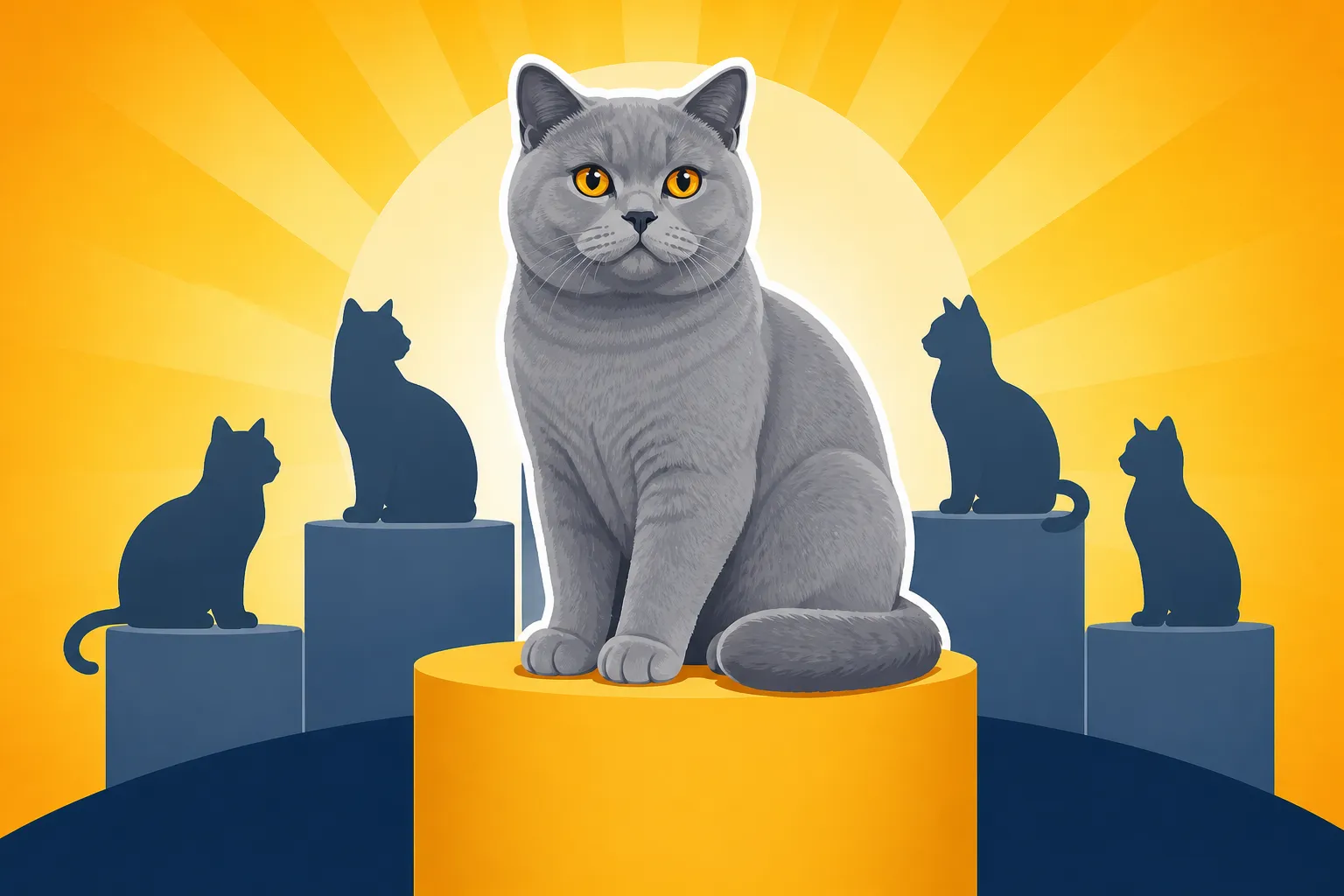
The British Shorthair's round face and plush coat are a familiar sight, not just in homes, but consistently near the top of breed popularity charts across the globe. This strong showing in major cat fancy associations speaks volumes about their enduring appeal and the dedication of breeders worldwide.
The British Shorthair's Position in the CFA (Cat Fanciers' Association)
In the United States, the Cat Fanciers' Association (CFA) is a behemoth among cat registries, and its annual rankings are eagerly anticipated. For many years now, the British Shorthair has been a consistent high-flyer within the CFA, frequently placing among the top five most popular breeds. This is a remarkable achievement, especially when you consider the sheer number of breeds recognized by the CFA and the diverse tastes of American cat enthusiasts. Its stable position near the top demonstrates a sustained and growing interest in the breed across North America.
This high ranking means that British Shorthair breeders in the US are active and thriving, consistently producing quality kittens that meet breed standards and capture the hearts of new owners. The breed often holds its own against other long-standing favorites like the Maine Coon, Persian, and Ragdoll, which have their own devoted followings. The British Shorthair's ascent in the CFA rankings over the past few decades reflects a broader appreciation for its calm disposition, robust health, and distinctive teddy-bear appearance. For anyone looking for a well-established, reliably-tempered cat from a respected lineage, the CFA's consistent high ranking of the British Shorthair offers a strong indicator of its quality and popularity. It tells a story of a breed that has successfully crossed the Atlantic and found a deeply appreciative audience.
European Popularity: GCCF (Governing Council of the Cat Fancy) Perspective
When it comes to the British Shorthair's homeland, the United Kingdom, its popularity is not just high – it's practically legendary. The Governing Council of the Cat Fancy (GCCF), the UK's premier cat registry, consistently ranks the British Shorthair as one of, if not the, most popular pedigree cat breed. This isn't a new phenomenon; the breed has held a dominant position in the GCCF for many years, a testament to its deep roots in British culture and its unwavering appeal to British cat lovers.
This exceptional standing in the GCCF reflects the breed's origins and its strong, well-established breeding programs throughout the UK. British breeders were instrumental in developing and preserving the breed after its numbers drastically declined following the World Wars. Why British Shorthair Numbers Collapsed in the Wars explains this challenging period. The GCCF's comprehensive standards ensure that the breed's distinctive traits are maintained, and the continuous high registration numbers indicate a robust and healthy breeding community dedicated to the British Shorthair. Beyond the UK, the breed also enjoys significant popularity in other European countries, where many national cat associations also list it among their top breeds. Its strong presence in Europe highlights its universal charm, adaptability, and the success of dedicated breeders across the continent in promoting and maintaining this beloved "Gentle Giant" of the cat world. It's a cultural icon as much as it is a cherished pet.
Global Reach: TICA (The International Cat Association) and Beyond
While CFA and GCCF focus heavily on their respective regions, The International Cat Association (TICA) offers a more global perspective on breed popularity. As its name suggests, TICA has a worldwide reach, recognizing breeders and registering cats from numerous countries. Within TICA, the British Shorthair also consistently ranks highly, often appearing within the top tier of popular breeds. This global recognition underscores the breed's universal appeal, transcending geographical and cultural boundaries.
TICA's rankings reflect interest from diverse regions, including Asia, Australia, and other parts of the Americas and Europe not solely covered by CFA or GCCF. The British Shorthair's adaptability to various climates and living situations, combined with its charming personality, makes it a favored choice for cat enthusiasts around the world. Beyond these major registries, numerous smaller, national cat associations in countries like France, Germany, Russia, and Japan also list the British Shorthair among their most popular breeds. This widespread acceptance and consistent high ranking across multiple international registries confirm that the British Shorthair isn't just a regional favorite; it's a truly global phenomenon. Its appeal seems to resonate with cat lovers everywhere, solidifying its status as one of the world's most beloved and recognized pedigree cat breeds.
Here's a simplified overview of how the British Shorthair typically ranks across these major registries:
| Registry | Typical British Shorthair Ranking | Notes |
|---|---|---|
| Cat Fanciers' Association (CFA) | Top 5 – Top 10 | Consistently a popular choice in North America, often competing with breeds like Maine Coon and Ragdoll. Its teddy-bear appeal resonates strongly with American cat owners. |
| The International Cat Association (TICA) | Top 5 – Top 10 | Shows strong global appeal, indicating its widespread recognition and consistent demand from breeders and owners across many countries, reflecting its adaptable nature. |
| Governing Council of the Cat Fancy (GCCF) | Top 1 – Top 3 | Often holds the top spot or is very close to it in its country of origin, the UK. This demonstrates a deeply ingrained and continuous popularity in its homeland. |
(Please note: Specific rankings can fluctuate year by year, but the British Shorthair generally remains within these high tiers.)
Factors Contributing to the British Shorthair's High Ranking
The sustained popularity of the British Shorthair isn't accidental; it's the result of a winning combination of desirable traits that make them ideal companions for a wide range of individuals and families. From their calm nature to their general good health, several factors contribute to their consistently high ranking.
Temperament and Lifestyle Fit
One of the most significant contributors to the British Shorthair's enduring popularity is their truly exceptional temperament. These cats are renowned for being wonderfully calm, patient, and generally undemanding, a stark contrast to some of the more boisterous or high-energy cat breeds. They possess a dignified composure, often described as "stately," making them perfect companions for those who appreciate a quiet, serene presence in their home. They aren't typically "lap cats" in the traditional sense, preferring to sit beside you on the sofa or follow you from room to room, offering a comforting presence without being overly intrusive. This independent streak means they are often quite content to entertain themselves or simply nap when their human companions are busy, making them an excellent choice for individuals with full-time jobs or families with active schedules. A British Shorthair Sits Near You, Not On You perfectly encapsulates this trait.
Their adaptability is also a huge draw. They tend to be good-natured with children, provided the children are taught to interact gently, and often coexist peacefully with well-behaved dogs and other cats. This makes them versatile pets for various household dynamics. They are rarely destructive or overly vocal, preferring quiet chirps and purrs to insistent meows. This harmonious blend of independence, affection, and placidness means they fit seamlessly into many different lifestyles, from busy urban apartments to quiet suburban homes. For many cat owners, especially those seeking a companion that offers comfort and companionship without constant demands for attention or vigorous play, the British Shorthair's temperament is simply ideal. It's this perfect lifestyle fit that keeps them so highly sought after and consistently ranked among the top breeds. What a British Shorthair's Temperament Is Really Like explores these traits in more detail.
Health and Longevity Considerations
Another crucial factor in any breed's long-term popularity is its general health and potential lifespan. No one wants to bring a pet into their home only to face a lifetime of costly medical issues. Fortunately, the British Shorthair is generally considered a robust and healthy breed, known for its decent longevity. A well-cared-for British Shorthair can often live between The Twelve to Seventeen Years a British Shorthair Gets, and sometimes even longer, offering many years of companionship. This perception of robustness adds significant value and appeal to the breed.
Reputable British Shorthair breeders take health very seriously, actively participating in screening programs to minimize the incidence of genetic health issues within their lines. While no breed is entirely free from potential health concerns, responsible breeding practices aim to reduce the prevalence of conditions like Hypertrophic Cardiomyopathy (HCM) and Polycystic Kidney Disease (PKD). Although there's no DNA test for HCM in British Shorthairs, breeders utilize regular echocardiograms to screen their breeding cats. For PKD, a DNA test is available and widely used. This commitment to health screening by dedicated breeders ensures that prospective owners are more likely to acquire a healthy kitten, which naturally boosts confidence in the breed. Whether the British Shorthair Is a Healthy Breed provides a broader overview of the breed's general health. The overall picture of a healthy, long-lived companion adds immensely to the British Shorthair's appeal and solidifies its position among the top-ranked cat breeds.
Media and Pop Culture Influence
It’s hard to deny the power of media and pop culture in shaping perceptions and driving trends, and the British Shorthair is no exception. This breed has a distinct look that lends itself incredibly well to anthropomorphism and charming portrayals, which has certainly contributed to its widespread recognition and popularity. Perhaps the most famous (though often debated) example is the iconic Cheshire Cat from Lewis Carroll's Alice in Wonderland, with its wide, enigmatic smile. While not explicitly stated, many believe the Cheshire Cat's appearance was inspired by the British Shorthair's broad face and round features. The Cheshire Cat Was a British Shorthair delves into this fascinating connection.
Beyond literary classics, British Shorthairs have made numerous appearances in modern media. Their adorable, teddy-bear-like faces are perfect for advertising campaigns, often gracing commercials, calendars, and greeting cards. Think of the cute, often slightly grumpy-looking cats that populate viral internet memes and videos – a significant number of them are British Shorthairs. Their calm demeanor also makes them relatively easy to work with on sets, leading to roles in films and television. This consistent visibility in popular culture means that even people who aren't deeply immersed in the world of pedigree cats recognize the British Shorthair. They see these charming felines everywhere, associating them with a sense of comfort, cuteness, and gentle companionship. This constant exposure creates a positive brand image for the breed, driving demand and contributing to its consistently high rankings in registries. When a cat is perceived as a beloved cultural icon, its popularity naturally soars.
The Financial Investment and Commitment of British Shorthair Ownership
While their high ranking speaks to their desirability, it's crucial for prospective owners to understand that owning a British Shorthair is a significant financial and emotional commitment. The initial cost and ongoing expenses reflect their status as a pedigree breed and the care they require.
Initial Purchase and Adoption Costs
The initial cost of acquiring a British Shorthair kitten from a reputable breeder can be a substantial upfront investment, and it’s a direct reflection of their popularity and the extensive care and testing that goes into responsible breeding. These costs vary depending on factors like pedigree, color, location, and whether the kitten is destined for a pet home or a show/breeding program. Breeders who invest in health screening their cats for conditions like HCM and PKD, provide high-quality nutrition, appropriate veterinary care, and ensure proper socialization will naturally have higher expenses, which are then reflected in the kitten's price. This isn't just about paying for a "brand name"; it's about investing in a healthy, well-adjusted companion from a breeder who adheres to ethical practices. What a British Shorthair Costs to Buy in 2026 details these costs further. Expect to pay a premium for a British Shorthair from a reputable source, but consider it an investment in a pet that has been given the best start in life.
For those who might find the initial purchase price from a breeder daunting, adoption is another incredibly rewarding path. While less common, British Shorthairs (or British Shorthair mixes) do occasionally find their way into rescue organizations or breed-specific rescues. Adopting an adult British Shorthair often comes with a lower adoption fee compared to a kitten from a breeder, and it gives a deserving cat a second chance at a loving home. These rescue cats often come spayed/neutered, vaccinated, and sometimes even microchipped. While their full history might not always be known, the love and gratitude they offer are immeasurable. Adopting a British Shorthair From Rescue explores this option in more detail. Regardless of how you acquire your British Shorthair, it’s important to understand that the initial cost is just the beginning of a long-term financial commitment.
Ongoing Care Expenses
Beyond the initial purchase or adoption fee, owning a British Shorthair involves a range of ongoing expenses throughout their life, which typically spans well over a decade. These costs are a crucial part of responsible pet ownership and should be factored into any decision to bring one of these lovely cats into your home.
Food: British Shorthairs, with their solid build, need high-quality nutrition to maintain their health and ideal weight. Given their tendency to be less active than some breeds, portion control is absolutely key to preventing obesity, which is a common issue for the breed. Portion Control Is the Whole Job With a British Shorthair emphasizes this. Investing in premium cat food, whether wet or dry, that meets their nutritional needs will be a recurring expense. You might find a good selection of specialized foods, or even prescription diets if needed, on pet supply sites like Chewy.
Veterinary Care: Routine veterinary care is non-negotiable. This includes annual wellness exams, vaccinations, parasite prevention (flea, tick, and worming treatments), and regular dental check-ups. As they age, senior British Shorthairs may require more frequent vet visits and potentially more specialized care for age-related conditions like arthritis or hyperthyroidism. Emergency veterinary care, though unpredictable, can also be a significant expense, and it's wise to have a savings fund or pet insurance to cover such eventualities.
Grooming Supplies: While British Shorthairs are relatively low-maintenance in terms of grooming, they still require regular care for their dense coats. This means investing in a good quality metal comb, nail clippers for their thick claws, and potentially ear cleaning solution. While they don't typically need professional grooming, regular at-home maintenance helps prevent matting and reduces shedding. You can find all these grooming essentials readily available on sites like Chewy.
Litter and Litter Boxes: Given their size, British Shorthairs need larger litter boxes to comfortably do their business. They also go through a fair amount of litter. Choosing a good quality, absorbent litter is important for hygiene and odor control.
Toys and Enrichment: Even though they are calm, British Shorthairs still benefit from environmental enrichment. Toys, scratching posts, and maybe a sturdy cat tree (sized for their robust build) contribute to their mental and physical well-being.
When you add it all up, the cumulative cost over a British Shorthair's lifespan is considerable. What the First Year With a British Shorthair Costs can give you an idea of the initial yearly expenses, but remember that these costs will continue, and likely increase, as your cat ages. It's a long-term financial commitment, but for those who are prepared, the companionship and joy a British Shorthair brings are priceless.
What People Get Wrong About the British Shorthair's Popularity
The British Shorthair's high ranking often leads to a few common misconceptions, particularly concerning availability and the value placed on certain physical traits. It's important to separate fact from fiction to make informed decisions when considering bringing one of these beautiful cats into your home.
Popularity Versus Availability
One of the biggest misunderstandings stemming from the British Shorthair's high popularity is the assumption that they must be easy to find. In reality, high demand often translates to long waiting lists for kittens from reputable breeders, and sometimes, unfortunately, can attract less scrupulous individuals looking to capitalize on the breed's appeal. When a breed becomes a "status symbol" or a trendy pet, it can create a situation where availability appears high, but true quality and ethical breeding practices are harder to discern.
Reputable breeders are not mass producers. They often have only a few litters a year, carefully planning pairings to improve the breed, prioritize health, and ensure proper socialization for each kitten. They will screen prospective buyers, ensure the kittens are healthy, vaccinated, and microchipped before going to their new homes, and often provide ongoing support. This meticulous approach means waiting lists can extend for months, or even over a year, for a well-bred British Shorthair kitten. The perceived "unavailability" from these ethical sources can sometimes lead impatient buyers to look for quicker options, which might involve backyard breeders or kitten mills that do not prioritize health, temperament, or adherence to breed standards. These sources might have kittens readily available, but often at the cost of the kitten's long-term health and well-being. It’s a classic case of supply and demand, where genuine quality comes with a wait, and immediate gratification can lead to unforeseen problems down the line. It's crucial to understand that a high ranking signifies widespread desire for the breed, not necessarily instant access to a healthy, well-bred kitten.
The Myth of a "Rare" British Shorthair Color
Another common misconception that arises from the British Shorthair's widespread popularity revolves around the idea of "rare" or "exclusive" colors commanding significantly higher prices. While certain colors or patterns might be less common or newly emerging in some lines, the notion that a truly "rare" color inherently makes a British Shorthair more valuable or superior is often a marketing ploy used by less reputable sellers. For example, while the blue is iconic, colors like cinnamon, fawn, or silver-shaded might be seen less frequently, but this doesn't automatically mean they are "better" or worth an exorbitant premium. Why the Blue British Shorthair Commands a Premium discusses how perceptions of color affect price.
The true value of a British Shorthair lies in its overall health, temperament, conformation to the breed standard, and the ethical practices of its breeder. A breeder who focuses on producing healthy, well-socialized kittens with excellent type, regardless of color, is far more valuable than one who charges extra simply for a less common hue. Ethical breeders will price their kittens based on the significant investment they've made in health testing, quality care, and pedigree, rather than artificially inflating prices based on a "rare" color. Focusing too much on chasing a supposedly rare color can also distract prospective owners from asking crucial questions about the kitten's parentage, health guarantees, and early socialization. It's important to remember that all British Shorthairs, regardless of their coat color or pattern, are equally wonderful companions, and their core value should be based on their well-being and suitability as a family member, not on a superficial attribute like rarity of color.
Choosing the Right British Shorthair: Beyond the Numbers
While the British Shorthair's high ranking and popularity are certainly attractive, the most important decision you'll make is choosing the right individual cat and ensuring you're working with a responsible breeder. Looking beyond the numbers and focusing on core principles will lead to a successful, happy adoption.
Prioritizing Health and Temperament Over Trends
When the time comes to choose your British Shorthair, it can be easy to get swept up in the excitement of a popular breed, perhaps even fixating on a specific color you've seen online. However, the most critical advice any experienced British Shorthair owner or breeder will give you is to prioritize health and temperament above all else. A beautifully colored cat with an unsound temperament or underlying health issues will not bring the joy you anticipate. The British Shorthair's renowned calm and affectionate nature is a hallmark of the breed, but poor breeding practices can compromise this. A kitten from a stressed environment or from parents with unstable temperaments may not exhibit the classic British Shorthair personality.
Similarly, health screenings are paramount. As discussed, reputable breeders actively screen for genetic predispositions like HCM and PKD. Insist on seeing evidence of these screenings for the kitten's parents. What a British Shorthair Breeder Should Have Tested provides a comprehensive list of tests to look for. Choosing a healthy, well-socialized kitten means a greater likelihood of a long, happy life together, with fewer unexpected veterinary bills and behavioral challenges. Don't be swayed by a lower price or immediate availability if it means compromising on these fundamental aspects. A truly healthy and well-adjusted British Shorthair, regardless of whether it's the trendiest color, will be the best investment in lifelong companionship. Remember, a British Shorthair is a long-term family member, and a good fit based on health and personality will always outweigh fleeting trends.
Researching Reputable Breeders
Finding a reputable British Shorthair breeder is arguably the single most important step in acquiring a healthy, well-adjusted kitten, and it's a process that goes far beyond simply looking for "kittens for sale." A reputable breeder isn't just selling a pet; they are guardians of the breed, deeply committed to its health, temperament, and genetic integrity. They will be registered with recognized cat associations like CFA, TICA, or GCCF and adhere to their ethical guidelines.
When you're researching, look for breeders who:
- Prioritize Health Testing: They should openly discuss and provide documentation of health screenings for both parents, particularly for conditions prevalent in the breed, such as HCM (via echocardiograms) and PKD (via DNA test or ultrasound). Don't hesitate to ask to see these certificates.
- Offer Transparency and Education: A good breeder will be happy to answer all your questions, educate you about the breed, its specific needs, and potential challenges. They won't rush you or pressure you into a decision.
- Maintain Clean and Safe Facilities: If possible, visit the cattery. The environment should be clean, safe, and the cats should appear well-cared for, healthy, and sociable. If an in-person visit isn't possible, request video calls.
- Socialize Their Kittens: Kittens should be raised in a home environment, accustomed to household noises, and handled regularly from a young age. They should be friendly, curious, and comfortable with human interaction.
- Provide a Written Contract and Health Guarantee: This contract should outline the terms of sale, health guarantees, spay/neuter requirements (most pet kittens are sold with a spay/neuter agreement), and what happens if a health issue arises.
- Keep Kittens Until Appropriate Age: Kittens should not leave their mother before 12-16 weeks of age. This allows them crucial time for socialization, weaning, and receiving their full set of core vaccinations.
- Don't Breed for "Rare" Colors: Be wary of breeders who emphasize "rare" or "exotic" colors and charge exorbitant prices for them. Reputable breeders focus on overall breed standards and health.
It's wise to be patient and potentially join a waiting list for a reputable breeder. This ensures you're bringing home a cherished companion who has been given the best start in life. Websites like Chewy, while excellent for supplies, are not the place to find a reputable breeder; instead, look to the websites of the aforementioned cat registries or breed-specific clubs for breeder directories. This diligent research ensures that your British Shorthair experience is a positive one, rooted in ethical practices and a genuine love for the breed.
Disclaimer
This article is for general informational purposes only and does not constitute professional advice. Laws, prices and regulations vary by location and change over time. Consult a qualified professional for guidance on your specific situation.