Whether British Shorthair Breeders Still Say British Blue
A breeder may describe a kitten as a “British Blue,” while its pedigree or registration papers say “British Shorthair.” That can look like a mismatch when you are trying to check what breed you are buying. The short answer is that breeders still use “British Blue,” often as familiar shorthand for a blue-coated British Shorthair, but it is not a separate breed name.
Why breeders still say British Blue
It is a familiar name for a familiar look
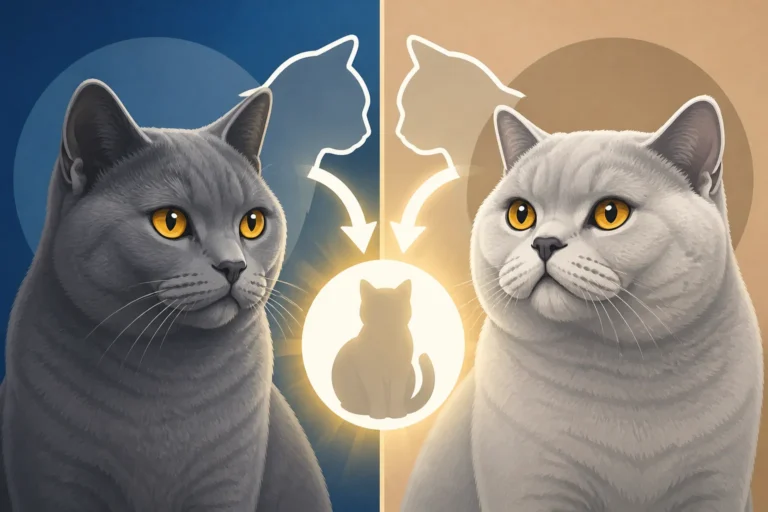
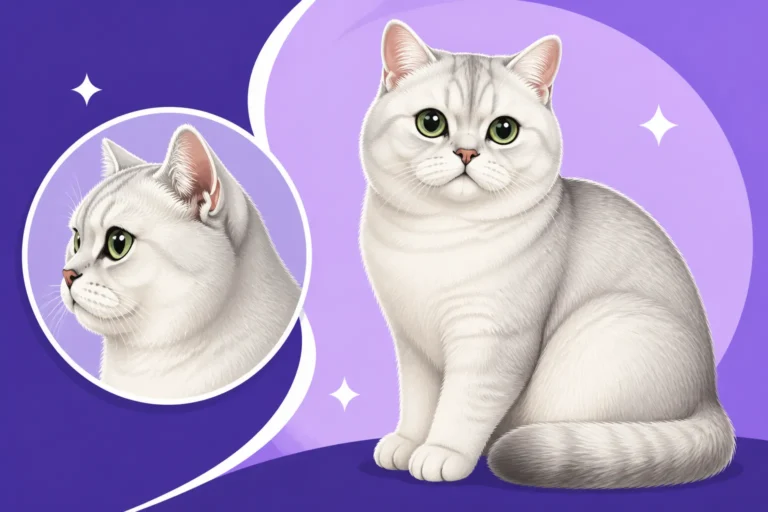
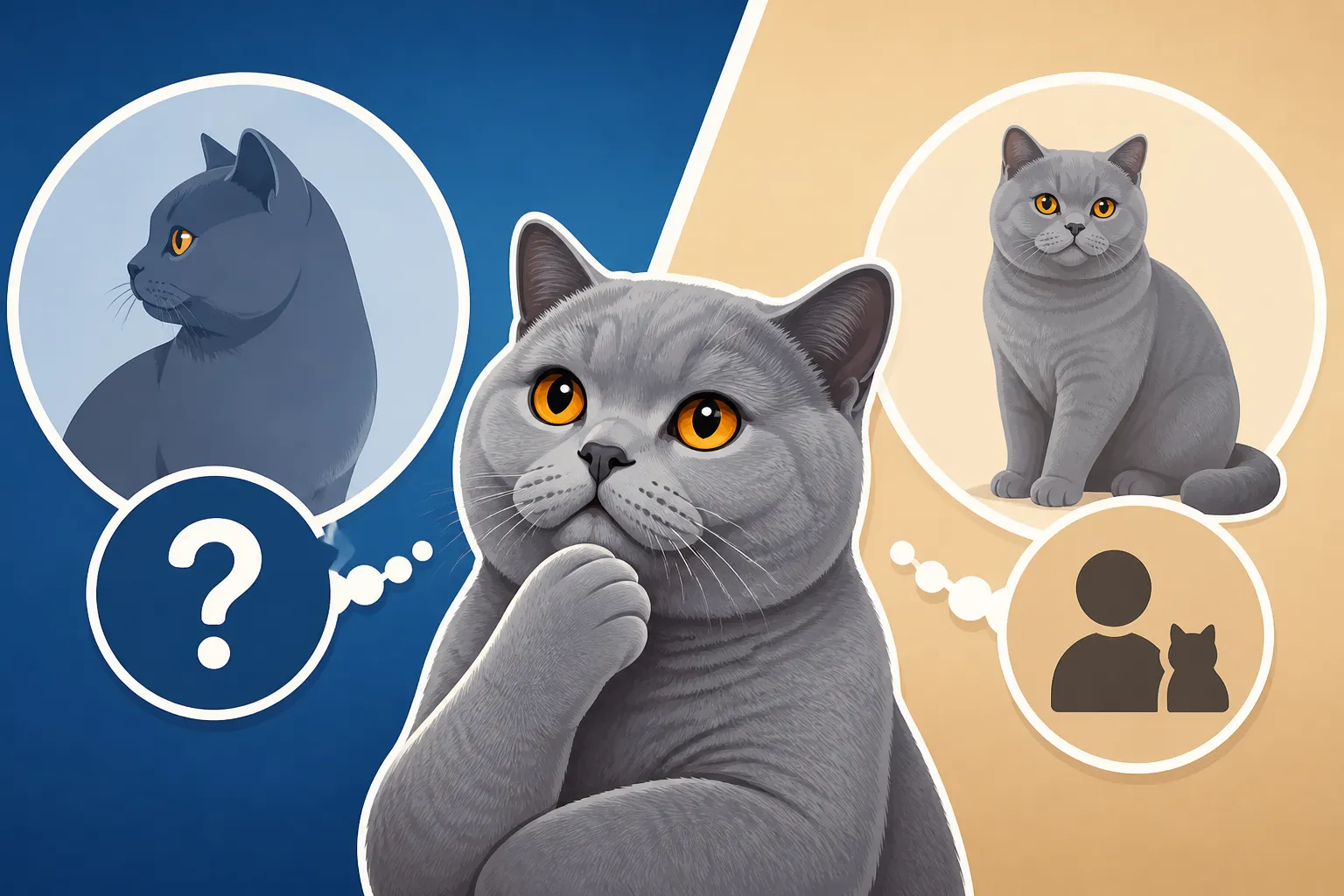
“British Blue” usually means a British Shorthair with a solid blue coat. In cat terminology, blue refers to a soft gray coat color, not a bright or navy blue one. The phrase has stayed popular because the blue variety is the image many people picture first: a round-faced, plush-coated cat with a dense gray coat and, in many cases, copper or gold eyes.
A breeder may use the phrase in conversation, on a website, or in an advert because it is easy for prospective buyers to recognize. Someone searching for a “British Blue kitten” may be looking for exactly the same kind of cat that a breeder formally calls a blue British Shorthair. The wording does not, by itself, mean the breeder is selling a different breed.
The color became so closely associated with the breed that people sometimes use “British Blue” as if it were the breed’s full name. That habit is understandable, but it can blur the distinction between a breed and a coat color. Why the Blue Is the Best Known British Shorthair explores how that familiar image became so strongly linked with the breed.
The formal breed name is British Shorthair
In breed records and pedigree paperwork, the breed is generally identified as British Shorthair, with the coat color recorded separately. So a kitten described casually as a British Blue may have formal documents identifying it as a blue British Shorthair.
That distinction is useful when comparing breeder listings. “British Shorthair” tells you the breed being claimed; “blue” describes the coat variety. The phrase “British Blue” combines those two ideas in a familiar shorthand. It does not automatically say anything about the kitten’s pedigree, health, temperament, or quality.
| Term | What it usually means | What to check |
|---|---|---|
| British Shorthair | The breed name | Pedigree or registration details and breeder records |
| Blue British Shorthair | A British Shorthair with a blue coat | Whether the kitten’s color description matches its documents |
| British Blue | Informal or marketing shorthand for a blue British Shorthair | Whether the breeder also provides clear breed and pedigree information |
| Blue cat | A coat-color description that can apply to cats of different breeds or mixed ancestry | Breed documentation rather than coat color alone |
If you want to understand how the familiar phrase differs from the formal breed name, see Whether the British Blue Is a Separate Breed From the British Shorthair. The key point is simple: “British Blue” is commonly used to describe a color variety, not a distinct breed separate from the British Shorthair.
What the phrase means in breeder listings
It can be useful shorthand, but it is not proof of pedigree
A listing that says “British Blue” may be perfectly ordinary shorthand. Still, the wording alone cannot confirm that a kitten is a pedigree British Shorthair. Coat color is visible; ancestry is not. A gray kitten can resemble the classic blue British Shorthair without having the pedigree or breeding history the advert implies.
That is why it helps to read the whole listing rather than relying on the headline. Look for the breed name, the kitten’s registration or pedigree details, information about its parents, and a clear explanation of what documentation will be provided. If the breeder uses “British Blue” throughout but cannot answer straightforward questions about the kitten’s records, ask for clarification before making a decision.
It is also reasonable to ask the breeder to explain exactly how they are using the term. A responsible breeder should be able to say whether “British Blue” refers to a blue-coated British Shorthair and show how that description connects to the kitten’s formal records. For more practical questions to ask, see Which Questions to Ask a British Shorthair Breeder.
Color does not establish breed or quality
A blue coat may be the first thing that catches your eye, but it cannot tell you whether a kitten has a sound pedigree or has been responsibly bred. Nor does the label “British Blue” guarantee a particular adult size, personality, eye color, or coat texture. Those features depend on a range of factors, including inheritance and individual variation.
This matters because online adverts often lead with the most recognizable feature. A photo of a round-faced gray kitten can make an appealing first impression, but photos do not replace paperwork or a conversation with the breeder. If a description makes strong promises based only on color, treat those promises cautiously and ask what evidence supports them.
The breed includes a range of colors and patterns, not only blue. Which Colors a British Shorthair Comes In gives a broader view of the varieties you may encounter. If you are comparing a blue kitten with other color options, remember that color is one part of the description—not a shortcut for judging health, ancestry, or suitability as a pet.
How to check what a breeder means
Compare the advert with the kitten’s documents
Start by checking whether the breeder identifies the breed as British Shorthair and describes the kitten’s color as blue. Ask which registry the breeder uses and what paperwork comes with the kitten. The exact documents can vary, so ask what is available and what each document confirms rather than assuming every breeder uses the same wording.
If the advert says “British Blue,” but the registration details say “British Shorthair,” that difference in wording is not necessarily a red flag. It may simply reflect informal language in the advert and more precise language in the paperwork. The important thing is whether the breeder explains the difference plainly and provides records that support the kitten’s stated background.
If you need a clearer explanation of how the color fits into the formal breed description, read Whether a British Blue Registers as a British Shorthair. It can also help to see What a Blue British Shorthair Looks Like, especially if you are still learning how the coat color is described.
Ask direct questions without feeling awkward
You do not need specialist vocabulary to ask sensible questions. Try asking: “When you say British Blue, do you mean a blue British Shorthair?” Then follow up with: “What breed and color are written on the kitten’s paperwork?” These questions are clear and give the breeder an easy opportunity to explain their terms.
You can also ask to see information about the kitten’s parents and how the breeder records their breed and color. A thoughtful answer should help you understand what you are being offered, not make you feel foolish for asking. If the breeder avoids the question, changes the description, or pressures you to pay before explaining the paperwork, pause and take time to investigate.
A breeder’s terminology is only one part of the decision. Consider how the kittens are raised, whether you can learn about their care and health history, and whether the breeder is open about the documents and arrangements involved. What a British Shorthair Contract Says About Screening offers related questions to consider when reviewing a breeder’s agreement.
British Blue compared with other descriptions
A blue British Shorthair is not necessarily rarer
Because “British Blue” is a familiar phrase, it can sound like a special or exclusive category. In ordinary use, however, it usually just describes the blue color variety of the British Shorthair. The name alone does not show that a kitten is rare, unusually valuable, or different from other British Shorthairs.
If a breeder presents the label as a reason for a higher price, ask what that price reflects. The color may be part of the breeder’s explanation, but it is sensible to look at the full picture, including the kitten’s background, care, and documentation. Avoid assuming that a familiar label is proof of rarity or that a less familiar color represents a less legitimate British Shorthair.
You can explore the pricing question separately in Whether a Blue British Shorthair Is Actually Rarer and Which British Shorthair Colors Cost the Most. Those topics are distinct from the basic naming question: whether the breeder uses “British Blue” does not, on its own, tell you what the kitten should cost.
Similar-looking cats may have different backgrounds
A blue coat does not belong exclusively to British Shorthairs. Other breeds and mixed-breed cats can also have gray or blue coats, and some may share a rounded face or plush appearance. That is why appearance can suggest a breed, but it cannot confirm one.
If you are comparing a kitten’s looks with a breed description, use appearance as a starting point—not as proof. Ask about pedigree records and the breeder’s description of the parents. How to Tell a British Shorthair From a Moggy can help explain why a cat’s appearance and its documented breed background are not always the same thing.
In short, breeders still say “British Blue,” particularly when they want to describe the breed’s well-known blue-coated variety in familiar language. The formal breed name is British Shorthair, and the color is blue. If the advert’s wording leaves you unsure, ask the breeder to connect the nickname to the kitten’s paperwork and records. A clear answer matters more than which phrase appears in the headline.
Disclaimer
This article is for general informational purposes only and does not constitute professional advice. Laws, prices and regulations vary by location and change over time. Consult a qualified professional for guidance on your specific situation.