Why the British Shorthair Made Harrison Weir Famous
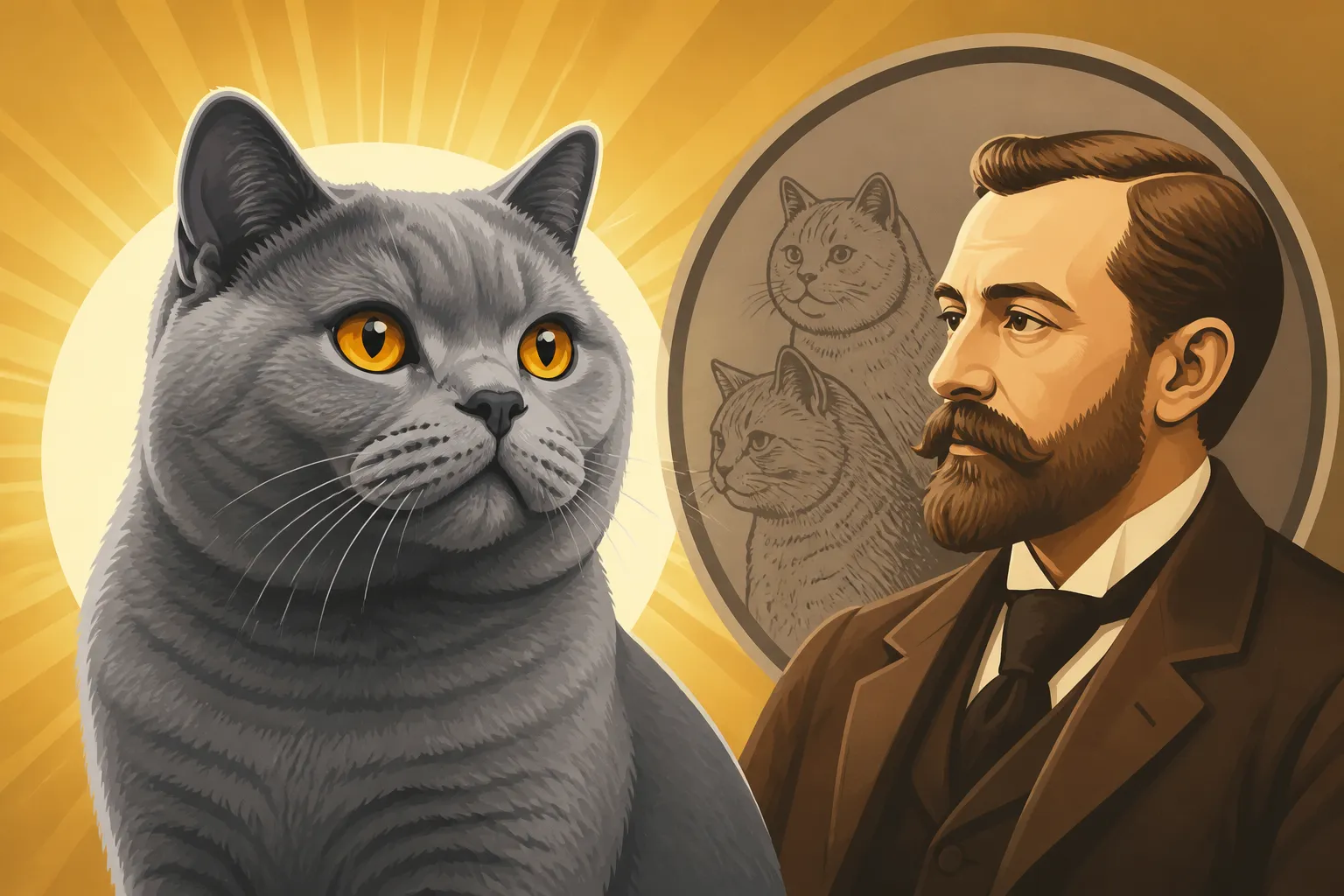
For anyone fascinated by the stately, teddy-bear-like British Shorthair, it’s easy to admire their calm demeanor and plush coat. But few realize just how pivotal one man was in transforming this humble domestic cat into the pedigreed darling we know today. This guide will delve into the remarkable efforts of Harrison Weir, the "Father of the Cat Fancy," and explain why his vision and dedication indelibly stamped his name onto the British Shorthair’s history, ultimately making him famous for elevating the common cat to a show-stopping breed.
The Humble Origins of a Future Star
Before Harrison Weir entered the scene, the ancestors of the British Shorthair were simply… cats. They weren't bred for specific looks or temperaments, but rather for their utility. They were survivors, working animals, and beloved companions in homes across Britain.
From Alley Cat to Aristocrat
Imagine the bustling streets and quiet farms of 19th-century Britain. You'd see sturdy, thick-coated cats everywhere, diligently keeping down rodent populations in barns, warehouses, and homes. These were the forebears of the British Shorthair – resilient, adaptable, and naturally robust. They were known for their practical skills more than their aesthetic appeal. There was no concept of a "breed" as we understand it now; they were simply the local domestic cats. Their short, dense coats were perfect for the British climate, offering protection against damp and cold, and their solid build spoke volumes about their hardiness. These cats were integral to the fabric of everyday life, often existing in a semi-wild state or as cherished, but undifferentiated, household members. They were appreciated for their mouse-catching abilities and their quiet companionship, a far cry from the pedigreed cats that would soon grace exhibition halls. The British Shorthair Started as a British Street Cat really paints a picture of this past.
The Victorian Era's Love Affair with Pedigrees
The mid-to-late Victorian era was a fascinating time, marked by a burgeoning interest in selective breeding and the establishment of formal pedigrees for animals. This wasn't just limited to dogs; the concept slowly began to extend to cats. People were becoming increasingly interested in the aesthetics and specific characteristics of their pets, moving beyond pure utility. Dog shows were gaining immense popularity, and it was only a matter of time before this enthusiasm turned to felines. Before this period, cats were largely overlooked in the world of competitive animal fancy. They were seen as independent creatures, less amenable to the kind of structured breeding and showing that dogs underwent. However, as disposable income rose and leisure activities became more formalized, the idea of elevating the common cat to a status symbol, much like a prized dog or a fancy pigeon, began to take root. This cultural shift laid the groundwork for someone like Harrison Weir to step in and champion the cat, transforming it from a mere mouser to a celebrated show animal. It was a time when the British Empire was at its height, and with it came a desire to systematize and categorize everything, including nature.
Harrison Weir's Vision and the First Cat Show
Enter Harrison Weir. A true polymath, Weir was an artist, author, and an ardent lover of animals. He saw the beauty and potential in the common domestic cat, recognizing that these humble creatures deserved the same respect and structured appreciation afforded to dogs.
A Champion of the Common Cat
Harrison Weir wasn't just a casual cat enthusiast; he was a passionate advocate. He truly believed that the domestic cats of Britain, with their varied coats and sturdy builds, were just as worthy of a place in the emerging world of animal fancy as any dog. He looked at the everyday moggy and saw potential, a blueprint for a breed that encapsulated the spirit of the British Isles. Weir spent countless hours observing, sketching, and documenting these cats, recognizing distinct types and characteristics that, to his artistic eye, formed the basis of what could be a standardized breed. His vision was to celebrate the innate beauty and qualities of these local felines, rather than importing exotic breeds. He campaigned tirelessly, writing articles and engaging with fellow enthusiasts, all with the goal of bringing the domestic cat out of the shadows and onto the national stage. His dedication to elevating "his" British cats was unwavering, driven by a profound respect for their natural resilience and charm. He truly put the British Shorthair on the map. Why Harrison Weir Built the British Shorthair From Street Cats explains his motivations in more detail.
The Groundbreaking Crystal Palace Show of 1871
The culmination of Harrison Weir's efforts was the organization of the very first formal cat show at London's Crystal Palace in 1871. This wasn't just a cat show; it was the cat show, a revolutionary event that changed the trajectory of cat ownership and breeding forever. Weir not only organized the entire affair, from logistics to publicity, but also acted as the primary judge, setting the precedent for how cats would be evaluated. He established the first written standards for various types of cats, including what would become the British Shorthair. Before this, no such guidelines existed. Imagine the scene: hundreds of cats, some meticulously groomed, others fresh from their daily duties, all gathered under one roof. It was a spectacle that drew considerable public attention and solidified the idea that cats could be legitimate subjects of exhibition and formal breeding. Weir's meticulous planning and unwavering enthusiasm made this event a resounding success, capturing the public's imagination and proving that cat fancy was here to stay. His own cat, a British Shorthair, even won the grand prize, adding a personal touch to his monumental achievement. Harrison Weir Put a British Shorthair on the Bench in 1871 vividly describes this historic event.
Key Milestones in Harrison Weir's Influence
| Year | Event | Significance |
|---|---|---|
| 1871 | First Crystal Palace Cat Show | Organized and judged by Weir, setting the foundation for cat fancy. |
| 1871 | Weir's Cat Wins Best in Show | His blue tabby British Shorthair solidified the breed's legitimacy. |
| 1889 | "Our Cats and All About Them" Published | Weir's definitive guide, detailing breed standards and care for various cats. |
| 1880s | Founding of National Cat Club | Weir played a key role in establishing formal cat organizations and registries. |
Defining the British Shorthair Standard
With the success of the Crystal Palace show, Weir set about formalizing what he believed constituted the ideal British Shorthair. He wasn't just interested in showcasing cats; he wanted to create a clear blueprint for breeders to follow, ensuring consistency and preserving the distinct characteristics he so admired.
Crafting the Ideal British Shorthair
Harrison Weir's vision for the British Shorthair was precise and influential. He outlined characteristics that would define the breed for generations to come, emphasizing a robust, well-rounded appearance. He specified a broad, round head, with full cheeks that gave the cat a distinctive "smiley" expression – a trait still highly prized today. The body was to be cobby, meaning compact and muscular, not long and lean. Its legs were to be short and sturdy, supporting its substantial frame. The tail, short and thick at the base, tapering slightly to a rounded tip, completed the powerful silhouette. Of course, the coat was paramount: short, dense, and "crisp" to the touch, standing away from the body like a plush carpet. While British Shorthairs come in a myriad of colors today, it was the solid blue variety that Weir particularly championed, envisioning it as the quintessential British cat. This early focus on the blue coat led to a lasting association, making the "British Blue" almost synonymous with the breed itself. If you're looking for Which British Shorthair Standard Harrison Weir Wrote, you'll find it influenced by these early ideas.
The Legacy of a Visionary
Weir's meticulous work in defining these standards provided a framework for breeders and judges alike. It gave the British Shorthair an identity, a clear set of traits that breeders could strive for, moving away from haphazard breeding practices. Without his initial definitions, the breed might never have coalesced into the distinct and recognizable form it holds today. His passion ensured that the British Shorthair wasn't just a fad but a breed with a carefully considered heritage. Even now, modern breed standards for the British Shorthair across major cat registries like CFA and TICA bear the unmistakable imprint of Weir's original descriptions. The emphasis on the roundness, the density of the coat, and the cobby body shape are direct echoes of his foundational work. His legacy isn't just about organizing the first show; it's about giving a voice and a standard to a cat that had, until then, been taken for granted. He truly paved the way for the breed to be appreciated globally. For example, when ordering supplies from a retailer like Chewy, breeders often look for specific diets or supplements tailored to maintaining this robust physique and plush coat.
Beyond the Show Ring: Sustaining the Breed's Popularity
While Weir's initial efforts were monumental, the British Shorthair's journey didn't end there. The breed faced challenges, but Weir's foundational work ensured its resilience and continued appeal.
Navigating Challenges and Changes
The early 20th century, particularly the World Wars, brought immense challenges to all pedigreed cat breeds, including the British Shorthair. Breeding efforts dwindled, and many lines were lost. The breed faced near extinction, a truly disheartening prospect after Weir's passionate efforts. To save it, responsible breeders had to make difficult choices, introducing outcrosses with other breeds, most notably Persians. While this helped to restore numbers and genetic diversity, it also introduced new characteristics, such as the longhair gene and new coat patterns. For example, The Persians That Rebuilt the British Shorthair After the War details this critical period. Despite these necessary changes, the core characteristics envisioned by Weir—the robust build, the dense coat, and the characteristic head shape—remained the guiding principles for breeders dedicated to preserving the breed's unique identity. They worked tirelessly to breed back towards Weir's original ideal, carefully selecting cats that retained the classic British Shorthair look and temperament. Even when searching for quality food or toys on sites like Chewy for their British Shorthairs, owners look for products that support the breed's specific needs, reflecting a continued dedication to its health and well-being.
The Enduring Appeal of the British Shorthair
Today, the British Shorthair stands as one of the most popular cat breeds worldwide, a testament to its intrinsic charm and the solid foundation laid by Harrison Weir. Their calm, affectionate, yet independent nature makes them ideal companions for a variety of households. Their distinctive "teddy bear" appearance, with those famous round faces and expressive copper eyes, captures hearts instantly. Weir's dedication to selecting and promoting these traits ensured that the breed developed into a truly unique and beloved feline. The British Shorthair's low-key energy level means they are often quite content with indoor life, a few playtime sessions, and plenty of cozy napping spots, making them a great fit for apartment dwellers or busy families. Their quiet demeanor and tendency to "sit near you, not on you" is another hallmark that many owners adore. Whether you're a seasoned cat owner or considering How Well a British Shorthair Suits a First Time Cat Owner, their generally agreeable nature is a huge plus. The enduring image of the British Blue, so carefully cultivated by Weir, continues to influence public perception and demand for the breed, proving that his early vision was not just fleeting but profoundly shaped the cat world for generations. When British Shorthair owners head to their preferred pet supply retailer, like Chewy, they're often buying products specifically chosen to nurture these traits, from high-quality food to enrichment toys that engage their gentle, yet playful, spirit.
Disclaimer
This article is for general informational purposes only and does not constitute professional advice. Laws, prices and regulations vary by location and change over time. Consult a qualified professional for guidance on your specific situation.