Why a British Shorthair’s Tail Is Thick
A British Shorthair’s thick tail can make the whole cat look even rounder, and it’s easy to wonder whether the shape means your cat is overweight or not quite the breed you expected. This guide explains the breed’s typical tail shape, why it looks so substantial, how to tell normal variation from a concern, and what to look for when caring for it.
What a British Shorthair’s tail should look like
The typical shape and proportions
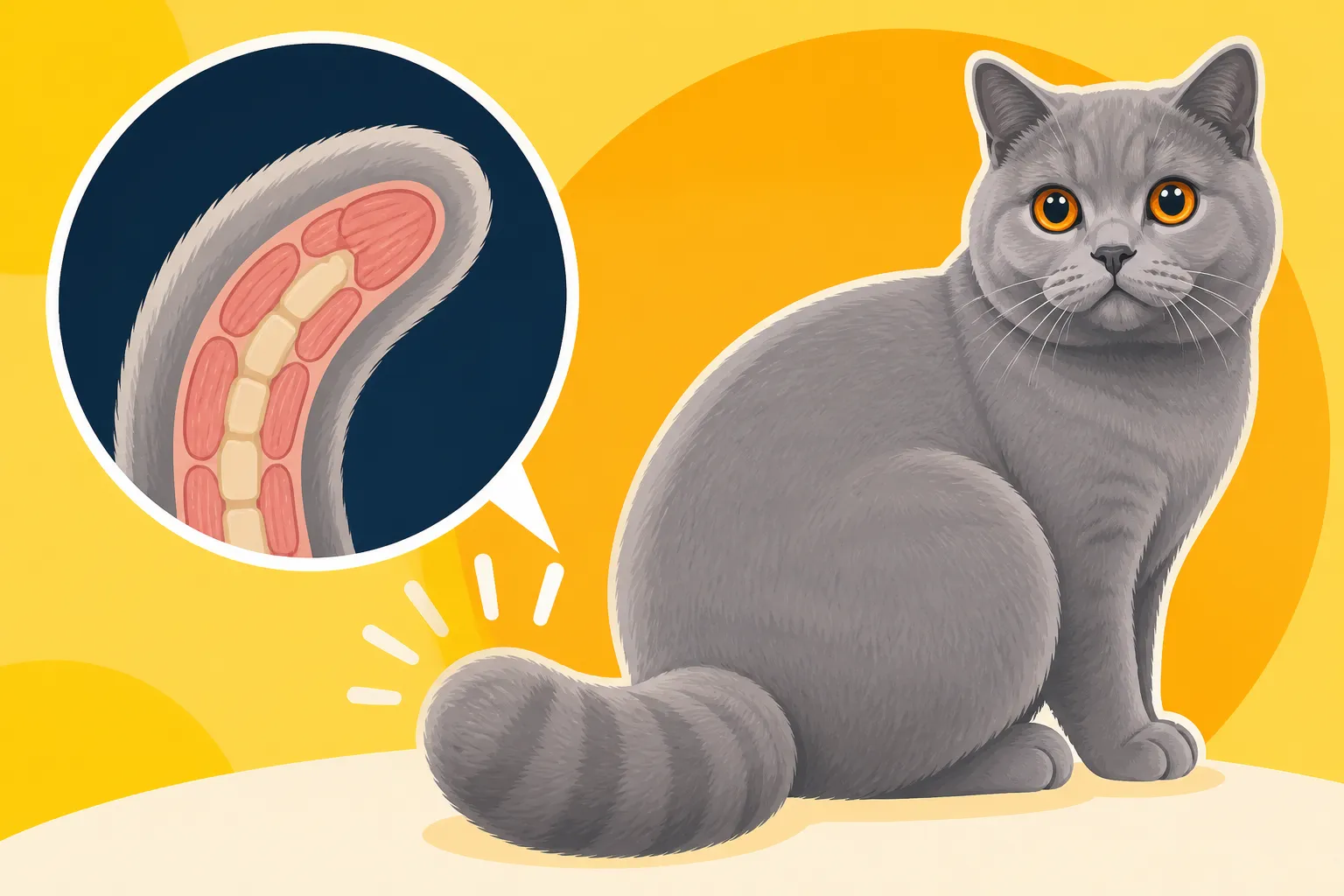
A British Shorthair’s tail is generally described as medium in length, thick at the base, and tapering toward a rounded tip. It should look sturdy rather than fine or whip-like, but it is not usually a long, plume-like tail. The shape is part of the breed’s balanced, solid outline.
The tail also needs to be judged in proportion to the rest of the cat. A broad-bodied British Shorthair with a substantial tail may look especially compact and rounded, while a leaner individual’s tail can appear less prominent. If you’re comparing your cat’s overall build with breed descriptions, What a British Shorthair Weighs and How Big It Gets offers useful context: tail shape is only one part of the picture.
The outline may become more obvious as a kitten grows. British Shorthairs mature gradually, and their body proportions can change over time. A young cat’s tail may not yet look as thick or balanced as an adult’s. Natural variation also matters: tails differ somewhat from cat to cat, even among cats of the same breed.
How the tail fits the breed’s overall silhouette
The British Shorthair is known for a sturdy, compact build, with a broad body, strong legs, and a rounded head. A comparatively thick tail fits that general shape. It helps create an impression of solidity rather than delicacy, especially when the cat is standing or walking with its tail held out behind it.
That doesn’t mean every part of a British Shorthair should be round or equally wide. The tail should still taper toward its tip. A uniformly thick, swollen-looking tail is different from a naturally substantial base that narrows gradually. For another look at how the breed’s features work together, see The Round Head and Copper Eye a British Shorthair Is Judged On.
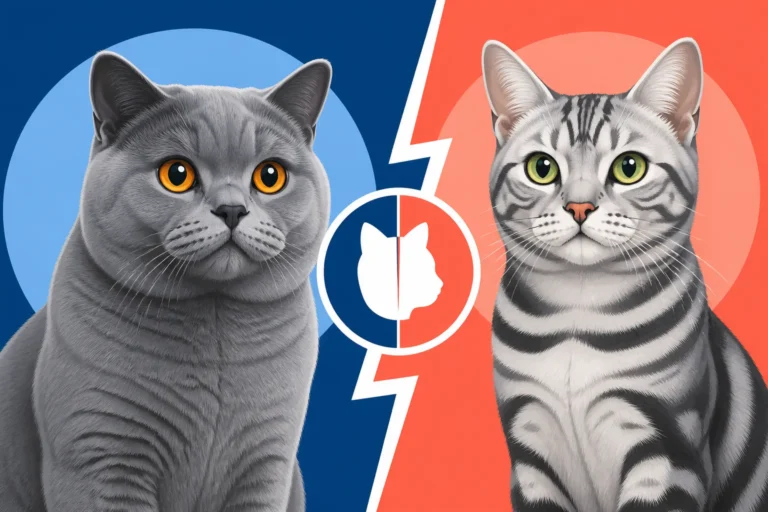
Breed appearance can also be confused with other cats that have a similar sturdy or plush look. A thick tail alone can’t confirm breed identity. If you’re trying to understand a cat’s overall features, comparisons such as How a British Shorthair Differs From a Chartreux can help put the tail into perspective alongside coat, head, and body shape.
Why the tail looks thick
Body structure and natural proportions
The short answer is that a British Shorthair’s tail looks thick because its shape is in keeping with the breed’s robust proportions. The tail begins with a substantial base and tapers, rather than starting narrow and appearing delicate. The effect is especially noticeable on a cat with a compact body and strong hindquarters.
A tail is also more than a decorative feature. Cats use it as part of their balance and communication, making small changes in position as they move, pause, or interact. A British Shorthair’s tail may look heavy or solid, but it should still move comfortably. When your cat walks, sits, or turns, watch whether the tail moves naturally rather than dragging, hanging unusually limp, or seeming painful.
The word “thick” describes a visible shape, not a diagnosis. A healthy tail should feel like a natural extension of the cat’s body, without a sudden lump, unusual swelling, or a painful reaction to gentle contact. If the shape has changed noticeably, especially over a short period, it is worth asking your vet to assess it rather than assuming it is a breed trait.
The coat adds visual volume
The British Shorthair’s dense coat can make the tail look fuller than its underlying structure alone would suggest. The coat stands away from the body and gives the cat a plush outline, so the tail’s natural thickness may be emphasized by fur. That does not necessarily mean the tail is unusually fluffy; the breed’s coat can simply make its shape more visible. What a British Shorthair’s Coat Is Like explains why the coat has such a distinctive texture.
Lighting, posture, and the season can also change how thick the tail appears. When a cat’s fur is in a heavier shedding phase, loose hair may make the tail look less sleek. A cat sitting with its tail wrapped around its body can also appear rounder than one standing with its tail extended. Looking at the tail in more than one position gives a fairer impression than judging it from a single photo.
If you’re shopping for a comb, whether at a local pet shop or on Chewy, focus on a tool suited to a short, dense coat rather than assuming a thick tail needs aggressive deshedding. Use light pressure and stop if your cat reacts as though the area is tender. For general coat care, Why a Comb Beats a Brush on a British Shorthair explains why gentle, appropriate grooming matters.
| What you notice | What it may mean | What to do |
|---|---|---|
| Thick base that tapers to a rounded tip | A typical British Shorthair tail shape | Compare it with the cat’s overall build |
| Tail looks fuller when the coat is loose or fluffed | Coat and posture may add visual volume | Check the outline again after gentle grooming |
| Tail appears thicker across the whole length than before | A change in appearance may need attention | Note when it began and ask your vet if it persists |
| Swelling, heat, pain, a wound, or reduced movement | Could indicate an injury or other problem | Contact a veterinary clinic promptly |
Distinguishing a normal thick tail from a concern
Compare the tail with your cat’s usual appearance
Your own cat’s normal shape is often the most helpful reference. Take note of how the tail looks when relaxed, walking, and sitting. If it has always been sturdy and tapers smoothly, that may simply be your British Shorthair’s natural build. A gradual change as a kitten grows is also different from a sudden change in shape or movement.
It can be hard to judge a British Shorthair’s body condition by eye because the dense coat and rounded outline disguise the waist and ribs. A thick tail does not tell you whether the cat is carrying excess weight. Instead, look at the whole body and ask your vet to assess body condition during routine visits. How to Tell a Chunky British Shorthair From a Fat One covers the difference between the breed’s naturally solid appearance and excess weight.
When you’re tracking a change, a simple note can help: when you first noticed it, whether it is getting bigger, and whether your cat is moving or behaving differently. A photo from the same angle every so often may also make gradual changes easier to spot. If you use Chewy or another pet retailer for grooming supplies, keep in mind that a comb can help separate the coat for a closer look, but it cannot determine whether a lump or swelling is medically important.
Know which signs deserve veterinary attention
A thick tail that has always looked the same and moves comfortably is usually less concerning than a tail that suddenly changes. Contact your veterinary clinic if you notice swelling, a wound, bleeding, heat, unusual sensitivity, or a new bend or lump. Also pay attention if your cat holds the tail differently, struggles to move it, or reacts sharply when you approach the area.
Changes in how a cat uses the tail can happen alongside other signs that are more important than appearance alone. If your cat seems unwell, hides more than usual, has trouble walking, or has difficulty urinating or passing stool, describe all of those changes to a vet. Don’t pull, squeeze, or repeatedly manipulate the tail to test it; that can cause pain and make it harder to tell what is happening.
A vet can examine the tail and decide whether further assessment is needed. If you’re unsure whether a change is urgent, calling the clinic and describing what you see is a sensible first step. A retailer such as Chewy may be convenient for everyday grooming supplies, but a new injury or painful change calls for veterinary advice, not a different comb.
Caring for a British Shorthair’s tail
Groom gently and keep an eye on the skin
Most British Shorthairs do not need complicated tail grooming. A gentle comb-through as part of regular coat care can remove loose hair and give you a chance to notice skin changes. Work in the direction the coat lies, avoid tugging, and be especially careful if you find a knot or your cat shows discomfort.
If you’re choosing grooming tools at Chewy or elsewhere, look for a comb that feels comfortable in your hand and can move through the coat without scraping the skin. Don’t press hard or use a tool simply because it promises to remove more fur. The right routine should leave your cat relaxed, not irritated or wary of being touched.
Bathing or trimming the tail is not usually needed just because it looks thick. Avoid shaving it for cosmetic reasons, and don’t cut out a mat close to the skin with scissors, where a sudden movement could cause an injury. If the tail becomes dirty, matted, or difficult for your cat to groom, ask a vet or experienced groomer for advice on the safest approach.
Look at comfort and movement, not just appearance
A cat’s tail is useful for noticing changes in comfort and movement, but it should be considered alongside the rest of the cat’s behaviour. Does your British Shorthair carry its tail as usual? Does it turn, sit, and walk normally? Is it comfortable with gentle handling? These everyday observations can help you notice a change without turning routine care into an uncomfortable examination.
You can make checking the tail part of a calm grooming moment. Let your cat choose a comfortable position, comb briefly, and stop if it gets restless. If your cat dislikes grooming, short sessions can be easier than trying to finish everything at once. Keep treats nearby if they help create a positive association, but don’t force handling when your cat is distressed.
It is also useful to remember that tail thickness is only one detail in a breed with many distinctive features. Comparing your cat’s whole outline, rather than focusing on one feature, gives a more realistic sense of what is typical. For broader background on the breed’s build and history, The British Shorthair Started as a British Street Cat and Why the Blue Became the British Shorthair Everyone Pictures offer related context.
A sturdy tail that tapers naturally, moves comfortably, and has looked much the same over time is generally consistent with the British Shorthair’s solid appearance. Pay attention to your individual cat rather than expecting every tail to match a picture exactly. When the tail changes suddenly, becomes painful, or affects movement, let your veterinary clinic assess it.
Disclaimer
This article is for general informational purposes only and does not constitute professional advice. Laws, prices and regulations vary by location and change over time. Consult a qualified professional for guidance on your specific situation.