Whether a British Shorthair Needs Grooming for the Ring
A British Shorthair does not need an elaborate salon makeover to enter the show ring. What matters is arriving clean, comfortable and in good coat condition, without tangles, loose undercoat or grooming products that change the coat’s natural feel. This guide explains what to do before a show, which tools help, and when grooming can do more harm than good.
What show grooming is meant to achieve
Present the cat, not a different coat
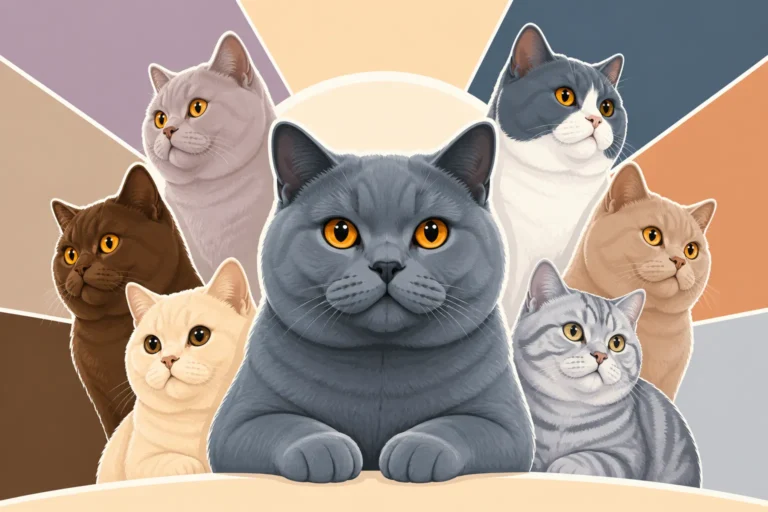
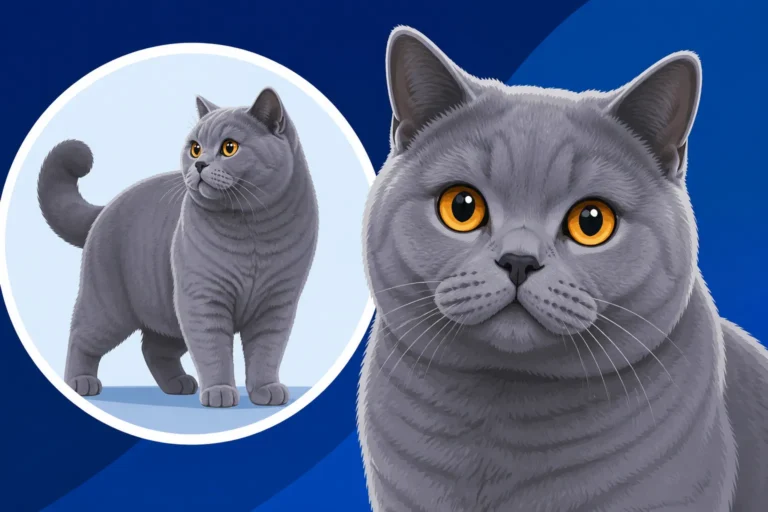
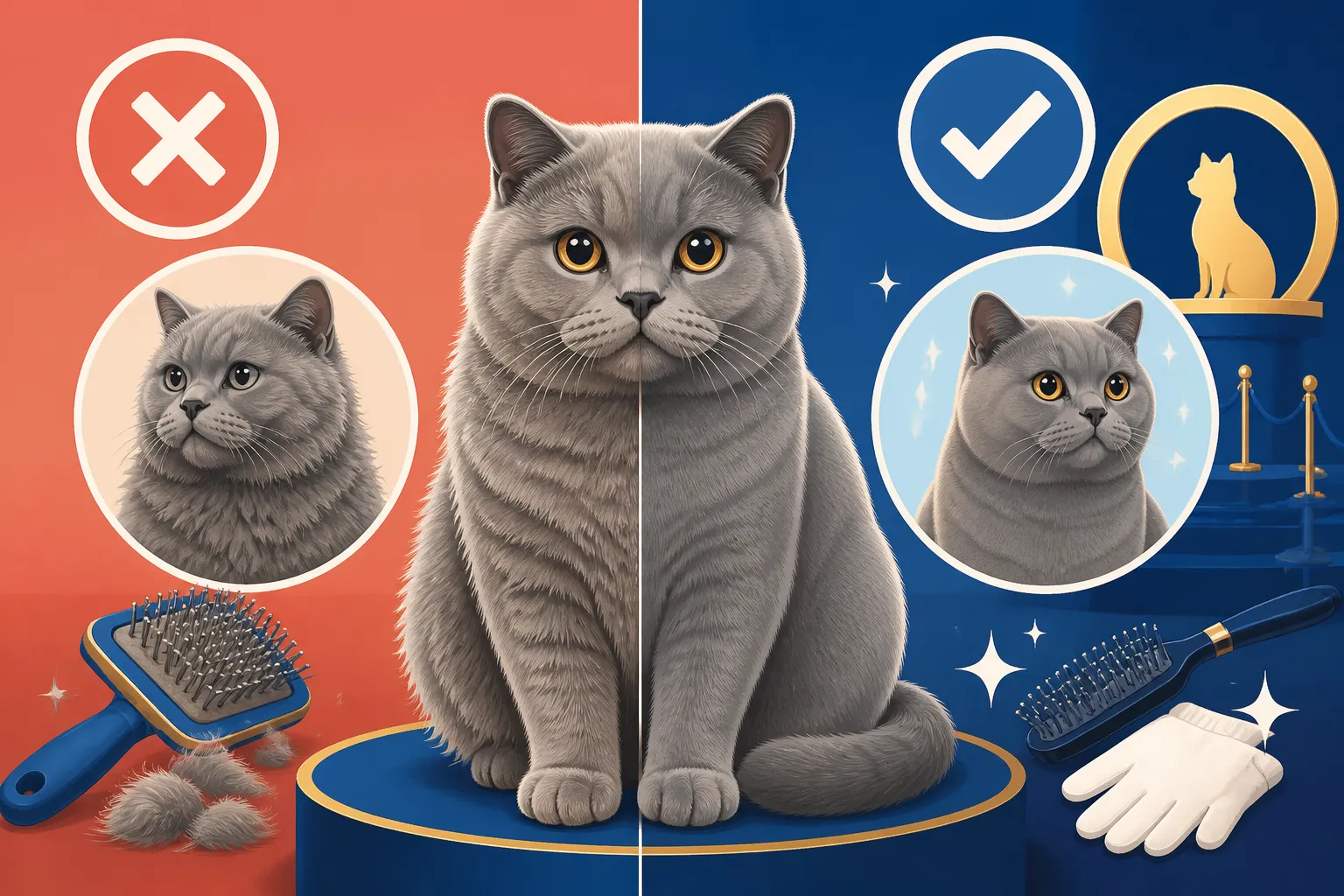
British Shorthairs are known for a dense coat that stands away from the body. Show preparation should help that coat look clean, even and well cared for—not flatten it, soften it artificially or hide its natural texture. A judge is assessing the cat against the relevant breed standard, so grooming supports presentation; it cannot substitute for the cat’s structure, condition or temperament.
That distinction matters if you are used to grooming a longhaired cat or preparing a dog for competition. A British Shorthair’s coat is not meant to be sculpted into a shape. Heavy styling, trimming or products that leave residue can interfere with the coat’s appearance and feel. For a closer look at the breed’s characteristic texture, see What a British Shorthair's Coat Is Like and Why a British Shorthair's Coat Feels Crisp.
The ideal result is straightforward: the cat looks clean and healthy, the coat lies and lifts naturally, and there is no obvious loose fur, dirt or matting. A little loose hair on a cat is normal, and a show judge will understand that cats are living animals. The aim is sensible preparation, not a perfectly manufactured finish.
Find out what your show requires
Show rules and judging procedures can differ between registries and events. Before you plan a bath or buy a particular product, check the requirements for the show you are entering. If you are unsure, ask the show organiser, your breeder or an experienced British Shorthair exhibitor what is customary for that venue.
Also ask whether the cat is comfortable with the preparation you have in mind. A cat that is frightened by a bath or stressed by a long grooming session may arrive at the show unsettled. That can make the day harder for both of you, while adding little or nothing to the cat’s presentation. A calm, familiar routine is usually a better foundation than a last-minute attempt to copy someone else’s show preparation.
For a broader idea of how grooming fits into the overall presentation, read How a Show British Shorthair Is Presented. The specific preparation depends on the cat, its coat and the event—not simply on the fact that it is going into a ring.
A practical grooming routine before a show
Comb gently and check the coat
Regular combing is usually the most useful part of British Shorthair show grooming. It helps remove loose hair and gives you a chance to check for knots, flakes, dirt or skin changes. Begin with short, calm sessions well before show day so your cat is familiar with the routine. If you only bring out the comb when a show is approaching, the whole process may feel like an unwelcome surprise.
Use a suitable comb and work gently through the coat, paying attention to areas where loose fur can collect. Avoid yanking at a knot or forcing the comb through resistance. If you find a tangle close to the skin, or your cat reacts as though grooming hurts, stop and assess it rather than pulling harder. Severe mats or skin problems call for help from a veterinarian or a suitably experienced groomer.
A comb is often a better fit for this coat than a harsh, aggressive brush. The article Why a Comb Beats a Brush on a British Shorthair explains the reasoning, and Which Comb a British Shorthair Needs can help you think about tool choice. You may find grooming supplies at shops such as Chewy, but check that any tool is appropriate for your cat’s coat and use it gently.
Start preparation early, not the night before
If your cat needs a bath, do not make the first attempt the evening before the show. That leaves little time to discover that your cat dislikes the process, that the coat takes longer to dry than expected, or that your chosen shampoo leaves the fur feeling different. A trial well in advance gives you room to adjust the plan and lets you judge how your cat responds.
For a cat that is already clean and well maintained, a bath may not be necessary. A careful comb-through and a check for visible dirt may be enough. For a cat that has picked up something messy, has a greasy coat or needs particular care, ask your breeder or veterinarian what approach is suitable. A product made for people or a strong fragrance is not a substitute for a cat-appropriate grooming choice.
If bathing is appropriate, follow the product directions and keep the experience as calm and brief as you can. Rinse thoroughly, because residue can affect the feel of the coat and may irritate the skin. Towel-dry gently and keep your cat warm while it dries. Avoid forcing a dryer on a cat that is frightened by the noise or airflow.
The guides How to Bathe a British Shorthair That Objects and How Often a British Shorthair Needs a Bath offer more detail on deciding whether and how to bathe. Remember that show preparation is not a reason to bathe a cat automatically.
Tools and techniques to use with care
Choose gentle tools over aggressive coat removal
A basic grooming kit can be simple: a suitable comb, towels and, if needed, a cat-safe shampoo. You do not need a large collection of products to make a British Shorthair ready for a show. Each extra tool or treatment adds another chance to irritate the skin, damage guard hairs or leave the coat looking unlike its natural condition.
Be cautious with tools designed to remove large amounts of undercoat. Used too forcefully or too often, they can break or remove more coat than you intended. A slicker brush may also be too harsh for routine use on this coat. See Why a Slicker Damages a British Shorthair's Coat before choosing one simply because it is common in grooming kits.
If you are browsing grooming tools at Chewy or another retailer, focus on the tool’s purpose and how it feels in your hand rather than assuming a product labelled “deshedding” is automatically appropriate. Follow the manufacturer’s instructions, use light pressure, and stop if your cat shows discomfort. If you are not sure whether a particular tool suits your cat, ask your breeder or a groomer familiar with the breed.
Avoid shaving, trimming and cosmetic shortcuts
A British Shorthair’s dense coat is part of its natural appearance. Shaving it for a show is not a shortcut to a better presentation. Nor should you trim the coat simply to make it look more even. If the coat has an unusual patch, a bald area, a damaged section or a persistent tangle, ask a veterinarian or experienced professional what is going on instead of trying to disguise it.
Avoid powders, sprays, conditioners or other products unless you know they are suitable and permitted for your event. A product that makes the coat feel silky or gives it a strong fragrance may change the very texture you are trying to present naturally. Do not use a product to cover up a skin problem or coat issue; those deserve proper attention.
Professional grooming can be useful in some situations, such as when a cat has a serious coat problem or an owner needs help learning safe techniques. It is not a requirement for every British Shorthair entering a show. For a realistic view of when outside help makes sense, see Whether a British Shorthair Needs Professional Grooming.
| Preparation choice | When it may help | What to watch for |
|---|---|---|
| Gentle combing | Routine removal of loose hair and checking for tangles | Stop if the comb catches, pulls or causes discomfort |
| Bathing | When the coat is dirty or your breeder or veterinarian advises it | Try it in advance, rinse thoroughly and dry the cat comfortably |
| Deshedding tools | Only when the tool is suitable and used carefully | Overuse can remove or damage coat |
| Grooming products | When appropriate for cats and allowed at the event | Residue, strong fragrance or altered coat texture |
| Professional help | For difficult mats, coat concerns or technique advice | Choose someone experienced with cats and the breed |
Show-day preparation and common mistakes
Keep the routine familiar and low stress
On show day, a quick, gentle check is often more useful than an elaborate grooming session. Look for visible dirt, loose hair, a small tangle or something stuck in the coat. Use the comb only if your cat is comfortable with it, and keep the session short. If the cat is already clean, do not keep grooming simply because you feel you ought to be doing more.
Think about the whole trip, too. A cat that has been combed, bathed and handled repeatedly just before travel may be tired or anxious by the time it reaches the show. Make sure the carrier is secure and familiar, and allow your cat time to settle when you arrive. Your own calm, unhurried approach can make the experience easier.
A useful pre-show checklist might include:
- Confirm the show’s grooming and presentation expectations.
- Check your cat’s coat and skin several days ahead.
- Address any difficult tangle or health concern early.
- Bathe only if it is appropriate for this cat and you have time for the coat to dry.
- Bring familiar grooming items for a gentle final check.
- Stop if your cat is distressed, painful or unusually reactive.
Avoid last-minute over-grooming
One common mistake is trying a new shampoo, brush or coat treatment immediately before the show. Even a product intended for cats can be a poor fit for an individual animal. The coat may feel different, the skin may react, or the cat may become anxious during an unfamiliar process. Introduce new tools and products well ahead of time, and only keep using them if your cat tolerates them and the result is appropriate.
Another mistake is treating every loose hair as a flaw. British Shorthairs shed, and the coat changes with the season and the cat’s environment. Trying to remove every trace of loose fur can turn a short grooming session into a stressful one and may damage the coat. Regular combing is more manageable than trying to solve weeks of shedding in one sitting. For timing and shedding expectations, see When a British Shorthair Blows Its Coat and How Often a British Shorthair Needs Combing.
Finally, do not confuse show grooming with changing the cat’s appearance. The goal is a clean, comfortable cat with a coat in good condition—not a cat transformed by styling. If you are unsure what is appropriate for your particular event, ask an experienced exhibitor or show official before trying a new technique.
Disclaimer
This article is for general informational purposes only and does not constitute professional advice. Laws, prices and regulations vary by location and change over time. Consult a qualified professional for guidance on your specific situation.