How a British Shorthair Differs From a Scottish Fold
It's incredibly easy to confuse a British Shorthair with a Scottish Fold, especially if you're not deeply familiar with cat breeds. On the surface, they share so many characteristics: that plush, dense coat, the round, endearing faces, and a generally calm demeanor. You might look at a Scottish Fold, particularly one with a single fold, and think, "That's just a British Shorthair with funny ears!" But while they do share some history and a broadly similar "type," the differences, especially regarding the Scottish Fold's defining ear trait, are profound and have significant implications for their health, temperament, and ethical breeding. This guide is here to untangle that knot of confusion, exploring their shared heritage, distinct physical attributes, differing health considerations, and what makes each breed unique as a companion.
The Shared Ancestry and Divergent Paths of the Breeds
To truly understand how these two beloved breeds came to be so similar yet so distinct, we have to journey back in time and explore their surprising shared roots before looking at the crucial point where their paths diverged. It's a tale of foundational cats, natural mutations, and human choices that shaped them into the companions we know today.
Tracing Their Common Roots
The story of the British Shorthair is one that speaks to the very heart of the cat fancy. Long before pedigrees and show rings, the ancestors of the British Shorthair were simply the domestic short-haired cats of Great Britain—sturdy, intelligent, and highly adaptable felines that thrived in a variety of environments, from bustling city streets to quiet country farms. They were known for their robust health, their excellent hunting skills, and their thick, protective coats, perfectly suited to the British climate. When the idea of formal cat breeding began to take hold in the late 19th century, spearheaded by figures like Harrison Weir, these common "street cats" were the obvious choice for developing a truly British breed. Weir meticulously selected the best examples, focusing on their substantial build, rounded features, and dense, plush fur. The aim was to create a cat that embodied the hardy, charming spirit of its native land, and thus, the British Shorthair, as we know it, began its journey.
Fast forward many decades, to a farm in Perthshire, Scotland, in the early 1960s. Here, a little white barn cat named Susie gave birth to a litter of kittens, two of whom possessed a most unusual and endearing trait: their ears folded forward and downward, giving them an almost owl-like appearance. This wasn't the result of careful selective breeding over generations; it was a spontaneous genetic mutation. Susie’s owner, a shepherd named William Ross, recognized the unique charm of these kittens and, with a combination of curiosity and a nascent understanding of genetics, decided to begin a breeding program. He quickly discovered that the folded ear trait was dominant, meaning that only one parent needed to carry the gene for it to be passed on. To broaden the gene pool and refine the body type, Ross initially bred these folded-ear cats with local farm cats, but very quickly, the British Shorthair, with its desirable cobby body, round head, and dense coat, became the primary outcross partner. This is why, genetically and physically, Scottish Folds share so much with their British Shorthair cousins – they essentially are British Shorthairs, but with that single, profound genetic difference. This fundamental connection is why people often wonder Whether a Scottish Fold Is a British Shorthair With Folded Ears.
How the Ears Became the Defining Divide
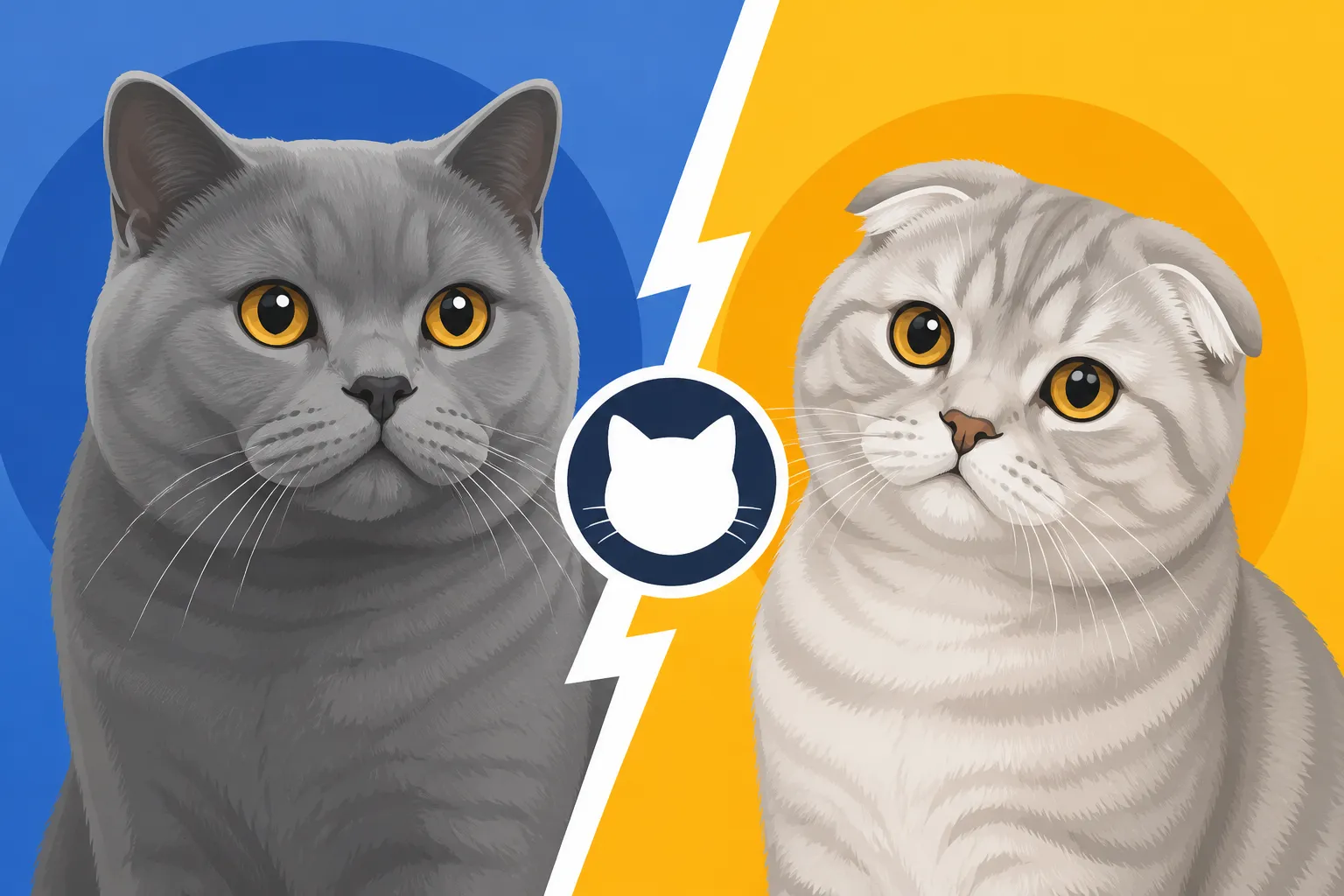
The folded ear is, without a doubt, the Scottish Fold's most striking and defining characteristic. It's what makes them instantly recognizable and sets them apart from every other breed, including their close relatives, the British Shorthairs, whose ears stand upright and are small, rounded, and set wide apart. The fold is caused by a dominant gene, which affects the cartilage throughout the cat's body, not just in the ears. In the ears, this gene causes the cartilage to weaken and crease, pulling the ear forward and down. The degree of the fold can vary significantly, from a loose single fold that just tips the ears forward slightly, to a tight triple fold where the ears lie completely flat against the head, almost disappearing into the cat's round face. These tight, multiple folds are highly prized in the show ring, but also carry greater implications, as we'll discuss.
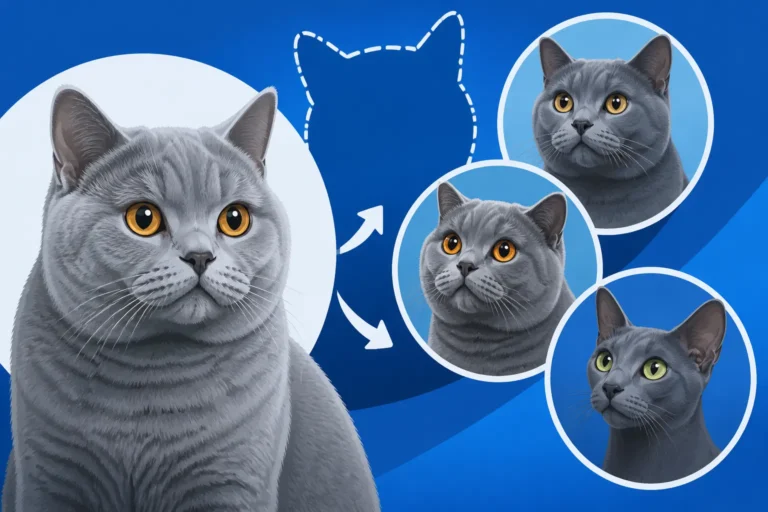
For British Shorthairs, their ears are a picture of classic feline elegance. They are perfectly proportioned to their broad, round head, set wide enough apart to contribute to that characteristic "teddy bear" look, and never folded. Their ears are sturdy, well-furred, and fully functional in the traditional sense. The breeding standards for the British Shorthair emphasize these upright, small, and rounded ears as a crucial component of the breed's overall type. Any deviation from this, such as ears that are too large, pointed, or, of course, folded, would be considered a serious fault. This singular difference in ear structure, born from a natural mutation in the Scottish Fold, became the ultimate divergence point for two breeds that otherwise shared so much. It determined not only their appearance but also the health discussions and ethical considerations surrounding each.
The Controversial Genetics of the Fold
While undeniably charming, the genetic mutation responsible for the Scottish Fold's distinctive ears is far from benign. This gene, known as the Fold gene, is associated with a condition called osteochondrodysplasia (OCD), a developmental abnormality that affects cartilage and bone throughout the cat's body. In simple terms, while it gives them those adorable folded ears, it also causes painful arthritis and fusing of the joints, particularly in the tail, ankles, and spine. This is the crux of the ethical debate surrounding the breed. The severity of OCD is directly linked to whether a cat inherits one copy of the fold gene (heterozygous) or two copies (homozygous).
If a Scottish Fold inherits two copies of the fold gene—meaning both parents were folded-ear cats—the effects of OCD are severe and debilitating. These cats often develop severe arthritis at a very young age, leading to pain, stiffness, lameness, and a significantly reduced quality of life. Their tails can become stiff and inflexible, their hocks can fuse, and they may struggle with mobility and even basic movements like jumping or walking. Because of this profound welfare concern, breeding two folded-ear Scottish Folds together is almost universally condemned by ethical breeders and most cat registries, and is even illegal in some countries.
Reputable Scottish Fold breeders will only ever breed a folded-ear cat with a straight-eared cat (often a British Shorthair or American Shorthair, which are known as "Scottish Straights" if born in a Fold litter). This ensures that all folded-ear kittens born will only inherit one copy of the fold gene, theoretically reducing the severity of OCD. However, even heterozygous Folds are still susceptible to OCD, albeit usually later in life and with less debilitating symptoms. The controversy persists because even with ethical breeding practices, the risk of some degree of joint pain and discomfort remains inherent in the breed's defining feature. This stands in stark contrast to the British Shorthair, where the focus of breeding is on maintaining excellent health and type, with known concerns like HCM in a British Shorthair Has No DNA Test and Polycystic Kidney Disease Came Into the British Shorthair With the Persians being actively screened for, rather than being an intrinsic part of the breed's defining physical characteristic.
Physical Characteristics Beyond the Ears
Beyond the obvious ear difference, both the British Shorthair and Scottish Fold share a certain "roundness" and solidity that can lead to confusion. However, upon closer inspection, you'll find subtle yet important distinctions in their head shape, body build, and coat characteristics that further differentiate these charming felines.
Head Shape and Facial Features
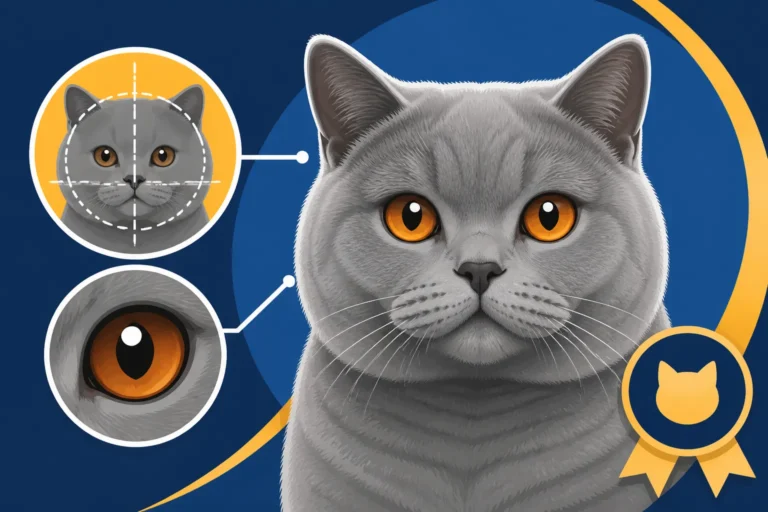
The British Shorthair is famed for its truly iconic, massive, and perfectly round head. This is one of the breed's most cherished traits and is often described as a "teddy bear" or "pudding" face. Their cheeks are incredibly full and prominent, especially in mature males, leading to those wonderful jowls that give them such a sweet, stoic expression. The muzzle is short, broad, and well-rounded, meeting a firm chin. Their nose is also short and broad, often with a slight dip but never a pronounced break. Their eyes are large, round, and widely set, usually a brilliant copper or gold, contributing significantly to that perpetually "grumpy but adorable" look many BSH owners adore. The overall impression is one of immense substance and endearing softness, a hallmark of the breed's type.
While the Scottish Fold also boasts a round head, the folded ears dramatically alter its appearance. Without the prominent upright ears, the head can appear even rounder, sometimes described as "owl-like." The facial features are generally softer than those of a British Shorthair. While they can have nice, full cheeks, especially when bred with British Shorthair lines, the jowls may not be as pronounced as in a truly typey BSH male. Their muzzle is also broad and well-rounded, but the overall impression is often slightly less massive or blocky compared to their British cousins. The eyes of a Scottish Fold are similarly large and round, often wide-set, and convey an expression of sweet curiosity. Eye color can vary more widely depending on coat color, including gold, green, or blue, but they always contribute to that captivating, open gaze. The absence of upright ears completely changes the silhouette, making the head look like a perfectly smooth, furry orb sitting atop their substantial body.
Body Build and Size
When you pick up a British Shorthair, you immediately feel their heft and solidness. They are a cobby, powerful breed, built for strength and resilience, reflecting their working cat ancestry. Their body is medium to large, with a broad chest and shoulders, short to medium-length strong legs, and rounded paws. Everything about a British Shorthair screams "sturdy." They are not delicate cats; they are substantial, muscular, and dense, often weighing more than their appearance suggests. Males are significantly larger and heavier than females, easily reaching 12 to 18 pounds (or even more for some large males), while females typically range from 9 to 14 pounds. They mature slowly, often not reaching their full size and magnificent breadth until they are three to five years old. This robust, rounded body is another key aspect of their breed standard, emphasizing their enduring strength and classic form.
The Scottish Fold shares a similar cobby body type with the British Shorthair, thanks to their shared genetic heritage. They are also medium-sized cats with a sturdy, well-rounded torso, a broad chest, and medium-boned legs. However, they can sometimes appear slightly less massive or refined in their bone structure compared to a purebred British Shorthair. While still solid and muscular, they might not always achieve the sheer breadth and density that a top-tier British Shorthair exhibits. Males can range from 9 to 13 pounds, and females from 6 to 9 pounds, making them generally a bit smaller than their British Shorthair counterparts, though there can be significant overlap. Their tail is often described as medium to long, tapering to a rounded tip. However, and this is crucial, in Scottish Folds, breeders must pay close attention to the tail's flexibility. A stiff or thickened tail can be an early indicator of the osteochondrodysplasia linked to the fold gene, which can significantly impact a cat's comfort and mobility.
Coat and Eye Color
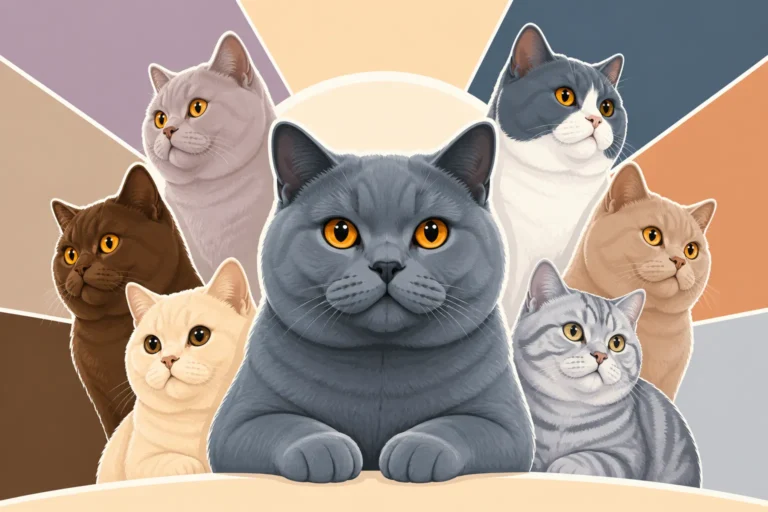
The British Shorthair's coat is one of its most distinctive and appealing features, often described as "crisp" and plush. It's a short, dense coat with a very thick undercoat, designed to stand away from the body, giving the cat a remarkably round, almost woolly appearance, like a well-stuffed teddy bear. It's not soft and silky like a Persian's, but rather firm to the touch. This unique texture is a result of having no prominent guard hairs, allowing the dense undercoat to dominate. While the classic "British Blue" is what most people picture, British Shorthairs actually come in an astonishing array of colors and patterns, including black, white, cream, red, chocolate, lilac, cinnamon, fawn, tortoiseshell, calico, colorpoint, tabby, and shaded varieties. For the traditional blue, black, or cream coats, the standard calls for brilliant copper or gold eyes, which provide a striking contrast against their fur. Other coat colors can have green, blue, or odd eyes, depending on the specific color genetics. This rich tapestry of colors means there's a British Shorthair to suit almost any preference, always with that luxurious, unique texture. A British Shorthair Comes in More Colors Than You Think.
Scottish Folds, like their British Shorthair ancestors, also possess a dense, plush coat that can be short or long. The short-haired variety typically mirrors the British Shorthair's texture—dense, resilient, and standing away from the body. The long-haired variety, often called a "Highland Fold," has medium-long fur with feathering on the ears, tail, and britches, requiring a bit more grooming. Both coat lengths come in virtually the same wide spectrum of colors and patterns as the British Shorthair, including solids, tabbies, bi-colors, calicos, and colorpoints. Their eye color is also similarly diverse, ranging from copper, gold, and amber to green and blue, depending on the coat color. For example, a colorpoint Scottish Fold will have blue eyes, just like a colorpoint British Shorthair. The overall effect of their coat, combined with their rounded bodies and folded ears, contributes to their often-described "pixie" or "owl" appearance, making them utterly captivating. When it comes to grooming, it's worth noting that even with their relatively short coats, a regular combing schedule is beneficial, and Why a Comb Beats a Brush on a British Shorthair is a topic many British Shorthair owners can attest to, which would equally apply to short-haired Folds.
Temperament and Behavior Differences
While both breeds are renowned for their calm and generally amiable dispositions, there are subtle yet important nuances in their personalities, activity levels, and how they interact with their human families. Understanding these differences can help you decide which breed's temperament aligns best with your lifestyle.
Activity Levels and Playfulness
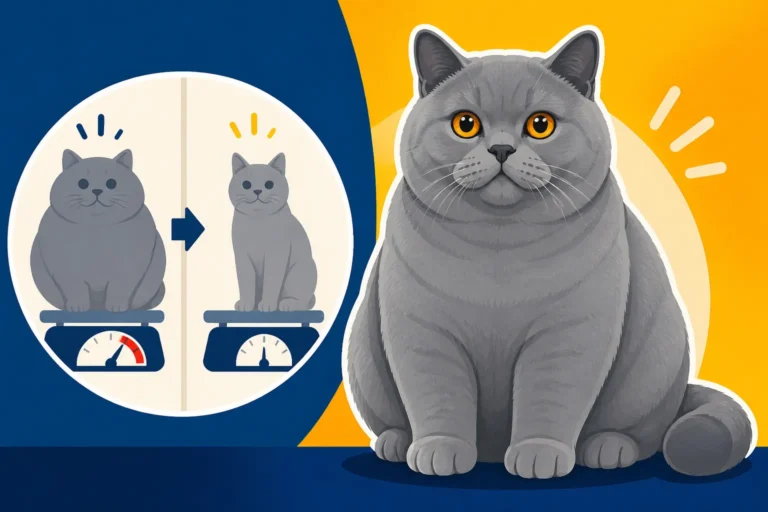
The British Shorthair is often celebrated as the epitome of the "couch potato" cat. They are wonderfully calm, dignified, and incredibly laid-back. Their activity levels are generally low to moderate. They enjoy a good nap, a comfortable sunbeam, and observing the world from a soft vantage point. When they do play, it's often a more measured, ponderous affair. They might stalk a toy with great deliberation, pounce with surprising agility for their size, but these bursts of energy are usually short-lived. They're not typically "zoomie" cats, tearing through the house at top speed. This low-energy nature, while charming, does mean that British Shorthairs are particularly susceptible to Obesity Is the British Shorthair's Real Disease if their diet and play aren't carefully managed. Owners often need to make a conscious effort to engage them in interactive play to keep them healthy and stimulated, as they won't always initiate it themselves.
Scottish Folds, while also known for their sweet and placid nature, often display a slightly higher degree of playfulness and curiosity than the average British Shorthair. They enjoy interactive games and can be quite clever when it comes to puzzle toys. Their unique ear set doesn't seem to dampen their enthusiasm for chasing wand toys or batting at feather teasers. Many Scottish Folds develop a charming habit of playing in a seated, almost "Buddha-like" position, often due to how their unique cartilage structure affects their movement. They are very observant cats and love to be involved in whatever their family is doing, often following you from room to room just to supervise. While not hyperactive, they tend to be more engaged and responsive to play invitations, making them wonderful companions for those who enjoy regular, gentle interaction with their feline friends. However, like the British Shorthair, they aren't marathon runners, and sustained bursts of intense activity are uncommon.
Affection and Social Needs
British Shorthairs are affectionate cats, but their affection is often expressed in a dignified and understated manner. They are typically not "lap cats" in the traditional sense. They prefer to be near you, perhaps curled up on the sofa beside you, or sleeping at the foot of your bed, rather than directly on your lap. They enjoy a good head scratch or a gentle stroke but may not tolerate being picked up and held for extended periods. Their independence is a key trait; they appreciate human companionship but don't usually demand constant attention. They are often described as devoted but not clingy, making them an excellent choice for individuals or families who appreciate a cat that is present but not overwhelming. This is part of why A British Shorthair Is Genuinely Fine on Its Own, provided they have enough enrichment. They will greet you at the door, follow you subtly, and generally be your quiet shadow, content to share your space without being intrusive.
Scottish Folds, on the other hand, are often described as exceptionally affectionate and devoted companions. They tend to form strong bonds with their human families and thrive on companionship. Many owners report that their Scottish Folds are true "velcro cats," wanting to be in the same room, on the same sofa, and sometimes even right on their laps. They enjoy being petted, cuddled, and will often seek out physical closeness. They are generally more tolerant of being picked up and held, often melting into your arms. This breed genuinely loves to be involved in family activities and can become quite sad if left alone for extended periods without adequate stimulation or another pet for company. Their need for interaction and connection makes them particularly well-suited to households where they can receive ample attention and be an integral part of daily life.
Vocalization and Communication
If you're looking for a cat that will engage in long, drawn-out conversations with you, neither the British Shorthair nor the Scottish Fold is likely to fit the bill. Both breeds are known for their quiet and gentle vocalizations, especially when compared to more talkative breeds like Siamese.
The British Shorthair is famously quiet. Their voices are often described as soft, quiet chirps, trills, or small "meows" that seem almost disproportionate to their large size. They communicate primarily through their expressive eyes and subtle body language. When they do vocalize, it's usually for a specific purpose: to ask for food, to alert you to an empty water bowl, or to greet you after a long day. They are not prone to excessive meowing or loud demands for attention, making them an ideal choice for those who prefer a tranquil home environment. This quiet nature is a hallmark of the breed's dignified demeanor, reinforcing their reputation as an easy-going and unobtrusive companion.
Scottish Folds are also generally quiet cats, but many owners find them to be slightly more vocal and expressive than British Shorthairs, though still far from being loud. They use a range of soft coos, chirps, and gentle meows to communicate with their people. They might be a bit more inclined to "talk" to you when they want attention, food, or simply to express contentment. Their voices tend to be soft and sweet, mirroring their overall gentle disposition. Like British Shorthairs, they also rely heavily on body language, and their expressive faces, enhanced by their folded ears, often convey a great deal without a sound. So, while you won't hear them howling or caterwauling, a Scottish Fold might offer a few more charming vocalizations throughout the day to let you know they're around and happy.
Health Considerations Beyond the Fold
When choosing any pet, understanding their potential health predispositions is paramount. While both British Shorthairs and Scottish Folds are generally hardy breeds, they each come with their own set of concerns, with the Scottish Fold's defining trait being the most significant differentiator in terms of welfare.
Genetic Predispositions in British Shorthairs
Despite their robust appearance, British Shorthairs do have some genetic predispositions that responsible breeders and owners need to be aware of. The two most prominent are Hypertrophic Cardiomyopathy (HCM) and Polycystic Kidney Disease (PKD).
Hypertrophic Cardiomyopathy (HCM): This is the most common heart disease in cats, and British Shorthairs are one of the breeds predisposed to it. HCM causes the muscular walls of the heart to thicken, reducing the heart's efficiency and potentially leading to heart failure or blood clots. The frustrating part for British Shorthair breeders and owners is that HCM in a British Shorthair Has No DNA Test like it does in some other breeds (like the Maine Coon). This means the primary screening method is regular echocardiograms (heart ultrasounds) performed by a board-certified veterinary cardiologist. These screenings should ideally begin when the cat is around one year old and continue annually, or every 18-24 months for cats with clear results, especially for breeding animals. Catching HCM early allows for management with medication, which can improve quality of life and potentially extend lifespan.
Polycystic Kidney Disease (PKD): This inherited kidney disease is characterized by the development of multiple fluid-filled cysts in the kidneys, which gradually enlarge over time, eventually leading to kidney failure. PKD was introduced into the British Shorthair gene pool through outcrosses with Persian cats in the post-war period, as Polycystic Kidney Disease Came Into the British Shorthair With the Persians. Fortunately, a DNA test for PKD1 (the gene responsible for the form of PKD most common in cats) is readily available. This makes screening straightforward: a cat either tests clear, positive (meaning they have the gene and will develop the disease), or a carrier. Ethical British Shorthair breeders will test all their breeding cats and ensure that no cat carrying the PKD1 gene is used for breeding, effectively eliminating the disease from their lines. It's a testament to responsible breeding efforts that PKD is now far less prevalent in British Shorthairs than it once was.
Beyond these, British Shorthairs can also be prone to obesity due to their calm nature and love of food, which can lead to other health issues like diabetes and arthritis.
Scottish Fold Specific Health Concerns
The primary and most significant health concern unique to the Scottish Fold breed is osteochondrodysplasia (OCD), the genetic condition directly linked to the gene that causes their ears to fold. As discussed earlier, this condition affects cartilage and bone development throughout the body. While the folded ears are the most visible manifestation, OCD can cause:
- Painful Arthritis: This is the most serious consequence. The abnormal cartilage development leads to joint degeneration, particularly in the hocks (ankles), carpi (wrists), and tail. This can result in stiffness, lameness, reluctance to move or jump, and chronic pain. In severe cases, particularly in homozygous Folds (cats with two copies of the fold gene), this can begin in kittenhood and be incredibly debilitating.
- Tail Stiffness and Thickening: The tail is a key indicator of OCD severity. A healthy cat's tail should be long and flexible. In Folds with OCD, the tail can become short, stiff, and abnormally thick, often painful to the touch. This can limit their ability to balance and express themselves.
- Spinal Abnormalities: The condition can also affect the vertebrae, leading to fusion or abnormal bone growth in the spine, which can cause discomfort and restrict movement.
- Limb Deformities: In some cases, Folds can develop shortened or malformed limbs, further impacting their mobility.
The severity of OCD is variable, and not every Scottish Fold will suffer equally. However, every cat with folded ears carries the gene and is at risk. Ethical breeders try to mitigate this by only breeding Folds to non-Fold cats (Scottish Straights) to produce heterozygous Folds. Even then, regular veterinary check-ups and monitoring for signs of discomfort or lameness are crucial throughout a Scottish Fold's life. Owners need to be acutely aware of this potential for chronic pain and be prepared to provide supportive care, which may include pain management, joint supplements, and a comfortable, easy-to-navigate home environment.
General Health and Lifespan
Both British Shorthairs and Scottish Folds are generally considered healthy breeds with good lifespans, assuming they receive appropriate care.
For the British Shorthair, with diligent screening for HCM and PKD (and responsible breeding practices for the latter), many individuals enjoy long, healthy lives. Their average lifespan is typically The Twelve to Seventeen Years a British Shorthair Gets, with many living well into their late teens. A major health challenge for BSH, as mentioned, is their tendency towards weight gain. Obesity Is the British Shorthair's Real Disease is a very real concern that can lead to a cascade of other issues, including diabetes, arthritis, and urinary problems. Therefore, strict portion control and encouraging regular, gentle play are vital for their well-being. Regular veterinary check-ups are important for monitoring overall health, weight, and dental hygiene.
Scottish Folds can also have a similar lifespan, generally ranging from 11 to 15 years, but this can be heavily influenced by the presence and severity of OCD. Cats with severe OCD may have a reduced quality of life or require extensive ongoing care, which can impact their longevity. For a Scottish Fold, an annual vet check-up isn't just about vaccines; it's about carefully assessing their joint health, flexibility of their tail, and overall comfort level. Owners must be vigilant for any signs of pain or stiffness and be proactive in seeking veterinary advice. Like British Shorthairs, they can also be prone to weight gain, which can exacerbate any existing joint issues, making dietary management equally important. The joy of owning either breed comes with the responsibility of understanding and addressing their specific health needs.
Breeding and Ethical Considerations
The journey of bringing a British Shorthair or Scottish Fold into your home begins long before you meet your kitten or cat. It starts with the breeders and their commitment to health, welfare, and responsible practices. This is an area where the two breeds, despite their shared ancestry, have starkly different ethical landscapes, particularly concerning the folded ear gene.
Responsible British Shorthair Breeding
Choosing a responsible British Shorthair breeder is crucial for ensuring you bring home a healthy, well-socialized kitten. A truly ethical breeder prioritizes the health and temperament of their cats above all else, not just profits. Here’s what you should expect and look for:
First and foremost, health screening is non-negotiable. Reputable British Shorthair breeders will diligently screen their breeding cats for the aforementioned conditions. This means:
- Echocardiograms for HCM: All breeding cats should have regular heart ultrasounds by a board-certified veterinary cardiologist to screen for Hypertrophic Cardiomyopathy. They should be transparent about these results, often providing copies of certificates or allowing you to speak with their vet. Remember, there's no DNA test for BSH HCM, so the echo is the gold standard.
- DNA Test for PKD: Breeding cats should be DNA tested clear for PKD1. This is a simple cheek swab test, and results should be readily available. A breeder should never breed a PKD-positive cat, nor should they breed a carrier to another carrier.
- Blood Typing: While not a health disease, blood typing breeding cats (especially queens) is essential to prevent neonatal isoerythrolysis in kittens (Which British Shorthair Pairing Causes Neonatal Isoerythrolysis), which can be fatal to newborns. What a British Shorthair Breeder Should Have Tested goes beyond just these, but these are critical.
Beyond health, a good breeder will:
- Provide a Clean and Stimulating Environment: Kittens should be raised in a home environment, not cages, ensuring they are well-socialized, confident, and accustomed to household sights and sounds.
- Allow Visits: A reputable breeder will welcome you to visit their cattery (or home) to see the kittens with their mother, once they are old enough and vaccinated.
- Provide Pedigrees and Registrations: They should be registered with a recognized cat association (like CFA, TICA, GCCF) and provide registration papers for your kitten.
- Offer a Health Guarantee and Contract: A clear contract outlining health guarantees, spay/neuter agreements, and return policies demonstrates their commitment.
- Not Release Kittens Too Early: Kittens should not leave their mother before 12-16 weeks of age. This allows them sufficient time to nurse, socialize with their littermates and mother, and receive crucial vaccinations.
- Be Knowledgeable and Responsive: They should be able to answer all your questions about the breed, their specific lines, health, and care, and be a resource for you for the lifetime of your cat.
The Ethics of Breeding Scottish Folds
The ethical landscape of breeding Scottish Folds is far more complex and controversial than that of British Shorthairs, primarily due to the inherent link between the folded ear gene and osteochondrodysplasia (OCD). Many veterinary associations and animal welfare organizations around the world consider the breeding of Scottish Folds to be unethical because the very trait that defines the breed is also the cause of a potentially painful and debilitating genetic disorder. Some countries have even banned the breeding of Scottish Folds altogether.
For those who do choose to breed Scottish Folds, the ethical mandate is to minimize the severity of OCD. This means:
- Strictly Outcrossing: A folded-ear cat must only be bred to a straight-eared cat. This straight-eared cat is often a British Shorthair or an American Shorthair, which helps maintain the desired body type and genetic diversity while ensuring that all folded-ear offspring are heterozygous (carrying only one copy of the fold gene). Breeding two folded-ear cats together is considered highly unethical due to the almost certain development of severe, early-onset OCD in the homozygous kittens.
- Careful Selection of Straight-Eared Partners: The straight-eared cats used in breeding programs should also be from lines known for good health and temperament, and free of any known genetic issues.
- Monitoring for OCD: Even heterozygous Folds can develop OCD. Ethical breeders will monitor their cats and any kittens carefully for signs of stiffness, lameness, or tail inflexibility.
- Transparency with Buyers: Reputable Scottish Fold breeders are transparent about the risks of OCD. They should educate potential owners about the condition, what symptoms to watch for, and the potential need for lifelong supportive care.
The fundamental ethical dilemma remains: is it right to breed for a characteristic that inherently carries a risk of pain and suffering, even if efforts are made to minimize that risk? This is a question that individuals must ponder deeply when considering a Scottish Fold.
Recognizing a Reputable Breeder for Either Breed
Whether you're looking for a British Shorthair or a Scottish Fold, the principles of finding a good breeder are largely the same. You're looking for someone who demonstrates genuine care, integrity, and a deep understanding of their chosen breed.
- Transparency is Key: A reputable breeder will be open about everything: their cattery, their cats' health records, their breeding philosophy, and even potential challenges. They should never shy away from questions about health testing, pedigrees, or their breeding goals. If a breeder seems secretive, or avoids direct questions, that’s a major red flag.
- Health and Welfare First: This means thorough health screening, proper nutrition, and a clean, safe, enriching environment for all their cats and kittens. Kittens should be bright, alert, and playful, with clear eyes and clean coats.
- Socialization: Kittens should be raised underfoot and exposed to normal household sounds, people, and gentle handling from a young age. This helps them develop into confident, well-adjusted adult cats.
- Support and Education: A good breeder will provide you with extensive information on caring for your new kitten, including diet, litter box habits, grooming, and veterinary care. They should also be available for support and advice throughout your cat's life.
- Contracts and Guarantees: Expect a written contract outlining responsibilities, health guarantees (often for a certain period against genetic defects), and spay/neuter agreements for pet-quality kittens.
- Waitlists and Pricing: Reputable breeders often have waitlists, especially for popular breeds or colors. Their prices will reflect the significant investment in health testing, quality food, veterinary care, and time. If you see a kitten advertised for a price that seems "too good to be true," especially something like What a British Shorthair Sold Under a Thousand Signals, it almost certainly is. Beware of backyard breeders or pet shops that cannot provide detailed information about the parents' health and lineage.
Making an informed choice about your breeder is arguably the most important decision you'll make when bringing a purebred cat into your home, ensuring a lifetime of health and happiness for your feline companion.
Ideal Homes and Compatibility
Bringing a new cat into your life is a big decision, and understanding which breed will best fit your household, lifestyle, and existing family members (both human and animal) is crucial for a harmonious relationship. Both British Shorthairs and Scottish Folds are generally adaptable, but their subtle personality differences mean they might thrive in different environments.
British Shorthair in the Home
British Shorthairs are often described as the perfect "gentleman" or "lady" of the cat world, and they generally fit wonderfully into a variety of quiet households. They are remarkably adaptable, whether in a spacious house or a cozy apartment, as long as they have plenty of soft places to nap and a window to survey their kingdom. Their independent nature means they cope well with owners who work full-time, as they don't demand constant entertainment or attention. They are perfectly content to entertain themselves with a nap or a quiet observation session. This is why A British Shorthair Is Genuinely Fine on Its Own for reasonable periods, provided their basic needs are met and they have some enrichment.
They are generally very patient and tolerant, making them suitable for families with older, respectful children who understand how to interact gently with a cat. However, they typically won't engage in boisterous play sessions with kids; they prefer calm interactions. They're also quite agreeable with other calm pets, whether other cats or well-behaved dogs, often forming polite cohabitations rather than intense friendships. A British Shorthair values peace and predictability, so a busy, loud, or constantly changing environment might be more stressful for them. They truly thrive when they can maintain their calm demeanor and enjoy their quiet routines.
Scottish Fold in the Home
Scottish Folds are known for their sweet, affectionate, and people-oriented personalities, which makes them ideal companions for homes where they can receive plenty of attention and interaction. Unlike the more independent British Shorthair, the Scottish Fold genuinely thrives on companionship and can sometimes be described as a "velcro cat," wanting to be involved in whatever you're doing. They often follow their favorite person from room to room, sit near them, and enjoy being petted and handled. This makes them a wonderful choice for individuals or families who are looking for a highly interactive and loving feline companion.
Their patient and adaptable nature also makes them generally good with children, as long as the children are taught to interact gently and respectfully. They often enjoy playful interactions, though it's important to remember their potential joint issues and ensure play is not too strenuous. Scottish Folds also tend to get along well with other pets, often forming strong bonds with other cats or cat-friendly dogs. In multi-pet households, their sociable disposition means they are usually quite accepting and can easily integrate into the existing dynamics. However, because they are so people-focused, they can become lonely or bored if left alone for very long periods without companionship. A Scottish Fold would likely be happiest in a home where there is usually someone around or another pet to keep them company.
Multi-Pet Households
Both British Shorthairs and Scottish Folds can adapt to multi-pet households, but their approaches differ slightly.
The British Shorthair, with its calm and independent nature, generally coexists peacefully with other animals. They are typically not confrontational and will establish their own quiet territory. They are likely to tolerate a well-behaved dog or another placid cat, but they might not actively seek out play or intense bonding with them. They'll appreciate sharing a warm sunbeam or a comfy sofa, but their interactions tend to be more polite and less effusive. When introducing a new pet to a British Shorthair, patience is key, allowing them to adjust at their own pace. They appreciate their personal space, so ensuring each pet has their own resources (food bowls, litter boxes, resting spots) is important for maintaining harmony. The specific dynamics can vary, but generally, A British Shorthair With Children, Dogs and Other Cats can be a calm and agreeable addition, provided the other animals are also fairly mellow.
The Scottish Fold, being more sociable and affectionate, often integrates into multi-pet homes with greater ease, especially if they are introduced as kittens. They tend to seek out companionship, whether from humans or other animals. Many Folds develop close bonds with resident dogs or other cats, enjoying shared naps and even gentle play. Their easy-going nature means they are less likely to be stressed by the presence of other animals and more likely to welcome them into their social circle. If you have an existing pet who enjoys having a companion, a Scottish Fold might be a more readily accepted friend due to their friendly disposition. As with any introduction, it's vital to do it slowly and carefully, allowing the animals to acclimatize to each other's scent and presence before direct interaction. However, the Scottish Fold's inherent desire for connection often makes them excellent candidates for homes with multiple loving inhabitants.
Care and Maintenance
While their temperaments and health predispositions have their distinctions, the daily care and maintenance routines for British Shorthairs and Scottish Folds are quite similar, focusing on grooming, nutrition, and providing an enriching environment.
Grooming Needs
Both British Shorthairs and short-haired Scottish Folds are generally considered low-maintenance when it comes to grooming, but they still require regular attention to keep their plush coats healthy and prevent matting or excessive shedding.
The British Shorthair's dense, plush coat needs regular combing, not brushing, to remove loose hair and prevent mats, especially during seasonal shedding periods (spring and fall). A good quality metal comb with both wide and fine teeth is ideal for penetrating their thick undercoat without damaging their unique texture. Many owners find that Why a Comb Beats a Brush on a British Shorthair is a hard-learned lesson; slicker brushes can damage their delicate guard hairs and fluff out the coat improperly. Combing two to three times a week is usually sufficient, increasing to daily during heavy shedding. While they don't typically mat badly, areas like behind the ears or in the "armpits" can be prone to tangles if neglected. They generally do not require professional grooming or frequent bathing, as their coats are quite resilient and self-cleaning.
Scottish Folds, depending on their coat length, have similar or slightly higher grooming requirements. Short-haired Folds can be groomed much like British Shorthairs, with regular combing to manage their dense coat. Long-haired Scottish Folds (Highland Folds), however, require more frequent and thorough brushing to prevent mats and tangles, especially in the feathering on their britches, tail, and ear tufts. A wide-toothed comb followed by a slicker brush can be effective for long-haired varieties. Regardless of coat length, the most critical grooming aspect for Scottish Folds involves their ears. Due to their folded nature, the ear canals can be more prone to wax buildup and less air circulation. Regular, gentle cleaning with a vet-approved ear cleaner is essential to prevent infections. Always check with your veterinarian for the best way to clean your specific cat's ears and what products to use.
Nutritional Requirements and Weight Management
One of the biggest shared challenges for both British Shorthairs and Scottish Folds is their propensity for weight gain. Their calm dispositions mean they burn fewer calories than more active breeds, and their love of food means they will happily eat whatever you put down. This is why Portion Control Is the Whole Job With a British Shorthair – and it applies equally to Scottish Folds.
- High-Quality Diet: Both breeds thrive on a high-quality, protein-rich diet. Whether you choose wet, dry, or a combination, ensure it meets their nutritional needs. Many owners find that a predominantly wet food diet can help with hydration and feeling full, which aids in weight management. When shopping for these foods, sites like Chewy offer a vast selection, making it easy to find suitable options from various reputable brands.
- Strict Portion Control: Free-feeding (leaving food out all day) is almost guaranteed to lead to obesity in these breeds. Instead, measure out their food precisely based on their ideal weight and activity level, and feed them two or three meals a day. Your veterinarian can help you determine the appropriate calorie intake.
- Monitor Weight: Regular weight checks are crucial. You can do this at home with a baby scale or during vet visits. If you notice weight gain, adjust their portions or consult your vet for a specific weight loss plan. Obesity Is the British Shorthair's Real Disease is a serious concern, and an overweight Scottish Fold with OCD will have its joint pain exacerbated by extra pounds.
- Limited Treats: Treats should be given sparingly and ideally be low-calorie. Remember, every treat contributes to their daily caloric intake.
- Hydration: Ensure constant access to fresh water. Some cats prefer running water from a fountain, which can encourage more drinking.
Environmental Enrichment
Even calm cats need mental and physical stimulation to stay happy and healthy. The types of enrichment that benefit British Shorthairs and Scottish Folds are very similar.
- Interactive Play: While they may not be Olympic athletes, both breeds enjoy short, interactive play sessions. Wand toys, laser pointers (used carefully to avoid frustration), and feather teasers are often popular. For British Shorthairs, you might need to initiate play more often, while Scottish Folds might be more enthusiastic participants.
- Scratching Posts and Trees: Provide sturdy scratching posts and cat trees. British Shorthairs, being heavier, need robust structures that won't wobble. Both breeds enjoy high vantage points, even if they're not champion climbers, so a sturdy cat tree with broad platforms is a good investment. You can find a range of options for these on Chewy, from simple posts to elaborate multi-level structures.
- Puzzle Feeders: To slow down eating and provide mental stimulation, puzzle feeders can be a fantastic tool, especially for these food-motivated breeds. They turn mealtime into a game, encouraging them to "work" for their food.
- Window Perches: Both breeds love to observe the world outside. A comfortable window perch provides endless entertainment and a cozy spot for napping.
- Safe Spaces: Ensure they have quiet, comfortable spaces where they can retreat and feel secure, whether it's a cozy bed, a cat cave, or a favorite blanket.
By understanding their unique traits and shared needs, you can provide a loving, safe, and stimulating environment for either a British Shorthair or a Scottish Fold, ensuring they live their best, happiest lives.
Comparison Table: British Shorthair vs. Scottish Fold
To help summarize the key distinctions and similarities, here's a quick comparison:
| Feature | British Shorthair | Scottish Fold |
|---|---|---|
| Origin | Traditional British domestic cat, formally bred since 19th century | Spontaneous genetic mutation from a farm cat in Scotland in the 1960s, extensively outcrossed with British Shorthairs. |
| Defining Trait | Cobby body, round head, dense plush coat, upright ears | Ears folded forward and down, caused by a dominant gene (Fold gene). |
| Ear Structure | Small, rounded, set wide apart, upright. | Folded forward and down. Degree of fold varies (single, double, triple fold). |
| Head Shape | Large, round head with full cheeks, prominent jowls (especially males), short broad muzzle, classic "teddy bear" look. | Round head, often appears even rounder due to folded ears. Can have full cheeks but less pronounced jowls than BSH. "Owl-like" or "pixie" appearance. |
| Body Build | Cobby, sturdy, broad chest, medium-to-large, substantial, dense muscle, matures slowly. | Similar cobby build to BSH, but often slightly smaller/less massive. Sturdy but can have finer bone structure. Tail flexibility is crucial due to health concerns. |
| Coat | Short, dense, plush, "crisp" texture, stands away from body. Wide range of colors/patterns. | Short or long (Highland Fold). Short-haired similar to BSH. Long-haired has feathering. Wide range of colors/patterns. |
| Eye Color | Primarily copper/gold for traditional colors. Can be green, blue, odd depending on coat. | Diverse: copper, gold, green, blue. |
| Activity Level | Calm, dignified, low to moderate energy. Enjoys naps, gentle play. Prone to obesity. | Generally calm and sweet-natured, but often slightly more playful and curious than BSH. Enjoys interactive play, can adopt unique sitting/playing positions. Prone to obesity. |
| Affection | Affectionate but independent. Prefers to be near you, not typically a lap cat. | Very affectionate and devoted. Often seeks out close physical contact, a "velcro cat." Thrives on companionship. |
| Vocalization | Very quiet, soft chirps, trills, small meows. | Generally quiet, but can be slightly more vocal with soft coos and gentle meows. |
| Key Health Concerns | Hypertrophic Cardiomyopathy (HCM – no DNA test, requires echo screening), Polycystic Kidney Disease (PKD – DNA test available). Prone to obesity. | Osteochondrodysplasia (OCD) – genetic condition linked to the fold gene, causing painful arthritis and joint issues throughout the body (tail, hocks, spine). Requires careful breeding (Fold x Straight only). Prone to obesity. |
| Breeding Ethics | Focus on health screening (HCM echoes, PKD DNA, blood typing) and preserving breed type. | Highly controversial due to OCD. Ethical breeding requires Fold x Straight pairings to minimize severe OCD. Some organizations/countries consider it unethical or illegal. |
| Ideal Home | Quiet households, owners who appreciate independence, adaptable to apartment living, good with older, respectful children/calm pets. | Homes where they receive ample attention and companionship, good with respectful children and other pets, thrives on interaction. Can get lonely if left alone too long. |
Choosing between a British Shorthair and a Scottish Fold often comes down to weighing the irresistible charm of the folded ears against the significant health concerns associated with that genetic trait. Both breeds offer wonderful companionship, bringing a sense of calm, affection, and endearing quirks to their families.
The British Shorthair stands as a testament to sturdy, classic feline beauty and a genuinely placid temperament. They are the epitome of the "teddy bear" cat – robust, dignified, and comfortably independent, yet deeply loyal to their chosen people. Their health challenges, while serious, are largely manageable through responsible breeding, diligent health screening, and attentive care regarding weight management. If you appreciate a cat that is present, affectionate on its own terms, and exudes a quiet confidence, the British Shorthair could be your perfect match.
The Scottish Fold, with its captivating, owl-like expression, brings a unique blend of sweetness and unwavering devotion. They are often more sociable and cuddly, thriving on interaction and becoming true members of the family. However, this unique beauty comes with the heavy burden of osteochondrodysplasia, a condition that can cause lifelong pain and mobility issues. For those considering a Scottish Fold, it's absolutely crucial to choose an exceptionally ethical breeder who transparently discusses the risks, and to be prepared for the potential for ongoing veterinary care and supportive measures to manage their joint health.
Ultimately, the decision rests on your personal preferences, your lifestyle, and your willingness to commit to the specific needs of each breed. Whichever you choose, ensure you are partnering with a reputable breeder who prioritizes the health and well-being of their cats above all else, ensuring a happy and healthy life for your new feline family member.
Disclaimer
This article is for general informational purposes only and does not constitute professional advice. Laws, prices and regulations vary by location and change over time. Consult a qualified professional for guidance on your specific situation.