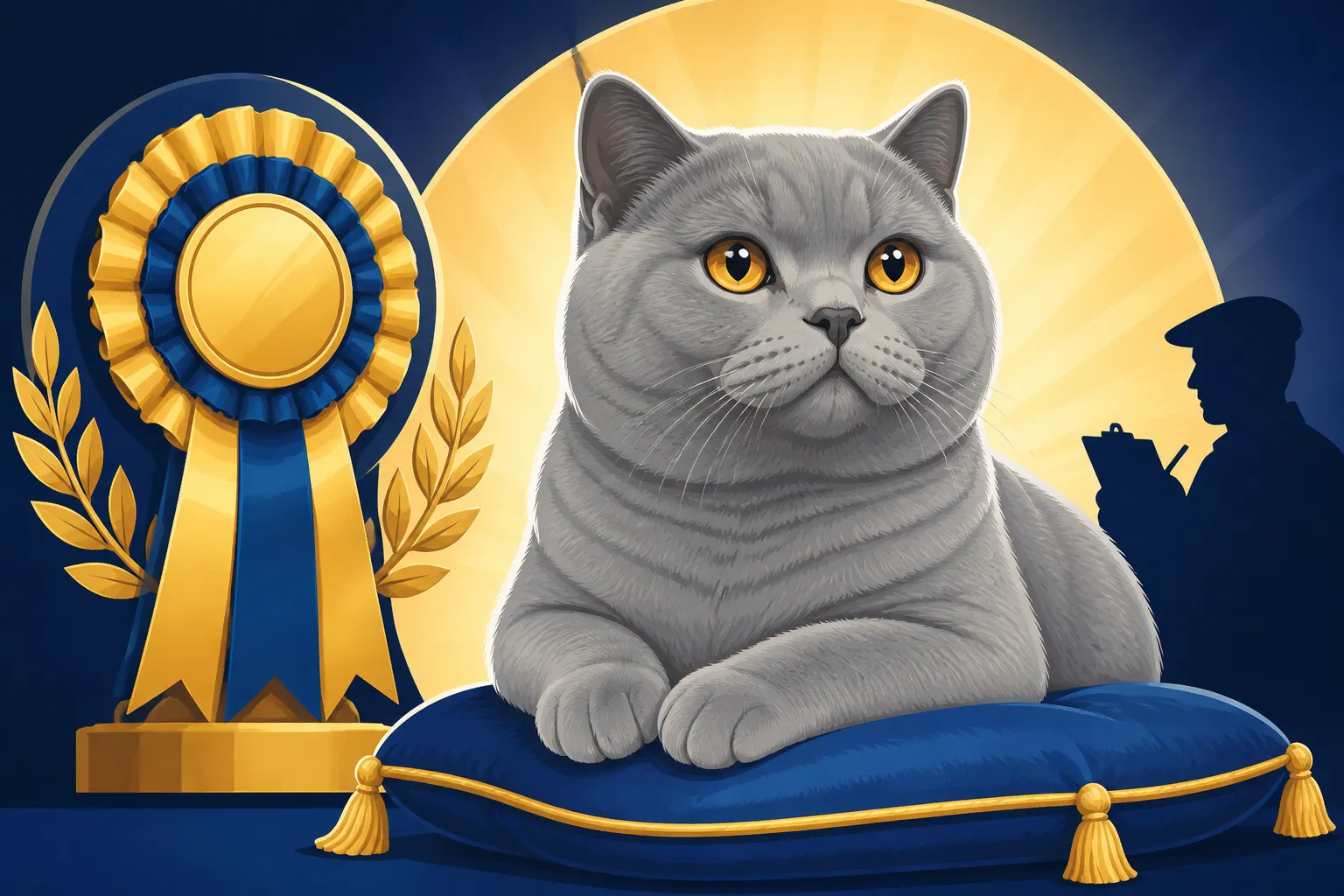
Which British Shorthair Won Best in Show in 1871
Oh, the stories our British Shorthairs could tell if they could speak! It's truly fascinating to look back at the origins of our beloved breed and the very first organized cat show that set the stage for modern cat fancy. Many of us are curious about how these wonderful, chunky cats became the icons they are today, and a huge part of that journey began in 1871. This guide will take you back in time to the legendary Crystal Palace Cat Show, revealing who was behind it, what made it so special, and most importantly, which British Shorthair cat emerged as the undisputed champion, forever etched in the annals of feline history.
The Dawn of Organized Cat Fancy
Before the late 19th century, cats, while cherished companions in many homes, were largely considered utilitarian animals, valued for their mousing skills or simply tolerated. The idea of "breeds" was a loose concept, mostly referring to regional types or descriptions like "long-haired" or "short-haired." People certainly loved their cats, but there wasn't a formal structure for appreciating their aesthetics or lineage. This all began to change with the passion and dedication of one remarkable individual.
Harrison Weir's Vision for Cat Fancy
Enter Harrison Weir, a true pioneer and the undisputed father of the modern cat fancy. Weir wasn't just a cat lover; he was an artist, an author, and an animal enthusiast who saw cats not merely as pets, but as creatures of beauty and distinct characteristics worthy of formal recognition and exhibition, much like dogs and livestock. He firmly believed that cats deserved the same respect and careful breeding practices as other domesticated animals. His vision was to elevate the status of cats, moving them from the barn and the street into the esteemed realm of competitive shows.
Weir spent years meticulously documenting different types of cats, observing their features, coats, and temperaments. He envisioned a world where cats were judged against specific standards, encouraging responsible breeding and preservation of desirable traits. It was a revolutionary idea at the time, and it took immense effort and persuasion to bring it to fruition. His detailed notes and illustrations laid the groundwork for the very first breed standards, including those for what would become the British Shorthair. You can learn more about Who Harrison Weir Was to the British Shorthair in our archives.
The Societal Context of Victorian Cat Ownership
Victorian England was a time of burgeoning interest in natural history, animal welfare, and organized hobbies. People had more leisure time and disposable income, allowing them to pursue passions beyond sheer necessity. Cats, previously seen as working animals, began to find their way further into the home as cherished companions, especially among the middle and upper classes. This shift in perception provided fertile ground for Weir's ambitious plans.
However, it wasn't a universal acceptance. There were still many who viewed cats with suspicion or disdain, seeing them as common, wild, or even ill-omened. The very idea of holding a cat show was met with a mix of excitement and skepticism. Weir had to overcome these prejudices, demonstrating that cats were indeed worthy subjects of adoration and formal competition. This burgeoning interest in companion animals also saw the rise of various pet supply stores, though nothing quite like the convenience of ordering pet food or toys from a modern retailer like Chewy.
The 1871 Crystal Palace Cat Show: A Landmark Event
On July 13, 1871, Harrison Weir's dream became a reality. The Crystal Palace, an iconic structure originally built for the Great Exhibition of 1851, played host to what would become the world's first formal cat show. It was an event that captured the public imagination and irrevocably changed the course of feline history. The sheer novelty of it drew crowds, eager to witness this unprecedented spectacle.
Setting the Stage: The Venue and the Spectacle
The Crystal Palace in Sydenham, London, was the perfect grand setting for such a pioneering event. Its vast, airy halls and impressive glass and iron architecture provided an ideal backdrop for showcasing these magnificent creatures. Imagine the scene: hundreds of cats, displayed in specially designed cages, each meticulously groomed and presented, awaiting the judgment of Harrison Weir and his fellow judges. It was an audacious undertaking, requiring careful planning for logistics, welfare, and public engagement.
The show was not just a competition; it was a social event, drawing curious onlookers from all walks of life. People flocked to see the exotic long-haired cats, the unusual patterns of the short-hairs, and perhaps even to compare their own household moggies to these grand specimens. It was a true spectacle, a testament to Weir's ability to generate enthusiasm for his beloved felines. The impact of What Happened to the British Shorthair at Crystal Palace resonates even today, marking a turning point for the breed.
Judging Criteria and Breed Diversity
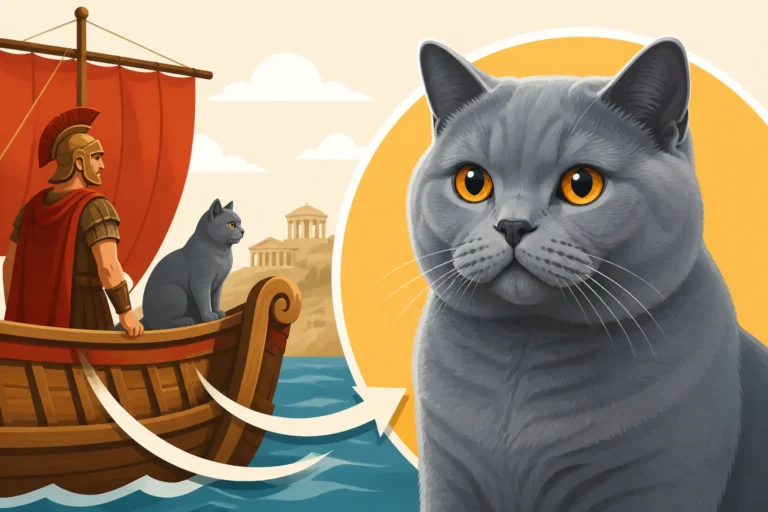
Given that this was the very first show, the "breed standards" were still in their infancy, largely defined by Harrison Weir himself. He grouped cats into categories such as "short-haired," "long-haired," and "Manx," and then further by color and pattern. The British Shorthair, as we know it today, was then simply referred to as the "Common Cat of Great Britain" or "Domestic Shorthair." Weir's aim was to select the finest examples of these native British cats, those with the most robust health, desirable conformation, and striking appearance.
The judges looked for characteristics that defined the strong, sturdy British domestic cat: a round head, full cheeks, a short, dense coat, and a powerful build. These were the features that Weir admired and sought to preserve. While today we have precise, written standards for every nuance of a British Shorthair's appearance, the 1871 show relied heavily on Weir's personal vision and deep understanding of the native cat population. It was here that When the British Shorthair First Appeared at a Cat Show officially began its journey to international recognition.
The Triumphant British Shorthair: A Blue Tabby Male
Out of the hundreds of cats exhibited at the 1871 Crystal Palace Cat Show, one British Shorthair stood head and shoulders above the rest, capturing the coveted "Best in Show" title. This particular cat became an instant celebrity and a foundational figure for the breed we cherish today.
The Winner Revealed: A Blue Tabby Male
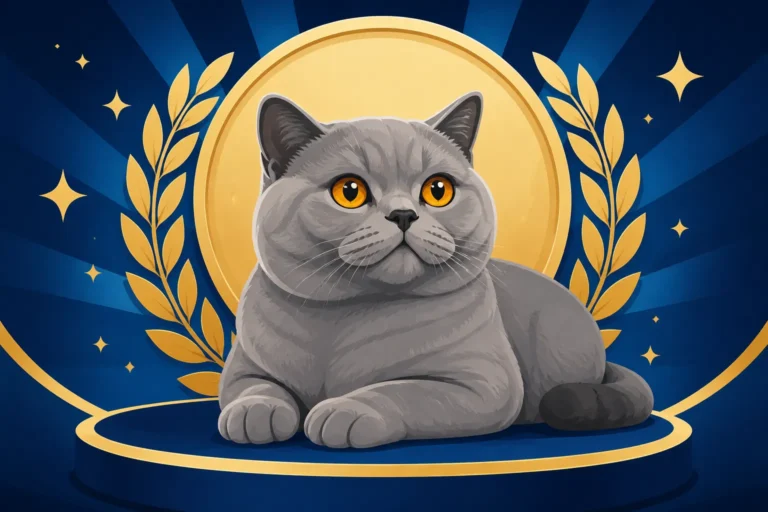
The grand winner of the 1871 Crystal Palace Cat Show was Harrison Weir's own cat: a magnificent blue tabby male. While his exact name often gets lost in the mists of time, he is widely recognized as the very first cat to win a "Best in Show" title in any organized cat exhibition. This blue tabby was a prime example of the sturdy, well-proportioned "Common Cat of Great Britain" that Weir so passionately advocated for. It's a testament to Weir's dedication that his own carefully selected and bred cat was able to demonstrate the ideals he had set for the breed. Indeed, many wonder Whether the First Show British Shorthair Was a Blue Tabby, and the answer is a resounding yes.
This winning cat embodied the strength and beauty of the native British feline, showcasing the plush coat and rounded features that are still hallmarks of the British Shorthair. He wasn't a fragile, exotic import, but a celebrated champion of British heritage. His victory shone a spotlight on the potential of these local cats and solidified their place in the burgeoning world of cat fancy.
What Made Him a Champion
Harrison Weir's blue tabby male wasn't just a pretty face; he was judged on a combination of factors that, even today, form the basis of a good show cat. His robust health was undoubtedly a factor, a clear sign of good breeding and care. His physical attributes, aligning with Weir's nascent standard for the British Shorthair, would have been paramount. This included a broad, round head, strong boning, and that distinctively dense, short coat that stood away from the body.
Furthermore, his temperament likely played a role. A show cat needs to be calm and tractable, able to withstand the stress of travel, crowds, and handling by judges. While the precise details of his temperament aren't explicitly recorded, it's reasonable to assume he displayed the quiet dignity and steady nature that British Shorthairs are so well-known for. This pioneering champion showcased what a domestic British cat could achieve with proper attention and appreciation. You can delve deeper into How Old Harrison Weir's Winning British Shorthair Was and other fascinating facts about this inaugural event.
Legacy and Lasting Impact
The 1871 Crystal Palace Cat Show was far more than just a single event; it was a catalyst that ignited the structured world of cat fancy. It provided a blueprint for future shows, inspired countless breeders, and put the British Shorthair firmly on the map as a breed deserving of preservation and admiration.
Shaping the British Shorthair Breed Standard
The success of Harrison Weir's blue tabby, and the show itself, propelled the development of a formal breed standard for the British Shorthair. Weir, having spent years observing and sketching, began to codify the ideal traits, moving from general descriptions to precise points of conformation. This included specifying the desired head shape, eye color, coat texture, and body type. The early standards, heavily influenced by his personal vision, sought to maintain the sturdy, cobby, and amiable characteristics of the native British street cat.
It was this foundation that guided breeders in the decades that followed, aiming to produce cats that conformed to Weir's ideals. While the breed faced challenges, particularly during the World Wars which decimated cat populations and required outcrossing with other breeds like the Persian to rebuild numbers, the core principles established in 1871 persisted. Understanding Which British Shorthair Standard Harrison Weir Wrote is key to appreciating the breed's origins.
The Birth of Modern Cat Fancy and its Evolution
The Crystal Palace Show demonstrated the viability and popularity of organized cat exhibitions. Its success led to the formation of cat clubs and societies, first in Britain and then internationally. These organizations took on the responsibility of registering cats, maintaining studbooks, and refining breed standards. The show became a template for countless events worldwide, transforming the way people viewed and interacted with their feline companions.
| Feature | Pre-1871 Cat Culture | Post-1871 Cat Culture |
|---|---|---|
| Cat Status | Primarily utilitarian/pet | Valued for aesthetics & pedigree |
| "Breeds" | Informal regional types | Formal, recognized standards |
| Breeding Focus | Casual or accidental | Selective, aimed at standards |
| Public Perception | Often dismissed as common | Elevated, celebrated in shows |
| Community | Individual owners | Organized clubs & societies |
This tabular comparison highlights the dramatic shift. The show also inadvertently sparked a commercial aspect, as people sought out well-bred cats. Even today, you can find a vast array of specialized cat products, from gourmet foods to elaborate scratching posts, on platforms like Chewy, a stark contrast to the basic necessities available in Weir's time. The legacy of this single event continues to shape everything from what A British Shorthair Comes in More Colors Than You Think to how we care for them today.
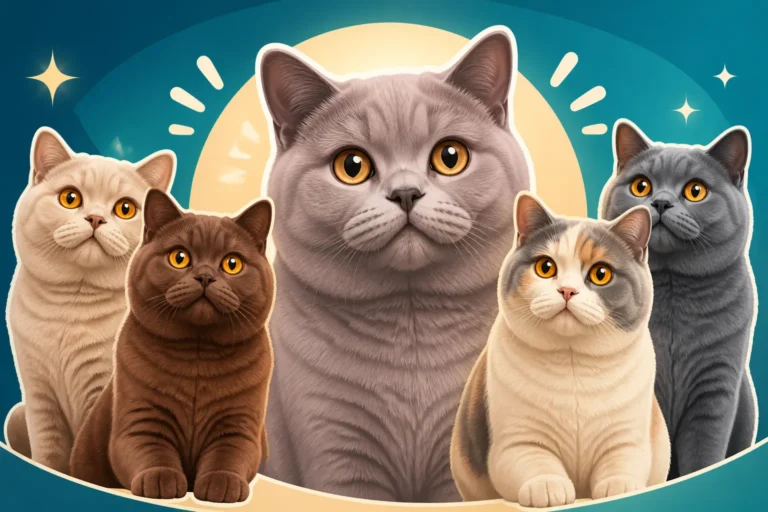
The British Shorthair, with its calm demeanor and teddy-bear looks, quickly gained popularity. While the blue coloration eventually became the most iconic, as explored in Why the Blue Is the Best Known British Shorthair, the breed continued to develop a wide array of colors and patterns. The focus on health, temperament, and adherence to a defined standard, all traceable back to Harrison Weir's pioneering efforts at Crystal Palace, remains central to responsible British Shorthair breeding. This event truly changed the game for cats, paving the way for the vibrant and diverse cat fancy we know today, and showcasing that our quiet, cuddly British Shorthairs have a truly impressive and historic lineage.
Disclaimer
This article is for general informational purposes only and does not constitute professional advice. Laws, prices and regulations vary by location and change over time. Consult a qualified professional for guidance on your specific situation.