Whether the First Show British Shorthair Was a Blue Tabby
It’s a common point of discussion among British Shorthair enthusiasts and even casual cat lovers: what did the very first show-winning British Shorthair look like? Many people have a strong image in their minds of the classic "British Blue," but the question of whether the breed's initial champion was a blue tabby is one that sparks a lot of curiosity and debate. This guide will delve into the historical records and breed lore to uncover the truth about the color and pattern of the British Shorthair that first captured the judges' attention.
The Dawn of the British Shorthair Show Scene
The world of pedigree cats as we know it today truly began in the mid-19th century, driven by passionate individuals who saw the beauty and unique characteristics of what were then often considered common domestic cats. Among these pioneers, one name stands out as the architect of the British Shorthair breed and the organized cat fancy itself.
Harrison Weir and the Crystal Palace Cat Show
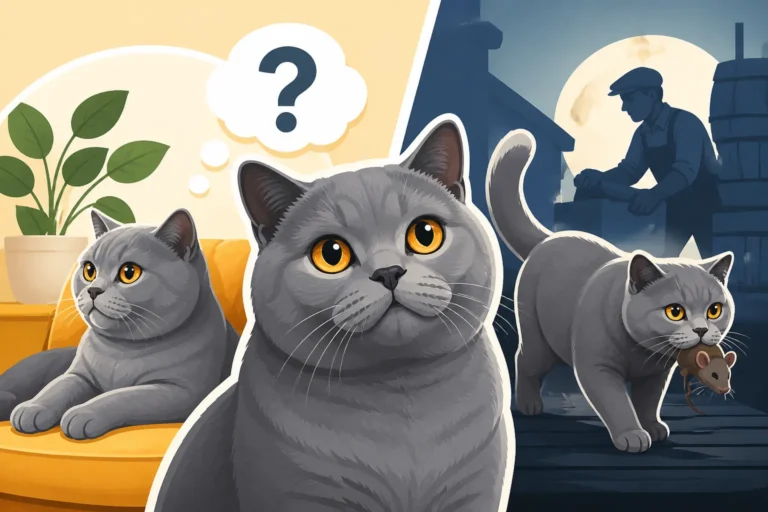
Imagine a time when cats were primarily seen as working animals, valuable for keeping rodent populations in check, but not generally esteemed for their aesthetic qualities or individual personalities beyond their utility. It was into this landscape that Harrison Weir, a true visionary and artist, stepped. Weir was absolutely captivated by the beauty and dignity of the native British street and farm cats. He saw in them a potential for a distinct and cherished breed.
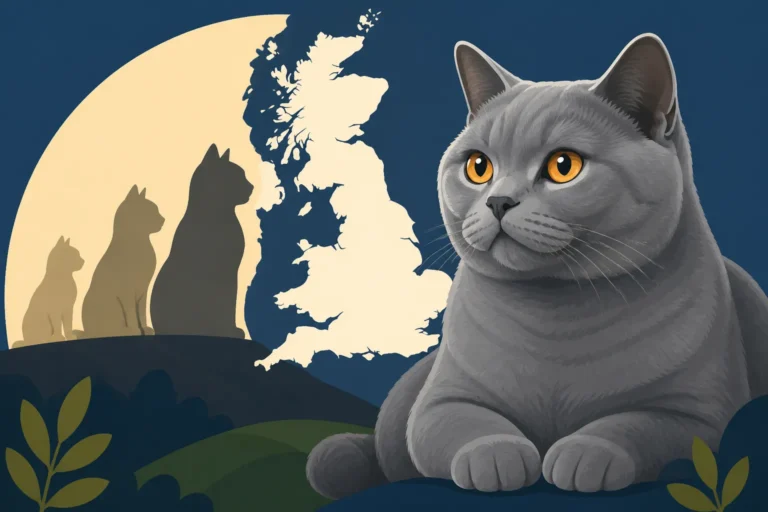
Weir’s passion culminated in the organization of the first modern cat show at the Crystal Palace in London in July 1871. This event was revolutionary, shifting the perception of cats from mere utilitarian creatures to animals worthy of admiration, careful breeding, and even competition. It was here that the British Shorthair, as a recognized breed, truly began its journey. Prior to this, while British domestic cats certainly existed, they hadn't been formally categorized or judged according to specific standards. This show laid the groundwork for everything that followed in the cat fancy, not just for the British Shorthair, but for all breeds that would eventually grace the show benches. If you’re interested in the specifics of this pivotal event, you can learn more by checking out What Happened to the British Shorthair at Crystal Palace.
Documenting the First Champion
When we talk about the very first British Shorthair to win a major prize at the Crystal Palace show in 1871, it's easy to assume there's a detailed, universally agreed-upon record of its appearance. However, historical documentation, especially from that era, can be a bit like piecing together a cherished but faded photograph. While the event was groundbreaking, the meticulous record-keeping we expect today simply wasn’t the norm.
Harrison Weir himself, being the show's organizer and a key figure in the early British Shorthair standard, provided some of the most crucial insights. He describes his own blue tabby female as winning the award for best female at that inaugural show. Other reports and historical accounts tend to corroborate that a cat of his breeding, often described as a tabby, was indeed among the top winners. The challenge arises because "tabby" was a broad term, and sometimes the specific color (like blue) wasn't always emphasized as much as the pattern itself. It’s also worth noting that the "best in show" concept was a little different then, with various categories receiving top honors. Still, the general consensus points to one of Weir's own cats as a significant winner, and the description frequently leans towards a tabby pattern. For more on the specifics of the winner, explore Which British Shorthair Won the First Cat Show.
Unpacking the "Blue Tabby" Myth and Reality
The term "British Blue" is so ingrained in our minds when we think of a British Shorthair that it’s hard to imagine the breed starting any other way. However, the history of coat colors and patterns is more nuanced than many realize.
The Dominance of "British Blue" in Early Breeding
It’s true that the solid blue British Shorthair became incredibly popular very quickly, and for good reason. The dense, even grey-blue coat paired with striking copper eyes is undeniably captivating. Harrison Weir himself, while valuing tabby patterns, held a particular fondness for the solid blues, seeing them as the epitome of the breed's plush, dense coat. This preference was quickly adopted by early breeders and judges, solidifying the "British Blue" as the iconic representation of the breed.
This strong association led to a powerful marketing image and continues to this day; when many people picture a British Shorthair, they visualize that solid blue coat. This dominance of the blue color in public consciousness is why it’s sometimes overlooked that other colors and patterns, including tabbies, were present from the very beginning. You can delve deeper into why this specific shade rose to such prominence in Why the Blue Became the British Shorthair Everyone Pictures and explore Why Blue Is the Only British Shorthair Color People Know. The focus on solid colors was also a practical one for early breeders, as solid colors are often easier to breed for consistency than complex tabby patterns, especially when starting with a diverse foundation stock.
Understanding Tabby Patterns in British Shorthairs
So, what exactly is a tabby pattern, and could the first show winner have truly been a "blue tabby"? A tabby cat isn't a separate breed; it refers to a specific type of coat pattern. All domestic cats carry the tabby gene, even if they appear solid-colored (the tabby pattern is simply suppressed by other genes). There are several types of tabby patterns:
- Classic (Blotched) Tabby: Characterized by swirling patterns on the sides, often resembling a bullseye or butterfly wings.
- Mackerel Tabby: Features narrow, parallel stripes running vertically down the sides, like a fish skeleton.
- Spotted Tabby: Has distinct spots all over the body.
- Ticked Tabby: Appears mostly solid, but each hair has bands of color, giving a salt-and-pepper look, often with residual stripes on the legs or tail.
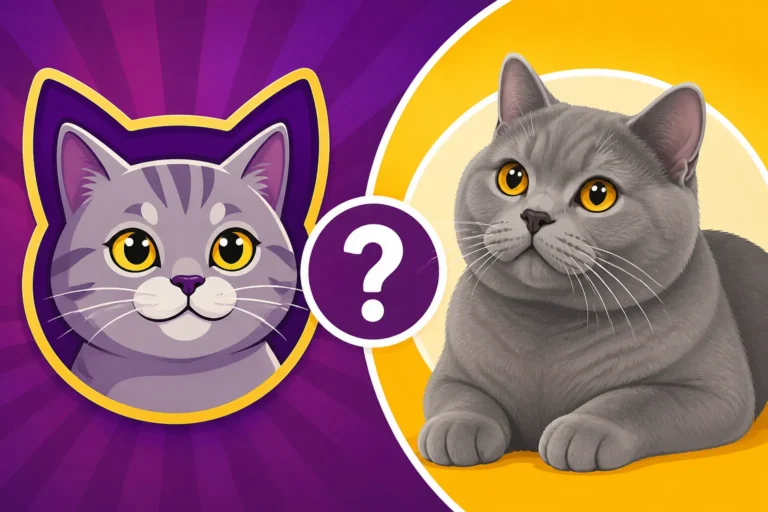
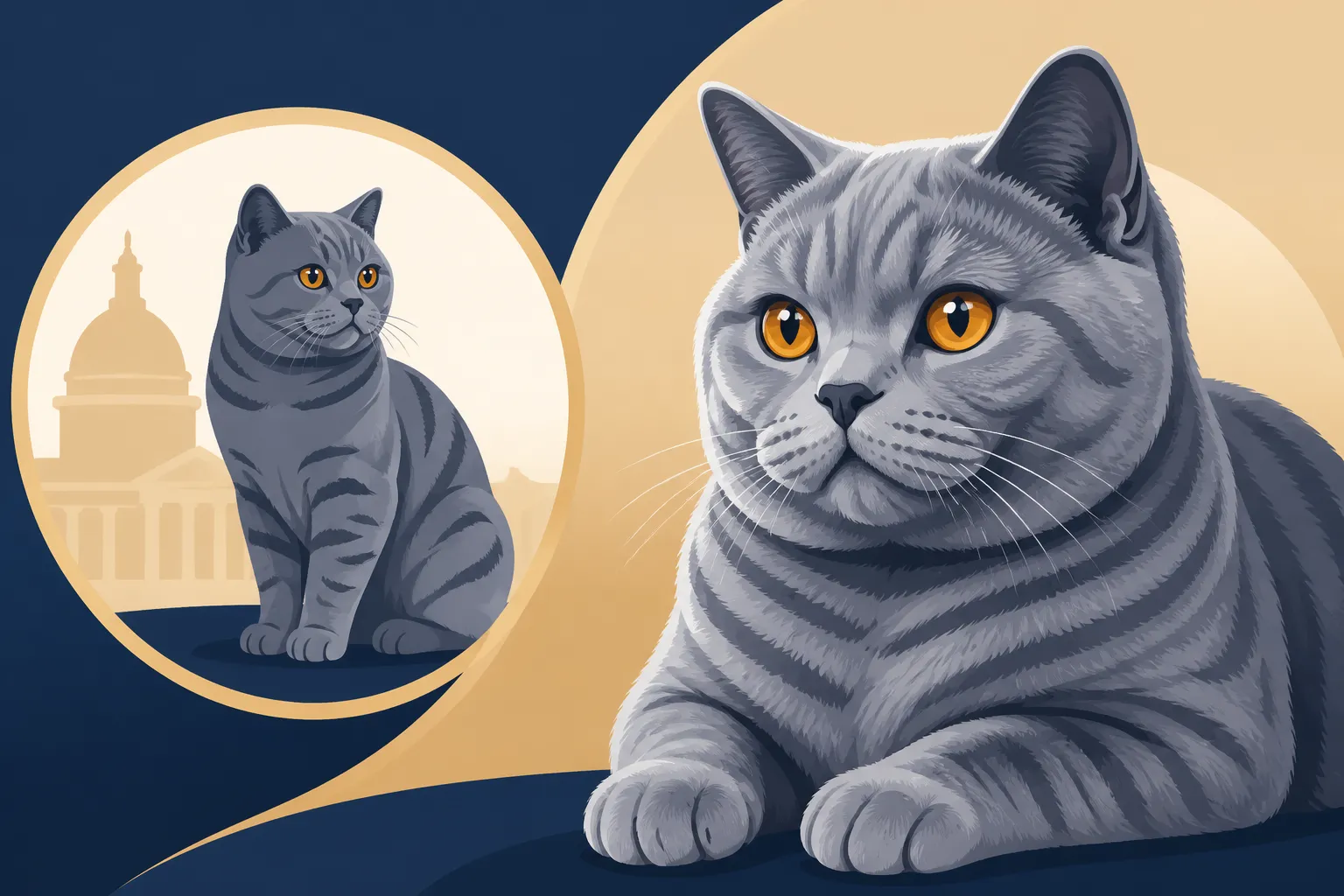
A "blue tabby" simply means the cat has a tabby pattern where the darker stripes are a slate blue-grey, and the lighter background color is a paler shade of blue or cream. These patterns were absolutely present in the native British cats from which the British Shorthair was developed. Harrison Weir admired them greatly. In fact, his own writings suggest that one of his cats, a female described as a brown tabby, was a significant winner. The idea of a "blue tabby" first winner isn't inherently contradictory to the breed's origins. While solid blues quickly became the most famous, tabbies were certainly among the foundational cats. It speaks to the diversity present in the early breed pool that led to the British Shorthair as we know it today, a true testament to the variety cats bring, much like the selection you can find for all sorts of cat products on sites like Chewy.
| Trait | "First Show Winner" (Harrison Weir's description) | Early British Shorthair Ideal (General) | Modern British Shorthair Standard (Typical) |
|---|---|---|---|
| Primary Color | Brown or Blue | Blue (highly preferred) | Wide variety of solid, tabby, bi-color etc. |
| Pattern | Tabby (Blotched/Classic) | Solid (Blue often) | All recognized patterns and colors |
| Eye Color | Varied, likely copper or gold | Copper (especially for blues) | Copper, gold, green, blue (colorpoint) |
| Head Shape | Round, broad | Round, broad, full cheeks | Very round, powerful, full cheeks |
| Body Type | Cobby, substantial | Cobby, substantial | Cobby, substantial, short strong legs |
What We Know About Harrison Weir's Winning Cat
Diving deeper into the specifics of that monumental 1871 cat show, it becomes clear that while the solid blue British Shorthair captured the public's imagination, the actual top honors for the British Shorthair class often went to cats exhibiting tabby patterns.
The Consensus on the 1871 Winner's Description
When we consult historical accounts and Harrison Weir’s own writings, a picture emerges that challenges the common misconception that the first winner had to be a solid blue. Weir himself stated that a British Shorthair female of his own breeding won the "best female" prize at the 1871 Crystal Palace show. This cat was specifically described as a brown tabby. Some accounts elaborate on this, suggesting she was a classic or blotched tabby, known for those distinctive swirls on her sides. It makes perfect sense, given that these were the patterns commonly seen on the sturdy working cats of Britain at the time – the very cats Weir was trying to elevate.
So, to directly answer the question: no, the first major show-winning British Shorthair was not a blue tabby; it was a brown tabby. The blue color, while quickly becoming the breed's hallmark, didn't claim the very first top prize in the British Shorthair category. It demonstrates how, even at the very start, the breed encompassed a range of colors and patterns, even if one specific color later became overwhelmingly popular. The cat was already a mature animal at the time of the show, estimated to be around 14 years old. You can read more about her age in How Old Harrison Weir's Winning British Shorthair Was. This detail further emphasizes that the initial British Shorthair champions were truly representative of the long-lived, robust domestic cats of Britain.
Why the Color Matters (or Doesn't)
In the very early days of the cat fancy, the focus was less on extremely precise color variations and more on establishing the fundamental "type" of the breed. Harrison Weir was passionate about preserving and celebrating the robust, cobby body, the round head, and the dense, short coat of the indigenous British cat. These were the core characteristics that defined the British Shorthair. While color was certainly a factor, the structure, temperament, and overall health of the cat were paramount.
The emphasis on specific colors, like the iconic blue, came a bit later as breeders refined their lines and began to aim for uniform appearances. Initially, proving that these "common" cats could be bred to a consistent standard, and that they possessed qualities worthy of showing, was the main goal. The detailed standards for specific colors and patterns, including blue tabby, evolved over time. Harrison Weir's original writings laid out a broad standard for the British Shorthair, emphasizing its sturdy build and gentle nature, rather than an exclusive focus on a single color. It's fascinating how our modern perceptions are often shaped by later developments. For a glimpse into the foundational criteria, you might find Which British Shorthair Standard Harrison Weir Wrote quite illuminating, especially when considering the evolution of the breed's appearance.
The Legacy of Early British Shorthairs and Modern Standards
The humble beginnings of the British Shorthair in the show ring set the stage for a rich and diverse future for the breed. What started with a brown tabby winning top honors has blossomed into a breed celebrated for its wide array of appearances.
The Evolution of British Shorthair Colors and Patterns
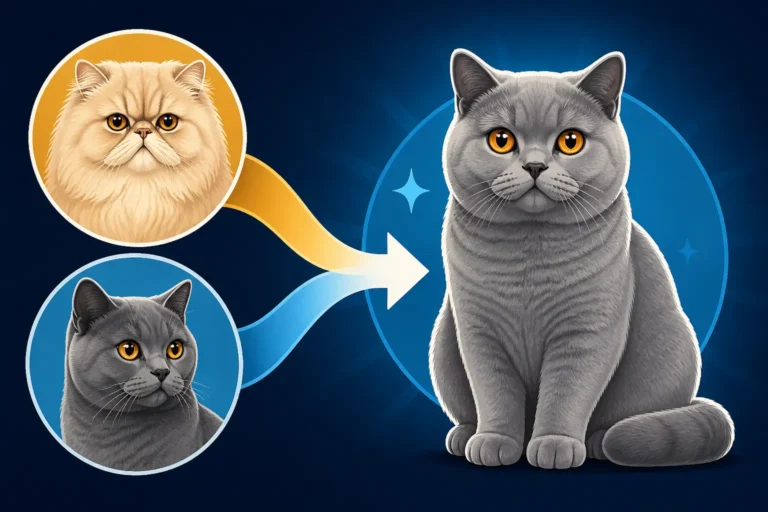
From those early days where brown tabbies and solid blues reigned, the British Shorthair has undergone a significant evolution in its recognized colors and patterns. The breed was nearly decimated during the World Wars, and its survival often hinged on outcrossing to other breeds, notably Persians and Russian Blues, to bolster numbers and genetic diversity. These outcrossings, while critical for the breed's survival, also introduced new genetic traits, including a wider palette of colors and patterns.
Today, if you visit a cat show or browse a breeder's website (or even a comprehensive pet supply site like Chewy, which often features breed information), you'll see British Shorthairs in an astonishing variety: solid colors like cream, white, black, and lilac; bi-colors with patches of white; colorpoints with darker extremities like a Siamese; and, of course, all manner of tabby patterns in various colors, including blue tabby, silver tabby, and red tabby. The British Shorthair standard now embraces this incredible diversity, celebrating each unique combination while still upholding the fundamental "type" that Harrison Weir originally envisioned. It truly makes them a breed that offers something for everyone, visually speaking. You can see just how broad the spectrum has become by reading A British Shorthair Comes in More Colors Than You Think.
Appreciating the Breed's Rich History
Understanding that the first show British Shorthair was a brown tabby, not a blue one, adds a wonderful layer to the breed's story. It reminds us that while certain traits become iconic, the true essence of a breed lies in its foundational qualities and the dedication of those who championed it. Harrison Weir’s vision was not limited to a single color, but to celebrating the robust, affectionate, and distinctly British qualities of these magnificent cats.
The British Shorthair has always been more than just its coat color; it’s about that quiet, stoic demeanor, the plush density of its fur, and that famously round, teddy-bear face. Its history is a testament to resilience and adaptation, having faced near extinction and emerging stronger and more diverse. Whether you cherish a classic blue, a striking silver tabby, or a rare cinnamon, every British Shorthair carries a piece of that proud heritage, tracing back to the cats admired by Harrison Weir and the very first cat show. It's a journey that began with ordinary cats elevated to extraordinary status, a journey that continues to this day, with passionate owners and reputable sources like Chewy helping to ensure their well-being. For a broader look at the breed's origins, consider Where the British Shorthair Comes From.
Disclaimer
This article is for general informational purposes only and does not constitute professional advice. Laws, prices and regulations vary by location and change over time. Consult a qualified professional for guidance on your specific situation.