Why the Persian Overtook the British Shorthair
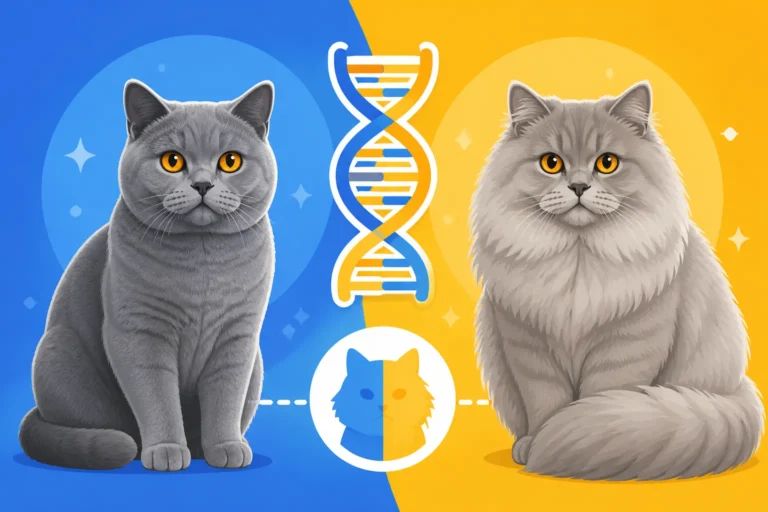
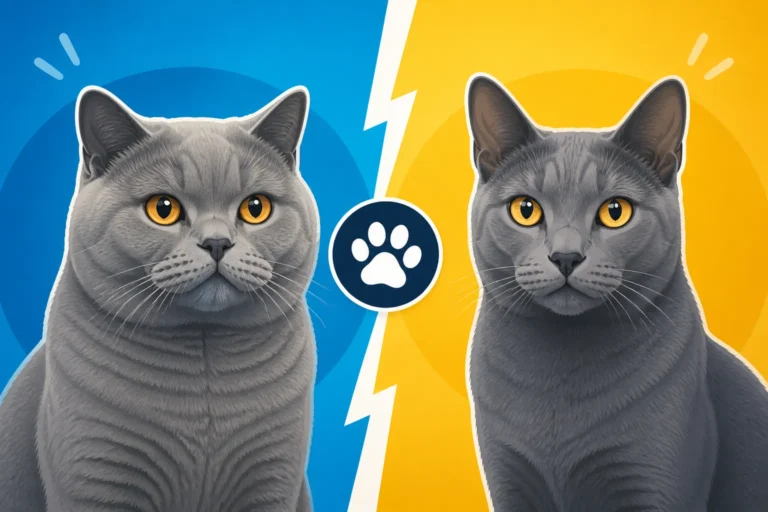
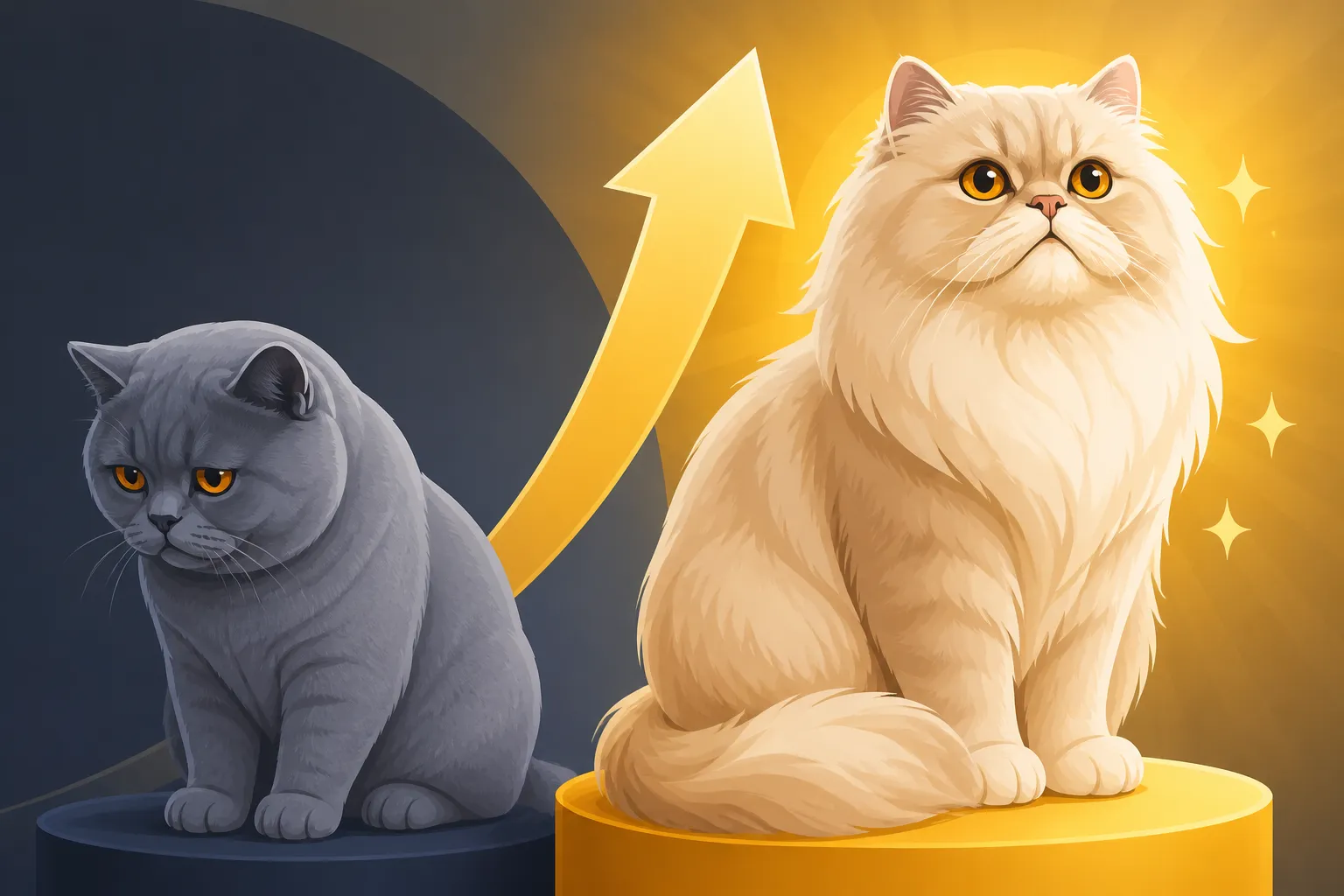
It's quite easy to look at the robust, teddy-bear-like British Shorthair today and assume it's always held a steady place in the hearts of cat enthusiasts, but history tells a more complex story. There was a time when this charming, native British breed was eclipsed by the dazzling, long-haired Persian, a shift that dramatically altered the course of cat breeding and left many wondering how such a beloved domestic treasure could ever take a backseat. This guide will delve into the fascinating reasons behind this historical pivot, exploring the rise of the British Shorthair, the glamorous arrival of the Persian, and the circumstances that saw one temporarily overshadow the other.
The British Shorthair's Early Reign and Initial Appeal
Before the Persian truly captured the spotlight, the British Shorthair was making waves, primarily due to the dedicated efforts of early cat fanciers. Its journey from common street cat to pedigreed darling is a testament to its inherent charm and resilience.
Harrison Weir and the Dawn of Cat Fancy
Imagine a time before organized cat shows, when cats were simply cats, valued for their mousing skills or companionship, not their pedigree. It was into this world that Harrison Weir stepped, a true visionary often credited with founding the modern cat fancy. Weir, a renowned artist and animal lover, saw the beauty and potential in the common domestic cats of Britain. He wasn't just observing; he was actively championing them, believing they deserved the same recognition and careful breeding as dogs. He took these sturdy, short-haired cats and, through his influence and organization, brought them into the spotlight.
The very first formal cat show, held at the Crystal Palace in London in 1871, was a pivotal moment. And guess what? It was a British Shorthair, a beautiful blue tabby female owned by Weir himself, that claimed Best in Show. This was a huge deal! It cemented the British Shorthair's status as a legitimate, desirable breed from the very beginning. People saw these familiar, native cats elevated to a new level, celebrated for their unique characteristics. Suddenly, the everyday cats that roamed British streets and homes were given a pedigree and a platform. This initial recognition and the breed's native roots gave it a significant advantage, establishing it as the original show cat of Britain. You can learn more about this foundational moment in Harrison Weir Put a British Shorthair on the Bench in 1871.
The British Shorthair's Distinctive Look and Temperament
What was it about these early British Shorthairs that captured people's hearts and caught Harrison Weir's discerning eye? Well, they were, and still are, quite special. Their heritage as working cats, roaming barns and back alleys, meant they were built for purpose. They were robust, sturdy, and strong, with a thick, dense coat that protected them from the British weather. This wasn't some delicate, exotic creature; this was a cat that looked like it belonged, a true embodiment of British grit and charm. They were, in essence, the original British domestic cat, refined and celebrated.
Their temperament also played a huge part. These were calm, collected cats, not prone to histrionics or excessive vocalization. They were amiable, often described as quiet observers rather than demanding divas. This easy-going nature made them fantastic companions, fitting seamlessly into homes without causing much fuss. While they might not be traditional lap cats, they were content to be near you, a comforting presence. This combination of a sturdy, appealing physique and a wonderfully placid disposition made them a popular choice among those seeking a reliable, low-maintenance pet. It was this initial appeal that set the stage for their early success, rooted deeply in the British landscape, as explored further in The British Shorthair Started as a British Street Cat.
The Influx of Exotics: A New Wave of Fascination
Just as the British Shorthair was solidifying its place, a new kind of feline beauty began to arrive on European shores, bringing with it an air of mystery and luxury that would soon captivate the masses.
The Arrival of the Persian Cat in Europe
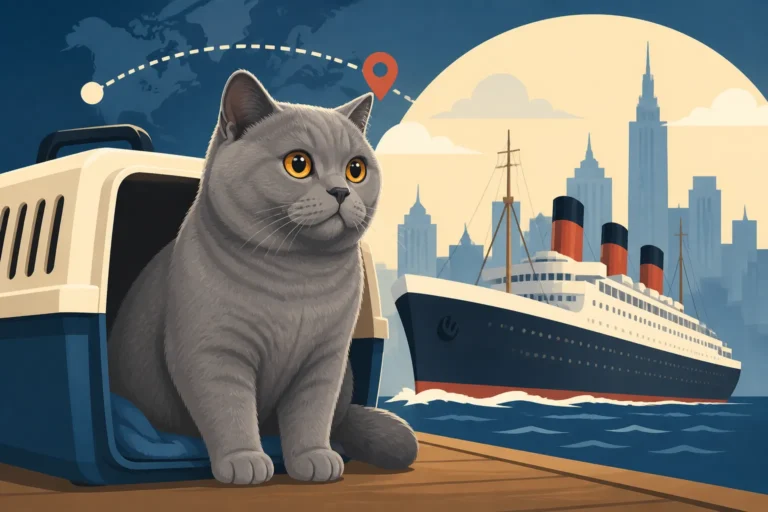
The Persian cat’s journey to Europe dates back centuries, but its widespread introduction to the Western world, particularly Britain, really took off in the 19th century. Explorers and traders brought these stunning, long-haired cats from Persia (modern-day Iran) and Turkey. Unlike the indigenous British Shorthairs, these were genuinely "exotic" creatures, a marvel to behold. They weren't just common street cats; they were seen as aristocratic imports, gifts for royalty and treasures for the wealthy.
When these cats started appearing at shows and in fashionable households, they created an immediate sensation. They were utterly different from anything most Europeans had ever seen in a domestic cat. Their long, flowing coats, round heads, and distinct facial features set them apart. This novelty, combined with their perceived rarity and high status, quickly made them a desirable commodity. They represented a touch of the Orient, an allure of distant lands, which was incredibly fashionable at the time. This contrast to the familiar, if beloved, British Shorthair was striking and sparked a new kind of feline obsession.
The Persian's Luxurious Appearance and Allure
The Persian cat, with its stunning coat and unique conformation, presented a stark contrast to the utilitarian charm of the British Shorthair. While the early Persians didn't have the extreme 'peke-face' we often associate with them today, they still boasted significantly longer, silkier fur and a more luxurious appearance than any native European cat. Their large, expressive eyes and docile nature further added to their appeal.
People were simply enchanted by their opulent looks. The sheer volume and texture of their coats, often coming in a dazzling array of colors and patterns, made them living works of art. They embodied elegance and luxury, quickly becoming status symbols for the Victorian elite. Owning a Persian suggested a certain level of affluence and sophistication. The grooming demands, though considerable, were seen as part of the appeal, a dedication to maintaining such a magnificent creature. This focus on beauty and exoticism meant that breeders began to pour their efforts into enhancing these traits, developing the distinctive round heads and plush bodies that became synonymous with the breed. The British Shorthair, for all its sturdy appeal, simply couldn't compete with this level of overt glamour and novelty.
World Wars and Breeding Challenges for the British Shorthair
Just as the Persian was gaining momentum, global conflicts plunged society into chaos, severely impacting all aspects of life, including the nascent world of cat breeding. The British Shorthair, a breed still finding its footing, suffered particularly hard.
Devastation of Breeding Stock During Wartime
The First and Second World Wars were catastrophic for many animal breeds, and the British Shorthair was no exception. During these incredibly difficult times, survival became the paramount concern. Food was rationed, resources were scarce, and the luxury of breeding and maintaining pedigree cats understandably took a backseat. People simply couldn't afford to feed extra mouths, and many breeders were forced to let their lines dwindle or even disappear entirely.
Imagine trying to keep a cattery going when you're struggling to feed your own family, let alone provide for a specific breeding program. Many precious breeding cats were lost, either due to lack of food, disease, or simply being turned out to fend for themselves. This wasn't just a reduction in numbers; it was a devastating loss of genetic diversity and carefully cultivated bloodlines. The British Shorthair, which hadn't yet achieved the widespread, deeply entrenched popularity of some other breeds, found its numbers plummeting to critically low levels. It was a dire situation, threatening the very existence of the breed. This period of severe decline is elaborated upon in Why British Shorthair Numbers Collapsed in the Wars.
The Need for Outcrossing and the Persian's Role
Facing near extinction after the wars, British Shorthair breeders were left with an incredibly difficult choice: let the breed die out, or introduce new blood. To salvage what little remained and rebuild the population, outcrossing became not just an option, but a necessity. This meant carefully introducing other breeds into the British Shorthair gene pool to increase genetic diversity and prevent inbreeding depression.
And guess which breed was often chosen for this critical role? The Persian. By this time, the Persian had established itself as incredibly popular and its numbers were strong, making it a readily available resource. While the long-term goal was always to breed back towards the original British Shorthair type, the Persian provided the much-needed genetic foundation to restart programs. This strategic outcrossing undoubtedly saved the breed from vanishing altogether, but it also introduced Persian traits – sometimes subtly, sometimes more overtly – into the British Shorthair's genetic makeup. This is a fascinating and often debated period in the breed's history, as discussed in The Persians That Rebuilt the British Shorthair After the War and Why British Shorthair Breeders Reached for the Persian. It shaped much of the modern British Shorthair, influencing aspects like coat density and head shape, explored in What the Persian Cross Gave the British Shorthair.
The Shift in Public Preference and Breeding Focus
The aftermath of the wars and the strategic outcrossing meant that the British Shorthair was in a rebuilding phase, precisely when public tastes and breeding trends were solidifying around the more dramatic appeal of the Persian.
Fashion and Trends in Pet Ownership
Just like clothing or interior design, pet ownership has its trends, and in the mid-20th century, the pendulum swung firmly towards the exotic and glamorous. The Persian, with its dramatic long coat and serene expression, fit perfectly into this aesthetic. It was seen as the epitome of luxury and sophisticated companionship. Movie stars, wealthy socialites, and even advertising campaigns often featured Persians, further cementing their image as the "it" cat. This kind of media exposure and endorsement greatly boosted their desirability.
People were looking for something visually stunning, a cat that would draw admiration and perhaps even a bit of envy. The British Shorthair, while charming, was perhaps perceived as a bit too "common" or understated in comparison during this period. The emphasis wasn't just on having a pet, but on having a pet that reflected a certain lifestyle or status. The Persian, with its high-maintenance coat and distinct, almost regal demeanor, fulfilled this desire far more overtly than the sturdy, down-to-earth British Shorthair.
Breeder Investment and Development
The rising demand for Persian cats naturally led to a significant shift in breeding focus and investment. When there's a strong market for a particular type of animal, breeders dedicate more resources, time, and effort to refining those specific traits that the public desires. For Persians, this meant selectively breeding for longer, denser coats, more pronounced facial features, and the characteristic cobby body type. Shows began to feature more Persian classes, and the competition to produce the "best" Persian became intense.
This intensive focus meant that Persian breeders were continually enhancing the breed's most popular characteristics, making them even more distinct and appealing to a wider audience. In contrast, the British Shorthair, having suffered from wartime losses and still undergoing its rebuilding, didn't receive the same level of dedicated, widespread breeding attention. While passionate individuals continued their work, the sheer volume of resources and breeder numbers committed to the Persian far outstripped those dedicated to the British Shorthair. This disparity in focus meant that the Persian continued to evolve and capture public imagination, while the British Shorthair quietly worked its way back from the brink. The influence of these outcrossings, particularly with Persians, also led to the eventual divergence of the British Longhair, a direct genetic legacy, as you can read in How the British Longhair Split From the British Shorthair.
The British Shorthair's Resurgence and Modern Popularity
Thankfully, the story doesn't end with the British Shorthair fading into obscurity. There was a turning point, a rediscovery of its unique appeal that has led to its current widespread popularity.
Rediscovering the British Shorthair's Charm
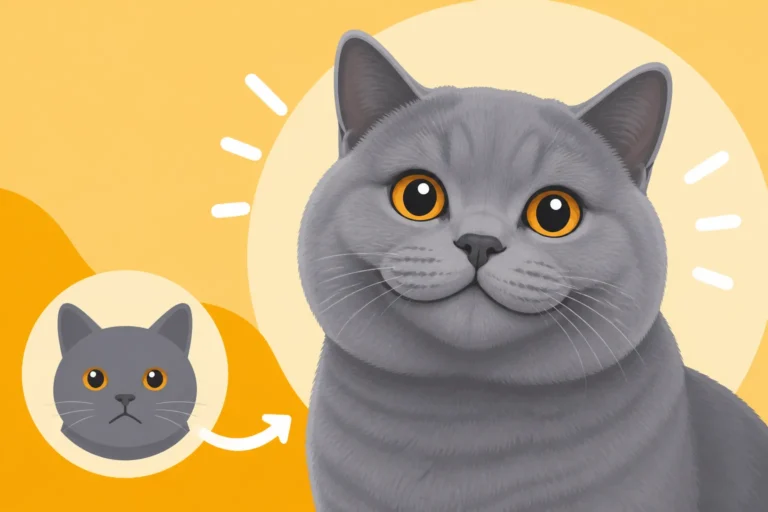
In recent decades, there's been a wonderful resurgence in the British Shorthair's popularity, a true testament to its enduring charm. As trends evolved, people began to appreciate the breed's original qualities once again. The "teddy bear" look, with its round face, chunky cheeks, and dense, plush coat, became incredibly desirable. It's a look that conveys warmth, comfort, and a hint of playful mischief.
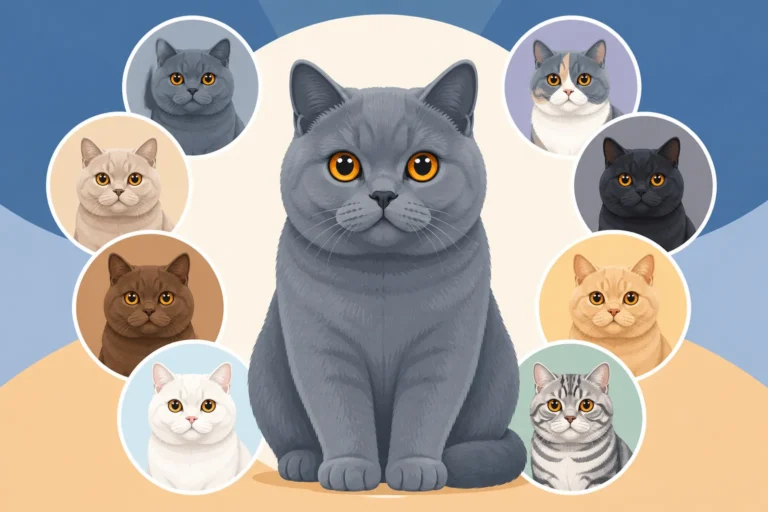
Beyond aesthetics, people started to truly value the British Shorthair's incredibly calm and independent temperament. In an increasingly busy world, the idea of a cat that is happy to entertain itself for periods, isn't constantly demanding attention, and isn't prone to climbing the curtains holds immense appeal. Their quiet nature, often expressed through gentle chirps rather than loud meows, makes them ideal companions for those seeking a peaceful household. This rediscovery wasn't just about looks; it was about appreciating the complete package of a British Shorthair – its robust health (when properly cared for), its low grooming needs compared to long-haired breeds, and its generally laid-back attitude. The iconic "British Blue" color, though the breed comes in many hues, really became the poster child for this renewed affection, as detailed in Why the Blue Became the British Shorthair Everyone Pictures.
The British Shorthair as a Family Companion Today
Today, the British Shorthair is celebrated as a fantastic family companion, often topping lists of popular breeds globally. Their calm demeanor makes them generally good with children and other pets, provided they are properly introduced and given their own space. They're not overly boisterous, preferring gentle play sessions to frantic acrobatics. This makes them perfectly suited for apartment living or homes where a high-energy cat might be overwhelming.
For first-time cat owners, the British Shorthair is often recommended because of its relatively independent nature and adaptability. They are generally not destructive, are excellent at using their litter boxes, and require a moderate amount of interaction. They thrive on routine and appreciate a quiet, stable environment. While they enjoy interaction, they are also perfectly A British Shorthair Is Genuinely Fine on Its Own for much of the day, making them ideal for busy professionals or those who aren't constantly home. Owners are discovering that the British Shorthair truly offers a blend of beauty, affection (on its own terms), and ease of care that fits modern lifestyles. Finding high-quality food and enrichment toys for these beloved felines is easier than ever through retailers like Chewy, ensuring they live their best lives. Their plush coats, which are a joy to stroke, require regular but manageable grooming, and their overall hardiness makes them a rewarding pet for many years. You can learn more about their suitability for various homes in How Well a British Shorthair Suits a First Time Cat Owner.
Historical Shift in Cat Popularity: British Shorthair vs. Persian
Let's take a quick look at how these two wonderful breeds stacked up historically, particularly during the period when the Persian was gaining its peak dominance.
| Feature | Early British Shorthair (Pre-WWI) | Early Persian (19th-20th Century) |
|---|---|---|
| Origin | Native British street cat, farm cat | Imported from Persia (Iran) and Turkey |
| Appearance Appeal | Sturdy, robust, dense short coat, round head, practical charm | Exotic, luxurious long coat, round head, delicate features, glamour |
| Grooming Needs | Low to moderate (dense coat but short) | High (long, flowing coat prone to matting) |
| Temperament | Calm, independent, quiet, adaptable | Docile, placid, often perceived as aloof due to elegance |
| Initial Status | "Working class hero" turned show cat | Aristocratic import, status symbol |
| Impact of Wars | Severely depleted, nearly extinct | Still popular, strong numbers, used for outcrossing |
| Public Perception | Familiar, reliable, understated | Fashionable, opulent, exotic |
| Breeder Focus | Rebuilding efforts, preserving type | Refining glamorous traits, high demand |
This table highlights the stark differences that contributed to the Persian's ascendance, as well as the unique qualities that allowed the British Shorthair to eventually reclaim its deserved spotlight.
Disclaimer
This article is for general informational purposes only and does not constitute professional advice. Laws, prices and regulations vary by location and change over time. Consult a qualified professional for guidance on your specific situation.