How Long a Clear British Shorthair Echo Is Good For
You've just received a clear echocardiogram for your beloved British Shorthair, and that feeling of relief is immense. But then the nagging question starts: how long does this peace of mind actually last? It's a common worry for many British Shorthair owners, especially since we know their breed can be prone to heart issues. This guide is here to walk you through what a "clear" echo truly signifies, what factors influence how long that result is considered reliable, and what you should expect regarding future screenings to keep your furry companion's heart healthy for years to come.
Understanding the "Clear" Echo in British Shorthairs
Bringing your British Shorthair in for a cardiac screening is an act of love, especially when you know the breed's predispositions. When the vet gives you the good news – a "clear" echo – it’s like a weight lifting off your shoulders. But what does that really mean in the long run for your cat's heart health?
What a Clear Echo Actually Means
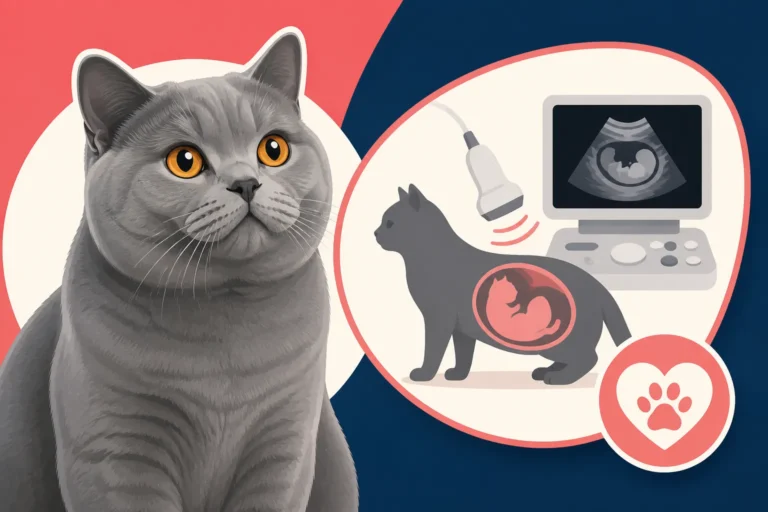
An echocardiogram, often just called an "echo," is essentially a specialized ultrasound of your cat's heart. It allows a veterinary cardiologist to visualize the heart's chambers, valves, and major blood vessels in real-time, assessing its structure and function. For British Shorthairs, this test is primarily used to screen for Hypertrophic Cardiomyopathy (HCM), a common heart disease in the breed where the heart muscle thickens, making it harder for the heart to pump blood effectively.
When your British Shorthair receives a "clear" echo result, it means that at the time of the scan, no evidence of HCM or other significant cardiac abnormalities was detected. The cardiologist observed normal heart muscle thickness, healthy chamber sizes, and proper blood flow. This is fantastic news, confirming your cat's heart appears structurally sound. However, it's crucial to understand that a clear echo is a snapshot, a moment in time. It's not a magical "all-clear for life" card, but rather a confirmation of current heart health. The disease, unfortunately, can develop or progress over time, which is why ongoing monitoring is so important. For the most accurate assessment, it's always recommended that these scans be performed by a board-certified veterinary cardiologist, as they have specialized training and equipment to identify even subtle changes. You can read more about Why a Cardiologist Should Scan a British Shorthair to understand the importance of this expertise.
Why British Shorthairs Need Heart Screening
The very reason we put our calm, teddy bear-like British Shorthairs through regular echoes is their genetic predisposition to HCM. While there isn't a specific DNA test available for HCM in British Shorthairs like there is for some other breeds, the disease is known to be hereditary. This means that even with no immediate family history of HCM, the risk is inherent within the breed. It's not uncommon for owners to feel frustrated by the lack of a definitive genetic test, asking themselves, Why Breeders Cannot DNA Test British Shorthair HCM. But the reality is, until such a test exists, echocardiograms remain our most reliable tool for early detection.
HCM is often called a "silent killer" because cats are masters at hiding illness. They might show no symptoms at all, even when their heart disease is quite advanced. This stoicism is a survival mechanism, but it means that by the time you notice overt signs like lethargy or difficulty breathing, the condition could be severe. Regular screenings allow us to catch the subtle thickening of the heart muscle long before it leads to serious complications like congestive heart failure or arterial thromboembolism (saddle thrombus), giving us a chance to intervene and manage the condition to improve quality of life and potentially extend lifespan. Knowing How Common HCM Is in British Shorthairs really drives home the need for vigilance.
Factors Influencing Echo Longevity and Rescreening Intervals
So, you have that beautiful "clear" report. Now what? How long can you comfortably rely on that result before it's time to schedule another peek inside your British Shorthair's chest? The answer isn't a simple fixed period, as several critical factors play into how long a clear echo is considered genuinely "good for."
Age of Your British Shorthair at the Time of the Clear Echo
The age at which your British Shorthair receives a clear echo is paramount in determining the rescreening interval. A clear echo performed on a kitten, say at 12 months old, is a wonderful starting point but carries a different weight than a clear echo on a five-year-old cat. HCM can manifest at any age, but it often progresses as cats get older. Many cats who eventually develop HCM will show no signs in their younger years.
For a young cat, particularly one around their first birthday when many breeders perform initial screenings, a clear echo means their heart looks good for now. However, because British Shorthairs are still maturing and the typical age of HCM onset can be anywhere from 2 to 8 years old, with some cases even later, yearly to bi-yearly re-screening is often recommended. If your cat was 5 years old and received a clear echo, that's generally a stronger indicator of ongoing health, potentially allowing for a slightly longer interval before the next scan, though annual checks are still prudent for older cats. You can explore The Age HCM Usually Appears in a British Shorthair for more insight into typical onset patterns. Remember, growth and maturation can sometimes mask early changes, so consistency in screening is key throughout their adult lives.
Breeder Protocol and Family History
A reputable British Shorthair breeder will have a rigorous health screening protocol in place for their breeding cats, including annual echocardiograms. If your British Shorthair comes from such a background, this provides valuable context. A kitten whose parents and grandparents have consistently clear echoes provides a slightly different reassurance than one from a lineage with unknown or questionable cardiac health.
Responsible breeders understand that even with clear parents, a clear echo on a kitten is just the beginning. They often recommend yearly echoes for their breeding animals to ensure they are not inadvertently passing on a genetic predisposition that only manifests later in life. They should be transparent and willing to show you results from parent cats, which gives you a better idea of the genetic landscape your kitten is coming from. If you're wondering Whether a British Shorthair Breeder Shows Echo Results, always ask for proof of current and historical screenings. This proactive approach by breeders helps mitigate the risk within the breed, but it doesn't eliminate the need for ongoing screening for your pet. The more comprehensive the family history of clear echoes, the more confidence you might have in your cat's heart health, but it should never replace your own regular screenings.
Overall Health and Clinical Signs
Even with a recent clear echo, your British Shorthair's overall health and any new clinical signs should always prompt immediate veterinary attention, including a potential re-evaluation of their heart. Cats are incredibly good at masking discomfort, but if you notice any changes in their behavior, energy levels, appetite, or breathing, don't wait for the next scheduled echo.
Signs like increased respiratory rate, especially at rest, open-mouth breathing, coughing (though less common in cats with heart disease than dogs), lethargy, or a sudden disinterest in food are red flags. For instance, if you observe Signs a British Shorthair Is Breathing Hard, that warrants an emergency vet visit. Other health issues, like hyperthyroidism or kidney disease, can also put a strain on the cardiovascular system or mimic symptoms of heart disease. Your veterinarian will consider your cat's full medical history and current symptoms to determine if an immediate echocardiogram is necessary, regardless of how recently their last one was clear. A clear echo reflects the heart's condition at that moment, but new health challenges can arise, and vigilant observation on your part is an invaluable part of your British Shorthair's ongoing care.
General Guidelines for Rescreening Intervals
Navigating the world of cardiac screenings can feel a bit like a maze, especially with the emotional investment we have in our British Shorthairs. While every cat is an individual, there are some general guidelines that many cardiologists and experienced British Shorthair owners follow for rescreening intervals after a clear echo. These recommendations aim to balance thoroughness with practicality.
Annual Echocardiograms: The Gold Standard for Breeding Cats
For British Shorthairs involved in breeding programs, annual echocardiograms are widely considered the absolute gold standard. This rigorous approach isn't just about the individual cat; it's about the health of the entire breed. Breeders are tasked with producing healthy kittens, and part of that responsibility involves ensuring their breeding animals are free of detectable HCM year after year. Since HCM can develop later in life, a yearly scan catches any changes promptly, preventing affected cats from contributing to future generations. This helps to slowly reduce the prevalence of HCM in the British Shorthair population over time.
The process of yearly echoes for breeding cats essentially replaces a definitive gene test, providing ongoing reassurance that the line remains clear of the disease. This commitment comes with its own financial considerations, as What a British Shorthair Echo Costs can add up annually. However, for a responsible breeder, it's an indispensable part of their health protocol. This continuous monitoring is why many refer to it as The Yearly Echo That Replaces a British Shorthair Gene Test, highlighting its critical role in managing hereditary conditions in the absence of direct DNA testing. It's a significant effort, but one that benefits every British Shorthair owner down the line.
Pet British Shorthairs: Tailoring the Schedule
For pet British Shorthairs, the rescreening schedule can be a bit more flexible than for breeding animals, though it should still be robust. Generally, if your British Shorthair receives a clear echo around 1-2 years of age (their first screening), a common recommendation might be to repeat the echo every 1 to 2 years until they reach around 5 to 7 years old. After that, due to the increased risk of HCM development with age, many cardiologists suggest transitioning to annual screenings.
This tailored approach takes into account that pet cats aren't passing on genetics, but we still want to give them the best chance at a long, healthy life. The most important thing is to have an open conversation with your veterinarian and, ideally, a cardiologist, to determine the best schedule for your cat, considering their individual history, lineage, and any subtle health changes you might observe. It’s about finding that sweet spot between proactive care and avoiding unnecessary stress or expense.
To give you a clearer picture, here's a general guide for rescreening intervals:
| British Shorthair Status | Age at Last Clear Echo | Recommended Rescreening Interval | Notes |
|---|---|---|---|
| Breeding Cat | 1-8 years old | Annually | Critical for maintaining breed health and genetic integrity. |
| Pet Cat | 1-2 years old (initial screen) | Every 1-2 years | Monitoring during early adulthood when HCM can first appear. |
| Pet Cat | 3-7 years old | Every 2-3 years | Close monitoring for typical onset age. |
| Pet Cat | 8+ years old | Annually | Increased risk with age; integrated into senior care. |
| Any Cat with New Murmur or Symptoms | Any Age | Immediately | Clinical signs always override a scheduled interval. |
When it comes to the costs involved, pet insurance providers like Healthy Paws can be a real lifesaver. While they typically won't cover pre-existing conditions, if your British Shorthair has a clear echo and then develops HCM later, insurance could potentially help with the costs of subsequent diagnostics and treatment. It’s worth checking your policy details regarding Whether Insurance Covers a British Shorthair's HCM and future screenings. Ultimately, the goal is proactive health management, ensuring you are doing everything possible to catch any issues early. This aligns with a broader approach to overall care, including How Often a British Shorthair Needs an Echo as part of their regular health check-ups.
The Importance of a Lifetime Approach to Heart Health
It’s easy to breathe a sigh of relief after a clear echo and maybe push the thought of the next one to the back of your mind. But for British Shorthair owners, thinking about heart health needs to be a continuous, lifetime commitment. HCM, unfortunately, can develop at any age, even in cats who have had multiple clear echoes in their younger years. It’s not a one-and-done situation.
Beyond scheduled echocardiograms, being attuned to your cat’s everyday behavior is incredibly important. Subtle changes might be the first indication something is amiss. A slight decrease in activity, less enthusiasm for play, or a more sedentary lifestyle could be benign, or they could hint at an underlying issue. While British Shorthairs are generally calm and not overly active, any noticeable shift in their personal norm should prompt a call to your vet. Regular wellness exams with your primary veterinarian are also crucial. These visits allow your vet to listen to your cat's heart for murmurs, assess their overall body condition, and discuss any changes you've observed. These check-ups are also a good time to discuss topics like Caring for a British Shorthair Past Ten, as senior cats have their own unique health considerations, including an increased risk for various conditions. Combining professional screenings with your attentive observation at home provides the most comprehensive approach to safeguarding your beloved British Shorthair's heart health throughout their long and happy life.
Disclaimer
This article is for general informational purposes only and does not constitute professional advice. Laws, prices and regulations vary by location and change over time. Consult a qualified professional for guidance on your specific situation.