Why a British Shorthair’s Eyes Water
It's incredibly frustrating, isn't it, when you notice your beloved British Shorthair has perpetually damp or tear-stained eyes? You might wonder if it's just part of their charmingly round face, or if it's a sign of something more serious. While some dampness can be normal for this breed, persistent watery eyes, known medically as epiphora, can certainly indicate an underlying issue that needs your attention. This comprehensive guide is here to help you understand why your British Shorthair's eyes might be watering, how to differentiate between normal dampness and a problem, and what steps you can take to keep those beautiful eyes clear and healthy.
Normal Eye Secretions Versus Problematic Watering
First things first, let's talk about what's "normal" and what might be cause for concern. It's easy to jump to conclusions when you see any moisture around your cat's eyes, especially if you're a new British Shorthair owner. These cats have such unique facial structures that sometimes a little dampness is simply part of the package, but knowing the difference is key to being a proactive pet parent.
The British Shorthair's Unique Facial Structure
One of the most distinguishing features of a British Shorthair is their wonderfully round head and full cheeks, often accompanied by a relatively flat nose or a slight "break" in their profile. While this gives them that irresistible teddy bear look we all adore, it can also have an impact on how their tear ducts function. Imagine a perfectly engineered drainage system: tears are produced to lubricate the eye, and then they're supposed to drain efficiently through tiny ducts located in the corners of their eyes, emptying into the nasal cavity.
With a British Shorthair's flatter face, this drainage system isn't always as straightforward. The channels can be narrower, or the angle might be a bit more acute, making it harder for tears to flow away perfectly. This means that a small amount of dampness, perhaps a tiny wet streak from the inner corner of the eye down their nose, especially after a nap or on a particularly dry day, might just be physiological for your individual cat. It's not necessarily a sign of pain or infection, but rather a characteristic of their breed's charming but sometimes challenging anatomy. This type of dampness usually doesn't cause irritation or discoloration of the fur.
How to Identify Excessive Tearing Epiphora
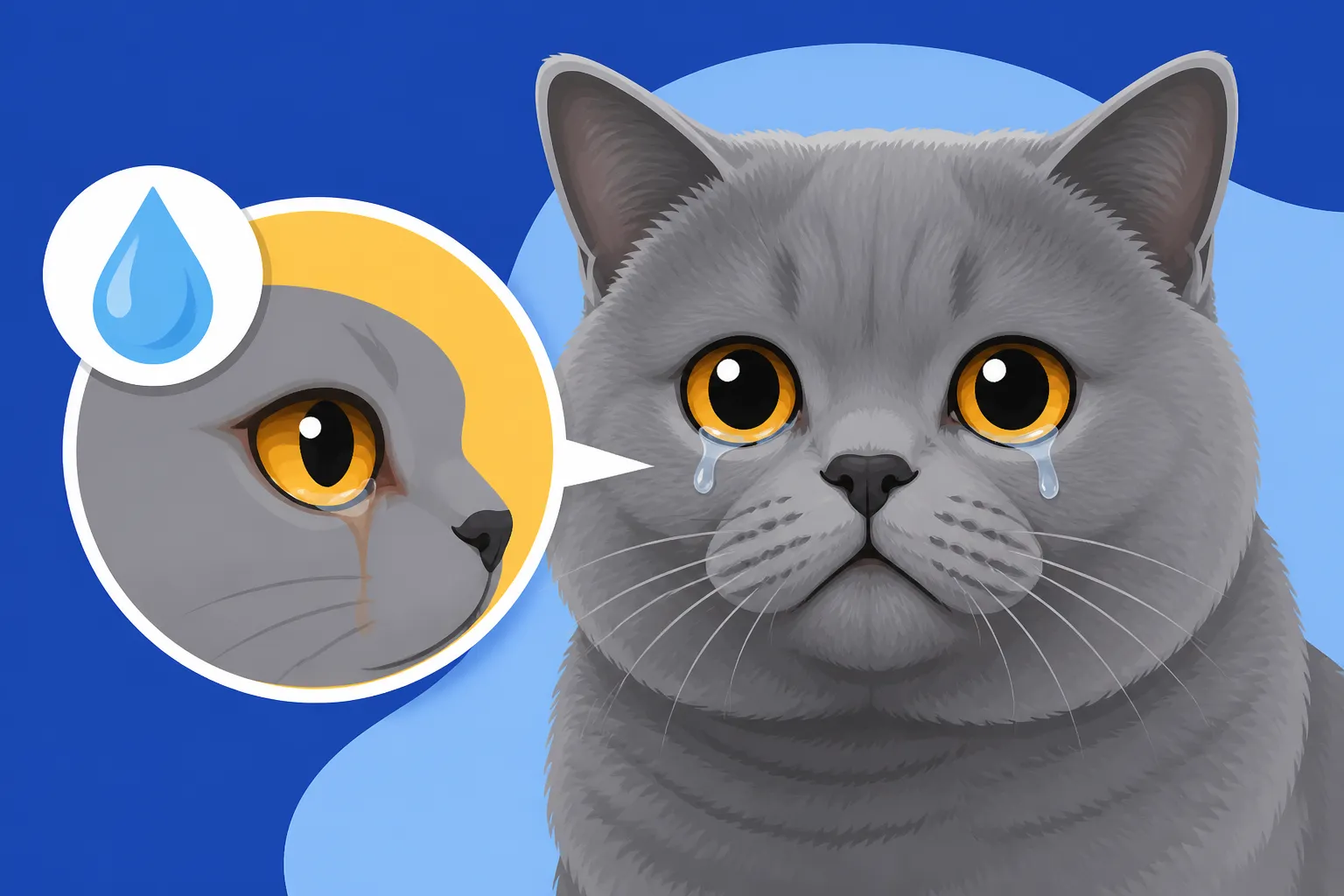
So, how do you tell if that dampness is just a quirk or if it's epiphora, which means excessive tearing? The distinction lies in persistence, volume, and associated symptoms. If you're seeing constant wetness that never seems to dry, if the fur around their eyes is always visibly soaked, or if it's leading to dark, reddish-brown tear stains (especially noticeable on lighter-colored cats), then it's likely more than just normal dampness. These stains aren't just cosmetic; they occur because the porphyrins in tears, combined with bacteria and yeast, can pigment the fur and even cause skin irritation underneath.
Beyond just the wetness, look for other warning signs. Is the skin beneath the wet fur red, inflamed, or even broken? Is there any noticeable swelling around the eye? Does your cat seem to be rubbing their face more often, blinking excessively, or holding one eye partially closed? These are all indicators that your British Shorthair is experiencing discomfort or has an active issue. The liquid itself also matters: clear, watery discharge might point to irritation or drainage issues, while thick, colored (yellow, green, or even white) discharge often suggests an infection. Keeping an eye on these details will help you communicate effectively with your vet.
Common Causes of Watery Eyes in British Shorthairs
Now that we've established what constitutes "problematic" watery eyes, let's dive into the various reasons why your British Shorthair might be experiencing them. It's often a puzzle to figure out, as the causes can range from simple environmental factors to more complex anatomical quirks.
Environmental Irritants and Allergies
Just like us, cats can be sensitive to things in their environment. Imagine walking into a room filled with dust or strong fumes – your eyes would water too, right? For a British Shorthair, particularly with their slightly flatter faces, their eyes can be more exposed to airborne irritants. Common culprits include household dust, pollen (especially during certain seasons), smoke (from fireplaces, candles, or cigarettes), and even strong cleaning products. That lovely new furniture polish or air freshener might be bothering your cat more than you realize.
If you suspect environmental irritants, try to identify and remove them. Regular, thorough dusting and vacuuming can make a big difference. Consider using an air purifier, which can help filter out airborne particles and allergens from your home. You can find many effective options on platforms like Amazon. If seasonal allergies are suspected, you might notice the watering coincides with specific times of the year, much like human hay fever. While you can't eliminate pollen from the air entirely, keeping windows closed during high pollen counts and cleaning your cat's bedding frequently can help. A clean environment is a healthy environment, and it directly impacts your cat's comfort.
Anatomical Issues and Tear Duct Blockages
This is where the British Shorthair's unique breed characteristics often come into play. Many brachycephalic (flat-faced) breeds, including British Shorthairs, can have structural issues that impede proper tear drainage. The most common problem is a condition called primary epiphora, where the tear ducts themselves are either too narrow, kinked, or simply don't have enough capacity to handle the normal tear volume. Tears then have nowhere to go but over the eyelid and down the face.
Sometimes, extra folds of skin around the eyes can also physically block the tear ducts or irritate the eye itself. Another anatomical issue can be entropion, a condition where the eyelid rolls inward, causing the eyelashes to rub against the cornea. This is incredibly painful and will definitely lead to profuse tearing as the eye tries to flush out the irritant. While these are often congenital conditions, meaning your cat is born with them, the symptoms might not become obvious until they're a bit older. If your vet suspects an anatomical blockage, they might suggest a diagnostic test called a fluorescein stain test, which involves placing a harmless orange dye in the eye to see if it drains properly.
Minor Eye Irritations and Foreign Bodies
Sometimes, the cause is much simpler than a chronic condition or structural defect. A tiny speck of dust, a loose piece of fur (especially common with a British Shorthair's dense coat), or even a rogue eyelash can get into your cat's eye and act like a constant irritant. Imagine having a tiny grain of sand in your own eye – it's uncomfortable and makes your eye water to try and flush it out. Cats will often try to rub their eyes with a paw or against furniture, which, while understandable, can sometimes worsen the irritation or even lead to a scratch on the delicate surface of the eye.
It's important to carefully examine your cat's eye if you suspect a foreign body. Gently pull back the eyelids in a well-lit area and look for anything obvious. If you can see something small and loose, you might be able to flush it out with a sterile saline eyewash, but never try to pick something out with tweezers or your fingers, as you could cause serious damage. If you can't see anything, but the tearing is persistent, or if your cat is clearly in pain, a vet visit is essential to rule out a subtle foreign body or a corneal abrasion.
Health Conditions Leading to Watery Eyes
While environmental factors and anatomical quirks are common, watery eyes can also be a symptom of more serious health issues. It's vital to recognize when the tearing is pointing to something that needs prompt veterinary attention.
Conjunctivitis Pink Eye
Conjunctivitis, commonly known as "pink eye," is an inflammation of the conjunctiva, the clear membrane that lines the inside of the eyelids and covers the white part of the eyeball. When a British Shorthair gets conjunctivitis, their eyes will often appear red and swollen, and yes, they will definitely water. The discharge can vary: it might be clear and watery, but often it progresses to a thicker, mucousy, or even pus-like consistency, sometimes making the eyelids stick together.
Conjunctivitis can be caused by a variety of factors, including bacteria, viruses, fungi, or even allergic reactions. One of the most common viral culprits in cats is feline herpesvirus (FHV-1), which often causes recurrent bouts of conjunctivitis, especially during times of stress. If your British Shorthair's watery eyes are accompanied by redness, swelling, or any colored discharge, a trip to the vet is absolutely necessary. They'll need a proper diagnosis to determine the underlying cause and prescribe appropriate treatment, which could include antibiotic eye drops or antiviral medications.
Corneal Ulcers and Injuries
The cornea is the transparent outer layer at the front of the eye. A corneal ulcer is essentially an open sore on this surface, and it's incredibly painful. Ulcers can be caused by trauma (like a scratch from a claw or a foreign body), chemical burns, or even chronic irritation from conditions like entropion. When a British Shorthair develops a corneal ulcer, intense watering is almost always present, as the eye tries desperately to soothe and protect itself.
Besides watering, you might notice your cat squinting, holding the affected eye shut, or rubbing at it excessively. The eye itself might appear cloudy or dull. Because corneal ulcers can quickly worsen and even lead to vision loss if left untreated, any suspicion of an ulcer warrants an emergency visit to your veterinarian. They will typically use a special dye (fluorescein stain, which we mentioned earlier) to confirm the presence and depth of the ulcer and then prescribe medication to promote healing and prevent infection. How a British Shorthair's Echo Is Performed
Upper Respiratory Infections
Many cat owners are surprised to learn that an upper respiratory infection (URI) can manifest with significant eye symptoms. Think of it like a human cold: when you have a stuffy nose and sore throat, your eyes often water and feel irritated. In cats, URIs are often caused by viruses like feline herpesvirus or feline calicivirus, and they affect the nose, throat, and yes, the eyes.
If your British Shorthair's watery eyes are accompanied by other signs of a cold, such as sneezing, nasal discharge (which might start clear and then become thick and colored), lethargy, or a decreased appetite, then a URI is a very strong possibility. While many URIs resolve on their own, especially in otherwise healthy cats, a vet visit is still crucial. They can rule out secondary bacterial infections and ensure your cat remains hydrated and comfortable. Sometimes, the vet might prescribe antibiotics for secondary infections or supportive care to help them recover.
Glaucoma and Other Serious Eye Conditions
While less common, watery eyes can also be a symptom of more severe underlying eye conditions, such as glaucoma. Glaucoma is a condition where the pressure inside the eye becomes too high, which can be incredibly painful and, if left untreated, can lead to permanent blindness. Sudden, intense watering accompanied by a dilated pupil that doesn't react to light, a cloudy eye, or obvious signs of pain, could indicate glaucoma or another serious emergency.
Other rare but serious conditions, such as uveitis (inflammation of the internal structures of the eye) or even certain types of tumors, can also cause watery eyes. The key takeaway here is that if your British Shorthair exhibits sudden, severe, or painful eye watering, or if the eye looks dramatically different in any way (e.g., bulging, cloudy, very red), it's not something to wait on. Always prioritize a prompt veterinary examination when these red flags appear, as early intervention can make a significant difference in the outcome and your cat's comfort. What Changes in a British Shorthair at Three
What to Do When Your British Shorthair's Eyes Water
Seeing your British Shorthair's eyes water can be worrying, but there are practical steps you can take at home, alongside knowing when it's absolutely time to see the vet. Being prepared and consistent in your care routine can make a big difference for your feline friend.
Gentle Cleaning and Home Care
For mild, intermittent dampness or tear staining, gentle cleaning can be very effective. Your goal is to keep the area around the eyes clean and dry to prevent skin irritation and secondary infections. Start by gathering your supplies: a soft, clean cloth or cotton pads, and warm, sterile water or a veterinarian-approved saline eyewash. Avoid using human eye drops or solutions unless specifically instructed by your vet, as they can contain ingredients harmful to cats.
To clean, gently dampen a cotton pad with warm water and softly wipe away any discharge or crust from the inner corner of the eye, moving outwards. Use a fresh pad for each eye to avoid transferring any potential infection. Be incredibly gentle; the skin around their eyes is very delicate. After cleaning, use a dry cotton pad to absorb any remaining moisture. This daily ritual can prevent unsightly tear stains from becoming deeply embedded in the fur, and it gives you a chance to inspect their eyes closely. If you're looking for specialized cat supplies or food, I often browse Chewy for their wide selection and reliable delivery. When it comes to tear stain removers, many products are marketed to reduce staining, but it's crucial to remember they are largely cosmetic fixes. They won't address the underlying cause of the watering, which is always the most important thing to figure out. Some might contain mild bleaching agents or antibiotics; always consult your vet before using such products to ensure they are safe and appropriate for your cat.
When to Seek Veterinary Attention
Knowing when to call the vet is probably the most crucial piece of advice for any pet owner. While a little dampness might be harmless, certain signs indicate that professional help is needed immediately.
You should contact your vet promptly if you notice any of the following:
- Sudden onset of watering: If your British Shorthair's eyes suddenly start watering profusely.
- Pain or discomfort: Squinting, holding an eye shut, rubbing excessively, or any visible change in demeanor.
- Colored discharge: Any yellow, green, or thick white discharge, which strongly suggests infection.
- Redness or swelling: Inflammation of the eyelids, conjunctiva, or surrounding facial tissue.
- Cloudiness or change in eye appearance: Any visible film, cloudiness, change in pupil size, or a dull look to the eye itself.
- Paw touching: If your cat is consistently pawing at their eye or rubbing their face.
- Other illness signs: If watery eyes are accompanied by sneezing, coughing, lethargy, or loss of appetite.
When you visit the vet, they'll perform a thorough ophthalmic exam, which might include staining the cornea to check for ulcers, checking tear production, and potentially flushing the tear ducts to see if they are blocked. They might also take samples of discharge for analysis. It's truly the only way to get a definitive diagnosis and the correct treatment plan. Many veterinarians will also discuss overall health, including diet, as a well-nourished cat is better equipped to fight off infections. High-quality cat food can be a great choice to support your British Shorthair's immune system and overall vitality.
Preventive Measures
Prevention is always better than cure, and this holds true for keeping your British Shorthair's eyes clear and healthy. A few simple practices integrated into your routine can go a long way.
Firstly, regular grooming is essential. The British Shorthair's dense, plush coat can shed loose hairs that easily find their way into their eyes. Daily combing, especially around the face and head, can minimize this. How Often a British Shorthair Needs Combing Use a fine-toothed comb to gently remove loose fur and minimize potential irritants. Secondly, maintain a clean environment. As discussed earlier, dust and allergens are major culprits. Regular vacuuming and dusting, using pet-safe cleaning products, and changing air filters frequently can significantly reduce airborne irritants. Investing in an air purifier, easily found on Amazon, can be a beneficial step, especially if your cat is prone to environmental allergies.
Thirdly, make daily eye checks a habit. When you're giving them their morning cuddles or before feeding, take a moment to look closely at their eyes. Are they clear? Is there any abnormal discharge? Are they blinking normally? Early detection of any issue allows for quicker intervention. Finally, ensuring your British Shorthair is on a high-quality diet is fundamental to their overall health, including eye health. A diet rich in essential nutrients supports a strong immune system, which is crucial for warding off infections that can lead to watery eyes. Reputable pet supply stores like Chewy offer a wide range of premium cat foods that can cater to your British Shorthair's specific needs, helping them maintain peak health from the inside out. What Most British Shorthairs Die Of
Summary of Potential Causes and Actions
To help you quickly reference common issues and appropriate responses for your British Shorthair's watery eyes, here's a handy table.
| Cause of Watery Eyes | Common Symptoms | Recommended Action | Urgency |
|---|---|---|---|
| Normal Physiological Dampness | Minimal, clear dampness, no irritation or staining. | Gentle daily cleaning with warm water. | Low |
| Environmental Irritants | Sudden watering, often both eyes, no discharge color. | Identify and remove irritants (dust, smoke, strong chemicals). Clean environment. Consider air purifier. | Moderate (resolve irritant quickly) |
| Allergies | Seasonal watering, clear discharge, may have sneezing. | Limit exposure to allergens. Keep environment clean. Consult vet for management if severe. | Moderate |
| Minor Foreign Body/Hair | Sudden watering, pawing at eye, clear discharge initially. | Gentle flush with sterile saline if visible and loose. If persistent or painful, see vet. | Moderate to High (if pain present) |
| Anatomical Issues (Epiphora) | Chronic tearing, tear staining, no other symptoms initially. | Regular cleaning to manage staining. Consult vet for diagnosis and potential long-term solutions. | Moderate (manage long-term) |
| Conjunctivitis | Redness, swelling, thick/colored discharge, watering. | Immediate vet visit. Requires diagnosis and specific medication (e.g., antibiotics, antivirals). | High |
| Corneal Ulcer/Injury | Squinting, pain, holding eye shut, cloudy eye, watering. | Emergency vet visit. Can lead to severe vision damage without prompt treatment. | Urgent |
| Upper Respiratory Infection | Watering with sneezing, nasal discharge, lethargy, poor appetite. | Consult vet for diagnosis and supportive care. May need antibiotics for secondary infections. | High (monitor for worsening symptoms) |
| Glaucoma/Serious Conditions | Sudden, intense pain, dilated pupil, cloudy eye, dramatic watering. | Emergency vet visit. Can cause irreversible blindness rapidly. | Urgent |
It's clear that your British Shorthair's eyes watering isn't always a simple matter. While some dampness can be part of their adorable flat-faced charm, consistent or problematic tearing needs your attention. By understanding the common causes, knowing when to clean gently at home, and, most importantly, recognizing when to call your veterinarian, you can ensure your furry companion's eyes remain bright, clear, and healthy. Your vigilance is their best defense against discomfort and potential vision problems. Whether the British Shorthair Is a Healthy Breed
Disclaimer
This article is for general informational purposes only and does not constitute professional advice. Laws, prices and regulations vary by location and change over time. Consult a qualified professional for guidance on your specific situation.