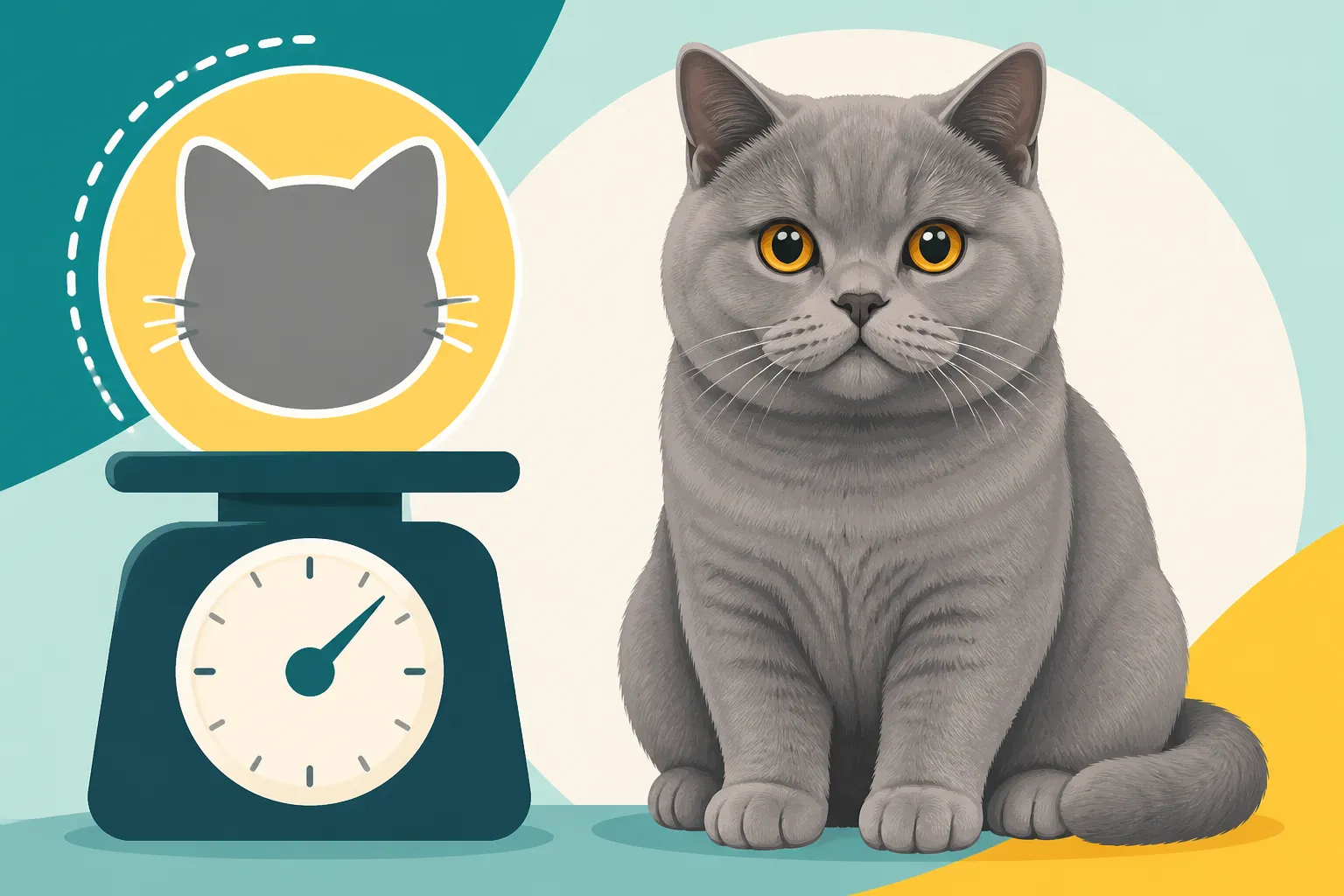
What a British Shorthair Should Weigh at Three
It’s a common moment for British Shorthair owners: you look at your beloved furball nearing or hitting the three-year mark and wonder, "Is this their final form, or are they getting a bit… round?" It's easy to worry, especially with their naturally cobby build and dense coat masking changes. This guide is here to walk you through what a healthy British Shorthair should weigh at three years old, how to assess their body condition, and why this age is particularly important for their long-term health.
Understanding the British Shorthair's Growth Trajectory
The British Shorthair isn't like many other cat breeds that seem to hit their full size and weight in a flash. Their development is a slow, luxurious process, and it often leads to a lot of questions about what's normal at various stages. By the time they reach three years old, much of that physical development is nearing its completion, but it's not always as straightforward as checking a number on a scale.
The Myth of Instant Maturity
Many cat breeds reach their adult size and weight by 12 to 18 months. Not our British Shorthairs! They are truly late bloomers, taking their sweet time to develop their signature robust physique. It's not unusual for them to continue growing and "filling out" until they are three to five years old. This extended development period can make it tricky for owners to gauge what a healthy weight looks like at any given stage, especially when comparing them to other breeds or even their own expectations. You might see a lanky teenager at one year old, a chunky two-year-old, and then a fully substantial three-year-old, all within normal parameters for this breed. Understanding this slow maturation is key to setting realistic expectations for your cat's weight. Many first-time owners are surprised by How Long a British Shorthair Takes to Fill Out, expecting them to be at their mature size much sooner.
Peak Physical Development
Around three years old is a significant milestone for a British Shorthair. While they might still add a tiny bit of bulk in the coming years, by this age, they are largely at or very close to their adult height and length. This is when their iconic broad chest, dense musculature, and substantial bone structure truly become apparent. The jowls on a male British Shorthair, which contribute to their wonderfully round face, are usually well-developed by now too. This peak physical development means that their weight at three years old is a strong indicator of their overall adult size and a crucial point to monitor for potential weight management issues moving forward. What they weigh now will likely be close to their ideal weight for the rest of their prime adult years, assuming they maintain a healthy lifestyle.
The Breed Standard's Influence on Perceived Weight
One of the most defining characteristics of the British Shorthair, according to breed standards, is their "cobby" build. This term describes a cat that is compact, muscular, and heavily boned, with a broad chest and a short, thick neck. While this gives them their charming teddy bear-like appearance, it also means they naturally look substantial. This can unfortunately lead owners to misinterpret a healthy, cobby cat as being overweight.
Their dense, plush coat, which stands away from their body, further accentuates this roundness and can hide a multitude of sins beneath. It's not always easy to tell How to Tell a Chunky British Shorthair From a Fat One just by looking. What appears to be a bit of extra padding might just be their natural conformation and luxurious fur. This makes visual assessment alone unreliable, and why understanding both the breed standard and proper body condition scoring is so important for British Shorthair owners.
Healthy Weight Ranges for a Three-Year-Old British Shorthair
Pinpointing an exact "perfect" weight for any cat breed, including the British Shorthair, can be tricky because every cat is an individual. However, we can certainly provide a healthy range and discuss the factors that play a big part in where your particular cat falls within that spectrum.
General Weight Guidelines
By three years old, most British Shorthairs have largely settled into their adult weight. Generally speaking, a healthy three-year-old male British Shorthair will typically weigh between 12 to 18 pounds (approximately 5.5 to 8 kg). Females are usually a bit smaller and lighter, often falling into a range of 9 to 14 pounds (approximately 4 to 6.5 kg).
It's important to remember these are general guidelines. Some exceptionally large males might be a little heavier, and some delicate females a little lighter, and still be perfectly healthy. The key isn't just the number on the scale, but how that number correlates with their overall body condition. If you've been tracking their weight, you might notice they've gained a few pounds since What a British Shorthair Should Weigh at Two Years, which is often perfectly normal as they finish developing.
Factors Influencing Weight
Several factors can influence where your British Shorthair's weight sits within the healthy range:
- Gender: As mentioned, males are almost universally larger and heavier than females. It's completely normal for How Much a Male British Shorthair Should Weigh to be significantly more than How Much a Female British Shorthair Should Weigh.
- Genetics: Just like people, cats inherit their general size from their parents. If your British Shorthair's parents were on the larger or smaller end of the breed standard, your cat is likely to follow suit.
- Neutering/Spaying: Sterilization can significantly impact a cat's metabolism, often leading to a tendency for weight gain. Neutered cats tend to be less active and have lower caloric needs, which means that without careful monitoring of food intake, they can easily pack on extra pounds. This is why vigilance with diet is so crucial for altered cats.
- Activity Level: British Shorthairs are not known for their boundless energy. They are generally calm and sedate, preferring naps and quiet observation to acrobatic feats. A less active cat simply needs fewer calories, and if they're eating the same amount as a more playful cat, weight gain is almost inevitable. Why a British Shorthair Will Not Exercise Itself is a real challenge for owners trying to keep them trim.
- Diet: The type and quantity of food your cat eats are arguably the biggest factors. High-calorie treats, free-feeding dry kibble, or food not appropriate for their life stage and activity level can quickly lead to an unhealthy weight.
The Importance of Body Condition Scoring
While the scale gives you a number, body condition scoring (BCS) gives you the context for that number. It's a hands-on method veterinarians use to assess how much fat your cat has and whether it's within a healthy range, regardless of their specific weight. Most BCS systems use a 1-5 or 1-9 scale, where the middle numbers represent an ideal weight.
A cat with an ideal BCS will have ribs that are easily palpable (feelable) without being visible, a discernible waist when viewed from above, and only a minimal abdominal fat pad (the "primordial pouch" they often carry). This assessment is particularly vital for British Shorthairs whose dense coats can trick the eye. Learning How to Feel a British Shorthair's Ribs Through the Plush is a skill every owner should master. It's much more important than just the number on the scale itself, especially when their breed is naturally built to look heavier.
Here's a simplified table comparing visual cues and palpation for body condition:
| Body Condition Score | Appearance (Visual) | Palpation (Feel) |
|---|---|---|
| Underweight | Ribs, spine, pelvic bones easily visible | No fat stores; bones feel prominent with minimal muscle |
| Ideal | Well-proportioned; visible waist, minimal abdominal fat | Ribs easily felt but not seen; minimal fat covering over ribs; waist felt |
| Overweight | Rounded appearance; no waist; moderate abdominal fat | Ribs palpable with difficulty; moderate fat covering; waist not easily felt |
| Obese | Large fat deposits over chest, spine, tail base; no waist | Ribs difficult to feel; heavy fat covering; extensive abdominal fat |
Assessing Your British Shorthair's Condition
You can't just look at a British Shorthair and know if they're at a healthy weight. Their plush coats and naturally stocky build are fantastic for snuggles, but they are masters of disguise when it comes to weight gain. It requires a more tactile approach to truly understand their body condition.
Beyond the Numbers: How to Feel for Ribs and Waist
This is where your hands become your most important tool. Gently run your hands along your cat's sides, just behind their front legs. You should be able to feel their ribs quite easily, much like feeling the knuckles on your hand, but they shouldn't feel sharp or prominent. If you have to press firmly to feel them, or if you can't feel them at all, your cat is likely carrying too much weight.
Next, gently run your hands along their spine. You should feel the bumps of the vertebrae, again, without them feeling sharp or overly pronounced. Then, from above, look down at your cat. You should see a slight indentation or "waist" just behind their ribs, before their hips. Many British Shorthairs, even at an ideal weight, don't have a dramatically cinched waist, but there should be some tapering. If they look like a continuous, straight cylinder from ribs to tail, or even bulge out, they are likely overweight. This hands-on assessment is far more reliable than just trusting the scale, as Why a British Shorthair's Coat Hides Its Waist is a well-known phenomenon.
Visual Cues and What to Look For
While feeling is primary, there are some visual cues to support your assessment:
- The Abdominal Pouch: Many British Shorthairs develop a "primordial pouch," which is a flap of skin and a small amount of fat on their belly. This is normal and doesn't necessarily indicate obesity. However, if this pouch swings excessively when they walk, feels very firm with fat, or if the entire abdomen is distended and round, it could be a sign of excess weight.
- Ease of Movement: A healthy-weight British Shorthair, despite their calm nature, should move with relative ease. They should be able to jump onto furniture (even if they prefer not to) and groom themselves thoroughly. If you notice they struggle to jump, are hesitant to move, or can't reach their lower back or hindquarters to groom, these are significant Signs a British Shorthair Is Overweight.
- General Shape: Look at them from the side. An ideal weight British Shorthair will have a more athletic, compact shape, whereas an overweight one will appear more uniformly round, with less definition between their chest, abdomen, and hindquarters. They tend to look more like a furry loaf of bread than a teddy bear.
When to Consult Your Vet
If you're ever unsure about your British Shorthair's weight or body condition, the best course of action is always to consult your veterinarian. They can provide an objective assessment, use their expertise to determine an ideal weight range for your specific cat, and rule out any underlying health issues that might be contributing to weight gain or loss.
Your vet can also help you develop a safe and effective weight management plan if needed. This is especially important because rapid weight loss can be dangerous for cats, potentially leading to serious liver problems. They might recommend specific prescription diets (which you can often find from retailers like Chewy or Amazon), advise on portion sizes, or suggest ways to increase activity safely. Don't hesitate to seek professional guidance; it’s one of the best things you can do for your cat's long-term health.
Maintaining a Healthy Weight for Your British Shorthair
Once your British Shorthair hits the three-year mark and their physical development is largely complete, maintaining a healthy weight becomes a lifelong commitment. This breed is particularly prone to weight gain due to their laid-back nature and hearty appetites, so prevention and proactive management are absolutely key.
The Role of Diet and Portion Control
This is, without a doubt, the single most critical aspect of weight management for a British Shorthair. They are often enthusiastic eaters and don't always know when to stop. Free-feeding, where food is left out all day, is a recipe for obesity in this breed. Your British Shorthair needs Portion Control Is the Whole Job With a British Shorthair.
- Measure Everything: Use a measuring cup or, even better, a kitchen scale to accurately portion out your cat's food. Even small discrepancies can add up over time.
- Scheduled Meals: Offer two to three meals a day at set times. This allows you to control intake and monitor appetite. If your cat isn't finishing their meals, it might be a sign they're feeling unwell, which you wouldn't notice with free-feeding.
- High-Quality Food: Choose a high-quality cat food appropriate for adult cats. Your vet might recommend a specific “weight control” or “light” formula if your cat has a tendency to gain weight. You can find a wide range of options on platforms like Chewy or Amazon, but always check with your vet before making a drastic change. Fresh, human-grade food that can be carefully portioned might be a good fit for precise weight management.
- Limit Treats: Treats should be given sparingly and factored into their daily caloric intake. Opt for healthy, low-calorie options if you must give them.
Remember, Why a British Shorthair Gains Weight So Easily is often a combination of their genetics and a lack of strict portion control.
Encouraging Activity for a Sedentary Breed
Let's be real: getting a British Shorthair to be a marathon runner is probably not going to happen. They are not naturally high-energy cats. However, even short bursts of activity throughout the day can make a significant difference in calorie burn and muscle maintenance. Getting a Low Energy British Shorthair to Move requires a bit of creativity on your part.
- Interactive Play: Ditch the toys they can bat around by themselves for hours. Instead, invest in wand toys, laser pointers (used responsibly, never shining directly into their eyes or leaving them frustrated), or feather teasers that encourage them to chase, pounce, and jump. Short, frequent play sessions of 5-10 minutes a few times a day are more effective than one long, unenthusiastic session.
- Puzzle Feeders: These can be fantastic for both mental stimulation and slowing down eating. Instead of putting their entire meal in a bowl, scatter a portion in a puzzle feeder. This makes them "work" for their food, burning a few extra calories and making mealtime last longer. You can find various puzzle feeders on Amazon or Chewy.
- Vertical Space: While they aren't champion climbers, providing sturdy, wide cat trees and shelves can encourage them to explore different levels of your home. A good, stable cat tree that can support their substantial weight is essential.
- Daily "Routines": Try to establish a routine where play is a part of their day, perhaps before meals or in the evening. This consistency can help motivate them.
Monitoring for Changes and Preventing Obesity
Maintaining a healthy weight is an ongoing process. Regular monitoring is crucial to catch any changes early before they become significant issues.
- Weekly Weight Checks: Weigh your British Shorthair weekly or bi-weekly using a pet scale or by weighing yourself, then picking up your cat and weighing again, subtracting your weight. This helps you track trends and react quickly if their weight starts to creep up.
- Monthly Body Condition Scores: Perform the hands-on body condition assessment once a month. This will give you a qualitative understanding that complements the numerical weight.
- Adjust Food as Needed: If you notice your cat gaining weight, don't wait for your vet appointment. Re-evaluate their food portions and activity levels. A small adjustment now can prevent larger problems later. Conversely, if they're losing weight without explanation, a vet visit is warranted immediately.
- Regular Vet Check-ups: Ensure your British Shorthair has regular veterinary check-ups. These appointments are not just for vaccines; they are vital opportunities for your vet to assess their overall health, including their weight, and discuss any concerns you might have. Obesity is a serious health risk, contributing to conditions like What Obesity Does to a British Shorthair's Joints and Diabetes in a British Shorthair, so proactive prevention is always best.
By staying on top of their diet, encouraging movement, and consistently monitoring their condition, you can help ensure your three-year-old British Shorthair lives a long, healthy, and happy life at their ideal weight.
Disclaimer
This article is for general informational purposes only and does not constitute professional advice. Laws, prices and regulations vary by location and change over time. Consult a qualified professional for guidance on your specific situation.