How Much Water a British Shorthair Drinks
One of the most common worries I hear from British Shorthair owners, and honestly, from any cat parent, is whether their beloved feline friend is actually drinking enough water. It's a silent concern that often keeps us up at night, knowing how notoriously poor some cats can be at hydrating themselves. This isn't just a minor issue; adequate water intake is absolutely foundational to your British Shorthair's long-term health, influencing everything from kidney function to urinary tract health and even their energy levels. This guide is here to shed light on exactly how much water your British Shorthair should be drinking and, more importantly, how to encourage them to quench their thirst for a happier, healthier life.
Understanding Your British Shorthair's Hydration Needs
It's easy to assume cats are just naturally good at taking care of themselves, but when it comes to hydration, they often need a little human intervention. Our British Shorthairs, with their dense coats and generally calm demeanor, might not always show obvious signs of thirst, making it even more important for us to be proactive.
Why Hydration is Crucial for British Shorthairs
Let's get real about why water is so vital. For any cat, proper hydration is key to pretty much every bodily function. It helps regulate body temperature, lubricates joints, aids in nutrient absorption, and flushes toxins from the body. For British Shorthairs specifically, maintaining good hydration is particularly important because they can be prone to certain health issues where water plays a preventative role.
Think about their urinary system. Cats, by nature, are designed to get most of their water from their food, a remnant of their desert-dwelling ancestors who preyed on moisture-rich small animals. When they consume mostly dry kibble, they often don't compensate by drinking enough water, leading to concentrated urine. This concentrated urine can unfortunately increase the risk of crystals, stones, and other Urinary Problems in a British Shorthair. It's a frustrating cycle because cats often don't show discomfort until a problem is quite advanced. Good hydration helps dilute the urine, making it less hospitable for these issues to develop. Beyond urinary health, proper water intake supports kidney function, which is critical as cats age, and can even impact conditions like What Polycystic Kidney Disease Does to a British Shorthair, though hydration won't cure it, it certainly helps manage the kidneys' workload.
How Much Water is "Normal" for a British Shorthair?
This is the golden question, and like many things with cats, there isn't one single, magic number that applies to every British Shorthair. However, we can use a general guideline: most cats need approximately 2-4 ounces of water per 5 pounds of body weight per day. So, if your British Shorthair is a healthy 10-pound adult, they should ideally be consuming between 4-8 ounces of water daily. This includes the moisture they get from their food!
This amount can fluctuate wildly, though. A British Shorthair living in a hot climate, or one who has had a rare burst of energetic play, might need more. Conversely, a very sedentary cat on an all-wet food diet might seem to drink very little from their water bowl, and that could be perfectly normal for them because they're getting so much moisture from their meals. It's a range, not a fixed target, and it requires us to be observant and understand their overall lifestyle. The trick is to watch for trends, not just isolated incidents.
The Silent Dehydration Challenge
One of the most frustrating aspects of owning a cat, especially a British Shorthair, is their incredible ability to mask discomfort or illness. They are masters of disguise, and this extends to dehydration. You might not see obvious signs until they are already quite unwell. This stoicism is a survival instinct from their wild past, but it makes our job as pet parents much harder.
Because they aren't often running around panting like a dog, a British Shorthair can be silently struggling with low-level dehydration without you even realizing it. They might just seem a little "off" – perhaps slightly less interested in their usual playtime, or a bit more sleepy. This makes proactive measures and a keen eye all the more important. We can't wait for them to tell us they're thirsty; we need to create an environment where drinking is easy, appealing, and naturally integrated into their day.
Factors Influencing Your British Shorthair's Water Intake
It's not just about putting a bowl down and hoping for the best. Several factors significantly impact how much your British Shorthair will drink. Understanding these can help you tailor your approach to their unique needs and preferences.
Diet: The Biggest Hydration Variable
Hands down, the type of food you offer your British Shorthair is the most significant determinant of their water intake from a bowl. This is where the dry kibble versus wet food debate really comes into play.
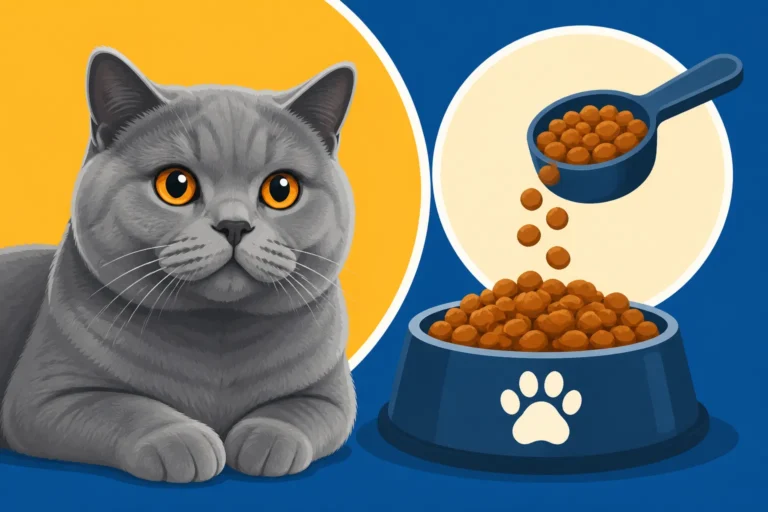
Dry kibble typically contains only about 5-10% moisture. This means that if your British Shorthair eats only dry food, they need to drink a substantial amount of water separately to compensate. The problem, as we've discussed, is that cats aren't naturally driven to drink enough to make up this deficit. They don't have the same intense thirst drive as, say, a dog. Imagine if you only ate crackers all day; you'd be reaching for water constantly! Cats just don't have that same strong sensation.
Wet food, on the other hand, boasts a moisture content ranging from 70-85%. This is a game-changer. A British Shorthair eating an all-wet food diet might get almost all the water they need directly from their meals. You might observe them rarely drinking from their water bowl, and initially, this can be alarming. However, if their urine output is healthy and they show no signs of dehydration, it’s likely they're perfectly hydrated from their food. This is often why vets recommend incorporating wet food, especially if your cat is prone to urinary issues. My own British Shorthair, Winston, hardly ever touches his water bowl since I switched him to primarily wet food; it took me a while to trust that he was actually fine! You can find a vast selection of wet foods on Chewy or Amazon if you're looking to explore options for your kitty.
Activity Level and Environment
While British Shorthairs aren't known for being Olympic athletes, their activity levels still play a role. A British Shorthair who occasionally chases a laser pointer or has a short burst of zoomies will naturally need a little more water than one who spends 23 hours a day napping in a sunbeam. It's all about energy expenditure and metabolism.
Environmental factors are also key. In the scorching summer months or if your home is kept very warm, your British Shorthair will naturally lose more moisture through respiration and will need to drink more to stay cool and hydrated. Similarly, low humidity environments, perhaps due to heating systems in winter, can also increase their need for water. Keep an eye on the ambient temperature and humidity in your home. Cats, particularly older ones, can also have fluctuating needs. As your British Shorthair approaches The Age a British Shorthair Is Considered Senior or if they are Caring for a British Shorthair Past Ten, their thirst drive might decrease or their body might become less efficient at conserving water, making monitoring even more critical.
Water Source Preferences and Availability
Cats can be surprisingly particular about their water. It’s not just that you offer water, but how and where. Many cats have a strong preference for fresh, running water over stagnant water in a bowl. This instinct likely stems from their wild ancestors, who knew that moving water was generally safer to drink than still puddles.
Consider the bowl itself:
- Material: Some cats dislike plastic bowls because they can retain odors or chemicals, or even cause "chin acne" in some sensitive felines. Ceramic or stainless steel bowls are generally preferred for being non-porous and easy to clean.
- Size and Shape: A wide, shallow bowl might be more comfortable for a British Shorthair with their broad faces, as it prevents their whiskers from touching the sides, a phenomenon known as "whisker fatigue."
- Location: This is huge! Cats often prefer their water to be separate from their food bowl, and definitely far away from their litter box. In the wild, they wouldn't drink near their kill or their waste, and that instinct remains. Try placing multiple water stations around the house, in different rooms, and on different levels. Maybe one in the kitchen, one in the living room, and one near a favorite napping spot. My British Shorthair has a bowl in the kitchen and another one upstairs by the bedroom, and I swear he uses the upstairs one more often, just because he's usually up there!
Recognizing Signs of Dehydration and Over-Hydration
Being attuned to your British Shorthair’s habits and physical cues is your best defense against both under- and over-hydration. Knowing what to look for can save you a lot of worry and potentially prevent serious health issues.
Telltale Signs Your British Shorthair Isn't Drinking Enough
When a British Shorthair is dehydrated, their body can't function optimally, and certain physical signs will start to appear. It's important to catch these early.
- Skin Tent Test: Gently lift the skin between your British Shorthair's shoulder blades into a "tent." If they are well-hydrated, the skin should snap back into place almost immediately. If it slowly recedes or stays tented for a moment, it's a strong indicator of dehydration. This is one of the most reliable at-home checks.
- Dry Gums and Sticky Saliva: Healthy cat gums are moist and pink. If your British Shorthair's gums feel dry or sticky to the touch, or if their saliva seems thick, they could be dehydrated.
- Lethargy and Weakness: A dehydrated cat will often appear tired, listless, and may have less energy for play or interaction. They might sleep even more than usual or be reluctant to move. Remember how much these cats love to nap, so you're looking for a noticeable increase in lethargy or a lack of response when normally they'd stir.
- Sunken Eyes: In severe cases, dehydration can cause your British Shorthair's eyes to appear sunken or dull.
- Changes in Litter Box Habits: A reduced frequency of urination or significantly smaller clumps in the litter box are red flags. This indicates less urine production, which can be directly related to insufficient water intake. Conversely, if you notice your cat straining to urinate or frequenting the box without much success, it could point to a serious issue like a urinary blockage, which is a veterinary emergency. Always keep an eye out for Signs a British Shorthair Cannot Urinate.
- Loss of Appetite: Dehydration can lead to a general feeling of malaise, reducing your British Shorthair's desire to eat.
- Constipation: Water helps keep things moving through the digestive tract. If your cat is dehydrated, their stools might become hard and dry, leading to difficulty passing them.
If you notice any of these signs, especially a combination of them, it’s time for a visit to the veterinarian. Dehydration can quickly become serious. Knowing Signs a British Shorthair Is Unwell in general can also help you identify broader health concerns.
When is Too Much Water a Concern?
While under-hydration is a more common issue, sometimes excessive thirst, known as polydipsia, can also be a red flag. If your British Shorthair suddenly starts drinking significantly more water than usual, it’s not always a good thing; it can be a symptom of an underlying health problem.
Conditions commonly associated with increased thirst include:
- Kidney Disease: As kidneys fail, they become less efficient at concentrating urine, causing cats to drink more to try and compensate for the fluid loss.
- Diabetes Mellitus: Cats with diabetes often drink and urinate excessively as their bodies try to flush out excess sugar. Keep an eye out for other signs of Diabetes in a British Shorthair, like increased appetite with weight loss.
- Hyperthyroidism: An overactive thyroid gland, particularly common in older cats, can lead to increased metabolism, which in turn can cause increased thirst and urination. This is especially something to watch for in Hyperthyroidism in an Older British Shorthair.
- Liver Disease: Problems with the liver can also disrupt fluid balance and cause increased thirst.
If you observe a sudden, unexplained increase in your British Shorthair's water consumption, don't dismiss it. It warrants a vet visit to investigate the root cause. This is a situation where your careful monitoring can lead to an early diagnosis and better prognosis for your furry friend. A vet might suggest What a British Shorthair's Yearly Bloodwork Should Cover to get a clearer picture of what's going on internally.
Monitoring Water Intake Effectively
Okay, so how do you actually keep tabs on something as elusive as cat hydration? It sounds like a full-time job, but a few simple strategies can make it manageable.
- Measure and Track: If you're really concerned, you can measure the amount of water you put in your cat's bowl each morning and measure what's left the next morning. Subtract the difference to get a rough idea of how much they drank. This is easier with a single-cat household. For multiple cats, it becomes trickier as they often share bowls.
- Observe Litter Box Output: This is often the most practical and telling indicator. Pay attention to the size, number, and consistency of urine clumps. Larger, more frequent clumps generally indicate good hydration, while small, infrequent clumps suggest they might not be drinking enough.
- Daily Physical Checks: Incorporate the skin tent test and gum check into your daily petting routine. It takes seconds and can give you quick reassurance or an early warning.
- Consider Food Moisture: Always factor in the moisture content of their food. If your British Shorthair is on an all-wet food diet, they won't drink as much from a bowl, and that's okay.
| Hydration Level | Skin Tent Test | Gums | Urine Output (in litter) | Overall Behavior |
|---|---|---|---|---|
| Well-Hydrated | Snaps back immediately | Pink & Moist | Large, regular clumps/puddles | Alert, normal energy levels |
| Mildly Dehydrated | Slow to return | Slightly Sticky | Smaller, less frequent clumps | Slightly lethargic, less active |
| Severely Dehydrated | Stays tented for seconds | Dry & Pale | Very small/absent clumps, straining | Very lethargic, sunken eyes, unwell |
Practical Strategies to Encourage Your British Shorthair to Drink More
If you suspect your British Shorthair isn't drinking enough, don't despair! There are many creative and effective ways to boost their water intake. Remember, consistency is key, and sometimes a little trial and error is needed to find what works for your particular kitty.
The Power of Water Fountains
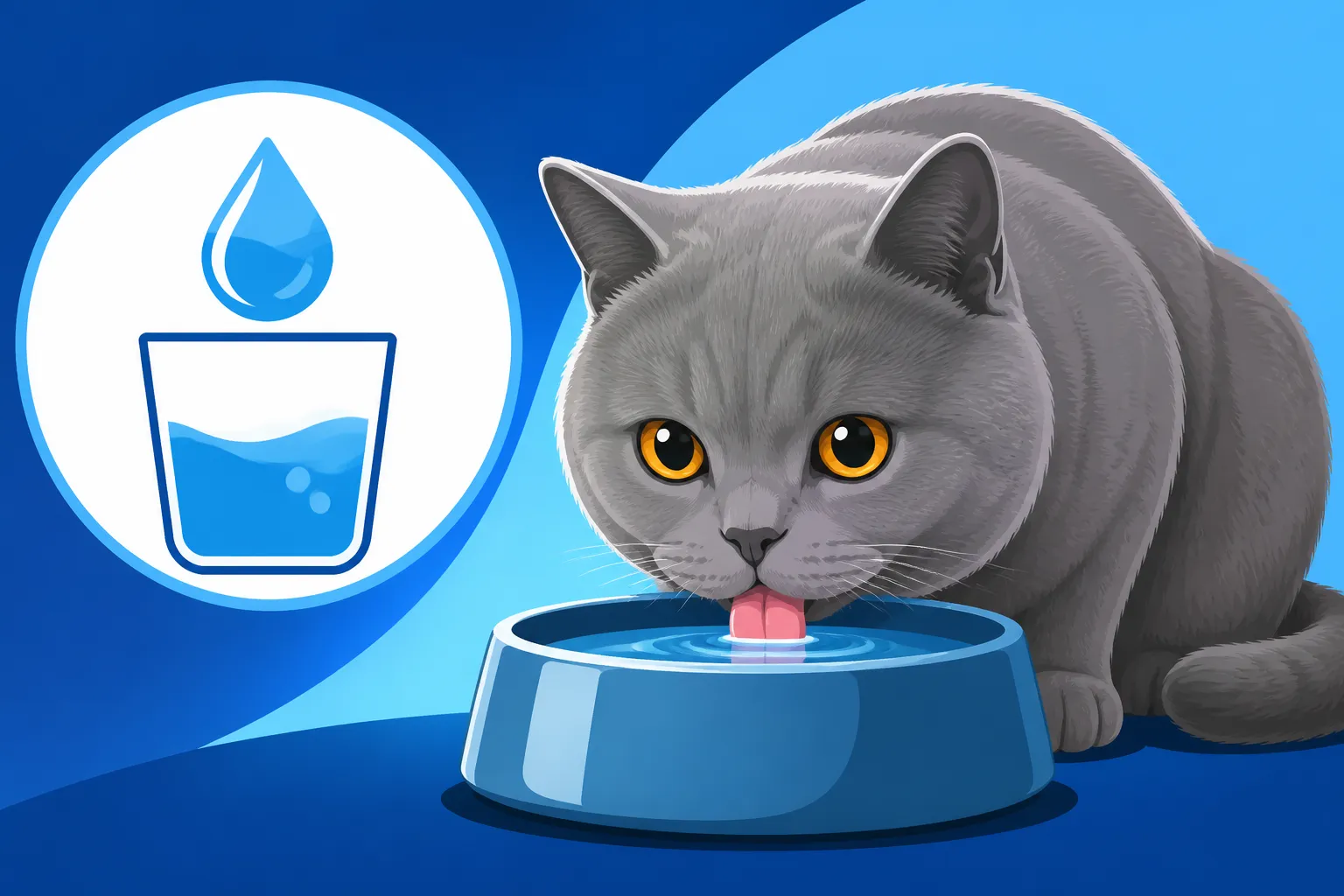
This is often the first suggestion you'll hear, and for good reason! Many cats, including British Shorthairs, are fascinated by and prefer running water. A cat water fountain mimics the fresh, moving water they would instinctively seek out in nature. It's often cleaner too, as the water is constantly filtered and aerated.
- Why they work: The sound and movement of flowing water can be incredibly enticing to a cat. It's perceived as fresher, safer, and more stimulating than a still bowl.
- Types of fountains: You'll find fountains made from plastic, ceramic, and stainless steel. Stainless steel and ceramic are often recommended because they're durable, easy to clean, and less likely to harbor bacteria or cause chin irritation than some plastics. You can find a huge variety on Chewy or Amazon, including options from brands like PetSafe and Pioneer Pet.
- Maintenance is crucial: A fountain is only appealing if it's clean. You'll need to clean it regularly (weekly or bi-weekly, depending on usage) and replace the filters according to the manufacturer's instructions. A dirty fountain can quickly become a deterrent, and frankly, a breeding ground for bacteria. Don't forget, Whether a British Shorthair Needs a Water Fountain is a common question, and for many, the answer is a resounding yes!
Optimizing Water Bowls and Locations
Even if you have a fountain, traditional water bowls still have their place, especially as backup options or in additional locations. Making them as appealing as possible is key.
- Material matters: As mentioned before, ditch the plastic if you can. Opt for ceramic, glass, or stainless steel bowls. These are easier to keep sparkling clean and don't retain odors that might put off a sensitive feline nose.
- Size and shape for comfort: British Shorthairs have those lovely round faces and prominent whiskers. Choose wide, shallow bowls to prevent whisker fatigue, which can make drinking uncomfortable. Their whiskers are incredibly sensitive, and constantly bumping them against the sides of a deep, narrow bowl can be irritating.
- Strategic placement: Place multiple water bowls around your home. Seriously, more is better. Put them in quiet spots, away from noisy appliances, high-traffic areas, and definitely not right next to their food bowl or litter box. Some cats like water near a window where they can watch the world go by, others prefer a hidden corner. Experiment with different locations to see what your British Shorthair prefers. Keep them topped up with fresh, cool water at all times. Change the water at least once a day, and wash the bowls daily to prevent biofilm buildup. A little trick is to add an ice cube or two on hot days to keep the water extra cool and enticing.
Hydration Through Food
This is perhaps the most natural way for a cat to get moisture, mirroring their evolutionary diet.
- Embrace wet food: If your British Shorthair currently eats mostly dry kibble, gradually transitioning them to a diet that includes more wet food can significantly boost their overall hydration. Even partially incorporating wet food, such as one wet meal a day, can make a huge difference. There are so many delicious wet food options available, including fresh food that can be delivered. This is crucial for overall health, and addresses the question of Whether a British Shorthair Needs Wet Food.
- Add water or broth: For those cats who are stubborn about drinking from a bowl or who still primarily eat dry food, you can add a little warm water or low-sodium, plain chicken or beef broth (ensure it's onion and garlic-free!) to their wet food. Some owners even add a splash to dry kibble, though many cats dislike soggy kibble. This makes their meal more hydrating and can be a great way to sneak in extra fluids.
- Frozen treats: In warmer weather, you can make little "broth pops" by freezing low-sodium broth in ice cube trays. These can be a fun, hydrating treat that also helps cool them down. Just make sure they are small enough to be safe to lick.
Making Hydration a Game
Sometimes, a little fun and novelty are all it takes to get a British Shorthair interested in something they'd otherwise ignore.
- Interactive play near water: Try engaging your British Shorthair in play with a wand toy near a water fountain or bowl. The excitement might lead them to take a few sips they wouldn't have otherwise.
- "Fishing" for treats: Drop a favorite floating treat (like a small, safe piece of freeze-dried chicken) into a wide, shallow bowl of water. Your British Shorthair might enjoy "fishing" it out, inevitably taking in some water along the way. Just be sure to remove any uneaten treats promptly to keep the water clean.
- Different containers: Cats can be odd. Sometimes, it's just the container. Try a glass, a ceramic mug, or even a wide-mouthed jar. Some cats prefer drinking from these human-like vessels. One of my cats absolutely insists on drinking from a specific type of glass, ignoring all his perfectly good cat bowls!
By implementing a combination of these strategies, you're not just hoping your British Shorthair drinks enough; you're actively creating an environment where healthy hydration is easy, enticing, and perhaps even a little fun for them. Your careful attention now will pay dividends in their health and well-being for years to come.
Disclaimer
This article is for general informational purposes only and does not constitute professional advice. Laws, prices and regulations vary by location and change over time. Consult a qualified professional for guidance on your specific situation.