How a British Shorthair’s Coat Texture Changes
One of the most defining characteristics of a British Shorthair is its wonderfully dense, plush coat, often described as feeling like a thick wool blanket or even a crisp pile carpet. But if you've spent any time with these magnificent felines, you've probably noticed that their fur doesn't stay exactly the same from the day they arrive home to their senior years. These changes are completely normal, reflecting everything from their growth and the seasons to their overall health and well-being. Understanding these shifts helps us provide the best care for our beloved British Shorthairs.
From Kitten Fluff to Adult Plush: The Developmental Journey of the British Shorthair Coat
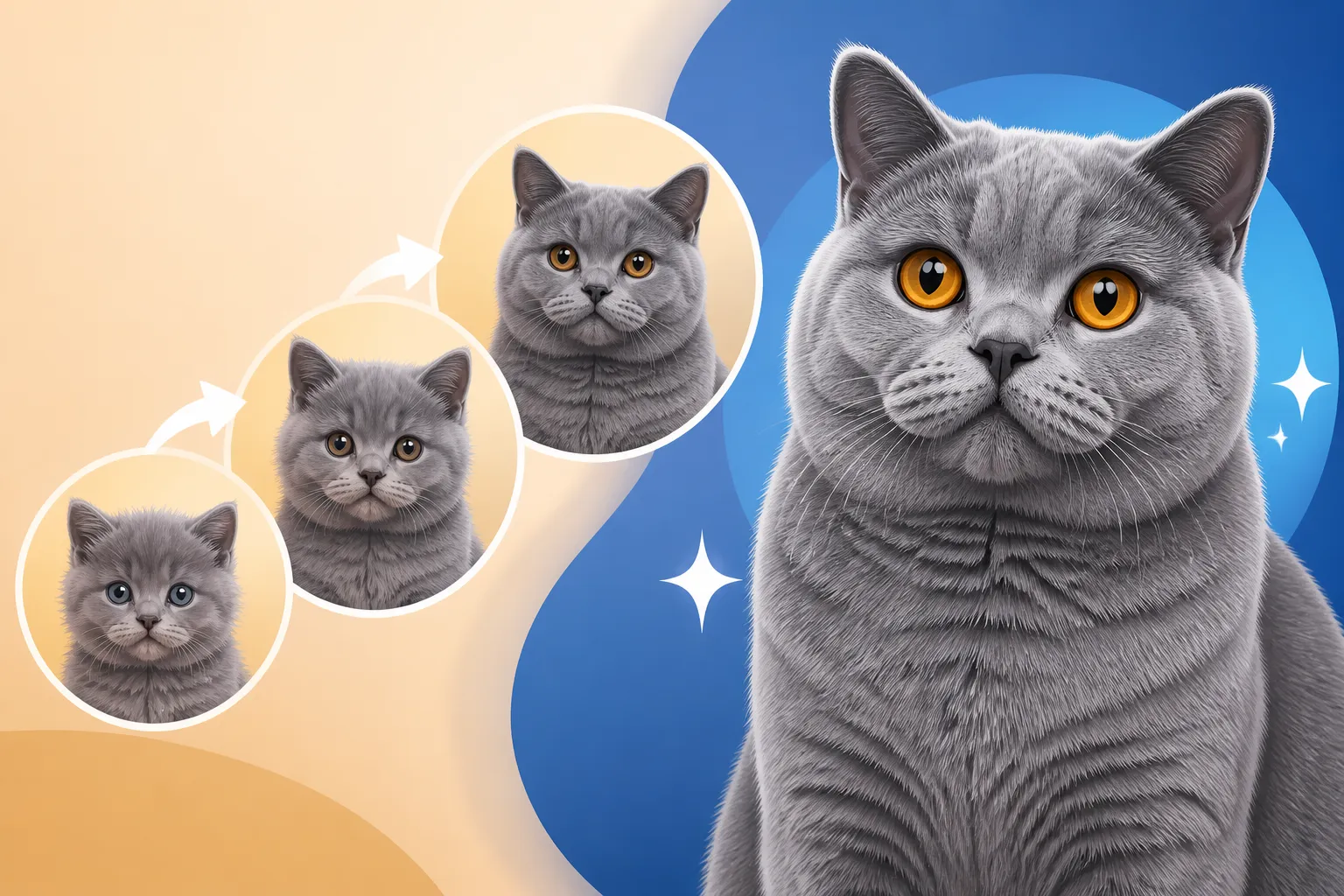
The journey from a tiny, impossibly fluffy kitten to a grand, mature British Shorthair involves some remarkable transformations in their coat. It's not just about getting longer; the very texture and density evolve significantly, often in stages that can surprise first-time owners. It’s like watching a child grow from soft baby hair to a thicker, more defined adult hairstyle.
The Velvety Kitten Coat
When a British Shorthair is a tiny kitten, their coat is usually incredibly soft, almost like velvet, and relatively short. It feels utterly delightful to stroke, and you might think this incredible softness will last forever. This initial coat is often less dense than what they will eventually develop, lacking the characteristic "crisp" feel. At this stage, it's primarily designed for warmth and comfort, and perhaps a bit of insulation. It might also have slightly less defined patterning or color depth compared to what will emerge later, particularly in shaded or tabby varieties.
As they grow through their first few months, their coat starts to fill out, but it retains that baby-soft quality. You'll notice it becoming a little thicker, starting to hint at the density to come, but still very much on the fluffy side. This is when you can easily comb through it with a soft brush, getting them accustomed to grooming routines that will be essential later on. This early stage is all about establishing good habits, even if their current coat doesn't demand intensive care.
This velvety kitten coat is also quite uniform, meaning there isn't a stark difference between the guard hairs and the developing undercoat. It’s all just one layer of wonderful fluff. This is why British Shorthair kittens often look even rounder and more teddy-bear-like than their adult counterparts – their soft, airy fur adds to their overall spherical appearance.
The Awkward Teenager Phase
Around four to six months of age, your British Shorthair might enter what some breeders lovingly call the "uglies" or the "teenager phase." Don't worry, they're still adorable, but their coat can suddenly look a bit dishevelled or less perfect. This is the period when their plush adult coat starts to come in, pushing out the softer kitten fur. You might notice a bit more shedding, and the coat can appear uneven, perhaps a little shaggy or sparse in places as the new, denser hairs emerge.
During this transition, the texture can feel a bit coarser, or even a little woolly, before it settles into the desired "crisp" feel of the adult coat. The undercoat starts to develop more fully, and the guard hairs begin to take on their characteristic texture, which contributes to the breed's unique feel. It's a bit like a human teenager hitting a growth spurt and suddenly having gangly limbs – everything is changing, and it takes time to balance out. This phase also marks when their distinctive "cobby" body shape starts to become more apparent, complementing the developing coat.
Patience is key during this time. Regular, gentle combing can help remove the shedding kitten fur and stimulate the growth of the new coat. Don't be alarmed if your once perfectly groomed kitten now looks a bit unruly; it's a natural part of their development. By the time they're around one year old, this phase usually subsides, giving way to the beginnings of their adult splendor.
The Mature Dense Coat
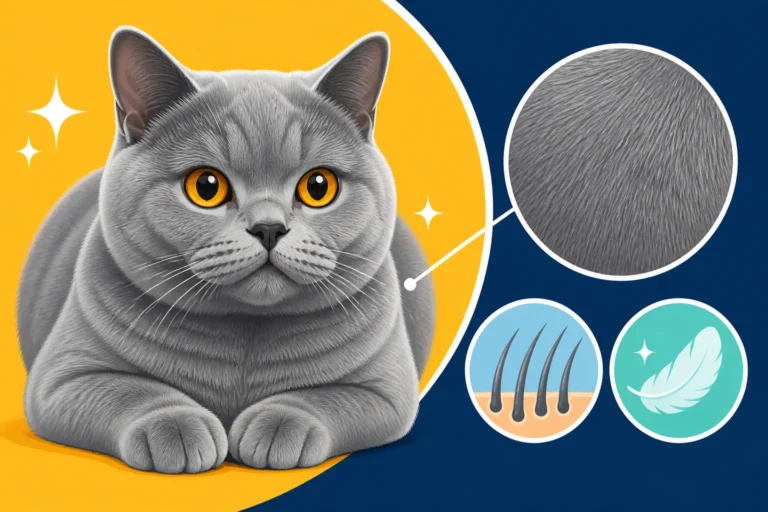
By the time a British Shorthair reaches full maturity, typically between two to five years of age, their coat will have fully developed its signature texture and density. This is when you'll truly appreciate why A British Shorthair's Coat Stands Away From Its Body. The guard hairs are resilient and slightly stiff, giving the coat a firm, "crisp" feel, while underneath lies a thick, soft undercoat that provides immense insulation. This combination is what makes their fur feel like a dense carpet pile rather than a soft, flowing silk.
The density is crucial; you should be able to run your fingers against the grain of the fur, and it should stand up rather than lie flat. This dense, plush quality is a hallmark of the breed and is a key factor in their teddy bear-like appearance. The texture is consistent across most of the body, though it might be slightly softer on the belly or inside the legs. This mature coat is a marvel of natural engineering, offering protection and warmth.
Maintaining this glorious coat requires a routine of regular grooming, often with a good quality steel comb to get down through the dense layers. You'll find that Which Comb a British Shorthair Needs is often a wide-toothed metal comb to avoid damaging the delicate undercoat or breaking the guard hairs. This adult coat is a testament to the breed's heritage and its adaptation to its ancestral climate, providing excellent insulation and protection.
Seasonal Shedding and Environmental Impact on British Shorthair Fur
Even after their coat reaches maturity, a British Shorthair's fur isn't static. It continues to respond to the environment, particularly seasonal changes, leading to noticeable shifts in density and the amount of shedding. Living indoors also plays a significant role in how these natural cycles manifest.
The Winter Undercoat
Just like many other breeds that historically lived outdoors, British Shorthairs develop a thicker, denser undercoat in preparation for colder months. This increased density provides extra insulation, making their already plush coats even more luxurious to the touch. You'll notice their fur feels incredibly full and rich, almost like you could get lost in it. This isn't just aesthetic; it's a vital physiological response to keep them warm.
This winter coat can make your British Shorthair appear even larger and more robust. The hairs might also feel slightly softer overall due to the increased volume of fine undercoat hairs. Even British Shorthairs who live indoors in climate-controlled homes will often still show this seasonal thickening, though perhaps to a lesser degree than an outdoor cat would. It's an ingrained biological rhythm that doesn't completely disappear, even in our modern homes.
During this period, grooming becomes even more important. While the dense winter coat is beautiful, it also means more potential for mats if not regularly combed. The shedding might not be as obvious as when they are blowing their coat, but routine combing helps remove loose undercoat hairs, preventing them from accumulating and causing tangles.
Spring and Summer Shedding
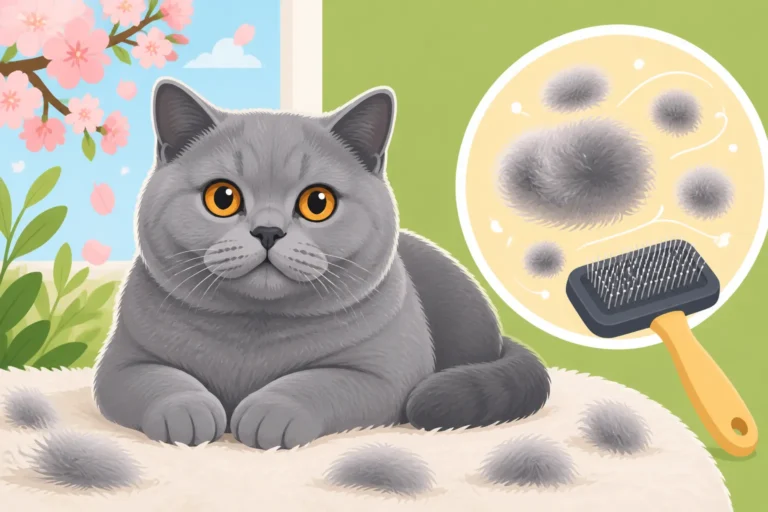
As the days lengthen and temperatures rise, your British Shorthair will start to "blow" their winter coat, shedding a significant amount of the dense undercoat that kept them warm. This is when you'll notice a lot more fur around the house! How Much a British Shorthair Sheds can be quite a surprise for new owners, as their usually low-maintenance coat suddenly requires more attention. The texture during this time might feel less dense, a bit thinner, and perhaps even slightly coarser as the finer undercoat hairs are replaced by the more resilient guard hairs.
This shedding process is essential for them to regulate their body temperature and stay cool in warmer weather. While they may look a little less fluffy, this leaner coat is perfectly suited for spring and summer. It allows for better air circulation against their skin, preventing overheating. You might find yourself combing them more frequently, sometimes even daily, to help them shed their old coat efficiently. Many owners find a grooming routine using a shedding comb, available at retailers like Chewy or Amazon, to be invaluable during these months.
The exact timing and intensity of this seasonal shedding can vary based on individual cats and their environment. Some cats shed consistently year-round, while others have more distinct seasonal "blow-outs." Regardless, expect a noticeable change in coat density and a temporary shift in texture as they adapt to the changing seasons.
Impact of Indoor Living
For the vast majority of British Shorthairs, life is spent indoors, which significantly alters their natural shedding cycle. Without exposure to extreme temperature fluctuations and natural daylight cycles, many indoor cats tend to shed a moderate amount year-round rather than having distinct seasonal blow-outs. This means you might not see the dramatic "winter coat" and "summer coat" cycles as pronounced as they would be in an outdoor cat.
While this can mean less intense shedding at any one time, it also means a more consistent need for grooming. Their coat might maintain a more uniform density throughout the year, but regular combing is still crucial to remove loose hairs and prevent matting. Whether an Indoor British Shorthair Sheds Year Round is a question many owners ask, and the answer is almost certainly yes, often in a continuous, lower-intensity manner.
The artificial lighting and stable temperatures of our homes essentially trick their bodies into a continuous, mild state of shedding. This consistent shedding is why regular grooming, even outside of traditional "shedding seasons," is vital for British Shorthair owners. It helps keep their coat healthy, reduces hairballs, and prevents discomfort.
The Golden Years: How Age Affects a British Shorthair's Coat
As our beloved British Shorthairs transition into their senior years, typically after the age of ten, their bodies, including their magnificent coats, undergo further changes. These shifts are a natural part of aging and can give us clues about their overall health.
Thinning and Less Density
One of the most common changes in an aging British Shorthair's coat is a noticeable thinning and reduction in density. The once thick, plush fur might start to feel a bit sparser, less robust, and not quite as "crisp" as it once was. This is due to a natural slowdown in hair follicle activity as they age. The hairs may grow slower, fall out more frequently, and new growth might be weaker or finer.
You might notice that the coat doesn't stand away from the body as much, lying a bit flatter. This change can be particularly evident on their backs and flanks. While it's a normal part of aging, a sudden or extreme thinning could also be a sign of an underlying health issue, so it's always worth discussing with your vet during their regular check-ups. What Changes in a British Shorthair After Ten often includes these subtle but definite shifts in coat quality.
This reduced density can also make them feel the cold more easily, so ensuring they have warm, comfortable resting spots becomes even more important. While they may shed less dramatically than in their younger, peak shedding years, the quality of the individual hairs might be diminished.
Dullness and Graying
Just like humans, British Shorthairs can experience changes in hair color and luster as they age. Their once vibrant coat might appear duller, losing some of its youthful sheen. This is often due to changes in oil production in the skin and a decrease in melanin, the pigment responsible for hair color. In some cases, particularly in darker colored British Shorthairs, you might even notice a few grey or white hairs starting to appear, especially around the muzzle or paws.
While a dull coat can be a sign of aging, it can also point to nutritional deficiencies or other health problems. Ensuring they are on a high-quality senior cat food formulated for older cats can help support skin and coat health. Supplements containing omega fatty acids can sometimes help restore some luster, but always consult your vet before adding anything new to their diet.
A coat that suddenly becomes very dull or greasy, or conversely, very dry and flaky, warrants a vet visit. It's about differentiating between normal age-related changes and something that might need medical attention. Regular, gentle grooming can also help distribute natural oils and keep the coat looking its best, even if it's not quite as vibrant as it once was.
Dryness and Brittleness
Older British Shorthairs can sometimes develop drier, more brittle fur. This is linked to the decreased natural oil production in their skin, which normally keeps the coat supple and hydrated. When the fur lacks these protective oils, it can feel rougher to the touch and be more prone to breakage. This can also lead to more static electricity in their fur, especially in dry indoor environments.
This dryness can sometimes be accompanied by flaky skin, which can be uncomfortable for your cat. Hydration is key here, so ensuring your senior British Shorthair has plenty of fresh water and perhaps incorporating more wet food into their diet can be beneficial. Whether an Aging British Shorthair Needs Softer Food is often a consideration, not just for their teeth, but also for hydration. A humidifier in the home during dry winter months might also offer some relief for both their skin and your own.
Specialized moisturizing shampoos formulated for cats, or simply a damp cloth wiped over their fur, can sometimes help to rehydrate the coat. However, it's crucial to rule out underlying medical conditions that can cause dry skin and coat issues. Your vet might suggest certain supplements or dietary changes to address this specific concern, ensuring your senior companion remains as comfortable as possible.
Beyond Age and Season: Other Factors Influencing British Shorthair Coat Health
While age and seasonal cycles are major players, several other factors can significantly influence the texture and overall health of your British Shorthair's coat. These often revolve around their daily care and underlying health status, acting as important indicators of their well-being.
Nutrition and Hydration
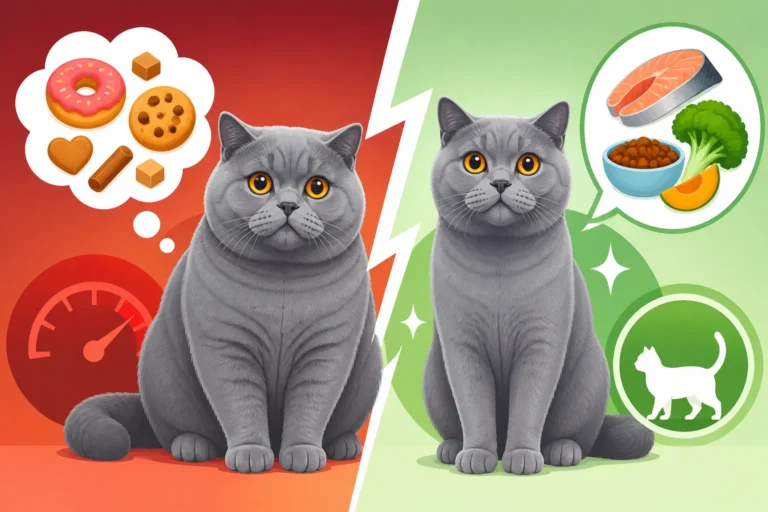
What your British Shorthair eats and drinks has a profound impact on their coat. A diet lacking in essential nutrients, particularly high-quality proteins, omega-3 and omega-6 fatty acids, and certain vitamins (like B vitamins) can lead to a dull, dry, brittle, or even greasy coat. The coat might lose its characteristic crispness and feel softer or rougher in an unhealthy way.
For instance, if your cat isn't getting enough moisture, their skin can become dry, leading to a flaky coat. How Much Water a British Shorthair Should Drink is a crucial question, as good hydration is vital for skin elasticity and healthy hair growth. Cats often don't drink enough water, especially if fed primarily dry kibble. Incorporating wet food or using a water fountain can encourage better hydration. Many owners find quality wet food from trusted brands offers significant benefits for coat health.
Conversely, a high-quality diet, rich in bioavailable proteins and healthy fats, will support the growth of a strong, vibrant, and properly textured coat. Brands that focus on natural ingredients and balanced nutrition are often recommended. If you're concerned about your cat's coat quality, evaluating their diet is always the first step.
Grooming Habits
Even with the perfect diet, inconsistent or improper grooming can negatively impact your British Shorthair's coat texture. Their dense undercoat, while beautiful, is prone to matting if not regularly combed. Mats pull on the skin, causing discomfort and potentially skin infections, and can severely distort the natural texture of the surrounding fur, making it feel lumpy and uneven.
Using the wrong grooming tools can also be detrimental. A slicker brush, for example, can be too harsh for a British Shorthair's delicate undercoat and guard hairs, potentially breaking them and altering the natural texture. Why a Comb Beats a Brush on a British Shorthair is a key point, as a wide-toothed metal comb is usually the best tool to penetrate their thick fur without causing damage.
| Coat Change Factor | Typical Impact on Texture | Grooming Needs |
|---|---|---|
| Kitten Coat | Velvety, soft, less dense | Gentle brushing to accustom |
| Teenager Phase | Uneven, slightly shaggy, coarser | Regular combing to remove shedding kitten fur |
| Mature Adult Coat | Dense, crisp, plush, stands away | Routine combing (2-3x/week) |
| Winter Coat | Thicker, denser, very plush | More frequent combing to prevent mats |
| Summer Coat | Less dense, potentially coarser, lighter | Increased combing during shedding |
| Senior Coat | Thinner, duller, drier, brittle | Gentle grooming, monitor for mats/skin issues |
| Poor Nutrition | Dry, dull, brittle, greasy, sparse | Address diet with vet; use appropriate supplements |
| Health Issues | Any of the above, often sudden/severe | Vet consultation immediately |
Regular combing not only removes loose hair and prevents mats but also distributes natural oils across the coat, enhancing its natural sheen and maintaining its correct texture. If your British Shorthair resists grooming, gentle, short sessions combined with positive reinforcement can make a world of difference. Products like specific grooming sprays (found on Amazon) can also help to make combing easier and reduce static.
Health Conditions
Perhaps the most significant non-age or season-related factor affecting coat texture is underlying health. A sudden, unexplained change in your British Shorthair's coat is often one of the first visible signs that something isn't quite right internally. This could manifest as excessive shedding, a dull or greasy coat, dry and flaky skin, bald patches, or a change in the overall feel of the fur.
Conditions such as hyperthyroidism, kidney disease, diabetes, or even dental problems can all impact coat quality. For example, a cat with arthritis might find it difficult to groom themselves properly, leading to mats and a neglected-looking coat, particularly along their back or hips. Why an Overweight British Shorthair Stops Grooming Its Back is a classic example of a physical limitation leading to coat texture problems. Parasites like fleas or mites can also cause skin irritation, leading to scratching and a damaged, uneven coat.
Any notable or persistent change in your cat's coat texture, especially if accompanied by other symptoms like lethargy, changes in appetite, or weight loss, should prompt a visit to your veterinarian. They can perform a thorough examination and necessary diagnostic tests to identify and address any underlying medical issues, ensuring your British Shorthair's health – and their glorious coat – are restored.
Disclaimer
This article is for general informational purposes only and does not constitute professional advice. Laws, prices and regulations vary by location and change over time. Consult a qualified professional for guidance on your specific situation.