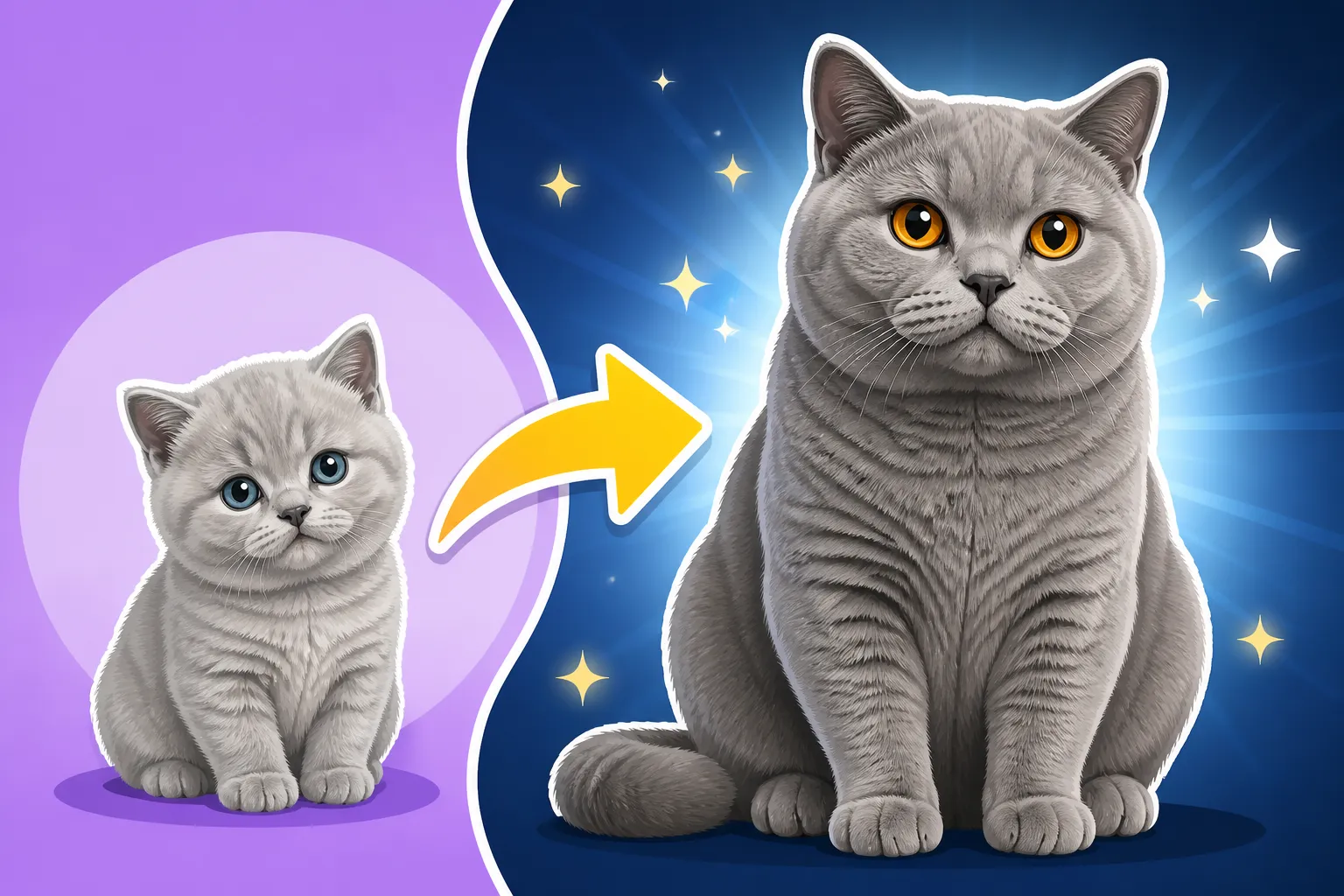
When a British Shorthair Kitten’s Adult Coat Arrives
It’s a common moment for new British Shorthair owners: you bring home this adorable, fluffy little teddy bear, and then, as the weeks turn into months, you start to notice subtle shifts in their fur. You might even wonder, "Is this what the adult coat looks like, or is it still changing?" This guide will walk you through the fascinating journey of a British Shorthair kitten's coat development, from the initial baby fluff to the magnificent, dense plush of adulthood, helping you understand each stage and what to expect.
The Initial Fluff: Understanding the British Shorthair Kitten Coat
When you first welcome a British Shorthair kitten into your home, their coat is likely one of the first things you fall in love with. It's incredibly soft, almost like a downy cloud, and perfectly complements their round, innocent faces. However, this delightful kitten coat is just the beginning; it's a temporary phase that sets the stage for the true British Shorthair grandeur that will emerge later. Many first-time owners are surprised by just how much a British Shorthair's coat can change over time.
The Newborn Fluff Ball Phase
Imagine holding a tiny, purring ball of cotton wool – that's often what a newborn British Shorthair kitten feels like. Their fur at this stage is exquisitely fine and soft, almost like velvet to the touch. It lacks the characteristic density and "crisp" texture that defines the adult British Shorthair coat. This initial fluff isn't yet fully developed with the thick undercoat that adult British Shorthairs possess. It's a single layer of very fine hairs, designed primarily for warmth and comfort, rather than the robust protection and iconic look of their mature counterparts.
During these very early weeks, the coat might also appear somewhat lighter in color or even a bit muted compared to what the final adult shade will be. For example, a blue British Shorthair kitten might appear a very pale grey, almost silvery, before deepening into the rich slate blue. This baby fur is incredibly delicate, and while it's lovely to pet, it's not built for the same environmental resilience as the dense adult coat. It serves its purpose for the vulnerable kitten, keeping them cozy and allowing them to snuggle easily into their littermates and mother.
The Awkward Teenage Fuzz
As your British Shorthair kitten grows from a tiny fluff ball into a more energetic, playful juvenile, typically between three and six months of age, their coat can go through what breeders affectionately call the "gorgeous uglies" phase. This period is marked by an often uneven, sometimes scraggly appearance as the kitten coat begins to give way to the more structured adult fur. You might notice areas where the fur seems thinner, or perhaps it doesn't lie as smoothly as it once did. It can look a bit disheveled, even with regular grooming.
This "teenage fuzz" is completely normal and is simply a sign that the deeper changes are happening beneath the surface. The kitten is shedding its baby fur and starting to develop the coarser guard hairs and thicker undercoat. Don't be alarmed if your once perfectly smooth kitten starts to look a little less polished. It's not an indication of ill health, but rather a natural part of their growth. During this time, the coat might also show more prominent tabby markings, or 'ghost tabbies,' even in solid-colored cats, which will often fade as the density of the adult coat fully develops. Patience is key during this phase; your beautiful British Shorthair is simply in an interim wardrobe.
The Transition: When the Adult Coat Starts to Emerge
The emergence of the British Shorthair's adult coat is not a sudden transformation but a gradual, beautiful process. It's like watching a masterpiece slowly being unveiled, layer by layer. Owners often eagerly anticipate this stage, wondering when they'll see that characteristic plush density and texture. Understanding this timeline can help you appreciate each step your British Shorthair takes on their journey to full maturity.
First Signs of Change: Around Three to Six Months
Around the three-to-six-month mark, you'll begin to notice the first tangible signs that the adult coat is on its way. The most significant change is an increase in the overall thickness and density of the fur. The fine, baby soft hairs start to be replaced by sturdier, slightly coarser guard hairs that are a hallmark of the breed. If you run your fingers through their fur, you might detect a subtle change in texture – less purely silken, and a hint of that characteristic "crisp" feel.
This is also when the undercoat really starts to develop. While the kitten had some undercoat, it was nowhere near the plush insulation that the adult British Shorthair boasts. As this undercoat grows in, the fur will visibly start to stand away from the body, giving your cat a more substantial, rounded appearance. This is a crucial step towards achieving the breed's iconic teddy bear look. You might also notice the color becoming more saturated and defined during this period, with patterns becoming sharper or solid colors deepening. How a British Shorthair's Coat Texture Changes explores these nuances further.
The 'Filling Out' Period: Six Months to One Year
The period between six months and one year is when the British Shorthair's coat truly begins to "fill out." This is when the undercoat develops significantly, becoming very dense and resilient. If you've ever admired a fully mature British Shorthair's coat, you'll know it feels incredibly thick and springy, almost like a plush carpet, resisting pressure when you push your hand into it. This density is largely due to the copious undercoat finally growing in.
During this stage, the coat begins to lie less flat against the body and more noticeably "stands away," creating that wonderful, plush pillow effect that is so characteristic of the breed. This isn't just about aesthetics; it’s a genetic trait that once provided warmth and protection in cooler climates. You'll observe a dramatic increase in the volume of fur, making your cat look bigger and more substantial, even before they reach their full adult weight. The color, too, continues to mature, reaching its full vibrancy and depth. For example, a cream British Shorthair will achieve that lovely, even pastel shade during this time. Remember, the journey isn't quite over yet, as How Long a British Shorthair Takes to Fill Out will tell you, they continue to develop.
The Full Glory: Reaching Full Adult Coat Maturity
It's a common misconception that a British Shorthair reaches its full adult coat by its first birthday. While significant development occurs in the first year, the true "full glory" of their coat often takes a little longer to completely manifest. Just like a fine wine, some things simply get better with age, and a British Shorthair's coat is definitely one of them.
Beyond One Year: The Slow Maturation Process
Many British Shorthair owners are surprised to learn that their cat's coat can continue to mature and develop even past their first birthday, often not reaching its absolute peak until they are two or even three years old. This extended maturation period is particularly true for the characteristic "crisp" texture and remarkable density that makes the British Shorthair's fur so unique. If you're expecting a perfectly plush, unyielding coat at twelve months, you might be a little premature. The full depth of the undercoat, which contributes to the coat standing away from the body, can take quite some time to reach its genetic potential.
During this period, you might notice the fur becoming even more luxurious, feeling thicker and more resilient with each passing month. The guard hairs will continue to strengthen, contributing to the famous "crisp" feel. This is also when other breed-specific features, like the development of prominent jowls in males, become truly noticeable. These jowls, which give the British Shorthair their distinct broad-faced, teddy bear look, impact how the fur around their face sits and contributes to the overall impression of a substantial, well-rounded cat. What a Male British Shorthair's Jowls Are offers more detail on this charming feature.
Factors Influencing Coat Development
While genetics play the starring role in determining the ultimate quality and timing of your British Shorthair's adult coat, several other factors can significantly influence its development. Think of it like a beautiful plant: it has the genetic potential for stunning blooms, but it still needs the right soil, water, and sunlight to truly flourish.
Firstly, nutrition is paramount. A high-quality diet, rich in essential fatty acids (like Omega-3 and Omega-6), vitamins, and minerals, provides the building blocks for healthy fur growth. Cats, especially those developing such a dense coat, need excellent protein sources. Fresh food or premium kibble and wet food options can make a real difference. If your cat isn't getting adequate nutrition, their coat might appear dull, brittle, or fail to achieve its full density. Conversely, a well-fed British Shorthair is more likely to showcase that glorious, plush fur.
| Factor | Impact on Coat Development |
|---|---|
| Genetics | Primary determinant of coat density, texture, and color. |
| Nutrition | High-quality protein, essential fatty acids crucial for healthy, thick fur. |
| Environment | Indoor living often results in consistent shedding; cooler temps may promote density. |
| Health | Illness or stress can lead to dull, sparse coat or excessive shedding. |
| Grooming | Regular combing helps remove dead hair, stimulating healthy growth. |
Secondly, environmental factors play a subtle but important role. Cats that live indoors, especially in temperature-controlled environments, tend to shed more consistently year-round, as their coats aren't exposed to dramatic seasonal changes. However, cooler ambient temperatures can sometimes encourage a thicker undercoat to grow for warmth. Stress can also impact coat health, leading to excessive shedding or a lackluster appearance. Lastly, overall health is vital; any underlying illness can manifest in a dull or poorly conditioned coat. Regular vet check-ups help ensure your British Shorthair is healthy from the inside out, which is reflected in their magnificent outer layer.
Caring for the Developing British Shorthair Coat
The British Shorthair's coat, whether in its kitten phase or blossoming into adulthood, is a marvel of nature. While renowned for being relatively low-maintenance compared to long-haired breeds, it still benefits greatly from consistent care. Establishing a good routine early on will not only keep their fur looking splendid but also strengthen the bond between you and your cherished feline companion.
Gentle Grooming for Kittens and Juveniles
Even though a British Shorthair kitten's coat isn't as dense as an adult's, starting a gentle grooming routine early is absolutely crucial. This isn't just about cleanliness; it's about positive association and desensitization. Imagine trying to introduce a comb to a fully grown cat who's never seen one before! By starting when they are young, you teach them that grooming is a pleasant, calm experience. Use a soft brush or, even better, a wide-toothed metal comb, like those you can find readily on Amazon or Chewy. Which Comb a British Shorthair Needs is a great resource for selecting the right tool.
The technique for kitten grooming should be very light and brief. Focus on short sessions, a few minutes at a time, making sure to reward them with praise or a tiny treat. Gently run the comb through their fur, paying attention to areas they might not reach themselves, like their back. This helps remove loose kitten hairs, prevents any potential matting (though rare in kittens), and stimulates healthy skin and coat circulation. Regular, gentle combing also helps reduce the amount of fur they ingest during self-grooming, potentially minimizing hairball issues down the line. It's more about building a habit than deep de-shedding at this stage.
Supporting Healthy Coat Growth Through Diet
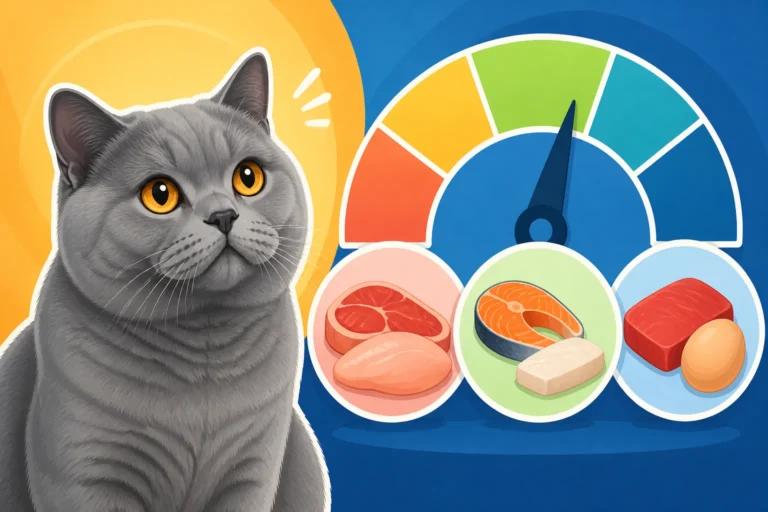
A truly magnificent British Shorthair coat begins not with a brush, but with what's in their food bowl. Nutrition is the bedrock of healthy skin and fur, and for a breed developing such a dense and unique coat, it's non-negotiable. Poor diet can lead to a dull, dry, or sparse coat that never truly achieves the breed's signature plushness. Think of their fur as an external indicator of their internal health.
Ensure your British Shorthair kitten is on a high-quality, complete, and balanced diet appropriate for their age. Look for foods with excellent protein sources, as protein is a fundamental building block for hair. Essential fatty acids, particularly Omega-3 and Omega-6, are also vital for skin and coat health, contributing to a shiny, soft, and supple coat. Many premium cat foods, including fresh options and specialized formulas, are formulated with these nutrients in mind. While Which Food Suits a British Shorthair offers a broader look, for a developing kitten, ensuring consistent, high-quality intake is key. Avoid frequent, sudden changes in food, as this can upset their digestive system and indirectly impact coat condition. A healthy gut often means a healthy coat.
What to Expect: Shedding and Maintenance
As your British Shorthair's coat transitions from kitten fluff to adult density, you will inevitably experience shedding. This is a completely natural process as old hairs are replaced by new, stronger ones. While British Shorthairs aren't known for extreme shedding year-round like some other breeds, they do have seasonal "blows," typically in spring and autumn, when they shed more significantly to adapt to temperature changes. During these periods, you'll find more fur around the house, and your regular grooming routine will need a slight increase in frequency.
Once the adult coat has fully arrived, A British Shorthair's Coat Stands Away From Its Body, regular maintenance becomes a routine part of your life together. Generally, a British Shorthair's dense, short coat requires combing two to three times a week, increasing to daily during heavy shedding periods. A good metal comb is your best friend here, as it can reach through that thick undercoat effectively. How Often a British Shorthair Needs Combing delves into the specifics. This regular combing removes loose fur, prevents matting (though rare, it can happen in unkempt coats), and helps distribute natural skin oils. It also significantly reduces the amount of fur your cat ingests, thereby minimizing hairball frequency. While you won't need a groomer for trims, regular home grooming is essential for keeping their magnificent coat in top condition and appreciating its full, luxurious texture.
Disclaimer
This article is for general informational purposes only and does not constitute professional advice. Laws, prices and regulations vary by location and change over time. Consult a qualified professional for guidance on your specific situation.