A British Shorthair’s Coat Stands Away From Its Body
If you've ever admired a British Shorthair, you've probably noticed that incredibly dense, luxurious coat that seems to defy gravity, standing out from their body in a way that's utterly unique. It's not just fluff; it's a hallmark of the breed, a magnificent, plush texture that makes them look like living teddy bears. But this distinctive coat isn't just for show – it's a marvel of feline genetics and structure, and understanding why it behaves this way is key to keeping your beloved companion comfortable and looking their best. This comprehensive guide will dive deep into the fascinating world of the British Shorthair's coat, exploring its unique properties, why it stands out, and how you can best care for it to maintain its iconic charm.
The Distinctive British Shorthair Coat – A First Look
There's no mistaking a British Shorthair's coat. It's one of their defining features, right up there with their round faces and captivating eyes. When you run your hand over it, you don't feel a sleek, flat surface like you might on a Siamese or a domestic shorthair. Instead, you encounter a springy, resilient plushness that bounces back, creating that characteristic "standing away" effect. It's truly a tactile delight, but it’s also a coat that comes with its own set of care requirements.
What "Crisp" Really Means for a British Shorthair's Fur
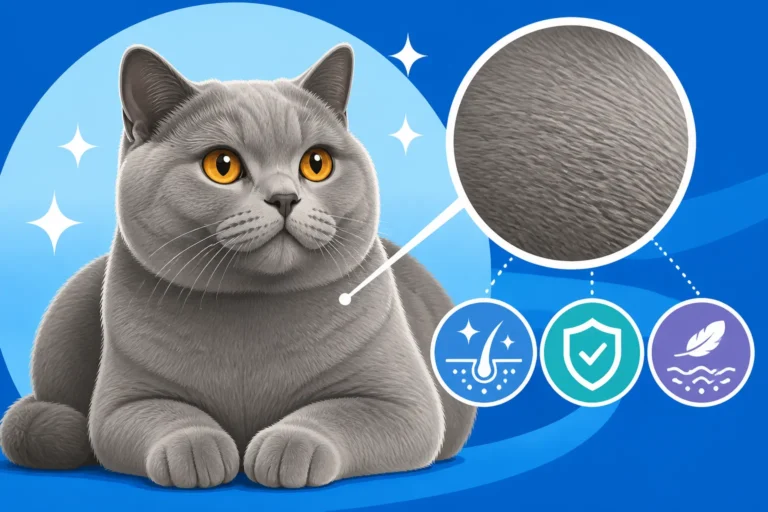
The term "crisp" might sound odd when describing a cat's fur, but for a British Shorthair, it's perfectly accurate. It doesn't mean brittle or dry; rather, it refers to the firm, resilient texture of the individual hair shafts. Imagine a perfectly packed, high-quality velvet – it has density and substance, standing upright rather than drooping. This crispness is due to the structure of each hair: it's short, very thick, and often has a slight spring or crimp to it. When you pet a British Shorthair, you're feeling a dense forest of these firm, individual hairs that resist flattening. This is what gives their coat its hallmark "feel" and contributes significantly to its ability to stand away from the body. It’s part of the official breed standard, so it’s not just an aesthetic preference, but a genetic characteristic breeders strive for. Why a British Shorthair's Coat Feels Crisp delves into this in more detail.
The Density Secret: How Many Hairs Make Up That Plushness
The crispness of the individual hairs is only half the story; the sheer density of the British Shorthair's coat is the other crucial element. They possess a double coat, meaning they have a soft, thick undercoat beneath a layer of slightly coarser guard hairs. This undercoat isn't just sparse fuzz; it's a very substantial, woolly layer that is incredibly tightly packed. Think of it like a dense sheep's fleece beneath the outer layer of fur. This extreme density acts as a natural cushion, pushing the guard hairs outwards and upwards, preventing them from lying flat against the cat's skin. It's a marvel of insulation, perfectly adapted for their ancestral British climate, and it's also why they feel so incredibly plush and substantial to the touch. This density is paramount to What a British Shorthair's Coat Is Like and contributes to their robust, cobby appearance.
Why the Coat Stands Away from the Body
This is the question that many British Shorthair owners and admirers ponder! It's not just a coincidence; it's a combination of genetics, individual hair structure, and the overall volume of their fur. Unlike many other shorthaired breeds whose coats lie flat and smooth, the British Shorthair's coat seems to have a mind of its own, creating that iconic plush, teddy bear silhouette. Understanding the mechanics behind this unique trait is fascinating and helps us appreciate the breed even more.
The Unique Hair Structure: Guard Hairs and Undercoat in Harmony
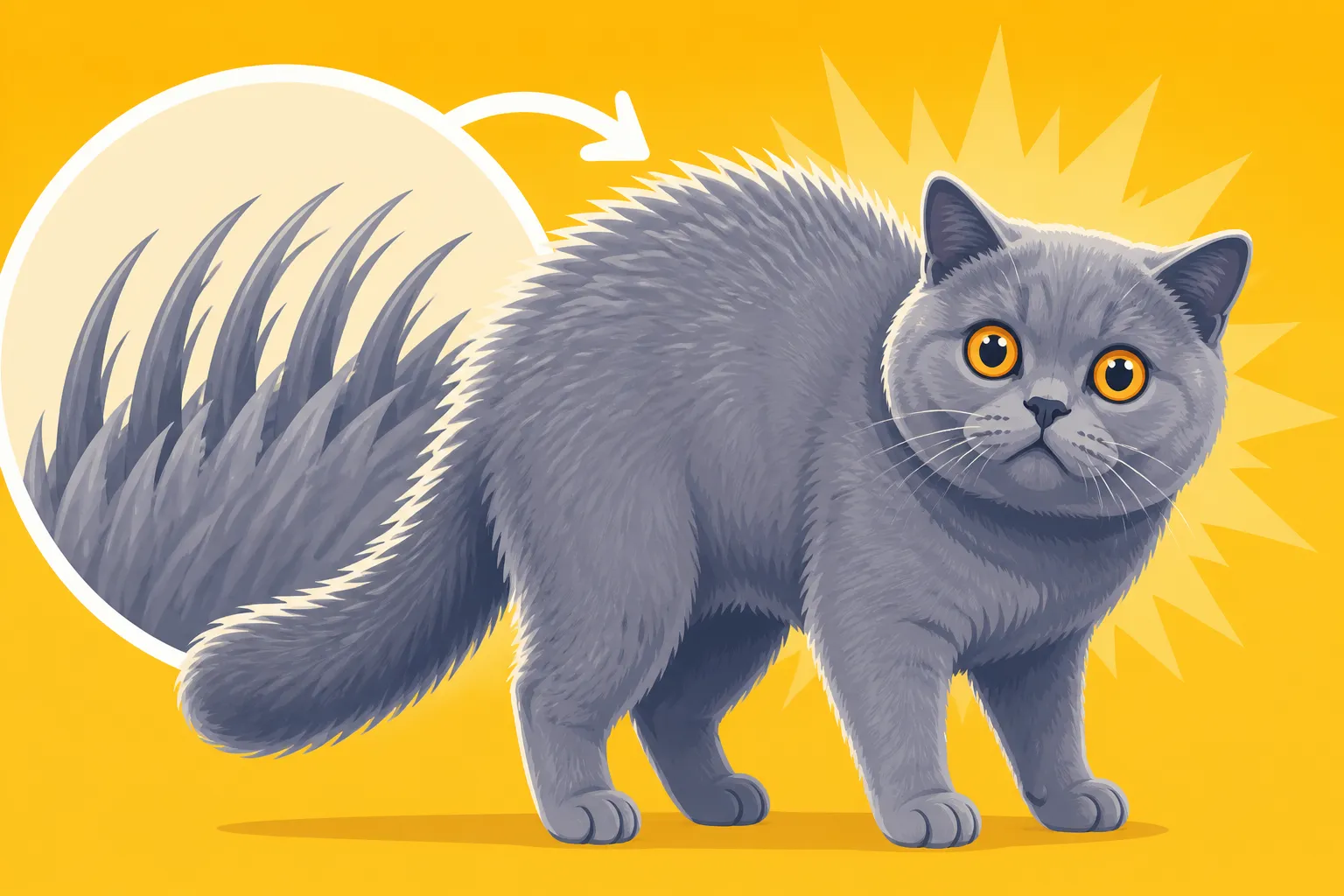
The primary reason a British Shorthair's coat stands away from its body is deeply rooted in its specific hair structure. Each hair shaft, particularly the outer guard hairs, is noticeably thicker and stiffer than those found on many other cat breeds. These hairs aren't designed to lie flat; they have a natural rigidity and often a slight bend or curve that encourages them to spring outwards.
Beneath these guard hairs lies an incredibly dense undercoat. This isn't just a light fuzz; it's a thick, woolly layer of fine, soft hairs that are packed extremely closely together. This undercoat provides immense volume and acts like a powerful spring, pushing the stiffer guard hairs straight up and away from the skin. Imagine trying to comb down a very dense, springy cushion – the individual fibers are too numerous and too resilient to stay flat. The same principle applies here. The interaction between these two layers, the robust guard hairs and the voluminous undercoat, is what creates that striking, stand-off effect. It's a natural engineering marvel that provides excellent insulation and that distinctive plush appearance. Why a British Shorthair's Coat Stands Up dives further into this fascinating structure.
Genetic Factors and Breed Standards: How Nature and Nurture Shape the Coat
The unique characteristics of the British Shorthair's coat are not accidental; they are a direct result of selective breeding over many generations. Breeders have meticulously chosen cats with the desired coat density, texture, and loft to perpetuate these traits, adhering to strict breed standards. These standards specifically call for a "dense, short coat, crisp to the touch, and standing away from the body." This means that the genetic blueprint for this type of coat is strongly embedded within the breed.
The ancestors of the British Shorthair, robust street cats, would have naturally developed dense coats for protection against the damp, often cold British climate. Over time, as the breed was formalized, these traits were enhanced. The infusion of Persian bloodlines during the post-war reconstruction of the breed also contributed to increasing coat density and plushness, albeit with careful selection to maintain the short hair length. So, while your cat's coat is a functional adaptation, its specific plushness and stand-off quality are a testament to generations of dedicated breeding efforts to meet a specific aesthetic and tactile ideal. This genetic predisposition means that even without much grooming, a true British Shorthair will exhibit this characteristic coat. Whether a British Shorthair Has an Undercoat is an important read in understanding this.
Environmental Influences: Temperature, Humidity, and Coat Loft
While genetics are the primary driver, environmental factors can also play a subtle role in how pronounced your British Shorthair's coat loft appears. Temperature and humidity, in particular, can influence the texture and volume of their fur. In colder, drier climates, you might notice your cat's coat appears even more voluminous and "crisp" as the individual hairs and undercoat fluff up for maximum insulation. The dryness can make each hair stand more independently, enhancing the overall lift.
Conversely, in very warm or humid environments, the coat might lie slightly flatter, though it will still retain its inherent density and plushness. Humidity can sometimes cause the hair shafts to absorb moisture, making them slightly less stiff. However, even under these conditions, the fundamental structure and density of the British Shorthair coat will prevent it from becoming sleek and flat like that of many other breeds. It’s a resilient coat, designed for protection, and it will always return to its iconic standing-away posture, demonstrating its remarkable adaptability and built-in volume.
Grooming for Loft and Luster: Keeping That Signature Look
Maintaining the British Shorthair's glorious coat is more about technique than constant effort, but it's crucial for their comfort and health. While their fur doesn't typically mat easily in large sheets, neglecting it can lead to uncomfortable tangles and a less-than-lustrous appearance. The goal is to preserve that natural springiness and density without damaging the delicate undercoat or the stiffer guard hairs.
The Right Tools for the Job: Why Brushes Are Often Wrong
This might sound counterintuitive, but for a British Shorthair, a traditional brush is often the wrong tool, and can even be detrimental. Slicker brushes, with their fine wire bristles, are designed to pull through and remove shedding fur from longer or softer coats. On a British Shorthair's dense, crisp coat, a slicker brush can actually break the delicate guard hairs, damage the undercoat, and even irritate their skin. It can also strip the coat of its natural loft, leaving it looking flat or frizzy.
Instead, the hero tool for a British Shorthair's coat is a good quality metal comb, ideally one with both wide and medium-spaced teeth. A rubber curry brush can also be effective for removing loose surface hair without pulling or damaging the coat. These tools work with the coat's natural structure, gently separating the hairs and pulling out only the dead undercoat, preserving the integrity and natural volume. You can find excellent options on sites like Chewy or Amazon, often specifically marketed for dense or double-coated breeds. Which Comb a British Shorthair Needs offers more specific recommendations.
The Art of Combing: Techniques for Optimal Coat Health
Combing a British Shorthair isn't just a quick once-over; it's a methodical process that supports their coat's unique structure. Aim for at least two to three combing sessions per week, and more frequently during shedding seasons. Start by gently working through the coat with a wide-toothed metal comb, moving in the direction of hair growth. Begin at the neck and work your way down the back, sides, and belly. Pay particular attention to areas where mats are more likely to form, such as under the "armpits," behind the ears, and around the hind legs.
Once you've loosened any larger tangles or removed obvious shedding fur with the wide-toothed comb, switch to the medium-toothed side to get closer to the skin and remove finer loose hairs. The key is to be gentle but thorough, allowing the comb to glide through without snagging. You should be lifting dead undercoat away from the body, helping to maintain that glorious loft. Don't press too hard, as you can still irritate their skin, even with a comb. The goal is to remove dead hair without stripping healthy fur or flattening the natural stand of the coat. How Often a British Shorthair Needs Combing further explains the frequency.
Bathing, Drying, and Maintaining Volume: When and How to Wash
Bathing a British Shorthair is generally not a frequent occurrence, as they are fastidiously clean cats. Over-bathing can strip their skin of natural oils and dry out their magnificent coat, making it less crisp and potentially leading to skin irritation. Typically, a bath is only necessary if they've gotten into something particularly messy or if they have a skin condition that requires medicated shampoo.
When a bath is needed, use a gentle, cat-specific shampoo. Their dense coat can be quite water-resistant, so you'll need to work the shampoo in thoroughly. Rinsing is even more critical; ensure every trace of shampoo is removed to prevent skin irritation. Drying is where things get interesting for maintaining that volume. Towel-dry as much as possible, gently blotting and squeezing rather than rubbing vigorously, which can tangle the coat. For best results in restoring volume, a low-heat pet dryer or even a human hairdryer on a cool setting, held at a distance, can be used while gently combing the fur. This technique helps to "fluff" the coat as it dries, encouraging it to stand away from the body naturally. Avoid air drying in a cold environment, which can make them chilled, or letting it dry in a way that allows it to mat.
Shedding Cycles and Coat Changes
Even with a short coat, British Shorthairs do shed, and it's something every owner needs to be prepared for. Their dense undercoat means that when they do shed, there can be a surprising amount of fur! Understanding their shedding cycles helps you anticipate when to increase your grooming efforts and keeps your home a little tidier. It also helps you differentiate normal shedding from potential health issues.
Seasonal Shedding: The Big Undercoat Blow-Out
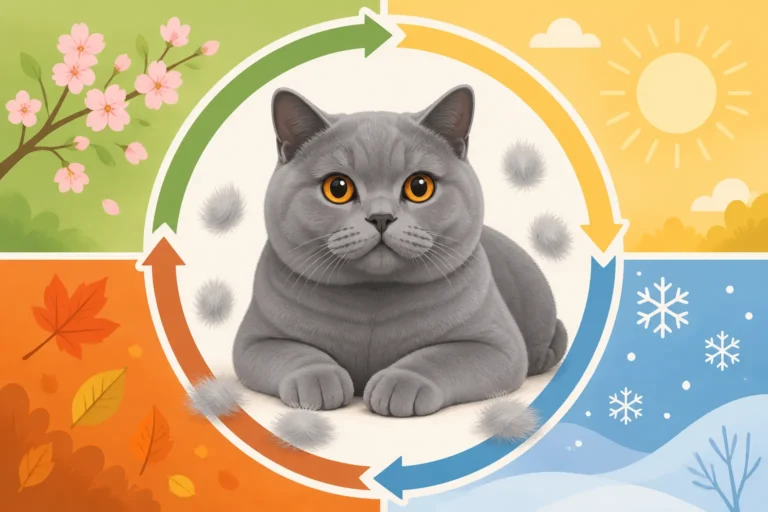
British Shorthairs typically experience two main shedding seasons each year, usually in the spring and fall. These are often referred to as "blowing their coat." In the spring, they shed their heavy winter undercoat to prepare for warmer weather, and this is usually the most significant shedding period. You might notice clumps of fur coming off, and your cat may appear a little less dense for a while. In the fall, they shed their lighter summer coat to make way for the thicker, warmer winter undercoat.
During these times, the amount of loose fur can be quite considerable. You'll likely find their signature soft fur on furniture, clothing, and circulating in the air. This is a completely natural process, and while it might seem like a lot, it's a sign their coat is healthy and adapting to the seasons. Your regular combing routine will need to be ramped up significantly during these periods to help them shed efficiently and prevent uncomfortable mats. How Much a British Shorthair Sheds in Spring gives you a better idea of what to expect.
Managing Shedding: Tips for a Hair-Free Home
Dealing with shedding, especially during the "blow-out" seasons, requires a bit of proactive management to keep your home as hair-free as possible. The most effective strategy is consistent and increased grooming. During peak shedding, consider daily combing sessions, even if they're short. This removes the loose fur directly from your cat before it can land on your sofa.
Beyond grooming, investing in good quality lint rollers and a powerful vacuum cleaner designed for pet hair is a must. Regular vacuuming, especially on upholstered furniture and carpets, will make a big difference. Wash pet bedding frequently to remove accumulated fur. For clothing, a quick run with a lint roller before heading out the door becomes a daily ritual for many British Shorthair owners. Remember, while you can't stop shedding, you can certainly manage it effectively with the right tools and routine, minimizing its impact on your living space. Many dedicated pet parents rely on supplies from Chewy or Amazon to keep up with shedding.
Common Coat Concerns and Troubleshooting
While the British Shorthair's coat is generally robust, specific issues can arise that require attention. It's important for owners to be vigilant for changes in coat quality or skin condition, as these can sometimes be indicators of underlying health problems. Early detection and intervention can save a lot of discomfort for your feline friend.
Mats and Tangles: Preventing and Dealing with Them
Despite their short hair, British Shorthairs can occasionally develop mats, particularly if grooming is neglected or during heavy shedding. Mats are most common in areas of friction or where the fur is finer, such as behind the ears, under the "armpits," on the belly, or around the base of the tail. These aren't usually large, flat mats, but rather small, dense tangles that can pull on the skin and cause discomfort.
Prevention is always better than cure. Regular combing, especially with a metal comb that can reach through the dense undercoat, is your best defense. If you do find a small mat, try to gently tease it apart with your fingers, working from the outside in. If it's more stubborn, you can try using a mat splitter or blunt-nosed scissors, but extreme caution is advised to avoid cutting the skin. If the mat is large, close to the skin, or your cat is uncooperative, it's always best to seek professional help from a groomer or your veterinarian, as improper removal can cause injury. Where a British Shorthair Mats provides more insights on common problem areas.
Dull Coat or Skin Issues: When to Worry and What to Do
A healthy British Shorthair coat should be plush, soft, and have a lovely luster. If you notice your cat's coat becoming dull, greasy, excessively dry, or if they develop flaky skin, it could be a sign of an underlying issue. These changes can be indicative of poor nutrition, allergies, parasites (like fleas), fungal infections (like ringworm), or even more serious internal health problems such as kidney disease or thyroid imbalances.
If you observe a persistent change in coat quality, increased scratching, redness, or skin lesions, it's crucial to consult your veterinarian. They can perform diagnostic tests to identify the root cause. Nutritional deficiencies can often be addressed with a high-quality, balanced diet, possibly supplemented with omega fatty acids. In some cases, prescription foods might be recommended. For skin conditions, your vet might prescribe topical treatments, oral medications, or recommend specific hypoallergenic diets. Some owners find fresh food beneficial for coat health, but always discuss dietary changes with your vet first.
Coat Changes with Age: What to Expect as Your British Shorthair Matures
Just like humans, British Shorthairs experience changes as they age, and their coat is no exception. As your cat moves into their senior years (typically around 10 years old and beyond), you might notice subtle shifts in their fur. The coat may become slightly less dense, perhaps losing some of its youthful crispness and plushness. It can also appear a bit coarser or, conversely, finer in texture.
Older cats may also have reduced grooming flexibility due to arthritis or other mobility issues, making it harder for them to reach and clean all parts of their body. This can sometimes lead to a slightly unkempt appearance or an increased tendency for mats, particularly around the hindquarters or lower back. During this stage, your grooming routine becomes even more important. Gentle, regular combing will help keep their coat comfortable and healthy, compensating for their decreased self-grooming abilities. Providing comfortable, easily accessible beds and ensuring they maintain a healthy weight can also help them continue to groom themselves effectively. What Changes in an Aging British Shorthair's Coat discusses these natural progressions in more detail.
Beyond the Blue: Coat Colors and Their Nuances
When most people picture a British Shorthair, they envision the classic solid blue. And while the blue is undeniably iconic, the breed actually comes in a stunning array of colors and patterns! From solid creams and whites to intricate tabbies and colorpoints, each variation is striking in its own way. It's fascinating to consider if these different colors impact the texture or characteristics of that signature standing coat.
Does Color Affect Coat Texture? Debunking Myths and Explaining Realities
It's a common question: does a British Shorthair's coat color influence its texture or how much it stands away from the body? Generally, the answer is no, not directly. The genetic traits responsible for coat texture, density, and the "standing away" quality are separate from those that determine color. A British Shorthair, regardless of whether it's a solid blue, a chocolate tabby, or a golden shaded, should ideally exhibit the same crisp, dense, plush coat that is the hallmark of the breed.
However, there can be very subtle perceptual differences. For instance, extremely dark colors like black or deep chocolate might appear to absorb light more, potentially making the coat seem less "fluffy" visually, even if the actual density and texture are identical to a lighter colored cat. Conversely, very light colors, especially white or cream, can sometimes enhance the perception of volume. These are optical illusions more than actual differences in texture. The breed standard is very clear that coat quality should be consistent across all accepted colors and patterns. Whether a Blue British Shorthair's Coat Feels Different explores this topic further.
The Longhair Enigma: Understanding the British Longhair Gene
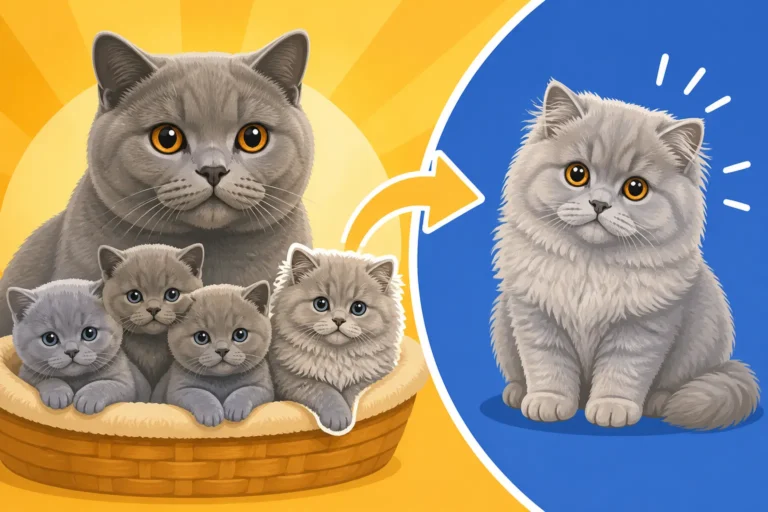
While the British Shorthair is defined by its short, dense coat, the breed does carry a recessive gene for long hair. This is a fascinating remnant of the breed's history, specifically the outcrossing to Persians that helped rebuild the British Shorthair population after the World Wars. When two British Shorthairs who both carry this recessive longhair gene are bred together, they can produce kittens with long fur, even though both parents are distinctly shorthaired. These kittens are known as British Longhairs (or sometimes British Semi-Longhairs).
The British Longhair has the same cobby body type and round face as its shorthaired counterpart, but its coat is, of course, much longer and even more plush. While a British Longhair's coat will also be dense and stand away from the body, its length means it requires a much more intensive grooming routine to prevent mats and tangles. These longhaired variants are now recognized as a distinct breed by many cat registries. It's a testament to the genetic diversity within the British Shorthair lineage and a delightful surprise for breeders and owners alike. Why a Longhair Gene Hides in a British Shorthair Litter offers a deeper dive into this genetic quirk.
The Role of Nutrition in Coat Health and Appearance
You might be thinking, "What does what my cat eats have to do with whether their fur stands up?" Well, actually, quite a lot! A healthy coat, one that is plush, lustrous, and maintains its iconic "stand-off" quality, is a direct reflection of your British Shorthair's overall health and, crucially, their diet. Just like human hair, feline fur needs a steady supply of nutrients to grow strong and vibrant.
Essential Nutrients for a Breathtaking British Shorthair Coat
To truly flourish, a British Shorthair's dense coat requires a rich blend of specific nutrients in their daily diet. Protein is paramount; hair is primarily made of keratin, a protein, so a high-quality animal-based protein source is non-negotiable. Look for cat foods where meat, poultry, or fish is the first ingredient. Essential fatty acids, particularly Omega-3 and Omega-6, are also critical. These healthy fats contribute to skin hydration and coat luster, helping to reduce dryness, flakiness, and promoting that healthy sheen. Sources like fish oil or flaxseed are often included in premium cat foods.
Vitamins and minerals, especially B vitamins (like biotin), zinc, and copper, play supporting roles in keratin production and overall skin health. A deficiency in any of these can lead to a dull, brittle, or sparse coat, and potentially even skin issues. Therefore, feeding a complete and balanced diet formulated for cats is not just about keeping them alive; it's about providing the building blocks for every part of their body, including that magnificent coat that stands proudly away from their body.
Dry Kibble Versus Wet Food: Impact on Coat Health
The debate between dry kibble and wet food is ongoing, and both can be part of a healthy diet for your British Shorthair, impacting coat health in different ways. Dry kibble is convenient and can help with dental hygiene to some extent, but its lower moisture content means some cats may not get enough hydration, which can subtly affect skin and coat health over time. If feeding kibble, ensuring your cat has access to fresh, clean water at all times, perhaps even through a cat fountain, is crucial.
Wet food, on the other hand, provides significantly more moisture, which is excellent for overall hydration and can contribute to healthier skin and a more supple coat. The high moisture content also helps with urinary tract health, a common concern in cats. While there isn't a single answer for all cats, many British Shorthair owners find a mixed diet of high-quality wet and dry food works best, providing the benefits of both. Regardless of your choice, prioritize quality ingredients and ensure it's a complete and balanced formula. Whether a British Shorthair Needs Wet Food can help guide your decision.
Supplements for an Extra Boost: When and What to Consider
Even with a high-quality diet, some British Shorthairs can benefit from targeted supplements to give their coat an extra boost, especially if they have naturally drier skin, are prone to shedding, or are recovering from a health issue. Omega fatty acid supplements are perhaps the most popular for coat health. Fish oil, rich in Omega-3s, can significantly improve skin hydration, reduce inflammation, and enhance coat luster and softness. You can often find these in liquid form to add to food or in soft gel capsules.
Biotin and other B vitamins are also known for their role in healthy hair and skin. However, it’s crucial to remember that supplements are not a substitute for a balanced diet, and they should always be introduced under the guidance of your veterinarian. Too much of a good thing can sometimes be harmful, and your vet can help identify if a specific deficiency or need exists that a supplement could address. They can also ensure that any supplement won't interact negatively with other medications or existing health conditions. A thriving, plush coat is a joy to behold, and sometimes a little extra nutritional support can make all the difference.
Understanding the British Shorthair's Coat and Allergies
For many potential cat owners, allergies are a significant concern, and it's natural to wonder if a cat with such a dense coat, like the British Shorthair, might be a major trigger. While no cat breed is truly 100% hypoallergenic, understanding the mechanisms behind cat allergies and the specific characteristics of the British Shorthair's coat can help set realistic expectations.
Are British Shorthairs Hypoallergenic? Setting Realistic Expectations
Let's address the elephant in the room: no cat is truly hypoallergenic. Cat allergies are primarily caused by a protein called Fel d 1, found in a cat's saliva, urine, and dander (dead skin flakes), not necessarily their fur itself. When cats groom themselves, they spread this protein onto their coat, and as they shed fur and dander, the allergen becomes airborne and spreads throughout the environment.
With their incredibly dense double coats and propensity for seasonal shedding, British Shorthairs actually produce and distribute a fair amount of dander and therefore, allergens. So, unfortunately, they are not considered a low-allergen or "hypoallergenic" breed. Individuals with moderate to severe cat allergies are likely to react to a British Shorthair. It’s always recommended for allergic individuals to spend time with a British Shorthair before committing to adoption to gauge their personal reaction.
Managing Allergens: Tips for Allergic Owners
While a British Shorthair might not be the best choice for severe allergy sufferers, those with milder allergies who are determined to bring one into their home can take steps to manage allergen levels. Consistent and thorough grooming is your first line of defense. Daily combing (by a non-allergic family member if possible, or wearing gloves and a mask) will remove loose fur and dander before it spreads. Consider using dander-reducing wipes on your cat regularly.
Environmental controls are also key. Invest in high-efficiency particulate air (HEPA) filters for your home, vacuum frequently with a HEPA-filtered vacuum, and wash pet bedding weekly. Keep your British Shorthair out of bedrooms to create an allergen-free zone for sleeping. Regular washing of your cat's favorite blankets and toys can also help. Some specialized cat foods are formulated to reduce Fel d 1 in a cat's saliva, which might be an option to discuss with your vet. While these steps won't eliminate allergens entirely, they can significantly reduce the load and make living with a British Shorthair more manageable for those with mild sensitivities.
The British Shorthair's Coat as an Indicator of Health
Beyond its aesthetic appeal, your British Shorthair's coat is a surprisingly accurate barometer of their overall health. Changes in its appearance, texture, or even how much they're shedding can provide early clues to underlying issues that might otherwise go unnoticed. Regular observation of your cat's coat should be an integral part of their routine care.
When Coat Changes Signal a Problem: What to Watch For
Any significant or persistent change in your British Shorthair's coat warrants attention. A sudden increase in shedding outside of seasonal changes could indicate stress, dietary issues, or even parasites. A dull, greasy, or matted coat, especially if your cat previously maintained a pristine appearance, can point to a lack of self-grooming due to pain, arthritis, obesity, or dental problems. If they're struggling to reach their back or hindquarters, that plush coat can quickly become unkempt and uncomfortable.
Skin issues like redness, flakes, scabs, or bumps should also prompt a vet visit. These could be signs of allergies, infections (bacterial, fungal, or parasitic), or even hormonal imbalances. Excessive licking or chewing at their fur, leading to bald patches or skin irritation, is another red flag that needs investigation. Your cat's coat is a window into their internal well-being; paying close attention to it can help you catch potential problems early, ensuring your furry friend gets the care they need. Signs a British Shorthair Is Unwell provides more information on general health indicators.
The Link Between Weight and Coat Care: An Overweight British Shorthair's Struggles
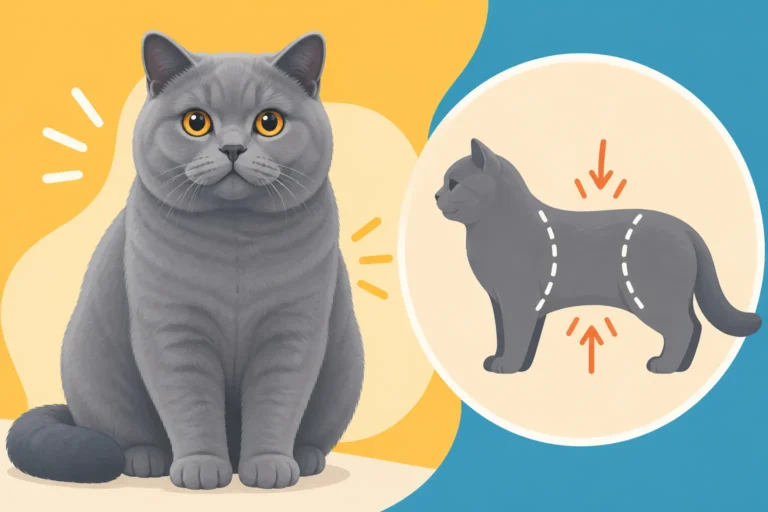
It's an unfortunate truth that British Shorthairs are prone to obesity, and an overweight cat faces significant challenges in maintaining their coat. Their cobby build and placid nature already make them look substantial, but true obesity goes beyond healthy chunkiness. When a British Shorthair becomes overweight, they often struggle to reach and groom all areas of their body, particularly their back, hindquarters, and between their legs.
This reduced flexibility means these areas can become neglected, leading to greasy fur, increased dander, and eventually, uncomfortable mats. The skin underneath these matted areas can become irritated, inflamed, or even infected. Furthermore, an unhealthy diet contributing to obesity can also directly impact coat quality, making it duller or coarser. If you notice your British Shorthair is unable to groom themselves adequately, it's a strong indicator that their weight might be a problem, impacting not just their coat but their overall health and mobility. Addressing their weight through a veterinarian-supervised diet and encouraging gentle activity is crucial for their well-being and helps them maintain that beautiful, signature coat. Why an Overweight British Shorthair Stops Grooming Its Back highlights this specific struggle.
The Cultural Impact and Evolution of the British Shorthair Coat
The British Shorthair's coat isn't just a physical trait; it's a significant part of their identity and has played a role in their popularity and how they are perceived. From historical adaptations to modern breed standards, its evolution tells a fascinating story.
Historical Adaptations: How the Coat Developed for Its Environment
The ancestors of the modern British Shorthair were hardy street and farm cats in the United Kingdom, accustomed to a climate that could be damp, cool, and windy. Their survival depended on a coat that offered robust protection and insulation. The development of their incredibly dense, double coat was a natural adaptation to this environment. The short, crisp outer guard hairs would have provided a protective layer against moisture and thorns, while the thick, woolly undercoat offered superior warmth, trapping a layer of air close to the body.
This functional coat was not just about aesthetics; it was a matter of survival. When Harrison Weir, often considered the "father of the cat fancy," began to formalize the breed in the late 19th century, he deliberately selected for cats that exemplified this sturdy, well-insulated coat type, recognizing its intrinsic value and unique beauty. The coat that "stands away from the body" was, therefore, an evolutionary advantage long before it became a prized show trait. Why a British Shorthair's Dense Coat Suited the Climate provides more historical context.
The British Shorthair in Popular Culture: The Teddy Bear Appeal
The British Shorthair's distinctive coat, combined with their round features and sturdy build, has earned them the endearing nickname "teddy bear cat." This look is a huge part of their widespread appeal in popular culture, making them instantly recognizable and beloved figures. Their plush appearance translates beautifully to illustrations and animation, contributing to their iconic status.
This "teddy bear" look, largely thanks to the coat that stands away from their body, makes them seem perpetually soft, cuddly, and approachable, even when their personality might be a bit more reserved. It conjures images of comfort and warmth, which is exactly what a well-cared-for British Shorthair provides. This charming aesthetic has cemented their place as one of the world's most cherished cat breeds, making them not just pets, but living, purring works of art that are a joy to behold and feel.
The British Shorthair's coat is truly a marvel. Its unique density and crisp texture, causing it to stand proudly away from their body, isn't just a quirky characteristic; it's a testament to their heritage, their breed standards, and the meticulous care they require. Understanding why their fur behaves this way empowers you as an owner to provide the best possible grooming, nutrition, and overall health management, ensuring your furry companion remains comfortable, healthy, and as magnificently plush as the day you first fell in love with their teddy bear charm.
Disclaimer
This article is for general informational purposes only and does not constitute professional advice. Laws, prices and regulations vary by location and change over time. Consult a qualified professional for guidance on your specific situation.