Hyperthyroidism in an Older British Shorthair
It's a tough truth that as our beloved British Shorthairs gracefully enter their golden years, new health challenges can often arise. One of the most common, yet sometimes sneaky, conditions that can creep up on an older British Shorthair is hyperthyroidism. You might notice subtle changes in their appetite, energy, or even their usually impeccable coat, leaving you wondering what's really going on. This guide is here to walk you through everything you need to know about hyperthyroidism in your senior British Shorthair, from understanding what it is to exploring diagnosis and treatment options, so you can help them live out their later years as comfortably and happily as possible.
Understanding Hyperthyroidism in Your British Shorthair
It’s truly disheartening when your previously placid, chunky British Shorthair starts to change, becoming restless, losing weight, or just not quite being themselves. Often, the culprit is something called hyperthyroidism, a condition that’s far more common in senior cats than many owners realize. It stems from a tiny but mighty gland in their neck, and when it goes awry, it can throw their entire system into overdrive.
What is Hyperthyroidism?
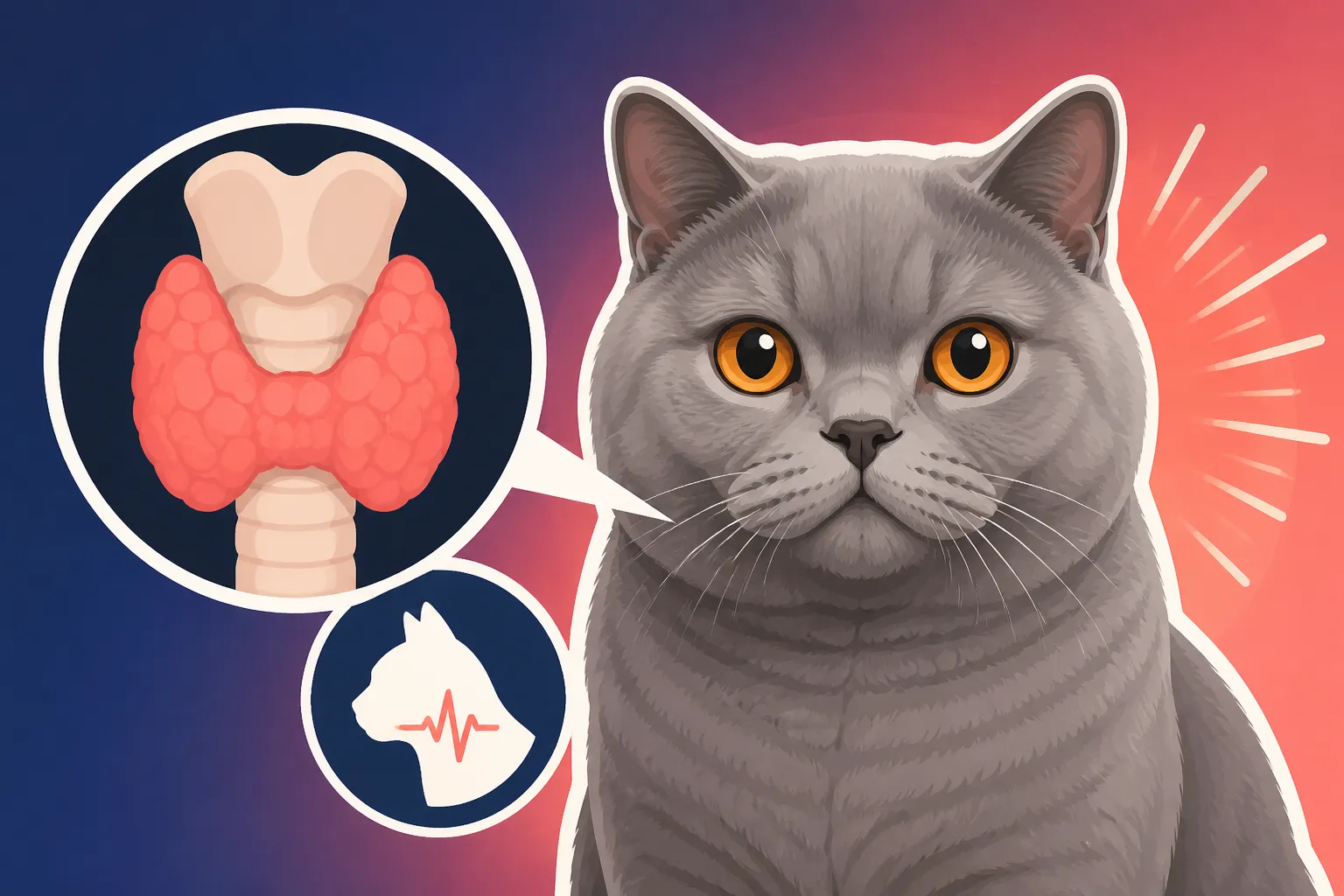
At its simplest, hyperthyroidism is a disorder caused by an overactive thyroid gland. Your British Shorthair has two small thyroid glands located in their neck, nestled near their trachea. These glands produce thyroid hormones, primarily thyroxine (T4), which play a crucial role in regulating their metabolism. Think of these hormones as the throttle for your cat's body; they control how quickly their cells burn energy.
In hyperthyroidism, one or both of these glands start producing an excessive amount of T4. The most common cause, accounting for over 95% of cases, is a benign (non-cancerous) tumor called an adenoma, or an enlargement of the thyroid gland itself (adenomatous hyperplasia). While the word "tumor" sounds scary, it's important to remember that it's rarely malignant (cancerous). However, regardless of whether it's benign or malignant, the result is the same: too much thyroid hormone flooding your cat’s system, pushing their metabolism into overdrive. This can feel like a silent intruder, slowly hijacking your cat’s internal balance without obvious alarm bells ringing immediately.
Why Older British Shorthairs are Prone
While any cat breed can develop hyperthyroidism, it's overwhelmingly a disease of middle-aged to senior felines, typically appearing in cats aged 8 years and older. Your British Shorthair, known for its generally long lifespan of The Twelve to Seventeen Years a British Shorthair Gets, will likely enter their senior years around age 10, which is when they are considered The Age a British Shorthair Is Considered Senior. This makes regular check-ups and vigilance especially important as they age.
The exact reason why older cats are so prone to developing these thyroid adenomas isn't fully understood, but several theories exist. Some research points to environmental factors, such as dietary iodine levels or exposure to certain chemicals found in flame retardants, as potential contributors. However, it's largely believed to be a natural consequence of aging, where cells in the thyroid gland simply start to proliferate more rapidly. It’s not necessarily a breed-specific predisposition like some other conditions in British Shorthairs, but given their increasing numbers and longevity, we simply see more cases among them. It’s a classic example of what changes in a British Shorthair after ten, emphasizing why senior care is so vital.
The Impact on Their Systems
The ripple effect of excess thyroid hormones throughout your British Shorthair's body is profound and can be quite damaging if left untreated. Because T4 regulates metabolism, every organ system is affected.
One of the most noticeable impacts is on weight. Despite often eating more than ever – sometimes ravenously – hyperthyroid cats typically experience significant weight loss. This can be a real red flag, and Why Weight Loss in an Old British Shorthair Is a Warning should always prompt a vet visit. The accelerated metabolism burns through calories at an alarming rate, preventing them from maintaining their body mass.
Beyond weight, the cardiovascular system takes a major hit. The heart works harder, leading to an increased heart rate (tachycardia) and, over time, a thickening of the heart muscle, known as hypertrophic cardiomyopathy (HCM). While What HCM Does to a British Shorthair's Heart is a primary concern for many British Shorthair owners, hyperthyroidism can actually cause a secondary, reversible form of this heart disease, which can sometimes complicate diagnosis.
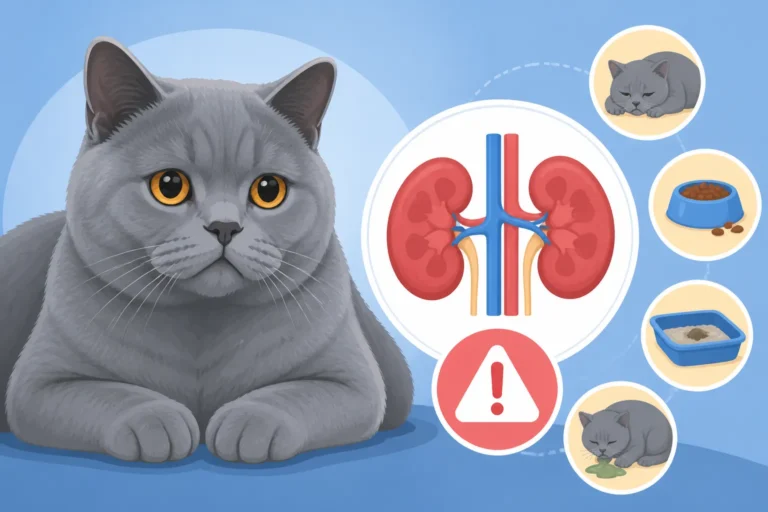
The kidneys are another organ of concern. Increased blood flow and metabolism can put a strain on already aging kidneys. It’s a tricky balance because sometimes, the hyperthyroidism can mask underlying kidney disease. Once the thyroid levels are normalized, kidney issues that were previously hidden might become apparent or even worsen. This is why a comprehensive approach to their health is so important in their senior years, covering conditions like Urinary Problems in a British Shorthair alongside thyroid issues. All these systemic impacts contribute to a cat that might slowly feel unwell, even if they're not overtly displaying distress.
Recognizing the Subtle Signs of Hyperthyroidism
One of the most frustrating aspects of hyperthyroidism is how subtly it often begins. Our stoic British Shorthairs are masters at hiding discomfort, making it even harder to catch these changes early. What might seem like typical aging could, in fact, be the initial whispers of an overactive thyroid. This is why observing your cat closely and knowing what to look for is absolutely crucial.
Behavioral Changes to Watch For
The shift in behavior can be one of the first, albeit easily dismissed, indicators. Your usually calm and dignified British Shorthair, known for their relaxed demeanor, might start exhibiting an uncharacteristic restlessness or even increased vocalization. Perhaps they're pacing more, seem constantly hungry, or are demanding attention in ways they never used to. This isn't just "senior quirkiness"; it could be their internal engine running too fast.
You might notice an increase in their activity levels, even if they don't seem to be playing more vigorously. They might be more irritable, hissing or swatting more easily, especially if their normal routine is disrupted. Some cats become anxious or agitated, seemingly unable to settle down for their usual long naps. These changes are often so gradual that you might attribute them to their age or simply a change in personality, rather than a medical condition. But any significant deviation from your British Shorthair’s established temperament should always warrant a closer look, as these could be clear Signs a British Shorthair Is Unwell.
Physical Symptoms Often Missed
While behavioral changes can be subjective, there are also concrete physical symptoms that, while often subtle at first, become more pronounced as the disease progresses.
The most classic symptom, and arguably the easiest to overlook initially, is weight loss despite a ravenous appetite. It sounds counterintuitive: your cat is eating you out of house and home, perhaps begging for food constantly, yet they're getting thinner. This rapid calorie burning due to their accelerated metabolism is the culprit. You might start to feel their ribs more easily when you pet them, or notice their waistline becoming more defined, which is usually quite well-hidden by their plush coat. This is a critical sign, especially for a breed prone to Obesity Is the British Shorthair's Real Disease in their younger years.
Other physical signs include:
- Changes in coat quality: Despite their excellent genetics for a dense, plush coat, you might notice it becoming dull, greasy, unkempt, or even matted, particularly over their back where an older, thinner cat might struggle to groom. Why an Overweight British Shorthair Stops Grooming Its Back also applies to any cat whose physical condition makes self-grooming difficult.
- Increased thirst (polydipsia) and urination (polyuria): Their accelerated metabolism impacts kidney function and fluid balance, leading to a greater need for water and more frequent trips to the litter box.
- Vomiting and diarrhea: Gastrointestinal upset is common as the digestive system is also working overtime.
- Tachycardia (fast heart rate): Your vet might detect this during a routine exam, or you might notice your cat breathing harder or faster than normal, even at rest.
- Enlarged thyroid gland: In some cases, you might even be able to feel a small lump or thickening on your cat's neck, though this is often difficult to detect without veterinary training due to its small size and location.
Distinguishing from Other Age-Related Issues
This is where it gets really tricky for pet parents. Many of the symptoms of hyperthyroidism can mimic other common age-related conditions, making an accurate diagnosis essential. For instance, increased thirst and urination are also hallmark signs of Diabetes in a British Shorthair or chronic kidney disease. Weight loss can be indicative of many serious illnesses, including cancer or dental problems like Gingivitis in a British Shorthair. Increased vocalization or changes in sleep patterns might be attributed to feline cognitive dysfunction, similar to dementia in humans.
It's tempting to brush off these changes as "just old age," but a proactive approach is always best. A British Shorthair in their senior years often faces a complex interplay of health issues. Therefore, any new or worsening symptom, particularly the combination of weight loss despite a good appetite, should immediately raise a red flag and prompt a visit to your veterinarian. They can conduct specific tests to differentiate hyperthyroidism from these other conditions, ensuring your beloved companion receives the correct treatment. Don't wait; catching it early can make a significant difference in their prognosis and quality of life.
Diagnosing Hyperthyroidism: More Than Just a Blood Test
When you suspect something is off with your British Shorthair, getting a definitive diagnosis is the critical next step. It's not just about confirming hyperthyroidism, but also ruling out other conditions and understanding the full scope of your cat's health, especially since older cats often have multiple, concurrent issues.
The Initial Veterinary Examination
Your journey to diagnosis will always start with a thorough physical examination by your veterinarian. They’ll carefully observe your British Shorthair's overall body condition, noting any weight loss, poor coat quality, or signs of muscle wasting. This is often where the first clues are gathered, especially if your cat has a body condition score that's lower than what's healthy, despite your belief they're eating well.
A crucial part of the exam will be palpating your cat's neck to feel for an enlarged thyroid gland. While sometimes a "thyroid slip" (a palpable, mobile thyroid lobe) can be felt, it's not always evident, especially in chunky British Shorthairs with their thick neck musculature. However, if a thyroid slip is detected, it's a very strong indicator of hyperthyroidism. The vet will also listen to your cat's heart, checking for an elevated heart rate (tachycardia) or a heart murmur, which, as discussed, can be a direct consequence of an overactive thyroid. They might also check their blood pressure, as hypertension is another common finding in hyperthyroid cats.
Blood Tests: T4 Levels and Comprehensive Panels
The cornerstone of diagnosing hyperthyroidism is a blood test to measure the level of total thyroxine (T4) in your cat's bloodstream. A single elevated T4 level is usually sufficient to confirm the diagnosis in a cat showing clinical signs. However, sometimes the T4 level can fluctuate, or a cat with early hyperthyroidism might have a T4 level that falls within the "high normal" range. In these equivocal cases, your vet might recommend additional thyroid function tests, such as a Free T4 by equilibrium dialysis (Free T4 ED) or a T3 suppression test. These specialized tests can help differentiate true hyperthyroidism from other conditions that might temporarily elevate T4 or normal variations.
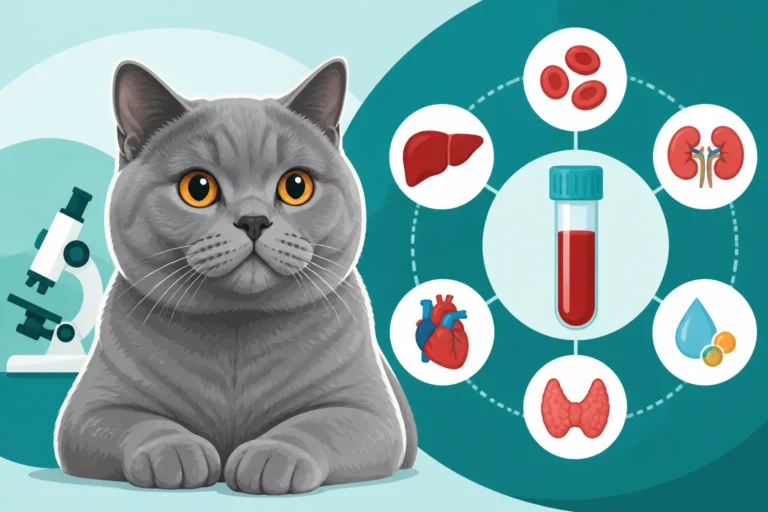
Beyond thyroid hormones, a comprehensive blood panel is absolutely essential. This includes a complete blood count (CBC) and a biochemistry profile. The CBC can show changes like an elevated red blood cell count (polycythemia) or stress leukogram, both common with hyperthyroidism. The biochemistry profile is vital for assessing other organ functions, particularly the kidneys. As mentioned, hyperthyroidism can mask underlying chronic kidney disease (CKD) because the increased blood flow to the kidneys can artificially lower creatinine and BUN values. When What a British Shorthair's Yearly Bloodwork Should Cover is performed, these kidney values are always a key component, and they become even more critical when investigating hyperthyroidism. Getting a full picture of their internal health allows the vet to create a treatment plan that addresses all their needs, not just the thyroid. It also helps detect other common senior cat ailments like Arthritis in an Older British Shorthair.
Advanced Diagnostics: Scans and Imaging
While blood tests are usually definitive, in some complex cases, or before certain treatments, your vet might recommend advanced imaging.
Thyroid scintigraphy (also known as a radioactive iodine scan) is considered the gold standard for diagnosing hyperthyroidism and is particularly useful in distinguishing between unilateral (one gland affected) and bilateral (both glands affected) disease. In this procedure, a small amount of radioactive technetium is injected into your cat. The thyroid gland, being very active in a hyperthyroid cat, takes up this substance, and a special gamma camera then captures images showing the size and activity of the thyroid tissue. This scan can pinpoint exactly which gland(s) are overactive and whether any ectopic (abnormally located) thyroid tissue is present, which is crucial information, especially if surgery or radioactive iodine therapy is being considered.
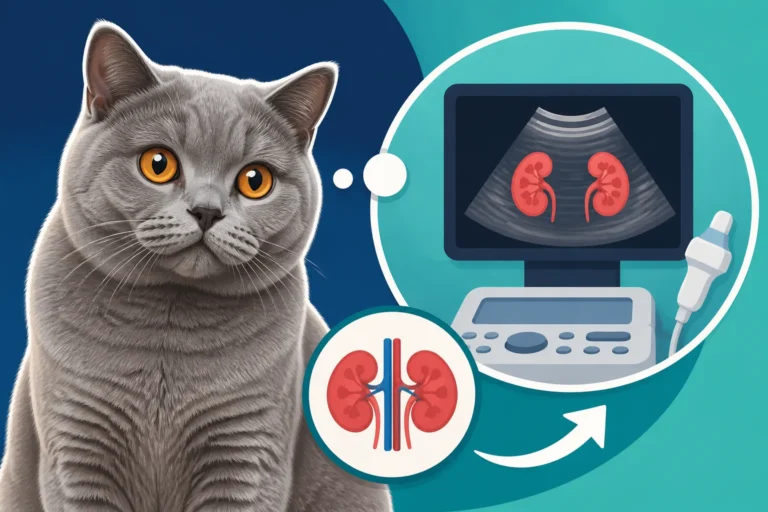
Ultrasound of the neck can also be used to evaluate the size and structure of the thyroid glands and look for any masses. While not as sensitive as scintigraphy for functional activity, it can provide valuable anatomical information and help guide surgical planning. These advanced diagnostics might sound intimidating, but they offer unparalleled precision, helping to tailor the most effective treatment for your British Shorthair. Getting a referral to a specialist, such as an internal medicine specialist, for these diagnostics might be recommended, particularly if your general practitioner veterinarian feels it's necessary for the best outcome.
Treatment Options for Hyperthyroid British Shorthairs
Once your British Shorthair has been diagnosed with hyperthyroidism, the good news is that it's a very treatable condition. There isn't a one-size-fits-all solution; the best approach will depend on your cat's individual health, your financial situation, and what you’re comfortable managing long-term. Your vet will discuss these options with you, weighing the pros and cons of each.
Oral Medication: Methimazole
Oral medication, typically methimazole (brand names like Tapazole or Felimazole), is often the first line of treatment due to its non-invasive nature and relative affordability. Methimazole works by blocking the production of thyroid hormones. Your cat will need to take this medication, usually in pill form, once or twice a day for the rest of their lives.
The initial phase involves starting at a low dose and gradually increasing it while monitoring blood T4 levels every few weeks until the levels normalize. Once stable, your cat will still need regular vet visits – usually every 3-6 months – for blood work to ensure the dosage remains correct and to check for potential side effects.
Pros:
- Non-invasive and relatively inexpensive initially.
- Allows a "trial period" to assess kidney function once thyroid levels are normalized.
- Can be compounded into a transdermal gel applied to the ear, which some cats tolerate better than pills.
Cons:
- Lifelong commitment to daily medication. Missing doses can lead to thyroid levels fluctuating.
- Potential side effects include lethargy, vomiting, loss of appetite, facial itching, and rarely, more serious issues like liver problems or blood disorders. Regular blood monitoring helps catch these early.
- Some cats simply refuse to take pills, making administration stressful for both cat and owner.
Radioactive Iodine Therapy (I-131)
Radioactive iodine (I-131) therapy is widely considered the curative treatment for hyperthyroidism in cats. It involves a single injection of radioactive iodine, which is selectively absorbed by the overactive thyroid tissue. The radiation then destroys the abnormal thyroid cells without harming surrounding tissues or other organs. Normal thyroid tissue is usually spared because it's suppressed by the high levels of hormones being produced by the diseased gland.
After the injection, your British Shorthair will need to stay in a specialized facility, often a veterinary referral center, for several days (typically 3-7) until their radiation levels drop to a safe limit. This isolation period is regulated by radiation safety laws.
Pros:
- Often a permanent cure with a single treatment.
- Minimally invasive (just an injection).
- High success rate (over 95% of cats are cured with one treatment).
- Avoids daily medication and its associated side effects.
Cons:
- High upfront cost (though it can be more cost-effective long-term than lifelong medication). Many owners find that Insuring a British Shorthair with a good policy like Healthy Paws can help offset these significant costs.
- Requires a specialized facility, which may not be readily available in all areas.
- Post-treatment isolation can be stressful for some cats and owners.
- Less common, but some cats may become hypothyroid (underactive thyroid) after treatment, requiring thyroid hormone supplementation.
Surgical Thyroidectomy
Surgical removal of the affected thyroid gland(s) is another option, particularly for cats with a unilateral adenoma (only one gland affected). The procedure, called a thyroidectomy, involves carefully excising the overactive thyroid tissue.
Pros:
- Can be curative, especially for unilateral disease.
- Results are typically immediate.
- Avoids radioactive iodine and its isolation period.
Cons:
- Requires general anesthesia, which carries risks, especially for older cats with potential heart or kidney issues.
- Potential for complications during surgery, such as damage to the parathyroid glands (which regulate calcium levels), leading to hypocalcemia.
- Risk of recurrence if not all hyperactive tissue is removed or if the other thyroid gland becomes overactive later.
- Some cats may require lifelong medication post-surgery if they become hypothyroid.
Therapeutic Diet (Hill's y/d)
A prescription diet formulated to be iodine-restricted, such as Hill's Prescription Diet y/d, is a non-medicinal treatment option. Since iodine is a crucial component of thyroid hormones, severely restricting its intake can limit the thyroid gland's ability to produce excessive T4.
For this diet to be effective, it must be the ONLY food your British Shorthair eats. No treats, no table scraps, and absolutely no other cat food. This strict adherence is paramount, which can be challenging in multi-cat households or with particularly finicky eaters.
Pros:
- Non-invasive and avoids medication.
- Can be a good option for cats who cannot tolerate medication or anesthesia.
Cons:
- Requires extremely strict dietary compliance; even a small amount of iodine from other sources can negate its effect.
- May not be effective in all cats, especially those with very severe hyperthyroidism.
- Not all cats will readily eat the therapeutic diet, and transitioning them can be difficult.
- Can be more expensive than regular cat food.
The choice of treatment is a very personal one and should be made in close consultation with your veterinarian, considering your British Shorthair's overall health profile, especially conditions like What Obesity Does to a British Shorthair's Joints or heart issues that might influence anesthesia risks.
Living with a Hyperthyroid British Shorthair: Ongoing Care
Regardless of the treatment path you choose, managing hyperthyroidism in your British Shorthair is a commitment to ongoing care. It's not a "set it and forget it" kind of condition, and diligent monitoring is key to ensuring their long-term health and comfort.
Monitoring and Follow-up Appointments
If your British Shorthair is on oral medication, consistent follow-up appointments are non-negotiable. Initially, these might be every 2-4 weeks to adjust the methimazole dosage and ensure T4 levels are normalizing. Once stable, your vet will likely recommend visits every 3-6 months. These appointments aren't just for checking thyroid levels; they also involve:
- Physical examination: Your vet will assess their weight, coat, heart rate, and overall demeanor.
- Blood pressure checks: To monitor for hypertension, a common comorbidity.
- Comprehensive bloodwork: Including T4 levels, but also complete blood count and chemistry panel to check kidney and liver function. This is critical because methimazole can have side effects on these organs, and normalizing thyroid function can reveal or exacerbate underlying kidney issues.
Even if your cat undergoes radioactive iodine therapy and is considered "cured," follow-up monitoring is still important. Your vet will want to check T4 levels and kidney values a few weeks post-treatment, and then annually, to ensure the cure is sustained and no new issues have arisen. This careful, proactive approach is a vital part of Caring for a British Shorthair Past Ten.
Managing Concurrent Health Issues
This is perhaps one of the most complex aspects of caring for an older hyperthyroid British Shorthair. It's rare for senior cats to have just one health issue. As we've touched upon, hyperthyroidism can interact with or mask other conditions:
- Kidney Disease: The increased blood flow from hyperthyroidism can temporarily improve kidney function values on blood tests. Once the thyroid is treated, and blood flow returns to normal, underlying chronic kidney disease (CKD) can become apparent or worsen. Your vet will carefully monitor kidney values (BUN, creatinine, SDMA) throughout treatment. If CKD is present, your vet might need to balance hyperthyroid treatment with kidney support, potentially adjusting medication dosages or recommending a therapeutic kidney diet. This can be a delicate dance.
- Heart Disease: Hyperthyroidism often causes secondary heart changes, like an increased heart rate or thickening of the heart muscle. In many cases, treating the hyperthyroidism will reverse these cardiac changes. However, some cats may have pre-existing primary heart disease, like What HCM Does to a British Shorthair's Heart, which will still need independent management. Your vet might recommend a cardiac ultrasound (echocardiogram) to assess heart health, especially if murmurs or arrhythmias are detected.
- Hypertension: High blood pressure is common with hyperthyroidism and can lead to serious issues like sudden blindness or kidney damage. It will be monitored and managed with appropriate medication if needed.
It's a testament to the dedication of British Shorthair owners that they navigate these multi-faceted health challenges. The key is open and honest communication with your veterinary team, ensuring all conditions are being considered and managed synergistically.
Supporting Their Quality of Life
Beyond medical management, focusing on your British Shorthair's overall comfort and happiness is paramount. They're family members, and their golden years should be as enjoyable as possible.
- Nutrition: Even if not on a therapeutic diet, ensure they are eating a high-quality, palatable food. If they're losing weight despite appetite, caloric intake might need boosting. If they're on an iodine-restricted diet, strict adherence is critical.
- Hydration: Always ensure fresh water is available. A cat water fountain can encourage drinking, which is especially important if they have concurrent kidney issues.
- Comfort: Provide warm, soft beds in quiet, safe spots. An older cat, even a well-treated hyperthyroid one, might still have Arthritis in an Older British Shorthair and appreciate easy access to elevated spots via ramps, rather than strenuous jumping.
- Enrichment: While hyperthyroid cats can sometimes be overactive, they still need mental stimulation. Gentle play with Which Toys a British Shorthair Will Actually Chase and interactive toys can keep their minds sharp without over-exerting them.
- Grooming: If their coat quality is still suffering, or if they struggle to groom themselves due to joint pain or other issues, assist them with gentle daily combing with a soft, natural bristle brush.
- Stress Reduction: Maintain a consistent routine and a calm home environment. Older cats, especially those with health issues, can be sensitive to change.
Remember, a good quality of life is about more than just numbers on a blood test. It's about seeing your British Shorthair purr contently, enjoy their meals, and seek out your affection. This holistic approach to their well-being is fundamental.
Preventative Measures and Early Detection Strategies
While we can't completely prevent conditions like hyperthyroidism from developing, especially as our British Shorthairs age, we can certainly be proactive in our approach to their health. Early detection is undeniably the best defense, allowing for timely intervention and better long-term outcomes.
Regular Wellness Exams and Bloodwork
This cannot be stressed enough: routine veterinary check-ups are the single most important preventative measure for any senior cat. For British Shorthairs, once they reach the age of about 7-8 years, an annual wellness exam should ideally transition to semi-annual (twice yearly) visits. Why? Because conditions like hyperthyroidism can progress quite rapidly, and six months can make a huge difference in catching subtle changes.
During these visits, your vet will perform a thorough physical examination, checking for many of the subtle signs we've discussed. Crucially, they will recommend What a British Shorthair's Yearly Bloodwork Should Cover, which should always include a total T4 measurement for senior cats. This is how many cases of hyperthyroidism are caught – sometimes even before obvious clinical signs appear. Think of it as investing in their future health; these routine blood panels can catch problems like rising T4 levels, subtle kidney changes, or early indications of Diabetes in a British Shorthair before they become full-blown crises. It's also an excellent time to discuss any small changes you've observed, even if they seem insignificant.
Environmental Factors and Diet Considerations
The role of environmental factors in feline hyperthyroidism is an area of ongoing research, and while no definitive "cause" has been pinpointed, some theories exist.
- Dietary Iodine: As iodine is essential for thyroid hormone production, some studies have explored whether very high or very low iodine levels in commercial cat foods might contribute to hyperthyroidism. However, the evidence is not conclusive enough to recommend specific dietary changes as a preventative measure for healthy cats, beyond feeding a reputable, complete, and balanced commercial diet. Trying to "prevent" hyperthyroidism with unproven dietary restrictions could actually lead to nutrient deficiencies.
- BPA and Flame Retardants: Some research has investigated potential links between environmental chemicals, such as Bisphenol A (BPA) found in food can linings, and polybrominated diphenyl ethers (PBDEs), a class of flame retardants, and an increased risk of hyperthyroidism. While intriguing, more research is needed before concrete recommendations can be made for prevention.
- Stress: Chronic stress is known to impact overall health, but a direct link to causing hyperthyroidism in cats hasn't been established. However, a calm, predictable environment is always beneficial for a cat's well-being, especially for senior British Shorthairs who tend to prefer quiet households.
For now, the most sensible approach is to feed a high-quality, balanced diet, limit exposure to environmental toxins where possible (e.g., choosing BPA-free food containers), and prioritize regular vet care. There's no magical food or supplement that can guarantee prevention, but minimizing unnecessary risks and supporting overall health is always wise.
Being Proactive as an Owner
Ultimately, you are your British Shorthair's best advocate. Your keen observation skills and willingness to act are invaluable.
- Know Your Cat: Pay close attention to their normal behaviors, eating habits, drinking patterns, and litter box routine. Understand What a British Shorthair Does All Day so you can spot deviations. A sudden increase in water consumption or a noticeable change in stool consistency should prompt investigation.
- Weigh Regularly: Investing in a small pet scale and weighing your British Shorthair weekly or monthly can provide an early warning system for unexplained weight loss. Remember, even with a big appetite, weight loss is a red flag.
- Communicate with Your Vet: Don't hesitate to call your vet if you notice anything unusual. No question is too small when it comes to the health of your senior cat. Share your observations, even if they seem minor or you're unsure if they're relevant. Your vet can piece together the puzzle with their medical expertise and diagnostic tools.
- Consider Pet Insurance: As your British Shorthair ages, the potential for unexpected medical expenses increases significantly. Companies like Healthy Paws can offer plans that help cover diagnostic tests, treatments, and ongoing care for conditions like hyperthyroidism. Having a policy in place can provide peace of mind and ensure you can make treatment decisions based on what’s best for your cat, rather than solely on cost. It’s worth looking into Insuring a British Shorthair well before issues arise.
By combining regular veterinary care with diligent home observation and proactive measures, you give your British Shorthair the best possible chance to live a long, healthy, and happy life, even if hyperthyroidism eventually becomes part of their story.
| Treatment Option | How It Works | Pros | Cons |
|---|---|---|---|
| Oral Medication | Blocks thyroid hormone production (e.g., Methimazole) | Non-invasive, reversible, allows kidney assessment | Lifelong daily dosing, potential side effects, requires regular monitoring, compliance issues |
| Radioactive Iodine (I-131) | Destroys overactive thyroid cells with radiation | Often curative, single treatment, minimally invasive, high success rate | High upfront cost, isolation period, specialized facility required, small risk of hypothyroidism |
| Surgical Thyroidectomy | Surgical removal of affected thyroid gland(s) | Immediate results, can be curative (especially unilateral) | Anesthesia risks, potential parathyroid damage, recurrence risk, not for all cases |
| Therapeutic Diet | Severely restricts dietary iodine to limit hormone production (e.g., Hill's y/d) | Non-medicinal, non-invasive | Requires strict, lifelong adherence (no other food/treats), may not be effective for all, palatability issues |
Disclaimer
The information provided in this guide is for general educational purposes only and should not be considered a substitute for professional veterinary advice. Always consult with a qualified veterinarian regarding any health concerns or before making any decisions about your pet's medical care.