What Jowls Are on a British Shorthair
If you're a proud parent to a British Shorthair, you've probably noticed their wonderfully round faces and maybe even a certain fullness to their cheeks. It's often affectionately called "jowls," and it's one of the most distinctive and beloved features of the breed. But what exactly are these jowls, how do they develop, and how do you tell if that roundness is a healthy breed characteristic or a sign your furry friend is carrying a bit too much weight? This guide will dive deep into everything you need to know about the charming jowls of your British Shorthair.
The Distinctive British Shorthair "Cheeks" and Jowls: What They Really Are
Let's be honest, one of the first things that draws us to a British Shorthair is that iconic, teddy-bear-like face. It's undeniably charming, a soft, plush roundness that just begs for a gentle stroke. And central to that look are what we lovingly refer to as their "jowls." But these aren't merely rolls of fat; they're a complex and carefully cultivated breed characteristic that contributes significantly to their overall aesthetic.
Understanding the British Shorthair's Unique Facial Structure
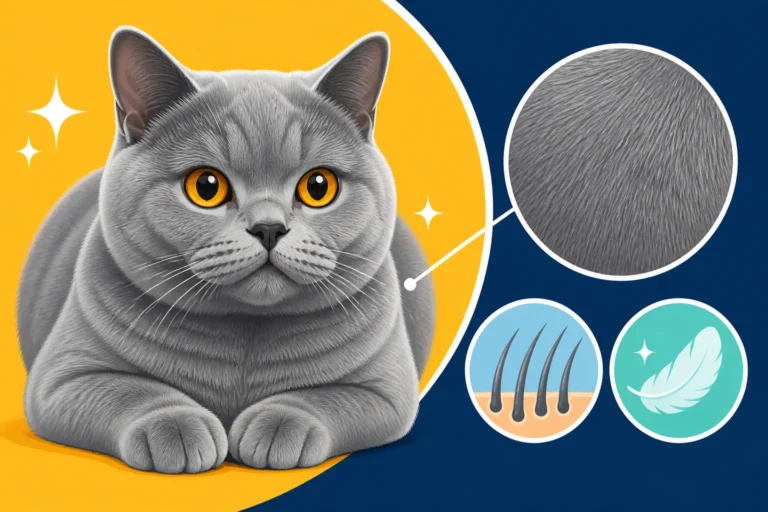
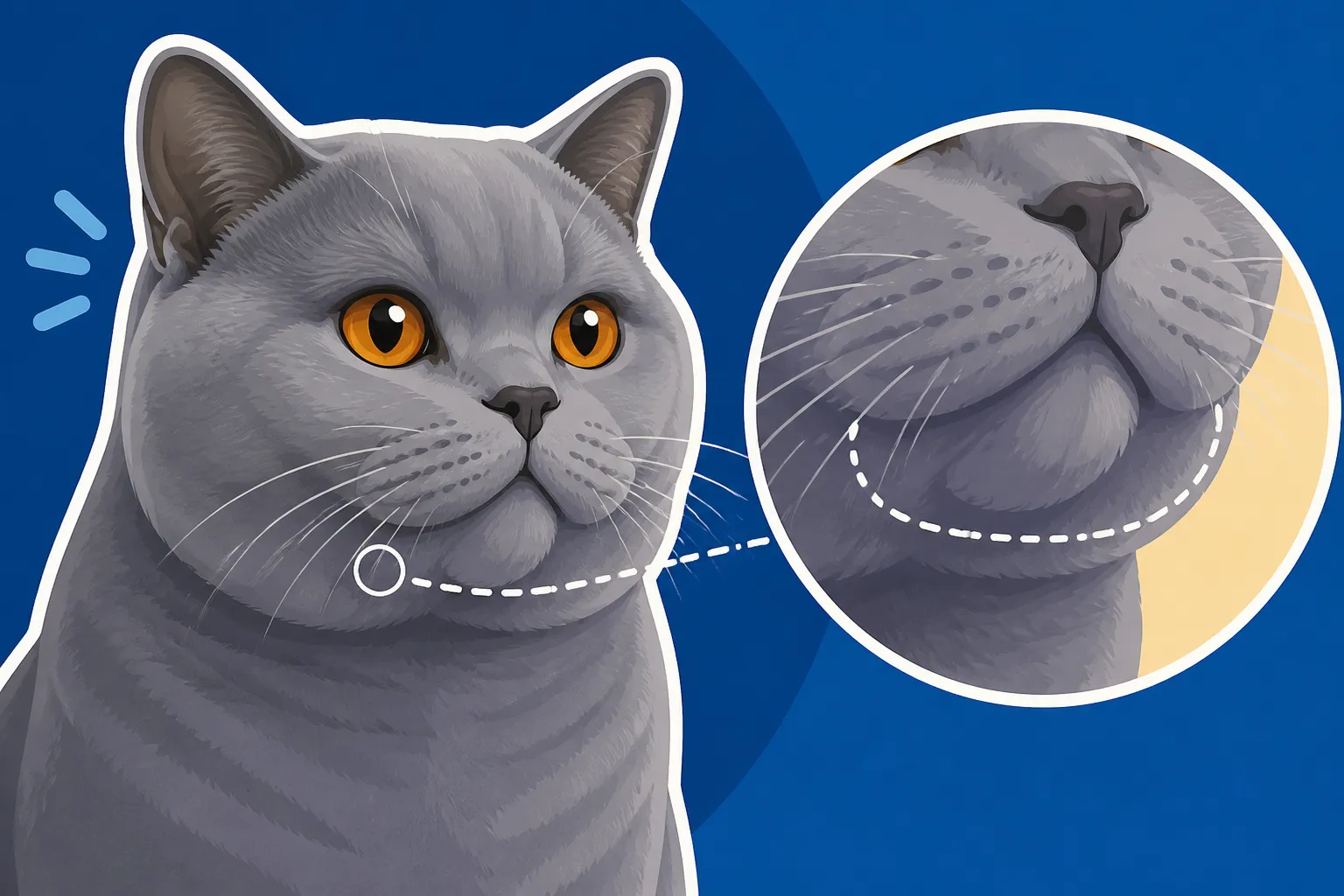
When we talk about a British Shorthair's jowls, we're really describing the robust, well-developed padding around their cheeks and jawline. This isn't just loose skin like you might see in some dog breeds; it's a firm, muscular, and slightly fatty deposition that gives their face that signature broad, rounded appearance. This fullness contributes to their overall "cobby" body type – that stout, compact, and powerfully built physique that is so characteristic of the breed. Their heads are meant to be large and round, and those full cheeks are an integral part of achieving that ideal spherical shape. It's a hallmark of their type, making them instantly recognizable.
Imagine looking at your British Shorthair head-on. You'll see their wide-set eyes, their short, broad nose, and then that magnificent width extending out from their cheeks. This width isn't just about fluff; it's about bone structure and muscle development that creates a strong, powerful jaw, often hidden beneath that plush, dense coat. It's part of why they always look so content and slightly grumpy at the same time, giving them an almost cartoonish charm. The jowls enhance this look, making their head appear even more substantial and appealing.
The Role of Genetics and Breed Standard in Jowl Development
The development of these prominent jowls is heavily influenced by genetics and is a highly desired trait within the British Shorthair breed standard. Breeders actively select for cats that exhibit this classic "roundness" because it’s a defining feature of the ideal British Shorthair. It’s not just a happy accident; it’s the result of generations of careful breeding to achieve that unmistakable look. Think of it as a sculptor carefully shaping clay; breeders work with genetics to craft that perfect, sturdy, and wonderfully rounded feline form.
This means that a British Shorthair kitten, even at a young age, might start showing signs of that developing facial fullness, which will only become more pronounced as they mature. It's often more noticeable in males, a topic we'll explore in more detail, but even females carry the genetic predisposition for that lovely round face. When you look at show cats, the jowls are often one of the first things judges notice, as they contribute so much to the breed's distinct "type." A British Shorthair without those substantial cheeks just wouldn't quite look right; it would lack that quintessential teddy bear quality. Why a British Shorthair Looks Like a Teddy Bear
Differentiating Jowls from Simple Facial Fat
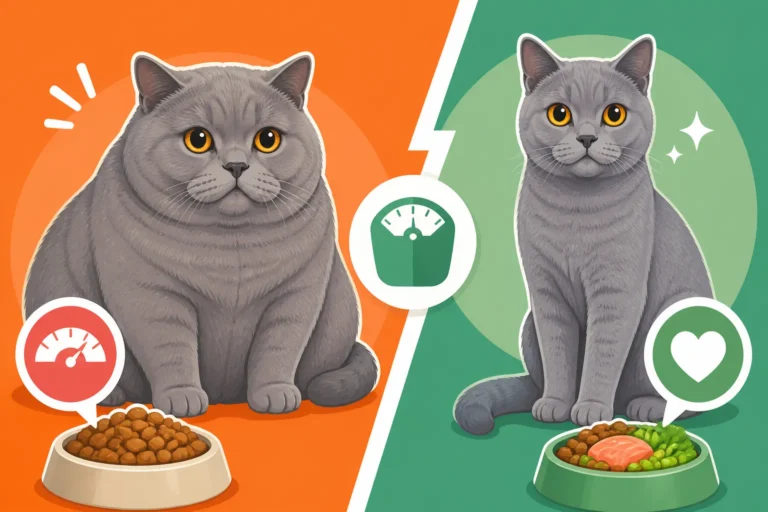
This is where it gets a little tricky for new British Shorthair owners. While true jowls are a breed characteristic, it's easy to mistake genuine facial fat caused by obesity for these desirable features. A British Shorthair is naturally a chunky, robust cat, but there's a fine line between "cobby" and "fat." Healthy jowls are firm and symmetrical, part of a strong, broad head structure. They contribute to the overall impression of solidity, not flabbiness. They are proportionate to the rest of the cat's impressive physique.
However, if your cat is truly overweight, that excess fat will accumulate everywhere, including on their face and neck. This might manifest as a softer, less defined facial roundness, or even noticeable fat rolls around the neck and throat area that hang a bit more loosely. It's not the same firm, sculpted look of true jowls. While the breed's dense coat What a British Shorthair's Coat Is Like can sometimes make it harder to assess their body condition, learning to feel your cat's ribs and spine is crucial to telling the difference. We'll delve deeper into this distinction and the health implications of obesity later in this guide, but for now, remember that ideal jowls are a structural feature, not just excess adipose tissue.
The Hormonal Influence on British Shorthair Jowls
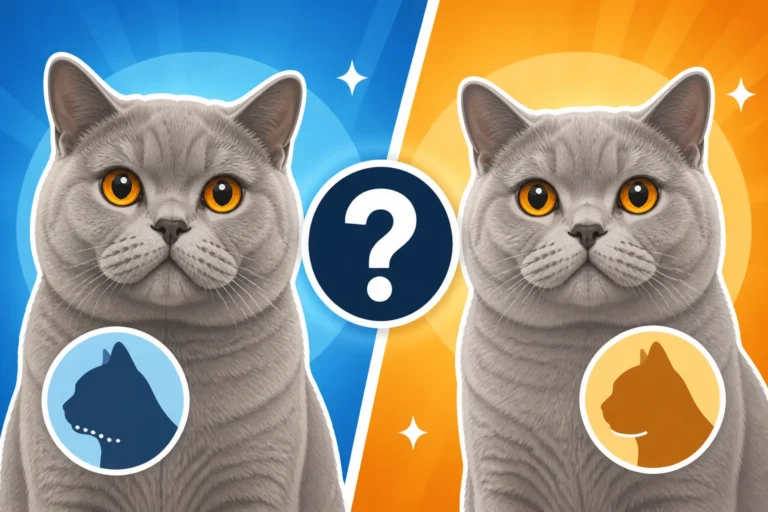
It's fascinating how much hormones shape not just behavior, but also the physical appearance of our beloved cats. When it comes to the pronounced jowls of a British Shorthair, hormones, particularly testosterone, play a significant and often unmistakable role. This is why you'll see a noticeable difference in the facial structure between an intact male, a neutered male, and a female British Shorthair.
How Testosterone Shapes the Male British Shorthair's Face
The most impressive jowls are typically found on intact (un-neutered) male British Shorthairs. This isn't a coincidence; it's directly related to the presence of testosterone. As a male British Shorthair matures and his testosterone levels increase, his body undergoes several changes, and one of the most visible is the development of these magnificent jowls. Think of it as a secondary sexual characteristic, similar to how male lions develop manes. These jowls signify masculinity and maturity in a male cat. What Jowls Are on a British Shorthair
This hormonal influence leads to a broadening of the skull and the deposition of muscle and fat pads around the cheeks and jawline, giving them that truly formidable and teddy-bear-like appearance. These jowls are a sign of a strong, healthy stud cat and are highly prized in the show ring. If you've ever seen an un-neutered British Shorthair male in his prime, you'll understand just how impressive these jowls can become, often making his head appear even larger and more commanding than the rest of his already sturdy body. It's a gradual process, often becoming most apparent as they reach full maturity, around three to five years old. How Long a British Shorthair Takes to Fill Out
The Impact of Neutering on Jowl Size and Development
So, what happens if your handsome boy gets neutered? The timing of neutering can significantly impact jowl development. If a male British Shorthair is neutered at a young age, before he's had a chance for his testosterone levels to fully kick in and stimulate jowl growth, he's much less likely to develop those prominent cheeks. The hormonal signal that drives their development is simply not there. His face will still be beautifully round and broad, consistent with the breed, but it won't have that exaggerated, almost puffy look of an intact stud.
If a male is neutered later in life, after he has already developed significant jowls, the outcome can vary. While the cessation of testosterone production means no further development, existing jowls may or may not recede significantly. Some cats might see a slight softening or reduction over time, but often, the underlying bone structure and some of the tissue development remain. It’s important for owners to have realistic expectations; neutering isn't a magic wand that will make fully formed jowls disappear completely. However, it will prevent them from becoming even larger and more defined. Whether a Neutered British Shorthair Keeps His Jowls
Facial Fullness in Female British Shorthairs: Not Quite Jowls
Now, let's talk about the ladies! Female British Shorthairs absolutely have lovely, round faces, which is a key part of their breed type. However, they typically do not develop the same prominent, pendulous "jowls" that intact males do. This is because they don't produce the same high levels of testosterone. Whether Only Entire Male British Shorthairs Get Jowls Their facial roundness comes more from their inherent bone structure and overall breed-typical robust build, rather than the hormone-driven padding seen in males.
A female British Shorthair's face will still be broad and full-cheeked, giving her that sweet, teddy bear expression. You’ll see that lovely spherical quality, but it will be a more refined and less exaggerated version compared to a mature, intact male. This distinction is important for understanding the breed standard and recognizing healthy variations. If a female British Shorthair has very prominent, almost jowly cheeks, it's worth considering if it's due to genetics for a particularly broad head, or if it might be a subtle indicator of being overweight. This leads us perfectly into our next crucial discussion: distinguishing healthy breed features from health concerns.
Jowls Versus Obesity: A Critical Distinction for Your Cat's Health
It's easy to fall in love with the plush, sturdy build of a British Shorthair. They are designed to look substantial, and that includes their wonderfully round faces and impressive jowls. However, there's a crucial difference between a well-conditioned, robust British Shorthair with healthy jowls and one that is carrying excess body fat, leading to obesity. Misinterpreting this can have serious implications for your cat's long-term health and well-being.
Identifying When Full Cheeks Become Unhealthy Weight Gain
The primary challenge for many British Shorthair owners is discerning whether that adorable plumpness is breed-appropriate or a health risk. Healthy jowls, as discussed, are firm and part of a broad, well-boned head. They contribute to the overall "cobby" appearance, where the cat is solid and compact. When you feel a cat with healthy jowls, their head should feel substantial and well-proportioned to their body.
However, if your British Shorthair is gaining unhealthy weight, this fat will not only accumulate on their body but also on their face and neck. You might notice that the facial roundness feels softer, less defined, and perhaps even a bit saggy around the chin or throat. This isn't the firm, muscular padding of true jowls. A simple way to check is to try to feel your cat's ribs. On a healthy British Shorthair, even with their dense coat, you should be able to gently feel their ribs without pressing too hard. If you have to push to feel them, or if you can't feel them at all, your cat is likely overweight. Similarly, try to feel for a waist or an abdominal tuck; an overweight cat will often lack a discernible waistline. How to Tell a Chunky British Shorthair From a Fat One
The Broader Health Risks Associated with Facial and General Obesity
Allowing your British Shorthair to become overweight, or worse, obese, is far more than just an aesthetic issue; it's a serious health concern that can dramatically shorten their lifespan and diminish their quality of life. Excess fat on the face is usually a clear indicator of overall body obesity, which puts a tremendous strain on all of your cat's bodily systems. Obesity Is the British Shorthair's Real Disease
Obesity can lead to a host of health problems, including:
- Diabetes: Just like in humans, overweight cats are significantly more prone to developing diabetes. Diabetes in a British Shorthair
- Joint Problems: The extra weight puts immense pressure on their joints, predisposing them to arthritis and mobility issues, especially as they age. What Obesity Does to a British Shorthair's Joints
- Heart Disease: While British Shorthairs are already predisposed to certain heart conditions like HCM, obesity can exacerbate existing heart problems or contribute to new ones.
- Liver Disease: One particularly dangerous condition is feline hepatic lipidosis, or fatty liver disease, which can be life-threatening and is often triggered by rapid weight loss in an obese cat. What Obesity Does to a British Shorthair's Liver
- Urinary Tract Issues: Overweight cats are more prone to bladder stones and other urinary problems.
- Grooming Difficulties: An obese British Shorthair will struggle to reach and groom all parts of their body, particularly their back and hindquarters. This can lead to matted fur, skin infections, and general discomfort. Why an Overweight British Shorthair Stops Grooming Its Back
These are just a few of the reasons why maintaining a healthy weight for your British Shorthair is paramount. Their charmingly round faces should never mask a serious health problem.
Managing Your British Shorthair's Weight to Maintain Health
If you suspect your British Shorthair is leaning more towards obesity than healthy "cobby"ness, it's time to take action. The first and most important step is a visit to your veterinarian. They can accurately assess your cat's body condition score, rule out any underlying medical conditions contributing to weight gain, and help you develop a safe and effective weight loss plan. Remember, crash dieting can be dangerous for cats, so professional guidance is essential.
Your vet will likely recommend a combination of diet and increased activity. For diet, this usually means strict portion control and potentially a specific weight management food. Brands like Chewy offer a wide range of veterinary-recommended diet foods, and you can easily browse options online. Some owners also find success with high-protein wet food diets, as these can help cats feel fuller on fewer calories. The key is consistency and measuring everything. Forget free-feeding; it's a recipe for an overweight British Shorthair. How Many Calories a British Shorthair Needs
Increasing activity can be a challenge with these laid-back felines, but it's not impossible. Short, regular play sessions with wand toys, laser pointers (used responsibly to avoid frustration), or even puzzle feeders can help burn calories and stimulate their minds. Getting a Low Energy British Shorthair to Move Look for interactive toys on platforms like Amazon that encourage movement without requiring your cat to be a marathon runner. Even a few minutes of active play several times a day can make a difference. Patience and persistence are key, but the effort is truly worth it for your British Shorthair's long-term health.
Caring for a British Shorthair's Face: From Jowls to Health Concerns
Understanding and appreciating your British Shorthair's unique facial features, including their distinctive jowls, is part of being a good owner. But it's also important to remain vigilant about their health, ensuring that any changes in their facial appearance are normal and not indicative of a problem. Routine care and careful observation are your best tools.
Routine Care and Monitoring of Your British Shorthair's Facial Area
Thankfully, British Shorthairs, despite their dense coats, don't require overly complex grooming routines for their faces. Their short, crisp fur generally stays clean on its own. However, regular, gentle inspection is always a good idea. Take a moment during petting sessions to softly feel around their cheeks, jawline, and under their chin. This familiarizes you with their normal feel and allows you to quickly spot any abnormalities.
During these checks, pay attention to their eyes and ears. Some British Shorthairs might have a tendency for watery eyes, leading to tear staining, especially in lighter-colored individuals. A gentle wipe with a damp, soft cloth can keep this area clean. While British Shorthairs generally have clean ears, a quick visual check for redness, discharge, or excessive wax is prudent. You might also want to gently lift their lips to peek at their gums and teeth. How Often a British Shorthair Needs a Dental Maintaining good oral hygiene is critical for preventing a host of problems that can manifest as facial swelling.
Beyond basic hygiene, simply appreciating their unique facial structure is part of the joy of owning this breed. Those robust jowls and broad cheeks are hallmarks of their endearing appearance, a testament to the careful breeding that has gone into creating these magnificent cats. They're a symbol of the British Shorthair's stoic charm and the loving companionship they provide.
Recognizing When Facial Swelling Indicates a Problem
While we celebrate the healthy jowls of a British Shorthair, it’s absolutely vital to be able to distinguish these normal features from signs of genuine health problems. Sudden, asymmetrical, or painful swelling on your cat's face is a red flag and warrants immediate veterinary attention. This is not normal jowl development and could indicate a serious underlying issue.
Here are some signs that facial swelling might be a cause for concern:
- Asymmetry: One side of the face looks significantly more swollen than the other. Healthy jowls are symmetrical.
- Sudden Onset: The swelling appears quickly, rather than developing gradually over months or years.
- Pain or Discomfort: Your cat flinches, paws at their face, has difficulty eating, or shows signs of pain when you touch the swollen area.
- Redness or Heat: The swollen area might feel warm to the touch or appear inflamed.
- Abscess or Lump: You might feel a distinct, firm, or fluid-filled lump under the skin.
Common causes of concerning facial swelling include:
- Dental Issues: An abscessed tooth, severe gingivitis, or an infection in the mouth can cause significant swelling around the jaw and cheek.
- Trauma: A blow to the face or a bite wound (especially if your British Shorthair has outdoor access or gets into scuffles with other pets) can cause swelling.
- Allergic Reaction: Although less common, an acute allergic reaction can sometimes cause facial swelling, particularly around the muzzle or eyes.
- Infections: Other types of infections, such as those from a scratch or puncture wound, can also lead to local swelling.
- Tumors: In rare cases, a growth or tumor could be the cause, especially in older cats.
If you observe any of these worrisome signs, do not delay in contacting your veterinarian. Early diagnosis and treatment are crucial for the best possible outcome. Don't assume it's "just their jowls" if something feels or looks different from their normal, healthy roundness.
Here's a quick comparison to help you tell the difference:
| Feature | Healthy British Shorthair Jowls | Concerning Facial Swelling (Not Jowls) |
|---|---|---|
| Appearance | Symmetrical, firm, broad, contributes to round head | Asymmetrical, localized lump, puffy, or generalized |
| Onset | Develops gradually with age and maturity | Sudden appearance, sometimes overnight |
| Texture | Firm muscle/fat padding, consistent | Soft, squishy, fluid-filled, or hard, distinct mass |
| Pain/Discomfort | No pain, comfortable to touch, normal eating | Painful to touch, reluctance to eat, pawing at face |
| Color/Temp. | Normal skin color and temperature | Redness, warmth, inflammation |
| Commonly Seen In | Mature, especially intact male British Shorthairs | Any British Shorthair, regardless of age or sex |
| Action | Enjoy and appreciate! | Contact your veterinarian immediately! |
Disclaimer
This article is for general informational purposes only and does not constitute professional advice. Laws, prices and regulations vary by location and change over time. Consult a qualified professional for guidance on your specific situation.