How Much Treats Ruin a British Shorthair’s Diet
It's a familiar scenario for many British Shorthair owners: you’re trying your best to manage your beloved cat's weight, diligently measuring out their meals, only to find that progress is stalling or even reversing. The culprit, often lurking innocently in the background, is the humble cat treat. These tiny tokens of affection, given with the best intentions, can secretly sabotage even the most well-planned dietary efforts, leaving you frustrated and your chunky British Shorthair no slimmer. This guide will delve into just how much treats can derail your British Shorthair's diet and offer realistic strategies for a healthier approach.
The Deceptive Nature of Treats in a British Shorthair's Diet
Let's be honest, those big, round eyes and soft purrs make it incredibly hard to resist giving a treat. It feels like such a small thing, a simple way to show love or offer a little reward. But for a British Shorthair, a breed already predisposed to putting on weight, these seemingly innocent gestures can have a far greater impact than you might realize.
Why Treats Feel Harmless But Aren't
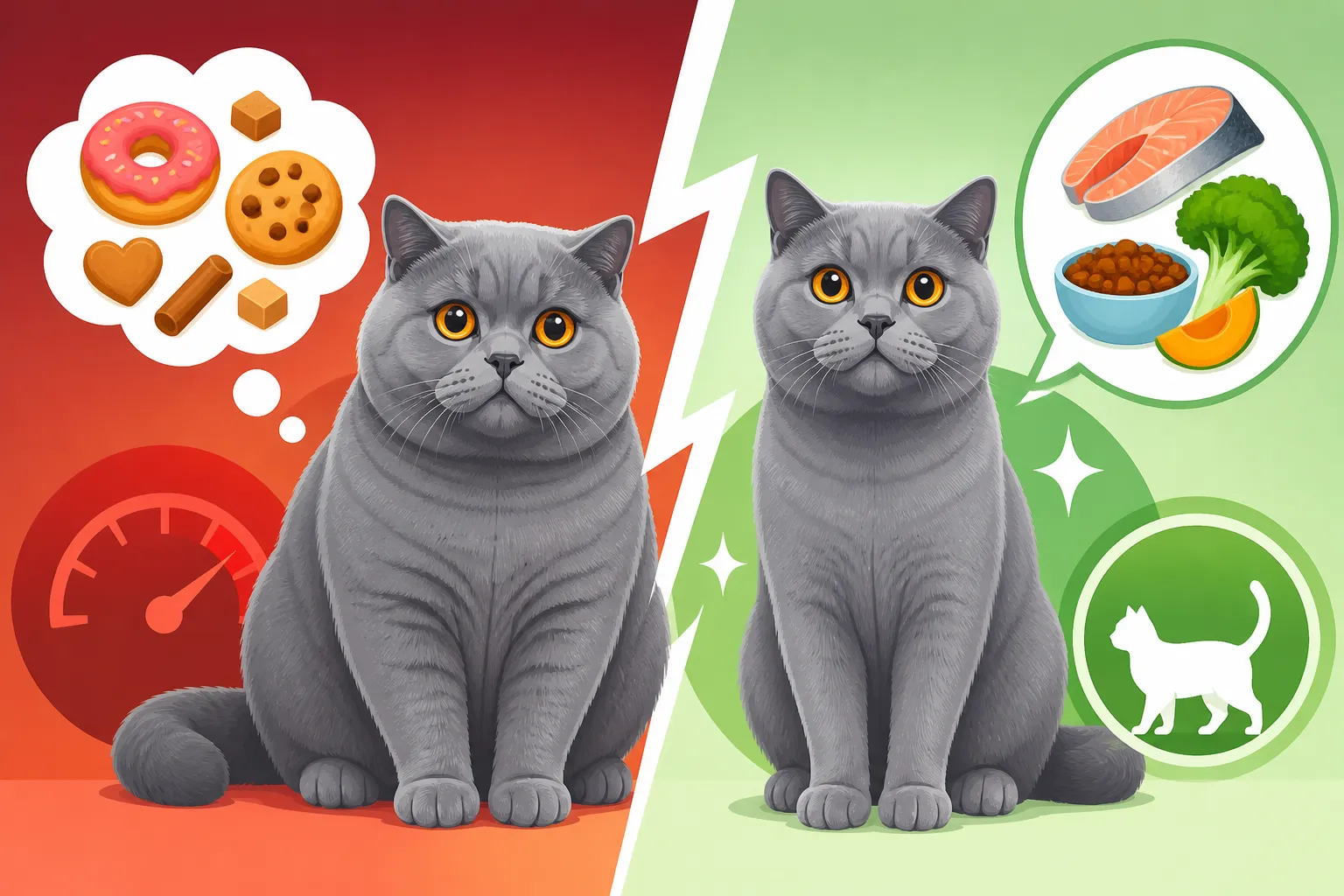
When you’re looking at a tiny biscuit or a sliver of freeze-dried chicken, it’s easy to dismiss its caloric contribution. We often think, "It's just one, what harm can it do?" The problem is that these "just ones" add up rapidly, especially when multiplied by multiple family members or given throughout the day. Your British Shorthair, with its famously calm demeanor and lower activity levels, simply doesn't burn calories like a more energetic cat might. Their dense, plush coat and naturally cobby body shape can also cleverly mask weight gain, making it harder to spot those extra pounds until they've really settled in. What might look like charming "chonk" is actually a silent health risk.
The Calorie Bomb Hidden in Small Bites
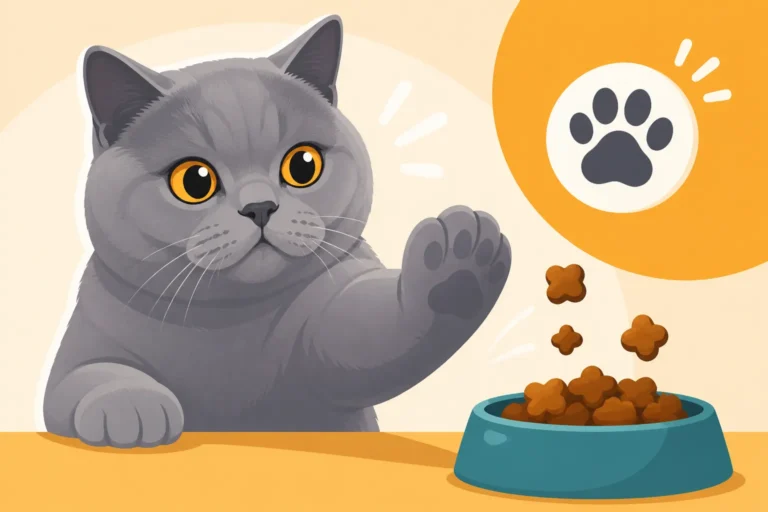
Even small cat treats are often surprisingly calorie-dense. Think of them as the concentrated dessert version of cat food. While a small piece might not look like much, it often packs the caloric punch of a much larger portion of their regular kibble. Unlike their balanced meals, which are carefully formulated to provide all necessary nutrients within a controlled calorie count, treats are generally just extra calories, often lacking in comprehensive nutritional value.
To put it into perspective, a single treat might be a mere nibble for us, but for a cat weighing 10-15 pounds, it can be the equivalent of you having a small candy bar. If you're trying to put your British Shorthair on a diet, where every calorie counts towards achieving a healthy deficit, these extra bits become a major roadblock. It's truly a stealthy sabotage, slowly but surely undermining your efforts.
Disrupting Mealtime and Nutritional Balance
Another often-overlooked issue with frequent treat giving is its effect on your cat's overall nutritional intake. If your British Shorthair fills up on treats, even a little, they might be less inclined to eat their specially formulated, complete, and balanced cat food. This means they could be missing out on vital vitamins, minerals, and proteins essential for their health, even while consuming excess calories.
A British Shorthair on a diet needs to consume fewer calories, but those calories still need to deliver all the necessary nutrients. Treats rarely contribute to this balance; instead, they often add empty calories. This can create a tricky situation where your cat is gaining weight but potentially experiencing nutritional deficiencies, which is the last thing you want when striving for a long and healthy life for your furry companion. Remember, Obesity Is the British Shorthair's Real Disease, and proper nutrition is the first line of defense.
Unmasking the Impact: How Treats Sabotage Weight Loss Efforts
You’ve carefully selected a quality food, perhaps even a specific weight-management formula, and you're measuring it meticulously. You're trying your best to get your British Shorthair to move a bit more, maybe with a new wand toy. Yet, the scale isn't budging, or worse, it's creeping up. It’s disheartening, and often, treats are the silent saboteurs behind this lack of progress.
Stalling Weight Loss Progress
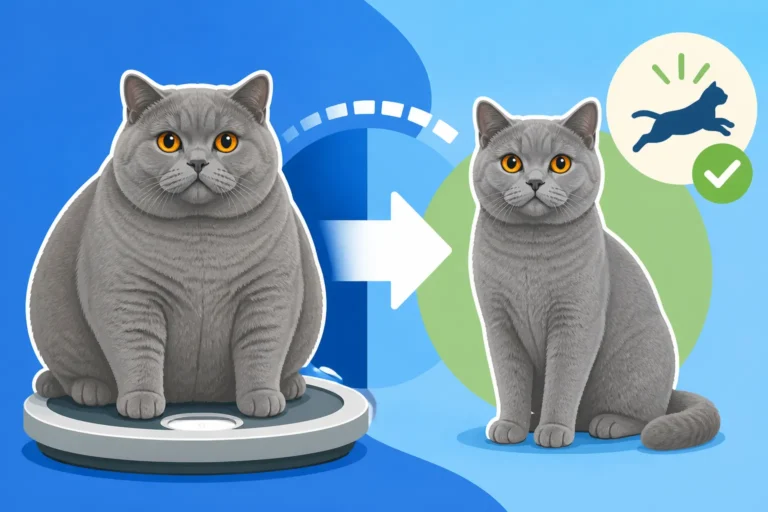
Weight loss, for humans and felines alike, boils down to a simple equation: calories in versus calories out. To lose weight, your British Shorthair needs to consume fewer calories than they burn. When you're feeding a controlled diet, you're aiming for a calculated caloric deficit. Even a few treats a day can completely wipe out this deficit.
Imagine you've reduced your British Shorthair's daily food by 50 calories to encourage weight loss. But throughout the day, your partner gives two treats, the kids sneak one after school, and you give another before bed. If each treat is, say, 15 calories, that's 60 extra calories right there. You've just undone all your careful measuring, and then some! The cat isn't losing weight, you're frustrated, and everyone wonders why the diet isn't working. It's not about being 'naughty' – it's about a fundamental misunderstanding of how quickly those tiny bites accumulate. This is why managing How Many Calories a British Shorthair Needs is crucial, and treats make that calculation much harder.
Fostering Begging and Undermining Training
British Shorthairs are smart cookies, and they quickly learn cause and effect. If a certain sound, a specific look, or a particular time of day consistently results in a treat, they will start performing that behavior. Soon, you have a charming but persistent beggar, purring sweetly by the treat jar or rubbing against your leg every time you walk into the kitchen. This isn't just annoying; it undermines any efforts you make to establish healthy boundaries around food.
Breaking a begging habit is far harder than preventing it. Every time a treat is given in response to begging, you're reinforcing that behavior. This can lead to a cycle of demands that become stressful for both you and your cat. It also teaches them that food is always available on demand, rather than being a structured part of their daily routine, which is vital when trying to implement How to Put a British Shorthair on a Diet.
Exacerbating Health Risks Beyond Weight Gain
The consequences of excessive treats extend beyond just stalling weight loss. An overweight British Shorthair is at a significantly higher risk for a whole host of health problems. We're talking about serious conditions like Diabetes in a British Shorthair, where the body struggles to process sugar, often requiring insulin injections and a lifetime of management.
Obesity also puts immense strain on their joints, potentially leading to or worsening arthritis, especially as they get older. Liver issues, urinary problems, and even certain cancers are more prevalent in overweight cats. High-fat or high-sugar treats can specifically contribute to metabolic imbalances that pave the way for these illnesses. When you consider the potential long-term veterinary costs and the impact on your cat's quality of life, those seemingly harmless treats start to look a lot more dangerous. It’s a bitter pill to swallow, but sometimes, tough love with food is the kindest thing you can offer.
Strategizing a Treat-Wise Approach for Your British Shorthair
So, what’s a loving cat parent to do? Completely cutting out treats can feel cruel, especially when they're such a common way to bond. The good news is you don't have to eliminate them entirely, but you absolutely need a strategic approach. It's about being mindful, making smarter choices, and remembering that true affection comes in many forms, not just food.
Redefining "Treats" with Health in Mind
First, let's redefine what a "treat" actually is. It doesn't always have to be a processed cat snack. Your British Shorthair appreciates your attention and interaction just as much, if not more, than an extra biscuit. Consider these healthy alternatives:
- Playtime: For a breed known to be somewhat sedentary (Play for a British Shorthair That Would Rather Not), a short, interactive play session with a feather wand or laser pointer is fantastic physical and mental enrichment. This uses up calories instead of adding them! You can find a great selection of engaging toys on platforms like Chewy or Amazon that will get even the most reluctant British Shorthair moving.
- Petting and Cuddles: British Shorthairs are typically affectionate on their own terms, often preferring to sit near you rather than directly on your lap, as highlighted in A British Shorthair Sits Near You, Not On You. Embrace this! A gentle head scratch or a nice rub behind the ears can be a huge reward.
- Verbal Praise: A soothing voice and positive reinforcement work wonders.
- Single-Ingredient Snacks: Small, pea-sized pieces of plain, cooked chicken, turkey, or even salmon (without any seasoning) can be a much healthier option than many commercial treats. These are pure protein and usually much lower in calories and fillers. Always check with your vet before introducing new human foods.
Implementing a Strict Treat Budget
If you absolutely must give commercial treats, treat them like a precious, limited resource. This means establishing a strict budget.
- Calculate Daily Calories: Work with your vet to determine your British Shorthair's ideal daily caloric intake for weight maintenance or loss, considering How Much a British Shorthair Should Actually Eat.
- Allocate a Tiny Percentage: Dedicate no more than 5-10% of their total daily calories to treats. This is a very small amount, typically just a few pieces.
- Measure and Divide: Don't eyeball it. Measure out the exact number of treats allowed for the entire day. Put them in a small container. Once they're gone, they're gone. This prevents accidental overfeeding.
- Consistency is Key: Ensure every member of the household understands and adheres to this budget. Post a note on the fridge if you have to! Consistency is the bedrock of any successful diet.
Remember, a "weight control food" from a brand like Purina or Royal Canin is specifically formulated to be lower in calories while still providing essential nutrients. Adding regular treats on top of this defeats the purpose.
Innovative Ways to Show Affection Without Food
Our cats understand love in many ways beyond food. They cherish our presence, our touch, and our attention.
- Grooming Sessions: British Shorthairs love a good grooming session, which also keeps their dense coat healthy. Regular combing, as discussed in How a British Shorthair Takes to Brushing, can be a wonderful bonding experience.
- Puzzle Feeders (with regular kibble): Instead of using treats in puzzle feeders, use a portion of their daily kibble allowance. This provides mental stimulation and slows down eating without adding extra calories. You can find many engaging options on Chewy or Amazon.
- Target Training: Teach your British Shorthair simple tricks like "sit" or "come" using positive reinforcement and verbal praise, or those tiny, measured healthy treats. This engages their minds and strengthens your bond. Many British Shorthairs respond well to short, engaging play sessions, especially with a Which Wand Toy a British Shorthair Will Chase. Even though Why a British Shorthair Will Not Exercise Itself is a common trait, consistent, short play sessions can make a difference.
Practical Tips for a Treat-Conscious Household
Successfully managing treats for your British Shorthair, especially one on a diet, requires a concerted effort from everyone in the household. It’s about creating new habits and fostering a shared understanding of what’s truly best for your cat’s health.
Communicating with Family and Guests
This is perhaps the trickiest part! You might be diligently managing the diet, but if others are unaware or less strict, your efforts can easily be undermined.
- Family Meeting: Have an honest conversation with everyone in the house about your British Shorthair’s health goals. Explain why limiting treats is so important for their long-term well-being and helps avoid costly veterinary bills later on. Refer to resources like What an Overweight British Shorthair Costs at the Vet to illustrate the financial impact of obesity-related issues.
- Designate a "Treat Person": If possible, appoint one person responsible for all treat distribution each day. This prevents multiple people from giving treats and exceeding the budget.
- Polite Requests for Guests: When friends or family visit, politely explain that your British Shorthair is on a special diet and ask them to refrain from offering any food or treats. Suggest alternative ways for them to interact, like offering a gentle scratch or a quick play session with a toy. Most people will understand if you explain it's for their health.
Reading Labels and Choosing Wisely
Not all treats are created equal. If you decide to include commercial treats, make informed choices.
- Check Calorie Counts: Look for the calorie content on the packaging. Many brands now provide this. Choose treats that are explicitly low-calorie or designed for weight management.
- Simple Ingredients: Opt for treats with a short, recognizable ingredient list. Avoid treats with a lot of fillers, artificial colors, or excessive sugar.
- Dental Treats: Some dental treats can offer a dual benefit of supporting oral health while serving as a reward. However, remember they still contribute calories, so factor them into your daily budget. Brands available on Chewy or Amazon often list detailed nutritional information, helping you compare.
- Freeze-Dried Options: Single-ingredient freeze-dried meats are often a good choice, as they are usually just protein with very little else, but always check their caloric density.
| Treat Habit | Impact on Diet and Health | Recommendation |
|---|---|---|
| Frequent small treats | Calorie accumulation, stalls weight loss, encourages begging. | Strictly limit to a small, pre-measured daily allowance, or eliminate. |
| High-calorie treats | Rapid weight gain, contributes to obesity-related diseases. | Choose low-calorie, single-ingredient options or use a portion of regular kibble. |
| Treats for begging | Reinforces unwanted behavior, constant demands. | Offer non-food rewards like playtime or petting; ignore begging. |
| Random treat giving | Undermines diet plan, makes calorie tracking impossible. | Designate one person to distribute treats from a daily allowance; use a clear schedule. |
| Unbalanced treats | Provides empty calories, displaces nutritious food. | Prioritize balanced meals; use treats that offer some nutritional value if possible. |
The Long-Term Benefits of a Controlled Treat Regimen
It might seem like a lot of effort to police treats, but the benefits for your British Shorthair are immense and long-lasting.
- Sustainable Weight Management: A treat-conscious approach leads to more effective and sustainable weight loss or maintenance. Your cat will achieve and maintain a healthy weight more easily.
- Improved Health and Vitality: With a balanced diet and proper weight, your British Shorthair will have better overall health, more energy, and reduced risk of chronic diseases. This means fewer vet visits related to obesity, which can significantly reduce What the First Year With a British Shorthair Costs and beyond.
- Stronger Bond (Not Based on Food): By shifting your affection from food-based rewards to interaction and play, you'll develop a deeper, more meaningful bond with your British Shorthair that isn't reliant on edible bribes. They'll appreciate your company, not just your ability to dispense snacks.
- A Longer, Happier Life: Ultimately, a healthier weight and lifestyle mean your British Shorthair is much more likely to live out their full The Twelve to Seventeen Years a British Shorthair Gets, full of purrs and contentment. Isn't that what every cat owner truly wants?
Taking control of treats is a small change with a monumental impact on your British Shorthair's health and happiness. It’s an investment in their future, ensuring they remain the plush, amiable companions we adore, without the hidden burden of unnecessary weight.
Disclaimer
This article is for general informational purposes only and does not constitute professional advice. Laws, prices and regulations vary by location and change over time. Consult a qualified professional for guidance on your specific situation.