What British Shorthair Owners Wish They Had Known
So many of us fall in love with the adorable teddy bear looks of a British Shorthair, envisioning a cuddly, docile companion. But the reality of living with one can be quite different from those Instagram-perfect moments. This guide dives deep into the honest truths and quirky habits British Shorthair owners often wish they'd known before bringing their fluffy friend home, helping you prepare for the unique joys and challenges of this wonderful breed.
The Unapologetically Independent Personality
It's easy to see a British Shorthair and assume they'll be draped over your shoulders, purring incessantly, a truly interactive cat. The truth is, while they are incredibly affectionate in their own way, their expression of love is often far more subtle and independent than many first-time owners anticipate. This isn't a flaw in their character; it's just who they are.
Not Your Average Lap Cat
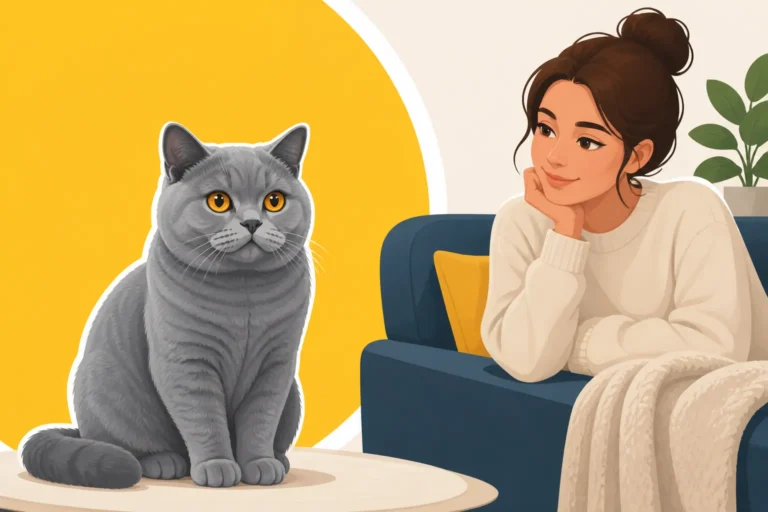
Let's get this straight from the start: most British Shorthairs are not "lap cats" in the traditional sense. If you dream of a cat constantly on your lap, purring as you stroke their fur, you might be in for a surprise. They often prefer to be near you, perhaps on the sofa cushion next to you, or even just in the same room, observing. They enjoy your presence, but on their terms. This isn't a sign of aloofness; it's simply their nature. They appreciate personal space and aren't typically ones to be held for long periods either. Many owners realize quickly that while their British Shorthair loves them dearly, physical closeness isn't always at the top of their priority list. For a deeper dive, check out A British Shorthair Sits Near You, Not On You and How Much of a Lap Cat a British Shorthair Is.
They might follow you from room to room, settle for a nap just out of arm's reach, or even sit on your feet. These are all expressions of their deep bond. Think of it less as a cold shoulder and more as a quiet, respectful presence. They are companions who share your space, not necessarily invade it. When they do choose to grace your lap, it's a special moment, cherished precisely because it's not an everyday occurrence.
The Quiet Observer
If you're looking for a cat that "talks" to you all day with loud meows and constant chatter, the British Shorthair might not be the right fit. They are, by and large, an incredibly quiet breed. Their vocalizations are often limited to soft chirps, trills, or a gentle purr. You might hear a tiny "mew" when they're hungry or want attention, but it's usually far from the insistent demands some other breeds are known for. How Vocal a British Shorthair Is really highlights just how understated their communication style is.
This quiet nature is part of their charm for many owners. They blend seamlessly into a calm household, preferring peace and routine. Don't mistake their silence for disinterest; they are often absorbing everything around them with those big, round eyes. Their expressive faces and subtle body language communicate far more than their voices ever will. You'll quickly learn to interpret a slow blink as a sign of affection, or a twitch of an ear as acknowledgment of your presence. For more on their hushed tones, read Why a British Shorthair Is So Quiet.
Their Affectionate Quirks
Despite their independent streak, British Shorthairs are deeply affectionate in their own unique ways. They're just not always demonstrative in the way some might expect. Their affection often comes in the form of gentle head-butts, slow blinks, or rubbing against your legs as you walk by. These subtle gestures are their way of saying, "I love you, and I appreciate your company." They might even "knead" their paws on you or on a nearby blanket, a throwback to kittenhood that signals deep contentment.
Many British Shorthair owners wish they had known to look for these specific, quiet signs of affection instead of expecting constant purring cuddles. Once you learn their language, you'll realize they are incredibly loving companions. They thrive on routine and gentle interaction, responding well to calm petting sessions and respectful attention. A British Shorthair might not jump into your arms, but they'll often be found snoozing contentedly on your bed or watching you from a sunny spot, a constant, comforting presence in your home. How a British Shorthair Shows Affection delves deeper into these endearing habits.
The Sedentary Lifestyle and Its Challenges
One of the biggest surprises for new British Shorthair owners is often their surprisingly low energy level. Those plush, round bodies are built for comfort, not for marathon play sessions, and this predisposition brings its own set of responsibilities and potential health challenges.
Built for Comfort, Not Speed
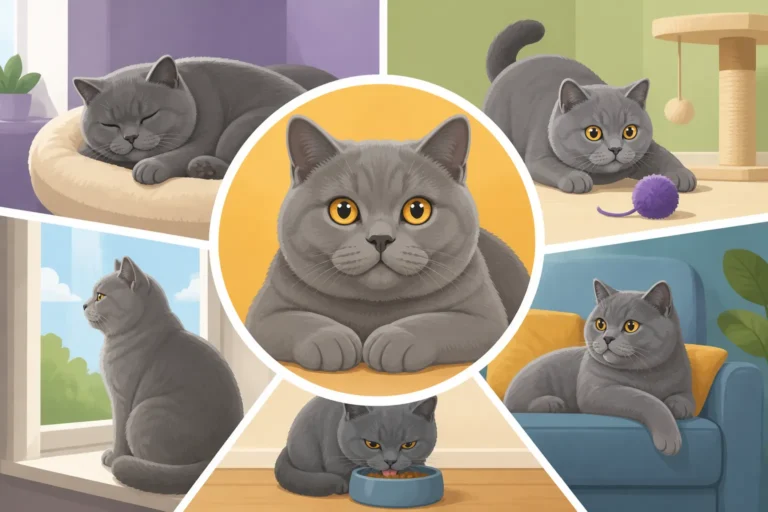
If you're hoping for a cat that will race around the house, climb to the highest perches, and engage in elaborate acrobatics, the British Shorthair might leave you feeling a little underwhelmed. They are, for lack of a better word, quite sedentary. They love to nap, to observe, and to simply be. Their energy levels are typically low, especially once they've passed kittenhood. A young British Shorthair kitten might have bursts of playful energy, but by the time they are two or three years old, many settle into a decidedly calm, almost lazy, routine. This laid-back nature is wonderful for a quiet household, but it also means owners need to be proactive about encouraging movement. You can find more tips on this in Getting a Low Energy British Shorthair to Move.
Their compact, cobby build makes them less inclined to be agile climbers or jumpers. While they can certainly jump onto a sofa or a low cat tree, you won't often find them scaling your bookshelves or leaping across vast distances. They prefer solid ground and comfortable spots. This inherent calmness is a hallmark of the breed, contributing to their reputation as a relaxed, easygoing companion. However, it also means that owners need to consciously incorporate activity into their daily lives to keep them healthy. For insights into their typical activity levels, consider reading How Active a British Shorthair Is.
The Ever-Present Threat of Obesity
Given their naturally low energy levels and often hearty appetites, British Shorthairs are incredibly prone to weight gain. This is perhaps the single most common health issue owners face, and it's one many wish they'd taken more seriously from day one. That adorable "chunky" look can quickly become unhealthy obesity if not managed carefully. Obesity Is the British Shorthair's Real Disease isn't an exaggeration; it's a serious concern. They love their food, and they are masters of looking perpetually hungry, which can make it hard for well-meaning owners to resist.
A few extra pounds on a cat might not seem like a big deal, but for a British Shorthair, it can lead to a cascade of problems including diabetes, arthritis, and liver issues. Their dense coat can also mask weight gain, making it harder to spot until it's become significant. It's crucial to understand Why a British Shorthair Gains Weight So Easily so you can implement preventative measures early. Regular weighing and a disciplined feeding schedule are non-negotiable. Owners often regret not establishing strict portion control from kittenhood.
| Trait | Common Expectation | British Shorthair Reality |
|---|---|---|
| Temperament | Extremely cuddly, always on your lap | Affectionate, but values personal space; prefers being near you. |
| Vocalization | Meows a lot, very communicative | Generally very quiet, communicates with soft chirps/trills. |
| Activity Level | Playful, energetic | Calm, sedentary; often needs encouragement to play and exercise. |
| Grooming Needs | Easy, occasional brush | Dense double coat requires regular, specific combing to prevent mats and manage shedding. |
| Diet | Free-fed, eats what it needs | Prone to obesity; requires strict portion control and calorie management. |
Motivation Through Play and Food
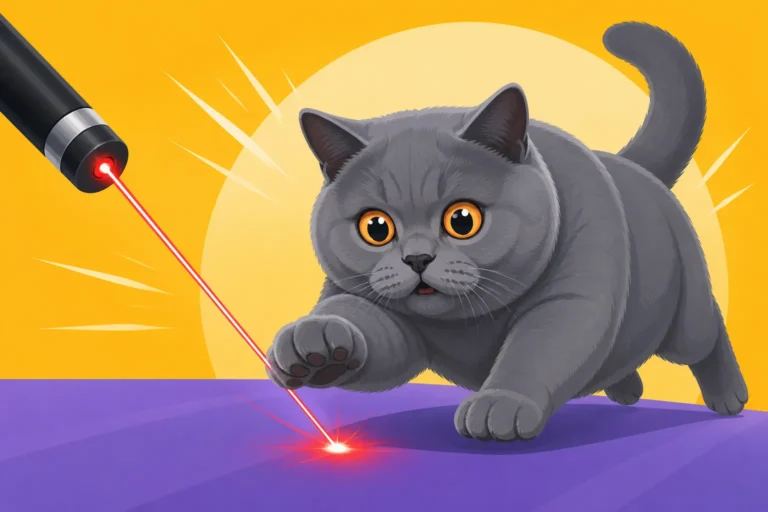
Getting a low-energy British Shorthair to exercise can feel like a full-time job. They aren't going to chase a laser pointer for hours on end like some breeds. You need strategies! Owners often learn that short, focused play sessions using specific types of toys are far more effective than hoping they'll entertain themselves. Wand toys with feathers or small plush items often work best, as they mimic prey and engage their hunting instincts without requiring too much sustained effort. Many popular interactive toys are available on Amazon that can entice even the most reluctant player.
Puzzle feeders can also be a fantastic way to engage their minds and make them work for their food, burning a few extra calories in the process. Scattering kibble for them to "hunt" can also encourage movement. The key is consistency and finding what motivates your individual cat. Don't give up if they're not interested in one type of toy; keep experimenting. Sometimes, the novelty of a new toy is enough to spark their interest for a short while. It's all about making exercise feel like a natural, low-effort part of their day. For more on this, check out Play for a British Shorthair That Would Rather Not.
Coat Care Beyond a Simple Brush
The British Shorthair's coat is one of its most defining features – thick, dense, and wonderfully soft to the touch. But many new owners underestimate the care required to keep it in prime condition, especially during shedding seasons.
That Dense, Crisp Coat
That glorious, plush coat that makes a British Shorthair look like a living teddy bear is also a double coat. It consists of a dense, soft undercoat and slightly coarser guard hairs that give it that distinctive "crisp" feel. A British Shorthair's Coat Stands Away From Its Body because of this density, creating a beautiful, rounded silhouette. What many don't realize until they're living with it is just how much this coat sheds, particularly during seasonal "blows."
Twice a year, usually in spring and autumn, British Shorthairs will "drop" their undercoat, and it can be a surprisingly large amount of fur. Owners often express surprise at the sheer volume of hair that comes off their cat during these times. It's not just a little loose hair; it's a serious shedding event that requires consistent attention to prevent mats and minimize fur tumbleweeds around your home. Understanding The Two Weeks a British Shorthair Drops Its Undercoat can help you prepare for these intense grooming periods. Even outside of these times, regular grooming is essential.
The Right Tools for the Job
Forget the slicker brush you might use for other cat breeds. A British Shorthair's dense coat needs a different approach. Many owners quickly discover that a good quality metal comb with both wide and narrow teeth is their best friend. A slicker brush can actually damage the guard hairs and pull too aggressively on the undercoat. Why a Comb Beats a Brush on a British Shorthair is something every new owner learns very quickly.
Combing helps to gently tease out loose undercoat, prevent mats from forming (especially in areas like the armpits and behind the ears), and distribute natural oils. You'll want to comb your British Shorthair several times a week, increasing frequency during shedding seasons. Investing in a sturdy metal comb (many great options on Amazon) is non-negotiable for proper coat care. Regular grooming also helps reduce the number of hairballs your cat ingests, which is a common issue with such a dense coat.
Dealing with Seasonal Shedding and Hairballs
The amount of hair a British Shorthair can shed, especially in spring, can be quite astounding for the unprepared owner. During these times, daily combing might be necessary to keep up. How Much a British Shorthair Sheds in Spring will give you an idea of what to expect. This isn't just about keeping your furniture clean; it's also about your cat's health. Ingesting too much loose fur can lead to hairballs, which can be uncomfortable for your cat and, in severe cases, cause blockages requiring veterinary intervention.
Many owners wish they had started preventative measures for hairballs earlier. In addition to regular combing, some cats benefit from hairball paste or specialized foods designed to help pass fur through their digestive system. You might also notice your British Shorthair needing a little extra help with grooming their back as they get older or if they become overweight, as their compact bodies can make it hard to reach. Being prepared for shedding and proactive about hairball prevention is a key part of British Shorthair ownership.
Health and Longevity: What to Prepare For
While British Shorthairs are generally a robust breed, like all purebreds, they do have certain predispositions that prospective owners should be aware of and factor into their long-term care plans.
Understanding Breed-Specific Health Concerns
Two of the most talked-about health concerns in the British Shorthair breed are Hypertrophic Cardiomyopathy (HCM) and Polycystic Kidney Disease (PKD). HCM is a heart condition where the walls of the heart muscle thicken, making it harder for the heart to pump blood effectively. It can be a silent disease, often showing no symptoms until it's quite advanced. What HCM Does to a British Shorthair's Heart is a critical read for any owner. There is no specific DNA test for HCM in British Shorthairs, making regular echocardiograms (heart scans) the only reliable screening method.
PKD, on the other hand, is a hereditary condition where fluid-filled cysts develop in the kidneys. While it was more prevalent when Persians were outcrossed to rebuild the British Shorthair lines (as explored in Polycystic Kidney Disease Came Into the British Shorthair With the Persians), reputable breeders have largely eliminated it through DNA testing. However, it's always something to be aware of and ensure your breeder has screened for. Understanding these predispositions upfront allows you to ask the right questions and ensure your chosen kitten comes from well-screened parents.
The Importance of Regular Vet Checks and Screening
Given the potential for conditions like HCM, regular veterinary check-ups and proactive screening are paramount for a British Shorthair's long-term health. Many owners wish they had been fully prepared for the commitment of yearly heart screenings. While it can be an added expense, it's a vital part of ensuring your cat lives a full, healthy life. The Yearly Echo That Replaces a British Shorthair Gene Test emphasizes why this screening is so important. Early detection of any health issue, whether it's heart disease or something else, can lead to better management and a higher quality of life for your beloved companion.
Beyond specific breed screenings, general wellness exams are crucial. As British Shorthairs age, they can also be prone to issues like dental disease, arthritis (especially if overweight), and hyperthyroidism. A good veterinarian will help you monitor for these conditions and develop a preventative care plan tailored to your cat's individual needs and the breed's known tendencies. Don't skimp on these annual visits; they are an investment in your cat's well-being.
Financial Realities of Long-Term Care
Caring for a British Shorthair throughout their life is a significant financial commitment, and many owners admit they underestimated the total costs involved. While the initial purchase price from a reputable breeder is substantial, it's just the beginning. The ongoing costs of high-quality food (especially if a prescription diet for weight management or urinary health becomes necessary), regular vet visits, yearly screenings like echocardiograms, potential medications for chronic conditions, and general supplies all add up. What a British Shorthair Costs Over Its Lifetime can be an eye-opener.
Beyond the routine, there's always the possibility of unexpected veterinary emergencies. A British Shorthair's propensity for obesity, for example, can lead to costly treatments for diabetes or joint problems down the line. Many owners wish they had budgeted more generously for these eventualities or considered pet insurance from an early age. Being realistic about the financial commitment is key to providing your British Shorthair with the best possible care throughout their 12 to 17 years. Planning ahead for these expenses can prevent difficult decisions later on.
Disclaimer
This article is for general informational purposes only and does not constitute professional advice. Laws, prices and regulations vary by location and change over time. Consult a qualified professional for guidance on your specific situation.