What a British Shorthair’s Chirp Means
Many British Shorthair owners are often caught off guard by the unique "chirp" sound their usually quiet feline companions make. It's not quite a meow, not a purr, and definitely not a growl, leading to a lot of head-scratching about what exactly this adorable vocalization means. This comprehensive guide will delve into the distinct world of the British Shorthair's chirp, exploring its characteristics, common triggers, and how you can better understand your beloved cat's communication.
The Peculiar Sound of a British Shorthair Chirp
Distinguishing a Chirp from Other Cat Sounds
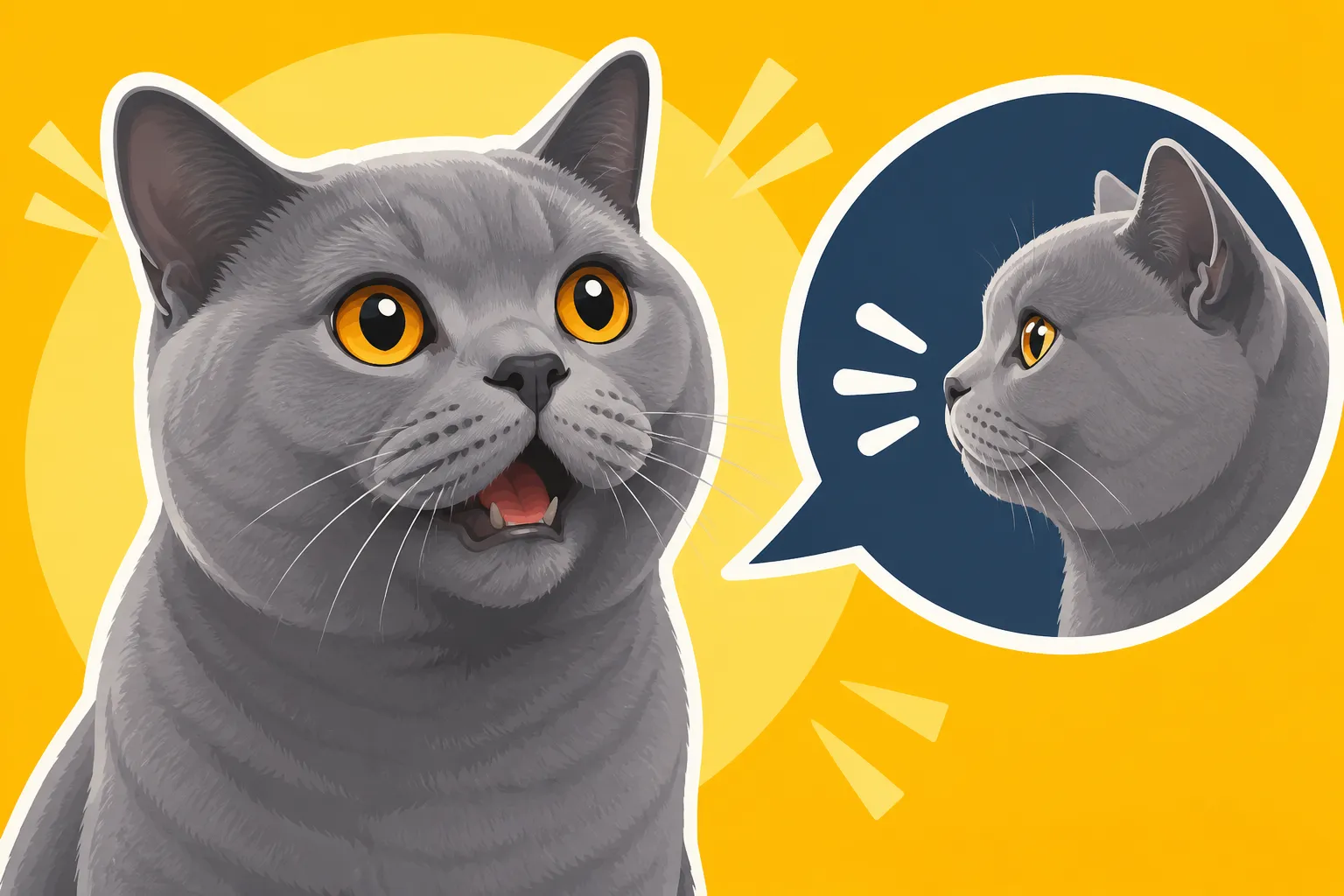
When your British Shorthair opens its mouth, you might expect a classic "meow," a rumbling "purr," or maybe even a hiss if they're feeling particularly put out. But then there's that distinct, almost bird-like sound – the chirp. It’s a short, often high-pitched vocalization that can sound like a trill, a staccato burst of sound, or even a soft clacking. Unlike a drawn-out meow that demands attention, or a purr that signifies contentment, the chirp often feels more spontaneous, a momentary reaction to something in their environment. It’s softer than a yowl and less aggressive than a growl, sitting in its own unique category of cat communication.
Many new British Shorthair owners, especially those accustomed to more vocal breeds, are genuinely surprised by this particular sound. They might wonder if their cat is trying to imitate a bird or if something is wrong. The reality is that the chirp is a perfectly normal, albeit distinctive, part of a British Shorthair's vocal repertoire, often serving specific communication purposes that differ from their other sounds. Understanding these nuances helps you appreciate the subtle ways your plush companion interacts with the world around them.
The Unique Sound Profile of the British Shorthair Chirp
The British Shorthair’s chirp is particularly interesting because it often sounds like a cross between a trill and a low-volume chatter. It's not typically a loud, attention-grabbing sound, but rather something you might hear when you're close by, or if your home is particularly quiet. The sound itself has a certain quality that sets it apart: it’s almost always short, rarely extended, and can sometimes be accompanied by a slight jaw tremor or a rapid opening and closing of the mouth, especially when they're intensely focused.
Think of it this way: a meow is like a spoken word, a purr is like humming, and a chirp is more akin to a quick, excited exclamation or an alert. It’s not used for sustained conversation but rather as a sharp, immediate response. This unique sound profile often aligns with the British Shorthair's generally reserved and calm demeanor. They're not known for being overly vocal, so when they do make a sound like a chirp, it carries significant meaning. How Vocal a British Shorthair Is can shed more light on their overall vocal tendencies, but the chirp truly stands out as a distinct and purposeful vocalization.
Why British Shorthairs Chirp: Unraveling the Message
Instinctive Communication: The Hunter's Call
One of the most common and fascinating reasons a British Shorthair chirps is when they spot potential "prey" – usually a bird, a squirrel, or even a fly fluttering outside a window. This isn't just a random sound; it's a deeply ingrained, instinctive behavior linked to their hunting heritage. When a cat chirps or "chitters" at prey, it's believed to be a frustrated vocalization, an expression of intense excitement mixed with the inability to reach the target. Imagine being a powerful hunter, seeing your dinner just beyond your grasp, and the involuntary sound that might escape your lips!
This "frustration chatter" is often accompanied by a distinct body language: dilated pupils, a twitching tail, an intensely focused gaze, and sometimes a low crouch as if preparing to pounce. It's their natural predator instinct bubbling to the surface, a primal response to the sight of movement. Even though your British Shorthair might be a pampered indoor cat with no real need to hunt for food, this ancient instinct remains strong, and the chirp is its vocal manifestation.
Expressing Excitement or Anticipation
Beyond just spotting prey, the chirp can also be a clear indicator of excitement or anticipation. This might happen when you're preparing their favorite meal, rattling a bag of treats, or even just picking up a favorite toy. The sound then becomes a joyful exclamation, a "Yay!" or "Oh, goody!" in cat language. It signals that they recognize a positive routine or an imminent pleasurable event.
Consider the scenario: you walk into the kitchen, open the treat cupboard, and before you even reach for the bag, your British Shorthair, who might have been lounging quietly on the sofa just moments before, starts chirping softly at your feet. This isn't a demand, but rather an expression of eager expectation. It's their way of saying, "I know what's coming, and I'm really looking forward to it!" This type of chirping often comes with a playful nudge or a happy tail flick, clearly indicating their positive mood. How a British Shorthair Shows It Is Pleased delves into other ways they express contentment.
Seeking Attention or Interaction
While British Shorthairs are famously independent and not always lap cats, they do seek attention and interaction on their own terms. Sometimes, a chirp can be a subtle invitation to engage. It's less insistent than a persistent meow, often used when they want to subtly draw your eye to them or encourage you to participate in an activity. For example, if they bring a toy to you and drop it, they might follow up with a soft chirp, hoping you'll pick it up and initiate a play session.
This attention-seeking chirp is often quieter and more directed than the "prey" chirp. It's their way of initiating contact without being overly demanding. Perhaps they want you to pet them, or maybe they just want you to acknowledge their presence. If you respond positively to these chirps, you can actually reinforce this form of communication, encouraging your British Shorthair to use it more often when they desire interaction. It’s a gentle, polite way for them to say, "Hey, I'm here, and I wouldn't mind a little bit of your time."
Chirping in Different Situations: Context is Everything
Chirping at Prey or Out the Window
This is arguably the most classic scenario for a British Shorthair's chirp. You'll often hear it when your cat is perched on a windowsill, completely engrossed in watching birds or squirrels outside. Their whole body language transforms: the eyes are wide and fixed, the tail might twitch just at the tip, and their jaw might even quiver slightly as those distinct chirps and chitters escape. It's a primal scene playing out right in your living room.
It’s not uncommon for them to produce a rapid series of these sounds, almost like a machine gun of little chirps, especially if the "prey" is particularly engaging or challenging to reach. The glass of the window, while protecting the wildlife, also creates an insurmountable barrier for your cat, intensifying that feeling of frustrated desire. While it might sound amusing to us, for your British Shorthair, it's a serious business, a momentary glimpse into their wild ancestry. They're communicating their intense focus and innate hunting drive, even if they know deep down that the robin outside is perfectly safe. What a British Shorthair Does All Day often includes a good portion of window-watching for many of these indoor cats.
Chirping During Playtime
Another common context for chirping is during active play sessions, particularly when they are engaged with wand toys or other interactive toys that mimic prey. As you dangle a feather wand or a crinkly ball, your British Shorthair might let out a few excited chirps before pouncing. This is a vocalization of pure joy and engagement, a way for them to express their enthusiasm for the hunt. It’s a sign that they are fully immersed in the game and their predatory instincts are activated in a fun, controlled environment.
When a British Shorthair is really into the game, the chirps can become more frequent and energetic, blending sometimes with a low growl of concentration if they're particularly intent on capturing the "pretend prey." This is a fantastic sign, indicating that they are enjoying the physical and mental stimulation that playtime provides. Investing in good quality interactive toys, readily available on platforms like Amazon, can really bring out this playful chirping, encouraging them to be more active. How to Get a British Shorthair to Play Daily offers more tips on engaging your sometimes-lazy feline.
Chirping to Greet You
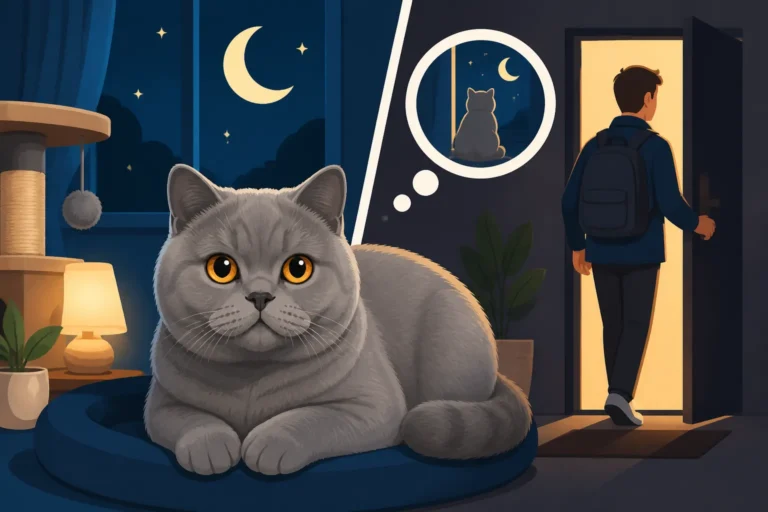
You might also notice your British Shorthair chirping softly when you arrive home or when you enter a room they are in. This type of chirp is a friendly greeting, a warm "hello" or "welcome back" from your usually reserved companion. It's a less formal, more intimate sound than a meow, often accompanied by a slow blink or a gentle rub against your legs. It indicates that they are pleased to see you and are acknowledging your presence.
This greeting chirp can be particularly endearing because it shows a level of affection and recognition. It's not a demand for food or immediate attention, but rather a simple expression of companionship. It strengthens the bond between you and your cat, as it's a clear sign they see you as part of their social group and are comfortable communicating their positive feelings. If your British Shorthair is prone to this, consider yourself lucky – it’s a lovely way for them to say they missed you. How a British Shorthair Greets Strangers might reveal a more reserved side compared to their greetings for you!
Here's a quick comparison of British Shorthair vocalizations:
| Vocalization | Typical Sound | Common Meaning | Body Language |
|---|---|---|---|
| Chirp | Short, bird-like, staccato | Excitement, anticipation, hunting instinct, greeting | Intense focus, tail twitch, dilated pupils, jaw quiver (for prey); relaxed, slow blink (for greeting) |
| Meow | Variable length, "mraaow" | Demanding attention, asking for food/pets, complaint | Approaching you, looking directly, sometimes persistent |
| Purr | Continuous rumble, vibration | Contentment, relaxation, sometimes self-soothing or pain | Relaxed posture, eyes closed or half-closed, often seeking physical contact |
| Trill | Rolling "brrrp" or "mrrep" | Friendly greeting, calling kittens, leading you | Usually relaxed, tail up, often leading you to something |
| Chatter | Rapid jaw movement, no sound or soft clicks | Intense focus on unreachable prey | Staring fixedly, body tense, often quiet |
| Hiss/Growl | Sharp expulsion of air, low guttural sound | Fear, aggression, warning | Ears back, puffed fur, crouched, ready to defend |
Beyond the Chirp: The British Shorthair's Quiet Nature
The British Shorthair's General Quiet Nature
It’s important to remember that British Shorthairs are generally known for being a relatively quiet breed. Unlike some more vocal cats who will engage in lengthy "conversations" with their owners, British Shorthairs tend to be more reserved in their vocalizations. They communicate a lot through body language – a flick of the tail, a slow blink, a gentle headbutt – rather than relying heavily on sounds. This quiet disposition is part of their charm for many owners who appreciate a calm and less demanding companion.
Their calm temperament means that every sound they do make often carries more weight and significance. A chirp from a British Shorthair isn't just background noise; it's a deliberate, albeit instinctive, form of communication. So, when you hear that distinctive chirp, it’s worth paying attention, because they’re usually trying to tell you something quite specific. Understanding this fundamental aspect of their nature helps put the chirp into proper perspective. Why a British Shorthair Is So Quiet can give you even more insights into their reserved communication style.
Meows, Trills, and Purrs: A Comparison
While the chirp is unique, British Shorthairs do use other vocalizations, albeit sparingly. Their meow is often soft and infrequent, usually reserved for direct requests, like "feed me" or "pet me now." It's rarely the insistent, piercing meow you might hear from a Siamese or a Bengal. They're more likely to sit patiently and look at you, perhaps with a soft meow, rather than creating a vocal ruckus. How a British Shorthair Asks for Food is a prime example of their subtle requests.
Then there's the trill, which can sometimes be confused with a chirp. A trill is more of a rolling "prrrrt" sound, often used as a happy greeting or to gather their kittens. It’s a slightly softer, more drawn-out sound than a sharp chirp and often indicates a relaxed, friendly disposition. What a British Shorthair's Trill Means explores this particular sound in more detail. Finally, the purr is, of course, a universal sign of contentment, and British Shorthairs do purr, often quite loudly, especially when they're enjoying a cuddle or a good scratch behind the ears. The chirp, however, stands apart as a specific, often context-driven sound, particularly associated with hunting instincts or sudden bursts of excitement.
Responding to Your British Shorthair's Chirp
Understanding the Context is Key
The most crucial step in responding to your British Shorthair's chirp is to observe the context in which it occurs. Are they looking out the window? Is it playtime? Are you preparing their meal? Or are they simply greeting you at the door? Each scenario informs the meaning behind the chirp and, therefore, how you should respond. Ignoring the context is like trying to understand a word without knowing the sentence it's in – you'll miss the true meaning.
For example, if they're chirping at a bird outside, simply acknowledging their excitement with a quiet, soothing voice can be enough. You don't need to join in the "hunt" through the window. However, if they chirp at you while dropping a toy at your feet, that’s an invitation to play, and a short, interactive play session would be a wonderful response. Paying close attention to their body language alongside the chirp will give you the clearest picture of what they are trying to communicate. How to Read a British Shorthair's Face can offer further clues to their mood and intentions.
Fostering a Bond Through Vocal Responses
Responding to your British Shorthair's chirps, even with just a soft word or a gentle glance, can significantly strengthen your bond. It shows them that you are listening and understanding their unique language. While they might not engage in long conversations, acknowledging their attempts at communication makes them feel heard and validated. This positive reinforcement can encourage them to vocalize more, enriching your interactions.
You can even try imitating their chirp sometimes! Many cats respond positively to their owners attempting to mimic their sounds, seeing it as a form of reciprocal communication. A soft, gentle chirp back can be a lovely way to say "I hear you, and I understand." Over time, this dialogue, however simple, builds a deeper connection and mutual understanding. Always remember to consider their natural temperament; pushing a typically reserved British Shorthair into constant vocalizations might not be their preference, but gentle, acknowledging responses are always welcome.
Enhancing Their Environment to Encourage Positive Chirping
Since chirping is often linked to excitement, anticipation, and play, you can strategically enhance your British Shorthair's environment to encourage these positive vocalizations. Providing engaging enrichment opportunities can lead to more happy chirps. Think about installing a sturdy window perch for prime bird-watching, or even a safe, enclosed "catio" if space allows, to bring them closer to nature's sights and sounds.
Interactive toys that mimic prey, like feather wands or toys that dispense treats, are fantastic for stimulating their hunting instincts and prompting those excited chirps during playtime. You can find a vast array of such toys on platforms like Amazon, ensuring you have plenty of options to keep your British Shorthair engaged and chirping happily. Even a simple, structured play session twice a day with a favorite toy can work wonders for their mental and physical well-being, translating into more of those delightful chirps. Remember, a stimulated British Shorthair is a happy and communicative one. How Active a British Shorthair Is influences how much effort they might put into seeking out these stimulations.
When Chirping Might Signal Something Else
Changes in Vocalization: When to Pay Attention
While chirping is generally a normal and often charming British Shorthair behavior, any sudden or significant change in their vocalizations warrants attention. If your typically quiet cat suddenly becomes excessively vocal, or if a sound that was once a gentle chirp becomes a distressed cry, it could be a subtle sign that something is amiss. Cats are masters at hiding pain or discomfort, so a change in their usual communication patterns is often one of the first indicators that they might be unwell.
It's not just about the type of sound, but also its frequency, intensity, and the context. Is your cat chirping incessantly without any obvious trigger? Is the chirp accompanied by other worrying signs, like lethargy, loss of appetite, changes in litter box habits, or unusual hiding? These are all cues that should prompt a closer look and potentially a visit to the vet. While a single odd chirp is likely nothing, a pattern of unusual vocal behavior should always be taken seriously, especially in a breed known for its reserved nature. Signs a British Shorthair Is Unwell elaborates on other symptoms to watch for.
Distinguishing Chirps from Discomfort Sounds
Sometimes, a sound that could be interpreted as a chirp might, upon closer inspection, be something else entirely, especially if your cat is in discomfort. A sharp, short vocalization could be a yelp of pain, a grumble of irritation, or a sound of distress if they are feeling unwell or have been startled. These sounds often have a different quality – they might be more strained, louder, or accompanied by defensive body language like flattened ears or a tense posture.
Learning to differentiate between a happy, excited chirp and a discomfort sound comes with time and careful observation of your specific cat. Pay attention to the entire picture: their posture, their facial expression, their tail movements, and the general situation. A British Shorthair that chirps while chasing a laser pointer is likely happy; one that makes a similar sound when you try to pick them up in a way they dislike might be expressing discomfort. Always err on the side of caution if you suspect your cat is in pain or distress.
The Role of Age in British Shorthair Vocalizations
As British Shorthairs age, their vocalizations can sometimes change. Older cats, particularly those facing cognitive decline or discomfort from conditions like arthritis, might become more vocal, including an increase in chirping or other sounds, often without a clear trigger. This can be a sign of disorientation or a need for reassurance. Conversely, some older cats might become even quieter if they are experiencing hearing loss or general weakness.
Monitoring changes in an older British Shorthair's chirping habits, along with other behavioral shifts, is crucial for their well-being. An increase in nocturnal chirping, for instance, could indicate feline cognitive dysfunction, where they might feel confused or anxious during the night. Providing comfort, a consistent routine, and checking in with your vet about age-related changes are important steps to ensure their continued happiness and health. Caring for a British Shorthair Past Ten provides valuable insights into the specific needs of senior cats, including changes in behavior and vocalization.
Encouraging and Enjoying Your British Shorthair's Chirps
Creating an Environment for Happy Chirps
To truly enjoy your British Shorthair's unique chirps, it's worth creating an environment that naturally encourages these happy vocalizations. Since many chirps are linked to their hunting instincts and excitement, providing plenty of opportunities for engaging play and observation is key. This doesn't mean you need to turn your home into a wild jungle, but rather strategically place items that appeal to their natural curiosity and predatory drives.
Consider adding vertical spaces, like cat trees or shelves, especially near windows. A British Shorthair enjoys observing the world from a high vantage point, and a tall, sturdy cat tree (you can find excellent, robust options suitable for their solid build on Amazon) can become a favorite spot for them to survey their domain and chirp at passing birds. Puzzle feeders can also elicit excited chirps as they "hunt" for their food, turning mealtime into a stimulating game. The goal is to provide mental and physical enrichment that taps into their innate behaviors in a safe and enjoyable way.
Interactive Play for the Reserved British Shorthair
As we've discussed, playtime is a prime opportunity for British Shorthairs to express themselves through chirps. However, getting a British Shorthair to engage in vigorous play can sometimes be a challenge, as they are not always the most active breed. The key is to find toys and play styles that genuinely capture their interest. Wand toys with feathers, crinkly materials, or even ribbons are often irresistible. The movement mimics prey, triggering their chase and pounce instincts.
Start with short, regular play sessions, perhaps 10-15 minutes, once or twice a day. Keep the movements unpredictable, just like real prey, and allow your cat to "catch" the toy frequently to prevent frustration. This success builds confidence and reinforces the positive association with playtime, leading to more excited chirps. Remember that Which Toys a British Shorthair Will Actually Chase can give you a head start on what might grab their attention, and seeing their soft chirps during a successful hunt is truly rewarding. Many options, from laser pointers to elaborate feather wands, are easily found on Amazon.
Cherishing the Quiet Moments and Subtle Communications
Ultimately, the British Shorthair's chirp is a precious part of their charm. In a world often filled with loud demands, their subtle communications, including their distinctive chirp, are a testament to their calm and endearing nature. It's a reminder to slow down, observe, and truly listen to the quiet language of your feline friend. Each chirp is a little window into their inner world, whether it's the thrill of the hunt, the joy of anticipation, or a gentle greeting.
Learning to understand and appreciate these nuances will only deepen the bond you share. So, next time your British Shorthair lets out that sweet, bird-like sound, take a moment to soak it in. It's not just a noise; it's a message, uniquely British Shorthair, and a sign of their connection to you and their world. They might not be the loudest cats, but their chirps speak volumes. What a British Shorthair's Temperament Is Really Like can further help you appreciate these nuanced behaviors.
Disclaimer
This article is for general informational purposes only and does not constitute professional advice. Laws, prices and regulations vary by location and change over time. Consult a qualified professional for guidance on your specific situation.