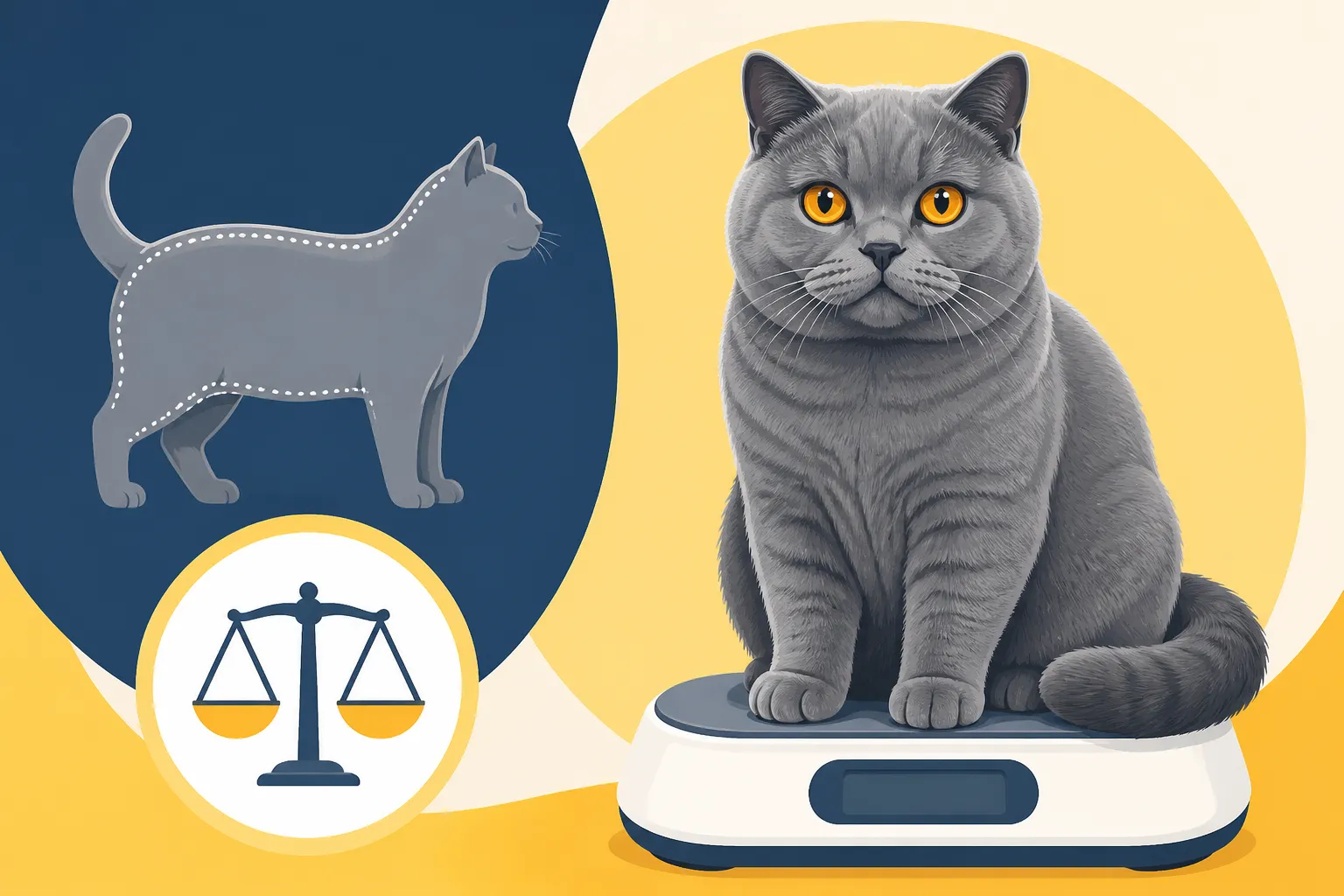
What a British Shorthair Should Weigh at Two Years
It’s a common scenario: your beautiful British Shorthair is approaching their second birthday, and you’re looking at this magnificent, dense creature, wondering if they’re just beautifully "cobby" as the breed standard suggests, or if they’re veering into overweight territory. It can be incredibly confusing to distinguish between a healthy, well-developed British Shorthair and one that's carrying a few too many pounds. This guide aims to clear up that confusion, giving you a realistic understanding of what a two-year-old British Shorthair should weigh and, more importantly, how to assess their body condition properly.
The British Shorthair's Growth Journey to Two Years
Many first-time British Shorthair owners are surprised by how long these cats take to reach their full majestic size. Unlike some other breeds that seem to hit their peak by their first birthday, British Shorthairs are a slow-maturing breed, and at two years old, while substantial, they're still often in a phase of filling out. This prolonged development can make judging their weight a bit of a moving target.
Understanding Their Unique Development Timeline
Let's face it, when you bring home a fluffy little British Shorthair kitten, you might not fully grasp just how much they’re going to grow. They don’t just get taller; they broaden, deepen, and truly develop that characteristic roundness that makes them so endearing. This isn't a quick process. While many cats are considered adults around 12 months, a British Shorthair at that age is still very much a teenager in development. They continue to gain muscle mass, their bone structure becomes more pronounced, and those adorable, full cheeks start to develop, sometimes taking up to five years to reach their ultimate glory.
At two years old, your British Shorthair is definitely a strong, solid cat, but they are very much still maturing. They might still add a little more muscle and fill out their chest and shoulders. This gradual growth can lead to owners underestimating how much more their cat will expand, or conversely, mistaking this natural "filling out" for unhealthy weight gain. It's a tricky balance, because you want them to reach their full potential, but not at the expense of their health. It’s all part of understanding How Long a British Shorthair Takes to Fill Out and when you can expect to see When a British Shorthair Reaches Its Adult Head.
Beyond Just the Scale: Bone Structure and "Cobby" Build
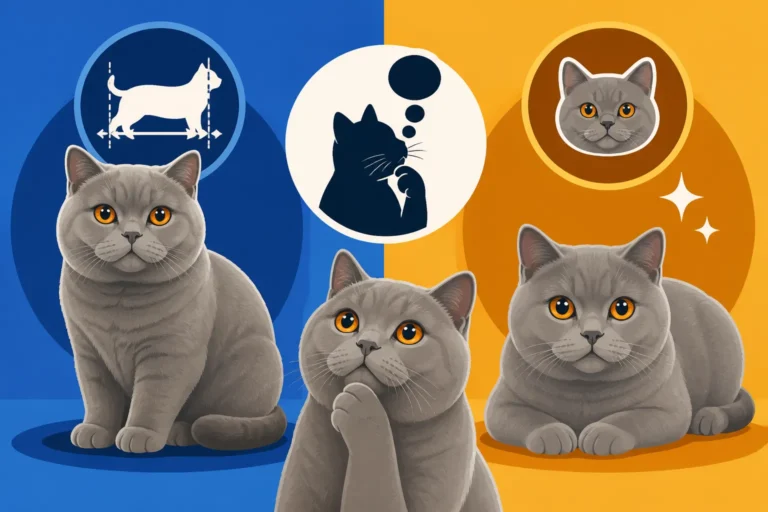
One of the most defining characteristics of the British Shorthair is their "cobby" build. This isn't just a fancy breed term; it means they are compactly built, with a robust frame, broad chest, and short, strong legs. This heavy bone structure naturally means they will weigh more than a leaner, more elegant breed of the same height. If you were to compare a two-year-old British Shorthair to, say, a two-year-old Siamese, the British Shorthair would undoubtedly be significantly heavier, even if both were at an ideal body condition.
Their dense, plush coat also plays a deceptive role. That luxurious fur, which stands away from their body, makes them appear even bigger and rounder than they are. This can easily mask their true body shape, making it difficult to gauge their weight just by looking. This is why just relying on a number from the scale isn't enough for this breed. You need to understand Why a British Shorthair Looks Heavier Than It Is and what exactly What Cobby Means in a British Shorthair translates to in terms of their physical form. Their inherent build means that a "healthy" weight for them would be considered quite substantial for many other cat breeds.
Ideal Weight Ranges for a Two-Year-Old British Shorthair
So, what kind of numbers are we actually talking about when we discuss the weight of a two-year-old British Shorthair? It’s important to remember that these are guidelines, not absolute rules etched in stone. Your cat is an individual, and a range is much more appropriate than a single target number.
Male Versus Female Weight Expectations
Generally speaking, male British Shorthairs are larger and heavier than females. At two years old, a male might typically weigh anywhere from 12 to 18 pounds (approximately 5.5 to 8 kg). They are often still broadening at this age, and their magnificent jowls might just be starting to properly develop, adding to their impressive stature. A two-year-old male might still put on another pound or two as he reaches full maturity over the next couple of years, filling out his frame.
Female British Shorthairs are usually a bit daintier, though still substantial. A healthy two-year-old female might typically fall into the 9 to 14 pound (approximately 4 to 6.5 kg) range. They tend to reach their mature weight a little earlier than males, but like their male counterparts, they continue to solidify their build beyond the two-year mark. Keep in mind that these are general figures. If you have a particularly large male line, he might be at the higher end, while a smaller female line might be at the lower end. Knowing How Much a Male British Shorthair Weighs and How Much a Female British Shorthair Weighs as adults can help set your expectations.
Why There Isn't One "Magic Number"
It’s tempting to want a single, definitive number for your cat’s ideal weight, isn't it? We see so many charts and figures for human health, and we naturally expect the same for our pets. However, for British Shorthairs, a "magic number" simply doesn't exist. There's so much variation within the breed based on genetics, lineage, and even individual activity levels. A two-year-old from a larger, heavier boned line might be perfectly healthy at 16 pounds, while one from a more moderate line might be overweight at that same figure.
Factors like whether your cat has been spayed or neutered also play a significant role. Desexing can slow metabolism and make cats more prone to weight gain, meaning a two-year-old neutered cat might need more careful portion control than an intact one. Your cat’s individual energy level, even within a typically sedentary breed, will also impact their calorie needs. This is why focusing solely on the number on the scale can be misleading and, frankly, unhelpful. Instead of fixating on a weight target, the better approach is to understand how to assess their body condition, which we’ll discuss next. You might have seen figures for What a British Shorthair Should Weigh at One Year, but remember, that's still an earlier stage of development.
Assessing Your British Shorthair's Body Condition: Beyond the Scale
Since a simple weight number isn’t enough for these wonderfully plush cats, how do you know if your two-year-old British Shorthair is at a healthy weight? The answer lies in Body Condition Scoring (BCS), a practical, hands-on method that every owner of a British Shorthair should master.
The Importance of Body Condition Scoring (BCS)
Body Condition Scoring is essentially a physical examination you can do at home to assess your cat's fat reserves. It’s far more accurate than just weighing them, especially for a breed like the British Shorthair with their dense fur and heavy build. The BCS typically uses a 5-point scale (or sometimes a 9-point scale, but 5 is common for quick checks), where 3 (or 5 out of 9) is considered ideal.
To perform a BCS, you’ll need to do three main things:
- Feel their ribs: Gently run your fingers along your cat’s sides, just behind their front legs. You should be able to feel their ribs with minimal pressure, almost like feeling the knuckles on your hand when your palm is open and flat. If you have to press hard to feel them, or can’t feel them at all, your cat is likely overweight. If you can see the ribs easily without even touching, your cat is too thin. This is crucial for How to Feel a British Shorthair's Ribs Through the Plush.
- Look for a waist: When looking down at your cat from above, you should see a slight indentation behind their ribs, before their hips. With British Shorthairs, this might not be as pronounced as in a svelte Oriental, but an ideal weight cat will still have some indication of a waist. If they look like a solid cylinder from head to tail, they’re carrying too much weight. Their thick coat often makes it hard to visually assess, which is why Why a British Shorthair's Coat Hides Its Waist is a real issue.
- Check their abdominal tuck: When looking at your cat from the side, their abdomen should gently tuck up behind their ribcage, not hang low or bulge outwards. Again, this will be less dramatic than in some other breeds, but a subtle tuck should still be present.
A British Shorthair at an ideal body condition will have a soft, even fat layer, but their ribs, spine, and hip bones will still be palpable without needing to press hard. Their musculature will be firm and well-developed. This tangible assessment gives you much more reliable information than the reading on your bathroom scale.
Spotting the Differences: Healthy Chunky vs. Overweight
This is where many British Shorthair owners get tripped up. The breed is meant to be substantial and round, often described as "chunky." But there's a significant difference between healthy chunkiness and being truly overweight or obese.
A healthy, chunky British Shorthair at two years old will feel solid and muscular. When you run your hands over their sides, you’ll feel a smooth contour, but your fingers will easily differentiate between muscle and bone beneath a thin layer of fat. You'll be able to feel their ribs without much effort, and there will be a visible (even if subtle) waist when viewed from above. Their "primordial pouch" – that loose flap of skin and fat on their belly – might be present, which is perfectly normal and a breed characteristic, but it won't be overly distended or firm with excess fat.
An overweight British Shorthair, on the other hand, will have a noticeable layer of fat covering their ribs, making them hard to feel without significant pressure. The waist will be completely absent, and they'll appear much broader across their back and hips. Their belly might sag more, and their movements might seem less agile. They might struggle to groom their back, leading to matted fur. It’s a sad reality that while they look adorable, excess weight puts them at risk for a host of health problems, from diabetes to arthritis. Knowing How to Tell a Chunky British Shorthair From a Fat One is paramount, as is understanding Whether a British Shorthair's Belly Pouch Is Fat is actually a problem or just a normal pouch.
To help visualize, here's a general guide for body condition scoring:
| Body Condition Score | Appearance | Ribs | Waist | Abdominal Fat |
|---|---|---|---|---|
| 1 (Emaciated) | Ribs, spine, pelvic bones easily visible. | Easily visible, no fat cover. | Severe abdominal tuck. | None. |
| 2 (Thin) | Ribs easily visible with no pressure. | Easily felt, minimal fat cover. | Obvious abdominal tuck. | Minimal. |
| 3 (Ideal) | Ribs palpable with light pressure. | Easily felt, slight fat cover. | Clearly visible from above. | Minimal, not pendulous. |
| 4 (Overweight) | Ribs palpable with moderate to firm pressure. | Covered by moderate fat. | Not easily discernible. | Moderate fat pad, some sag. |
| 5 (Obese) | Ribs very difficult or impossible to feel. | Covered by thick fat. | No waist, broad back. | Large, pendulous fat pad. |
Aim for your British Shorthair to be a 3 on this scale.
Managing Your Two-Year-Old's Weight for Lifelong Health
Hitting the two-year mark is a critical time for British Shorthairs. Their metabolism might begin to slow down slightly, and their activity levels may naturally decrease as they move beyond peak kitten energy. This means that if you haven't been meticulously managing their diet and exercise, it's definitely time to start. Proactive weight management now will prevent a cascade of health issues down the line.
Diet and Portion Control: The Cornerstone
For a British Shorthair, particularly one at two years old, diet and portion control are absolutely non-negotiable. This breed is known for its hearty appetite and its tendency to become overweight if allowed to free-feed. The transition from active kittenhood to a more sedentary adult lifestyle means their caloric needs will decrease. If their food intake doesn't decrease with it, weight gain is inevitable.
Measure every meal precisely. Don't eyeball it. Use a kitchen scale to weigh out their dry food or a measuring cup for wet food. Split their daily allowance into two or three smaller meals to keep them satisfied and prevent gorging. A high-quality, protein-rich diet is best, as protein helps them feel full and maintains muscle mass. You can find a fantastic array of suitable foods, often with detailed nutritional information, on sites like Chewy. These detailed labels will help you figure out How Many Calories a British Shorthair Needs. Remember, Portion Control Is the Whole Job With a British Shorthair, not just for weight loss, but for lifelong health. Avoid sugary treats and human food scraps, which add empty calories and can lead to unhealthy begging habits.
Encouraging Activity for a Naturally Sedate Breed
Let's be honest, British Shorthairs aren't known for being acrobats or marathon runners. They are generally calm, laid-back cats who enjoy a good nap in a sunny spot. At two years old, those bursts of zoomies might become less frequent. However, a lack of physical activity directly contributes to weight gain and muscle loss, even in a naturally sedate breed. It’s your job to be their personal trainer, encouraging them to move even when they’d rather not.
Incorporate short, regular play sessions throughout the day. Think five to ten minutes, two or three times a day. Use interactive toys like wand toys with feathers or fuzzy attachments that mimic prey. Some British Shorthairs might surprise you by enjoying a good game of chase or even fetch! Puzzle feeders are also excellent tools; they make your cat "work" for their food, slowing down eating and engaging their minds. Place them in different spots around the house to encourage movement. Even something as simple as scattering a few kibble pieces for them to "hunt" can help. If you're struggling to get them motivated, consider trying some new toys from a reputable pet retailer. Our guide on Getting a Low Energy British Shorthair to Move offers more tips, as does How to Get a British Shorthair to Play Daily and Whether a Puzzle Feeder Motivates a British Shorthair.
Regular Vet Checks and Addressing Concerns
Establishing a routine of regular veterinary check-ups is one of the most important things you can do for your British Shorthair, especially as they enter adulthood. At your annual wellness exam, your vet will perform a comprehensive physical, including an objective assessment of your cat's body condition. They can help you determine if your cat's weight is truly ideal, or if adjustments to their diet or exercise routine are needed.
Don't hesitate to voice any concerns you have about your British Shorthair's weight, appetite, or activity levels. If you notice sudden weight gain or loss, or a significant change in their eating habits, these could be signs of underlying health issues that need prompt attention. Your vet can rule out medical causes for weight fluctuations, such as thyroid problems or metabolic disorders, and provide tailored advice. Investing in pet insurance like Healthy Paws can be a smart move, helping to cover unexpected vet costs if weight-related issues arise or if a special prescription diet is recommended. Routine checks, including What a British Shorthair's Yearly Bloodwork Should Cover, are vital for catching problems early and ensuring your British Shorthair lives a long, healthy life.
Disclaimer
This article is for general informational purposes only and does not constitute professional advice. Laws, prices and regulations vary by location and change over time. Consult a qualified professional for guidance on your specific situation.