Why a British Shorthair Under a Thousand Is a Warning
Oh, the joy of bringing home a new British Shorthair kitten! Their round faces, plush coats, and calm demeanor make them utterly irresistible. But let's be honest, the upfront cost from a reputable breeder can sometimes feel like a punch to the gut. It's completely natural, then, to find yourself drawn to listings advertising these adorable furballs for prices that seem too good to be true, often dipping well below the usual market rate—sometimes even under a thousand dollars. While the idea of a bargain British Shorthair is incredibly appealing, this guide is here to shed light on why a price tag under a thousand dollars often signals a host of potential problems, transforming what seems like a saving into a future riddled with heartache and far greater expenses.
The Allure of a "Bargain" British Shorthair
There’s no denying the magnetic pull of a British Shorthair. Their teddy bear looks and generally placid temperament have captured the hearts of cat lovers worldwide. It’s easy to dream of that perfect, chunky companion napping serenely by your side. But let’s talk numbers for a minute, because understanding the typical investment helps put those "bargain" prices into perspective.
The Dream of the Plush Teddy Bear
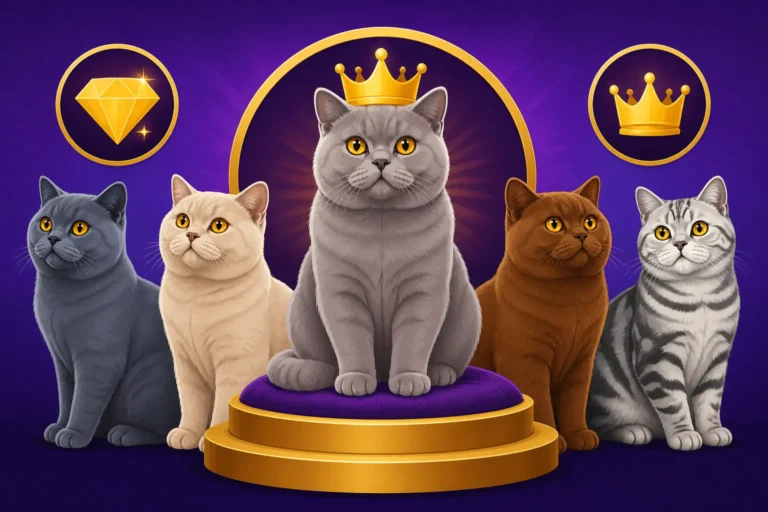
From their distinctive round heads to their deep copper eyes (for many colors, anyway!), British Shorthairs embody a quintessential charm. People fall in love with their dense, plush coats and their famously laid-back personalities. They picture a calm cat, happy to supervise family life from a comfy perch, not causing chaos. This image, cultivated by years of careful breeding and socialization, is what draws so many to the breed. The expectation is that this beloved companion will come with a certain level of health and genetic integrity, ensuring a long, happy life free from preventable issues. A well-bred British Shorthair kitten, coming from parents who have undergone extensive health screening and received top-notch care, typically commands a price point that reflects this significant investment.
Why a Low Price Tag Catches Your Eye
When you’ve done your research and seen that British Shorthair kittens from ethical breeders often cost a significant amount, seeing one advertised for a fraction of that can feel like striking gold. It’s human nature to look for a deal, especially when it comes to a pet you’re already smitten with. You might think you've found an undiscovered gem, a breeder who just isn't "charging enough" or who is simply being more "affordable." The immediate appeal is undeniable: imagine all the money you could save on the initial purchase, perhaps putting it towards toys, a fancy cat tree, or even future vet visits. This initial saving often overshadows the critical questions about why the price is so low in the first place, leading hopeful owners down a path that often ends in regret.
What a Sub-$1000 Price Tag Really Means for a British Shorthair
Unfortunately, that surprisingly low price tag on a British Shorthair kitten is almost always a glaring red flag. It’s not usually a sign of a generous breeder, but rather an indicator that corners have been cut in critical areas. These omissions, while saving the seller money upfront, invariably transfer a much larger financial and emotional burden onto the unsuspecting buyer.
Lack of Essential Health Screening
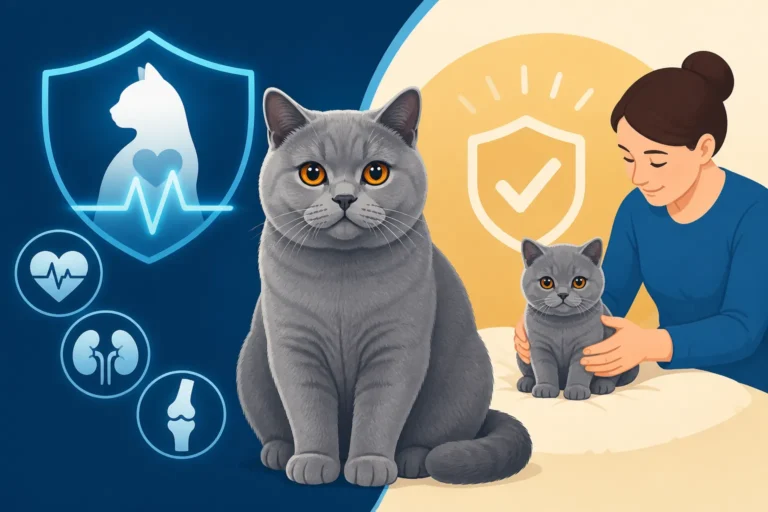
This is arguably the biggest and most heartbreaking issue with cheaply priced British Shorthairs. Reputable breeders invest heavily in the health of their breeding cats, performing crucial genetic tests and health screenings to ensure they're not passing on serious hereditary conditions to their kittens. These tests are expensive, but they are absolutely non-negotiable for responsible breeding.
For a British Shorthair, this includes regular echocardiograms (heart ultrasounds) to screen for Hypertrophic Cardiomyopathy (HCM), a prevalent heart disease in the breed. There is no DNA test for HCM in British Shorthairs, so the regular "echo" is the only reliable screening method. The Yearly Echo That Replaces a British Shorthair Gene Test will give you a deeper dive into this. Breeders should also test for Polycystic Kidney Disease (PKD), though thankfully a DNA test exists for this now, largely eliminating it from responsible lines. You can learn more about its history in the breed by reading Polycystic Kidney Disease Came Into the British Shorthair With the Persians. Furthermore, blood typing is essential to prevent a devastating condition called neonatal isoerythrolysis, where a Type B queen (mother) can have a fatal reaction to her Type A kittens' blood if they ingest her colostrum. Blood Type B and the British Shorthair Kittens It Kills explains this in detail. Lastly, screening for Hemophilia B, a bleeding disorder, is also important. Hemophilia B in a British Shorthair is a helpful resource.
When a breeder sells a British Shorthair for under a thousand dollars, it's highly improbable they've absorbed the costs associated with these vital screenings. This means you're buying a kitten whose genetic health is a complete unknown, essentially rolling the dice on their future well-being. The initial "saving" can quickly be eclipsed by thousands of dollars in veterinary bills down the line, not to mention the emotional toll of watching your beloved pet suffer.
Questionable Breeding Practices
Beyond health, a low price often points to poor breeding environments and practices. Responsible breeders are meticulous about the care of their cats, from providing a clean, stimulating environment to ensuring proper nutrition and early socialization. They understand that the first few weeks of a kitten's life are crucial for developing a confident, well-adjusted temperament.
Kittens from low-cost sources are frequently raised in overcrowded, unsanitary conditions, often with insufficient human interaction. These environments are hotbeds for parasites, infections, and stress, which can lead to lifelong behavioral issues. You might find yourself with a kitten that is fearful, aggressive, or has chronic health problems simply due to a poor start in life. In some cases, these "British Shorthairs" might not even be purebred, but rather mixes with other breeds, or even worse, unauthorized crosses like Scottish Folds that carry genetic health risks related to their ear cartilage. Whether a Backyard Bred British Shorthair Is Really One often covers these sad realities. It’s also not uncommon for unscrupulous sellers to try to pass off a Scottish Fold cross as a British Shorthair, potentially bringing along the gene for osteochondrodysplasia. Whether a Scottish Fold Cross Is Sold as a British Shorthair can provide further insight.
No Guarantees or Support
A reputable British Shorthair breeder doesn't just sell you a kitten and disappear. They provide a comprehensive contract that outlines health guarantees, often for hereditary conditions, and they offer lifelong support. This means you can call them with questions, share updates, and rely on their expertise if any issues arise. They stand by their animals and are genuinely invested in their well-being throughout their lives.
With a cheap British Shorthair, you’ll typically find no such safety net. The transaction is often swift and impersonal, with no follow-up. If the kitten develops health problems a few weeks or months later, you’ll be on your own, facing potentially massive vet bills with no recourse. There's no ethical breeder to help guide you through a difficult diagnosis or offer advice on behavior challenges. This lack of ongoing support can leave new owners feeling isolated and overwhelmed when problems inevitably arise.
The Hidden Costs That Add Up (and Far Exceed Any Initial Savings)
That initial "bargain" price tag can quickly become a distant memory when you start facing the true expenses associated with a British Shorthair from an unchecked source. The real cost isn't just financial; it's also emotional.
Astronomical Veterinary Bills
Without the upfront health screening from a responsible breeder, you are essentially gambling with your cat's future health, and the odds are often stacked against you. If your British Shorthair develops HCM, PKD, or another serious condition due to un-screened parents, the ongoing veterinary costs can be truly astronomical.
Imagine a scenario where your kitten, purchased for a "steal," begins showing signs of heart trouble around two or three years old. You're looking at repeated cardiology visits, expensive echocardiograms, and potentially a lifetime of costly medications. What a British Shorthair's First Echo Costs alone can be a significant expense, and if a diagnosis of HCM is made, the bills only escalate. Treating advanced kidney disease from PKD involves specialized diets, fluids, and regular blood work. If diabetes develops, perhaps exacerbated by poor genetics or early nutrition, the daily cost of insulin, syringes, and glucose monitoring can be daunting. What Insulin Costs a British Shorthair Owner can be an eye-opener. These are not minor expenses; they are often thousands of dollars over the cat's lifetime, far outstripping any initial savings. While pet insurance can be a lifesaver, plans from providers like Healthy Paws won't cover pre-existing conditions, meaning if your cat develops a hereditary illness that was present at the time you got them (even if undiagnosed), you'll be footing the entire bill.
Behavioral and Socialization Challenges
A kitten's early environment profoundly shapes its personality. Kittens from overcrowded, noisy, or unsanitary conditions, or those separated from their mothers too early, can develop significant behavioral issues. These might include extreme shyness, fear aggression, inappropriate urination or defecation outside the litter box, or destructive behaviors.
Addressing these issues requires immense patience, time, and often, professional intervention. Consulting with a certified feline behaviorist, purchasing specialized calming products, or even undergoing medical evaluations to rule out underlying causes for behavioral problems can be costly and emotionally draining. You might find yourself constantly cleaning up messes, dealing with a cat that hides from everyone, or struggling with a companion who simply doesn't thrive in a home environment. The "saving" on the purchase price quickly vanishes when you consider the cost of professional advice, specialized litter, or damaged furniture.
The Disappointment of Not Getting a True British Shorthair
One of the main reasons people seek out British Shorthairs is for their distinctive look and temperament. When you pay a low price, there's a real chance you won't get a cat that grows into the iconic "teddy bear" you envisioned. They might be undersized, have a different coat texture, or lack the characteristic round head and jowls. You might even find that your kitten, while cute, is clearly a mix and doesn't embody the breed standard at all. What a British Shorthair Should Weigh at Six Months might be a good read if you're concerned about growth. Similarly, Whether a Small British Shorthair Kitten Stays Small addresses concerns about adult size.
Beyond appearance, the calm, affectionate, yet independent temperament of a British Shorthair might be completely absent. You could end up with a high-strung, nervous cat instead of the placid companion you desired. This can lead to profound disappointment and a sense of being cheated, even if you still love the cat you have. The joy of owning a specific breed comes from knowing you're getting the traits and health assurances that years of dedicated breeding have sought to preserve. When you compromise on price, you compromise on this fundamental expectation. Even high-quality food won't fix underlying genetic or behavioral problems, though it can certainly support overall health.
What to Look For Instead: Investing in a Healthy Future
I know it sounds cliché, but when it comes to a pet you'll love for over a decade, the initial purchase price is a tiny fraction of the lifetime cost and emotional investment. Choosing wisely upfront is genuinely the best "bargain" you can make.
Finding a Reputable Breeder
A reputable British Shorthair breeder is your best friend in this journey. They are transparent, welcoming, and passionate about their cats. They will happily share health certificates for the parents, show you their cattery (or at least provide extensive photos and videos if an in-person visit isn't possible), and discuss the kitten's lineage. They'll also be actively involved in showing their cats to ensure they meet breed standards, a sign of their commitment to the breed's integrity.
Don't be shy about asking questions—a good breeder expects them! Ask about the specific health tests performed, the socialization practices for the kittens, and what kind of support they offer post-purchase. Which Questions to Ask a British Shorthair Breeder is an excellent resource for preparing for these conversations. They should also be able to provide clear documentation, including registration papers with a recognized feline association and detailed health records. This is a critical investment in peace of mind.
Understanding the True Cost of a Well-Bred British Shorthair
The higher price tag for a well-bred British Shorthair isn't arbitrary; it reflects significant costs. This includes the expense of health screenings (echos, DNA tests, blood typing), high-quality food, proper veterinary care for the breeding cats and kittens, stud fees, show entries, and the breeder's time and expertise in ensuring genetic diversity and proper socialization. When you consider What a British Shorthair Kitten Costs From a Breeder, you're seeing the accumulation of all these necessary investments.
Think of it this way: the upfront cost is an investment in preventing future heartaches and financial drains. A healthy, well-adjusted kitten from proven lines means fewer unexpected vet visits, a more predictable temperament, and ultimately, a happier life for both you and your cat. While The 2026 Price Range for a Health Tested British Shorthair might seem steep, it's truly a long-term saving.
The Value of Health Guarantees and Support
A reputable breeder's contract and health guarantee are invaluable. They offer a safety net, ensuring that if a significant hereditary health issue does arise within a specified period, the breeder will take responsibility, often offering a replacement kitten or contributing to veterinary costs. This kind of commitment is a testament to their confidence in their breeding program.
More than that, a good breeder offers a lifetime of support. They are a resource for questions about nutrition, behavior, grooming, and general care. This ongoing mentorship can be incredibly helpful for first-time British Shorthair owners or anyone navigating the complexities of pet ownership. This level of support simply doesn't come with a cheap, unscreened kitten, and its value, both practical and emotional, is immeasurable. Ultimately, you're not just buying a cat; you're joining a community and gaining a mentor dedicated to the well-being of the breed. Whether a British Shorthair Breeder Should Have Run Every British Shorthair Test outlines what you should expect in terms of health checks.
| Feature | British Shorthair Under $1000 ("Bargain") | British Shorthair from Reputable Breeder |
|---|---|---|
| Initial Price | Very Low | Moderate to High |
| Health Screening | Typically None | Extensive (HCM, PKD, Blood Type, etc.) |
| Genetic Diseases Risk | High, unknown | Significantly Lower, known lineage |
| Breeding Environment | Often poor, unsanitary | Clean, stimulating, home-raised |
| Socialization | Minimal, inconsistent | Comprehensive, early, consistent |
| Temperament | Unpredictable (fearful, aggressive) | Confident, calm, well-adjusted |
| Appearance | May not meet breed standard | Meets or exceeds breed standard |
| Health Guarantee | Rare or non-existent | Standard in contract |
| Breeder Support | None | Lifelong |
| Hidden Costs | Very High (vet bills, behaviorists) | Very Low (preventative care costs) |
In the end, while the allure of a British Shorthair kitten priced under a thousand dollars can be incredibly strong, it's a warning sign you absolutely shouldn't ignore. What seems like a fantastic deal upfront almost inevitably leads to significantly higher costs down the line, both financially and emotionally. Investing in a healthy, well-bred kitten from a responsible breeder isn't just about paying more; it's about investing in a predictable future, peace of mind, and a truly happy, long life with your cherished British Shorthair companion. Don't let a low price tag tempt you into a decision that could bring years of heartbreak.
Disclaimer
This article is for general informational purposes only and does not constitute professional advice. Laws, prices and regulations vary by location and change over time. Consult a qualified professional for guidance on your specific situation.