When a British Shorthair Needs a Prescription Diet
As much as we adore our British Shorthairs for their calm demeanor and famously plush coats, the truth is, sometimes their robust appearance can mask underlying health issues that demand more than just a regular bowl of kibble. It's a tough realization when you're doing your best to keep them healthy, only to find out their current diet just isn't cutting it anymore. This comprehensive guide is here to walk you through those moments when a prescription diet becomes not just an option, but a vital part of your British Shorthair's care, helping you understand why these specialized foods are necessary and how to navigate the process with confidence.
Understanding the 'Why' Behind a Prescription Diet
It’s easy to think all cat food is pretty much the same, especially when marketing can make every bag sound like the pinnacle of feline nutrition. But for a British Shorthair facing a specific health challenge, generic food, even premium varieties, might actually be detrimental. This isn't about shaming your current choices; it's about acknowledging that once a vet identifies certain conditions, the dietary needs shift dramatically, requiring a much more targeted approach than standard over-the-counter options can provide.
Common Health Issues Requiring Special Food
Our British Shorthairs, despite their generally healthy reputation, aren't immune to certain predispositions or conditions that can arise throughout their lives. When these issues crop up, diet often becomes the cornerstone of management. Think of it like a puzzle piece that specifically fits the gap created by a health problem.
For instance, Obesity Is the British Shorthair's Real Disease, and it's a huge one. Their naturally stocky build can make it hard to tell if they're truly overweight, but once they are, the extra pounds put immense strain on their joints, heart, and metabolic system. A standard diet, even if fed in moderation, simply doesn't have the carefully calibrated calorie content and high fiber to promote satiety and healthy weight loss without sacrificing essential nutrients. Then there's diabetes, a condition often linked to obesity. A British Shorthair with diabetes needs a diet that helps stabilize blood sugar levels, typically one that's high in protein and very low in carbohydrates. Regular cat food, with its varying carb levels, can send their glucose on a roller coaster, making insulin management a nightmare for both you and your vet. This is where a prescription diet steps in as a critical tool, not just food.
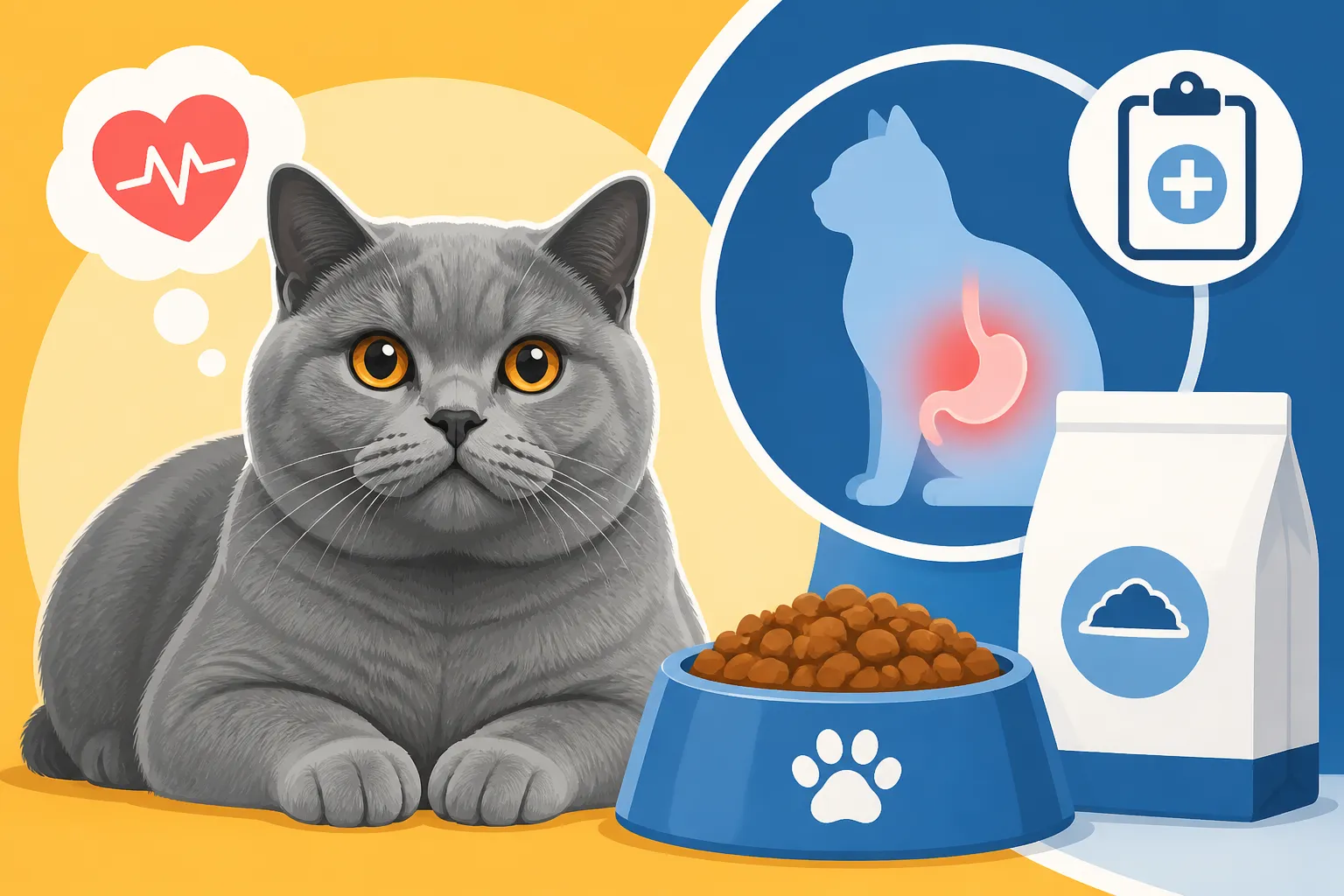
Beyond weight and blood sugar, British Shorthairs can also face issues with their kidneys and urinary tract. Conditions like What Polycystic Kidney Disease Does to a British Shorthair or recurrent Urinary Problems in a British Shorthair demand a diet designed to reduce the workload on these organs. This often means carefully controlled levels of protein, phosphorus, and sodium for kidney support, or specific mineral balances to help prevent the formation of urinary crystals for bladder health. Standard foods simply aren't formulated with these delicate balances in mind. You might also encounter skin allergies or sensitive stomachs, which can manifest as persistent itching, hair loss, vomiting, or diarrhea. In these cases, a prescription diet might feature novel proteins or hydrolyzed proteins to minimize allergic reactions, or highly digestible ingredients to soothe a troubled digestive system. It's truly incredible how a precise blend of ingredients can make such a profound difference to a cat's comfort and well-being.
When Regular Food Just Isn't Cutting It
You might be wondering, "But my British Shorthair eats a good quality food, why isn't that enough?" And it's a fair question! Many commercial cat foods are indeed excellent for healthy cats. However, once a specific health condition takes hold, the nutritional needs become far more specialized than any general formula can address. The signs that your British Shorthair needs something more can be subtle or overt, but they're always a signal to consult your veterinarian.
If your British Shorthair is gaining weight despite seemingly appropriate portion sizes, or conversely, losing weight unexpectedly, it's a red flag. Perhaps they're constantly hungry, even after meals, which can indicate that their food isn't providing the right kind of satiety. For those managing a chronic condition, if symptoms persist or worsen despite medication, a look at their diet is often the next step. For example, if your diabetic British Shorthair's blood glucose levels are stubbornly high, or if their urinary crystals keep recurring, it's a clear indication that the current food isn't supportive enough. These aren't failures on your part; they're simply markers that the biological demands of their body have changed, and their food needs to evolve with them.
Another common scenario involves digestive upsets that just won't clear up. Chronic vomiting, diarrhea, or even persistent hairballs that seem excessive can point to a food intolerance or a need for a more easily digestible formula. Allergies are another prime example; if your British Shorthair is constantly scratching, developing skin lesions, or showing respiratory issues, and other causes have been ruled out, a dietary trial with a specialized food is often recommended. Essentially, if you're seeing persistent symptoms, a decline in condition, or a lack of improvement with other treatments, it’s a strong signal that their current diet is not meeting their therapeutic needs. This is where veterinary-exclusive diets, often available through retailers like Chewy's prescription food section or directly from your vet, truly shine, offering precise formulations not found in the regular pet food aisle.
Types of Prescription Diets and What They Target
Navigating the world of prescription diets can feel like learning a new language. Each formula is meticulously crafted to address very specific physiological needs, using ingredients and nutrient profiles that go far beyond what you'd find in everyday cat food. It's a tailored approach to health, and understanding the main categories can empower you to discuss options more effectively with your vet.
Weight Management Formulas
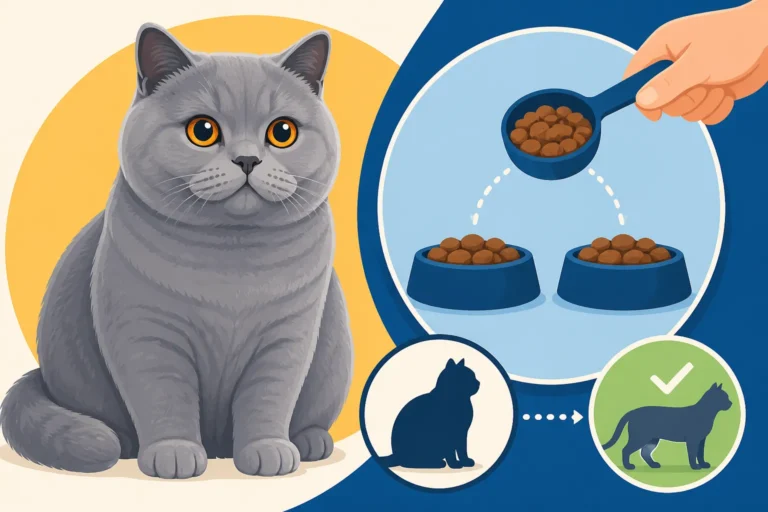
When your beautiful, chunky British Shorthair has reached a point where their weight is impacting their health – perhaps they're struggling to groom themselves, or their joints are creaking – a weight management prescription diet is often the first line of defense. These aren't just smaller portions of regular food; they are scientifically formulated to help your cat shed pounds safely and sustainably. The core principle usually involves a reduced calorie count, but critically, these diets maintain high levels of essential nutrients so your British Shorthair doesn't become malnourished while dieting.
Many weight loss formulas achieve this balance by significantly increasing fiber content. This increased fiber helps your cat feel fuller for longer, reducing the persistent begging that can make dieting so challenging. Imagine being on a diet where you always feel hungry; it's the same for our cats! The fiber also helps with healthy digestion. Additionally, these diets often contain higher protein levels to help preserve lean muscle mass as fat is lost, which is vital for maintaining a healthy metabolism. It’s a delicate balance, and How Many Calories a British Shorthair Needs for weight loss is something your vet will calculate precisely. The goal isn't just to make them lighter, but to return them to a healthy body condition score, which can take How Long a British Shorthair Diet Takes. These diets need strict portion control and monitoring by your vet to ensure effective, healthy weight loss, preventing issues like hepatic lipidosis that can occur with rapid weight reduction.
Renal and Urinary Health Diets
Kidney disease and urinary tract issues are unfortunately common concerns, especially as our British Shorthairs age. Whether it's chronic kidney disease (CKD) or recurring problems with bladder stones and crystals, diet plays a profoundly important role in managing these conditions. A diagnosis of kidney disease, for instance, means your British Shorthair's kidneys aren't filtering waste as efficiently as they should. Standard cat food often contains levels of protein and phosphorus that, while healthy for a normal cat, can exacerbate the problem for compromised kidneys.
Renal prescription diets are specifically designed to reduce the burden on the kidneys. This usually means carefully controlled, often reduced, levels of high-quality protein, which helps minimize the accumulation of waste products. Phosphorus is another key player; these diets significantly restrict phosphorus intake, as high levels can further damage kidneys and lead to other health complications. They also tend to be supplemented with omega-3 fatty acids to help reduce inflammation, and sometimes B vitamins, which can be lost through increased urination in kidney disease. For urinary health, the focus shifts to creating an environment in the bladder that discourges the formation of crystals and stones. These diets manipulate urine pH and control mineral levels (like magnesium and calcium) to make the bladder less hospitable for crystal formation, a critical step in preventing painful blockages, especially in male British Shorthairs who are more prone to Urinary Problems in a British Shorthair. Getting the right balance here is paramount, as the wrong food can quickly lead to relapse or progression of disease.
Gastrointestinal and Allergy-Friendly Options
Digestive upset is no fun for anyone, and when your British Shorthair is regularly experiencing vomiting, diarrhea, or uncomfortable bloating, it’s distressing for both of you. Similarly, if your cat is plagued by persistent itching, skin inflammation, or ear infections, and other causes have been ruled out, a food allergy or intolerance might be the culprit. These situations call for a prescription diet that's gentle on the gut or specifically formulated to avoid triggers.
Gastrointestinal (GI) support diets are designed to be highly digestible, meaning the ingredients are easily broken down and absorbed, putting minimal stress on an inflamed or sensitive digestive system. They often feature specific carbohydrate sources, moderate fat levels, and added prebiotics or probiotics to support a healthy gut microbiome. Sometimes, the issue isn't just general sensitivity, but a specific allergy. In these cases, your vet might recommend a novel protein diet, which uses protein sources your cat has likely never encountered before (think venison, duck, or rabbit) to bypass common allergens like chicken or beef. Even more specialized are hydrolyzed protein diets, where the proteins are broken down into such tiny molecules that the cat's immune system doesn't recognize them as allergens. This is the gold standard for diagnosing and managing true food allergies. When considering such a diet, checking trusted pet supply sites like Chewy or Amazon for availability and home delivery can be helpful, but remember, the prescription must come from your vet. These diets not only alleviate acute symptoms but can drastically improve your British Shorthair's long-term comfort and quality of life by addressing the root cause of their digestive or Skin Allergies in a British Shorthair.
Diabetic Support Diets
When a British Shorthair is diagnosed with Diabetes in a British Shorthair, managing their blood sugar becomes a daily commitment, and diet is perhaps the most powerful tool in your arsenal. Unlike human diabetes, where carbohydrate counting is key, feline diabetes often responds incredibly well to a diet that is very low in carbohydrates and high in protein. This nutritional profile helps to stabilize blood glucose levels, reduce the need for insulin, and in some cases, even achieve diabetic remission.
Standard cat foods, particularly many dry kibbles, can contain higher levels of carbohydrates that cause blood sugar spikes. Prescription diabetic diets are formulated to avoid this. They emphasize high-quality animal protein to help maintain lean muscle mass – crucial for healthy metabolism – and provide minimal carbohydrates to prevent those problematic sugar surges. This dramatically supports the pancreas and helps the body respond more effectively to insulin, whether naturally produced or supplemented. For an owner, this means potentially more stable blood glucose readings, less frequent insulin adjustments, and a better overall prognosis for their cat. While managing feline diabetes can feel overwhelming, especially with concerns like What a British Shorthair's Diabetic Emergency Costs, incorporating the correct prescription diet can simplify daily care and significantly improve your British Shorthair's health and longevity. Your vet will guide you on the best specific formula and how to integrate it with any necessary insulin therapy.
| Condition | Key Dietary Adjustments | Potential Benefits |
|---|---|---|
| Obesity | Reduced calories, increased fiber, high protein to preserve muscle | Healthy weight loss, improved mobility, reduced risk of diabetes |
| Diabetes Mellitus | High protein, very low carbohydrate | Stabilized blood sugar, reduced insulin needs, potential remission |
| Chronic Kidney Disease | Restricted protein (high quality), restricted phosphorus, low sodium | Reduced kidney workload, slowed disease progression, improved quality of life |
| Urinary Tract Disease | Controlled minerals (e.g., magnesium), urine pH modification | Prevention of crystal/stone formation, reduced risk of blockages |
| Food Allergies/Sensitivities | Novel protein or hydrolyzed protein, highly digestible ingredients | Resolution of itching/GI upset, improved skin and coat health |
| Gastrointestinal Upset | Highly digestible ingredients, pre/probiotics, moderate fat | Reduced vomiting/diarrhea, improved nutrient absorption |
The Process: Getting a Prescription and Implementing the Diet
Understanding the why and what of prescription diets is important, but the how is where the rubber meets the road. It’s not simply a matter of picking up a bag from the pet store; these specialized foods require veterinary oversight every step of the way.
The Crucial Role of Your Veterinarian
Let's be absolutely clear: prescription diets are called "prescription" for a reason. You cannot (and should not) self-diagnose your British Shorthair and put them on a specialized diet without professional guidance. Your veterinarian is the absolute cornerstone of this entire process. It begins with a thorough examination, diagnostic tests (blood work, urine analysis, imaging, etc.) to accurately diagnose the underlying condition. Only with a precise diagnosis can your vet recommend the specific diet tailored to your British Shorthair's unique needs.
Your vet will consider several factors: the specific disease, its severity, your cat's age, other concurrent health issues, and even their preferences (some cats are notoriously picky!). They will explain why a particular diet is recommended, what specific ingredients or nutrient levels make it effective, and what results you should expect to see. They'll also provide instructions on feeding amounts and how to gradually transition your cat. This isn't a one-time conversation; managing a chronic condition with diet is an ongoing partnership. Your vet will schedule follow-up appointments to monitor your British Shorthair's progress, adjust the diet if necessary, and ensure they are responding well. This professional guidance ensures that the diet is not only effective but also safe and complete for your beloved companion.
Transitioning Your British Shorthair to New Food
Cats, and British Shorthairs in particular, can be creatures of habit – and sometimes, stubbornness! Introducing a new food, especially one with a different texture, smell, or taste, can be a challenge. Abruptly switching their diet can also lead to digestive upset, which is the last thing you want when you're trying to resolve a health issue. Therefore, a slow and gradual transition is absolutely key to success.
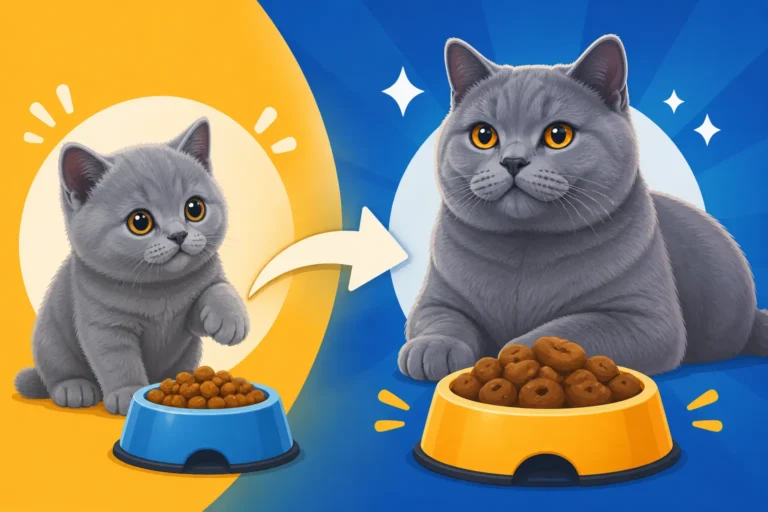
Start by mixing a very small amount of the new prescription food with their current food. A good rule of thumb is about 10% new food to 90% old food for the first few days. Monitor your British Shorthair for any signs of digestive upset (vomiting, diarrhea, refusal to eat) or refusal of the new food. If all goes well, gradually increase the proportion of the new food while decreasing the old food over a period of 7-10 days, or even longer for particularly sensitive or picky cats. Each increment should be small, perhaps 5-10% every few days. If your British Shorthair shows any resistance, slow down the process. Sometimes, gently warming wet food can enhance its aroma and make it more appealing. Remember, patience is a virtue here. For tough cases, your vet might have specific tricks or even appetite stimulants to help ease the transition, but the goal is always a smooth, stress-free switch.
Overcoming Picky Eating and Multi-Cat Households
Let's be honest, British Shorthairs can have strong opinions, especially when it comes to their food bowl. Whether a British Shorthair Will Diet Willingly is a common concern. You've got the prescription, you've started the transition, and then… your British Shorthair turns up their nose. It's frustrating, but it's not uncommon. The first step is patience, as discussed above. If they're still refusing, don't give up! Your vet might have samples of different brands of prescription food for the same condition, as flavors and textures can vary significantly. Sometimes, trying a wet version instead of dry, or vice-versa, can make a difference. Mixing a tiny amount of a highly palatable, vet-approved topper (like a bit of low-sodium chicken broth, or a specific probiotic paste recommended by your vet) can also entice them, but be careful not to add anything that negates the therapeutic effect of the diet.
The challenge amplifies in a multi-cat household. How do you ensure only your British Shorthair eats their specialized diet, and the other cats don't sneak bites? This is a major logistical hurdle. One of the most effective solutions is feeding your prescription-diet cat in a separate room, behind a closed door, for 20-30 minutes, giving them ample time to eat their meal undisturbed. Another fantastic solution is a microchip-activated feeder. These clever devices, often available from retailers like Chewy or Amazon, only open for the cat whose microchip is programmed into them, allowing your British Shorthair to eat their special food while keeping other pets out. This is a game-changer for many owners and can save a lot of stress. Whatever method you choose, consistency is key; establishing a routine will help your British Shorthair adjust to their new dietary normal.
Long-Term Management and Expectations
Embarking on a prescription diet journey with your British Shorthair is usually a long-term commitment. It's not a quick fix but a sustained effort to manage their health and improve their quality of life. Understanding what lies ahead, both in terms of monitoring and financial outlay, is essential for a realistic approach.
Monitoring Progress and Adjusting as Needed
Once your British Shorthair is on a prescription diet, the work isn't over. Regular follow-up appointments with your veterinarian are crucial to monitor their progress. For weight management diets, this means regular weigh-ins to ensure they are losing weight at a healthy, steady pace. For diabetes, blood glucose curves and fructosamine levels will be checked to assess the diet's impact on blood sugar. With kidney disease, blood and urine tests will monitor kidney function, while urinary issues might require repeat urinalysis to check for crystal recurrence.
Your vet will look at clinical signs too – is your British Shorthair more energetic? Is their coat healthier? Are they less itchy? Are their digestive issues resolved? This ongoing assessment allows your vet to make necessary adjustments. Sometimes, the initial diet might need tweaking, or a different formula might be introduced if the first one isn't yielding the desired results or if new symptoms arise. Disease progression can also mean dietary needs change over time; a cat with early kidney disease might need a different renal diet than one with advanced disease. This dynamic, responsive approach ensures that your British Shorthair always receives the most appropriate nutritional support throughout their health journey.
Understanding the Cost and Commitment
Let's not sugarcoat it: prescription diets generally cost more than standard commercial cat foods. This is a reality that catches some owners off guard. The higher price tag reflects the extensive research and development, the specialized ingredients, the strict quality control, and the precise formulations required to create a therapeutically effective food. What a British Shorthair Costs a Month on a Weight Diet or any other prescription diet will vary, but it's important to budget for it.
However, many owners find that the investment is absolutely worth it. By managing a condition through diet, you can potentially reduce the need for more expensive medications, surgeries, or emergency veterinary visits down the line. For example, a good urinary diet can prevent costly blockages, and a diabetes diet can lessen insulin requirements. Beyond the direct financial aspect, there's the significant commitment of time and effort. This includes adhering strictly to feeding instructions, managing transitions, ensuring only the prescription food is eaten, and attending regular vet check-ups. It can be a demanding routine, but the payoff is a healthier, happier British Shorthair, which for most of us, is priceless. It's a genuine test of commitment, but one that truly deepens the bond with our pets, proving that Whether Prescription Food Is Worth It for a British Shorthair is often answered with a resounding yes when you see the positive impact on their well-being.
Supplements and Other Supportive Care
While prescription diets are incredibly powerful tools on their own, sometimes they are part of a broader supportive care plan. Depending on your British Shorthair's specific condition, your veterinarian might recommend certain supplements to complement the diet. For example, a cat with arthritis might benefit from joint supplements containing glucosamine and chondroitin, even if they're on a weight management diet that indirectly helps their joints. Similarly, a cat with kidney disease might receive specific omega-3 fatty acid supplements or a phosphate binder if dietary phosphorus restriction isn't quite enough.
It's crucial to understand that supplements should always be discussed with your vet before being introduced. Not all supplements are beneficial, and some can even interfere with the prescription diet or medications. Reputable brands, often available through vet clinics or online stores like Chewy and Amazon with vet approval, ensure quality and appropriate dosages. Beyond supplements, the overall environment and routine are vital. Regular, gentle play (even if your British Shorthair would rather not), comfortable bedding, appropriate litter box setup, and consistent affection all contribute to their well-being alongside their specialized diet. Holistic care ensures that every aspect of your British Shorthair's life supports their health and happiness, especially when managing a chronic condition.
Disclaimer
This article is for general informational purposes only and does not constitute professional advice. Laws, prices and regulations vary by location and change over time. Consult a qualified professional for guidance on your specific situation.