How to Put a British Shorthair on a Diet
It's a common dilemma for British Shorthair owners: you adore their plush, round teddy bear look, but sometimes that "chunky" appearance crosses the line into genuine overweight territory. Helping your beloved British Shorthair shed those extra pounds can feel like an uphill battle, especially when they're masters of the soulful stare at meal times. This comprehensive guide will walk you through everything you need to know about safely and effectively putting your British Shorthair on a diet, from understanding their unique build to implementing a sustainable feeding plan.
The Unique Challenges of a British Shorthair's Metabolism and Build
British Shorthairs are magnificent cats, known for their dense coats, powerful bodies, and serene dispositions. While these traits are part of their charm, they also make them particularly susceptible to weight gain. It’s not just about overfeeding; it's about understanding the breed's inherent characteristics.
Why a British Shorthair Is Built to Look Heavy
One of the most appealing characteristics of the British Shorthair is their cobby build. They have broad chests, short, strong legs, and a generally stocky, powerful appearance. This is part of their breed standard, making them look naturally substantial. However, this inherent body type can sometimes mask excess weight. Owners might mistake healthy roundness for being a bit heavy, or conversely, underestimate how much fat their cat is actually carrying because their plush coat and broad frame simply make them look big. Their heavy boning and dense musculature mean they naturally weigh more than many other breeds, which can be deceiving. What looks like a healthy, robust cat might, under that glorious fur, be packing on too much fat, especially around the belly and flanks. For more on this, you might find Why a British Shorthair Is Built to Look Heavy enlightening.
The Sedentary Lifestyle That Contributes to Weight Gain
Unlike some more active breeds, British Shorthairs are typically very calm and laid-back. They aren't known for zipping around the house or scaling cat trees with wild abandon. Many owners describe them as "floor cats" who prefer lounging nearby to intense play. While this makes them wonderful companions for quiet households, it also means their caloric needs are naturally lower than a more energetic cat. If their food intake isn't adjusted to match their lower activity level, weight gain is almost inevitable. It’s easy to assume a cat will self-regulate its activity, but a British Shorthair often prefers a nap to a chase, making it crucial for owners to actively manage their environment and feeding. This calm demeanor, combined with readily available food, creates a perfect storm for creeping weight gain. They simply don't burn off calories at the same rate as a high-energy Siamese or an adventurous Bengal.
Understanding Their Natural Inclination to Overeat
Many cats, including British Shorthairs, can be quite food-motivated. They’ll happily finish whatever is put in front of them, and then some. This natural inclination to eat, perhaps a remnant of their wild ancestors who never knew when the next meal was coming, can be a real problem when food is constantly available. Free-feeding, where a bowl of kibble is left out all day, is a common practice that can quickly lead to obesity in a British Shorthair. They lack the internal "stop" button that some animals possess, especially when the food is palatable. Combine this with their lower energy levels, and you have a recipe for excessive calorie intake. It’s not their fault; they’re just following their instincts, which in a domestic setting, leads to weight issues. This is why understanding Why a British Shorthair Gains Weight So Easily is so important for their overall health.
Objectively Assessing Your British Shorthair's Current Weight
Before embarking on any diet, it's crucial to get an accurate picture of your cat's current condition. What you perceive as "chunky" might be healthy, or what you think is just a little extra might actually be significant obesity. A proper assessment helps you set realistic goals and track progress.
How to Tell a Chunky British Shorthair From a Fat One
This is often the hardest part for owners because their British Shorthair's plush coat and sturdy build can hide a lot. A "chunky" British Shorthair might simply be well-muscled and have a dense, healthy coat, while a "fat" one will have noticeable fat deposits that you can feel and sometimes see. The key is palpation – feeling your cat's body. You should be able to feel their ribs with slight pressure, almost like feeling the back of your hand. If you have to press hard to feel them, or can't feel them at all, your cat is likely overweight. Similarly, they should have a discernible waistline when viewed from above, and their belly should tuck up slightly when viewed from the side, not hang low. A hanging pouch of skin (primordial pouch) is normal, but excessive fat within that pouch, or across their whole abdomen, is not. This distinction is vital, and you can learn more about it in How to Tell a Chunky British Shorthair From a Fat One.
Accurately Weighing Your British Shorthair at Home
Regular weighing is essential for monitoring your British Shorthair's weight loss journey. While a vet's scale is precise, you can easily weigh your cat at home with a human bathroom scale. Here's how:
- Weigh yourself first: Step on the scale and record your weight.
- Pick up your cat: Gently scoop up your British Shorthair and step back onto the scale. This can be a challenge if they're not keen on being held, so patience is key.
- Subtract your weight: The difference between your weight with your cat and your weight alone is your cat's weight.
Do this once a week, at the same time of day (e.g., before breakfast) for consistency. Keep a log of their weight to track progress. It’s a simple but incredibly effective tool for managing their diet. You'll want to aim for a healthy weight, and What a Healthy British Shorthair Weighs on the Scale can give you a good reference point for the breed.
The Importance of a Body Condition Score
Beyond the scale, a Body Condition Score (BCS) is a more holistic way to assess your cat's weight. Veterinarians use a 5-point or 9-point scale to evaluate fat stores. A BCS of 3/5 or 5/9 is considered ideal. This involves feeling for ribs, spine, and hip bones, as well as observing the waistline and abdominal tuck.
| BCS (5-point scale) | Description | Appearance/Palpation |
|---|---|---|
| 1 (Emaciated) | Severe malnutrition, skeletal structures easily visible/palpable with no fat. | Ribs, lumbar vertebrae, pelvic bones easily visible from a distance. No discernible body fat. Severe abdominal tuck. |
| 2 (Thin) | Underweight, ribs and bones easily felt but with minimal muscle mass. | Ribs easily palpable with minimal fat covering. Lumbar vertebrae and pelvic bones somewhat prominent. Obvious waist behind ribs. Minimal abdominal fat. |
| 3 (Ideal) | Healthy weight, well-proportioned, ribs palpable with a slight fat covering. | Ribs palpable without excess fat covering. Waist discernible behind ribs. Minimal abdominal fat pad. |
| 4 (Overweight) | Mildly overweight, ribs palpable but with moderate fat covering, waist less obvious. | Ribs palpable with difficulty through moderate fat covering. Waist and abdominal tuck less obvious. Noticeable fat deposits over lumbar area and tail base. |
| 5 (Obese) | Significantly overweight, ribs and bones difficult to feel due to heavy fat. | Ribs not palpable under heavy fat covering, or only with significant pressure. No waist or abdominal tuck. Obvious fat deposits over lumbar area, face, limbs. Extensive abdominal fat pad. |
For a British Shorthair, feeling their ribs can be a bit tricky due to their dense coat and robust build, but it's essential. Run your hands along their sides; you should feel the distinct bumps of their ribs, covered by a thin layer of muscle and fat, much like your knuckles when you make a fist. If you have to really push to find them, or if it feels like a smooth, unbroken layer, they're likely carrying too much weight. This hands-on assessment is crucial, and you can get more tips on How to Feel a British Shorthair's Ribs Through the Plush.
Designing a Sustainable and Healthy Diet Plan
Once you've assessed your British Shorthair's condition, the next step is to create a diet plan. This isn't about deprivation but about providing balanced nutrition in appropriate quantities to promote gradual, safe weight loss. Always consult your veterinarian before making significant dietary changes, especially if your cat has underlying health conditions.
Calculating the Right Caloric Intake for Weight Loss
The first rule of feline dieting is to reduce calories without compromising essential nutrients. A common starting point is to feed about 80% of the calories needed for their ideal weight. So, if your British Shorthair's ideal weight is 12 pounds, calculate the calories needed for a 12-pound cat, then reduce that by 20%. Many cat food manufacturers provide caloric content per cup or can. A good rule of thumb for calorie calculation for weight loss is typically around 20-25 calories per pound of ideal body weight. So, for a cat whose ideal weight is 12 pounds, you might aim for roughly 240-300 calories per day. This is a general guideline, and individual needs vary based on age, activity level, and metabolism. For a deeper dive into this, check out How Many Calories a British Shorthair Needs. Your vet can help you determine the precise caloric target based on your cat's specific situation. This reduction must be gradual to avoid hepatic lipidosis (fatty liver disease), a serious and potentially fatal condition in cats.
Choosing the Best Food Type for a Dieting British Shorthair
The type of food you choose can make a big difference. Many experts advocate for wet food over dry kibble for weight loss in cats. Wet food typically has a higher moisture content, which means it’s less calorically dense by volume. This allows your cat to eat a larger portion, feel more satisfied, and stay better hydrated, all while consuming fewer calories. Look for high-protein, moderate-fat, and low-carbohydrate options. Cats are obligate carnivores, meaning their bodies are designed to process meat. Too many carbohydrates can contribute to weight gain and other health issues. Many reputable brands offer excellent wet food options that can be found on platforms like Chewy or Amazon. If you primarily feed dry food, consider transitioning to a mix of wet and dry, or entirely to wet food. Just ensure any transition is done slowly over 7-10 days to prevent digestive upset.
When to Consider Prescription Weight Loss Diets
For British Shorthairs who are significantly overweight or obese, or those struggling to lose weight on a conventional diet, a prescription weight loss diet might be the best course of action. These diets are specifically formulated by veterinary nutritionists to be low in calories but high in fiber and protein. The increased fiber helps cats feel full, reducing begging, while high protein helps maintain lean muscle mass during weight loss. These specialized foods are only available through your veterinarian and are designed to provide complete and balanced nutrition even at reduced calorie levels. They are not simply "diet" foods found in pet stores, but therapeutic diets formulated for specific medical purposes. Brands like Royal Canin Veterinary Diet or Purina Pro Plan Veterinary Diets offer excellent options. Your vet can recommend the most appropriate prescription diet and guide you on portion sizes. These diets are often highly effective and can jumpstart a slow weight loss journey.
Implementing Your British Shorthair's New Eating Regimen
Once you have a diet plan, the real work begins: implementation. Consistency is absolutely key when helping your British Shorthair lose weight. It requires dedication and a bit of creativity.
The Art of Portion Control and Scheduled Feeding
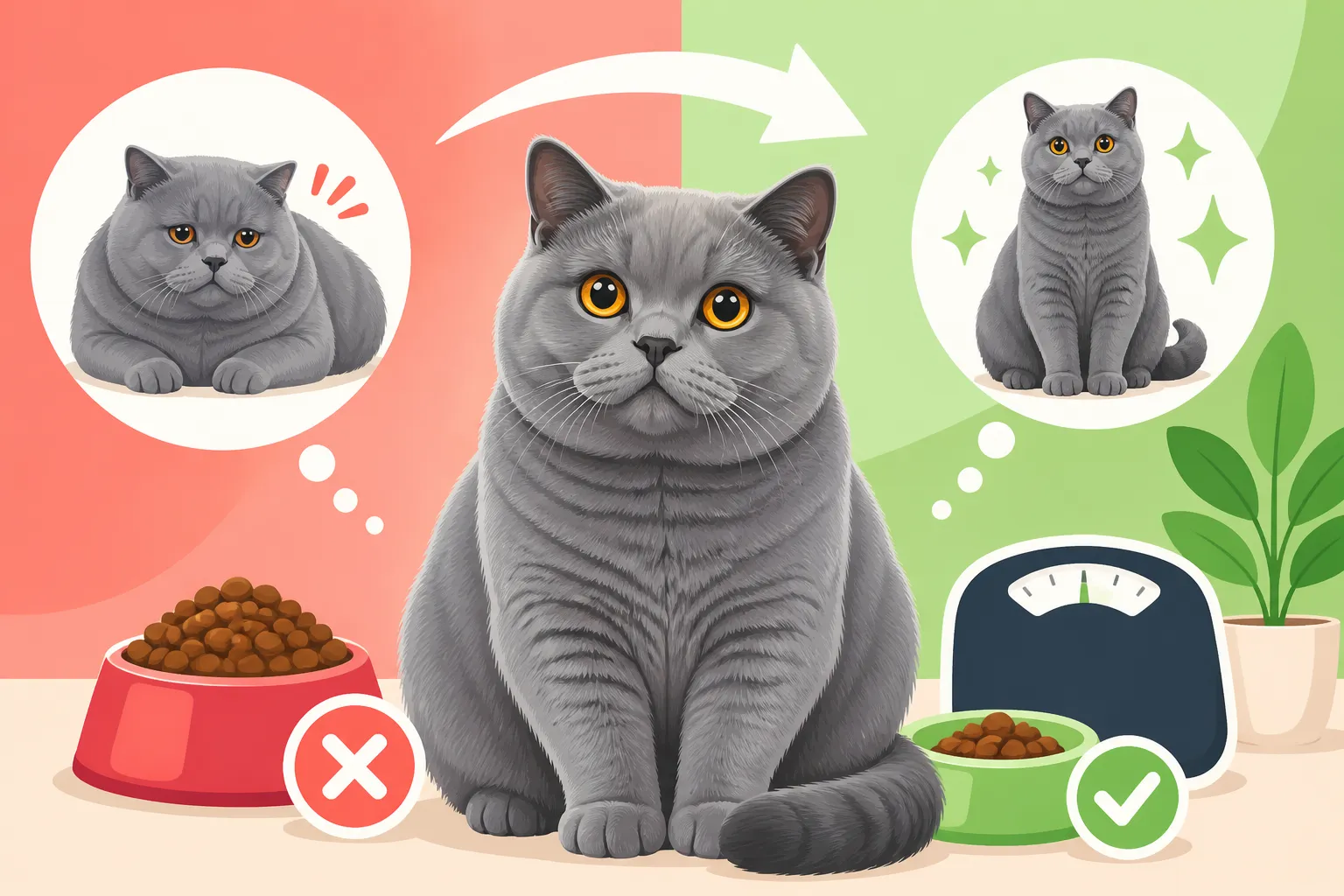
This is arguably the most critical step. Forget free-feeding; it’s the enemy of weight loss for a British Shorthair. Instead, measure out precise portions for each meal. Use a kitchen scale to weigh dry food or measure accurately with a dedicated scoop, rather than just eyeballing it. Divide their daily caloric allowance into two or three meals. For example, a morning meal, an afternoon meal, and an evening meal. This structured approach helps regulate their hunger and metabolism. Removing the food bowl after 15-20 minutes, even if they haven't finished, teaches them to eat when food is available. This also provides an opportunity to notice changes in appetite, which can be an early indicator of other health issues. Understanding Why Free Feeding Ruins a British Shorthair can really reinforce the importance of this method.
Engaging Your British Shorthair with Puzzle Feeders and Activity
British Shorthairs are typically not high-energy cats, but they still need mental and physical stimulation. Puzzle feeders are fantastic for this. They require your cat to work for their food, slowing down their eating and engaging their brains. Instead of gobbling down a meal in minutes, they might spend 20-30 minutes batting, nudging, or rolling a toy to get kibble out. This mimics natural foraging behavior and adds a layer of activity to mealtime. Look for robust puzzle feeders available on Amazon or Chewy that can stand up to a persistent British Shorthair. Beyond mealtime, incorporate short, consistent play sessions into their day. Even 5-10 minutes with a wand toy can make a difference. British Shorthairs might not be sprinters, but they enjoy a good chase, especially if it ends with a "kill" of the toy. This extra movement, even if it feels minimal, contributes to burning calories and maintaining muscle mass. Check out How to Get a British Shorthair to Move for more ideas on encouraging activity.
Handling Treats and Table Scraps During a Diet
This is where many diets falter. Those innocent treats add up quickly, and a small bite of human food can be a significant caloric hit for a cat. When your British Shorthair is on a diet, treats should be drastically limited or, ideally, eliminated entirely. If you must give treats, factor them into their daily caloric allowance. Many pet stores, including online options like Chewy, offer low-calorie cat treats, or you can even use a small portion of their regular kibble as a "treat." Absolutely no table scraps. Human food is often too high in fat, salt, and calories, and some common human foods are toxic to cats. Explain this to everyone in the household, so consistency is maintained. That pleading gaze is hard to resist, but your cat's long-term health is worth it. Remember that even a tiny amount of extra food, when consistently given, can undermine weeks of diligent dieting.
Navigating the Hurdles of Weight Loss with Your British Shorthair
Dieting isn't always a smooth road, especially with a clever and food-motivated British Shorthair. You'll likely encounter some challenges, but with patience and strategy, you can overcome them.
Dealing with Begging and Persistent Hunger
One of the most common complaints from owners is the persistent begging. Your British Shorthair might start meowing more, rubbing against your legs, or even trying to steal food from counters. It’s tough to ignore, especially when they fix you with those big, round eyes. The key here is consistency and ignoring the behavior. Giving in, even once, teaches them that begging works. Stick to their meal schedule. If they seem genuinely hungry between meals, try dividing their daily ration into more frequent, smaller meals (e.g., four small meals instead of two larger ones), or offer some low-calorie wet food if you're primarily feeding dry. High-fiber prescription diets can also help them feel fuller. Distraction can also work – initiate a play session or offer a snuggle instead of food. Remember, they're not actually starving; they're just used to getting food on demand. The duration of the diet is important, and How Many Weeks a British Shorthair Diet Should Take provides a good expectation of the commitment needed.
Managing Multi-Cat Households During a Diet
If you have multiple cats, putting one on a diet can be particularly tricky. You don't want your dieting British Shorthair stealing food from the other cats, nor do you want the other cats getting into the diet food (which might not be appropriate for them or too restrictive). Microchip feeders are a game-changer for this scenario. Brands like SureFeed allow only the designated cat (identified by their microchip or a collar tag) to access their specific food bowl. This ensures that each cat eats only their own portion. Alternatively, you can feed cats in separate rooms, supervised, and remove all food after a set time. This method requires more vigilance but is effective. Make sure the non-dieting cats are eating appropriate portions for their own needs too. Consistency across all pets is important to prevent one from overeating or the other from going hungry.
Recognizing and Addressing Plateau Periods
Just like in humans, cats can hit weight loss plateaus. You might see steady progress for a few weeks, and then suddenly, the numbers on the scale stop moving. Don't get discouraged! This is normal. A plateau might mean your cat's metabolism has adjusted to the lower calorie intake, or perhaps their lean body mass has increased slightly while fat decreased, leading to no net change on the scale. When a plateau occurs:
- Re-evaluate portions: Are you absolutely sure of the caloric intake? Double-check measurements.
- Increase activity: Can you add another 5-10 minutes of play, or introduce a new puzzle feeder?
- Consult your vet: Your veterinarian might suggest a slight further reduction in calories (very cautiously) or recommend blood tests to rule out underlying medical conditions, such as Hyperthyroidism in an Older British Shorthair or Diabetes in a British Shorthair, which can affect metabolism.
- Be patient: Sometimes, simply sticking to the plan will eventually break the plateau. It's a marathon, not a sprint, and consistency will pay off. Remember that Whether a British Shorthair Will Diet Willingly can be a challenge, so perseverance is key.
Long-Term Strategies for Maintaining a Healthy British Shorthair
Achieving the ideal weight is a huge accomplishment, but the journey doesn't end there. Maintaining that healthy weight is a lifelong commitment, particularly for a breed prone to weight gain like the British Shorthair.
Transitioning to Maintenance Calories Post-Weight Loss
Once your British Shorthair reaches their ideal weight, you can gradually transition them to a maintenance diet. This usually means a slight increase in calories, but it's crucial not to revert to old habits. Continue to portion control and stick to scheduled feeding times. Work with your vet to determine the appropriate maintenance caloric intake. Start by increasing their daily calories by about 5-10% and monitor their weight for a few weeks. If they start gaining, slightly reduce it again. The goal is to find the "sweet spot" where they maintain their healthy weight without gaining or losing further. This might be slightly higher than their diet calories but will still be less than what they were consuming when they were overweight. This is a critical period where many cats can regain lost weight if not managed carefully. The impact of obesity on their health is significant, including conditions like What Obesity Does to a British Shorthair's Liver, so maintaining a healthy weight is paramount.
Integrating Play and Enrichment for Ongoing Activity
Even at a healthy weight, British Shorthairs still tend to be calm cats. Regular, gentle exercise remains important for their overall health, muscle tone, and mental well-being. Continue with daily play sessions using wand toys, laser pointers (with a physical "kill" at the end, so they don't get frustrated), or interactive toys. Consider rotating toys to keep their interest piqued. Puzzle feeders can still be used for some meals, even on a maintenance diet, to provide mental enrichment and slow down eating. Cat trees, while not always scaled with gusto by British Shorthairs, can still offer vertical space and opportunities for stretching or a higher vantage point for napping. Any effort to encourage movement, even small amounts, contributes positively to their long-term health. Think about enriching their environment, perhaps with a window perch where they can observe the outside world.
The Lifelong Commitment to Portion Control for the Breed
The biggest takeaway for British Shorthair owners is that portion control is not just for dieting; it’s a lifelong necessity for this breed. Their predisposition to weight gain means that straying from measured meals can quickly lead back to obesity. Educate everyone in your household about the importance of consistent feeding practices. Regularly weigh your cat – perhaps once a month – even after they've reached their ideal weight, to catch any creeping weight gain early. If you notice a slight increase, you can adjust their portions slightly before it becomes a significant problem. This breed thrives on routine and measured intake. It's an investment in their health and longevity. Understanding How Much Obesity Shortens a British Shorthair's Life can be a strong motivator to stick to this long-term commitment. By diligently managing their diet and activity, you're ensuring your cherished British Shorthair lives a happy, healthy life for many years to come. Remember, a British Shorthair kitten needs appropriate nutrition to grow, and their adult weight will vary, but maintaining a healthy range throughout their life is vital. What a British Shorthair Should Weigh at One Year can give you a benchmark for their early adult weight.
Disclaimer
This article is for general informational purposes only and does not constitute professional advice. Laws, prices and regulations vary by location and change over time. Consult a qualified professional for guidance on your specific situation.