When a British Shorthair Blows Its Coat
If you're a British Shorthair owner, you've probably experienced that moment when suddenly, out of nowhere, your usually tidy home seems to be coated in a fine layer of fur. You might wonder if your beloved companion is secretly trying to redecorate with their own fluff, or if something is wrong. Rest assured, this guide will walk you through the phenomenon of "blowing coat," explaining exactly when and why your British Shorthair sheds so profusely, and most importantly, how to manage it gracefully.
Understanding the British Shorthair Coat
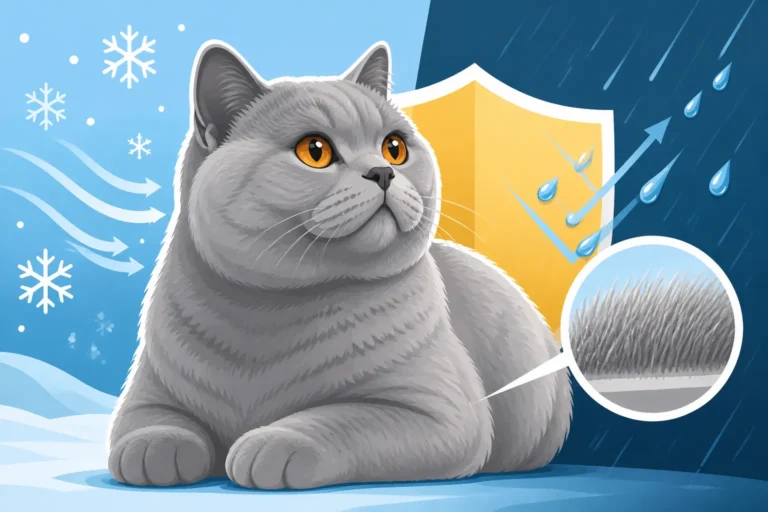
The British Shorthair is renowned for its incredibly dense, plush coat, often described as a "double coat." This isn't just for show; it's a functional masterpiece designed to protect them from the elements. Understanding its unique characteristics is the first step to knowing how to manage it, especially when it decides to make a grand exit.
The Unique Texture and Density
A British Shorthair's coat isn't like a typical domestic cat's sleek, fine fur. When you run your hand through it, you'll immediately notice its distinct "crisp" texture, almost like a thick, luxurious carpet. This isn't coarse; rather, it’s firm and resilient, standing away from the body rather than lying flat. This unique quality is due to the incredibly high density of hairs per square inch, particularly the undercoat. It’s a coat built for endurance and insulation, a testament to their hardy origins. This density makes them feel like a living, breathing teddy bear, and it's a huge part of their charm, but it also means there's a lot of fur to manage when it starts to loosen.
The individual hairs themselves are short, as the name suggests, but they are strong and packed tightly together. This creates a cushion of air between the skin and the outside world, providing excellent thermal regulation. It's truly a marvel of natural engineering, offering both warmth in cooler temperatures and protection from heat by preventing direct sunlight from reaching the skin. Owners often remark on how surprisingly heavy their British Shorthair feels, and a significant part of that perceived weight comes from this incredibly thick coat. If you've ever wondered What a British Shorthair's Coat Is Like, you'll know exactly what I mean.
The Role of the Undercoat
The secret to the British Shorthair's plush appearance and insulating prowess lies primarily in its undercoat. Unlike many single-coated breeds, British Shorthairs possess a thick, woolly layer of fine, soft hairs beneath their coarser outer guard hairs. This undercoat is what gives them that unmistakable "plush" feel and teddy-bear look. Think of it as their built-in duvet, providing exceptional insulation. In colder climates or during winter months, this undercoat becomes even denser, trapping warm air close to the body and keeping them cozy.
Conversely, in warmer conditions, this undercoat needs to be shed to prevent overheating. It's a natural adaptation to help them maintain a comfortable body temperature. While the guard hairs offer protection from moisture and superficial damage, it's the undercoat that's doing the heavy lifting in terms of thermal regulation. This is why when a British Shorthair "blows" its coat, it's often this dense undercoat that comes out in prodigious amounts. Understanding that they have this distinct undercoat is crucial for grooming, as the right tools are needed to reach and remove it effectively. Whether a British Shorthair Has an Undercoat is a question many new owners ask, and the answer is a resounding yes!
What "Blowing Coat" Actually Means
All cats shed; it's a normal part of their hair growth cycle. However, when a British Shorthair "blows its coat," it's not just regular shedding. It's a much more intense, often dramatic, event that can leave you wondering if your cat is secretly building a second cat out of the fur left behind.
The Natural Cycle of Shedding
Normal shedding is a continuous, year-round process where old or damaged hairs fall out to be replaced by new ones. You'll find a moderate amount of fur around the house, on furniture, and on your clothes, but it's usually manageable with regular vacuuming and a quick brush. This constant turnover keeps the coat healthy and allows the skin to breathe. Even in optimal conditions, a British Shorthair will always shed to some degree because their hair follicles are always in various stages of growth, rest, and shedding.
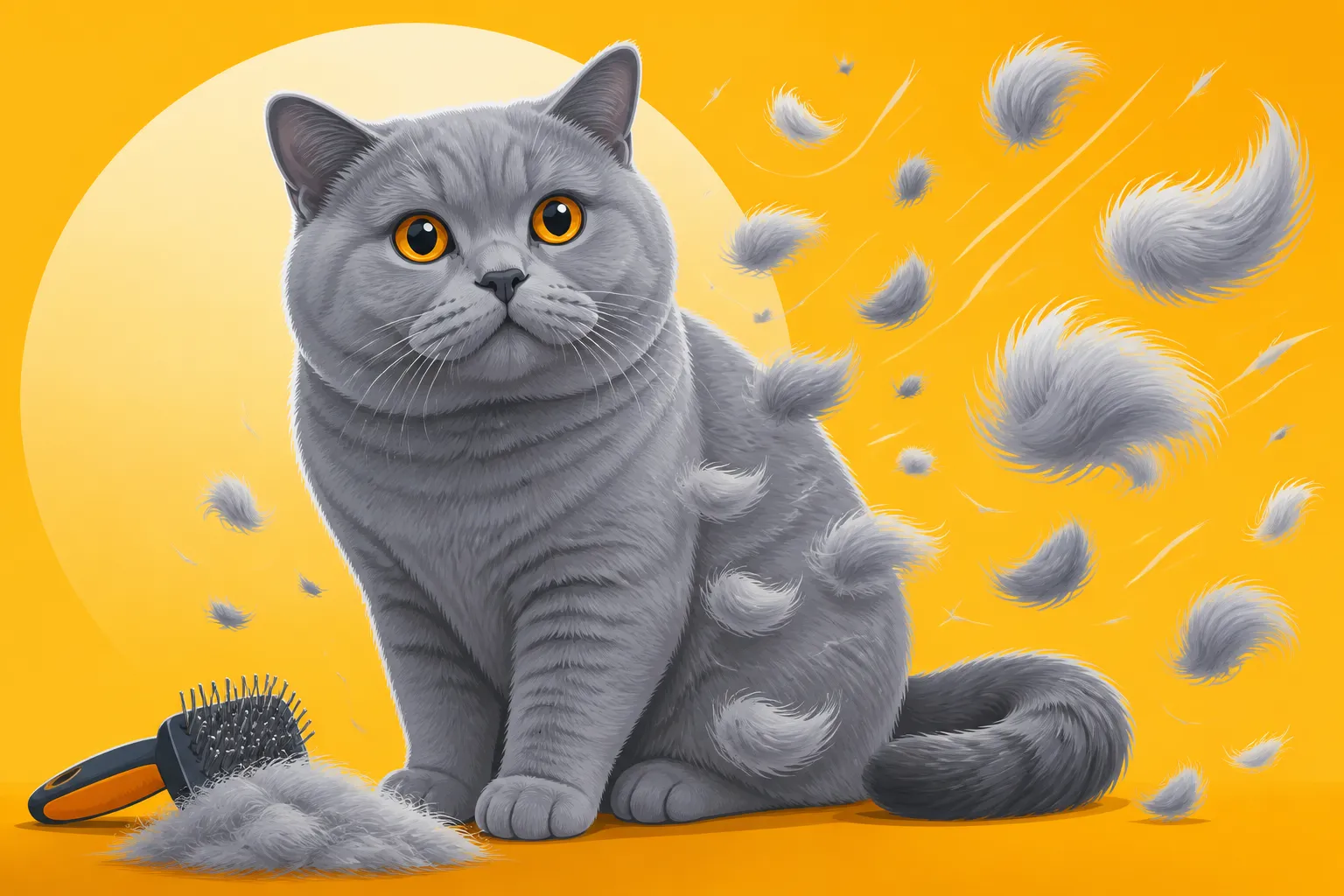
"Blowing coat," on the other hand, is a synchronized, accelerated shedding event where a significant portion of the undercoat, and sometimes the outer coat, is shed rapidly over a period of a few weeks. It's essentially a large-scale coat change, often triggered by environmental cues. It's their body's way of adapting to significant seasonal changes, preparing for either the warmth of summer or the chill of winter. It’s a completely natural, healthy process, but it can certainly be startling if you're not expecting it or haven't experienced it with a cat before.
Distinguishing Normal Shedding from Blowing Coat
The key difference between everyday shedding and a full-blown coat explosion lies in the sheer volume and speed of the fur loss. During normal shedding, you might collect a small handful of fur after a grooming session. When your British Shorthair is blowing its coat, you'll be pulling off huge clumps, often enough to fill a small grocery bag in one or two sessions. The fur seems to come off with minimal effort, sometimes just by stroking them. You might even notice loose fur clinging to your cat's body, easily lifted away like a discarded blanket.
Another indicator is the texture of the loose fur. During a coat blow, you'll predominantly see the fine, soft undercoat coming out. This makes the remaining coat feel less dense and slightly thinner, though it will quickly start to grow back with the appropriate seasonal density. The process can last anywhere from two to six weeks, depending on the individual cat, their environment, and their general health. In contrast, regular shedding is a much slower, less noticeable trickle of fur. If you're suddenly finding fur bunnies the size of small rodents floating across your floor, your British Shorthair is almost certainly blowing its coat. For a deeper dive, read How Much a British Shorthair Sheds.
| Shedding Characteristic | Normal Shedding | Blowing Coat |
|---|---|---|
| Volume of Fur | Moderate, consistent | Excessive, abundant |
| Speed of Shedding | Gradual, continuous | Rapid, noticeable bursts |
| Type of Fur | Mix of guard hairs and undercoat | Primarily soft, woolly undercoat |
| Duration | Year-round | Concentrated period (weeks) |
| Impact on Coat Feel | Little change | Thinner, less dense temporarily |
| Visibility | Manageable | Highly visible on surfaces/clothes |
When British Shorthairs Typically Blow Their Coat
British Shorthairs, like many other double-coated breeds, have distinct shedding patterns that are primarily influenced by the seasons, though internal factors can also play a role. Understanding these timings can help you anticipate and prepare for the fur-nado ahead.
Seasonal Influences
The most prominent times for a British Shorthair to blow its coat are usually in spring and autumn. The spring shed is typically the most dramatic. As the days lengthen and temperatures rise, your cat's body signals that it's time to lighten their load of winter insulation. They'll shed the thick, dense undercoat that kept them warm during the colder months, preparing for the warmer days of summer. This is often when owners report the most significant amounts of fur seemingly appearing from nowhere. It's a crucial adaptation to prevent overheating and allow their skin to breathe better in the rising heat.
The autumn shed is also significant, though sometimes less visually impactful than the spring shedding. As daylight hours shorten and temperatures begin to drop, your British Shorthair will shed their lighter summer coat to make way for a new, thicker, and more insulating winter undercoat. This ensures they are well-prepared to brave the colder temperatures. While the amount of fur shed might not always seem as overwhelming as in spring, it's still a noticeable increase in shedding activity. For many British Shorthair owners, these two periods become predictable events that they learn to prepare for. You might even notice The Two Weeks a British Shorthair Drops Its Undercoat can feel like a lifetime!
It’s worth noting that for British Shorthairs who live exclusively indoors, with artificial lighting and climate control, these seasonal shedding patterns can become less distinct. They might experience a more continuous, moderate level of shedding throughout the year, rather than two intense "blow-outs." However, even indoor cats are still somewhat attuned to natural light cycles and may show some increase in shedding during these traditional spring and autumn periods.
Hormonal and Environmental Factors
Beyond the obvious seasonal changes, other factors can influence when and how intensely a British Shorthair blows its coat. Hormonal fluctuations are a big one. Intact (unneutered) female cats, or queens, often experience significant coat changes related to their heat cycles or after giving birth to a litter of kittens. Post-partum shedding, in particular, can be quite dramatic as their body recovers and hormone levels shift. Similarly, intact males may have coat variations linked to breeding seasons.
Stress can also trigger shedding in cats. A sudden change in environment, a new pet, a house move, or even a change in routine can sometimes cause a cat to shed more than usual. This is typically a stress response, where the body reacts by accelerating hair loss. While not a "coat blow" in the traditional seasonal sense, it can certainly mimic the intensity of one. Diet and general health are also critical. A poor diet lacking essential nutrients, or an underlying health issue, can manifest as excessive shedding or a dull, unhealthy coat. While not a true coat blow, it’s worth noting that an unhealthy coat will shed more poorly and continually.
Ultimately, daylight hours are often the primary trigger for the natural coat blowing cycle. The pineal gland in a cat's brain responds to changes in photoperiod (the length of day and night), which in turn influences hormone production that regulates hair growth and shedding. This biological clock ensures they are ready for the changing seasons, regardless of whether they spend their days lounging in a climate-controlled home or basking in the sun by a window.
Managing a British Shorthair During Coat Blow
When your British Shorthair is blowing its coat, it can feel like you're living in a fur factory. But don't despair! With the right approach to grooming, diet, and environmental management, you can help your feline friend through this period and keep your home from being completely taken over by fluff.
The Importance of Regular Grooming
During a coat blow, regular grooming isn't just helpful, it's absolutely essential. You'll need to step up your grooming game considerably. While you might typically comb your British Shorthair two or three times a week, during a heavy shed, daily grooming is often necessary. This helps to remove the loose, dead undercoat before it has a chance to form mats or get ingested, leading to hairballs. The more fur you remove with a comb, the less fur ends up on your furniture and, critically, in your cat's stomach.
When it comes to tools, a good quality metal comb with both wide and fine teeth is indispensable. The wide teeth are great for initial passes to loosen the fur, while the finer teeth can pull out more of the undercoat. Many British Shorthair owners also find deshedding tools like a Furminator or similar brands incredibly effective, but use them with caution and sparingly. These tools can be very efficient at removing undercoat, but over-use or improper technique can damage the delicate guard hairs or irritate the skin. Always follow the manufacturer's instructions and be gentle, stopping if your cat shows any signs of discomfort. Focus on short, gentle strokes, especially in areas where the coat is particularly dense. If you're looking for specific recommendations, Which Comb a British Shorthair Needs has some great advice. Regular grooming during this time also reduces the risk of painful mats forming, which can happen quickly with such a dense coat when loose fur isn't removed.
Diet and Hydration Support
What goes into your British Shorthair can significantly impact the health and quality of their coat, especially during periods of heavy shedding. Ensuring they are on a high-quality, balanced diet year-round is paramount. Look for foods rich in Omega-3 and Omega-6 fatty acids, as these are vital for skin health and coat luster. These essential fatty acids help to keep the skin moisturized and the hair follicles strong, which can lead to a healthier coat that sheds more efficiently rather than excessively or poorly. Many premium cat foods specifically formulate their recipes with skin and coat health in mind.
Hydration is also a silent hero for coat health. A well-hydrated cat will have healthier skin and a more supple coat. Ensure your British Shorthair always has access to fresh, clean water. Some cats prefer running water, so a water fountain can be a great investment. Adequate water intake not only supports overall bodily functions but also helps with the passage of any ingested fur through the digestive system, reducing the likelihood of hairballs. During a coat blow, hairball supplements or specific hairball control cat food can be particularly helpful. These often contain added fiber to help hair pass through the digestive tract smoothly. You can find a range of such products on platforms like Amazon.
Environmental Management
Even with diligent grooming and a great diet, some fur will inevitably escape into your environment during a coat blow. Proactive environmental management can help keep your home from becoming a fur tumbleweed haven. Vacuuming frequency will likely need to increase. If you usually vacuum once a week, you might find yourself doing it every other day, or even daily, in high-traffic cat areas. Consider investing in a vacuum cleaner designed for pet hair, as these often have stronger suction and specialized attachments.
Protecting your furniture is another battle. Regular throws or blankets placed over favorite sleeping spots can catch a significant amount of fur, making them easier to wash than trying to de-fur an entire sofa. Lint rollers will become your best friend for a quick clean-up on clothes and soft furnishings. Some owners even consider using air purifiers with good filtration systems during peak shedding seasons, as these can help capture airborne fur and dander, improving overall air quality in your home. While it won't stop the shedding, it can certainly make the "aftermath" feel less overwhelming and benefit allergy sufferers in the household.
Common Concerns and Troubleshooting
While blowing coat is a natural process, it can sometimes bring along a few challenges, especially regarding your cat's comfort and digestive health. Knowing what to look out for and when to seek professional advice is important.
Hairballs and Digestive Health
During a significant coat blow, an increase in hairballs is almost inevitable. As your British Shorthair grooms itself to remove loose fur, it ingests a considerable amount of hair. Most of this hair passes harmlessly through their digestive system, but sometimes, it accumulates in the stomach and forms a hairball, which your cat will then vomit up. While unpleasant for you, occasional hairballs are a normal consequence of shedding. However, excessive vomiting, especially if accompanied by lethargy, loss of appetite, constipation, or diarrhea, is not normal and warrants a vet visit. It could indicate a severe hairball blockage or another underlying digestive issue.
To help mitigate hairballs, beyond regular grooming and a good diet, consider specific hairball paste or treats. These often contain lubricants or fiber that help the ingested hair pass more easily through the digestive tract. Many British Shorthair owners swear by a small dollop of petroleum jelly-based paste a few times a week during peak shedding season. You can often find a variety of these supplements at online retailers like Chewy or your local pet store. Encouraging your cat to drink more water, perhaps through a water fountain, can also aid digestion and keep things moving smoothly.
Distinguishing Healthy Shedding from Problematic Hair Loss
It's crucial to be able to tell the difference between healthy, natural coat blowing and hair loss that might signal an underlying health problem. If your British Shorthair is shedding heavily but their skin looks healthy – no redness, flakiness, scabs, or excessive itching – and their remaining coat looks otherwise normal, it's likely just a coat blow. The shedding should also be relatively even across their body, even if intense.
However, if you notice any of the following, it's time for a call to your veterinarian:
- Patchy fur loss or bald spots: This is a red flag, as natural shedding typically doesn't result in baldness.
- Excessive scratching, licking, or chewing: This could indicate allergies, fleas, mites, or a skin infection.
- Red, inflamed, scaly, or bumpy skin: These are signs of irritation or infection.
- Dull, greasy, or poor-quality remaining coat: A healthy coat should still look good, even if thinner.
- Changes in appetite, energy levels, or litter box habits: These general signs of illness can sometimes accompany skin or coat issues.
Underlying health issues like allergies (food or environmental), parasites (fleas, mites), fungal infections (ringworm), hormonal imbalances, stress, or even kidney disease can all manifest as poor coat condition or abnormal hair loss. Always err on the side of caution. Your vet can perform diagnostics to pinpoint the cause and recommend appropriate treatment. For a broader understanding of general health indicators, you might find Signs a British Shorthair Is Unwell helpful.
Long-Term Coat Care for British Shorthairs
While the intensity of a British Shorthair blowing its coat is a seasonal event, proactive and consistent coat care throughout the year is key to minimizing these periods and ensuring your cat's coat remains healthy and beautiful. Think of it as an ongoing commitment to their well-being.
Year-Round Grooming Routine
Establishing a regular grooming routine is perhaps the single most important thing you can do for your British Shorthair's coat, regardless of the season. Even when they're not actively "blowing coat," their dense fur can still benefit from attention. Aim for at least 2-3 thorough combing sessions per week during normal periods. This consistent effort helps to:
- Prevent mats: British Shorthairs, despite their short hair, can develop mats if loose undercoat isn't removed, especially behind the ears, in the "armpits," or around the hindquarters.
- Reduce everyday shedding: Regular combing removes loose hairs before they can fall out onto your furniture or get ingested by your cat.
- Promote skin health: Grooming stimulates blood circulation to the skin, helping to distribute natural oils and keep the skin healthy.
- Build bonding: Grooming can be a pleasant, bonding experience for you and your cat, especially if introduced early and done gently.
Use a good quality metal comb that can penetrate their dense undercoat. Avoid slicker brushes or tools that might pull too harshly on their delicate skin. Teaching your British Shorthair to enjoy grooming from a young age is invaluable. Keep sessions short and positive, rewarding them with treats and praise. For detailed guidance on frequency, refer to How Often a British Shorthair Needs Combing. While not a regular necessity, How Often a British Shorthair Needs a Bath might come up if they get particularly soiled.
Understanding Coat Changes Over Time
A British Shorthair's coat isn't static; it evolves throughout their life. A kitten's coat is incredibly soft and plush, but it's not quite as dense or "crisp" as an adult's. They will undergo a significant coat change as they mature into adulthood, transitioning from their kitten fluff to the hallmark adult double coat. This transition usually occurs between 6 months and a year of age, and sometimes even up to two years as they fully develop. During this period, you might notice increased shedding as the older kitten fur is replaced by the denser adult coat.
As British Shorthairs age, their coat can undergo further changes. In their senior years, you might observe a slight thinning of the coat, a change in texture, or even a different luster. Older cats might also become less diligent groomers themselves due to arthritis or other health issues, making your regular intervention even more critical to prevent matting and maintain skin health. Understanding these natural progressions can help you adjust your grooming routine and diet to meet their changing needs. For more on this, check out What Changes in an Aging British Shorthair's Coat. Each stage of life brings its own unique coat challenges and joys, and being prepared means your British Shorthair can maintain their magnificent appearance and comfort for years to come.
Disclaimer
This article is for general informational purposes only and does not constitute professional advice. Laws, prices and regulations vary by location and change over time. Consult a qualified professional for guidance on your specific situation.