Whether a British Shorthair Ever Learns to Be Held
It's a common aspiration for cat owners: the snuggly lap cat, always ready for a cuddle and a good hold. But if you're a British Shorthair parent, you've likely discovered that your beloved furball often has other plans. The frustration is real when your stout, teddy-bear-like companion squirms and makes it clear they prefer all four paws firmly on the ground. This guide will delve into the unique temperament and physical traits of the British Shorthair, exploring whether they can truly "learn" to be held and, more importantly, how you can foster a loving bond that respects their inherent nature.
Understanding the British Shorthair's Natural Inclination
British Shorthairs are renowned for their calm, dignified, and often independent personalities. Unlike some more clingy breeds, they tend to be quite self-sufficient, enjoying their human companions from a comfortable distance rather than constantly seeking physical contact. This inherent nature is the first key to understanding their stance on being held.
Their Independent and Grounded Nature
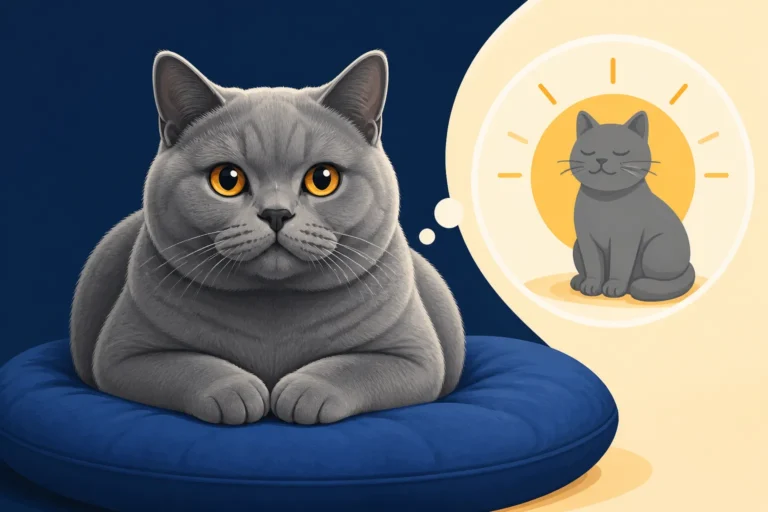
These magnificent cats possess a calm demeanor that often translates into a preference for being near you, but not necessarily on you or in your arms. They are truly the "four on the floor" type of feline. Picture your British Shorthair contentedly sprawling on the sofa beside you, perhaps even leaning against your leg, or following you from room to room just to be in your presence. This is their way of showing affection and bonding. They appreciate your company, they truly do, but often on their own terms. It's not a rejection of you; it's simply a strong preference for their personal space. Many owners find their British Shorthair will happily occupy the adjacent armchair or a comfy spot on the floor nearby, offering a warm presence without demanding constant physical interaction. This can sometimes feel a bit distant if you're used to a more demanding cat, but it's a hallmark of their dignified charm. They truly embody the saying, A British Shorthair Sits Near You, Not On You.
The British Shorthair's Physical Build
Another significant factor in their reluctance to be held is their unique physical structure. British Shorthairs are a cobby breed, meaning they are compactly built, sturdy, and well-muscled, with dense bones. They mature slowly, filling out into impressive, substantial cats over several years. Their weighty frame and solid build mean that being suspended in the air might simply feel less secure and less comfortable for them compared to a lighter, more agile cat. Imagine carrying a weighty, dense object that doesn't quite conform to your arms; it's a bit like that for them, but magnified by their instincts to feel stable and grounded.
When you try to pick them up, they don't have the lithe, slender bodies of some other breeds that can easily conform to being cradled. Their robust build, combined with a thick, plush coat, means they often feel like a solid, unyielding mass in your arms. This isn't just about weight; it's about the feeling of being off-balance and vulnerable. They are, after all, built to be quite substantial, and this contributes to Why a British Shorthair Is Built to Look Heavy. This physical characteristic can make the act of being picked up inherently less appealing, even if they trust you implicitly.
Reading Their Cues and Comfort Levels
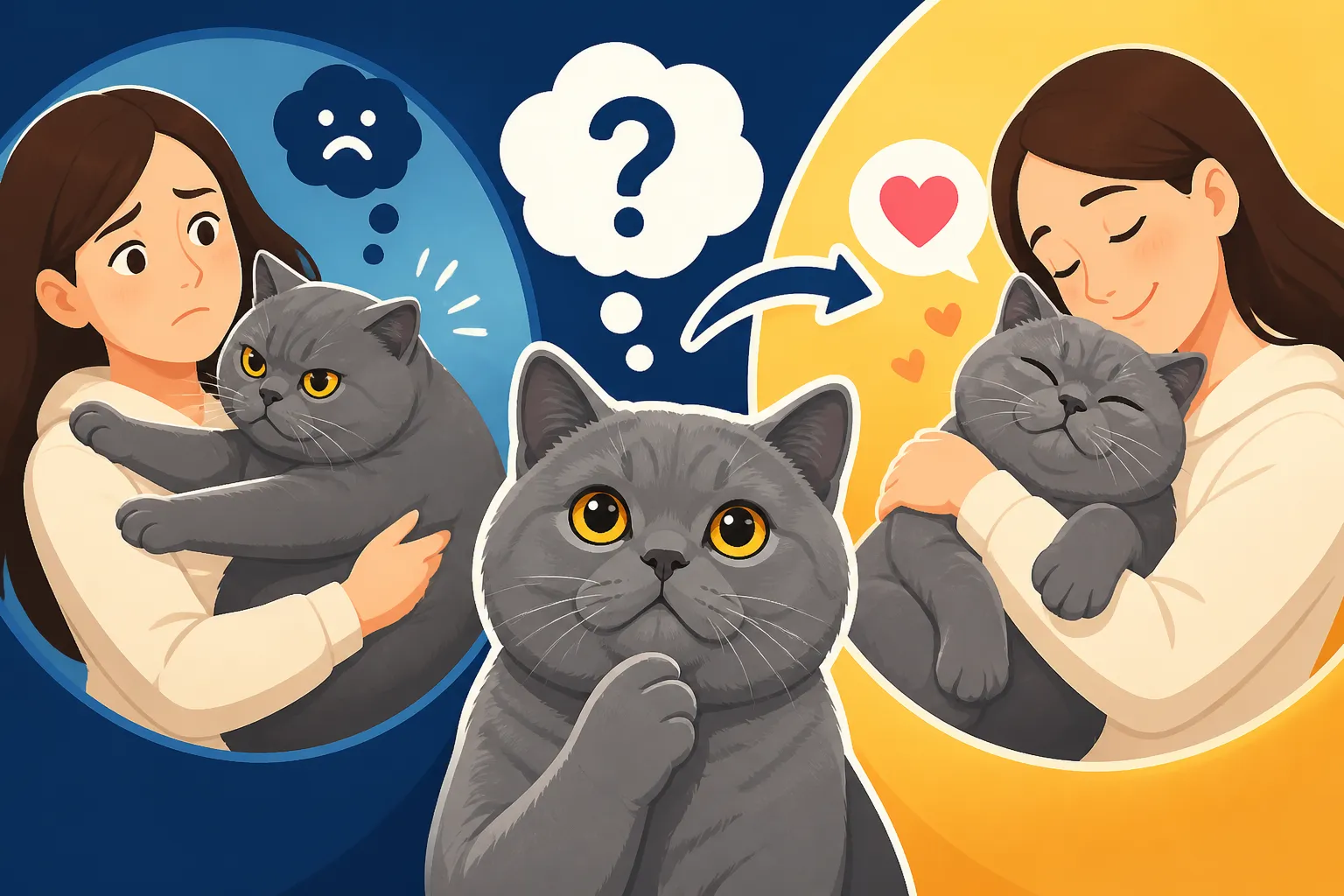
Learning to read your British Shorthair's body language is absolutely crucial when it comes to handling. They are masters of subtle communication, and forcing physical affection upon them when they're giving clear signals of discomfort can quickly erode trust. A cat that is merely tolerating being held will likely have a tense body, a tail that might be flicking back and forth, ears that are slightly flattened or swiveling rapidly, and wide eyes. They might try to subtly shift their weight, push off your arm, or even try to wiggle free. They might go limp, which can seem like acceptance but is often a sign of learned helplessness – they've given up resisting.
Conversely, a British Shorthair who is genuinely relaxed or even enjoying being held (a rare but beautiful sight!) will appear loose in your arms. Their muscles will be soft, their tail might hang gently or slowly wag, and their eyes might be soft, perhaps even closing in a slow blink. They might even begin to purr deeply. It's essential to understand that any sign of tension, even subtle, means they're not thrilled. Always err on the side of caution and release them gently if you see these signs. Understanding these cues is part of learning How to Read a British Shorthair's Face and building a stronger bond.
Can a British Shorthair Learn to Tolerate Being Held?
The short answer is: sometimes, to varying degrees. It's less about "learning to love it" and more about "learning to tolerate it" with positive associations. Like many aspects of cat behavior, success often hinges on early experiences and consistent, gentle reinforcement.
Starting Early with Kittens
If you're bringing a British Shorthair kitten home, you have a golden opportunity to introduce gentle handling. Kittens, generally speaking, are more pliable and adaptable than adult cats. A good, responsible breeder will already have started this process, ensuring their kittens are accustomed to being touched and held from a young age. When you continue this, keep the sessions short – just a few seconds at a time. Pick them up, give a gentle stroke, offer a small, highly palatable treat, and then set them back down. This creates a positive association: "Being held means good things (treats, praise), and it doesn't last long."
Avoid forcing the issue. If the kitten resists, let them go. You don't want to create negative experiences where they associate being held with fear or being trapped. Consistency is key, but so is respect for their boundaries. Keep it light, positive, and brief. This early socialization is vital for their overall confidence and can impact When a British Shorthair Finally Grows Up and how they view human interaction throughout their lives.
The Role of Positive Reinforcement
Positive reinforcement is your best friend when trying to encourage a British Shorthair to accept being held. It’s not about coercion; it’s about making the experience rewarding for them.
Here’s how to approach it:
- Small, High-Value Treats: Have some of their absolute favorite treats ready. Think freeze-dried chicken, salmon paste, or a lickable treat like Churu (available on Amazon).
- Brief Holds: Start with picking them up for just a couple of seconds. As soon as you lift them, offer the treat. Once they've taken it, gently put them back down.
- Praise and Gentle Strokes: While they're being held (and receiving the treat), offer soft, reassuring words and gentle strokes in their preferred petting spots (usually around the head, cheeks, or under the chin).
- Gradual Increase: If they tolerate the short holds well, you can very gradually increase the duration. A few seconds becomes five, then ten, and so on. Never push them past their comfort level.
The goal is to teach them that being held isn't scary or unpleasant, but rather a temporary event that leads to a delicious reward. It ties into the broader concept of positive engagement, like using toys and treats to encourage activity, as discussed in How to Get a British Shorthair to Play Daily. Always remember: if they start to struggle or show signs of distress, immediately and gently put them down.
Managing Expectations
It's crucial to manage your expectations when trying to get a British Shorthair to enjoy being held. For many, "tolerating" is the highest level of achievement, not "loving" it. You might never have a British Shorthair who drapes themselves over your shoulders or curls up in your lap for hours like some other breeds. Their independence and physical build simply aren't geared towards that.
The true victory is when they allow you to pick them up without a struggle, perhaps for a quick cuddle or to move them from one spot to another, and then settle back down happily when released. This acceptance demonstrates a deep level of trust and comfort in your presence. Don't take it personally if they consistently prefer to be near you on their own terms. There are countless other ways to show and receive affection from a British Shorthair, and honoring their unique personality is the most loving thing you can do. Understanding How Long a British Shorthair Tolerates Being Held is key to setting realistic goals.
Techniques for Gentle Handling and Building Trust
Successfully handling a British Shorthair, even for short periods, requires a specific approach that prioritizes their sense of security and comfort. It's about making them feel safe, not trapped or vulnerable.
The "Scoop and Support" Method
When you do need to pick up your British Shorthair, doing it correctly is paramount to minimizing their discomfort and making them feel secure. Their cobby build means they need full support, not just dangling from your armpits.
Here's the scoop (pun intended!):
- Approach Calmly: Always approach your cat calmly and from the front, or slightly to the side, so they can see you coming. Avoid sudden movements or snatching them up from behind.
- One Hand Under the Chest/Front Legs: Slide one hand under their chest, just behind their front legs. This supports their upper body.
- Other Hand Under the Rear/Hips: Use your other hand to scoop under their hindquarters, supporting their entire back end and taking their weight.
- Lift Evenly and Close to Your Body: Lift them smoothly and evenly, bringing them close to your chest or body. This makes them feel less exposed and more secure. Don't let their hind legs dangle unsupported.
- Maintain Support: Once held, keep both hands supporting their body, ensuring they feel stable. Avoid squeezing too tightly, but hold them firmly enough that they don't feel like they're going to fall.
This method, often referred to as the "scoop and support," makes all the difference in making your British Shorthair feel safe and minimizing their squirming. It's the proper way to ensure their comfort, especially considering How to Carry a British Shorthair Safely. It's a fundamental skill for any British Shorthair owner, especially for things like How a British Shorthair Behaves at the Vet.
Short, Frequent Sessions
Instead of trying to force a long cuddle, which is likely to end in resistance, opt for short, frequent interactions. Think of it like a gentle training exercise. Pick them up using the "scoop and support" method, offer a quick treat, say some soft words, and then set them back down after just a few seconds. Do this a few times a day, always ending on a positive note before they even think about struggling.
The benefits of this approach are twofold: firstly, it prevents the cat from feeling trapped, as they know the interaction will be brief. Secondly, it consistently reinforces the positive association (treats, praise) with the act of being held. Over time, these brief, positive experiences can gradually build their tolerance, making them more accepting of being handled when necessary. It's a marathon, not a sprint, and patience is key.
Creating a Safe Environment
The environment where you attempt to hold your British Shorthair plays a significant role in their willingness to cooperate. A chaotic or noisy setting will only add to their apprehension.
- Quiet Space: Choose a calm, quiet room free from sudden noises, rambunctious children, or other pets that might startle them.
- Familiar Smells: Make sure the area smells familiar and comforting. Cats are very scent-oriented.
- No High Places (Initially): If they are already nervous about being held, don't try to pick them up while you're standing on a ladder or somewhere high. Keep both of you low to the ground until their confidence improves.
- Positive Association with Your Presence: Spend time simply sitting near your cat, offering treats and gentle pets (without picking them up). Let them initiate contact. This builds a general positive association with your presence, making them less wary when you do reach for them.
The goal is to make the entire experience as low-stress as possible. A relaxed cat is far more likely to tolerate handling than an anxious one.
Alternative Ways to Show Affection
While being held might not be their favorite, British Shorthairs are incredibly affectionate cats in their own unique way. Learning their love language means understanding how they prefer to interact, which often doesn't involve being cradled like a baby.
Proximity and Shared Space
For a British Shorthair, true affection often manifests as proximity. They want to be with you, even if they're not on you. This could mean following you from room to room, settling into an armchair next to yours, or choosing to sleep at the foot of your bed. They are often described as "velcro cats" in the sense that they like to be in the same room as their favorite humans, observing and participating in the quiet domestic rhythm.
Think of it as a quiet, comforting presence. When your British Shorthair chooses to nap on the sofa cushion right next to where you're reading, or sits on the kitchen floor while you're cooking, that's a huge sign of affection and trust. They're telling you, "I feel safe and happy just being near you." This independent yet devoted nature is a beautiful part of How a British Shorthair Shows Affection.
Interactive Playtime
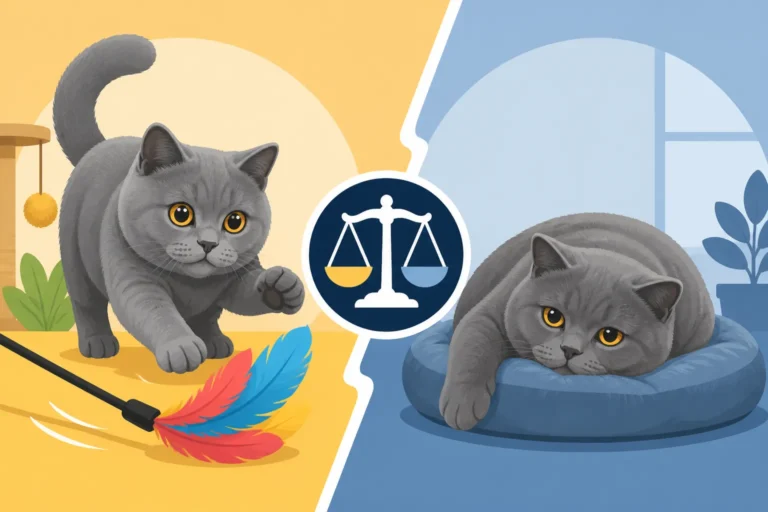
Even the most stoic British Shorthair can be coaxed into playtime, and this is a fantastic way to bond and show affection on their terms. Since many British Shorthairs aren't naturally hyperactive, finding the right toys is key. Wand toys with feathers or soft lures are often a hit, allowing them to stalk and pounce without you having to get too physically close. Laser pointers can be engaging, but always end a session by directing the laser onto a physical toy they can "catch" to prevent frustration. Puzzle feeders can also provide mental stimulation and a fun way to interact. You can find a huge variety of these toys on Amazon.
Engaging in regular playtime not only provides mental and physical enrichment but also strengthens your bond significantly. It shows them you're interested in their world and willing to engage in ways they enjoy. For ideas on what might pique their interest, you might find inspiration in Which Toys a British Shorthair Will Actually Chase.
Gentle Grooming and Petting
Most British Shorthairs absolutely adore a good petting session, especially on their head, cheeks, and under the chin. These areas are often their "sweet spots." Their dense, plush coats do require some regular maintenance, making grooming a perfect opportunity for bonding. Instead of a brush (which can sometimes be too harsh for their delicate undercoat), a sturdy metal comb is often preferred to get through their thick fur. You can pick up a great one on Amazon.
Many British Shorthairs relax into a deep purr during these sessions, leaning into your touch. It's a wonderful way to offer physical affection that they genuinely appreciate. Pay attention to where they like to be touched and where they don't (many cats dislike belly rubs, for instance). These moments of calm, gentle grooming build trust and reinforce your loving relationship. It's a direct way to express affection that they welcome, and understanding How Much a British Shorthair Likes Being Stroked will guide you. Don't underestimate the power of a good combing session for both coat health and bonding, as discussed in How a British Shorthair Takes to Brushing.
Holding Preferences vs. Alternative Affection
Here's a quick overview to help you understand the nuances of British Shorthair affection:
| Aspect | British Shorthair Holding Preference | Alternative Affection (Preferred) |
|---|---|---|
| Physical Contact | Generally prefers all four paws on the ground; tolerates brief holds. | Enjoys sitting or lying next to you; leaning against your leg. |
| Duration | Very short bursts, especially if rewarded. | Extended periods of shared space or gentle petting. |
| Comfort Level | May feel insecure or constrained due to cobby build. | Feels secure and independent, yet still connected. |
| Engagement | Often passive acceptance, or gentle resistance. | Active participation in playtime; soliciting attention with nudges. |
| Trust Building | Requires very gentle, consistent, positive reinforcement to build. | Built through respectful interaction, play, and shared quiet moments. |
| Common Misconception | Mistaken for being aloof or unfriendly when they resist being held. | Their quiet presence and subtle gestures are their way of showing love. |
In conclusion, while some British Shorthairs might, with patience and positive reinforcement, learn to tolerate being held for short periods, it's rarely their preferred form of affection. Their inherent independence and sturdy build mean they're far more likely to show and receive love through shared space, interactive play, and gentle petting. The most important thing is to understand and respect your individual cat's personality and preferences. By meeting them where they are, you'll foster a deeper, more trusting, and genuinely affectionate relationship that truly celebrates the unique charm of this wonderful breed.
Disclaimer
This article is for general informational purposes only and does not constitute professional advice. Laws, prices and regulations vary by location and change over time. Consult a qualified professional for guidance on your specific situation.