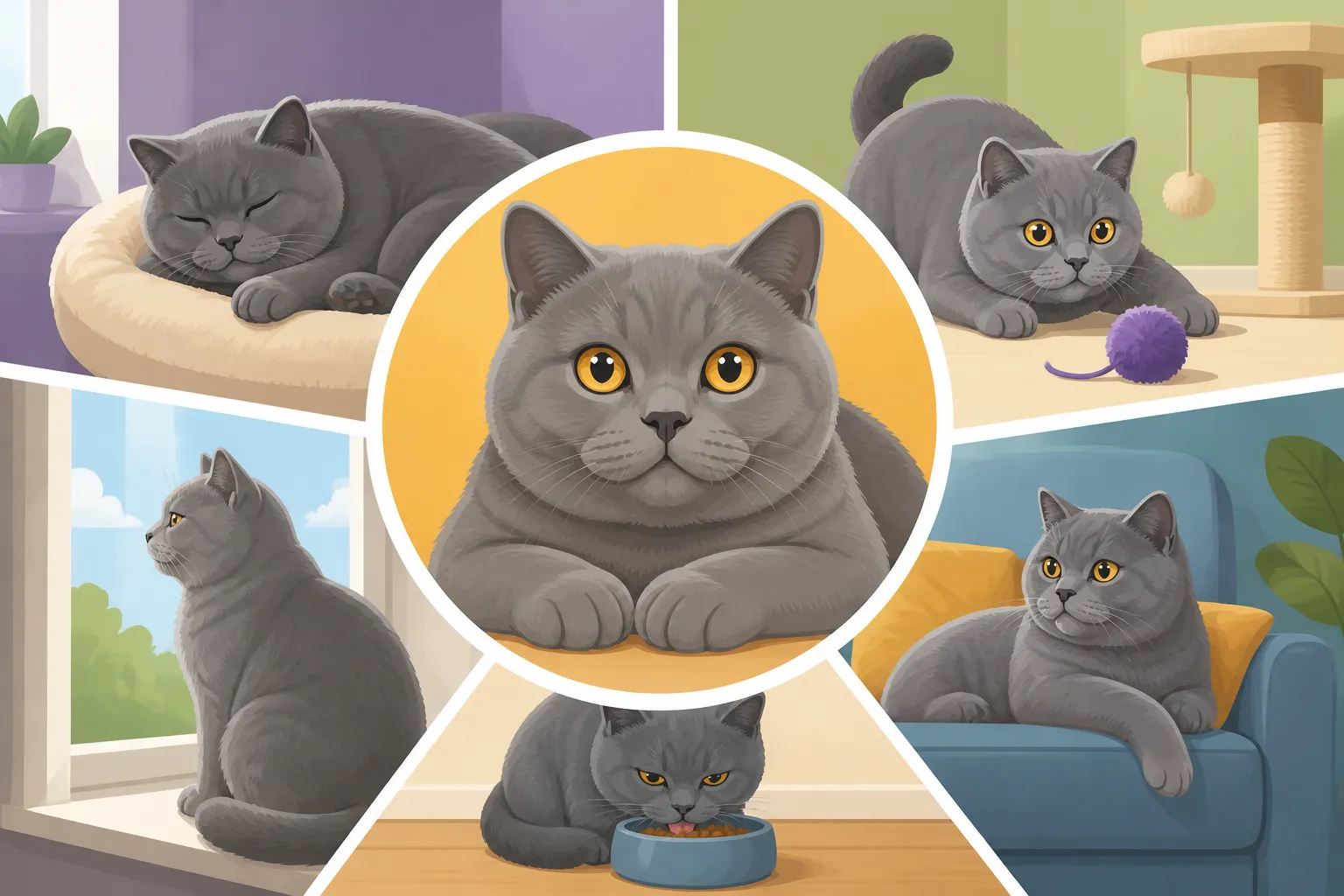
What a British Shorthair Does All Day
If you've welcomed a British Shorthair into your home, you've probably noticed a certain calm, a serene air that sets them apart. They aren't typically the boisterous, climb-the-curtains type, and sometimes you might find yourself wondering, "What exactly does my fluffy companion do all day?" It's a valid question, especially if you're used to more high-energy breeds or if you work outside the home and want to ensure your beloved BSH is content. This comprehensive guide will pull back the curtain on the typical daily life of a British Shorthair, revealing their endearing routines, quiet pursuits, and the surprising depth to their seemingly tranquil existence.
The British Shorthair's Sleep-Dominated Morning
Many cat breeds greet the morning with a cacophony of meows and frantic demands for breakfast, but not necessarily our British Shorthairs. While they certainly appreciate their morning meal, their approach to the dawn hours is often far more measured, reflecting their inherent calm nature.
Waking Up Slowly: A Gentle Start
For a British Shorthair, the morning isn't a race; it's a slow unfurling. You might wake up to find them already observing you from a comfortable perch – perhaps the end of the bed or a nearby armchair – their large, round eyes blinking slowly. There's no frantic pouncing or urgent chirping; instead, it's a quiet presence that signals it might be time for you to, well, get up and fetch breakfast. They are masters of subtle communication, often conveying their needs with a soft gaze or a gentle nudge rather than loud vocalizations. How Vocal a British Shorthair Is delves deeper into their quiet communication style.
Once you're up and moving, they'll usually follow, though at a leisurely pace. They might stretch languidly, extending their short, sturdy legs with a grace that belies their robust build. This unhurried approach extends to their first meal of the day. They're often enthusiastic eaters, but they're rarely in a rush, preferring to savor their breakfast in peace. This calm demeanor right from the start of the day sets the tone for their entire schedule, proving that a leisurely pace is a lifestyle choice for many British Shorthairs.
The Post-Breakfast Nap: Refueling for the Day
After a satisfying breakfast, many British Shorthairs immediately seek out a favorite napping spot. This isn't just a quick snooze; it's a deliberate, often prolonged period of rest. They've put in the strenuous effort of eating and observing you, and now it's time to recharge. This first nap of the day might last for an hour or two, often in a sunny patch of floor, a cozy bed, or even snuggled near you on the sofa.
This isn't a sign of boredom or unhappiness; it's simply how they're wired. British Shorthairs are generally low-energy cats, and ample sleep is a cornerstone of their daily routine. They might shift positions occasionally, letting out a contented sigh or a soft purr if you happen to be nearby. It's during these moments of deep relaxation that they truly embody their teddy bear-like reputation, showcasing their incredible ability to find comfort and peace almost anywhere.
Midday Mellowness: Observing and Napping
As the morning transitions into midday, the British Shorthair's activities remain largely consistent with their laid-back nature. They are not typically scaling bookshelves or tearing through the house in a fit of zoomies. Instead, their midday hours are a masterclass in quiet contemplation and strategic energy conservation.
Window Watching and Environmental Scans
When not napping, a significant portion of a British Shorthair's midday is dedicated to observation. This can involve diligently supervising your activities from a distance, or, more commonly, engaging in intense window watching. A well-placed cat tree or a comfortable window perch is an absolute must for these curious creatures. From this vantage point, they'll meticulously track birds, squirrels, passing cars, or even just the rustling leaves outside. How Much a British Shorthair Climbs explains their preferences for lower, sturdier perches. This isn't passive viewing; it's an immersive experience, sometimes punctuated by soft trills or chattering as they react to particularly interesting outdoor stimuli.
Even without an external view, they are adept at "environmental scans" of their indoor domain. They might slowly patrol the perimeter of a room, sniffing at familiar objects, or settle into different spots to monitor the household from a new perspective. This constant, albeit subtle, engagement with their surroundings keeps their minds active and provides a sense of security and control over their territory. It's a quiet form of enrichment that satisfies their innate curiosity without requiring excessive physical exertion.
The Art of the Strategic Nap
You might think after a morning nap, a cat would be ready for action. Not always the British Shorthair! The midday period is ripe for what I like to call "strategic naps." These aren't necessarily long, deep sleeps, but rather shorter, carefully chosen resting periods throughout the house. One might find them curled up on a clean pile of laundry, stretched out on a cool tile floor, or tucked away in a quiet corner of a sunbeam.
These naps are often lighter, allowing them to remain somewhat aware of their surroundings. They might twitch an ear at a distant sound or open one eye to assess any nearby movements. It's their way of maximizing comfort and minimizing expended energy, ensuring they're always well-rested for whatever the day might (or might not) bring. The seemingly endless cycle of napping might make you wonder How Many Hours a Day a British Shorthair Sleeps, and the answer is usually quite a lot!
Afternoon Activity: Gentle Play and Interaction
While "activity" might not be the first word that comes to mind when describing a British Shorthair's afternoon, they certainly have their moments. These are often brief, thoughtful, and typically instigated on their own terms, providing delightful glimpses into their playful yet reserved personalities.
Brief Bursts of Playfulness
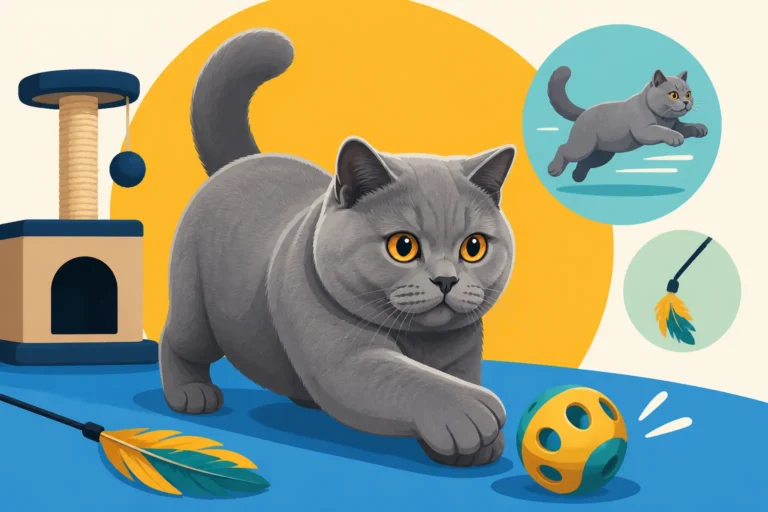
Don't expect your British Shorthair to suddenly transform into a feline acrobat in the afternoon. Their playtime is usually characterized by short, focused bursts rather than sustained high-energy antics. They might suddenly bat at a dangling toy, stalk a dust bunny with exaggerated slowness, or engage in a brief wrestle with a soft mouse toy. These moments are precious because they often feel spontaneous and genuine. How Much Play a British Shorthair Needs is often less than you might think!
You might find that certain toys spark their interest more than others. Many British Shorthairs prefer toys that allow them to engage in stalking and pouncing without too much running. Feather wands, crinkle balls, or even a simple piece of string dragged across the floor can captivate their attention for a few minutes. It's about quality over quantity when it comes to their play, and finding that perfect toy can unlock a surprising, albeit brief, display of feline prowess. Amazon has a good selection of durable, engaging toys that suit their sturdy build.
Seeking Out Human Company (on their terms)
One of the most charming aspects of a British Shorthair's afternoon is their subtle way of seeking out human connection. They are not typically lap cats in the traditional sense, but they adore being near their people. You might find them settling on the adjacent cushion on the sofa, stretching out across your feet as you work, or simply following you from room to room with a quiet, watchful gaze. A British Shorthair Sits Near You, Not On You perfectly captures this affectionate but independent trait.
These interactions are rarely demanding. They might offer a gentle head-butt, a slow blink, or a soft purr as you stroke their dense, plush coat. It's their way of saying, "I enjoy your presence, but I also respect your personal space (and my own)." Learning to read these subtle cues is key to building a strong bond with your British Shorthair, appreciating their unique brand of understated affection. They cherish quiet moments together far more than boisterous play.
Independent Exploration and Grooming
Even when you're home, a British Shorthair will dedicate a fair amount of their afternoon to independent activities. This includes further exploration of their home environment, albeit at a leisurely pace. They might investigate a new bag you've brought in, spend time sniffing a plant, or simply re-acquaint themselves with a room they haven't thoroughly "inspected" recently. This is often done with a calm, deliberate air, as if they are meticulously cataloging every detail.
Grooming is another significant independent activity. With their thick, dense coats, British Shorthairs are fastidious about keeping themselves pristine. You'll observe them meticulously licking their paws, cleaning their faces, and reaching every part of their body they can. This isn't just about hygiene; it's also a form of self-soothing and a natural feline behavior. Sometimes they'll even incorporate a stretch or two into their grooming routine, making it a truly holistic self-care session.
Evening Rituals: Food, Family, and Contentment
As the sun begins to set and the household settles into its evening routine, the British Shorthair also transitions. These hours are often marked by a heightened sense of anticipation, a desire for connection, and a deep appreciation for the comforts of home.
The Anticipation of Dinner
Just as morning brings the promise of breakfast, the evening signifies the arrival of dinner, and your British Shorthair will certainly be aware of it. While they maintain their calm demeanor, you might notice a more persistent presence around the kitchen, a slightly more insistent gaze, or even a soft trill as you move towards their feeding area. They might not be demanding like some breeds, but their quiet anticipation is unmistakable.
Once dinner is served, they'll typically eat with enthusiasm, often settling into a quiet spot to enjoy their meal. For a breed that can sometimes be prone to weight gain, managing their portions carefully is important, and Portion Control Is the Whole Job With a British Shorthair goes into detail about this crucial aspect of their care. After their meal, you might find them settling down in a spot that allows them to observe the family, clearly content with a full belly and the ambient hum of household activity.
Joining the Family for Downtime
The evening is prime time for British Shorthairs to integrate themselves more fully into the family unit. While they still might not be outright "lap cats," they will often choose to be in the same room as their humans, perhaps curled up on a nearby armchair, stretched out on the floor, or occupying a strategic spot on the sofa. This proximity is their way of showing affection and being part of the pack, even if they're not directly interacting.
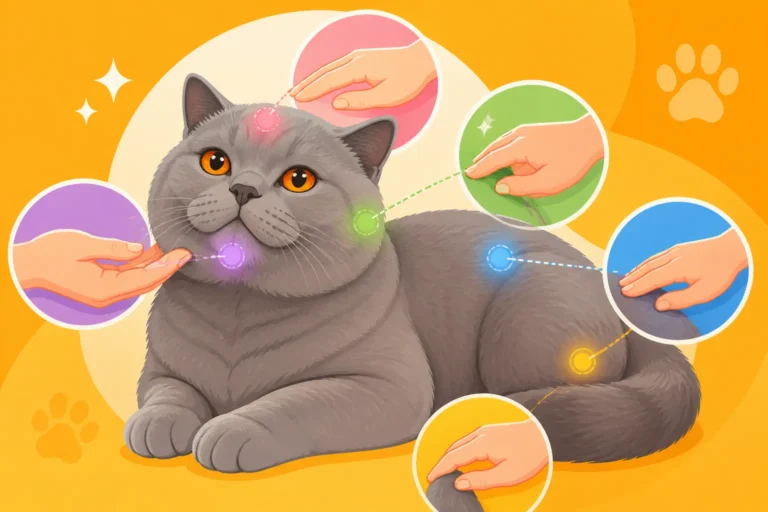
This is often when you'll see them at their most relaxed and approachable. They might be more receptive to gentle petting and soft murmurs, offering slow blinks and deep purrs in return. It’s a wonderful time to connect with your British Shorthair in a calm, mutually respectful way, truly appreciating their quiet companionship. They are deeply sensitive to the atmosphere of the home, thriving in peaceful and consistent environments.
The Evening Affection Session
Many British Shorthairs save their most overtly affectionate displays for the evening. After dinner and some relaxed downtime, they might decide it's time for a dedicated "affection session." This could involve head-butting your hand for strokes, rubbing against your legs as you walk, or even jumping onto your lap for a brief cuddle before settling beside you. This isn't a guaranteed event every night, but it's a cherished ritual when it does happen.
Their displays of affection are often subtle but deeply meaningful. A slow blink, a quiet purr, the gentle kneading of paws, or simply choosing to sleep nestled close to you are all signs of their love and trust. They rarely force their affection upon you; instead, they offer it as a gift, making these quiet moments all the more special. How a British Shorthair Shows Affection provides more insights into their unique expressions of love.
The Night Owl (or not quite): British Shorthair Bedtime
When it comes to nighttime, British Shorthairs often surprise people who assume all cats are nocturnal party animals. While they do have periods of activity in the wee hours, their deep sleep patterns often mean they're not quite the rambunctious night owls some other breeds can be.
Late-Night Patrols and Quiet Explorations
Once the lights are out and the house is quiet, many British Shorthairs will engage in a period of quiet exploration and "patrolling" their territory. This is often done silently, moving from room to room, sniffing at things, and generally confirming that all is well within their domain. You might hear the soft thud of them jumping off furniture, or the rustle of a toy being batted around in the darkness.
These late-night activities are typically low-key. They might get a drink from their water bowl, use the litter box, or perhaps engage in a solitary play session with a favorite toy left on the floor. While some cats might use this time to scale curtains or knock things off shelves, a British Shorthair's movements are usually more deliberate and less chaotic. They are The Quietest Cat in the House for a reason, even in the dead of night.
Settling in for the Long Sleep
After their brief nocturnal rounds, most British Shorthairs will settle down for an extended period of sleep. Unlike some cats who will wake their owners repeatedly through the night, a BSH is generally content to sleep through until the morning, often choosing a spot near their humans or in their own designated cozy bed. They are creatures of comfort, and a warm, safe sleeping spot is highly prized.
They often sleep deeply, curled into a tight ball or stretched out completely, truly embracing the tranquility of the night. This deep sleep is essential for their well-being, helping them to conserve energy and maintain their calm disposition. You might hear the occasional contented purr or sigh from them during the night, but generally, they are sound sleepers, allowing their humans to get a full night's rest too.
Independent Spirit: How They Cope Alone
One of the defining characteristics of the British Shorthair is their remarkable self-sufficiency. This makes them an excellent choice for individuals or families who might be out of the house for extended periods during the day, as they generally cope very well with solitude.
Managing Solitude: Sleep and Self-Amusement
When left alone, a British Shorthair typically reverts to their favored activities: sleeping and quiet observation. They are genuinely A British Shorthair Is Genuinely Fine on Its Own. They will often spend a large portion of the day napping in various sunbeams, cozy beds, or on comfortable furniture. These long periods of rest allow them to conserve energy and reduce the likelihood of boredom or destructive behaviors often seen in more active breeds when under-stimulated.
Beyond napping, they will engage in periods of self-amusement. This might involve playing with puzzle toys (especially if they dispense treats), batting at a window feeder, or exploring different parts of the house at their own relaxed pace. Providing them with a variety of safe, engaging toys and comfortable resting spots is key to ensuring their contentment while you're away. They don't usually fret or become anxious; instead, they embrace the quiet time as their own personal retreat. How Many Hours a British Shorthair Can Be Left is often more than you'd expect for many breeds.
The Importance of a Consistent Routine
While British Shorthairs are adaptable, they thrive on routine. A predictable schedule for feeding, playtime, and even your departure and return helps them feel secure and reduces any potential stress. Cats are creatures of habit, and knowing what to expect throughout the day provides them with a sense of stability. This doesn't mean you need to live by a rigid clock, but a general consistency in daily events is appreciated.
If their routine changes significantly, you might notice subtle shifts in their behavior, such as a slight increase in vocalization or a change in their sleeping patterns. However, they are generally resilient and will adapt over time. Maintaining their meal times, even if you use an automatic feeder, is particularly important. This predictability allows them to settle into their solo rhythm with confidence, knowing their needs will be met.
Factors Influencing Their Daily Schedule
While the general characteristics of a British Shorthair's day are consistent, several factors can subtly, or sometimes significantly, influence their specific routines and energy levels. Understanding these nuances can help you provide the best possible environment for your feline friend.
Age and Health Considerations
Just like humans, a British Shorthair's daily schedule will naturally evolve with age. Kittens, while still relatively calm for a cat, will exhibit more bursts of playful energy and less structured sleep than adults. A young British Shorthair might engage in more intense play sessions, though still for shorter durations, and explore their environment with more vigor. As they mature, typically around two or three years old, their full adult calm truly settles in. When a British Shorthair Finally Grows Up really dives into this.
Conversely, older British Shorthairs, often considered senior around 10 years, will naturally become even more sedentary. They may sleep for longer periods, move more slowly, and show less interest in active play. Health conditions, such as arthritis in an older cat or even a hidden illness, can also impact their energy levels and willingness to engage. A sudden change in your British Shorthair's routine or activity level always warrants a check-up with your vet to rule out any underlying health issues. Caring for a British Shorthair Past Ten provides excellent guidance for their golden years.
Environmental Enrichment and Stimulation
Even the calmest British Shorthair benefits immensely from a stimulating environment. While they won't necessarily scale cat trees to the ceiling, sturdy, multi-level perches, window beds, and a variety of interactive toys can significantly enhance their day. Puzzle feeders, for example, can turn mealtime into a mental exercise, engaging their natural foraging instincts. Placing a bird feeder outside a window can provide hours of entertainment.
Rotating toys regularly can help keep their interest piqued. You don't need dozens of toys out all the time; introducing a "new" toy every few days from a stash can feel exciting. While they are generally placid, a complete lack of mental or physical stimulation can still lead to boredom, which might manifest as excessive sleeping, overeating, or even subtle behavioral changes. Play for a British Shorthair That Would Rather Not gives tips on encouraging activity.
Personality Variations Within the Breed
It's important to remember that while British Shorthairs share common breed traits, each cat is an individual with its own unique personality. Some might be slightly more outgoing and playful, actively soliciting interaction, while others might be exceptionally reserved and prefer very minimal physical contact. You might have a British Shorthair who loves to "chat" with soft chirps, or one who communicates almost entirely through body language.
These individual variations mean that your British Shorthair's day might differ slightly from the typical descriptions. One might enjoy a longer, more active play session in the evening, while another might truly just want to nap all day. The key is to observe your own cat, understand their specific preferences, and tailor their environment and interactions to suit their unique character. This personalized approach will foster the strongest bond and ensure your British Shorthair leads a truly happy and fulfilled life.
Typical British Shorthair Daily Schedule (Approximate)
Here's a general idea of how a British Shorthair might spend their day, though individual preferences and household routines will naturally cause variations.
| Time Period | Activity | Duration (Approx.) | Notes |
|---|---|---|---|
| Early Morning | Gentle Wake-up, Breakfast, Immediate Nap | 1.5 – 2 hours | Slow to start, then quickly back to sleep after eating. |
| Late Morning | Deep Sleep, Window Watching | 3 – 4 hours | Often in a sunbeam or favorite cozy spot. |
| Midday | Light Nap, Environmental Observation | 2 – 3 hours | Monitoring household, occasional stretch and self-groom. |
| Early Afternoon | Quiet Play, Independent Exploration | 1 – 1.5 hours | Brief bursts of batting toys, sniffing new spots. |
| Late Afternoon | Social Proximity, Grooming | 1 – 2 hours | Seeking out human presence, detailed self-care. |
| Evening | Dinner, Family Time, Affection Session | 3 – 4 hours | Most interactive period, often curled near people. |
| Night | Light Sleep, Nocturnal Patrols, Deep Sleep | 6 – 8 hours | Quiet exploration, then long stretches of deep rest. |
Disclaimer
This article is for general informational purposes only and does not constitute professional advice. Laws, prices and regulations vary by location and change over time. Consult a qualified professional for guidance on your specific situation.