Whether a British Shorthair Fits a Modest Budget
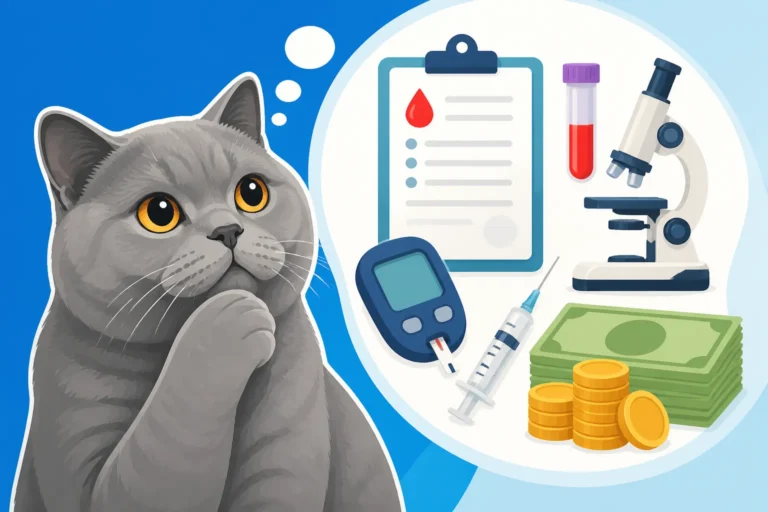
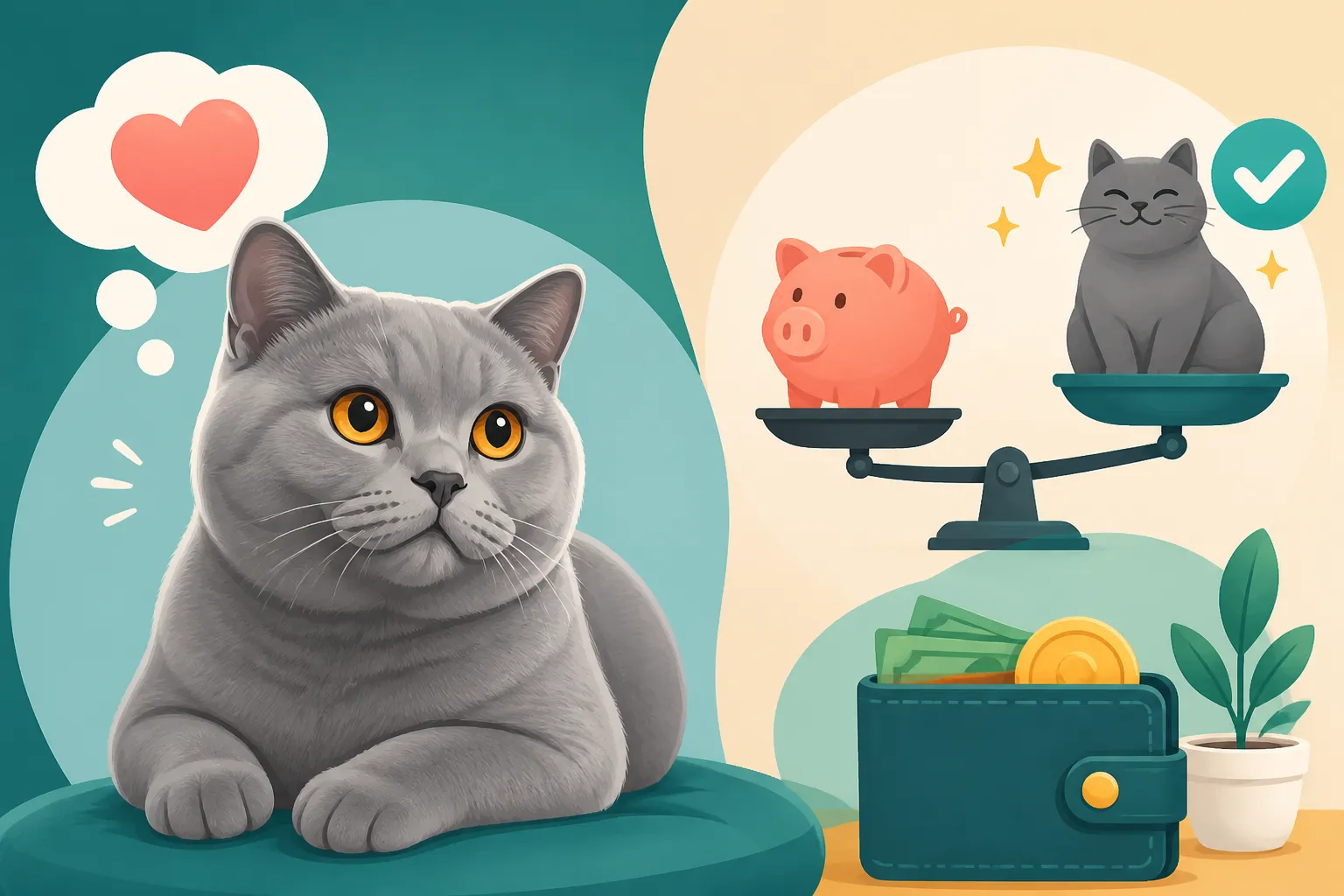
Bringing a British Shorthair into your home is a dream for many, their plush coats and serene temperaments making them incredibly appealing, but a common worry is whether these magnificent cats fit into a modest budget. The truth is, owning a British Shorthair involves more than just the initial purchase price; it’s a long-term financial commitment that can surprise new owners, and this guide will break down the real costs involved to help you decide if it's the right choice for your household.
The Initial Investment: Beyond the Purchase Price
When you first consider bringing home a British Shorthair, the immediate thought often jumps to the price tag of the kitten or adult cat itself. This can vary wildly depending on whether you're going through a reputable breeder or a rescue organization, and understanding these differences is crucial for any budget-conscious prospective owner. It's not just about the number on the paper, but what that number represents in terms of health and background.
Breeder Costs and What They Include
A British Shorthair kitten from a reputable, health-focused breeder can be a significant upfront cost. We're talking several hundred to well over a thousand, sometimes even more, especially for specific colors or pedigrees. Many people see this figure and immediately think it's out of their reach, but it’s important to understand why this cost is what it is. A responsible breeder invests heavily in the health and well-being of their breeding cats and kittens. This includes high-quality food, proper veterinary care for the queen and litter, vaccinations, deworming, and often a spay/neuter clause in the contract to ensure the kitten won't contribute to overpopulation. They also perform extensive health screenings on the parents, checking for genetic conditions like Polycystic Kidney Disease (PKD) and Hypertrophic Cardiomyopathy (HCM). You might find yourself asking What a British Shorthair Kitten Costs From a Breeder and realizing that this upfront investment is essentially paying for peace of mind, knowing your kitten comes from a healthy lineage and has received the best start in life.
For example, a breeder might have conducted regular echocardiograms on their breeding cats to screen for What HCM Does to a British Shorthair's Heart, a condition that can be heartbreaking and costly if inherited. They also ensure their cats are Whether a British Shorthair Should Be PKD Tested to avoid passing on kidney issues. These tests are not cheap for breeders, and those costs are reflected in the kitten's price. If a price seems too good to be true, it almost always is. Kittens offered for a fraction of the standard price often come from "backyard breeders" who skip these vital health screenings, leaving you to shoulder potential hefty veterinary bills down the line. It's an important consideration when you're mapping out The 2026 Price Range for a Health Tested British Shorthair.
Adopting from Rescue Organizations
For those with a modest budget, adopting an adult British Shorthair from a rescue organization can be a much more financially accessible option. The adoption fee for a rescue cat is typically much lower than buying a kitten from a breeder, usually covering the cost of spaying/neutering, initial vaccinations, a microchip, and sometimes even a basic health check. This can range from a nominal fee to a few hundred dollars, which is far less of an initial hit than a breeder kitten.
However, there's a different kind of consideration here. While many rescue British Shorthairs are perfectly healthy, some may have undisclosed health issues or behavioral quirks due to their past. Rescue organizations do their best to assess each cat, but they might not have the extensive genetic history or the ability to perform specialized screenings like regular cardiac echoes that a dedicated breeder would. This means that while the upfront cost is lower, you might be taking on a higher risk of future veterinary expenses. It's a trade-off many are willing to make to give a deserving cat a loving home, but it's essential to factor this potential into your overall budget. Always ask Whether a Rescue British Shorthair Has Been Screened to understand what health checks, if any, have been performed.
Essential Ongoing Monthly Expenses
After the initial excitement of bringing your British Shorthair home, the reality of day-to-day care sets in. These are the regular, predictable costs that every cat owner faces, and for a British Shorthair, some of these can be a bit higher due to their size, dense coat, and predispositions.
High-Quality Food for a Healthy British Shorthair
One of the most significant ongoing expenses for any cat is food. British Shorthairs are prone to weight gain, and their sedentary nature means they don't burn off calories as quickly as more active breeds. This makes high-quality, portion-controlled food not just a luxury but a necessity to prevent conditions like obesity and diabetes. You might be surprised by Why a British Shorthair Gains Weight So Easily.
Feeding a British Shorthair isn't just about throwing down a bowl of kibble. They need a diet rich in protein and moderate in fat, often leaning towards wet food to help with hydration and satiety. This can sometimes be more expensive than just dry kibble. Brands like Purina Pro Plan, Royal Canin, or even specialized prescription diets (if recommended by your vet for weight management or other issues) can run a higher tab than generic supermarket brands. For example, a monthly supply of premium wet and dry food could cost a fair bit. You might consider looking at online retailers like Chewy for bulk discounts or auto-ship options to help manage this cost. It's truly a matter of "you get what you pay for" when it comes to cat food; investing in good nutrition now can save you a fortune in vet bills later. Understanding How Many Calories a British Shorthair Needs is fundamental to preventing weight issues.
Litter and Litter Box Management
British Shorthairs are famously clean cats, but their size means they need a larger litter box and, consequently, go through more litter than a smaller cat. A standard-sized litter box might feel cramped for an adult British Shorthair, leading to accidents outside the box. Investing in a truly spacious litter box is non-negotiable, and then you have to consider the litter itself.
Premium clumping litters, which are often preferred for odor control and ease of cleaning, can be surprisingly costly over time. You might find yourself needing a larger bag or more frequent purchases. For a cat that averages 12-18 pounds, they're going to use a good amount of litter! Some owners opt for less expensive clay litters, but these often don't clump as well and may not control odors as effectively, meaning more frequent full box changes. Given their potential for urinary issues later in life, keeping the litter box meticulously clean is important. This means consistent scooping and regular full clean-outs, all of which consume litter at a steady pace. Which Litter Box Size a British Shorthair Needs is an important consideration for their comfort and your wallet.
Routine Veterinary Care and Vaccinations
Even the healthiest British Shorthair needs regular veterinary care. This includes annual check-ups, booster vaccinations, and parasite prevention. These routine visits are crucial for catching any potential health issues early, which can save money and heartache in the long run.
| Expense Category | Estimated Frequency | Budget Consideration |
|---|---|---|
| Annual Wellness Exam | Once a year | Basic check-up, vital signs, general assessment. Essential for early detection of issues like Gingivitis in a British Shorthair or subtle weight changes. |
| Vaccinations | Annually/Triennially | Boosters for FVRCP, Rabies (as required by law). Initial kitten series is more intensive. |
| Flea/Tick Prevention | Monthly/Quarterly | Topical treatments, oral medications, or collars. Crucial even for indoor cats. |
| Deworming | Quarterly/Annually | Routine preventative measures, especially if your cat has any outdoor access or other pets. |
| Dental Check-up | Annually | Included in wellness exam, but may lead to recommendations for professional cleaning. Why a British Shorthair Gets Gingivitis is a common concern as they age. |
| Bloodwork (Senior Cats) | Annually | For older cats (usually 7+ years), blood panels are recommended to monitor organ function. What an Aging British Shorthair's Bills Look Like can definitely include this. |
While each visit might seem manageable, they add up over a year. If your budget is tight, discussing a payment plan with your vet or inquiring about wellness packages can sometimes help. Remember, skipping these routine appointments to save money can be a false economy if it means missing early signs of a more serious illness that will be far more expensive to treat later. For instance, How Often a British Shorthair Needs a Dental might surprise you, but neglecting their teeth can lead to expensive extractions and other health problems.
Preventative Health Screening: Long-Term Investments
One of the most important aspects of British Shorthair ownership, especially if you want your beloved cat to live a full and healthy The Twelve to Seventeen Years a British Shorthair Gets, is preventative health screening. This isn't just about general vet visits; it's about addressing specific breed predispositions.
Cardiac Screening for HCM
Hypertrophic Cardiomyopathy (HCM) is the most common heart disease in cats, and British Shorthairs are unfortunately predisposed to it. Unlike some breeds where a DNA test exists, there is no specific HCM in a British Shorthair Has No DNA Test for this breed. This means the primary screening method is a cardiac ultrasound, or echocardiogram, performed by a board-certified veterinary cardiologist.
These echoes are not cheap. A single echo can be a significant expense, and for a breeding cat, these need to be done annually. For a pet British Shorthair, your vet might recommend screening after a certain age or if a heart murmur is detected during a routine exam. While it might seem like an optional expense, catching HCM early can allow for management with medication, potentially extending your cat's quality of life. Ignoring it can lead to sudden heart failure or devastating complications like saddle thrombus (blood clots), which require emergency care and are far more expensive and often fatal. Understanding What a British Shorthair Echo Costs can help you prepare for this potential, but crucial, investment in their health.
Polycystic Kidney Disease (PKD) Testing
Another genetic condition relevant to British Shorthairs is Polycystic Kidney Disease (PKD). Thankfully, there is a DNA test for PKD, which makes screening much simpler and typically less expensive than annual echoes. Most responsible breeders will have already screened their breeding stock for PKD, ensuring their kittens are clear. If you're acquiring a cat from a rescue or an unknown background, a simple cheek swab DNA test can confirm its PKD status.
While the initial cost of a DNA test is a one-time fee, it provides invaluable information. If your British Shorthair tests positive for PKD, it doesn't mean immediate kidney failure, but it does mean you'll need to be vigilant about kidney health throughout their life. This might involve special diets, more frequent blood work, and closer monitoring by your vet. Knowing the status allows you to be proactive rather than reactive, potentially delaying the onset of severe symptoms and managing the disease more effectively, which in turn can lead to better long-term outcomes and potentially lower overall treatment costs later in life. You can learn more about What Polycystic Kidney Disease Does to a British Shorthair and why testing matters.
Preparing for the Unexpected: Emergency Costs and Insurance
No matter how well you care for your British Shorthair, unforeseen circumstances can arise. Accidents happen, and illnesses can strike suddenly. These unexpected costs are where a modest budget can really take a hit if you're not prepared.
Veterinary Emergencies and Sudden Illnesses
A British Shorthair, like any cat, can suffer an injury or fall suddenly ill. They might eat something they shouldn't, experience a sudden lameness, or develop a serious condition that requires immediate medical attention. We often see British Shorthairs masking pain, making it difficult to spot issues until they're advanced. Signs a British Shorthair Is Unwell can be subtle.
Emergency vet visits, diagnostics (X-rays, ultrasounds, blood tests), and potential surgeries can quickly rack up bills reaching into the thousands. For instance, a blocked bladder, more common in male cats, is a life-threatening emergency that requires immediate veterinary intervention, often costing a substantial sum for catheterization, hospitalization, and medication. Or consider something like How a British Shorthair Throws a Clot, which is a severe complication of HCM, almost always requiring emergency vet care that can be very expensive with a guarded prognosis. Without a financial safety net, these situations can be incredibly stressful and force difficult decisions.
The Role of Pet Insurance
This is where pet insurance can be a game-changer for someone on a modest budget. While it adds a monthly premium to your expenses, it can provide crucial financial relief in the face of unexpected illness or injury. Instead of facing a bill for thousands out-of-pocket, you pay your deductible and a percentage of the remaining cost, with the insurance covering the rest. Companies like Healthy Paws offer various plans that can cover accidents, illnesses, and even some emergency situations. It’s worth exploring What Insuring a British Shorthair Costs a Month to see if it fits your budget.
When considering pet insurance, it’s vital to understand what's covered and what isn't, especially regarding pre-existing conditions. For a British Shorthair, finding a policy that covers breed-specific conditions like HCM (if not pre-existing) is essential. While you still pay a monthly fee, it smooths out the financial impact of large, unexpected veterinary bills, turning a potential crisis into a manageable expense. It’s not just about covering worst-case scenarios; it's about peace of mind. Without insurance, building up an emergency fund specifically for your cat's health is the next best option.
Beyond the Basics: Other Considerations
While food, litter, and vet care are the big-ticket items, there are other costs that, while smaller individually, add up over time. These include grooming tools, toys, and potential boarding or pet-sitting fees.
Grooming Tools and Supplies
British Shorthairs have a distinctively dense, plush coat that requires regular grooming, even though they are generally quite tidy. Their coat sheds, especially during seasonal changes, and without proper care, it can become matted or lead to excessive hairballs. Investing in the right grooming tools is important.
You'll need a good quality metal comb, not a brush, to get through their thick undercoat without damaging the guard hairs. Which Comb a British Shorthair Needs is crucial. Forget the slicker brushes; they're too harsh for this breed's delicate coat. You might also need nail clippers for their thick claws and perhaps some dental hygiene products like a cat toothbrush and enzymatic toothpaste. These are not huge expenses individually, but they are necessary purchases. While a British Shorthair generally Whether a British Shorthair Needs a Groomer, having the right tools at home ensures their coat and hygiene are maintained, preventing potential issues like skin irritation or painful matting that would require professional intervention.
Enrichment and Comfort Items
Even though British Shorthairs are typically calm and somewhat independent, they still need mental and physical enrichment. Toys, scratching posts, and comfortable beds contribute to their overall well-being.
- Toys: While they might not be the most energetic, British Shorthairs do enjoy playtime, especially with interactive wand toys or puzzle feeders. Brands like Chewy often have a wide selection of cat toys. Regular rotation of toys keeps them engaged.
- Scratching Posts: Essential for healthy claws and protecting your furniture. A sturdy, tall scratching post or cat tree is a must. Given their weight, it needs to be robust and stable.
- Beds: British Shorthairs love their comfort. While they might commandeer your sofa or bed, having a few designated comfy spots for them is a good idea. Consider Whether a British Shorthair Prefers a Floor Bed as they often prefer to stay grounded.
- Water Fountain: Many cats prefer flowing water, and a water fountain can encourage your British Shorthair to drink more, which is particularly beneficial for urinary tract health.
These items aren't one-time purchases; toys get worn out, scratching posts need replacing, and beds might need updating. While you don't need to break the bank, allocating a small portion of your budget to these items ensures your British Shorthair lives a happy and stimulating life.
Pet Sitting or Boarding Fees
If you travel, you'll need to factor in the cost of care for your British Shorthair. While they are independent cats, they still need someone to feed them, clean their litter, and provide some companionship.
- Pet Sitter: A pet sitter who visits your home once or twice a day is often the preferred option for British Shorthairs, as they generally prefer the comfort and familiarity of their own environment.
- Boarding Kennel: Some owners opt for boarding facilities, but British Shorthairs, with their calm and sometimes shy nature, might find a new environment stressful. This can be particularly true if the facility is noisy or has many other animals. How a British Shorthair Copes With Boarding is a good read on this topic.
These costs can add up, especially if you travel frequently. A daily pet sitting visit can be comparable to a night in a mid-range hotel if you're gone for a week or two. It's a consideration many new pet owners overlook, but it's an unavoidable part of responsible cat ownership.
The Long-Term Perspective: Is it Worth It?
When you add up all the potential costs – the initial purchase or adoption, monthly food and litter, annual vet visits, potential preventative screenings, pet insurance, and unexpected emergencies – it becomes clear that owning a British Shorthair requires a genuine financial commitment. What a British Shorthair Costs Over Its Lifetime can be a surprising sum.
However, for many British Shorthair owners, the joy and companionship these wonderful cats bring are priceless. Their calm demeanor, affectionate nature, and teddy-bear looks make them truly special companions. A modest budget doesn't necessarily mean you can't own a British Shorthair, but it does mean you need to be realistic and prepared. It means budgeting carefully, prioritizing health expenses, and making smart choices about where you save and where you invest. For instance, choosing high-quality food (which you can often find great deals on through retailers like Chewy) can save on vet bills down the line. Having pet insurance from a provider like Healthy Paws can protect you from devastating emergency costs.
Ultimately, fitting a British Shorthair into a modest budget is less about cutting corners and more about diligent planning, understanding the true costs, and making informed decisions to ensure both your financial well-being and the health and happiness of your beloved feline friend. They might not be the cheapest cat to own, but with careful planning, they can certainly be worth every penny.
Disclaimer
This article is for general informational purposes only and does not constitute professional advice. Laws, prices and regulations vary by location and change over time. Consult a qualified professional for guidance on your specific situation.