Whether an Owner Should Test an Adult British Shorthair
It’s a common worry for many British Shorthair owners: you've welcomed this magnificent, chunky feline into your life, perhaps as an adult, and you adore them, but a nagging question remains. How do you ensure they stay as healthy as possible? While breeders rigorously screen their lines, the question of whether an owner should continue or initiate specific health tests for an adult British Shorthair can be a real head-scratcher. This guide aims to demystify the process and help you make informed decisions for your beloved companion.
Understanding the Genetic Legacy of the British Shorthair
Bringing an adult British Shorthair into your home often means you're taking on a history you might not fully know. Even if you've got a pedigree from a reputable breeder, understanding the breed's general predispositions is key. These aren't just fluffy companions; they're the product of generations of careful (and sometimes less careful) breeding, carrying a unique genetic blueprint.
The Historical Outcrosses and Their Impact
The British Shorthair breed, as we know it today, faced near extinction after the World Wars. To rebuild their numbers and refine certain traits, breeders responsibly (and sometimes, out of necessity) introduced other breeds into the gene pool. The Persian cat, in particular, played a significant role in helping to re-establish the breed’s characteristic cobby body and dense coat. While these outcrosses were vital for the breed's survival, they also introduced certain genetic predispositions that breeders have been working to manage ever since.
For instance, the legacy of these outcrosses means that conditions like Polycystic Kidney Disease (PKD) once found their way into the British Shorthair. While dedicated breeders have worked tirelessly to eradicate it, understanding this history helps us appreciate why certain screening protocols exist. If you’re ever curious about the history, it's worth reading up on Polycystic Kidney Disease Came Into the British Shorthair With the Persians. This genetic mixing means that even if your cat comes from what appears to be a healthy line, a degree of vigilance is always prudent.
Why Adult Testing Differs from Breeder Screening
It’s important to understand that the purpose of health testing shifts when a cat moves from a breeding program to a pet home. For a breeder, screening is about preventing genetic diseases from being passed down through generations. They test prospective parents to ensure they are clear of known inheritable conditions, safeguarding the future health of the breed. This is a proactive, preventative measure, often done before cats are even considered for breeding.
For an owner of an adult British Shorthair, particularly one whose background might be unknown or who wasn't acquired directly from a top-tier breeder, testing becomes more about early detection and management of conditions that might develop later in life. It's about monitoring for the manifestation of conditions that could be genetic, even if the parents were ostensibly clear, or simply catching age-related diseases that can affect any cat. The goal is to provide the best possible quality of life, extending their happy years with you rather than just preventing transmission.
Common Health Concerns in Adult British Shorthairs
British Shorthairs are generally a robust breed, known for their calm demeanor and sturdy build. However, like all purebreds, they do have a propensity for certain health issues. Being aware of these common concerns empowers you to be a more proactive and attentive owner, catching potential problems before they become serious. It's not about being a hypochondriac cat parent, but rather an informed and responsible one.
Heart Health: The Shadow of HCM
One of the most significant health concerns for British Shorthairs is Hypertrophic Cardiomyopathy (HCM). This condition causes the muscular walls of the heart to thicken, reducing its efficiency and potentially leading to heart failure or blood clots. It's truly heartbreaking because cats are masters at hiding illness, and by the time you notice overt symptoms like Signs a British Shorthair Is Breathing Hard, the disease can be quite advanced.
The frustrating truth for British Shorthair owners and breeders alike is that, unlike some other breeds, there is currently no DNA test for HCM in British Shorthairs. This means the primary diagnostic tool is an echocardiogram (an ultrasound of the heart). You might wonder, How Common HCM Is in British Shorthairs, and while figures vary, it's prevalent enough that it warrants consideration. Regular screening with an echo is the gold standard for early detection and management. For more on this, you might find The Yearly Echo That Replaces a British Shorthair Gene Test very informative.
Kidney Issues: PKD and Beyond
As mentioned earlier, Polycystic Kidney Disease (PKD) historically entered the British Shorthair gene pool through early outcrosses. Thankfully, due to diligent DNA testing by reputable breeders, the prevalence of PKD in British Shorthairs has been dramatically reduced. Most kittens from responsible breeders will come with clear PKD test results for their parents. However, if you have an adult British Shorthair whose lineage is unknown or whose breeder didn't test for PKD, it's certainly a test worth considering.
Even beyond PKD, kidney health remains a crucial aspect of an adult British Shorthair's overall well-being. As cats age, kidney function can naturally decline, making them susceptible to chronic kidney disease. This is a common ailment in older felines across all breeds. Regular veterinary check-ups that include blood and urine tests are vital for monitoring kidney function, allowing for early intervention if problems arise. Learning What Polycystic Kidney Disease Does to a British Shorthair can help you understand the gravity of the condition, even if it's less common now.
The Silent Threat of Obesity-Related Ailments
Let's be honest, those round, teddy bear faces and chunky bodies are part of what we adore about British Shorthairs! However, this very trait can be a double-edged sword. British Shorthairs are notoriously prone to weight gain. They love to eat, often aren't terribly active, and their dense coats can make it tricky to visually gauge their true size. It's not just a cosmetic issue; Obesity Is the British Shorthair's Real Disease.
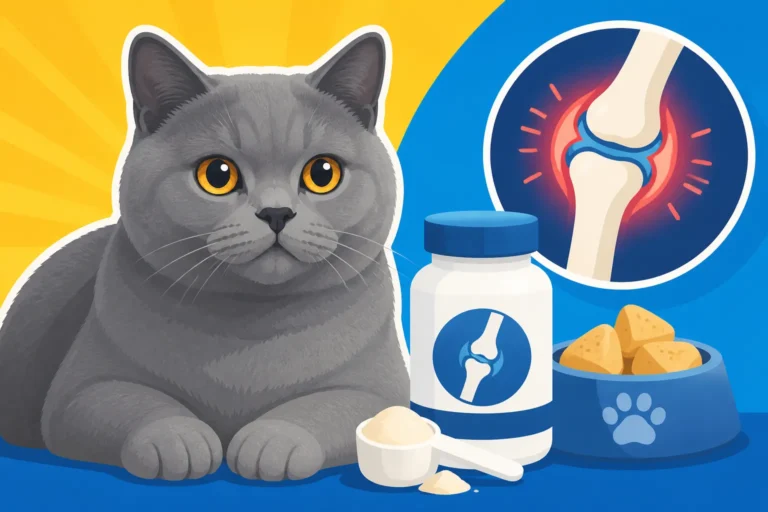
Excess weight places enormous strain on their bodies, leading to a cascade of other serious health problems. Diabetes in a British Shorthair is a very real possibility for overweight cats, often requiring daily insulin injections and strict dietary management. Furthermore, the extra weight can exacerbate joint problems like arthritis, especially as they get older, making their typically sedate lives even less comfortable. Keeping an eye on Signs a British Shorthair Is Overweight and taking proactive steps is probably one of the most impactful things you can do for your cat's long-term health. Consider specialized weight management foods to help manage their caloric intake and nutrition effectively.
Deciding Which Tests Are Right for Your Adult British Shorthair
So, given these potential health concerns, how do you decide what testing is appropriate for your adult British Shorthair? It’s not about running every single test under the sun, which can be costly and stressful for your cat. Instead, it’s about a thoughtful, individualized approach in consultation with your veterinarian, balancing prevention, detection, and your cat’s unique circumstances.
The Argument for Routine Annual Health Checks
No matter what, regular veterinary check-ups are the cornerstone of good health for any adult cat, especially a British Shorthair. Think of it like your own annual physical: it’s a chance for your vet to assess your cat's overall condition, weight, dental health, and listen to their heart and lungs. These routine visits are incredibly important for early detection of issues that might not be specific genetic diseases but are common ailments that can worsen if ignored.
During these visits, your vet will likely recommend routine blood work and urinalysis. These tests can reveal a wealth of information about organ function, catching subtle changes in kidney or liver values, detecting early signs of diabetes, or identifying thyroid issues common in older cats. For those with British Shorthairs Caring for a British Shorthair Past Ten, these routine checks become even more critical, allowing for proactive management of age-related conditions before they become emergencies.
Specific Genetic Tests to Consider
While there's no DNA test for British Shorthair HCM, there are other genetic tests that you might consider, particularly if your adult cat's history is vague or if you’ve adopted from a rescue. The most prominent of these is for PKD (Polycystic Kidney Disease). As mentioned, most reputable breeders have largely eliminated this, but if you have doubts about your cat's origins, a simple DNA test can confirm their PKD status. This is a single, one-time test that offers peace of mind. Learning Whether a British Shorthair Should Be PKD Tested can help you determine if it's necessary for your specific cat.
Another, albeit rarer, genetic condition is Hemophilia B. If you've acquired your British Shorthair from a non-reputable source or if you notice any unusual bleeding tendencies, a DNA test for Whether a DNA Test for British Shorthair Hemophilia Exists could be considered. However, for most pet owners whose cats show no such signs and come from known healthy lines, these tests might not be necessary. Always discuss these specific concerns with your vet, especially if you have an older cat or one with an unknown history.
The Echocardiogram for HCM Surveillance
This is where things get serious for British Shorthair owners. Because there is no DNA test for HCM, the only way to effectively screen for this potentially life-threatening condition is through an echocardiogram performed by a board-certified veterinary cardiologist. This specialized ultrasound can detect thickening of the heart walls long before any clinical signs manifest.
The question then becomes, How Often a British Shorthair Needs an Echo? Typically, if your cat is clear, annual or biennial screening is recommended, especially for adults. Your cardiologist will provide specific guidance based on your cat's individual results and risk factors. It's a proactive measure that can truly save lives, giving you the chance to start medication and management early, potentially delaying the onset of heart failure. Always ensure that the scan is performed by a specialist, as their expertise (Why a Cardiologist Should Scan a British Shorthair) is paramount for accurate diagnosis.
The Practicalities of Testing: Cost, Clinics, and Communication
Understanding what to test for is only half the battle. The practical aspects – how much it costs, where to go, and how to talk to your vet – can feel overwhelming. But arming yourself with this knowledge will make the process much smoother and less daunting, ensuring you can confidently pursue the best care for your British Shorthair.
Navigating the Costs of Diagnostic Testing
Let's not sugarcoat it: specialized veterinary care and diagnostic testing can represent a significant investment. Routine annual exams, blood work, and urinalysis are standard vet expenses, but they’re generally manageable and expected. When you move into more specialized tests like an echocardiogram for HCM, the costs can increase considerably. These often involve a specialist consultation fee, the echo itself, and sometimes follow-up appointments or medications.
Genetic DNA tests, such as for PKD, are typically one-time costs and are often quite reasonable by comparison. For ongoing care, consider pet insurance providers like Healthy Paws. Many pet insurance plans can help offset the costs of unexpected illnesses or even routine screenings depending on the coverage you choose. It’s worth checking your policy to see Whether Insurance Pays for a British Shorthair's Echo. While I can't give you exact figures, remember that the cost of an echo or managing a condition like diabetes (for which you might need special food from Chewy or insulin from a vet pharmacy) can add up, so budgeting for their health is vital. If your British Shorthair needs a specific weight management diet, understanding What a British Shorthair Costs a Month on a Weight Diet is also an important consideration.
Finding a Veterinarian Who Understands British Shorthairs
Not all veterinarians are equally familiar with the specific nuances and predispositions of every cat breed. While any good vet can provide excellent general care, finding a clinic where the veterinarians have experience with or a particular interest in British Shorthairs can be incredibly beneficial. They'll be more attuned to the subtle signs of breed-specific issues like HCM, more likely to recommend appropriate screening, and better equipped to advise on care tailored to their unique temperament and physical traits.
Don't be afraid to ask potential vets about their experience with British Shorthairs, their approach to breed-specific health screenings, and if they regularly refer to specialists for things like cardiology. A vet who readily admits when a specialist is needed and has established referral relationships is a truly excellent asset to your cat's healthcare team. Your British Shorthair deserves a vet who understands their unique characteristics, from their dense coat to their quiet nature.
Discussing Results and Future Care with Your Vet
Once tests are performed, the most crucial step is a thorough discussion with your veterinarian. Don’t hesitate to ask questions, no matter how small they seem. Understand what the results mean, what the implications are for your cat's health, and what the next steps should be. If a condition is diagnosed, your vet will work with you to create a management plan. This might involve medication, dietary changes, or adjustments to their lifestyle.
For example, if early kidney changes are detected, your vet might recommend a prescription kidney diet (available through Chewy or direct from your vet) to support kidney function. If HCM is found, they might prescribe medications to manage symptoms and improve heart function. Knowing How a British Shorthair With Kidney Disease Is Managed or Which Medication a British Shorthair With HCM Takes is critical to ensuring adherence to the treatment plan. It’s a partnership between you, your vet, and potentially a specialist, all working together to ensure your British Shorthair enjoys the longest, happiest, and healthiest life possible. Even if it's just about maintaining a healthy weight, discussions about calorie intake and suitable food options can be incredibly valuable.
Here's a quick reference table for common adult British Shorthair health concerns and typical screening recommendations:
| Health Concern | Primary Screening Method | Frequency (General Guidance) | Specialist Involvement | Notes |
|---|---|---|---|---|
| Hypertrophic Cardiomyopathy (HCM) | Echocardiogram (Heart Ultrasound) | Annually/Biennially | Veterinary Cardiologist | No DNA test available; early detection is key for management. |
| Polycystic Kidney Disease (PKD) | DNA Test / Abdominal Ultrasound | One-time (if unknown history) | General Vet / Radiologist | Largely bred out by responsible breeders, but worth checking for rescues. |
| Chronic Kidney Disease (CKD) | Bloodwork (SDMA, Creatinine, BUN) & Urinalysis | Annually (especially >7 years) | General Vet | Common in older cats; early detection allows for diet/medication. |
| Diabetes Mellitus | Blood Glucose & Fructosamine Test, Urinalysis | Annually (if risk factors) | General Vet | Often linked to obesity; prompt diagnosis is vital for treatment. |
| Arthritis/Joint Issues | Physical Exam, X-rays (if needed) | Annually | General Vet / Orthopedist | Common in older/overweight cats; signs can be subtle. |
| Dental Disease | Oral Exam during annual check-up | Annually | General Vet / Dental Vet | Regular cleaning & home care crucial; can impact overall health. |
Remember, this table provides general guidance. Your veterinarian will always be the best resource for tailoring a health plan specifically for your British Shorthair.
Disclaimer
This article is for general informational purposes only and does not constitute professional advice. Laws, prices and regulations vary by location and change over time. Consult a qualified professional for guidance on your specific situation.