How to Feel a British Shorthair’s Ribs Through the Plush
It’s a common predicament, isn't it? You adore your British Shorthair's plush, dense coat and wonderfully round physique, but that very charm makes it incredibly difficult to tell if they’re at a healthy weight. Many of us worry if we're feeling a healthy layer of muscle and fur, or if our beloved companion is carrying a few too many pounds. This guide is here to walk you through exactly how to gently feel your British Shorthair’s ribs, helping you accurately assess their body condition and ensure they stay as healthy and happy as possible.
Understanding the British Shorthair's Unique Physique
Let's face it, British Shorthairs are built differently from many other cat breeds. They have a distinctive physical appearance that, while undeniably adorable, can make assessing their weight a real head-scratcher. It’s not just you struggling to tell if they're a bit too chunky or perfectly robust!
The Challenge of the "Cobby" Build and Dense Coat
When we talk about a British Shorthair, we often use the word "cobby." This isn't just a cute descriptor; it refers to a specific body type – short, thick, muscular, and substantial. They're built like little brick houses, with broad chests, short, strong legs, and a generally rounded appearance. This sturdy frame, combined with their famously dense, plush double coat, creates a significant challenge for owners trying to gauge their pet's true body condition. You might look at your British Shorthair and think, "Well, they're supposed to be big, right?" And yes, they are! But there’s a fine line between a naturally broad, well-muscled cat and one who is accumulating excess fat under that lovely, thick fur. The sheer volume of their coat can expertly mask early signs of weight gain, leaving many owners feeling unsure and even a little frustrated.
Why Accurate Weight Assessment is Crucial for British Shorthairs
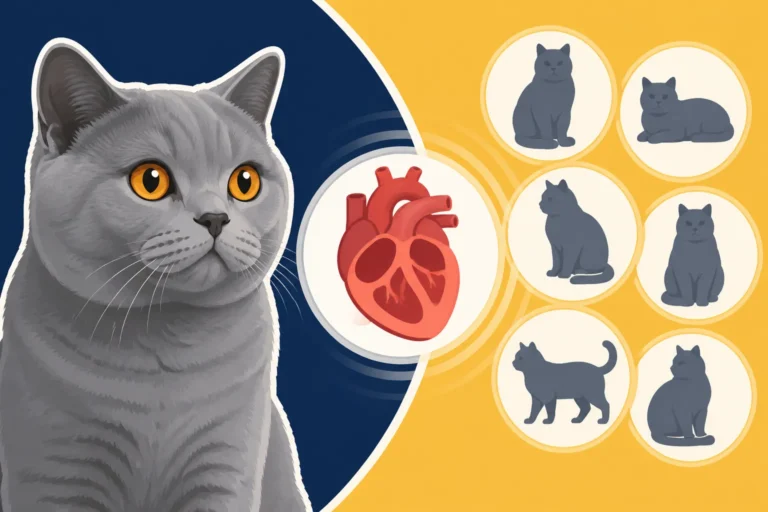
It might seem like a small detail, but accurately assessing your British Shorthair's weight is far from trivial. For a breed already prone to a more sedentary lifestyle and a love for food, obesity can creep up surprisingly quickly, leading to a cascade of health problems. We often talk about Obesity Is the British Shorthair's Real Disease because it truly impacts so many aspects of their well-being. Overweight British Shorthairs are at a higher risk for conditions like diabetes, arthritis (especially in their hips and elbows due to the extra strain), liver disease, and even certain types of cancer.
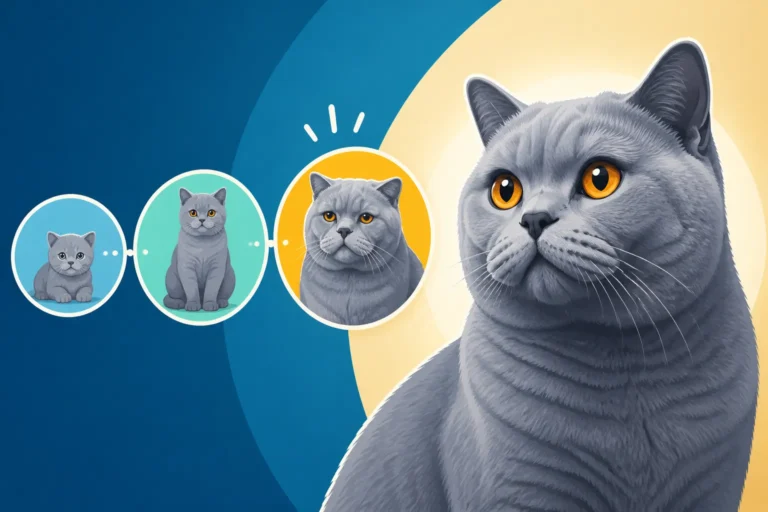
Beyond the major illnesses, being overweight can significantly reduce their quality of life. It can make grooming difficult, leading to matted fur and skin issues, particularly around their back and hindquarters. It can also make them even less inclined to play, creating a vicious cycle of inactivity and further weight gain. This is why knowing Why a British Shorthair Gains Weight So Easily is so important – it empowers you to be proactive. A simple, regular check of their ribs can be an early warning system, allowing you to make small, manageable adjustments to their diet and exercise before weight becomes a serious health concern.
Step-by-Step Guide to Feeling Your British Shorthair's Ribs
It sounds simple, but there’s a technique to feeling your British Shorthair's ribs effectively through all that luxurious fluff. Don't worry, it's not complicated, and with a little practice, you'll become a pro.
Setting the Stage: When and How to Approach Your Cat
First things first, choose the right moment. Your British Shorthair is a creature of comfort, and startling them or trying to "manhandle" them will likely lead to resistance. Pick a time when they are already relaxed, perhaps lounging on your lap or next to you on the sofa. A quiet environment is key, free from distractions like loud noises or other pets vying for attention.
Start by simply petting them gently, as you normally would. Stroke their head, back, and sides, getting them used to your touch. This isn't about interrogation; it's about a calm, positive interaction. Offering a favorite treat or a few gentle chin scratches before and after the rib check can also create a positive association, making them more cooperative for future assessments. Position yourself so you can comfortably reach their sides without awkward stretching or pinning them down. They'll appreciate feeling secure and unthreatened.
The Rib Palpation Technique
Now for the actual technique. Forget grabbing or squeezing; this is a gentle, investigative touch.
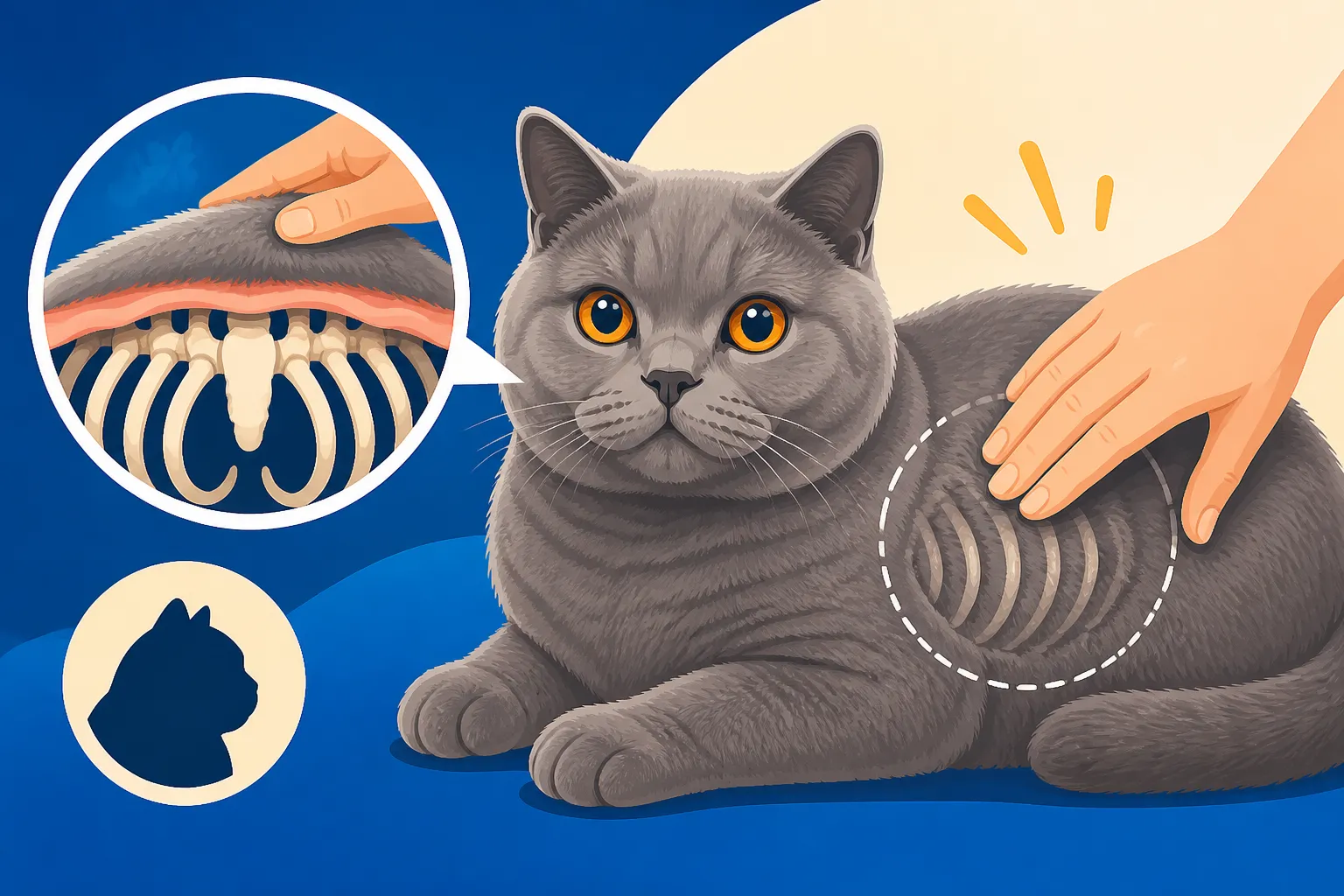
- Start with Gentle Petting: Begin by running your hands along their sides, just behind their front legs. This area is generally where their ribs are most easily accessible.
- Use Your Fingertips, Not Palms: Flatten your hand slightly and use the pads of your fingers, especially your index and middle fingers, to explore. The goal is to feel for individual ribs, not just broad chest mass.
- Apply Gentle Pressure: With your fingertips, apply a light, even pressure, moving them slowly back and forth over their ribcage. Imagine you’re trying to read braille through a soft blanket. You’re not trying to push into them, but rather to feel along the surface of their ribs.
- Feel for the "Knuckles" Sensation: What you're aiming for is to feel the individual bumps of their ribs, almost like feeling the knuckles on the back of your hand when it's relaxed. You should be able to distinguish each rib bone, but there should be a thin, soft layer of muscle and fat over them. It shouldn't feel like you're touching bone directly under the skin (too thin), nor should it feel like you're pressing into a thick, squishy pillow where you can't discern any individual bones (too heavy).
- Repeat on Both Sides: Ensure you check both sides of their ribcage, as body fat distribution can sometimes be slightly uneven.
Common mistakes include pressing too hard, which can be uncomfortable for your cat and make it difficult to distinguish ribs from muscle, or being too tentative and not applying enough pressure to feel through their dense fur. The key is consistent, gentle exploration.
Beyond the Ribs: Other Indicators of Body Condition
While feeling the ribs is a primary method, it's not the only way to assess your British Shorthair’s body condition. Other areas can provide helpful clues, especially if their coat is particularly thick.
Run your hands along their spine, from their shoulders down to their tail. Similar to the ribs, you should be able to feel the individual bumps of their vertebrae with a gentle touch, but they shouldn't feel sharply pronounced. Likewise, you can gently palpate their pelvis; the hip bones should be detectable but not jutting out.
Visual cues are also important, though they can be trickier with a British Shorthair. From above, a cat at an ideal weight will usually have a discernible "waistline" — a slight indentation just behind their ribs when viewed from directly overhead. From the side, there should be a subtle "abdominal tuck," where their belly rises slightly towards their hind legs rather than hanging low. With a British Shorthair’s naturally rounded body and deep chest, these visual cues are often less obvious than in leaner breeds, but they are still worth looking for.
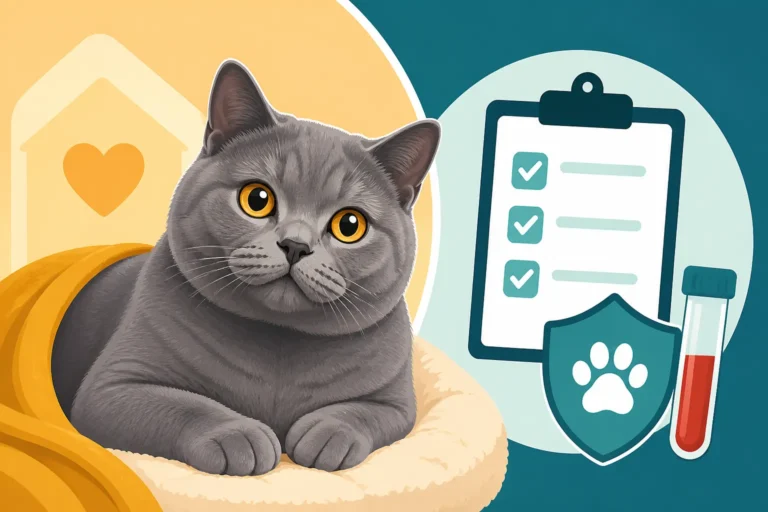
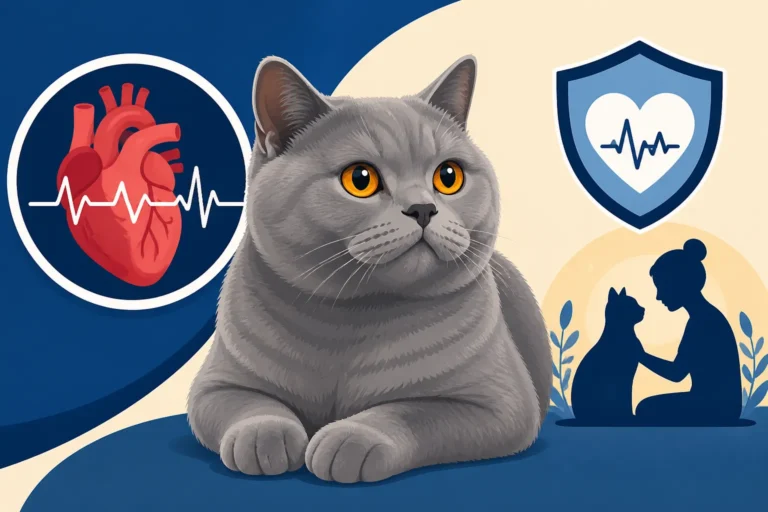
Ultimately, these home checks are a great start, but they should never replace a professional opinion. Regular vet check-ups, ideally How Often a British Shorthair Needs a Wellness Exam, are essential. Your veterinarian can provide an objective assessment using a formal Body Condition Score (BCS) system and offer tailored advice. If you're concerned about potential vet costs, especially if your cat needs ongoing care for weight-related issues, exploring pet insurance options like Healthy Paws can provide peace of mind and help cover those expenses. They cover accidents and illnesses, which can become more prevalent with conditions like obesity.
Interpreting What You Feel: British Shorthair Body Condition Scoring
Once you've felt your cat's ribs, spine, and pelvis, how do you translate those sensations into a meaningful assessment of their weight? This is where the Body Condition Score (BCS) comes in handy.
The Body Condition Score BCS Explained
Veterinarians typically use a Body Condition Score (BCS) chart, often on a 5-point or 9-point scale, to objectively evaluate an animal's fat reserves. A score of 3/5 or 5/9 usually represents the ideal weight. While we don't expect you to be a vet in your living room, understanding the principles of the BCS can help you interpret what you're feeling at home. It’s essentially a standardized way to look beyond the number on the scale and assess how much fat your cat is carrying on their frame. This is crucial because a healthy weight range for a British Shorthair can vary quite a bit depending on their individual size and build, so a general weight number isn't always the full picture.
What a Healthy Body Condition Feels Like
For a British Shorthair, an ideal body condition means you can:
- Easily feel their ribs with gentle pressure, but they should have a slight, thin covering of fat over them, making them feel smooth rather than sharp or bony. Think of it like feeling the back of your hand – you know the bones are there, but they’re not painfully protruding.
- Feel their spine and hip bones with gentle palpation, but again, without them feeling prominent or sharp.
- Observe a slight waistline behind the ribs when viewed from above, though this might be subtle due to their breed's natural roundness and dense fur.
- See a mild abdominal tuck when viewed from the side, with their belly gently rising rather than sagging.
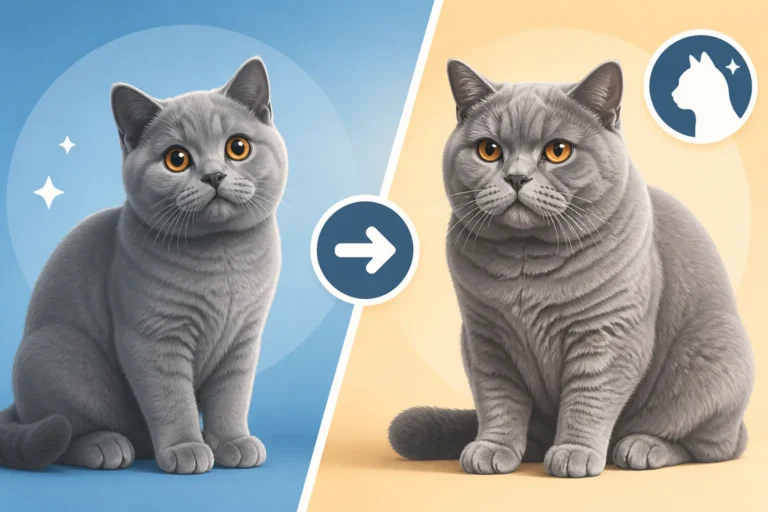
It’s truly a balancing act, and many owners struggle with discerning How to Tell a Chunky British Shorthair From a Fat One. A healthy British Shorthair is solid and substantial, but not soft and squishy. Their dense coat should stand away from their body, giving them a rounded appearance, but underneath that fur, their body should still have a defined structure.
Here's a simplified table to help you interpret what you're feeling:
| Body Condition Score | Ribs Feel Like… | Visual Cues (BSH Context) | Action Needed |
|---|---|---|---|
| Too Thin | Very prominent, no fat covering, easy to see/feel. | Ribs, spine, pelvis easily visible. Severe abdominal tuck. | Consult vet for weight gain plan. |
| Ideal Weight | Easily palpable with slight fat covering, smooth. | Subtle waist from above, mild abdominal tuck. | Maintain current diet and exercise routine. |
| Slightly Overweight | Palpable with effort, moderate fat layer over ribs. | Waist barely discernible, no abdominal tuck, belly rounds. | Adjust diet and increase activity, monitor closely. |
| Obese | Difficult or impossible to feel due to thick fat. | No waist, prominent round belly, fatty deposits. | Consult vet for comprehensive weight loss plan. |
Recognizing Underweight or Overweight Signs
While it's less common for British Shorthairs to be severely underweight given their generally hearty appetites, it's still good to know the signs. An underweight cat will have ribs, spine, and hip bones that are very prominent and easily seen or felt with almost no fat covering. Their abdomen will appear severely tucked up. If you notice this, it’s a red flag for underlying health issues or insufficient food intake, and a vet visit is imperative.
On the other hand, recognizing when your British Shorthair is overweight is unfortunately more common. If you struggle to feel their ribs even with firm but gentle pressure, or if they feel like they’re buried under a thick layer of padding, your cat is likely overweight. Visually, you might notice no discernible waist, and their belly may sag or swing when they walk. Don't overlook the more subtle indicators like a decreased interest in play, difficulty grooming their back, or even small changes in their gait. Signs a British Shorthair Is Overweight often start subtly before they become obvious. Catching these early signs through regular rib checks is vital for their long-term health.
Maintaining a Healthy Weight for Your British Shorthair
Once you have a better grasp of your British Shorthair’s body condition, the next step is to ensure they maintain that ideal weight or work towards it if adjustments are needed. It's an ongoing commitment, but one that pays dividends in their health and happiness.
Dietary Adjustments and Portion Control
For British Shorthairs, diet is perhaps the most critical component of weight management. They are generally not the most active cats, and their hearty appetites mean they'll often eat whatever you put in front of them. This makes Why Free Feeding Ruins a British Shorthair a common pitfall for owners of this breed. Free-feeding, or leaving food out all day, allows them to graze excessively, easily consuming more calories than they need.
Instead, precise portion control is key. Work with your vet to determine How Many Calories a British Shorthair Needs daily, taking into account their age, activity level, and whether they need to lose, gain, or maintain weight. Divide this daily amount into two or three measured meals. Many British Shorthair owners find success switching from primarily dry kibble to wet food, or a combination of both. Wet food has a higher moisture content, which can help your cat feel fuller with fewer calories and also supports urinary tract health. Look for high-quality, protein-rich cat foods without excessive fillers. Consistency is paramount; even small extra treats can quickly derail a diet.
Encouraging Movement in a Naturally Sedentary Breed
Let's be honest, getting a British Shorthair to move can sometimes feel like trying to motivate a furry, purring potato. They're often described as laid-back, preferring a nap in a sunbeam to an Olympic sprint. However, even a little bit of daily activity can make a significant difference in their weight and overall well-being. This is all about How to Get a British Shorthair to Move gently and consistently.
Instead of expecting vigorous play, focus on short, frequent play sessions that appeal to their hunting instincts. Wand toys with feathers or small plush animals can entice them, as can laser pointers (just be sure to end the session with a tangible toy they can "catch" to prevent frustration). Puzzle feeders are also fantastic for British Shorthairs, as they make your cat "work" for their food, slowing down mealtime and providing mental stimulation. Consider dedicating 10-15 minutes a day, broken into 2-3 shorter sessions, to interactive play. This isn't just about burning calories; it's also a great way to bond with your cat and keep their minds sharp. Understanding How Much Play a British Shorthair Needs is less about intensity and more about engagement.
The Importance of Regular Vet Check-ups
Even with diligent home assessments and lifestyle adjustments, regular veterinary check-ups remain indispensable. Your vet isn't just there for emergencies; they are your partner in preventative care. They can provide an objective assessment of your British Shorthair's body condition, monitor their weight trends over time, and catch any subtle health changes that might be missed at home. Early detection of issues, whether it's the onset of diabetes or joint pain exacerbated by excess weight, allows for prompt intervention and better outcomes.
During these visits, your vet can recommend specific dietary plans, suggest safe exercise routines, and address any underlying health conditions that might be contributing to weight issues. If your British Shorthair does develop a chronic condition linked to their weight, such as Diabetes in a British Shorthair or Arthritis in an Older British Shorthair, the costs of ongoing treatment can add up. This is where pet insurance, like Healthy Paws, really shines. Having a plan in place can significantly alleviate the financial burden of managing long-term health problems, ensuring you can always prioritize your beloved cat’s care without undue stress.
Disclaimer
This article is for general informational purposes only and does not constitute professional advice. Laws, prices and regulations vary by location and change over time. Consult a qualified professional for guidance on your specific situation.