Whether the PKD1 DNA Test Covers British Shorthairs
It’s a heart-wrenching worry for any British Shorthair owner: the thought of a hidden genetic disease slowly taking hold of your beloved feline friend. Polycystic Kidney Disease, or PKD, is one such silent threat that has historically plagued many breeds, including our chunky-cheeked darlings. Thankfully, there’s a powerful tool in our arsenal – the PKD1 DNA test – and understanding if it covers British Shorthairs is crucial for peace of mind and responsible pet ownership. This guide will walk you through everything you need to know about this vital test.
Understanding Polycystic Kidney Disease in British Shorthairs
Living with a British Shorthair is a joy, but it also means being aware of certain health predispositions. PKD is one of those, and it’s a condition that can cause immense heartache if not proactively managed.
What PKD Is and How It Affects Cats
Polycystic Kidney Disease, often simply called PKD, is a progressive, inherited kidney disease characterized by the development of multiple fluid-filled cysts within the kidneys. Imagine tiny, abnormal sacs forming inside the kidney tissue, slowly growing larger over time. Initially, these cysts are microscopic, causing no noticeable issues. However, as they multiply and expand, they start to crowd out and destroy healthy kidney tissue. This gradual destruction impairs the kidneys' ability to filter waste products from the blood, leading to a slow, irreversible decline in kidney function.
The insidious nature of PKD is what makes it so dangerous. Cats are masters at hiding illness, and a British Shorthair, with its stoic demeanor, is no exception. Owners might not notice any outward signs until the disease has progressed significantly, often when their cat is already in chronic kidney failure. By then, the damage is extensive, and symptoms like increased thirst, frequent urination, loss of appetite, weight loss, and lethargy become apparent. For a deeper dive into what this condition entails, you can read more about What Polycystic Kidney Disease Does to a British Shorthair. The age at which signs appear can vary widely, but typically, cysts begin to grow when the cat is relatively young, though clinical signs often don't manifest until middle to later age. Some cats might show signs of kidney compromise as early as three to five years old, while others might not show symptoms until they're much older, possibly even a decade or more, demonstrating how varied The Age PKD Shows in a British Shorthair can be.
How PKD Came to Be a Concern for British Shorthairs
It's a story common to many purebred cats, where the desire for specific aesthetic traits inadvertently introduced health challenges. For the British Shorthair, the journey of PKD into its gene pool dates back to efforts to rebuild the breed after its numbers dwindled significantly during the World Wars. Breeders at the time needed to broaden the gene pool and turned to outcrossing with other breeds, most notably the Persian.
While the Persian cat contributed to the British Shorthair's iconic cobby body and plush coat, it also unknowingly brought with it the genetic mutation for Polycystic Kidney Disease. At the time, genetic testing as we know it today didn't exist, and breeders were simply trying to save their beloved lines. This meant that cats carrying the PKD gene were integrated into the British Shorthair population, and because PKD is an autosomal dominant trait, only one copy of the faulty gene is needed for a cat to be affected. The frustration for modern breeders is palpable; they are diligently working to undo a genetic legacy that was an unforeseen consequence of historical breeding decisions. Understanding this history is crucial to appreciating why proactive screening is so important now. You can learn more about How PKD Reached the British Shorthair in detail.
The PKD1 DNA Test: A Game-Changer for British Shorthairs
When we talk about genetic health, the PKD1 DNA test is one of the most significant advancements for British Shorthair owners and breeders. It offers a clear, definitive answer that ultrasound simply cannot provide on its own.
Why the PKD1 DNA Test is So Important
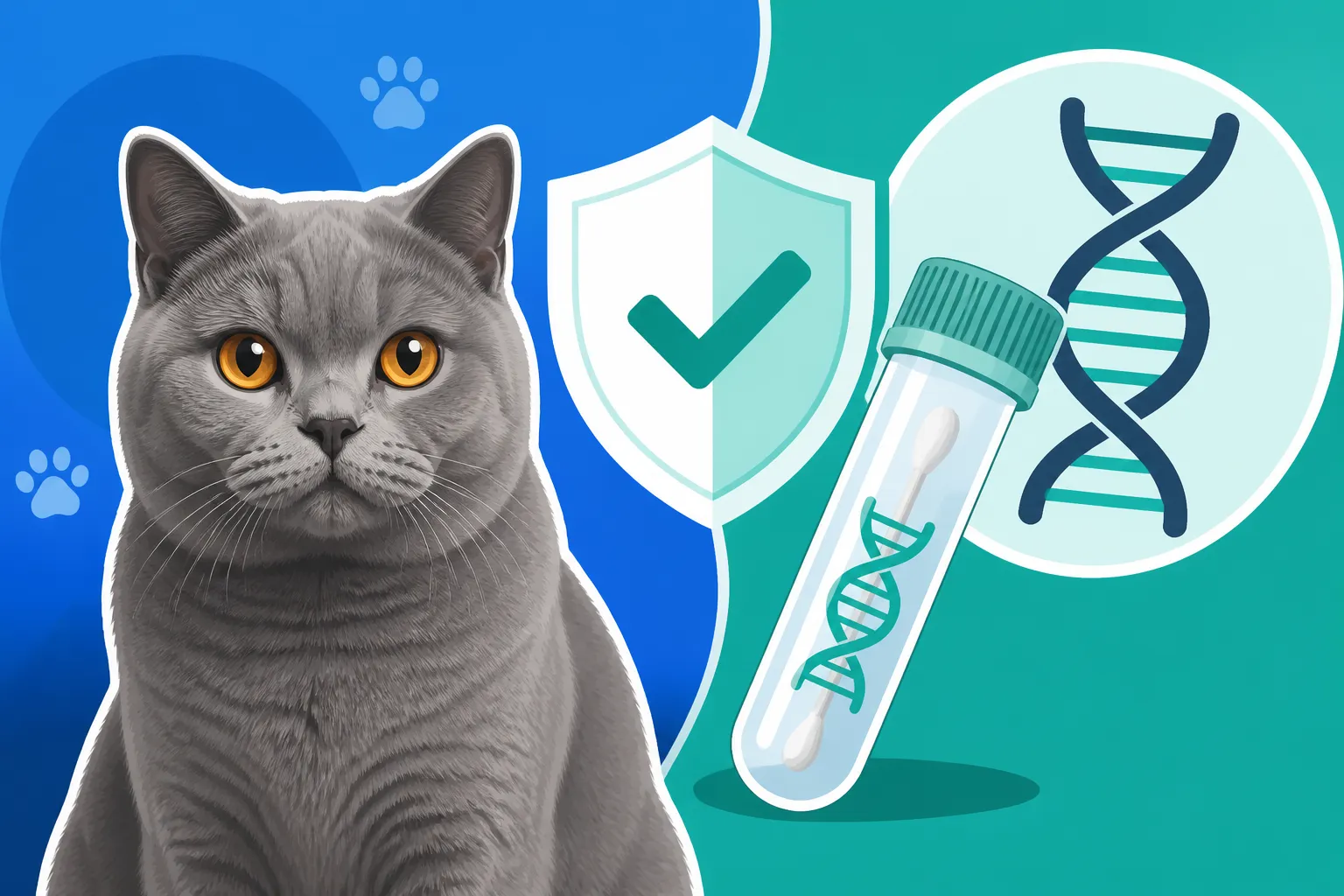
Yes, absolutely! The PKD1 DNA test definitively does cover British Shorthairs. This is not a test designed for another breed that we're hoping works; it's specifically targeted at the common mutation found in many breeds, including ours. The "PKD1" refers to the specific gene locus on the cat's chromosome where the mutation causing this form of polycystic kidney disease resides. This particular mutation, identified as a C-to-A transversion at nucleotide 1006 (or c.1006C>A), is present in virtually all PKD-affected cats across various breeds, including the British Shorthair. This genetic test is a true marvel because it identifies the presence of the gene itself, not just the physical manifestation of the cysts.
Why is this so critical? Unlike an ultrasound, which can only detect cysts once they are large enough to be seen (typically around 6-10 months of age, though sometimes later), the DNA test can be performed at any age, even on tiny kittens. This means breeders can screen their breeding cats long before they are ready to reproduce, ensuring that no affected animals are unknowingly passed into the breeding program. For potential pet owners, it means you can request proof of testing for your kitten's parents, offering a level of assurance that wasn't possible years ago. This test differentiates between three outcomes: a cat that is genetically clear (does not have the gene), a cat that is affected (has one copy of the gene and will develop PKD), and a cat that is homozygous affected (has two copies, which is rare as it's often lethal early on). Knowing this status early can prevent immense suffering and heartbreaking decisions later on. It’s why responsible owners often ask Whether a British Shorthair Should Be PKD Tested at all.
How the PKD1 DNA Test Works
Performing the PKD1 DNA test is thankfully straightforward and non-invasive, a huge relief when dealing with our often-reluctant feline friends. The process typically involves collecting a buccal swab, which is a fancy term for a cheek swab. You simply rub a sterile brush or swab along the inside of your cat's cheek to collect epithelial cells – cells that contain their DNA. This usually takes just a few seconds and can be done at home or by your vet. There's no blood draw, no sedation, and minimal stress for your cat, which is a huge plus, especially for breeds that might not always enjoy vet visits.
Once you have the sample, it's sent off to a specialized veterinary genetic testing laboratory. Reputable labs that offer the PKD1 DNA test for British Shorthairs include institutions like UC Davis Veterinary Genetics Laboratory in the United States, Langford Vets in the UK, and commercial services like Optimal Selection by Wisdom Panel. These labs use polymerase chain reaction (PCR) technology to amplify the specific region of the PKD1 gene and check for the presence of the c.1006C>A mutation.
The results you receive will typically categorize your cat as one of the following:
- N/N (Negative/Clear): This means your cat does not carry the PKD1 mutation and is highly unlikely to develop PKD due to this specific gene. They cannot pass the mutation on to their offspring.
- N/P (Positive/Affected/Heterozygous): This indicates your cat carries one copy of the PKD1 mutation. Because PKD is an autosomal dominant disease, cats with even one copy of the gene will develop PKD. The severity and age of onset can vary, but they are affected. They will pass this mutation on to approximately 50% of their offspring.
- P/P (Positive/Affected/Homozygous): This means your cat carries two copies of the PKD1 mutation. These cats are severely affected, often with very early onset and severe disease. This genotype is less common as affected kittens may not survive or thrive.
Understanding these results is crucial for both health management and responsible breeding. The cost of a British Shorthair PKD test can vary depending on the lab and country, but it's a small investment for the invaluable information it provides. You can find out more about What the British Shorthair PKD Test Costs to help you budget.
The Accuracy and Reliability of the PKD1 DNA Test
When you're dealing with a potentially life-threatening genetic condition, you want to be absolutely sure your test results are reliable. And I can tell you, the PKD1 DNA test is incredibly accurate for what it sets out to do. This test is designed to detect the specific genetic mutation (c.1006C>A in the PKD1 gene) that is known to cause Polycystic Kidney Disease in British Shorthairs and many other breeds that trace back to Persian ancestry.
Because it's a direct genetic test looking for a specific marker, its accuracy in identifying the presence or absence of that particular mutation is extremely high, often cited as close to 100%. This is its greatest strength. It gives you a black-and-white answer about your cat's genetic predisposition to PKD.
However, it's important to understand what the DNA test doesn't do. It doesn't tell you the exact size of the cysts, how many there are, or how quickly they are progressing. That's where diagnostic imaging, specifically an ultrasound, comes in. An ultrasound visually inspects the kidneys and can confirm the physical presence and extent of cysts. Think of it this way: the DNA test tells you if your cat has the genetic blueprint for PKD, while the ultrasound tells you if and how much that blueprint has manifested into physical cysts. For example, a cat could test N/P (affected) but an early ultrasound might not show many large cysts yet. The DNA test confirms the genetic reality, allowing for proactive monitoring and management even before visible signs or symptoms appear. This complementary approach offers the most comprehensive picture of your cat's kidney health.
Implications of PKD1 Test Results for Owners and Breeders
Receiving PKD1 DNA test results can be a pivotal moment for any British Shorthair owner or breeder. Whether the news is good or challenging, understanding the implications is the next crucial step.
Managing an Affected British Shorthair
If your British Shorthair receives an N/P (affected) or P/P (homozygous affected, though very rare) result, it means they have the genetic predisposition to develop PKD. This isn't a death sentence, but it does mean that vigilant, proactive management will be key to ensuring they live the longest, most comfortable life possible. Early detection through DNA testing allows you to get a head start. Your veterinarian will likely recommend a management plan focused on slowing the progression of kidney disease and mitigating symptoms.
This plan typically involves regular veterinary check-ups, potentially twice a year, to monitor kidney function through blood and urine tests. Dietary changes are almost always a cornerstone of managing kidney disease; this often means a prescription renal diet that is lower in protein, phosphorus, and sodium, which helps reduce the workload on the kidneys. Ensuring adequate hydration is also vital, so providing fresh water, encouraging drinking through water fountains, and incorporating wet food into their diet are common recommendations. Medications might be prescribed to control blood pressure, reduce protein loss in urine, or alleviate nausea, depending on the stage and symptoms of the disease. Managing these conditions can sometimes come with significant costs, but having pet insurance, such as a policy from Healthy Paws, can provide much-needed financial relief, helping you afford the best possible care without added stress.
It’s about quality of life. An affected cat can still have many happy years if managed well. Recognizing Signs a British Shorthair's Kidneys Are Failing is important, but with early knowledge from the DNA test, you can often intervene before those severe signs even appear. For comprehensive strategies on care, explore How a British Shorthair With Kidney Disease Is Managed.
Ethical Breeding Practices with PKD1 Testing
For British Shorthair breeders, the PKD1 DNA test is an indispensable tool for ethical and responsible breeding. Given that PKD is an autosomal dominant condition, any cat carrying even one copy of the PKD1 gene (N/P) will develop the disease and will pass it on to approximately 50% of its offspring. Therefore, responsible breeding dictates that affected cats should be removed from breeding programs entirely.
The goal for any reputable British Shorthair breeder should be to produce PKD-clear offspring and, ultimately, to eradicate the disease from their lines. This means all breeding cats – both queens and studs – should be tested prior to being bred. If a cat tests N/P, it should not be used for breeding. This might be a tough decision for breeders who have invested time and resources into a particular cat, but it is the cornerstone of responsible genetic health management. Transparent breeders will readily share the PKD1 DNA test results of their breeding cats, and often, of the kitten's parents. This commitment to testing and selectively breeding clear cats is a testament to their dedication to the health and longevity of the breed. It also explains why What a British Shorthair Breeder Should Have Tested is such a thorough list of health screenings. Unfortunately, the decision of Whether a PKD Positive British Shorthair Should Be Bred is a clear no for ethical breeders aiming to eliminate the disease.
Why Pet Owners Should Care About PKD1 Testing
Even if you’re not a breeder and simply want a loving companion, understanding and asking about PKD1 testing is incredibly important. When you're looking for a British Shorthair kitten, asking a breeder for proof of PKD1 DNA testing for both parents is non-negotiable. This is your best defense against inadvertently bringing home a kitten that is genetically predisposed to a serious and costly disease. A reputable breeder will have these results readily available and be proud to share them. They understand that transparency is key to building trust and ensuring the health of their kittens.
For those considering adopting an adult British Shorthair, whether from a rescue or another individual, inquiring about past health testing, including PKD1, is also wise. While it might be harder to get parentage information, if the adult cat itself has been tested, that’s a huge bonus. If not, and you adopt, you might consider having your new companion tested. Knowing their genetic status allows you to work proactively with your vet to monitor their kidney health, establish baseline values, and implement preventative measures if necessary. This proactive approach can lead to a longer, healthier life for your cat and save you from potential emotional and financial strain down the line. It's perfectly reasonable to ask Whether an Owner Should Test an Adult British Shorthair if their history is unknown. While regular vet visits and careful monitoring are key, having a robust pet insurance plan like those offered by Healthy Paws can also be a significant benefit, providing financial peace of mind should a chronic condition like PKD require extensive treatment throughout your cat's life.
Here's a quick comparison to help solidify the understanding of these two crucial PKD screening methods:
| Feature | PKD1 DNA Test | Kidney Ultrasound |
|---|---|---|
| Purpose | Detects the genetic mutation for PKD | Detects physical cysts in the kidneys |
| Age for Test | Any age, including kittens (even before birth) | Typically 6-10 months or older to reliably see cysts |
| Method | Non-invasive buccal (cheek) swab | Non-invasive abdominal ultrasound |
| Results | Genetically Clear (N/N), Affected (N/P) | No visible cysts, few small cysts, many large cysts |
| Interpretation | Definitive genetic status | Visual assessment of kidney health and cyst burden |
| Cost | Varies by lab, generally $50-$100 USD | Varies by clinic, generally $150-$400+ USD |
| Frequency | Once in a lifetime (results don't change) | Yearly or as recommended for monitoring an affected cat |
| Best Used For | Screening breeding cats, confirming genetic status | Diagnosing affected cats, monitoring disease progression |
Disclaimer
This article is for general informational purposes only and does not constitute professional advice. Laws, prices and regulations vary by location and change over time. Consult a qualified professional for guidance on your specific situation.