What a Silver Shaded British Shorthair Is
A silver shaded British Shorthair has a pale, almost white-looking coat with darker color concentrated at the tips of the hairs, giving it a soft, silvery sheen. The exact shade can be hard to judge in photos, and kittens may change as they mature. This guide explains what “silver shaded” means, how it differs from similar patterns, and what to look for when choosing or caring for one.
What silver shaded means
The color sits at the ends of the hairs
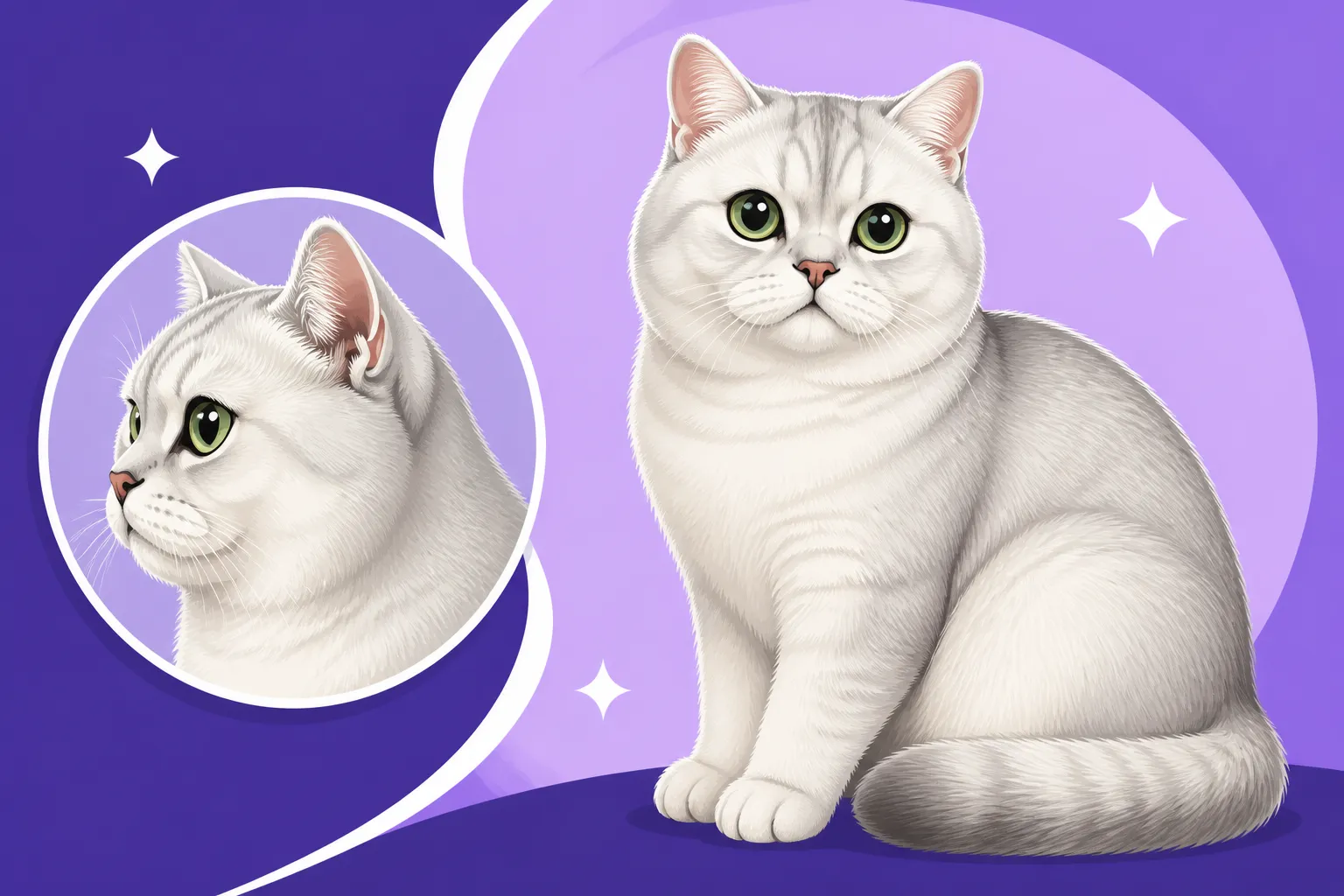
Silver shaded describes a coat pattern, not a separate breed. Each hair has a light, silvery base and darker pigment near its tip. Because the dark color is concentrated at the outer end of the hair, it creates a shaded effect across the cat’s coat rather than making every hair look uniformly dark.
On a British Shorthair, the result is especially striking against the breed’s dense, plush coat. The cat may look pale from a distance, while the shading becomes more noticeable around the back, sides, head, and tail. The finished appearance can range from a delicate dusting of color to a more clearly defined dark overlay.
The word “silver” refers to the pale background of the coat; “shaded” describes how much darker pigment appears at the hair tips. It does not mean the cat has silver-colored skin, and the coat is not created by dye or grooming products. The visual effect comes from inherited coat-color traits.
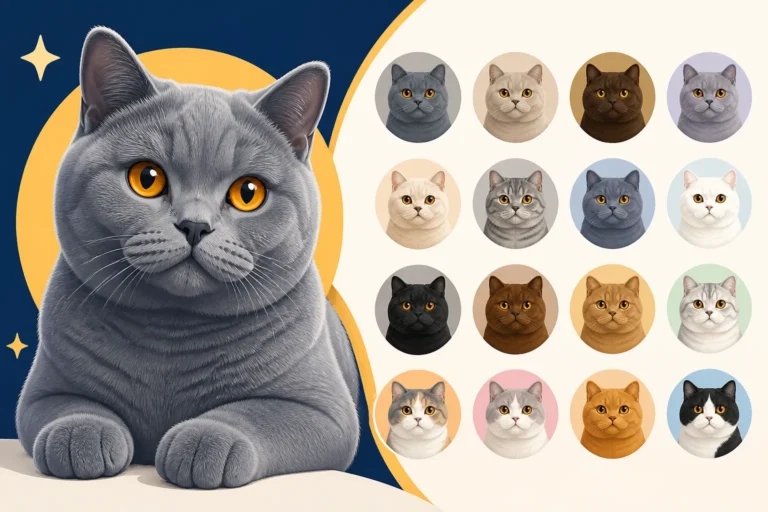
If you’re comparing colors, it can help to see how silver shaded fits into the wider range described in Which Colors a British Shorthair Comes In. The names can sound similar, but they refer to distinct combinations of background color and pattern.
Shaded is not the same as silver tabby
A silver tabby has visible markings, such as stripes, swirls, or spots, against a pale silver background. A silver shaded cat is usually more evenly shaded, with darker pigment distributed over the body rather than arranged in strong, obvious tabby markings.
The distinction is not always crisp in a kitten or in a photograph. A young cat may still show faint markings that become less noticeable as the coat changes, and lighting can make the pattern look stronger or weaker. A bright window may make a coat seem almost white; a warm indoor lamp can make the same coat look creamier or darker.
A useful comparison is to look at the pattern across the whole body, not just the face or tail. Ask whether the darker pigment forms clear stripes or whether it appears more like an even veil. For more on that neighboring pattern, see Whether a Tabby British Shorthair Is Standard.
Silver shaded, chinchilla, and shell patterns
Silver shaded is often discussed alongside silver shell or chinchilla patterns. These names generally describe related looks with different amounts of pigment at the hair tips. A shell or chinchilla coat tends to look very pale because the dark tipping is more limited; a shaded coat typically has more visible color over the body.
The terms can be used differently in everyday conversation, and formal classifications may depend on the registry or the breeder’s terminology. That makes it wise to ask for the cat’s registered color description rather than relying only on an informal label. A photo can show the general impression, but it may not reveal the precise amount of tipping or the official classification.
| Coat description | General appearance | What to notice |
|---|---|---|
| Silver tabby | Pale background with clear stripes, swirls, or spots | Look for defined pattern markings |
| Silver shaded | Pale coat with a more even overlay of darker-tipped hairs | Shading is spread across the coat |
| Silver shell or chinchilla | Very pale appearance with lighter, more limited tipping | The overall coat often looks brighter |
These descriptions are a practical guide rather than a substitute for a registry’s rules. If you are buying a kitten for showing or breeding, confirm the registered color with the breeder and the relevant cat registry.
How to recognize a silver shaded British Shorthair
Look at the coat in natural light
Photos are useful, but they can make coat colors surprisingly misleading. Phone cameras may brighten pale fur until the shading disappears, or increase contrast until the cat looks darker than it is. Indoor lighting can also add a yellow or warm cast to a coat that looks cool and silvery outdoors.
When possible, view the cat in indirect natural light. Look at the back and sides as well as the face, legs, and tail. A shaded coat may show a stronger overlay along the top of the body, while the chest and underside look lighter. The coat should still have the dense, plush quality associated with the breed, rather than appearing flat or sparse.
It can also help to compare pictures taken at different ages. A single kitten photo cannot tell you exactly how the adult coat will look. Ask the breeder for recent images of the kitten and, if available, photos of related adult cats. What a Silver Shaded British Shorthair Is is a useful starting point for understanding the color, but seeing the coat in person gives you a better sense of its depth and contrast.
Check the whole cat, not just the color
Color can catch your eye first, especially when a silver coat looks unusually luminous. But a cat’s suitability for your home depends on more than its shade. Look at its overall health, behavior, and body condition, and ask how it has been raised and socialized.
British Shorthairs are known for a broad, sturdy build, round head, and dense coat. A silver shaded cat should still look like a British Shorthair in structure; the pale coat does not make it a separate variety with different basic care needs. For a broader look at the breed’s proportions, see The Round Head and Copper Eye a British Shorthair Is Judged On and What a British Shorthair Weighs and How Big It Gets.
Eye color is another feature people often notice. Silver shaded British Shorthairs are commonly associated with green eyes, but the exact appearance and show expectations can depend on the color classification and registry standard. If eye color is important to you, ask about the individual cat and its pedigree rather than assuming every cat sold under the same coat label will look identical.
Ask the breeder precise questions
A responsible breeder should be able to explain the kitten’s color designation and show you how they arrived at it. Ask whether the kitten is registered as silver shaded, whether the description is provisional, and how the coat has changed so far. These questions are reasonable, not fussy: color names are easy to use loosely, while registration terminology can be more specific.
Request clear photos in neutral light, and ask to see the kitten’s parents or close relatives if they are available. A breeder may not be able to guarantee exactly how a kitten’s coat will develop, so be cautious about promises that the adult color, contrast, or eye shade will be exact. Development takes time, and genetics do not always produce a perfectly predictable visual result.
Color should never replace questions about health and care. Ask what veterinary care the kitten has received, what records come with it, and what screening has been done in the line. The guide What a British Shorthair Weighs and How Big It Gets can also help set realistic expectations about how slowly this breed may mature.
How the coat changes and how to care for it
Kittens may look different as they mature
A silver shaded kitten can change noticeably as its adult coat comes in. The contrast may become clearer, the coat may look lighter or darker, and faint markings may become less prominent. The timing and degree of change vary from cat to cat, so a kitten’s appearance is not always a reliable preview of its fully developed coat.
That uncertainty can be frustrating if you have fallen in love with a particular photo and are hoping for the exact same look at adulthood. Ask the breeder what changes they have observed in previous kittens from similar lines, but treat those examples as guidance, not a guarantee. A littermate or parent can offer clues, but individual cats can still develop differently.
The British Shorthair’s coat also takes time to mature. Its plush texture and overall outline develop gradually, so it’s worth considering the kitten as a growing animal rather than a miniature version of the adult cat. For more on that slow development, read How Long a British Shorthair Takes to Reach Full Weight.
Grooming is about coat health, not preserving a color
A silver shaded British Shorthair does not need special products to maintain its color. Regular, gentle combing helps lift loose hair and keep the dense coat comfortable. A suitable comb is generally more useful than repeatedly using a harsh brush, which can damage the coat’s texture or irritate the skin if used too aggressively.
Start with short, calm grooming sessions, especially if the cat is young or not used to being handled. Comb in the direction the coat lies, and pause if your cat becomes tense. During heavier shedding, you may need to comb more often, but the right routine depends on the individual cat and the season. The care guide Why a Comb Beats a Brush on a British Shorthair explains why tool choice matters for this coat type.
If you’re browsing for grooming tools on Chewy, focus on a comb that reaches through the dense coat without pulling or scraping the skin. Introduce it gradually and watch how your cat responds; a product marketed for shedding is not automatically the right fit for every British Shorthair. More guidance on routine grooming is available in How Often a British Shorthair Needs Combing.
Keep an eye on skin and coat condition
A healthy-looking coat should not distract you from changes that may signal a problem. Persistent bald patches, scabs, redness, excessive scratching, or a sudden change in coat texture deserve attention. A pale coat can make some skin changes easier to spot, but it does not make the cat more likely to develop them simply because it is silver shaded.
Nutrition, overall health, stress, parasites, and grooming habits can all affect the coat. If your cat’s fur becomes greasy, tangled, or unusually dull, consider whether grooming has changed or whether your cat is having difficulty reaching parts of its body. A vet can help assess ongoing changes, especially when they occur alongside appetite, weight, or behavior changes.
You can find everyday grooming and feeding supplies on retailers such as Chewy, but product choice should support your cat’s needs rather than promise a brighter or more silver coat. For general coat care, see What a British Shorthair's Coat Is Like. A balanced diet and regular veterinary care matter more than color-enhancing shampoos or supplements.
Choosing a silver shaded British Shorthair
Put health and temperament ahead of a perfect shade
It is completely understandable to be drawn to the silver shaded look. The pale coat and dark tipping can be beautiful, and no two cats have exactly the same contrast. Still, coat color should be one part of your decision, not the deciding factor.
Take time to understand the kitten’s daily needs, energy level, and comfort with handling. Ask how the breeder socializes kittens and what support they provide after the kitten goes home. A quiet, observant cat may suit one household beautifully, while another family may be looking for a more outgoing companion. What a British Shorthair's Temperament Is Really Like can help you think beyond appearance.
Also consider the practical realities of bringing home any cat: routine veterinary care, quality food, a suitable litter setup, grooming, and time for play and companionship. You may see silver shaded kittens advertised at different prices, but the label alone does not tell you whether a breeder is careful or whether a kitten has been raised well. Ask what is included and what documentation you will receive.
Use photos and listings as a first step
Online listings can help you compare kittens, but they are only a starting point. Check whether the images are current, whether they show the coat in more than one setting, and whether the breeder can answer detailed questions about the kitten. Be wary of listings that rely on dramatic filters, make guarantees about adult appearance, or provide little information beyond color and availability.
If you are comparing supplies before your cat comes home, Chewy can be one place to browse basics such as combs, food dishes, and litter products. Choose equipment for the cat’s size and comfort, not because it is described as a special silver-coat essential. No special diet or grooming routine is required just because a British Shorthair is silver shaded.
Finally, remember that the right cat is more than a coat description. A silver shaded British Shorthair may grow into a striking adult, but the relationship you build will come from the cat’s individual personality, health, and daily care. Aim for a well-raised companion whose needs fit your home, even if its adult coat turns out slightly different from the kitten photos.
Disclaimer
This article is for general informational purposes only and does not constitute professional advice. Laws, prices and regulations vary by location and change over time. Consult a qualified professional for guidance on your specific situation.