Whether an Aging British Shorthair Needs Two Vet Visits
It’s a natural worry for any cat parent: as our beloved British Shorthairs enter their golden years, we start to notice subtle shifts, and a nagging question pops up – are our once-a-year vet visits still enough? The truth is, that robust, stoic nature that defines the British Shorthair can actually mask underlying health issues, especially as they age, making the traditional single annual check-up potentially insufficient. This guide will delve deep into why two vet visits a year for your aging British Shorthair aren't just a suggestion, but a truly proactive measure to safeguard their health and comfort.
Why Aging British Shorthairs Benefit From More Frequent Vet Visits
When your British Shorthair was a bouncy kitten or a spry young adult, an annual wellness exam felt like plenty. The vet checked them over, gave their shots, maybe did a quick blood panel, and sent them on their way. But as those years add up, things change. Just like us, older cats can develop a host of age-related conditions that benefit immensely from earlier detection and intervention. Those once-a-year visits, while still vital, create a longer gap where a silent illness could be progressing unchecked.
The Silent Language of Feline Aging
Cats are masters of disguise, especially when it comes to pain or discomfort. It's an evolutionary trait; in the wild, showing weakness makes them vulnerable. Our domestic British Shorthairs carry this instinct, often suffering in silence until a condition is quite advanced. A slight decrease in appetite, a subtle stiffness when jumping, or a tiny bit more water consumption might seem minor to us, or even attributed to "just getting old." However, these can be early indicators of significant health problems like kidney disease, arthritis, or even hyperthyroidism. A British Shorthair isn't likely to cry out or limp dramatically until they are in considerable discomfort.
Consider a situation where your British Shorthair, let's call him Winston, is turning twelve. He still seems like himself, perhaps a bit slower. You notice he’s not quite as keen on chasing the laser pointer as he used to be, but you put it down to his age. If you wait another six months for his annual check-up, that subtle stiffness might become full-blown arthritis, making every movement a struggle. Twice-yearly visits mean a vet can assess these minor changes, perhaps even before you consciously notice them, catching conditions in their infancy when they are far more manageable.
Catching Issues Before They Escalate
The beauty of more frequent vet visits for an older British Shorthair lies in the opportunity for early detection. Many age-related diseases have much better prognoses and management strategies when caught early. Think about kidney disease, a very common ailment in older cats. In its early stages, a cat might not show obvious symptoms, but routine blood and urine tests can reveal subtle changes in kidney function. If detected then, dietary changes and medication can be implemented to slow its progression, potentially adding years of good quality life. Waiting until the cat is visibly ill, perhaps showing weight loss, vomiting, or excessive thirst, often means the disease is already quite advanced.
It’s about shortening that window of opportunity for disease progression. A six-month interval means a veterinarian can compare diagnostic results more frequently. If Winston had a slightly elevated kidney value six months ago, and now it’s nudged up a little more, it’s a clear flag for action. If you only see the vet once a year, that increase might be significant, but you wouldn’t have the earlier baseline for comparison, making it harder to spot a trend. This proactive approach can make all the difference, transforming a potentially life-shortening illness into a chronic condition that's successfully managed for years. Caring for a British Shorthair Past Ten delves deeper into the specific needs of older felines.
Maintaining Quality of Life
Ultimately, the goal of increased veterinary care for your senior British Shorthair is to ensure they enjoy the highest possible quality of life for as long as possible. Nobody wants their beloved companion to be in pain or discomfort, especially in their twilight years. Arthritis, for instance, can significantly impact a British Shorthair's ability to jump, play, or even use the litter box comfortably. If this is caught early, simple interventions like joint supplements, anti-inflammatory medications, or even environmental modifications (like ramps to favorite spots or a low-sided litter box) can drastically improve their comfort.
Imagine your British Shorthair, a once proud jumper, struggling to get onto the sofa for a cuddle. It breaks your heart. If a vet can identify early signs of Arthritis in an Older British Shorthair, they can recommend supplements, perhaps even from a reputable online retailer like Chewy, which offers a wide array of feline joint care products. This proactive intervention means your cat continues to enjoy those cherished moments on the sofa, rather than enduring pain and becoming withdrawn. These regular check-ups allow for continuous monitoring of conditions like Gingivitis in a British Shorthair or Hyperthyroidism in an Older British Shorthair, making adjustments to treatment plans as needed, ensuring their comfort and happiness remain a priority.
Defining "Aging" in Your British Shorthair
Understanding when your British Shorthair officially enters its senior years is the first step in adjusting their care routine. It's not a sudden switch, but a gradual transition where physiological changes become more pronounced. Knowing this timeline helps us anticipate potential health needs and prepare for them.
When Does a British Shorthair Become a Senior?
Generally, cats are considered senior citizens around the age of 11, with some defining the "mature" stage starting as early as 7-10 years. For a British Shorthair, known for their solid build and relatively long lifespan, this typically means the double-digit mark. By the time they hit ten years old, many British Shorthairs are well into their senior phase. While some might still act like overgrown kittens, their internal systems are definitely experiencing the effects of time.
This isn't to say your ten-year-old British Shorthair is decrepit. Far from it! Many British Shorthairs live The Twelve to Seventeen Years a British Shorthair Gets, and even beyond. However, reaching that decade milestone signifies a point where the risks of age-related illnesses begin to increase noticeably. It's akin to how humans start having more frequent health screenings once they reach their 40s or 50s. Their activity levels might dip slightly, their sleep patterns could shift, and their metabolism might slow down, making them more prone to weight gain. For more details, check out The Age a British Shorthair Is Considered Senior.
Typical Health Changes as They Age
As your British Shorthair ages, several common health changes can occur. These aren't necessarily signs of immediate crisis, but they are indicators that closer monitoring is beneficial.
- Dental Disease: This is incredibly prevalent in older cats. Tartar buildup, gingivitis, and tooth resorption can cause significant pain and lead to other health issues if bacteria from the mouth enter the bloodstream. You might notice bad breath, difficulty eating, or pawing at their mouth.
- Arthritis: The wear and tear on joints over a lifetime can lead to arthritis. While they might not limp openly, an older British Shorthair might be less willing to jump, struggle with stairs, or spend more time sleeping. Their movements might appear stiffer.
- Kidney Disease: The kidneys are vital organs that can begin to decline with age. Early signs are often subtle, such as increased thirst and urination, which can be hard to notice if your cat uses the litter box privately or has access to multiple water sources.
- Hyperthyroidism: This condition involves an overactive thyroid gland, common in older cats. Symptoms can include weight loss despite a good appetite, increased thirst, hyperactivity, and a fast heart rate. It’s often mistaken for a healthy metabolism in older age.
- Diabetes: Especially if your British Shorthair has been a bit on the chunky side throughout their life, Diabetes in a British Shorthair can become a concern. Increased thirst, urination, and changes in appetite (either ravenous or decreased) are key indicators.
- Heart Disease: Conditions like HCM (Hypertrophic Cardiomyopathy), while not strictly age-dependent, can certainly progress and manifest more significantly in older cats. Signs might be subtle, like reduced activity or slightly harder breathing, which can easily be missed.
- Weight Changes: It's a double-edged sword. Some older British Shorthairs become less active and gain weight, exacerbating conditions like arthritis and diabetes. Others, due to hyperthyroidism, kidney disease, or other issues, might start losing weight despite eating normally, which is always a red flag. Why Weight Loss in an Old British Shorthair Is a Warning explains this further.
These changes highlight why comprehensive vet visits, including thorough physical exams and diagnostic tests, are crucial. A vet can feel for subtle joint changes, listen carefully to their heart, and use blood and urine tests to uncover these conditions long before they cause significant distress to your beloved cat.
What a Senior British Shorthair Vet Visit Entails
So, what exactly happens during these twice-yearly check-ups for your aging British Shorthair? It's more than just a quick poke and prod. Senior vet visits are designed to be thorough and proactive, focusing on early detection and preventative care tailored to the unique needs of an older cat.
Comprehensive Physical Examination
Every vet visit starts with a head-to-tail physical exam, but for a senior British Shorthair, this takes on an even greater importance. The vet will meticulously check:
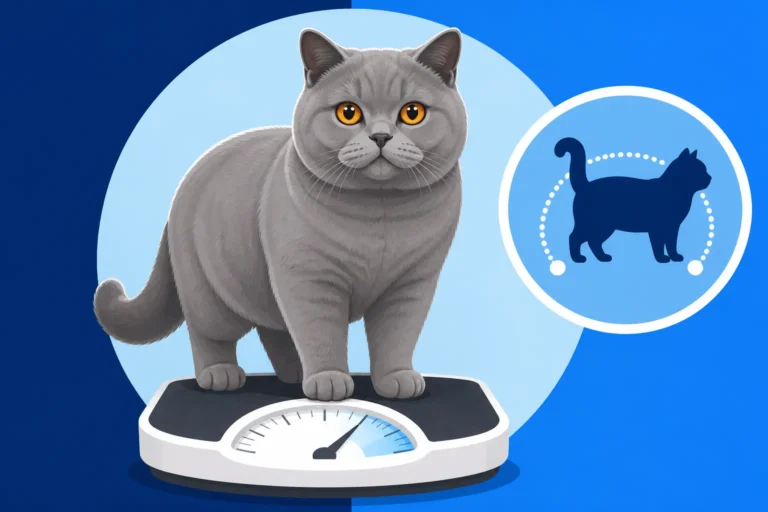
- Weight and Body Condition Score: Monitoring weight fluctuations is critical. Losing weight can signal hyperthyroidism, kidney disease, or even cancer, while unexplained weight gain can worsen arthritis or indicate diabetes. The vet will feel their ribs, spine, and hip bones to assess their body condition score, which is a more accurate measure of fat stores than just scale weight, especially given the British Shorthair's naturally stocky build. How Often an Old British Shorthair Needs Weighing is a good resource here.
- Oral Health: Dental disease is often painful and can affect other organs. The vet will lift their lips to check for tartar buildup, inflamed gums (Gingivitis in a British Shorthair), or missing teeth. If significant issues are found, a dental cleaning under anesthesia might be recommended.
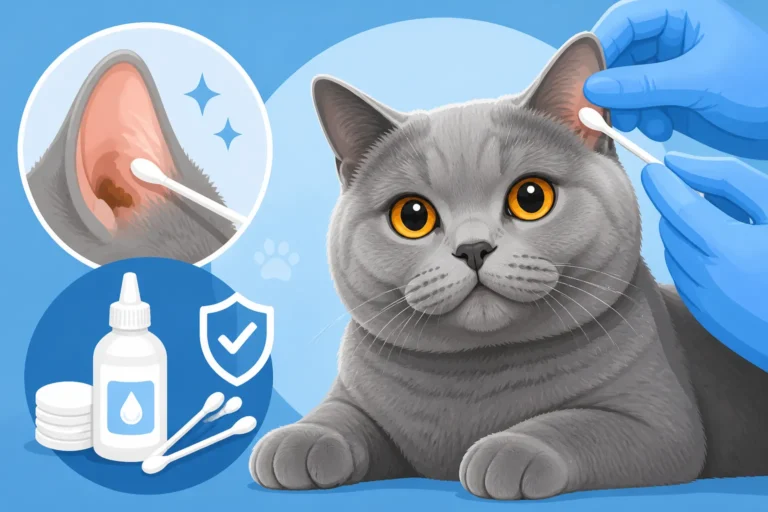
- Eyes and Ears: They'll look for signs of cataracts, glaucoma, or other eye conditions that can affect vision. Ears will be checked for infections, wax buildup, or polyps, which can impact hearing and balance.
- Heart and Lungs: A stethoscope will be used to listen for heart murmurs, abnormal rhythms, or changes in lung sounds, which could indicate heart disease or respiratory issues. Early detection of heart murmurs, for example, can prompt further diagnostics like an echocardiogram to check for conditions like HCM.
- Abdominal Palpation: The vet will gently feel your British Shorthair's abdomen to check for any abnormalities in organ size or shape, masses, or discomfort. This can provide clues about kidney, liver, or intestinal health.
- Joint and Muscle Assessment: They'll carefully manipulate your cat's limbs to check for range of motion, stiffness, and pain, looking for signs of arthritis. Given the British Shorthair's tendency towards a more sedentary lifestyle, joint issues can be quite prevalent.
- Coat and Skin: Changes in coat quality (dry, greasy, matted) or skin condition can indicate underlying health problems, nutritional deficiencies, or a lack of self-grooming due to pain or obesity. Why an Old British Shorthair Looks Unkempt often points to these issues.
Each part of this exam contributes to a holistic picture of your cat's health, helping the vet pinpoint areas of concern that might not be obvious at home.
Diagnostic Testing for Early Detection
Beyond the physical exam, routine diagnostic tests are the superstars of senior cat care. These tests provide a peek inside your British Shorthair's body, revealing issues before outward symptoms appear.
- Bloodwork (Senior Panel): This typically includes a complete blood count (CBC) and a biochemistry panel.
- CBC: Checks red and white blood cells, indicating anemia, infection, or inflammation.
- Biochemistry Panel: Measures organ function (kidneys, liver), blood sugar levels (for Diabetes in a British Shorthair), and electrolytes. For example, elevated kidney values or liver enzymes would flag potential kidney or liver disease. A specific thyroid hormone test (T4) is almost always included for senior cats to screen for hyperthyroidism. What a British Shorthair's Yearly Bloodwork Should Cover provides a comprehensive list of what should be checked.
- Urinalysis: A urine sample provides invaluable information about kidney function, urinary tract infections, and even early signs of diabetes. The specific gravity of the urine, for instance, can indicate how well the kidneys are concentrating urine.
- Blood Pressure Measurement: High blood pressure (hypertension) is common in older cats and can be a symptom of kidney disease or hyperthyroidism. Untreated hypertension can lead to blindness or heart problems.
- Additional Tests (as needed): Depending on the physical exam findings and initial bloodwork, your vet might recommend further diagnostics such as an echocardiogram for suspected heart disease, X-rays for advanced arthritis, or an abdominal ultrasound for suspected organ issues.
These tests are crucial because many age-related illnesses progress slowly and silently. By doing them every six months, the vet can establish trends and catch subtle shifts that a once-a-year visit might miss, allowing for earlier, more effective intervention.
Nutrition and Lifestyle Guidance
Finally, a senior vet visit isn't just about diagnostics; it's also about optimizing your British Shorthair's daily life. Your vet will offer tailored advice on:
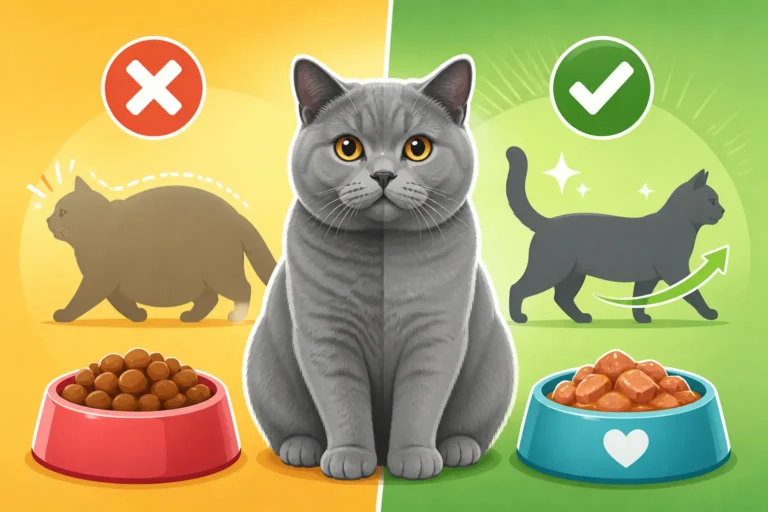
- Diet: As metabolism slows, an older British Shorthair's caloric needs change. Your vet might recommend a senior-specific diet that's lower in calories but still nutrient-dense, or a prescription diet to manage kidney disease, diabetes, or arthritis. They can also advise on the best way to feed them, perhaps using enrichment toys available on Amazon or a slow feeder.
- Supplements: Joint supplements, omega-3 fatty acids, or other nutraceuticals might be suggested to support joint health, coat quality, or cognitive function.
- Environmental Adjustments: Suggestions might include providing ramps or steps for easy access to elevated sleeping spots, a low-sided litter box to accommodate stiff joints, or softer bedding.
- Pain Management: If arthritis or other chronic pain is detected, the vet will discuss various pain management strategies, from medication to alternative therapies, to ensure your British Shorthair remains comfortable.
- Mental Enrichment: Even older cats need mental stimulation. The vet might suggest puzzle feeders or gentle play routines to keep their minds sharp and bodies moving, even if it's just a bit of light play with a wand toy.
These discussions are vital for enhancing your British Shorthair's comfort and overall well-being in their senior years, making sure they can navigate their world with ease and continue to enjoy their quiet companionship.
Deciding on the Right Schedule: One or Two Visits?
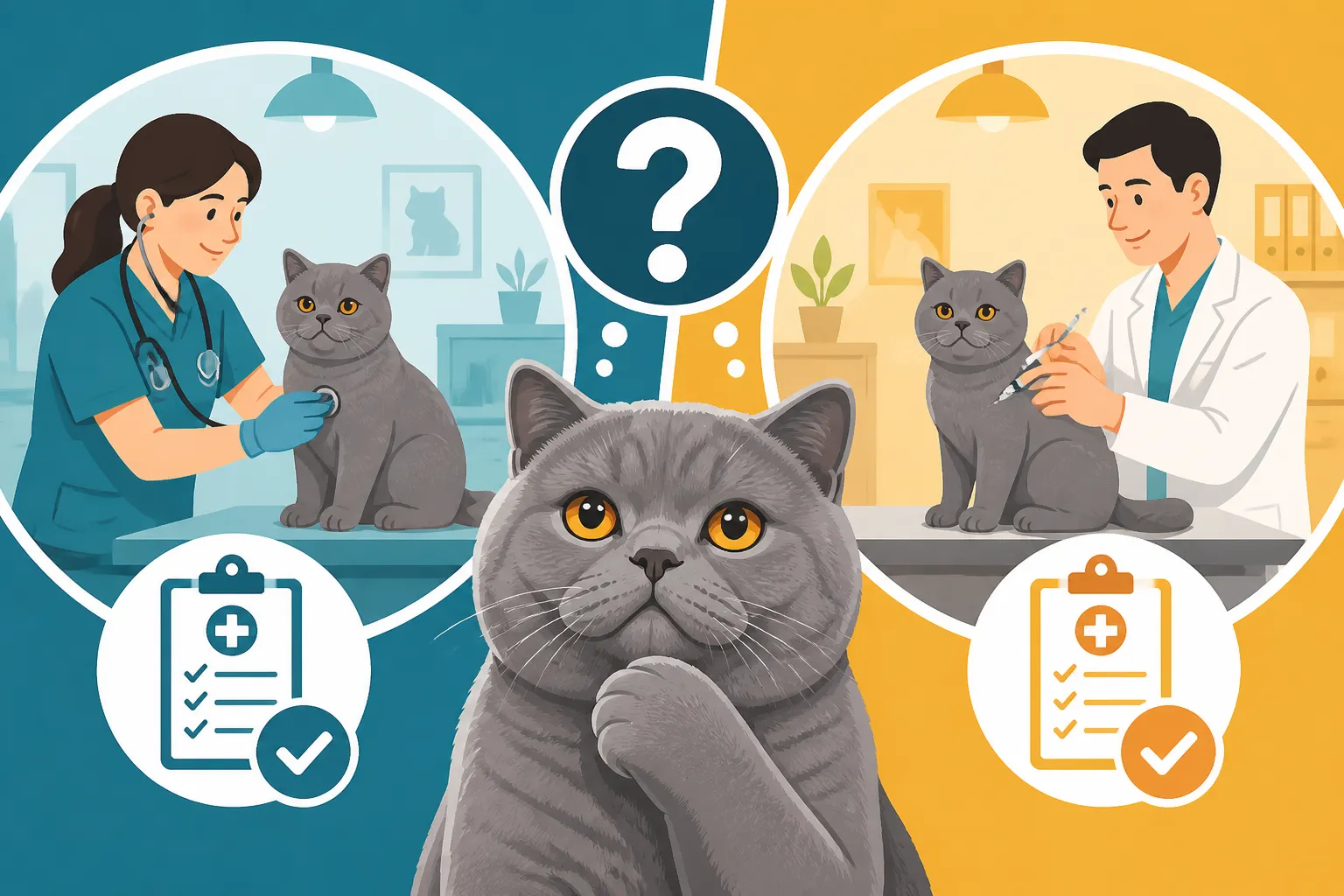
When it comes to senior British Shorthairs, the question of one or two vet visits a year isn't just about convenience or cost; it's about providing the best possible preventative and proactive care for your beloved companion. While annual visits are the standard for younger, healthy cats, the shift to twice-yearly check-ups for seniors is widely recommended by veterinary professionals.
General Recommendations for Senior Cats
The consensus among veterinarians is that once a cat reaches senior status (typically around 11 years of age), moving to twice-yearly (or every six months) wellness exams is highly beneficial. This recommendation isn't arbitrary; it's based on the accelerated rate at which health conditions can develop and progress in older animals. A lot can change in six months for an aging feline, which might be a small blip in a human's health timeline, but a significant progression for a cat.
Think of it this way: if your cat is 12 years old, each human year is roughly equivalent to several cat years. So, a six-month gap between vet visits for a 12-year-old cat is like a human going for a check-up every few years. Would you wait that long to check for early signs of cancer, diabetes, or kidney disease in yourself? Probably not. The shorter interval allows for timely detection of subtle changes, consistent monitoring of existing conditions, and prompt adjustments to treatment plans, ultimately leading to a better quality of life and potentially a longer lifespan. What Changes in a British Shorthair After Ten often emphasizes this need for increased vigilance.
Factors Influencing Frequency for Your British Shorthair
While the general recommendation is twice a year, the ideal frequency for your British Shorthair might be influenced by a few specific factors:
- Current Health Status: If your British Shorthair already has a diagnosed chronic condition like early kidney disease, diabetes, or a heart murmur, your vet might recommend even more frequent check-ups, perhaps every three to four months. These visits would focus on monitoring the specific condition, adjusting medication, and ensuring their overall stability. For instance, a cat with Signs a British Shorthair Has Heart Disease might need more frequent echocardiograms.
- Breed-Specific Predispositions: British Shorthairs, like all purebreds, can have certain breed predispositions. While robust, they can be prone to conditions such as obesity (which can lead to Diabetes in a British Shorthair and What Obesity Does to a British Shorthair's Joints) and HCM in a British Shorthair Has No DNA Test (Hypertrophic Cardiomyopathy). If your British Shorthair comes from a line with a known history of certain issues, your vet might suggest more aggressive screening.
- Lifestyle and Environment: An indoor-only British Shorthair might face different risks than one that has some supervised outdoor access, though most British Shorthairs thrive indoors. A cat living in a multi-pet household, especially with other older pets, might also benefit from closer monitoring due to potential competitive eating or subtle changes in behavior that could indicate stress or illness.
- Your Observation Skills: You are your cat's primary caregiver and know them best. If you're particularly attuned to subtle changes in their behavior, appetite, or energy levels, you might catch issues early yourself. However, even the most observant owner can't perform diagnostic tests. Regular vet visits complement your observations with professional medical assessment. If you're concerned about specific Signs a British Shorthair Is Unwell, discussing them with your vet at a semi-annual check-up can provide peace of mind or prompt necessary action.
It's always best to have an open conversation with your veterinarian about the optimal schedule for your particular British Shorthair, taking into account their individual health profile and your comfort level.
The Financial and Practical Considerations
Let's be realistic – adding another vet visit means additional costs. This is often the primary concern for many pet parents, and it’s a valid one. Two vet visits a year will involve two examination fees, and likely two sets of routine senior bloodwork and urinalysis.
Here's how to think about it:
- Cost of Prevention vs. Treatment: While preventative care seems like an extra expense, it almost always costs less in the long run than treating advanced disease. Catching kidney disease early and managing it with a prescription diet (available on platforms like Chewy or Amazon) and supportive care is significantly less expensive, and less stressful for your cat, than managing a full-blown kidney crisis requiring hospitalization, IV fluids, and extensive medication. What an Aging British Shorthair's Bills Look Like can paint a picture of how costs escalate with advanced illness.
- Budgeting: Consider setting aside a small amount each month specifically for your cat's medical care. This "pet emergency fund" can cover the routine costs of semi-annual visits and provide a buffer for unexpected issues. Pet insurance is another option that can help manage the financial burden of veterinary care, especially as a cat ages and chronic conditions become more likely.
- Time Commitment: Yes, two vet visits mean two trips to the clinic. British Shorthairs can be creatures of habit and might not always be thrilled about car rides or vet visits. However, by establishing a routine, using a comfortable carrier, and perhaps offering treats (many brands on Chewy offer healthy treat options), you can make the experience less stressful for them. The peace of mind and the benefit to your cat's health often outweigh the minor inconvenience.
Ultimately, the decision to implement twice-yearly vet visits for your aging British Shorthair is an investment in their continued health and happiness. It's a proactive step that allows for early detection, effective management of age-related conditions, and ultimately, more cherished years with your round-faced companion. Your British Shorthair might be stoic, but they deserve every measure we can take to keep them comfortable and well in their golden years.
Disclaimer
This article is for general informational purposes only and does not constitute professional advice. Laws, prices and regulations vary by location and change over time. Consult a qualified professional for guidance on your specific situation.