Why Free Feeding Fails a British Shorthair
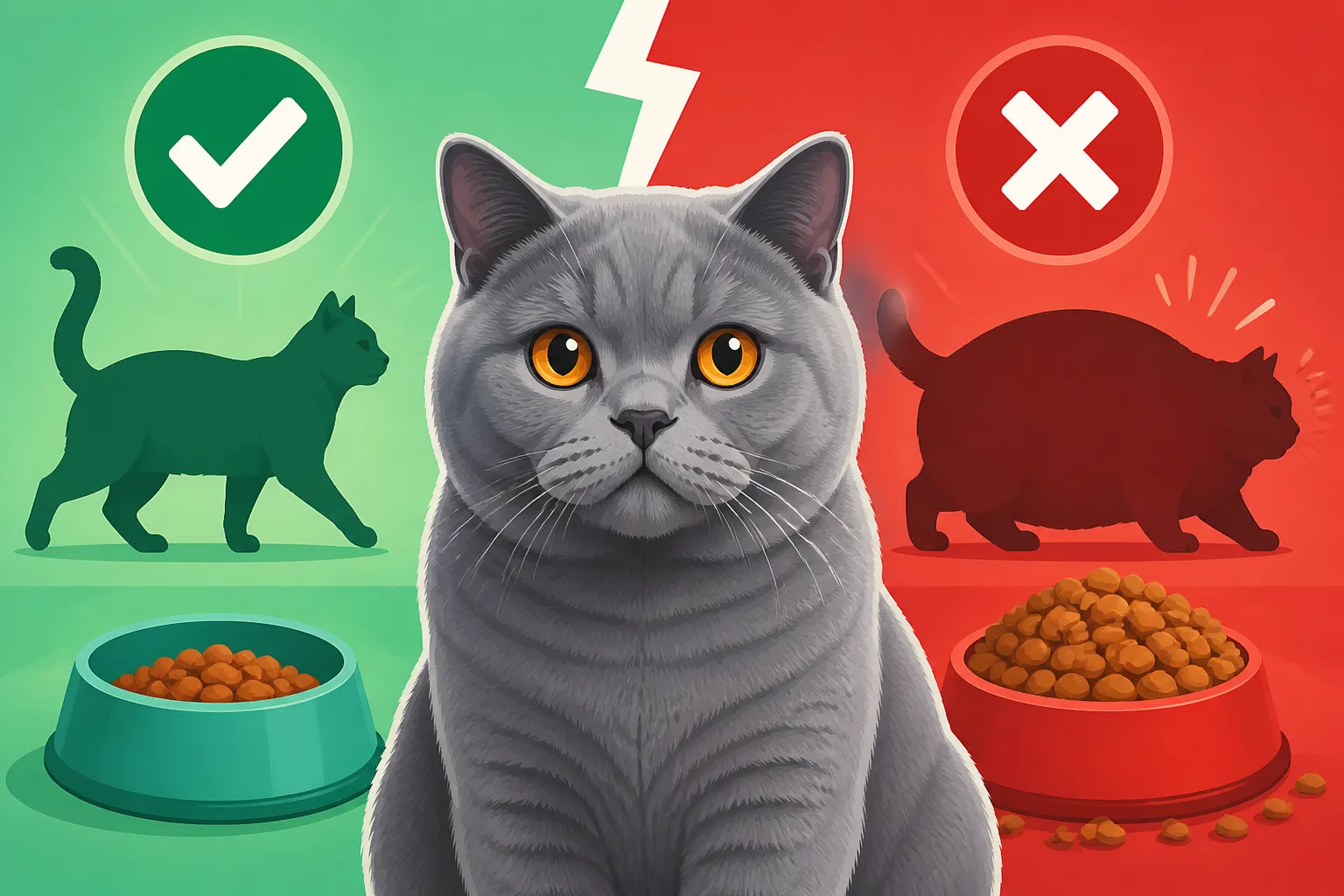
It’s a common misconception that cats, with their seemingly independent nature, can simply regulate their own food intake if a bowl is always full. For British Shorthair owners, this couldn't be further from the truth. The appealing convenience of free feeding often leads directly to serious health issues for our chunky, plush-coated companions. This guide will delve into why this feeding strategy is particularly detrimental to British Shorthairs and offer healthier alternatives.
The British Shorthair's Predisposition to Weight Gain
British Shorthairs are magnificent cats, known for their dense, plush coats and robust, rounded features. However, these very traits, combined with their calm demeanor, make them incredibly susceptible to weight gain, especially if their diet isn't carefully managed. It’s a challenge many owners face, seeing their lovely "teddy bear" grow into something a bit too well-fed.
Their Naturally Cobby Build and Low Energy Levels
Unlike some of their more athletic feline counterparts, British Shorthairs are not known for their boundless energy. They are often described as placid, calm, and, let’s be honest, quite lazy. While this makes them wonderful, laid-back companions, it also means they burn fewer calories throughout the day. A quick burst of playful swatting at a toy might be the extent of their "exercise" for hours on end, unlike a Siamese who might zoom around the house non-stop. Their "cobby" body type, characterized by a broad chest, short, strong legs, and a dense frame, can also mask early signs of weight gain. What might look like a healthy, sturdy cat can quickly become an overweight one if calories aren't precisely matched to their minimal activity. This natural build, combined with their tendency to be sedentary, creates a perfect storm for weight issues.
Many British Shorthair owners are initially drawn to their charming, somewhat sleepy nature, expecting a cat that will contentedly nap by their side. And they absolutely deliver on that! However, this preference for lounging over leaping means their metabolic needs are lower than what might be assumed for a cat of their substantial size. A cat that isn't actively hunting or exploring needs far fewer calories than one that is. If you've ever found yourself wondering why your British Shorthair prefers to watch a feather wand toy from a comfortable distance rather than chase it vigorously, you're observing their natural inclination. It’s not that they can’t be playful, but they often choose not to exert themselves unless highly motivated.
This low energy level can be frustrating for owners trying to encourage activity, especially when they see other breeds enthusiastically chasing lasers or scaling cat trees. For a British Shorthair, a short, gentle play session might be all they can be coaxed into. This means that every single calorie they consume counts, and any excess quickly turns into unwanted pounds. Owners might mistakenly believe that because their cat is large, it requires more food, when in reality, their sedentary lifestyle means they often need less per pound than a more active cat. Understanding this fundamental aspect of their breed is the first step in avoiding the pitfalls of free feeding.
How Neutering Exacerbates the Problem
Neutering is a crucial procedure for both male and female British Shorthairs, offering numerous health and behavioral benefits. However, it also significantly alters their metabolism. After being spayed or neutered, a cat's hormonal balance shifts, leading to a decrease in metabolic rate and often an increase in appetite. It’s a cruel twist of nature that the very procedure that makes them wonderful pets also makes them more prone to obesity. For a breed already predisposed to a calm, low-activity lifestyle, this metabolic slowdown is a double whammy.
Many owners observe a distinct change in their British Shorthair’s appetite post-neutering. Where they might have previously shown some semblance of self-control, they often become far more enthusiastic about food. This isn't just a perception; studies have shown that neutered cats require fewer calories than intact cats to maintain the same weight, yet often feel hungrier. If a free-fed bowl is always available, this increased hunger, coupled with a lowered metabolic rate, almost inevitably leads to steady weight gain. You might find your once-slender British Shorthair kitten suddenly developing that characteristic roundness much faster than you anticipated.
This post-neutering metabolic change is one of the primary reasons why free feeding becomes such a significant issue. Before neutering, a British Shorthair might maintain a healthy weight even with constant access to food, especially during their growth phase. But once those hormones shift, the same amount of food that was once appropriate becomes an excess. Owners often don't adjust their feeding habits or the type of food, leading to a gradual but persistent increase in weight. It's vital to recognize this critical juncture in a British Shorthair’s life and adjust their diet accordingly to prevent them from becoming Obesity Is the British Shorthair's Real Disease.
The Hidden Dangers of Excess Weight
Excess weight in any cat is serious, but for the British Shorthair, it can quickly snowball into a host of painful and life-threatening conditions. We're not just talking about a little extra fluff; we're talking about chronic diseases that significantly reduce their quality of life and lifespan. It’s heartbreaking to see a once-vibrant cat struggle with basic movements because of preventable weight issues.
One of the most immediate and visible dangers is the strain on their joints. British Shorthairs are already sturdy cats, and carrying extra weight puts immense pressure on their hips, knees, and spine. This can lead to or exacerbate conditions like Arthritis in an Older British Shorthair, making simple actions like jumping onto a sofa or even using a litter box incredibly painful. You might notice your cat moving more slowly, refusing to jump, or struggling to groom themselves, especially their back or hindquarters. This reduced mobility further contributes to a sedentary lifestyle, creating a vicious cycle of weight gain and decreased activity.
Beyond mobility, obesity dramatically increases the risk of more severe internal health problems. An overweight British Shorthair is far more prone to developing Diabetes in a British Shorthair, a condition that requires daily insulin injections and careful dietary management, which can be both costly and stressful for both cat and owner. They also face an elevated risk of heart disease, urinary tract issues, and even certain types of cancer. The extra fat isn't just external; it infiltrates organs like the liver, potentially leading to hepatic lipidosis (fatty liver disease), which is a severe and often fatal condition if not caught and treated quickly. Simply put, that cute chubbiness comes at a very high price.
Why Free Feeding Undermines Health
Free feeding, while convenient for the owner, is fundamentally at odds with a British Shorthair’s physiological and psychological needs. It disrupts natural eating patterns and makes it nearly impossible to maintain proper health, especially given their tendency to overeat. It's like leaving a buffet open 24/7 for someone trying to watch their figure – a recipe for disaster.
The Lack of Portion Control and Overconsumption
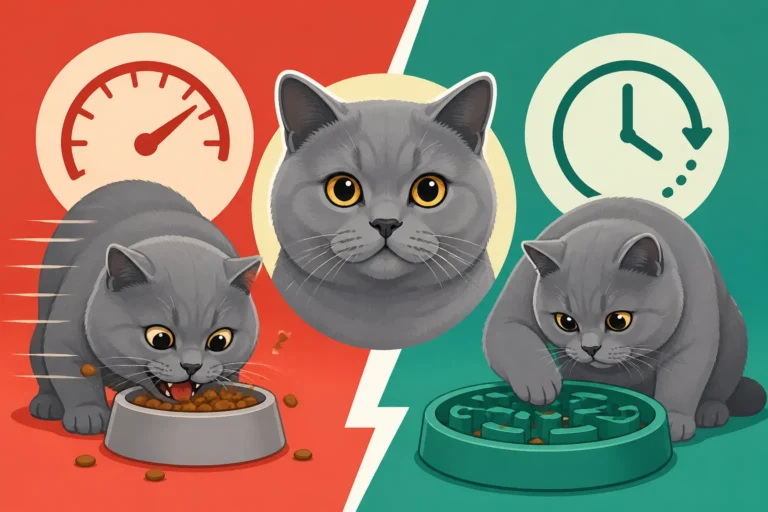
The biggest issue with free feeding is, quite simply, the complete absence of portion control. When a bowl is always full, a British Shorthair can graze whenever they feel like it, often eating out of boredom rather than genuine hunger. Their strong food drive means they aren't equipped to self-regulate when faced with a constant supply. Think of it from their perspective: "Oh, food is here, I'll just have a little more, just in case." This isn't gluttony; it's an instinctual response to a perceived abundance that their ancestors would have only dreamed of.
Unlike a human who might understand the concept of a "serving size," a cat's natural feeding pattern involves small, frequent meals throughout the day, often linked to successful hunting. In a domestic setting with a perpetually full bowl, this translates into constant nibbling. Each nibble might seem insignificant, but over the course of a day, these small amounts add up to a significant caloric surplus. It becomes impossible for an owner to accurately track how much their British Shorthair is truly consuming, let alone whether that amount is appropriate for their age, activity level, and weight goals. This continuous intake also means their digestive system is constantly working, without the natural breaks that a scheduled feeding regimen provides.
This overconsumption is precisely why many British Shorthairs become overweight. The food might be perfectly good quality, but if there's too much of it, it will inevitably lead to weight gain. Owners might try switching to a "light" formula, but even those foods, if free-fed, can still contribute to excess calories. It’s not just what they eat, but how much they eat. Without a defined mealtime and a measured portion, the path to obesity is almost guaranteed for this breed. This is where products from brands like Chewy or Amazon can be a double-edged sword; while they offer convenience and variety, they also make it easier to perpetuate free-feeding habits without thinking about the specific needs of a British Shorthair.
The Impact on Mealtime Routine and Behavioral Health
Beyond the physical aspects, free feeding can subtly undermine a British Shorthair's behavioral health by removing the structure and predictability of mealtime. Cats, despite their independent reputation, thrive on routine. Scheduled meals aren't just about providing sustenance; they're an important part of their day, offering mental stimulation and a predictable rhythm.
When food is always available, the excitement and anticipation of a meal disappear. There's no "hunt" for food, no engagement with their human provider. This can lead to a less enriched environment and potentially foster boredom, which ironically can lead to more eating. Imagine if your favorite meal was always just sitting there, losing its special appeal. Cats also use meal times as opportunities for social interaction, even if it's just a quiet moment of proximity with their owner. Removing this structured interaction can lessen their engagement with you. How a British Shorthair Shows Affection often includes greeting you excitedly around meal times.
Furthermore, free feeding makes it harder to identify changes in appetite, which can be an early indicator of illness. If your cat is always grazing, how will you know if they've suddenly stopped eating as much, or if their interest in food has waned? A British Shorthair is known for being stoic and hiding signs of discomfort, so a change in eating habits might be one of the few clues you get that something is wrong. With scheduled meals, you quickly notice if a meal is left untouched or if they’re eating with less enthusiasm. This routine offers valuable insights into their overall well-being, allowing you to intervene sooner if a health issue arises.
Difficulty Monitoring Intake for Health Issues
One of the most critical reasons free feeding fails, particularly for a British Shorthair, is the complete impossibility of accurately monitoring their food intake. This isn't just about weight management; it's about detecting underlying health problems that might manifest as changes in appetite. Our British Shorthairs are masters of disguise when it comes to illness, often suffering in silence until a condition is quite advanced.
When multiple cats share a household, free feeding becomes an even bigger problem. It’s almost impossible to tell which cat is eating how much. If you have one British Shorthair who is prone to overeating and another who is a picky eater, free feeding means the greedy one will likely consume more than their share, while the picky one might not get enough. This can lead to one cat becoming obese and the other potentially suffering from nutritional deficiencies or weight loss that goes unnoticed. This lack of individual monitoring is a significant drawback, especially in multi-cat homes where competition for food can also become a stressor.
Moreover, if your British Shorthair develops a health condition that requires a specific diet, such as a prescription food for urinary health or kidney issues, free feeding makes compliance impossible. Prescription diets are carefully formulated with precise nutrient profiles, and if your cat is still grazing on a different food, the benefits of the prescription diet are negated. Veterinarians often stress the importance of controlled feeding for cats with medical needs, and free feeding completely undermines this advice. If you can't be sure what your cat is eating, you can't effectively manage their health.
The Health Consequences of Overeating
The chronic overeating enabled by free feeding has severe ramifications for a British Shorthair’s health, transforming their endearing roundness into a significant liability. These aren't minor inconveniences; they are serious medical conditions that can drastically shorten their lifespan and diminish their quality of life.
Obesity and Its Related Ailments
As we’ve touched upon, obesity is the primary and most evident consequence of free feeding a British Shorthair. This isn't just about aesthetics; it's a systemic disease that impacts every part of their body. An obese cat is a cat constantly battling inflammation, metabolic dysfunction, and reduced physiological capacity. It's a heavy burden for their compact frame to carry.
One major concern for British Shorthairs is the risk of Diabetes in a British Shorthair. When a cat consumes too many carbohydrates and calories, their body's ability to produce or effectively use insulin can become overwhelmed. This leads to high blood sugar levels, which, if left untreated, can cause severe organ damage, nerve problems, and even diabetic ketoacidosis, a life-threatening emergency. Managing feline diabetes involves strict dietary control, often prescription foods, and daily insulin injections, turning what should be a simple joy of pet ownership into a complex medical routine. The cost and emotional toll of managing such a disease are considerable, and it often stems directly from uncontrolled caloric intake.
Beyond diabetes, obesity significantly increases the risk of urinary tract issues, including bladder stones and blockages, especially in male British Shorthairs. The excess weight can make it harder for them to posture correctly in the litter box, and inflammation associated with obesity can contribute to crystal formation. Respiratory problems also become more common, as the extra fat around their chest and abdomen restricts lung expansion, making breathing difficult, particularly during exertion or in hot weather. Even grooming suffers; an overweight British Shorthair often struggles to reach its back and hindquarters, leading to matted fur and skin infections. Why an Overweight British Shorthair Stops Grooming Its Back is a common and visible sign of advanced obesity.
Dental Health and the Role of Dry Food
It’s often believed that dry kibble helps clean a cat’s teeth, but for free-fed British Shorthairs, this isn't necessarily true, and it can actually contribute to dental problems if not managed properly. While some specialized dental kibble can help, most standard dry foods don't provide enough abrasive action to effectively remove plaque and tartar. In fact, many kibbles are simply too small to require significant chewing, being swallowed whole or after minimal crunching.
When a British Shorthair is free-fed dry food, the constant availability means they might nibble throughout the day, leaving tiny food particles and carbohydrates on their teeth. These particles, combined with saliva, create an ideal environment for bacteria to flourish, forming plaque. If plaque isn't removed, it hardens into tartar, which then leads to gingivitis and periodontal disease. This is a painful condition where the gums become inflamed, infected, and eventually lead to tooth loss. Why a British Shorthair Gets Gingivitis is a common issue for many cats, but can be exacerbated by constant food residue.
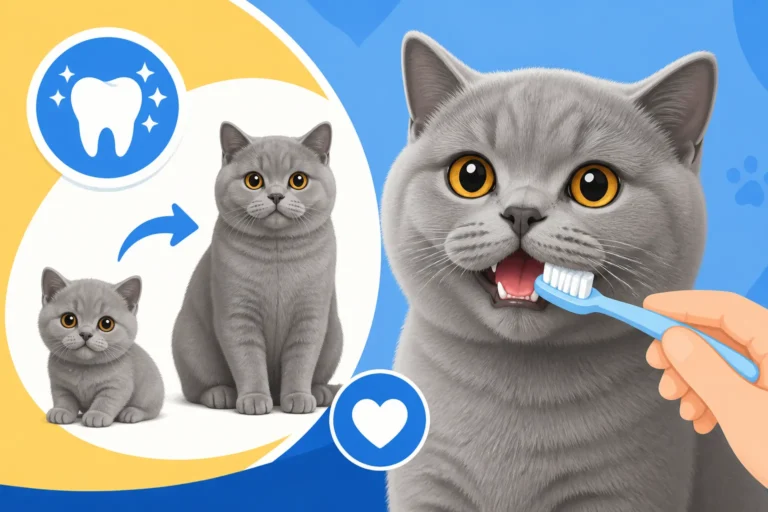
Scheduled meals, especially with a mix of wet and dry food, can be more beneficial. Wet food helps with hydration, which is crucial for overall health and can dilute oral bacteria. If dry food is offered, choosing a larger kibble size or a specific dental diet that encourages chewing can provide some mechanical cleaning. Regularly brushing your British Shorthair’s teeth or providing dental treats can also supplement their oral hygiene. But relying on free-fed kibble alone to keep their teeth clean is often a losing battle and can lead to expensive veterinary dental procedures down the line.
Stress on Joints and Internal Organs
The sheer physical burden of carrying excess weight is immense for a British Shorthair, particularly on their sturdy but not indestructible joints. Imagine wearing a heavy backpack all day, every day; that's what an overweight cat experiences. This constant strain accelerates the wear and tear on cartilage and ligaments, leading to chronic pain and inflammation.
For a British Shorthair, whose natural inclination isn't to be highly active, even minor joint pain can drastically reduce their willingness to move. This further entrenches their sedentary lifestyle, making weight loss even more challenging. You might notice them struggling to jump onto a cat tree, hesitating before using stairs, or even limping slightly. These are not just signs of aging; they are often indicators of underlying joint pain exacerbated by weight. In severe cases, they might develop painful conditions like patellar luxation or hip dysplasia, making surgical intervention a possibility. What Obesity Does to a British Shorthair's Joints is a very real and painful consequence.
Internally, every organ is working harder. The heart has to pump blood through more tissue, increasing the risk of heart disease. The liver can become engorged with fat, leading to the aforementioned hepatic lipidosis. The kidneys are under increased pressure to filter waste from a larger body mass, potentially accelerating kidney disease. Even their immune system can be compromised, making them more susceptible to infections. The overall quality of life diminishes significantly; an overweight British Shorthair is less likely to play, explore, or even groom themselves properly, leading to a duller coat and less engagement with their environment. The goal is a long, healthy, and happy life, and free feeding sadly puts that goal at risk.
Moving Towards a Healthier Feeding Strategy
The good news is that changing your British Shorthair's feeding habits can significantly improve their health and well-being. It might take a bit of effort and patience initially, but the long-term benefits are immeasurable. Think of it as investing in their health, ensuring you have many more happy years together.
Implementing Scheduled Meals and Portion Control
The cornerstone of a healthy feeding strategy for a British Shorthair is scheduled meals with strict portion control. This means saying goodbye to the perpetually full bowl and embracing a structured mealtime routine. It might seem daunting at first, especially if your cat is used to grazing, but with consistency, they will adapt.
Start by calculating the appropriate daily caloric intake for your British Shorthair. This is best done in consultation with your veterinarian, who can assess their ideal weight, current body condition score, and activity level. Many cat food brands provide feeding guidelines, but these are often based on active cats and can be too generous for a sedentary British Shorthair. Once you have a target calorie count, measure out the daily amount of food precisely. A digital kitchen scale is invaluable here, as scoops can be inconsistent. Divide this daily amount into two or three meals. For example, a morning meal, an evening meal, and perhaps a small midday snack if your schedule allows.
The transition process should be gradual. If your British Shorthair is currently free-fed, don't just suddenly remove the food. Start by putting down the food for specific periods (e.g., 30 minutes) and then picking up what's left. Slowly shorten these periods over a week or two until they learn to eat their meal within a designated timeframe. Consistency is key; offer meals at roughly the same time each day to establish a predictable routine. This not only manages their weight but also gives them a sense of security and structure. How Many Meals a Day a British Shorthair Needs is often two to three, but this varies with age and individual needs.
Choosing the Right Food Type and Quality
Once you've mastered portion control, the next step is ensuring you're offering the right kind of food. Not all cat foods are created equal, and a British Shorthair, with their unique needs, benefits greatly from a high-quality diet. Look for foods that are rich in animal protein and have moderate fat content, with lower carbohydrate levels. Cats are obligate carnivores, meaning their bodies are designed to derive nutrients from meat.
Many British Shorthair owners find success with a combination of wet and dry food. Wet food is excellent for hydration, which is vital for urinary tract health, and it can be more filling due to its higher moisture content, helping your cat feel satisfied on fewer calories. Brands available on Chewy or Amazon often carry a wide range of options, including specialized formulas for weight management or specific health conditions. When choosing dry kibble, opt for high-quality, grain-free or low-grain options that list meat as the first ingredient. Avoid foods with excessive fillers, artificial colors, or by-products.
Consider rotating proteins to provide a broader spectrum of nutrients and prevent food sensitivities. Some owners even explore fresh or lightly cooked diets, which can provide excellent nutritional value and hydration. Always introduce new foods gradually, mixing small amounts with their old food over several days to avoid digestive upset. Observing your British Shorthair’s energy levels, coat condition, and stool quality will help you determine if the food you've chosen is truly supporting their health.
Incorporating Play and Mental Enrichment
Feeding strategy isn't just about the bowl; it's also about encouraging your British Shorthair to move and engage their minds. Since they aren't naturally inclined to be overly active, owners need to be proactive in initiating play and providing enrichment. This complements their diet by burning calories and preventing boredom-induced eating.
Schedule short, regular play sessions throughout the day. Even five to ten minutes of interactive play with a feather wand, laser pointer (used carefully to avoid frustration), or a crinkle ball can make a difference. British Shorthairs might not chase for long, but consistent short bursts add up. Remember, they are often motivated by food, so puzzle feeders can be an excellent way to combine mental stimulation with a meal. Instead of putting their measured kibble portion directly into a bowl, scatter it in a puzzle feeder or hide small amounts around the house. This encourages their natural foraging instincts and makes them "work" for their food. How to Get a British Shorthair to Move often involves gentle persistence and finding what truly motivates them.
Enrichment isn't just about physical toys. Provide vertical spaces like sturdy cat trees or shelves that they can comfortably access, even if they're not champion climbers. A comfortable window perch allows them to observe the outside world, offering mental stimulation. Rotate toys to keep things interesting and prevent boredom. Even something as simple as a new cardboard box can provide hours of entertainment. A mentally and physically stimulated British Shorthair is a happier, healthier cat, less likely to turn to eating as their sole source of engagement.
| Feature | Free Feeding | Scheduled Feeding |
|---|---|---|
| Portion Control | Non-existent, leads to overconsumption | Precise measurement, prevents overeating |
| Weight Management | Difficult to impossible, high risk of obesity | Highly effective for maintaining ideal weight |
| Health Monitoring | Challenging to detect appetite changes | Easy to spot changes in intake, aids early diagnosis |
| Digestive Health | Constant grazing, less digestive rest | Structured breaks, supports healthy digestion |
| Behavioral Impact | Can lead to boredom, reduced interaction | Establishes routine, enhances human-cat bond |
| Multi-Cat Homes | Promotes competition, difficult to manage | Allows individual dietary needs to be met |
| Cost Efficiency | Can lead to excessive food consumption | Optimizes food usage, potentially saves money |
Disclaimer
This article is for general informational purposes only and does not constitute professional advice. Laws, prices and regulations vary by location and change over time. Consult a qualified professional for guidance on your specific situation.