How Long Combing a British Shorthair Takes
One of the questions I hear most often from new British Shorthair parents is about grooming, specifically how long it actually takes to comb that glorious, dense coat. It's a valid concern because, let's be honest, our chunky companions aren't always thrilled about being fussed over, and their double coats can seem like a daunting task. This guide will help you understand the realistic time commitment for combing your British Shorthair, what influences that duration, and how to make the process as efficient and stress-free as possible for both of you.
The Unique Demands of the British Shorthair Coat
That signature plush coat that makes your British Shorthair look like an adorable teddy bear is also the reason grooming can feel like a bigger job than with other breeds. It’s not just fur; it’s a meticulously designed natural insulator that needs regular attention to stay healthy and mat-free.
Why the British Shorthair Coat Needs Regular Attention
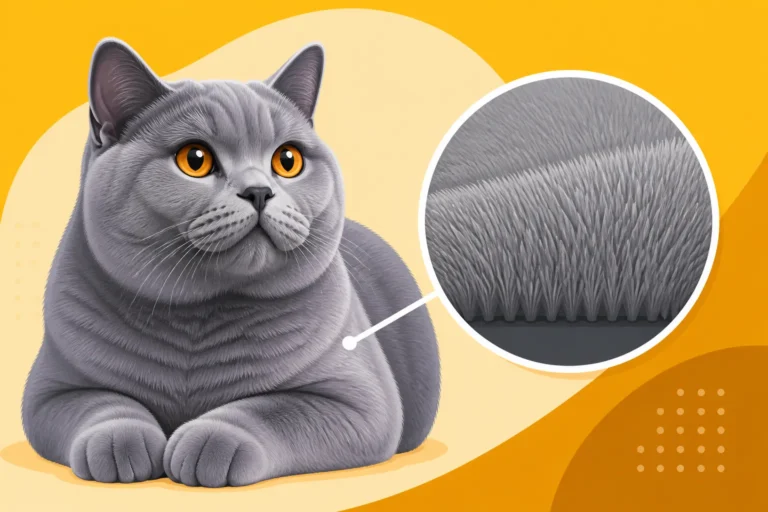
Unlike many other breeds with single coats or finer hair, a British Shorthair boasts a dense, double coat that really stands away from its body. Think of it like a luxurious, thick carpet. This coat developed to protect them from the elements and keep them warm, but it also means loose hair can easily get trapped within the layers, leading to mats and tangles if not regularly removed. Without proper combing, these mats can become incredibly uncomfortable, pulling at the skin and even causing skin infections. It's a lot like trying to clean a shag rug – you can't just brush the surface; you need to get deep down into the fibers. The health of their skin and coat truly depends on you, even if they aren't always thrilled about the process.
The Difference Between Brushing and Combing for This Breed
Many people mistakenly believe that any brush will do for a cat, but for a British Shorthair, there's a crucial distinction between brushing and combing. Brushing, especially with a slicker brush, often just skims the surface of their thick coat, pulling out some loose guard hairs but leaving the dense undercoat largely untouched. This is where the real problems begin. The undercoat is where the mats form, packed tight against the skin.
This is why Why a Comb Beats a Brush on a British Shorthair is such an important topic. A good quality metal comb, with both wide and narrow teeth, is designed to penetrate through that plush outer layer and get right down to the skin, effectively detangling and removing shedding undercoat. You're not just making their coat look good on the outside; you're doing the vital work of preventing painful mats from forming underneath. A proper comb feels different, and the cat might even respond differently because it's actually doing the job.
Factors That Affect Combing Duration
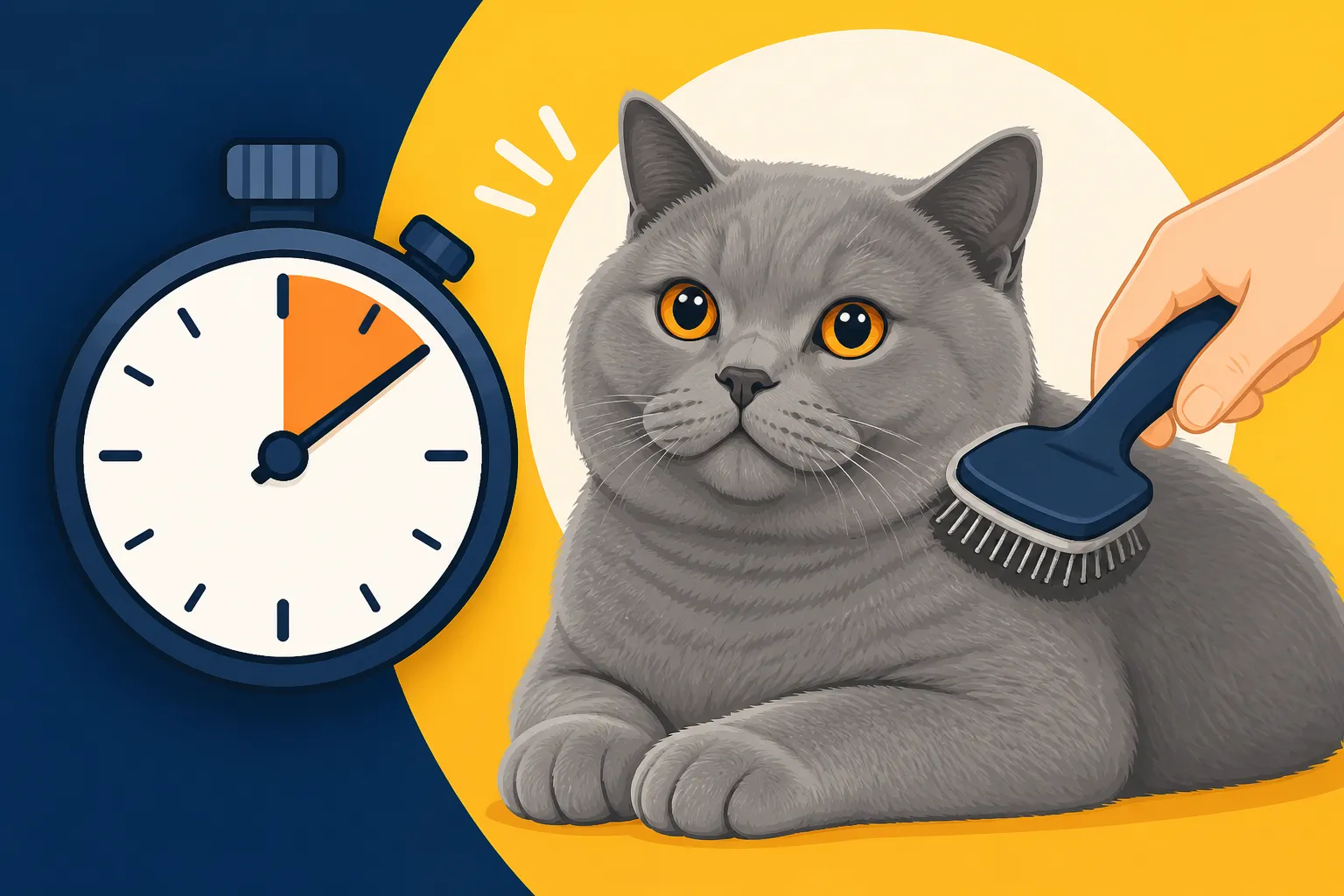
So, how long does it actually take? There’s no single answer, because several key factors influence how long you'll spend combing your British Shorthair. It could be five minutes or it could stretch to twenty, depending on the day and your cat's mood.
Your British Shorthair's Cooperation Level
Let's be real, cats are rarely enthusiastic about anything they don't instigate, and grooming is often high on that list. A British Shorthair that tolerates grooming calmly will significantly shorten the session compared to one that wriggles, protests, or decides it's playtime mid-comb. Some British Shorthairs are naturally more relaxed and might even enjoy the gentle massage of a comb, especially if introduced early and positively. Others will treat every session like a wrestling match.
If your cat is constantly trying to escape or swat at the comb, you'll find yourself needing to take breaks, re-position them, or even give up and try again later. It's a dance, and sometimes your cat leads. You might manage a minute or two of solid combing before they decide they've had enough, meaning you'll need multiple short sessions to cover their whole body. Establishing a routine and making it a positive experience with treats and praise can make a world of difference in reducing their resistance over time. How Long a British Shorthair Tolerates Being Held can also give you a clue about how patient they might be for grooming.
Coat Condition and Presence of Mats
The state of your British Shorthair's coat is arguably the biggest determinant of combing time. A well-maintained coat, combed regularly, will have minimal tangles and shedding undercoat, allowing the comb to glide through easily. You might finish a full body comb in under ten minutes. However, if you've missed a few sessions, or if your cat is going through a heavy shedding period, the story changes dramatically.
This is particularly true during the times The Two Weeks a British Shorthair Drops Its Undercoat. During these seasonal "blows," you'll find a massive amount of loose fur needing removal. What might usually be a quick once-over can turn into a twenty-minute or longer endeavor as you meticulously work through dense patches of shedding hair. If your cat has developed any mats – those dreaded clumps of fur that get tight and painful – you'll need to proceed very slowly and carefully. Mats require gentle teasing apart with your fingers before you even attempt to comb through them, adding considerable time and requiring immense patience. Ignoring these factors will only make the next session even longer and more uncomfortable for your cat.
Seasonal Shedding and "Coat Blows"
British Shorthairs, despite being indoor cats, are still influenced by seasonal changes, leading to periods of heavier shedding, often referred to as "coat blows." This is when they shed their winter coat in preparation for warmer weather or their summer coat for the colder months. During these times, the amount of loose hair trapped in their dense undercoat increases dramatically.
What might take five to seven minutes during a normal week could easily extend to fifteen or twenty minutes, or even longer, during these peak shedding periods. You'll literally be pulling out handfuls of soft, downy undercoat. It's crucial to be extra diligent during these times to prevent mats from forming, as the sheer volume of shedding fur makes tangles much more likely. You might even find yourself needing to comb daily for a week or two to keep up. You can really see How Much a British Shorthair Sheds when those seasonal changes hit.
A Step-by-Step Guide to an Efficient Combing Session
Okay, so we know it varies, but how do we make the most of the time we have? Having a consistent, calm approach is key to making grooming sessions as quick and effective as possible.
Preparing for the Combing Session
Before you even touch your British Shorthair with a comb, a little preparation goes a long way in saving time and reducing stress for everyone involved. First, gather your tools. You'll need a good quality metal comb – ideally one with both wide and fine teeth. Some owners also like to have a grooming glove or a soft brush for a final polish, but the comb is your workhorse. You can find excellent options on sites like Chewy or Amazon. Have some favorite treats ready to reward cooperation, and choose a quiet time when your cat is relaxed, perhaps after a nap or a meal.
Find a comfortable spot where you can easily reach all parts of your cat's body. A non-slip mat on a table or even your lap can work. Gently pet your cat first, talking to them softly, to get them accustomed to your touch and the idea of a grooming session. This initial calm approach sets the tone and can prevent immediate resistance. Remember, your cat senses your mood, so staying calm yourself is paramount.
The Combing Process: Area by Area
Once you're ready, approach the combing systematically. Start with an area your cat tolerates well, often their back or sides. Using your metal comb, begin with the wider-toothed side to go through the bulk of the coat. Work in small sections, always combing in the direction of hair growth. Make sure the comb is penetrating all the way to the skin. You should be able to see the teeth of the comb at the base of the fur.
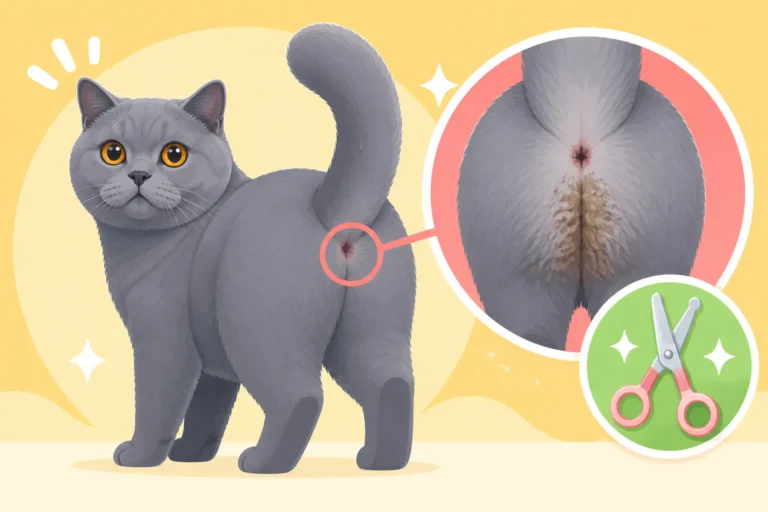
If you encounter any tangles or minor mats, switch to the finer-toothed side of the comb or even use your fingers to gently tease them apart. Never pull hard, as this will hurt your cat and make them fearful of future sessions. Move systematically around their body: back, sides, chest, belly (if they allow), legs, and tail. The tail in particular can be dense. Pay extra attention to 'friction areas' like behind the ears, armpits, and the "britches" on their hind legs, as these are common spots for mats. Break up the session if your cat gets restless. It's better to do several short, calm sessions than one long, stressful one.
| Body Area | Typical Time Needed (Minutes) | Combing Technique | Common Issues & Tips |
|---|---|---|---|
| Back & Sides | 3-5 | Long, even strokes, wide-toothed comb first | Usually cooperative, good starting point. Check for shedding. |
| Chest & Underside | 2-4 | Gentle, supporting their weight, use fine-toothed comb | Can be sensitive; proceed slowly. Watch for mats from sleeping. |
| Legs & Paws | 2-3 | Short, careful strokes, especially around joints | Very sensitive. Be extra gentle. Can get mats behind 'armpits'. |
| Tail | 1-2 | Steady strokes from base to tip, support the tail | Very dense, needs thorough combing. |
| Neck & Behind Ears | 1-2 | Small, circular motions or short strokes, fine-toothed comb | Common matting spots. Very sensitive. |
| Total (average) | 9-16 minutes | Consistent, gentle, systematic, with breaks as needed | Duration heavily depends on cat's mood and coat condition. Prioritize comfort. |
Post-Combing Rewards and Routine
Once you've finished combing, even if it was a shorter session than planned, immediately offer a reward. This positive reinforcement is crucial for building a good association with grooming. A favorite treat, a bit of wet food, or some gentle playtime can solidify the idea that grooming leads to good things. Always praise your cat for their patience and cooperation.
Making combing a routine habit, even just for a few minutes every other day, is far more effective than trying to tackle a heavily matted coat once a month. Daily quick sessions will prevent the buildup of loose hair and tangles, ultimately reducing the total time you'll need to spend on grooming. Plus, a regular routine helps your cat understand what to expect and can make them more accepting over time. A consistent approach really helps them understand How a British Shorthair Takes to Brushing.
Maintaining a Healthy Coat to Reduce Combing Time
The best way to reduce the time you spend untangling knots and wrestling with your British Shorthair is to keep their coat in top condition year-round. Prevention is always quicker (and less painful for your cat) than treatment.
Regular Combing is Your Best Defense Against Mats
This really can't be stressed enough: consistency is key. Waiting until you see mats means you've already got a problem that will take much longer to fix. Aim for at least two to three combing sessions per week, even if they're short. During heavy shedding seasons, you might need to increase this to daily quick combs. Think of it as preventative maintenance, just like you wouldn't wait for your car to break down before getting an oil change.
By regularly removing loose undercoat and preventing tangles from forming, the comb will glide through their fur much more easily, making each session significantly shorter and more pleasant. This also helps distribute their natural skin oils, keeping their coat healthy and shiny. A well-maintained coat is less likely to trap debris or form felted areas, saving you headaches down the line. You'll quickly learn How Often a British Shorthair Needs Combing.
Choosing the Right Tools and Techniques
Having the correct tools makes a world of difference. As we've discussed, a good quality metal comb is non-negotiable. Look for one that has both wide and fine teeth. Brands available on Amazon or Chewy often offer options like the Greyhound-style comb, which is a favorite among professional groomers for dense coats. Avoid rubber brushes or slicker brushes as primary tools, as they tend not to penetrate the British Shorthair's deep undercoat effectively, as explained in Which Comb a British Shorthair Needs.
The technique matters too. Always comb in the direction of hair growth, and use gentle, firm strokes. Don't press too hard, but ensure the comb teeth reach the skin. If you encounter a mat, stop pulling. Use your fingers to try and break it up, or gently work the comb through the very edges of the mat. If a mat is severe or close to the skin, it's always best to consult a professional groomer or your vet, as cutting them out yourself can be risky and cause injury.
Addressing Specific Coat Challenges
Sometimes, despite your best efforts, certain issues might prolong your combing sessions. For instance, if your British Shorthair is overweight, they might struggle to groom certain areas themselves, especially their lower back and hindquarters. This can lead to increased matting in those hard-to-reach spots, as highlighted in Why an Overweight British Shorthair Stops Grooming Its Back. In these cases, you'll need to pay extra attention to those areas during your combing sessions.
Older cats might also become less flexible or less inclined to groom themselves, requiring more frequent and thorough assistance from you. Keep an eye out for any changes in their coat texture or increased matting, as this could sometimes be an indication of an underlying health issue. Regular veterinary check-ups can help catch these issues early and ensure your British Shorthair remains comfortable and healthy, making your grooming routine much more manageable.
Disclaimer
This article is for general informational purposes only and does not constitute professional advice. Laws, prices and regulations vary by location and change over time. Consult a qualified professional for guidance on your specific situation.