Feeding a British Shorthair That Will Eat Whatever You Put Down
It’s a tale as old as time for many British Shorthair owners: you put down a bowl of food, and it’s gone in a flash, with your beloved furball looking up at you as if they haven't eaten in days. This incredible, almost limitless appetite, combined with their naturally calm disposition, can make feeding a British Shorthair a real challenge, often leading to concerns about weight gain. This comprehensive guide will walk you through everything you need to know about nourishing your British Shorthair, ensuring they stay healthy, happy, and at an ideal weight.
Understanding the British Shorthair's Appetite and Build
British Shorthairs are magnificent creatures, known for their plush coats, round faces, and generally placid demeanor. However, these very traits, combined with a surprisingly hearty appetite, can make them prone to packing on the pounds if their diet isn't managed carefully. It's not always easy to tell they're getting chunky until it's become quite a problem, because their dense fur can act like a clever disguise!
The British Shorthair's Natural Inclination to Eat
Let's be honest, British Shorthairs love their food. They aren't typically finicky eaters who turn up their noses at a meal. Quite the opposite, many will happily hoover up whatever is offered, and then some. This enthusiastic approach to mealtime is endearing, but it also places a significant responsibility on us, their human companions, to regulate their intake. They simply aren't designed to self-regulate in a domestic environment where food is readily available and often calorie-dense.
This eagerness to eat is likely a remnant of their ancestral past, where opportunities for a good meal might have been scarcer. In the wild, a cat would eat when food was available, storing energy for leaner times. Our pampered British Shorthairs, however, don't face such uncertainties, yet their internal programming still encourages them to consume. This means that if you're free-feeding, leaving a bowl of kibble out all day, you're setting your British Shorthair up for an almost guaranteed struggle with their waistline. They will eat because it's there, not necessarily because they are genuinely hungry.
The Deceptive "Teddy Bear" Build
One of the most charming features of the British Shorthair is their cobby, well-rounded appearance, often described as a "teddy bear" look. Their strong, muscular bodies are covered in a dense, crisp coat, giving them a solid, substantial feel. While this is part of their breed standard and what makes them so appealing, it also means that early signs of weight gain can be easily missed. That luxurious fur can hide a multitude of sins, making it difficult to discern where healthy padding ends and excess fat begins.
Many first-time British Shorthair owners mistakenly believe their cat’s rounded belly and broad chest are simply part of their breed's natural physique. They might hear phrases like "big-boned" or "stocky" and assume it applies to their cat's growing girth. However, there’s a distinct difference between a healthy, cobby build and an overweight one. A truly well-conditioned British Shorthair should still have a discernible waist when viewed from above, and you should be able to feel their ribs without pressing too hard. How to Tell a Chunky British Shorthair From a Fat One goes into more detail on this. Without this awareness, it’s easy to allow an extra pound or two to creep on unnoticed.
Why They Gain Weight So Easily
The British Shorthair's low-energy lifestyle is a major contributor to their propensity for weight gain. Unlike more agile or boisterous breeds, British Shorthairs are generally content to relax, observe, and enjoy the comforts of home. They aren't typically inclined to zoom around the house or engage in intense, prolonged play sessions. While this calm demeanor makes them wonderful companions, it also means they burn fewer calories throughout the day.
When you combine a low activity level with an enthusiastic appetite and an owner who might be a little too generous with portions or treats, you have a perfect storm for obesity. Every extra calorie counts, and without sufficient energy expenditure, those calories are quickly stored as fat. Furthermore, neutering can exacerbate this issue, as it often leads to a decrease in metabolic rate and an increase in appetite. Owners need to be extra vigilant about caloric intake, especially after their British Shorthair has been spayed or neutered. Why a Neutered British Shorthair Gains Faster explains this phenomenon in depth.
The Dangers of Overfeeding
While a plump cat might look adorable, the reality of feline obesity is far from cute. For British Shorthairs, who are already predisposed to a more sedentary lifestyle, carrying excess weight can dramatically impact their health, comfort, and overall lifespan. It’s not just about aesthetics; it's about setting them up for a life free from preventable pain and serious medical conditions.
Health Risks Associated with Excess Weight
Obesity in cats, much like in humans, is a gateway to a host of severe health problems. For British Shorthairs, who already have a compact build, adding extra weight puts undue strain on their internal organs and skeletal system. One of the most common and concerning conditions is diabetes mellitus, a metabolic disorder where the body either doesn't produce enough insulin or can't effectively use the insulin it does produce. An overweight British Shorthair is far more likely to develop Diabetes in a British Shorthair, requiring daily insulin injections and careful dietary management, which can be stressful and costly.
Beyond diabetes, obese British Shorthairs are at a higher risk for various other conditions. This includes hepatic lipidosis, often called fatty liver disease, which can be life-threatening. They are also more susceptible to certain types of cancer, heart disease, and urinary tract issues, such as bladder stones, partly due to reduced water intake if they're eating mostly dry food and not moving much. The sheer act of being overweight suppresses their immune system, making them more vulnerable to infections and delaying recovery from illness or surgery.
Impact on Mobility and Quality of Life
Imagine trying to navigate your daily life carrying an extra 20-30 pounds. It affects everything, from simple movements to overall comfort. The same applies to an overweight British Shorthair. Their natural inclination to be calm can quickly turn into outright lethargy when they're carrying too much weight. Jumping onto furniture or climbing their beloved cat tree becomes a chore, or even impossible. This reduced mobility exacerbates the problem, leading to even less exercise and further weight gain, creating a vicious cycle.
This impacts their quality of life significantly. Play, which is crucial for mental and physical stimulation, becomes less appealing or too difficult. They might struggle to groom themselves properly, especially around their back and hindquarters, leading to matted fur and skin issues. Why an Overweight British Shorthair Cannot Groom Its Back is a common and distressing problem for these cats. The inability to self-groom can also lead to skin infections and irritation. Essentially, an overweight British Shorthair loses the joy and ease of being a cat, confined by the limitations of their own body.
Long-Term Conditions to Watch For
The chronic strain of carrying extra weight can lead to degenerative joint disease, or Arthritis in an Older British Shorthair. Their sturdy, cobby bodies are designed to support a healthy weight, not an excessive one. The joints in their hips, knees, and spine bear the brunt of this extra load, leading to inflammation, pain, and reduced flexibility. This can manifest as lameness, difficulty walking, jumping, or even using the litter box comfortably. Managing arthritis requires ongoing veterinary care, pain medication, and potentially joint supplements.
Furthermore, an overweight cat's cardiovascular system works harder to pump blood through a larger body mass, increasing the risk of heart problems. While HCM in British Shorthairs is a genetic concern, obesity can certainly compound any existing heart issues or hasten the onset of cardiovascular complications. Respiratory problems can also arise, as excess fat around the chest cavity and diaphragm restricts lung expansion, leading to labored breathing, especially after even minimal exertion. These are not minor inconveniences; they are serious, life-altering conditions that can drastically shorten your British Shorthair's otherwise long and healthy life. How Much Obesity Shortens a British Shorthair's Life reveals the sobering truth.
Establishing a Healthy Feeding Routine
If your British Shorthair is one of those who will eagerly eat whatever you put down, then a structured feeding routine isn't just a suggestion—it's absolutely essential for their health and longevity. It’s all about taking control of their food intake and ensuring they get exactly what they need, no more, no less. This might seem like a big change, especially if you've been free-feeding, but your cat will adapt, and their health will thank you for it.
The Importance of Measured Portions
The single most impactful step you can take for your British Shorthair’s weight management is to commit to measured portions. This means no more guessing, no more topping up the bowl, and absolutely no free-feeding. Every single meal, every single day, should be carefully weighed or measured according to your veterinarian’s recommendations and the guidelines on your chosen cat food. It sounds strict, but it’s the cornerstone of preventing and managing obesity.
Start by consulting your vet to determine your cat's ideal weight and how many calories they need daily to maintain that weight or, if applicable, to safely lose weight. This caloric intake will vary based on age, activity level, and whether they are spayed/neutered. Once you have a target calorie count, you can use the nutritional information on your cat food packaging to calculate the precise amount of food. Don't forget that treats count too! How Many Calories a British Shorthair Needs is often much less than owners think, especially for a less active cat. Investing in a small digital kitchen scale can be incredibly helpful for accurate measurements, as measuring cups can be surprisingly inaccurate for kibble.
Transitioning from Free-Feeding to Scheduled Meals
For a British Shorthair used to free-feeding, the transition to scheduled meals might require a little patience, but it’s entirely achievable. The key is consistency. Start by offering food at specific times, perhaps two to three times a day. If your cat doesn't eat it all within 15-20 minutes, pick up the bowl. This teaches them that food isn't constantly available and they need to eat when it's offered. It also prevents food from sitting out and becoming stale, or attracting pests.
Initially, your British Shorthair might vocalize their displeasure or even act dramatic – they are masters of subtle (and not-so-subtle) manipulation, after all! But resist the urge to give in. They won't starve themselves. Over a few days to a week, they will learn the new routine. Breaking their total daily food allowance into two or three smaller meals can also help manage hunger between feedings and mimic their natural feeding behavior of eating multiple small meals. This also allows for better nutrient absorption and can help regulate blood sugar levels.
Choosing the Right Food Type
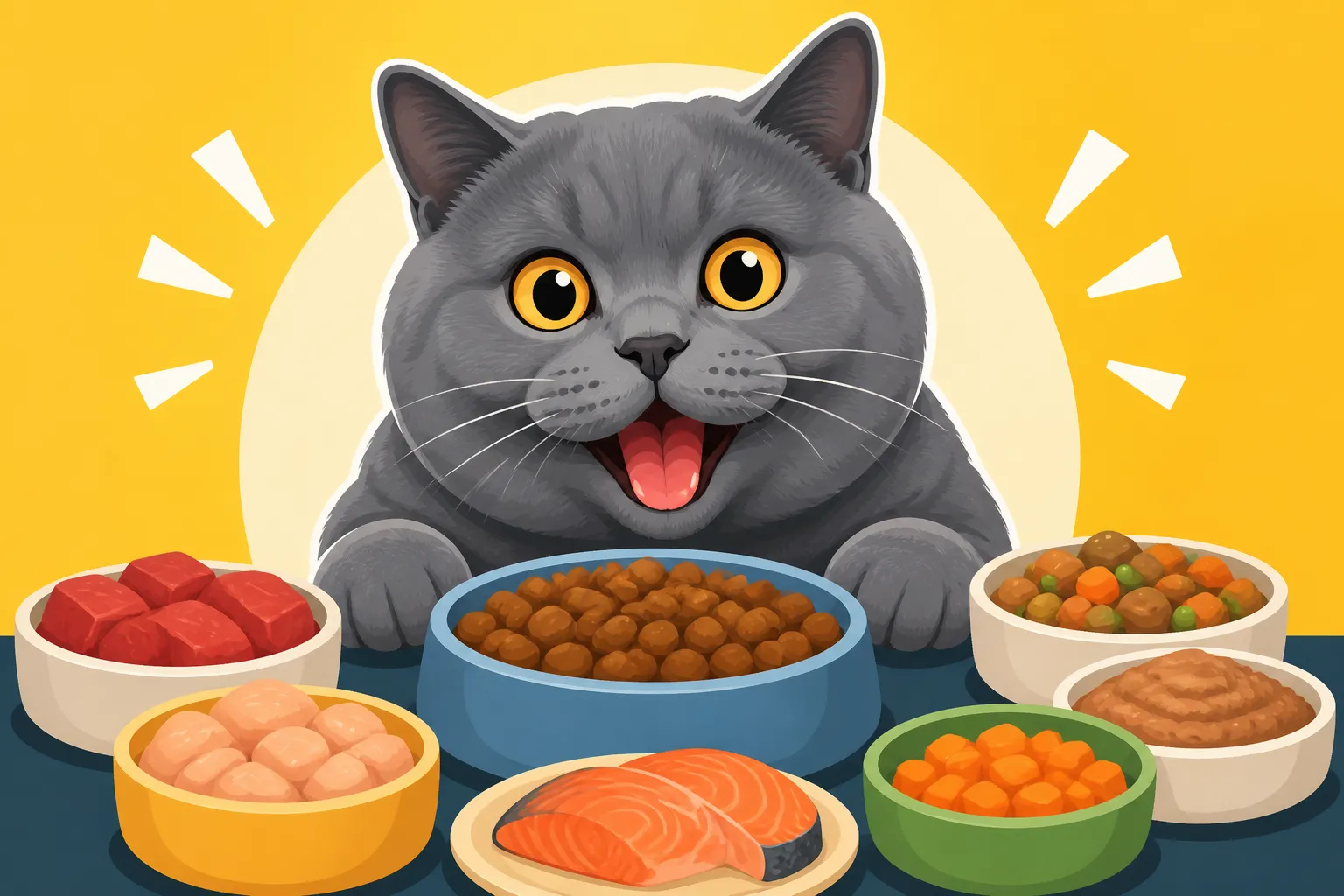
With so many cat food options on the market, choosing the "right" one can feel overwhelming. For a British Shorthair, particularly one prone to weight gain, focusing on high-quality ingredients is paramount. Look for foods with real meat (chicken, turkey, fish, beef) as the first ingredient, and avoid those with excessive fillers like corn, wheat, or soy. These ingredients often provide empty calories and can contribute to weight gain and other health issues.
Consider the balance of macronutrients: cats are obligate carnivores, meaning they thrive on a diet rich in animal protein. Look for foods with moderate fat content and low carbohydrates. Wet food often has a higher moisture content and can be beneficial for British Shorthairs, as it helps with hydration and can make them feel fuller on fewer calories compared to dry kibble. Many owners find a combination of high-quality wet and dry food works best. Many brands offer various formulations that might suit your British Shorthair’s needs. Which Food Suits a British Shorthair dives deeper into food choices.
Selecting the Best Food for Your British Shorthair
Beyond simply portion control, the type of food you offer your British Shorthair plays a critical role in their overall health and weight management. Given their tendency to overeat and lead a more sedate life, selecting a nutritionally dense, appropriate diet is key to supporting their unique needs and preventing diet-related health issues.
Decoding Nutritional Labels
Navigating cat food labels can feel like deciphering a secret code, but understanding them is crucial. The first step is to look at the "Guaranteed Analysis" panel. This section provides the minimum or maximum percentages of crude protein, crude fat, crude fiber, and moisture. For British Shorthairs, you want to prioritize high protein (typically above 30-35% on a dry matter basis), moderate fat (around 15-25%), and relatively low carbohydrates. Remember, cats have no dietary need for carbohydrates.
Beyond the percentages, scrutinize the ingredient list. Ingredients are listed in descending order by weight. Aim for real meat (e.g., chicken, salmon, beef) as the very first ingredient, not meat meal, by-products, or plant-based proteins. Be wary of foods with excessive grains, artificial colors, flavors, or preservatives. Always look for a statement from the Association of American Feed Control Officials (AAFCO) that indicates the food is "complete and balanced" for a specific life stage (e.g., "for adult maintenance" or "for all life stages"). This ensures the food meets recognized nutritional standards.
Wet Food Versus Dry Food Debate
The choice between wet and dry food, or a combination, is a frequent topic of discussion among cat owners. For British Shorthairs, who are prone to obesity and can sometimes be reluctant drinkers, wet food often has distinct advantages. Its high moisture content not only helps keep them hydrated (crucial for urinary tract health) but also contributes to satiety, making them feel fuller with fewer calories. This can be a game-changer when you're trying to manage their weight.
Dry kibble, while convenient and often more economical, is typically higher in carbohydrates and lower in moisture. If you feed dry food, ensure it’s a high-quality, protein-rich formula and always provide ample fresh water. Some owners opt for a mixed diet, offering wet food for one meal and a measured portion of dry kibble for another. This can provide the benefits of both, but careful calorie calculation is still essential. Whatever you choose, ensure the food is appropriate for an adult cat, not a kitten formula, unless you have a young British Shorthair still growing. Whether Wet Food Keeps a British Shorthair Slimmer is a question many owners ponder.
Considerations for Special Diets
There might come a time when your British Shorthair requires a special diet. If your cat is significantly overweight, your veterinarian might recommend a prescription weight-loss diet. These diets are specifically formulated to be lower in calories but still provide all essential nutrients, often with higher fiber to promote satiety. Such specialized foods should only be used under veterinary guidance.
Beyond weight loss, other health conditions, which can be exacerbated by obesity, might necessitate a specific diet. For instance, if your British Shorthair develops Diabetes in a British Shorthair, a low-carbohydrate, high-protein diet will be crucial for managing their blood sugar. Cats with Urinary Problems in a British Shorthair might need a urinary health diet to help dissolve stones or prevent their recurrence. Always consult your vet before making significant changes to your cat's diet, especially when dealing with health concerns. They can recommend the best course of action and appropriate brands, which you can often find through online retailers like Chewy or your vet’s own practice.
| Food Type | Pros | Cons | Best For |
|---|---|---|---|
| Wet Food | High moisture, aids hydration, promotes satiety, often lower carbs | Can be more expensive, shorter shelf life once opened, some cats dislike texture | Weight management, urinary health, reluctant drinkers, picky eaters for variety |
| Dry Kibble | Convenient, cost-effective, good for dental hygiene (some formulas) | Lower moisture, often higher carbs, easy to overfeed | Free-feeding (though not recommended for BSH), convenience, long shelf life |
| Fresh/Raw | Highly palatable, high quality ingredients, species-appropriate | Expensive, requires careful handling/storage, can be nutritionally unbalanced if homemade | Owners committed to premium nutrition, cats with allergies (under vet guidance) |
Practical Strategies for Weight Management and Enrichment
Simply reducing food intake without addressing other aspects of your British Shorthair's life isn't a holistic solution. Because these cats are so food-motivated and often quite sedentary, incorporating strategies that slow down eating, encourage movement, and provide mental enrichment is paramount. These practical tips can make a world of difference in preventing and reversing obesity.
Slow Feeder Bowls and Puzzle Toys
Since your British Shorthair will eat whatever you put down, turning mealtime into a mental and physical challenge can be incredibly beneficial. Slow feeder bowls are designed with ridges or obstacles that prevent your cat from gobbling down their food too quickly. This forces them to work for each bite, slowing consumption, promoting better digestion, and extending the meal experience. You can find many effective options on Amazon or at your local pet store.
Beyond slow feeders, puzzle toys are fantastic for British Shorthairs. These toys require your cat to manipulate them to release kibble or treats, engaging their natural hunting instincts and providing mental stimulation. Start with simpler puzzles and gradually introduce more complex ones. Using a portion of their daily kibble in these toys, rather than extra treats, ensures they’re not consuming additional calories. This transforms eating from a passive act into an active, enriching experience, burning calories and keeping their minds sharp. How to Get a British Shorthair to Play Daily often involves food motivation.
Incorporating Play and Exercise
Let's be real: getting a British Shorthair to be a fitness enthusiast can be an uphill battle. They are not known for their boundless energy. However, even short, consistent bursts of play can make a significant difference. Aim for 10-15 minutes of interactive play at least once or twice a day. Forget leaving toys out; they'll ignore them. You need to be the motivator. Wand toys, feather teasers, or even a simple laser pointer (used carefully to avoid frustration) can pique their interest.
The key is to find what your British Shorthair responds to. Some might enjoy chasing a toy mouse, while others are more intrigued by a slow-moving feather. Why a British Shorthair Will Not Exercise Itself means you need to be proactive. Make play sessions consistent, even if they are brief. End on a positive note, perhaps with a small, approved treat or a final "kill" of the toy. This daily interaction not only helps with calorie expenditure but also strengthens your bond and provides much-needed mental stimulation, breaking up the monotony of their day.
Managing Treats and Table Scraps
This is where many owners unintentionally sabotage their British Shorthair's diet. Those pleading eyes, the soft purr, the gentle headbutt – it's hard to resist! But treats and table scraps are often calorie-dense and nutritionally unbalanced for cats. If your British Shorthair "will eat whatever you put down," that includes those tempting tidbits. It’s crucial to limit treats to no more than 10% of their total daily caloric intake.
Consider using low-calorie, species-appropriate treats, or even better, using a portion of their daily kibble as "treats" for positive reinforcement during play or training. Avoid giving human food, especially things like cheese, deli meats, or anything with onions or garlic, which can be toxic. If you absolutely must share, stick to tiny, plain pieces of cooked chicken or fish, but remember, every morsel adds up. Consistency from all household members is vital here. Ensure everyone understands the feeding rules to prevent accidental overfeeding.
Monitoring Your British Shorthair's Weight and Health
Even with the best intentions and a strict feeding plan, consistent monitoring is crucial for a British Shorthair prone to weight gain. Their dense coat can hide subtle changes, and their stoic nature often means they'll conceal discomfort until a problem is advanced. Regular checks at home and professional veterinary oversight are indispensable to ensuring they remain at a healthy weight and addressing any issues promptly.
Regular Weight Checks at Home
The scale is your friend! While simply looking at your British Shorthair might not reveal gradual weight gain due to their fluffy coats, regular weighing can provide objective data. Aim to weigh your cat at least once a month. The easiest way to do this is to weigh yourself, then pick up your cat and weigh yourself again. Subtract your weight from the combined weight, and you'll have your British Shorthair's accurate weight. Keep a log of these measurements to track trends.
Small fluctuations are normal, but a consistent upward trend should trigger a review of their diet and activity. If you notice a sudden, unexplained weight loss, that's also a red flag and warrants a vet visit, as it can be a sign of underlying health issues. How to Weigh a British Shorthair at Home is a simple but effective habit that empowers you to be proactive about their health, rather than reacting once a problem becomes evident. Early detection of weight issues makes them far easier to correct.
The Body Condition Score
Beyond the number on the scale, understanding your British Shorthair's body condition score (BCS) is a vital tool. The BCS is a hands-on assessment that allows you to evaluate your cat's fat reserves and muscle mass, giving a more accurate picture than weight alone. It typically ranges from 1 (emaciated) to 9 (severely obese), with an ideal score being 5. Your vet can show you how to perform this assessment, but you can also find numerous charts online as a guide.
To check your cat's BCS, gently feel along their rib cage. You should be able to feel the ribs with a slight layer of fat over them, but not see them. If you can't feel the ribs without pressing hard, your cat is likely overweight. Next, feel for a waist behind their ribs when viewed from above, and check for a tuck in their abdomen when viewed from the side. An overweight British Shorthair will often have a round, protruding belly and no discernible waist. How to Feel a British Shorthair's Ribs Through the Plush is a learned skill that helps you look past their deceptive fluff.
When to Consult Your Veterinarian
Your veterinarian is your most valuable partner in maintaining your British Shorthair's optimal health. If you notice a consistent increase in weight, or if you're struggling to implement a diet plan, it's time to schedule a visit. Your vet can accurately assess your cat's body condition, rule out any underlying medical causes for weight gain, and help you create a tailored weight management program. They can also recommend appropriate prescription diets, if necessary, which are often sold through veterinary clinics or specialized online pet pharmacies.
Beyond weight concerns, regular wellness check-ups are essential. For a British Shorthair, especially as they age, these visits allow your vet to monitor for conditions common in the breed or those exacerbated by weight, such as Arthritis in an Older British Shorthair or Diabetes in a British Shorthair. They can also perform routine blood work to catch issues early. Don't wait for your British Shorthair to show obvious signs of illness; their stoic nature means problems are often advanced by the time symptoms appear. Proactive veterinary care, combined with diligent home monitoring, gives your British Shorthair the best chance at a long, healthy, and comfortable life.
Disclaimer
This article is for general informational purposes only and does not constitute professional advice. Laws, prices and regulations vary by location and change over time. Consult a qualified professional for guidance on your specific situation.