How Often a British Shorthair Wakes You at Night
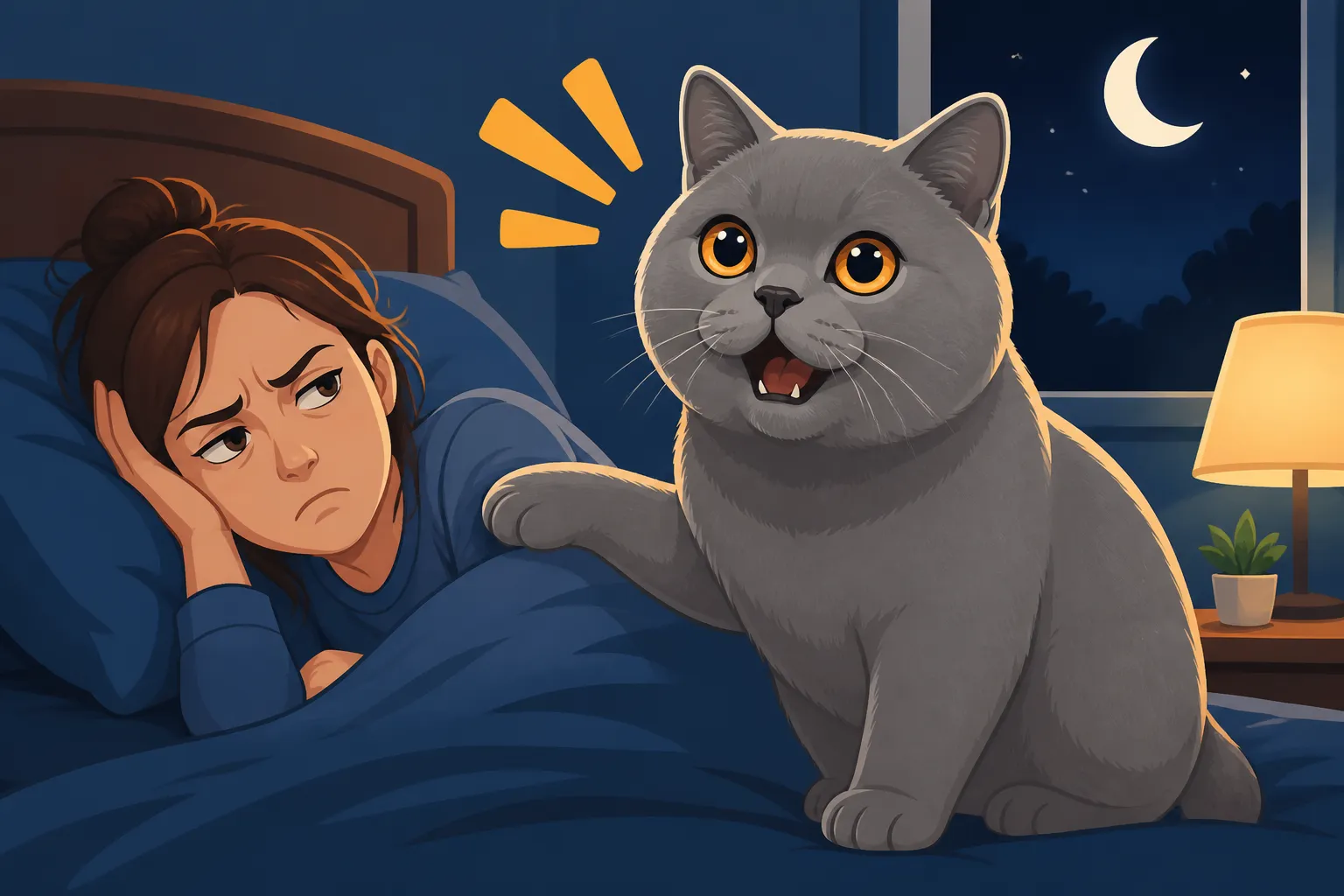
It's incredibly frustrating when you're finally drifting off to sleep, only to be jolted awake by a persistent meow, a gentle paw tap, or even a full-on "zoomie" session from your beloved British Shorthair. Many owners struggle with their otherwise calm and placid feline companions turning into nocturnal nuisances. This guide will delve into why your British Shorthair might be waking you up at night and offer practical, empathetic solutions to help both of you get the restful sleep you deserve.
Understanding the British Shorthair's Sleep-Wake Cycle
Before we even begin to tackle those rude awakenings, it's crucial to understand how cats, and specifically British Shorthairs, are wired when it comes to sleep. They're not always on the same schedule as us humans, and understanding their natural rhythms can help us create a more harmonious home.
Are British Shorthairs Truly Nocturnal?
This is a common misconception! While many people believe cats are strictly nocturnal, meaning active only at night, they are actually crepuscular. This means they are most active during dawn and dusk. Think about it: in the wild, this is prime hunting time when prey animals are most active and visible. Your British Shorthair, despite their domesticated life, still carries these ancient instincts. So, while they might seem quiet during the day when you're at work, don't be surprised if they get a burst of energy just as the sun starts to set and again when it begins to rise. This crepuscular nature means that midnight antics aren't necessarily malicious; they're often just your cat following their natural programming. It's a subtle difference from being truly nocturnal, but an important one when you're trying to figure out why they’re nudging your face at 3 AM.
How Much Sleep Does a British Shorthair Really Need?
British Shorthairs are known for being quite relaxed, and a big part of that involves a lot of sleep! On average, adult cats sleep between 12 to 16 hours a day, and it's not uncommon for some to even push that to 20 hours. However, this isn't always deep, uninterrupted sleep. Cats often nap lightly, waking up frequently to survey their surroundings. Kittens and senior British Shorthairs tend to sleep even more. A young, energetic British Shorthair kitten might play in bursts, then crash hard. As they age, you might notice your older British Shorthair spending more time snoozing in a sunny spot. How Many Hours a Day a British Shorthair Sleeps is a topic many owners ponder, especially when trying to adjust to their cat's napping habits. The challenge for us humans is that their prime waking hours often coincide with our sleeping hours, leading to friction. Recognizing that much of their day is spent snoozing can help you understand why they're ready to party when you're ready for bed.
The Impact of an Indoor-Only Lifestyle on Their Rhythms
For many British Shorthairs, life is entirely indoors, which is often for their safety and health. However, this indoor existence can sometimes throw off their natural crepuscular rhythm. Without the outdoor world's natural cues—like actual hunting, chasing real prey, or interacting with a dynamic environment—their energy can become bottled up. They might end up sleeping more during the day out of sheer boredom, only to have a full tank of energy when the house goes quiet for the night. Imagine a human being stuck inside all day with nothing stimulating to do; they might nap through the afternoon and then be wide awake at midnight, unable to differentiate between day and night in the same way. This lack of natural stimulation can lead to an artificial shift in their internal clock, making them truly nocturnal in practice, even if not by instinct. It means we, as their caregivers, have a responsibility to provide that mental and physical enrichment during the day.
Common Reasons Your British Shorthair Might Be Waking You Up
So, you've accepted that your British Shorthair isn't trying to be a pest on purpose, but understanding why they're waking you is the next step. There are several common culprits behind those unwelcome middle-of-the-night disturbances.
Hunger Pangs and Demanding Dinner Service
This is perhaps the most frequent and straightforward reason. Cats are creatures of habit, and if they associate your awakening with receiving food, they will absolutely try to hasten your morning routine. If you free-feed your British Shorthair, they might still wake you if their bowl is empty. If you feed them on a schedule, they might start requesting breakfast earlier and earlier, especially if their last meal was many hours ago. A British Shorthair's persistent meow can be surprisingly loud when they're convinced it's mealtime, and they often know just how to make us feel guilty. How a British Shorthair Asks for Food is a lesson many owners learn quickly, often through incessant chirps, nudges, or even pawing at the bedroom door. They might just be genuinely hungry, especially if their daily caloric intake is concentrated in just a couple of meals far apart.
The Need for Play and Mental Stimulation
British Shorthairs, despite their calm demeanor, still need mental and physical exercise. If they haven't had enough stimulating play during the day, that pent-up energy has to go somewhere. And often, that "somewhere" is your quiet bedroom at 2 AM. They might bat at your hair, pounce on your feet under the covers, or even start playing with toys noisily right outside your door. It’s their way of saying, "I'm bored, let's do something!" Ignoring their need for activity can lead to behavioral issues, including nighttime disruptions. A cat that spends its day alone with little to do might use your sleep time as their prime opportunity for interaction. You might think, "But my British Shorthair is so lazy!", but even the most laid-back cat needs engagement. How Much Play a British Shorthair Needs might surprise you, even for this sedate breed.
Seeking Attention and Social Interaction
British Shorthairs are generally independent but they do form strong bonds with their human companions. If your cat feels neglected during the day, or if they're simply craving some one-on-one time, they might seek it out when you're least prepared. This could manifest as purring loudly on your chest, rubbing against your face, or even bringing you a "present" (like a favorite toy or, less pleasantly, a sock). They might just want to be petted, or perhaps they simply want you to acknowledge their presence. If you've been busy and haven't given them much focused attention, the quiet solitude of your bedroom at night becomes their stage for connection. They learn quickly that a meow or a purr near your head is a surefire way to get a reaction, even if that reaction is just a groan.
Uncomfortable Environments and Litter Box Issues
Sometimes, the issue isn't about hunger or play, but discomfort in their immediate environment. Is their litter box clean? British Shorthairs can be quite fastidious, and a dirty litter box might lead them to vocalize their displeasure or even look for an alternative "bathroom" (which is never a good thing). Perhaps their favorite sleeping spot isn't comfortable, or they're too hot or too cold. Even minor irritants like a flickering light or a strange noise could be causing them distress. Consider the size of their litter box; a large British Shorthair needs ample space. Which Litter Box Size a British Shorthair Needs is often overlooked, but a cramped or dirty box can certainly cause them to wake you up seeking a solution. Ensure their water bowl is full and clean, too. They might just be thirsty.
Underlying Health Concerns That Disrupt Sleep
While many instances of night waking are behavioral, it's vital not to overlook potential health issues. A sudden change in your British Shorthair's nighttime habits, especially if accompanied by other symptoms, warrants a vet visit. Conditions like hyperthyroidism, arthritis (especially in older cats making it painful to jump into bed), dental pain, or even early kidney disease can disrupt their sleep patterns and cause discomfort that makes them restless. They might be trying to tell you something is wrong. An older British Shorthair might develop Arthritis in an Older British Shorthair which makes getting comfortable difficult, leading to pacing and vocalizing. Similarly, if they're needing to urinate more frequently due to a urinary tract infection or kidney issues, they might wake you to be let out (if they're outdoor access) or to clean the litter box more promptly. Signs a British Shorthair Is Unwell can be subtle, so any significant change in behavior should be monitored.
Strategies to Encourage a Peaceful Night's Rest
Now that we understand the 'whys,' let's move on to the 'hows.' Implementing a few consistent strategies can make a world of difference in helping your British Shorthair, and you, sleep through the night.
Establishing a Consistent Routine for Food and Play
Consistency is key for cats. They thrive on predictability. Try to establish a regular feeding schedule and stick to it, even on weekends. Instead of free-feeding, offer measured meals at specific times. For a British Shorthair that wakes you for food, consider a timed automatic feeder, easily found on Amazon, which dispenses their breakfast precisely when you want it, removing you from the equation. This helps break the association between you waking up and them getting food.
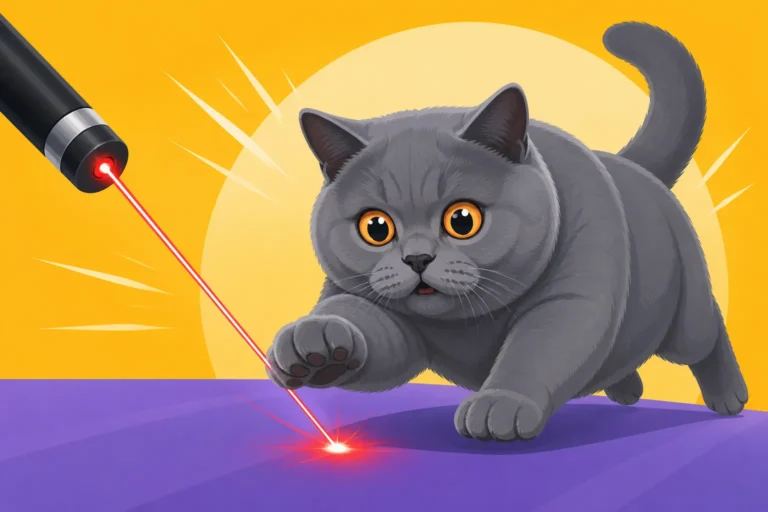
Just as important as food is play. Aim for two to three dedicated play sessions daily, with the last one being a vigorous session right before your bedtime. This "hunt, catch, kill, eat" cycle is instinctual for cats. A good session with a wand toy or a laser pointer (just remember to end with a tangible 'catch' like a treat or a real toy to prevent frustration) will tire them out physically and mentally. After this intense play, feed them their final meal. This mimics their natural hunting pattern: exertion, then a meal, followed by grooming and sleep. How to Get a British Shorthair to Play Daily involves finding toys they genuinely enjoy and making time for interactive play. Don't be fooled by their calm nature; they still need to burn off energy.
Enriching Their Environment to Combat Boredom
A bored British Shorthair is often a destructive or attention-seeking one. Enriching their environment can significantly reduce their need to seek entertainment from you at night.
- Puzzle Feeders: These are fantastic for mental stimulation. Instead of putting all their food in a bowl, put a portion in a puzzle feeder (many types are available on Amazon). This forces them to "work" for their food, engaging their minds and mimicking hunting behavior.
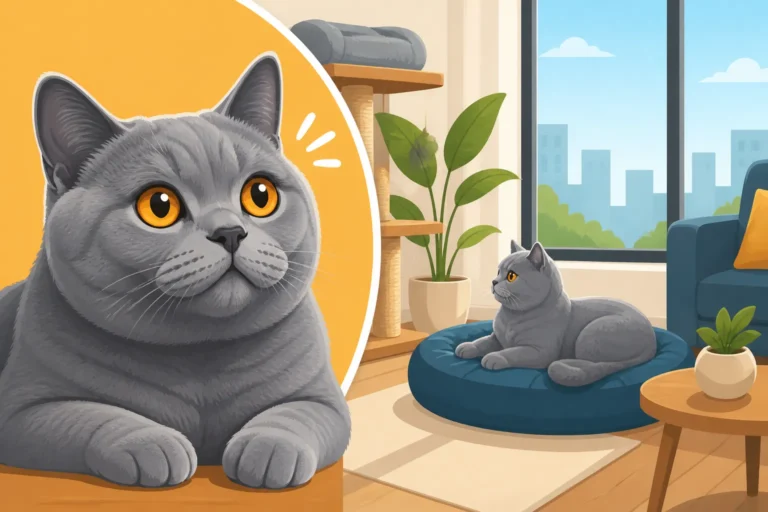
- Vertical Space: British Shorthairs might be chunky, but they still enjoy surveying their domain from a height. Provide sturdy cat trees or shelves they can safely climb onto. These spots offer observation points and can also be great napping perches during the day.
- Window Perches: A window perch gives them a "cat TV" view of the outside world, providing hours of entertainment as they watch birds, squirrels, or passersby.
- Rotating Toys: Don't leave all their toys out all the time. Rotate them to keep things fresh and exciting. A toy that's been put away for a week can feel like a brand new discovery.
- Safe Outdoor Access: If feasible and safe, a secure catio or supervised leash walks can provide invaluable outdoor stimulation. However, if this isn't possible, focus on maximizing indoor enrichment.
Managing Attention-Seeking Behaviors
This is where tough love sometimes comes in. If your British Shorthair wakes you for attention, do not reward the behavior. This is easier said than done, especially when they're charming or persistent, but any reaction, positive or negative, is still attention in their eyes.
- Ignore them: If they're meowing, pawing, or jumping on the bed, roll over and pretend to be asleep. No eye contact, no talking, no petting. This teaches them that these behaviors won't get them what they want during your sleep hours. It might get worse before it gets better, as they try harder to elicit a response (this is called an extinction burst), but consistency will eventually pay off.
- Close the bedroom door: If ignoring them is impossible (e.g., they're jumping on your head), consider making your bedroom a cat-free zone at night. Provide them with a comfortable, secure sleeping area outside your room, complete with a clean litter box, fresh water, and a cozy bed. This might feel harsh, but it establishes boundaries.
- Redirect: During the day, be proactive with your affection and play. Give them plenty of focused attention on your terms, so they don't feel the need to demand it at night. This can be as simple as a cuddle session on the sofa while you watch TV or a quick game with a feather wand.
Optimizing Their Sleep Space and Resources
Think about your cat's comfort. Would you sleep well if your bathroom was dirty or your bedroom was too cold?
- Clean Litter Boxes: Ensure their litter box is scooped at least once, preferably twice, daily. Consider adding an extra litter box if you have multiple cats or a very large home. How Many Boxes a British Shorthair Household Needs is often recommended as one per cat plus one extra.
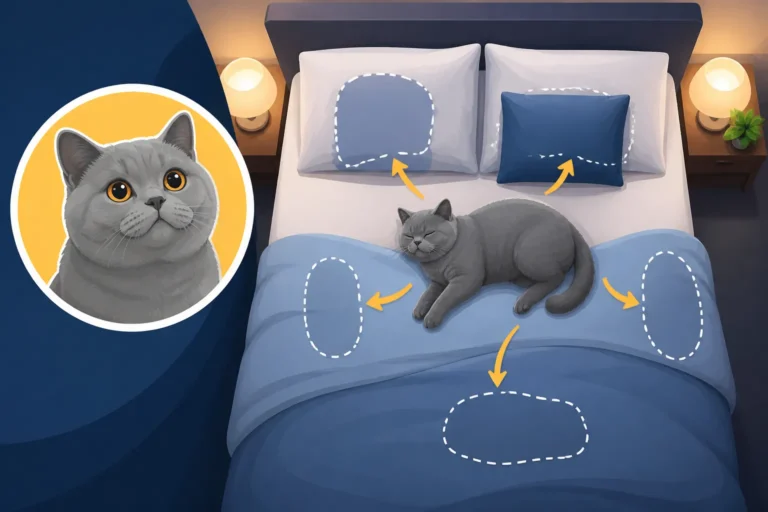
- Comfortable Sleeping Spots: Provide soft, cozy beds in quiet, safe areas. British Shorthairs love warmth, so a bed near a gentle heat source (but not too close!) or a heated cat bed (found on Amazon) can be very appealing, especially in cooler months.
- Fresh Water: Make sure they always have access to fresh water. A cat water fountain can encourage them to drink more, which is great for their health and can be less appealing to bat around than a static bowl at 3 AM.
- Night Lights: Some cats might appreciate a dim night light in areas they frequent, like near their litter box or food station, especially if your home is pitch black at night.
By creating an environment where their basic needs are met and their instincts are satisfied during appropriate hours, you set them up for a restful night.
When to Consult the Vet About Nighttime Disturbances
While most nighttime disruptions are behavioral and can be managed with routine adjustments, it's really important to know when to seek professional help. Your British Shorthair can't tell you in words if something is wrong, so changes in their routine are often the first clue.
Recognizing Red Flags and Sudden Changes
If your British Shorthair suddenly starts waking you up at night, especially if they've previously been a good sleeper, this abrupt change is a major red flag. This is particularly true if the night waking is accompanied by other symptoms such as:
- Increased vocalization: More meowing, howling, or unusual cries.
- Changes in appetite or thirst: Eating more or less, or drinking significantly more water.
- Changes in litter box habits: Urinating or defecating outside the box, straining to urinate, or increased frequency.
- Lethargy or decreased activity during the day: They're sleeping more during the day but restless at night.
- Vomiting, diarrhea, or constipation.
- Difficulty moving or apparent pain: Limping, reluctance to jump, or sensitivity to touch.
These kinds of sudden shifts almost always indicate an underlying medical issue that needs veterinary attention. Don't delay a visit if you observe these signs. For instance, Urinary Problems in a British Shorthair can cause discomfort and frequent trips to the litter box, leading to night disturbances.
Discussing Age-Related Sleep Pattern Shifts
As British Shorthairs age, just like humans, their sleep patterns can change. Older cats might experience cognitive dysfunction (a form of feline dementia), which can lead to disorientation, increased vocalization, and altered sleep-wake cycles. They might forget where their litter box is, or simply become anxious at night. Older cats are also more prone to conditions like Hyperthyroidism in an Older British Shorthair or Diabetes in a British Shorthair, both of which can increase thirst, appetite, and restlessness. If your senior British Shorthair starts waking you, it's wise to have them checked out. Caring for a British Shorthair Past Ten involves being extra vigilant about health changes. Your vet can assess their overall health, perform diagnostic tests, and discuss potential medications or management strategies to help them sleep more soundly.
The Importance of a Thorough Health Check
Even if you don't see obvious red flags, a general wellness check-up is always a good idea if behavioral changes persist. Your veterinarian can conduct a physical exam, blood work, and urine tests to rule out common conditions. For example, a thorough blood panel might reveal early signs of kidney issues or hyperthyroidism that aren't yet causing overt symptoms but are contributing to your cat's restlessness. What a British Shorthair's Yearly Bloodwork Should Cover is a conversation to have with your vet, especially for an older cat. Getting a clean bill of health from the vet can provide peace of mind and help you focus solely on behavioral solutions with confidence. And if a health issue is detected, catching it early often means better outcomes for your cherished British Shorthair.
Here's a quick summary table of common night-waking causes and solutions:
| Cause of Night Waking | Common Signs | Recommended Solutions | When to Call the Vet |
|---|---|---|---|
| Hunger | Meowing at bed, pawing at you, going to food bowl | Timed feeder (e.g., from Amazon), consistent meal times, last meal before bed | If sudden, or accompanied by weight loss/gain |
| Boredom/Lack of Play | Zoomies, playing with toys loudly, batting at you | 2-3 vigorous play sessions daily, puzzle feeders, rotating toys, vertical spaces | If also destructive during day, excessive lethargy |
| Attention Seeking | Purring on chest, rubbing face, nudging | Ignore behavior at night, increase daytime focused attention, consider bedroom door closure | If aggression or anxiety accompany seeking |
| Environmental Discomfort | Pacing, vocalizing, litter box issues, shivering | Clean litter box, comfortable bed, fresh water, stable temperature | If sudden change in litter habits, signs of pain |
| Health Issues | Sudden changes, increased thirst/urination, pain, lethargy, vomiting | IMMEDIATE VET VISIT for diagnosis and treatment | Always if health concerns are suspected or sudden changes occur |
Ultimately, living with a British Shorthair that occasionally wakes you up is part of the package for many cat owners. With patience, consistency, and a keen eye for their subtle cues, you can often find a balance that allows both of you to enjoy a full night's sleep.
Disclaimer
This article is for general informational purposes only and does not constitute professional advice. Laws, prices and regulations vary by location and change over time. Consult a qualified professional for guidance on your specific situation.