Whether a Silent British Shorthair Is Unwell
It’s a common scenario for British Shorthair owners: you adore their calm, quiet nature, the way they drift through the house like a fluffy, dignified cloud. But then, a thought creeps in—are they too quiet? What if their characteristic silence isn't just their personality, but a subtle sign that something is amiss? This guide is here to help you discern between a perfectly content, naturally quiet British Shorthair and one whose silence might be a whisper of underlying discomfort or illness.
The British Shorthair's Naturally Quiet Demeanor
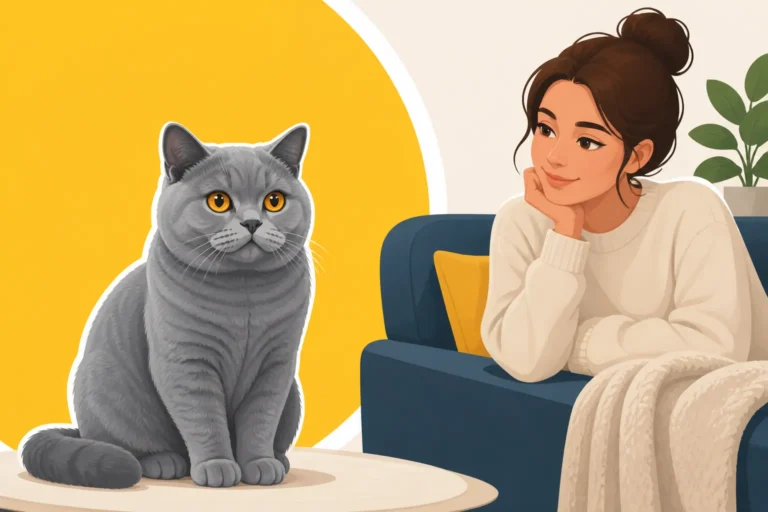
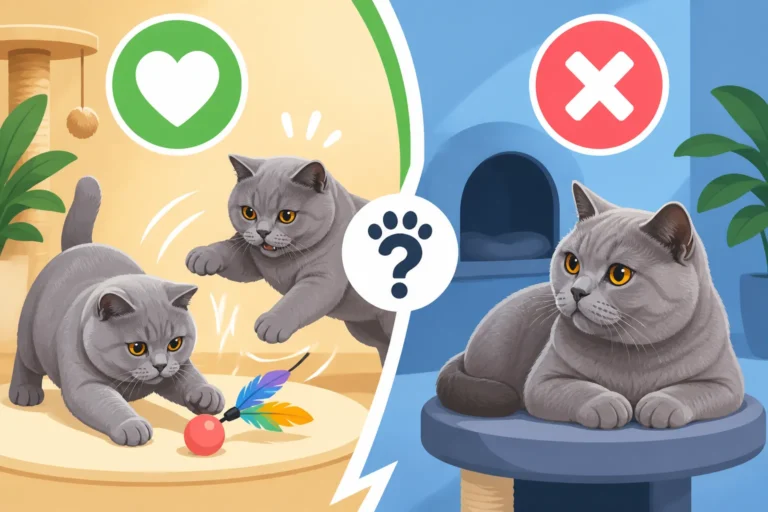
Let's start by acknowledging the obvious: British Shorthairs are, by breed design, not particularly vocal cats. They are renowned for their stoic, calm, and independent temperament, and this often extends to their communication style. If you’re used to more boisterous breeds, the British Shorthair’s understated chatter can sometimes feel almost unnerving, leading you to wonder if they’re truly happy.
These cats tend to express themselves with subtle cues rather than loud meows or incessant demands. You'll likely hear soft chirps and trills, especially when they greet you or are particularly pleased. Their purrs, when they choose to bless you with one, can be incredibly deep and rumbling, a clear sign of contentment. However, long, drawn-out conversations with your British Shorthair are generally not on the agenda. They prefer to observe, to be near you rather than on you, and to communicate their affection through gentle headbutts, slow blinks, or simply choosing to occupy the same room.
It’s crucial to understand this baseline behavior. A quiet British Shorthair is often just a British Shorthair being exactly who they are meant to be. This breed is known for its ability to be quite content on its own, not prone to separation anxiety, which further contributes to their less vocal nature. They're not the type to loudly demand attention or announce their presence at every turn. Instead, they might use a soft murmur or a subtle flick of the tail to let you know they're there and observing. Knowing How Vocal a British Shorthair Is can help set your expectations, and understanding What a British Shorthair's Chirp Means can give you insight into their unique language. Their quietness is often a hallmark of their serene disposition, not a lack of feeling or engagement.
Signs a Silent British Shorthair Might Be Unwell
While a quiet cat is often a happy cat in the British Shorthair world, a change in vocalization—or, more accurately, a change in their overall behavior accompanied by continued or increased silence—can be a significant red flag. British Shorthairs are notoriously good at hiding pain and discomfort, a trait stemming from their wild ancestors who would conceal weakness to avoid predators. This makes attentive observation of subtle shifts in their routine and demeanor absolutely critical for owners.
Loss of Previous Vocalization Accompanied by Behavioral Changes
If your British Shorthair, who previously offered soft chirps or gentle purrs, suddenly becomes entirely silent and withdrawn, this is a cause for concern. It's not just the absence of sound, but the combination of that absence with other signs. Are they hiding more than usual, perhaps retreating under furniture or into quiet corners where they don't typically spend much time? Are they less interested in interactions, even the subtle kind they usually enjoy? Have they stopped greeting you at the door or appearing for mealtime with their usual quiet anticipation? Why a British Shorthair Hides Pain perfectly illustrates why these quiet changes demand your attention.
Other accompanying symptoms could include a noticeable decrease in appetite or thirst, or a sudden fussiness about food they once enjoyed. Perhaps their energy levels have plummeted, and they're sleeping more than their already generous nap schedule allows, or they seem lethargic and slow to respond. You might also observe changes in their litter box habits, such as straining to urinate or defecate, or having accidents outside the box. Any of these alongside an unusual quietness suggests it's time to investigate further.
Physical Indicators of Discomfort
Beyond behavioral shifts, certain physical signs, when coupled with a British Shorthair's unusual silence, point strongly towards illness. For instance, labored breathing, even subtle changes like shallow or rapid breaths, is a serious indicator. Your cat might be quiet because vocalizing is physically uncomfortable or painful. Watch for a cat lying with their head extended, or breathing with an open mouth – these are emergency signs. Signs a British Shorthair Is Breathing Hard details what to look out for.
Dental pain is another common culprit for a quiet cat. If they have Gingivitis in a British Shorthair or other dental issues, eating can be painful, and opening their mouth to vocalize could exacerbate the discomfort. You might notice drooling, pawing at their mouth, or a reluctance to eat hard food. Similarly, joint pain or arthritis, especially common in older or overweight British Shorthairs, can make movement painful, leading them to stay still and quiet. What Obesity Does to a British Shorthair's Joints outlines the impact of excess weight on their mobility. They might refuse to jump onto their favorite window perch or even struggle to get into a litter box.
It's also worth checking for changes in their grooming habits. A cat in pain or feeling unwell will often neglect their coat, leading to a dull, unkempt appearance, or sometimes even excessive grooming in one specific area to soothe discomfort. A normally fastidious British Shorthair who looks disheveled might be telling you something without a sound.
Here's a quick comparison of normal quiet behavior versus silence that warrants concern:
| Behavior Aspect | Normal Quiet British Shorthair | Potentially Unwell British Shorthair |
|---|---|---|
| Vocalization | Soft chirps, trills, gentle purrs, generally silent | Sudden cessation of all vocalization (even soft ones) |
| Activity Level | Calm, relaxed, enjoys lounging, bursts of play | Lethargic, withdrawn, unusually still, unwilling to move |
| Appetite/Thirst | Consistent, healthy appetite and water intake | Significant decrease or increase, pickiness |
| Grooming | Meticulous self-grooming | Neglected grooming, matted fur, greasy coat |
| Social Interaction | Enjoys company nearby, may sit next to you | Hiding more, avoiding interaction, irritable when approached |
| Litter Box Habits | Regular, normal urination/defecation | Straining, frequent visits, accidents outside the box |
This table serves as a general guide, but remember that every cat is an individual. The key is recognizing a deviation from your cat's personal baseline.
Other Reasons for Changes in Vocalization
It's not always illness that causes a shift in a British Shorthair's vocal habits. Sometimes, external factors or natural life stages can influence their quietude. Understanding these can help you react appropriately without immediately fearing the worst, though vigilance is always recommended.
Stress, Anxiety, and Environmental Changes
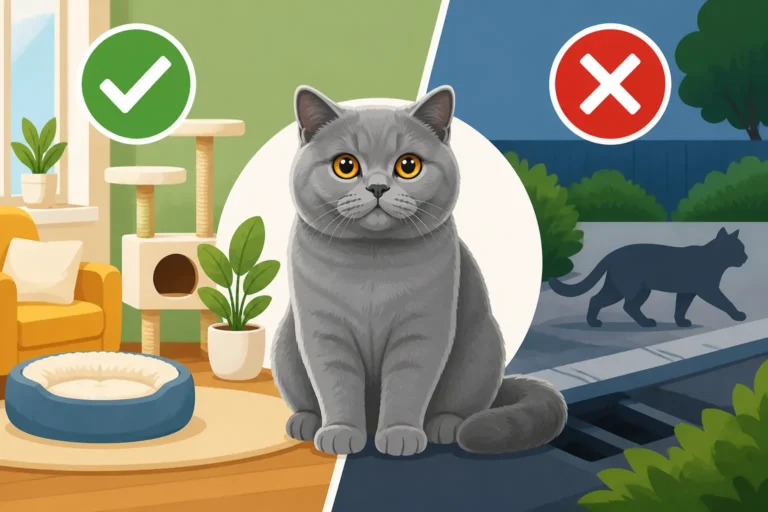
British Shorthairs, despite their calm demeanor, are creatures of habit and can be surprisingly sensitive to changes in their environment. Stress and anxiety can manifest as increased quietness, withdrawal, or even avoidance. For example, a new pet joining the household might cause your existing British Shorthair to become even more reserved and silent as they adjust. Similarly, a house move, a change in your work schedule, or even new furniture can upset their equilibrium. Why a British Shorthair Hates Change highlights their preference for consistency. They might retreat to a safe, quiet space and vocalize less as a coping mechanism. Providing a comfortable, secure hiding spot or a tall cat tree (you can find excellent options on Amazon) can offer them a sense of security during transitions.
A noisy household or a sudden increase in activity can also lead to a British Shorthair becoming quieter. They might simply be seeking peace and quiet, and if they can't find it, they might shut down a bit, becoming less communicative. Ensuring they have a serene sanctuary is vital for their well-being.
The Impact of Age
As British Shorthairs age, their behavior can naturally evolve. An older British Shorthair might become less vocal simply due to reduced energy levels or a slight decline in hearing, meaning they don't perceive the need to vocalize as much. On the flip side, some senior cats can become more vocal, particularly if they are experiencing cognitive dysfunction (feline dementia), which can cause disorientation and increased vocalization, often at night. However, if an older cat suddenly stops all their usual soft sounds, it’s always worth considering underlying health issues like arthritis or other age-related conditions that might make vocalizing uncomfortable. What Changes in a British Shorthair After Ten offers more insights into their senior years. Regular veterinary check-ups are even more critical for aging cats to catch these changes early. Monitoring their weight with a reliable pet scale (available on Amazon) can also help track changes in their health over time.
Bonding and Comfort Levels
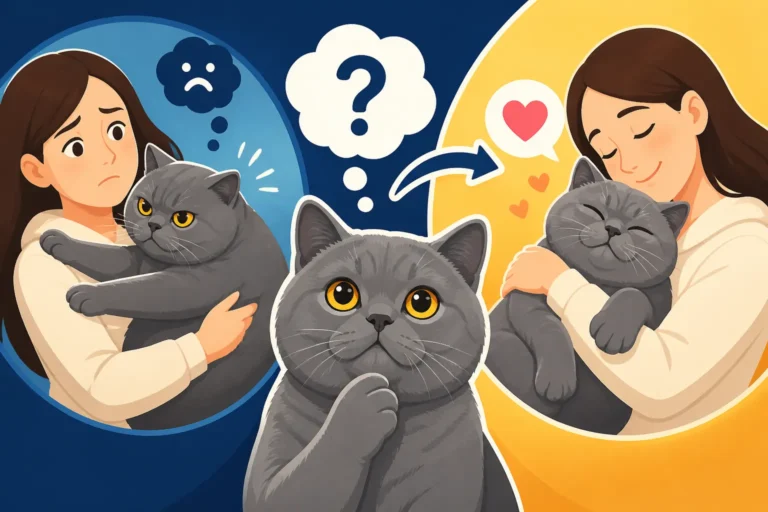
Sometimes, a British Shorthair's vocalization might change as they grow more comfortable and bonded with their human companions. While typically quiet, a cat who initially hid their personality might start to offer more soft chirps and purrs as they feel truly safe and loved. This isn't a sign of being unwell; quite the opposite, it’s a beautiful indicator of a deepening relationship. Conversely, a cat who feels less secure or less bonded might revert to an even quieter state. Ensure your British Shorthair feels secure in your home; consistent routines, gentle interaction, and respecting their need for space all contribute to their emotional well-being. Consider investing in interactive toys (many engaging options on Amazon) that encourage gentle play, which can also strengthen your bond and encourage them to express themselves.
When to Consult Your Veterinarian
The most important takeaway when observing changes in your British Shorthair’s vocalization or overall behavior is to trust your instincts. You know your cat best. If you have a persistent feeling that something isn't quite right, even if the signs are subtle, it's always prudent to err on the side of caution and consult your veterinarian.
Gathering Information for Your Vet
Before your appointment, try to gather as much detail as possible. When did you first notice the increased silence or behavioral changes? Has there been any change in their appetite, thirst, litter box habits, or activity levels? Are they hiding more? Have there been any recent changes in the household or environment? The more information you can provide, the better your vet can understand the full picture and pinpoint potential causes. Keeping a small journal or even just mental notes can be incredibly helpful. You might even consider setting up a pet camera (there are many discreet models on Amazon) to observe their behavior when you're not home, which can provide invaluable insights into their patterns.
The Importance of Early Intervention
Because British Shorthairs are so adept at masking illness, waiting to see if symptoms improve can sometimes mean delaying crucial treatment. Many conditions, such as heart disease (What HCM Does to a British Shorthair's Heart), kidney issues (What Polycystic Kidney Disease Does to a British Shorthair), or even simple dental pain, can worsen significantly if left unaddressed. Regular wellness exams are vital, especially as your British Shorthair ages. How Often a British Shorthair Needs a Wellness Exam is more than just a routine; it's a proactive step in maintaining their long-term health. Your vet can perform a thorough physical examination, and depending on their findings, may recommend bloodwork, urinalysis, or other diagnostic tests to get to the root of the issue. Don't hesitate to reach out to them if you have any concerns at all about Signs a British Shorthair Is Unwell. Even if it turns out to be nothing serious, the peace of mind is always worth it.
Disclaimer
This article is for general informational purposes only and does not constitute professional advice. Laws, prices and regulations vary by location and change over time. Consult a qualified professional for guidance on your specific situation.