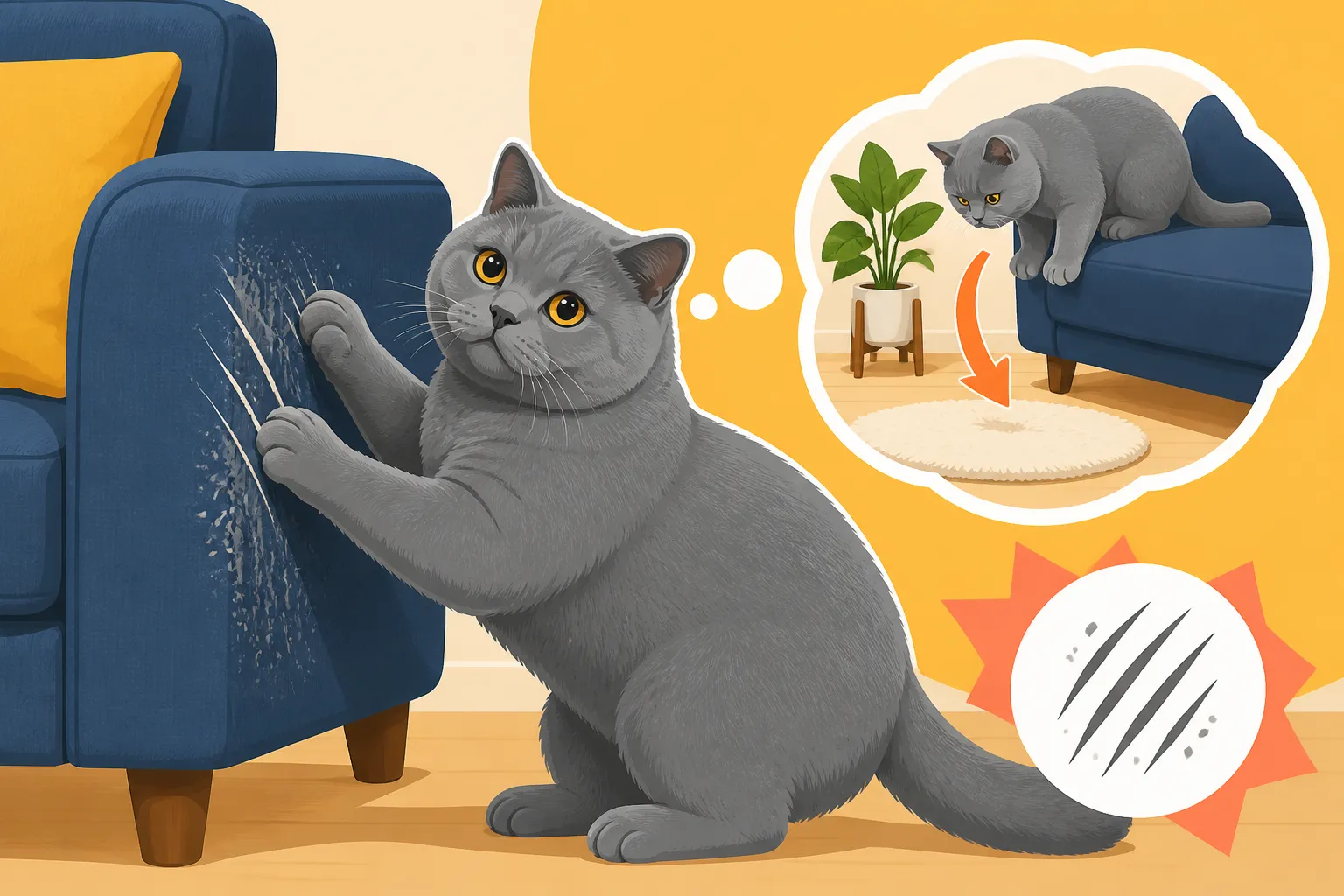
Why a British Shorthair Scratches to Get Down
It's a common, often frustrating experience for British Shorthair owners: you scoop up your beloved fluffy companion for a cuddle, only to feel their claws extend, gently at first, then perhaps more firmly, as they squirm and attempt to leverage themselves back to solid ground. This isn't usually an act of aggression, but rather a strong, clear, and instinctive communication from your British Shorthair saying, "Please put me down, now." Understanding why your typically calm and placid British Shorthair reacts this way when being held, and how to navigate these interactions, can deepen your bond and prevent misunderstandings.
Understanding the British Shorthair's Independent Nature
The British Shorthair is renowned for its calm, dignified, and somewhat reserved demeanor. They are famously "four on the floor" cats, meaning they generally prefer to keep all four paws firmly planted on a stable surface. This isn't a quirk; it's deeply ingrained in their temperament and their physical build. Unlike some more clingy or highly active breeds, a British Shorthair values its personal space and autonomy, often expressing affection by being near you rather than directly on you.
Independent Spirit and Physical Boundaries
Think of your British Shorthair as a benevolent, fluffy roommate rather than a cuddly teddy bear. They love you, they enjoy your company, and they appreciate your presence, but on their own terms. This breed often chooses to sit beside you on the sofa, follow you from room to room, or even sleep at the foot of your bed, maintaining a comfortable proximity without necessarily demanding constant physical contact. When you pick them up, even with the best intentions, you're essentially overriding their preference for self-determination. They haven't asked to be held, and suddenly they feel their control over their immediate environment has been removed. This can feel unsettling to them, even if you perceive it as a loving gesture. Their immediate reaction is often to regain that control, and the most effective way for them to communicate this is by struggling or, yes, scratching to get down. This isn't a rejection of you, but a firm request to respect their boundaries. You might find it helpful to read about How Affectionate a British Shorthair Is to further understand their unique expressions of love.
Communication Through Action
Cats don't use words, so they rely on body language and physical actions to convey their feelings. A scratch, when they want to be put down, is not an act of malice or an attempt to hurt you; it's a desperate plea to be released. They are communicating in the clearest way they know how, "I do not want to be here right now, and I need you to understand." Often, there are subtle cues that precede the scratch – a tensing of the body, ears swiveling back, a tail twitching, or a slight widening of the eyes. We, as humans, often miss these subtle signals because we're focused on the act of holding and bonding. When those subtle cues are ignored, the cat escalates its communication to something more undeniable, like a squirm or a light scratch. It's their way of saying, "My gentle hints weren't working, so here's a stronger one!" Understanding How a British Shorthair Shows Affection can help you interpret their subtle signals more accurately.
The Physical Aspect: Why Being Held Can Be Uncomfortable
Beyond their independent spirit, the British Shorthair's physical characteristics can also contribute to their dislike of being held. Their sturdy, cobby build, while adorable, isn't always conducive to being scooped up and cuddled in ways that feel secure or comfortable for them.
Cobby Build and Joint Sensitivity
British Shorthairs are famously chunky and muscular, often weighing more than their appearance might suggest. They possess a dense, plush coat that can sometimes make them look even larger. This "cobby" body type means they have a broad chest, strong shoulders, and relatively short, thick legs. When you pick up a cat with this build, it can be challenging to support their weight evenly and securely. If their heavy body isn't fully supported from underneath, especially their hindquarters, they can feel off-balance and vulnerable. Imagine being lifted without your feet touching the ground, and your body not being fully supported – it would feel precarious, wouldn't it? This feeling of insecurity can be exacerbated by any underlying joint sensitivities they might have, particularly as they get older. An improper hold could put strain on their spine or hips, prompting them to squirm. Learning How to Carry a British Shorthair Safely is crucial for their comfort.
Feeling Vulnerable and Off-Balance
Cats are creatures of control and survival instinct. Being held often means they can't control their own movements or escape a perceived threat if one were to arise. This loss of autonomy, coupled with the potential feeling of being off-balance, can trigger their primal instincts. They might interpret being lifted as being captured by a predator, even if it's their loving human. The higher off the ground they are, the more significant this feeling of vulnerability can become. It's why many cats, not just British Shorthairs, prefer being held close to the ground, with their feet feeling somewhat supported or at least close enough to "jump to safety" if needed. For a breed that already prefers to be grounded, this instinct is even stronger. Their desire to keep all four paws down is a powerful safety mechanism. Sometimes, they even start to squirm if their belly is touched, as that is a very vulnerable area for them. You might notice this if you’ve tried to tickle their tummy! Why a British Shorthair Dislikes Its Belly Touched delves deeper into this common trait.
Decoding the Scratch: It's Not Aggression, It's a Request
It's important to reiterate that when a British Shorthair scratches to get down, it's rarely an act of aggression driven by anger or malice. Instead, it's a frantic, instinctual request for release, born out of discomfort, anxiety, or a simple desire for independence. Misinterpreting this can lead to frustration for both cat and owner.
Early Experiences and Learned Behavior
A cat's behavior is heavily influenced by its early experiences. If a British Shorthair kitten was frequently picked up roughly, or if its attempts to squirm free were ignored, it might learn that the only way to get down is to escalate its efforts. A gentle nudge might become a firm push, which then might become an extended claw or a quick swipe. They aren't trying to be mean; they're learning an effective communication strategy based on past interactions. Conversely, if a kitten learns that a gentle squirm or a soft chirp quickly results in being put down, they might never feel the need to resort to scratching. This early conditioning plays a massive role. It’s a bit like a child learning that a polite "please" works, versus having to throw a tantrum. For a British Shorthair, which typically starts to grow into its adult temperament around three years old, these early lessons are particularly formative. When a British Shorthair Finally Grows Up explains more about their developmental stages.
Recognizing the Warning Signs
Cats are masters of subtle communication, and your British Shorthair will almost always give you hints before resorting to claws. Learning to read these signs is key to preventing scratches and fostering a more trusting relationship. Look for:
- Tensing of the body: Their muscles might stiffen, and they might go rigid in your arms.
- Tail flicks: Short, sharp flicks of the tail, or the tail thumping against your arm.
- Ear position: Ears flattened slightly back against their head, or constantly swiveling as if looking for an escape route.
- Dilated pupils: Their eyes might widen, indicating anxiety or fear.
- Vocalizations: A low growl, a soft trill that suddenly stops, or an insistent meow.
- Attempting to reorient: Trying to shift their body to face away from you or toward the ground.
- Stiff legs: Extending their legs to push against you.
If you observe any of these signs, it's your cue to gently and calmly put them down before they feel the need to use their claws. Respecting these early signals builds trust and teaches your cat that you understand and honor their preferences. It's crucial for their overall comfort, especially when visiting the vet. You want them to associate being handled with safe release, not with fear. Understanding How a British Shorthair Behaves at the Vet can help you prepare for situations where handling is unavoidable.
Gentle Handling Techniques and Respecting Boundaries
While your British Shorthair may never be a fan of extended cuddles in your arms, you can absolutely build a relationship where handling is tolerated, understood, and even briefly enjoyed. The key is technique, respect, and positive reinforcement.
The "Scoop and Support" Method
If you absolutely must pick up your British Shorthair, ensure you do it in a way that makes them feel as secure and supported as possible. This is the "scoop and support" method:
- Approach Calmly: Don't ambush your cat. Let them see you coming and perhaps offer a gentle pet first.
- Support the Chest: Place one hand under their chest, just behind their front legs.
- Support the Hindquarters: Simultaneously, use your other hand to scoop under their hindquarters, supporting their entire lower body and rear legs. This is crucial for their comfort and stability, especially for a heavy British Shorthair.
- Hold Close to Your Body: Bring them close to your chest. This minimizes swinging and instability. They feel more secure when they are snug against you, rather than dangling.
- Keep Feet Supported (if possible): If you can, allow their paws to rest on your arm or shoulder, or simply keep their entire body supported horizontally, mimicking the feeling of being on solid ground. This is different from how you might pick up a smaller, lighter cat, where a simple hoist might suffice. With a British Shorthair, you’re lifting a significant amount of weight, and their sense of balance is paramount.
- Avoid Dangling: Never pick them up by only their front legs, or allow their back legs to dangle freely without support. This puts strain on their back and makes them feel extremely vulnerable.
- Practice Short Intervals: Don't force long holding sessions. Gradually increase the time as they become more comfortable.
You can find more detailed visual guidance in articles like How to Pick Up a British Shorthair Without a Fight and How Long a British Shorthair Tolerates Being Held. These techniques are about making them feel safe, not just tolerating it, but potentially even finding it mildly pleasant for brief moments.
Short and Sweet Interactions
The golden rule for holding a British Shorthair is "less is more." Aim for very brief interactions initially. Pick them up, hold them for a few seconds while gently petting them, and then immediately put them down. The moment you feel any tension or see the subtle signs of discomfort, release them. This teaches them that being picked up isn't a long-term commitment and that you will respect their cues. Over time, as they learn that being held always leads to a swift release when they signal, they may become more tolerant of being picked up.
Consider these interactions as voluntary encounters rather than forced cuddles. Offer your lap as an option, rather than insisting they sit on it. Many British Shorthairs prefer to be near you on the sofa or bed, perhaps leaning against your leg, without actually being on your lap. Where a British Shorthair Sits Instead covers this beautifully.
Creating a Positive Association
You can help your British Shorthair associate being picked up with positive outcomes. Always have a treat ready, or offer a favorite toy immediately after you put them down. This forms a positive loop: being picked up leads to something good. You might even use a calming treat available on platforms like Amazon to help ease any anxiety they might feel around handling, especially during vet visits or when going into a carrier. This conditioning, especially if started when they are kittens, can significantly improve their tolerance for being held.
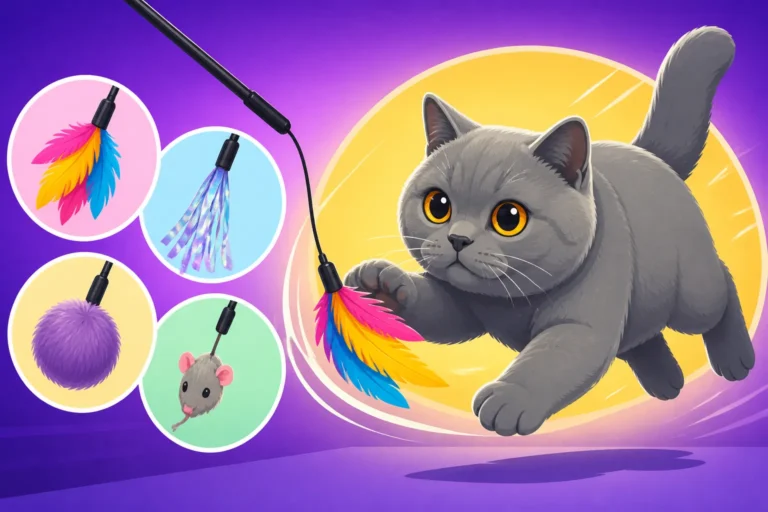
Think about interactive play too. Using a wand toy, also easily found on Amazon, to engage them after a short hold can distract them and reinforce that good things happen when you interact. These positive associations are critical because it transforms an unpleasant experience into one that has a beneficial reward at the end. Play for a British Shorthair That Would Rather Not gives more ideas for engaging your low-energy friend.
Here's a quick comparison of common handling approaches:
| Handling Method | Cat's Perception (General) | British Shorthair Reaction (Likely) | Outcome (Typical) |
|---|---|---|---|
| Scoop & Support | Secure, stable, respected | Tolerated, might relax briefly, quick release | Builds trust, reduces scratching |
| Lifting by Armpits | Precarious, unsupported, vulnerable | Immediate squirming, scratching, vocalization | Increases fear of handling, damages trust |
| Forced Cuddles | Trapped, anxious, loss of control | Struggle, bite/scratch, avoidance in future | Cat avoids owner, fear of touch |
| Short, Rewarded Holds | Predictable, positive association | Increased tolerance over time, less struggle | Strengthens bond, makes handling easier |
| Ignoring Distress Cues | Unheard, disrespected | Escalation of attempts to escape (more scratching) | Creates resentment, damages trust, more injuries |
Remember, your British Shorthair is not being difficult for the sake of it. Their actions are driven by instinct and comfort. By understanding their unique needs and respecting their physical and emotional boundaries, you can ensure that your interactions are positive and free from frustrating scratches. This knowledge truly helps when considering Whether a British Shorthair Is Worth the Money and the care they require throughout their lifespan.
Disclaimer
This article is for general informational purposes only and does not constitute professional advice. Laws, prices and regulations vary by location and change over time. Consult a qualified professional for guidance on your specific situation.