Whether a British Shorthair Is Worth the Wait
It's a common dilemma, isn't it? You've fallen head over heels for the adorable, plush-coated British Shorthair, perhaps after seeing a photo online or meeting one in person. Then you start looking for a kitten, only to discover that reputable breeders often have waitlists stretching months, sometimes even a year or more. This guide is here to help you navigate that frustrating reality and determine if enduring that significant wait is truly worth it for the right British Shorthair companion.
The Allure of the British Shorthair: Why the Demand is High
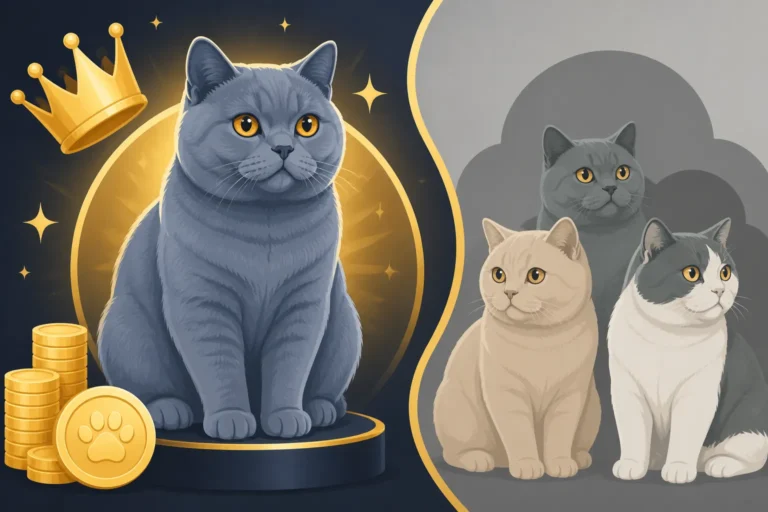
Let's be honest, there's something utterly captivating about a British Shorthair. Their round faces, wide-set eyes, and dense, plush coats give them an undeniable teddy bear charm. This isn't just about superficial cuteness, though; their temperament is equally a huge draw, making them incredibly popular pets. When you're considering a wait, it's often these unique qualities that keep you holding out for one.
The British Shorthair Temperament That Steals Hearts
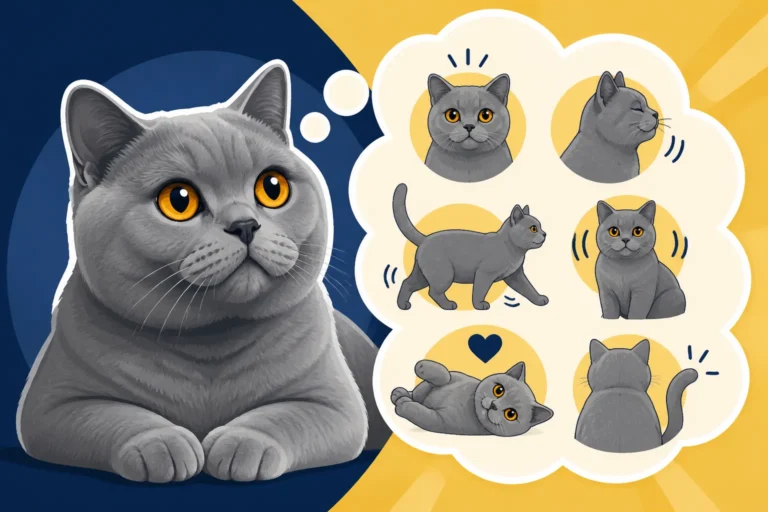
One of the primary reasons people are willing to wait so long for a British Shorthair is their renowned personality. They are typically calm, even-tempered, and wonderfully adaptable. Unlike some more boisterous or demanding breeds, a British Shorthair generally isn't going to be climbing your curtains or tearing through the house in a nightly zoomie session. They appreciate a quiet, stable environment and are often described as "mellow." This makes them fantastic companions for families, seniors, or anyone with a busy lifestyle who still wants an affectionate pet.
They're not typically "lap cats" in the clingy sense, but they do love to be near you. You'll often find them curled up on the sofa next to you, perhaps on a nearby chair, or even just a few feet away, content to observe your activities. They show their affection in subtle ways – a gentle head-butt, a slow blink, or simply choosing to be in the same room. This independent yet devoted nature means they can be A British Shorthair Is Genuinely Fine on Its Own for periods, making them suitable for owners who work full-time, without suffering from extreme separation anxiety. Their quiet demeanor and tendency to express affection without being overly demanding are truly endearing qualities that many prospective owners seek out. How Affectionate a British Shorthair Is covers this in more detail.
That Iconic Teddy Bear Look and Plush Coat
Beyond their charming personality, the British Shorthair's appearance is undeniably iconic. Their round, chubby cheeks, often referred to as jowls in males, combined with their large, expressive eyes and a sturdy, cobby body, create that irresistible "teddy bear" aesthetic. This look is a defining characteristic of the breed and is a significant factor in their popularity. People often specifically seek out this particular appearance, which is consistently bred for by reputable catteries.
Then there's that incredible coat. It's short, dense, and feels almost like velvet or a thick rug. Unlike many shorthaired breeds, their fur stands away from their body, contributing to their solid, rounded appearance. This unique texture and density are part of what makes them so tactile and appealing. While they do shed, especially during seasonal changes, their grooming needs are generally manageable, requiring regular combing rather than intensive daily sessions. What a British Shorthair's Coat Is Like goes into great detail about this unique texture. The breed standard emphasizes the rounded head and often copper eyes, which many find incredibly striking, giving them a wise and gentle expression that perfectly complements their calm nature. The Round Head and Copper Eye a British Shorthair Is Judged On provides a deeper dive into these specific breed traits.
The Realities of British Shorthair Ownership: Beyond the Cute Photos
While the adorable looks and calm temperament are certainly compelling, a British Shorthair is a living creature with needs and potential costs that extend far beyond the initial purchase price. Understanding these realities is crucial in determining if the wait is truly worth it for you. It's not just about getting a kitten; it's about committing to a companion for their entire life.
The Financial Commitment Beyond the Initial Purchase
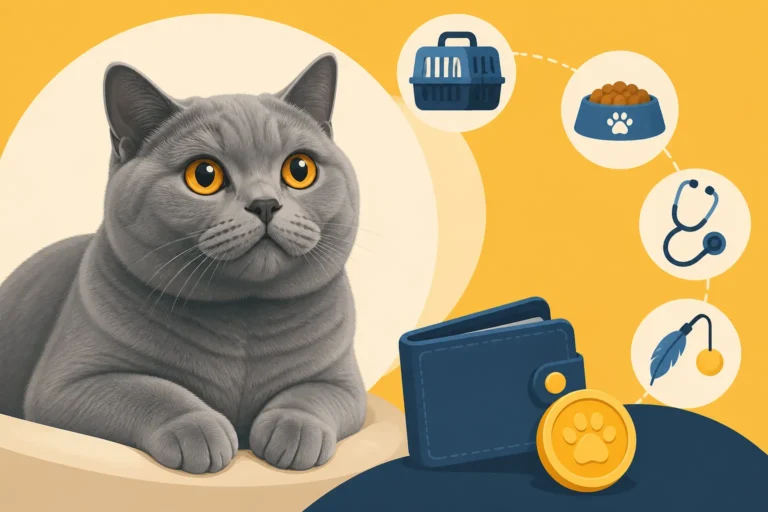
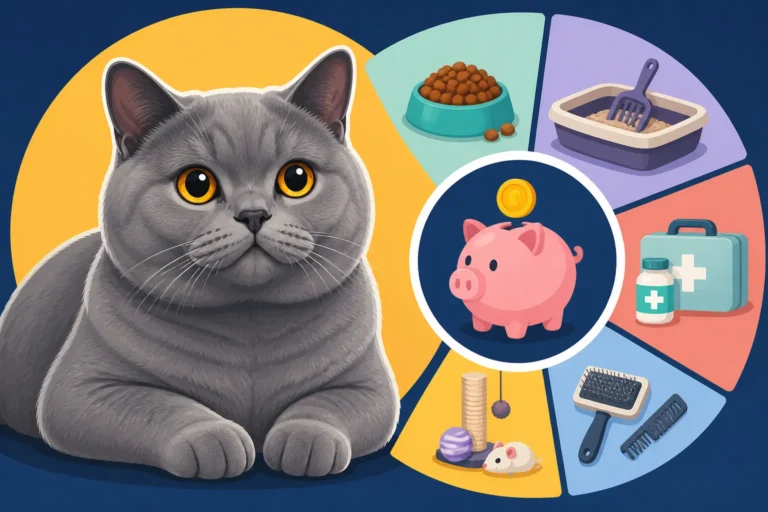
The initial price of a British Shorthair kitten from a reputable breeder can be a significant investment, often reflecting the breeder's dedication to health screening, quality care, and proper socialization. However, that's just the beginning. The ongoing costs of owning a British Shorthair are what truly add up over their lifetime. You'll need quality food, regular veterinary check-ups, vaccinations, parasite prevention, and various supplies like litter, toys, and grooming tools.
Consider food, for example. British Shorthairs have a tendency towards Obesity Is the British Shorthair's Real Disease if not managed carefully, so a high-quality, portion-controlled diet is essential. This might mean investing in premium foods, potentially even prescription diets later in life, which can be more expensive than generic brands. A well-stocked pantry from a retailer like Chewy can help manage these costs by offering bulk options or subscription services. Beyond the basics, there are unexpected vet visits, emergency care, and potentially specialized treatments for age-related conditions. What a British Shorthair Costs to Buy in 2026 and What the First Year With a British Shorthair Costs break down these financial aspects in detail, giving you a clearer picture of the investment involved. It's vital to budget for these expenses because the love and companionship they offer are priceless, but their care certainly isn't.
Lifetime Care and Potential Health Considerations
British Shorthairs are generally a healthy breed, often living The Twelve to Seventeen Years a British Shorthair Gets, but like all purebreds, they are predisposed to certain genetic conditions. One of the most significant concerns for the breed is Hypertrophic Cardiomyopathy (HCM), a heart condition. Unfortunately, HCM in a British Shorthair Has No DNA Test, which means reputable breeders rely on regular echocardiogram screenings by a board-certified veterinary cardiologist to monitor their breeding cats. This ongoing screening is an additional cost that a responsible owner might incur if they choose to continue monitoring their pet's heart health, or something that a breeder has already invested in to provide you with a healthier kitten.
Another common issue, as mentioned, is obesity. Their calm nature and love for food can quickly lead to weight gain, which in turn can lead to other health problems like diabetes, arthritis, and liver issues. Caring for a British Shorthair Past Ten often involves managing these age-related conditions, which can involve prescription medications, special diets, and more frequent vet visits. Having pet insurance, perhaps from a provider like Healthy Paws, can be an absolute lifesaver when dealing with unexpected illnesses or chronic conditions. It can help alleviate the financial burden of expensive diagnostics, treatments, and ongoing care, allowing you to focus on your cat's well-being without crippling debt.
Grooming and Daily Needs of a British Shorthair
Despite their plush coats, British Shorthairs are relatively low-maintenance in terms of grooming. Their short, dense fur resists matting well, but regular combing is still essential, especially during shedding seasons. A British Shorthair's Coat Stands Away From Its Body gives them a robust look, but it also means loose fur can get trapped within the dense undercoat. A good metal comb, rather than a brush, is often recommended to get down to the undercoat and remove dead hair effectively. Why a Comb Beats a Brush on a British Shorthair explains this in detail.
Beyond coat care, their nails need regular trimming, their ears should be checked periodically for cleanliness, and dental hygiene is crucial to prevent periodontal disease. While they are generally independent, they still thrive on interaction, playtime, and a stimulating environment. Although they might not be as acrobatic as some breeds, they benefit from interactive toys, puzzle feeders, and designated scratching posts to keep them mentally and physically engaged. Meeting these daily needs consistently contributes to their overall health and happiness throughout their life.
Navigating the Wait: Finding a Reputable Breeder
The long waitlist for a British Shorthair often stems from the fact that ethical, responsible breeders simply cannot produce kittens quickly. They prioritize the health and well-being of their breeding cats, ensure proper socialization for kittens, and adhere to strict breeding standards. Understanding this process is key to navigating the wait and ultimately acquiring a healthy, well-adjusted cat.
Finding a Reputable British Shorthair Breeder
This is perhaps the most critical step in your journey. A reputable breeder will not only have a waiting list, but they will also be transparent about their practices, health testing, and the lineage of their cats. They will be registered with recognized cat associations and follow their guidelines for ethical breeding. Look for breeders who openly discuss their health screening protocols, especially for conditions like HCM and Polycystic Kidney Disease (PKD), and who can provide documentation for their breeding cats.
A good breeder will also ask you a lot of questions about your home, lifestyle, and experience with cats. This isn't an interrogation; it's them ensuring their kittens go to suitable, loving homes. They'll be a fantastic resource throughout your cat's life, offering advice and support. Don't be afraid to ask for references from previous buyers or to see where the kittens are raised. Which Questions to Ask a British Shorthair Breeder can help you prepare for these important conversations and ensure you're dealing with someone trustworthy and committed to the breed's welfare.
Understanding Waitlists and Deposits
When you contact a reputable breeder, you'll likely be placed on a waiting list. This wait can vary significantly based on the breeder's popularity, the number of breeding cats they have, and the colors or genders you're looking for. For example, a "British Blue" is incredibly popular, and the How Long a Blue British Shorthair Waitlist Runs can sometimes be longer than for other colors. Be prepared to pay a non-refundable deposit to secure your place on the list or to reserve a specific kitten once one becomes available.
This deposit isn't just a fee; it signals your serious intent and helps the breeder manage their future litters. It ensures they are placing kittens with genuinely committed individuals. While waiting can be frustrating, it's a testament to the breeder's dedication to responsible practices and not rushing their breeding program. Embrace the wait as an opportunity to further research the breed, prepare your home, and gather all the necessary supplies for your future feline companion.
Avoiding Shortcuts and Questionable Sources
The temptation to bypass the long wait by looking for readily available kittens, especially those advertised at suspiciously low prices, can be strong. However, this is where many prospective owners run into significant problems. "Backyard breeders" or kitten mills often cut corners on health screening, proper nutrition, and socialization, leading to cats with genetic health issues, behavioral problems, or both. Why a British Shorthair Under a Thousand Is a Warning article outlines the serious risks associated with such purchases.
These sellers often prioritize profit over animal welfare, leading to kittens that may not truly be purebred British Shorthairs, or worse, come with hidden medical conditions that will cost you far more in vet bills than any initial savings. You might end up with a cat that doesn't have the characteristic temperament or appearance you fell in love with, and tragically, a cat that suffers from preventable illnesses. The initial "shortcut" can turn into a long, expensive, and heartbreaking journey. Patience is a virtue when it comes to finding a healthy and happy British Shorthair.
Making the Decision: Is the Wait for a British Shorthair Right for You?
Ultimately, the decision of whether a British Shorthair is "worth the wait" comes down to your priorities, your lifestyle, and your understanding of the commitment involved. It's about matching your expectations with the realities of owning this wonderful breed.
Temperament and Lifestyle Fit
Consider your household dynamics. If you're looking for an extremely active, boisterous, or constantly demanding cat, a British Shorthair might not be the best fit, and the wait might lead to disappointment. They thrive in quieter environments where they can observe and interact on their own terms. If you have children, they tend to be tolerant and patient, but prefer respectful interactions over being constantly handled or carried. Their calm nature makes them excellent family pets for households that appreciate a serene companion. How Well a British Shorthair Suits a First Time Cat Owner can help you determine if their typical temperament aligns with your experience level and expectations.
The good news is that they are generally very adaptable. They can thrive in apartments or larger homes, as long as they have a stable routine and plenty of comfortable sleeping spots. Their low-energy nature means they don't necessarily need a sprawling garden, but they do enjoy window perches and a few well-placed cat trees, though they aren't usually avid climbers.
The Long-Term Relationship
When you decide to wait for a British Shorthair from a reputable breeder, you're not just waiting for a kitten; you're investing in a potential 12 to 17-year relationship. This means committing to their health, happiness, and well-being for their entire lifespan. The upfront cost and the wait are small fractions of the total commitment. The "worth" truly comes from the years of companionship, quiet affection, and the unique joy these cats bring.
It's about having a beloved family member who will greet you with a soft purr, keep you company while you read, and offer a comforting presence in your home. This long-term perspective is crucial. If you're prepared for the responsibilities that come with a decade-plus commitment, then the initial hurdles of cost and wait time fade in comparison to the enduring bond you'll form.
Weighing the Pros and Cons of Patience
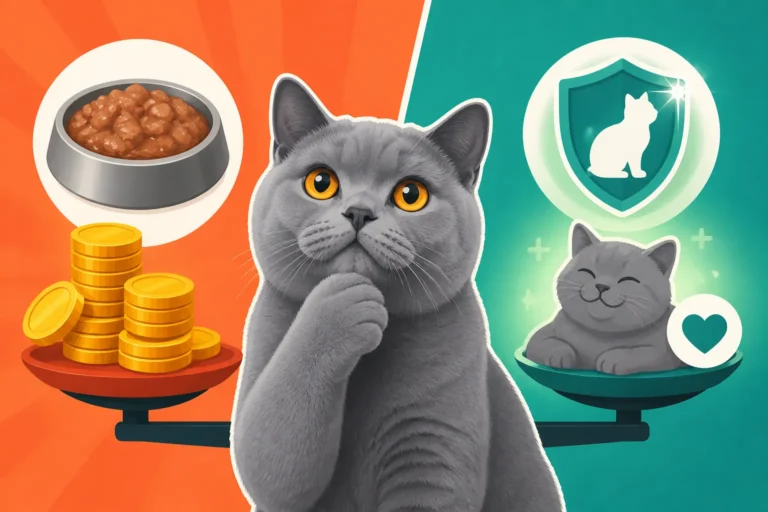
To help summarize, let's look at the trade-offs between waiting for a responsibly bred British Shorthair and trying to rush the process. This isn't just about money; it's about peace of mind, health, and the overall experience of welcoming a new family member.
| Factor | Instant Gratification (e.g., questionable source, less wait) | Patient Pursuit (reputable breeder, long wait) |
|---|---|---|
| Initial Cost | Potentially lower, but often comes with hidden future costs from health issues. | Generally higher, reflecting significant breeder investment in health testing and quality care. |
| Health Assurance | Unknown health background; high risk of inherited diseases like HCM or PKD. | Higher likelihood of sound health due to extensive health screening of parents. |
| Temperament | Unpredictable; potentially not true to calm, affectionate breed standards. | Stable, well-socialized, and true to the gentle, independent British Shorthair traits. |
| Support | Little to no breeder support post-purchase; you're on your own. | Ongoing breeder support, guidance, and a lifelong resource for questions. |
| Ethical Impact | Unknowingly supports irresponsible breeding practices and potentially poor animal welfare. | Supports ethical breeding, breed preservation, and responsible animal husbandry. |
| Overall Value | Short-term gain of getting a kitten faster, often leading to long-term heartache, stress, and significant vet expenses. | Long-term joy and peace of mind, fewer unexpected surprises, a healthier, happier, and well-adjusted cat. |
When you look at it this way, the wait isn't just about securing a kitten; it's about securing a healthy, well-socialized, and ethically bred companion who will bring immense joy to your life for many years. Many British Shorthair owners will tell you, without hesitation, that the wait was absolutely worth it. The anticipation only makes bringing home your perfect plush-coated friend all the sweeter.
Disclaimer
This article is for general informational purposes only and does not constitute professional advice. Laws, prices and regulations vary by location and change over time. Consult a qualified professional for guidance on your specific situation.