Whether a Copper Eyed British Shorthair Costs More
It’s a common thought when you’re looking at those stunning photos of British Shorthairs online, especially those classic blue ones with their intense, piercing copper eyes. You might wonder, "Does that specific eye color add to the price tag? Am I going to pay more for a British Shorthair with those coveted copper peepers?" It’s a completely fair question, because when you’re investing in a purebred cat, every detail seems to hold weight. This guide will help you understand how eye color plays into the overall cost and what truly drives the price of these magnificent feline companions.
Understanding British Shorthair Pricing Beyond Eye Color
When you're embarking on the journey to bring a British Shorthair into your home, it's natural to be curious about the financial investment. So many factors come into play, and it’s rarely just one aesthetic trait that dictates the cost. While a beautiful pair of copper eyes is undeniably captivating, they are typically a characteristic inherent to certain coat colors and breed standards, rather than an "upgrade" that increases the price on their own.
The Core Factors That Drive British Shorthair Costs
The price of a British Shorthair is a complex tapestry woven from several threads, far more significant than just the shade of their eyes. At the top of the list is the reputation and experience of the breeder. A dedicated, ethical breeder invests heavily in their lines, ensuring the health, temperament, and genetic diversity of their cats. This includes extensive health screening, proper nutrition, early socialization for kittens, and top-notch veterinary care for their breeding adults and litters. These breeders often participate in shows, proving their cats meet the stringent breed standard, and they are usually transparent about their practices and costs.
Another huge factor is health testing. This is paramount. Reputable breeders will screen for genetic conditions prevalent in the breed, such as Hypertrophic Cardiomyopathy (HCM) and Polycystic Kidney Disease (PKD). They will provide documentation of these tests for both parents, demonstrating their commitment to producing healthy kittens. This level of preventative care is costly but invaluable, as it helps mitigate the risk of serious health issues down the line. You'll often find breeders discussing the importance of What a British Shorthair Breeder Should Have Tested or The Yearly Echo That Replaces a British Shorthair Gene Test. The breeder’s location, the cat’s pedigree, and whether the cat is being sold as pet quality (no breeding rights) or show/breeding quality will also significantly influence the price. Show quality cats, naturally, command a premium due to their closer adherence to the breed standard, which includes everything from head shape to tail length, and yes, eye color.
Why Eye Color is More About Breed Standard Than Price Tag
Think of eye color not as an optional add-on, but as a crucial component of the "package" for certain British Shorthair varieties. For many solid-colored British Shorthairs – particularly the famous blues, but also lilacs, chocolates, and blacks – the breed standard calls for deep copper or gold eyes. It's an expected trait, a hallmark of the classic British Shorthair look. Therefore, a breeder isn't typically "charging extra" for copper eyes; they're simply producing cats that meet the standard for that particular color.
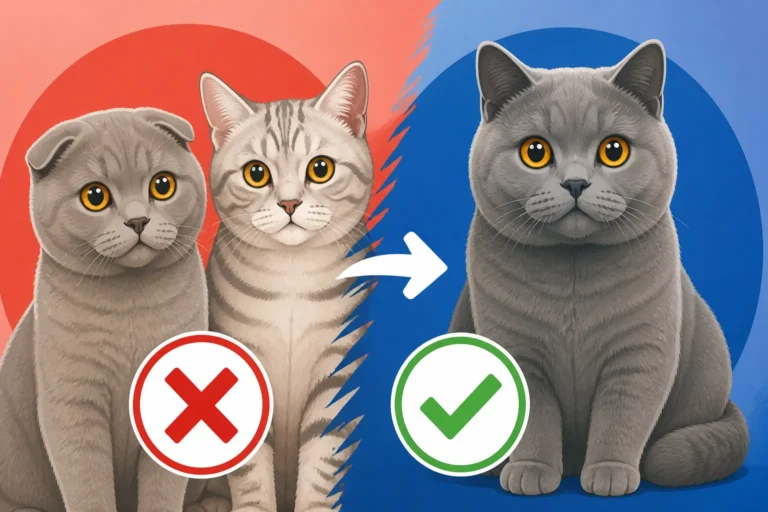
A kitten with a less intense or incorrectly colored eye for its coat (e.g., green eyes on a blue solid, which should have copper) might be considered "pet quality" rather than "show quality." While this doesn't diminish the cat's value as a beloved companion, it means it wouldn't fare well on the show bench, and thus its price might be lower than a show-quality kitten, not higher. The point here is that the desired eye color is intrinsic to the breed's aesthetic standard for specific colors, not a luxury upgrade. If you’re truly looking for a cat that fits the traditional British Shorthair ideal, then those copper eyes are simply part of the package you’re seeking.
The Allure of Copper Eyes in British Shorthairs
The deep, luminous copper eyes are one of the most striking features of many British Shorthairs, contributing significantly to their iconic "teddy bear" expression. It’s this captivating gaze, often paired with their plush coats and round faces, that draws so many people to the breed. Understanding which colors are supposed to have these eyes helps clarify why it’s not usually an additional cost.
Which Coat Colors Are Meant to Have Copper Eyes?
The classic British Shorthair, the one most people envision, is the solid blue. And with that magnificent blue coat, the standard dictates a pair of rich, deep copper or gold eyes. It’s a combination that creates a stunning contrast and gives the cat a wise, gentle, yet regal look. But it’s not just the blues! Many other solid colors also ideally feature these gorgeous copper eyes:
- Black British Shorthairs: Imagine a sleek, shiny black coat punctuated by two intense copper or gold orbs. It's truly breathtaking.
- Lilac British Shorthairs: This delicate, soft grey-pink coat beautifully complements deep copper eyes, giving them an almost ethereal quality.
- Chocolate British Shorthairs: The warm, rich brown tones of a chocolate British Shorthair pair exquisitely with vibrant copper eyes.
- Red and Cream British Shorthairs: These warmer-toned solid cats are also expected to have copper or gold eyes, which can look particularly stunning against their fiery or pastel coats.
For these solid colors, the copper eye isn't a rare mutation but a fundamental part of their recognized appearance. Breeders work diligently to achieve these specific color combinations, striving for the intensity and depth that makes the eyes truly pop. It’s part of what makes a British Shorthair a British Shorthair, particularly in the eyes of a show judge. The discussion of What a Blue British Shorthair Kitten Costs often comes with the implicit understanding that proper blue British Shorthairs will have the correct eye color.
Why a "Perfect" Eye Color Doesn't Necessarily Mean a Higher Price
It might sound counterintuitive, but a "perfect" copper eye on a British Shorthair doesn't usually result in a higher price for a pet kitten. Why? Because an ethical, responsible breeder aims to produce kittens that adhere as closely as possible to the breed standard. This means that a healthy, well-bred solid blue British Shorthair kitten should develop those deep copper eyes as it matures. It's an expected outcome of good breeding practices, not a rarity that warrants an upcharge.
Think of it this way: when you buy a premium car, you expect it to have all the standard features that define its class, like proper leather seats or a certain engine size. You don't pay extra for those specific features individually; you pay for the car that embodies the complete package. Similarly, a British Shorthair kitten from a reputable breeder is priced based on the breeder's overall investment in health, genetics, temperament, and adherence to the breed standard as a whole. If a kitten’s eye color isn't quite as intense or doesn’t fully mature to the deep copper expected, it might still be a wonderful pet, but it wouldn't be considered "show quality," and therefore might be priced as a pet quality kitten. This doesn't mean it's less healthy or less loving, just that it doesn't meet every single aesthetic criterion for the show ring.
When Eye Color Might Indirectly Influence Price (and Why It's Nuanced)
While a specific eye color itself usually isn't an "add-on" cost, it's undeniable that eye color plays a role in the overall assessment of a British Shorthair's quality. This is where the nuance comes in, particularly when distinguishing between a cat destined for the show ring versus one destined purely for cuddles on the sofa.
Show Quality vs. Pet Quality and Eye Color
This is the main area where eye color, alongside a myriad of other physical traits, can indirectly affect the price. A show-quality British Shorthair is one that closely conforms to the breed standard in every detail. This includes the roundness of their head, the plushness and density of their coat, the shortness and thickness of their tail, and, yes, the color and intensity of their eyes. For a solid blue British Shorthair, those deep, brilliant copper eyes are absolutely essential for a strong showing. If a breeder believes a kitten has the potential to be a show winner, they will price that kitten higher because of its overall exceptional quality and adherence to the standard, of which eye color is a significant part. You might find more detail on this in What a Show Quality British Shorthair Costs.
On the other hand, a pet-quality British Shorthair might have a slightly less intense eye color, perhaps more gold than true copper, or the shade might not be quite as uniform. Or perhaps their head isn't quite as round, or their coat not quite as crisp. These minor deviations from the ideal don't affect the cat's health, temperament, or its ability to be a loving companion. They simply mean the cat wouldn't likely win on the show bench. These kittens are typically priced lower than their show-quality siblings. So, while you're not paying extra for copper eyes on a pet-quality cat, you might be paying less if the eyes (or other features) aren't considered show-perfect. It's about the entire package, not just one feature.
Rare or Exotic Colors and Their Eye Color Expectations
It's also worth remembering that not all British Shorthairs are expected to have copper eyes. The breed comes in a stunning array of colors and patterns, and with those different patterns come different eye color expectations. For example:
- Silver Tabbies: These beautiful cats typically have green eyes, which contrast wonderfully with their silver and black markings.
- Colorpoints: These British Shorthairs, which have Siamese-like markings, will always have striking blue eyes.
- Golden British Shorthairs: Depending on the specific shade and pattern, these may have green or gold eyes.
When a breeder specializes in these less common or more intricate color patterns, their pricing might reflect the complexity of breeding for that specific combination, which includes the correct accompanying eye color. For instance, a breeder meticulously working to produce a show-quality silver shaded British Shorthair with brilliant green eyes isn't charging extra for the green eyes alone, but for the success in achieving that specific, intricate standard. The rarity of the overall color and pattern, including the correct eye color, could contribute to a higher price point than a more common solid color.
When considering the long-term health implications for any British Shorthair, regardless of color or eye shade, prospective owners often look into pet insurance. Companies like Healthy Paws offer various plans that can help manage unexpected veterinary costs, which is a much more significant financial consideration than the subtle nuances of eye color when purchasing your kitten.
Practical Advice for Buyers: Focusing on What Truly Matters
When searching for your British Shorthair companion, it's easy to get caught up in superficial details like eye color. While a gorgeous set of copper eyes is certainly appealing, there are far more critical factors that should influence your decision and ultimately, your investment. Focusing on these will ensure you bring home a happy, healthy, and well-adjusted feline friend.
What to Prioritize Over Eye Color When Buying
Let's be real: those stunning eyes are a beautiful bonus, but they won't cuddle you, entertain you, or stay healthy for years to come. Here's what should really be at the top of your checklist:
- Health Testing: This cannot be stressed enough. A reputable breeder will provide clear documentation of health screenings for both parents, including echocardiograms for HCM and DNA tests for PKD (if applicable to their lines) and sometimes Whether a DNA Test for British Shorthair Hemophilia Exists. This preventative screening significantly reduces the risk of heartbreaking and expensive genetic health problems later on. Asking about Which Tests the British Shorthair Health Panel Covers is crucial.
- Reputable Breeder: This encompasses so much. A good breeder prioritizes the health and well-being of their cats above all else. They will be knowledgeable about the breed, happy to answer all your questions, and transparent about their practices. They should provide a contract, health guarantee, and be available for support after you take your kitten home.
- Temperament and Socialization: British Shorthairs are known for their calm, affectionate nature, but individual personalities vary. Ensure the kittens are raised in a clean, stimulating home environment and are well-socialized. This means they are comfortable with human interaction, used to household noises, and generally confident. A well-socialized kitten is far more likely to integrate smoothly into your home. You can learn a lot by observing What a British Shorthair's Temperament Is Really Like.
- Veterinary Care: The kitten should have had its first vaccinations, deworming, and a vet check-up before coming home. You should receive a record of these.
- Contract and Guarantees: A clear contract outlining the terms of sale, health guarantees, and responsibilities of both parties is essential. This protects you and the breeder.
- Nutrition: Ask the breeder what they feed their cats. Good nutrition from a young age is foundational for lifelong health. Many owners choose high-quality foods, including fresh options, to ensure their British Shorthair thrives. A healthy diet contributes not only to overall vitality but also to the lustrous coat and clear, bright eyes that everyone admires. Understanding How Many Calories a British Shorthair Needs is a good start to ensure they don't become Obesity Is the British Shorthair's Real Disease.
Asking the Right Questions to Your Breeder
When you connect with a breeder, remember that you are interviewing them as much as they are assessing you. Don't be afraid to ask direct and detailed questions. Instead of focusing heavily on eye color, shift your queries to areas that truly impact the cat's health and your experience as an owner:
- "Can I see the health screening results for both parents, particularly for HCM and PKD?"
- "What is your philosophy on socialization, and how are the kittens raised?"
- "What do you feed your cats, and what are your recommendations for their diet?"
- "What kind of veterinary care have the kittens received?"
- "What is included in your sales contract and health guarantee?"
- "How long have you been breeding British Shorthairs?"
- "Can you tell me about the typical temperament of your lines?"
A good breeder will welcome these questions and be eager to demonstrate their commitment to their cats. They understand that a responsible buyer is looking for a healthy, happy companion, and they want to ensure their kittens go to knowledgeable homes. Don't feel pressured to make a quick decision. Take your time, do your research, and choose a breeder you feel comfortable and confident with. The right British Shorthair will bring you years of quiet joy, regardless of the precise shade of their copper eyes.
British Shorthair Eye Color and Pricing Considerations
Here's a quick overview to help clarify how eye color fits into the British Shorthair pricing puzzle:
| Trait Aspect | Typical Eye Color Expectation | Impact on Pet Price (Generally) | Impact on Show Price (Generally) | Key Considerations |
|---|---|---|---|---|
| Solid Blues/Lilacs/Chocolates/Blacks | Deep Copper/Gold Eyes | No direct increase; expected trait of a well-bred cat. | Essential for adherence to breed standard; contributes to higher show value. | Deviations from expected eye color could make a cat "pet quality." |
| Silver Tabbies/Shaded | Green Eyes | No direct increase; expected trait for the pattern. | Essential for adherence to breed standard; contributes to higher show value. | Intensity and clarity of green eyes are important for show. |
| Colorpoints | Blue Eyes | No direct increase; intrinsic to the colorpoint gene. | Essential for adherence to breed standard; contributes to higher show value. | Deep, vivid blue is preferred. |
| Odd-Eyed/Other Rare Eye Colors | Not standard for most coat colors | May be discounted if not meeting breed standard for pet sales. | Not usually show quality (unless specifically accepted for a particular pattern). | Rarity doesn't always equal higher value if it deviates from breed standard. |
| Overall Quality (Health, Temperament, Conformation) | Correct eye color is part of this overall quality | Primary drivers of pet pricing. | Dominant drivers of show/breeding pricing. | Focus on these over just eye color for a well-adjusted, healthy companion. |
Disclaimer
This article is for general informational purposes only and does not constitute professional advice. Laws, prices and regulations vary by location and change over time. Consult a qualified professional for guidance on your specific situation.