What a Colorpoint British Shorthair Costs
One of the most common questions I get asked, especially by folks falling in love with the striking visuals of a British Shorthair, is about their cost. It's a valid concern, because let's be honest, these aren't cheap cats! When you start narrowing it down to specific patterns like the Colorpoint British Shorthair, things can get even more complex and, frankly, expensive. This guide is going to peel back the layers on exactly what goes into the price tag of one of these beautiful, distinctive cats, helping you understand where your money is going and what to expect.
Understanding the "Colorpoint" in British Shorthair Pricing
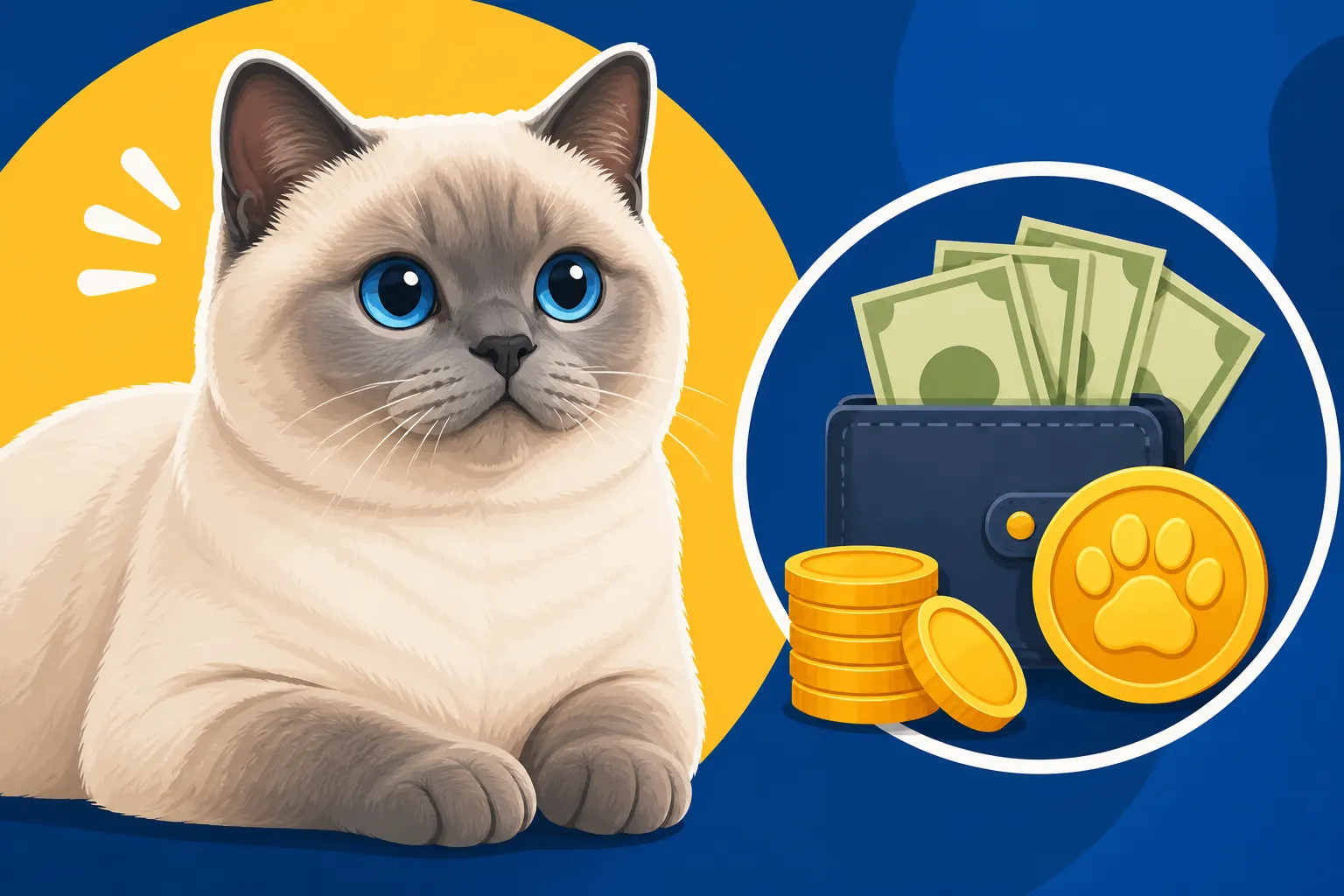
When you first lay eyes on a Colorpoint British Shorthair, you're usually captivated by their unique appearance. They have this incredible contrast: a light body with darker "points" – ears, face mask, paws, and tail – much like a Siamese. This isn't your everyday British Blue, and that distinctiveness often translates directly into the price. It's not just a coat color; it's a specific genetic expression that breeders work diligently to achieve and maintain.
What Makes a Colorpoint British Shorthair Unique?
The Colorpoint pattern, sometimes referred to as Himalayan pattern in other breeds, is caused by a temperature-sensitive gene. Essentially, the pigment only develops in cooler parts of the cat's body, which are typically the extremities. This means a Colorpoint British Shorthair kitten is often born entirely white or very pale, and their points gradually darken as they grow. It's a fascinating genetic trick! This pattern is a relatively newer addition to the British Shorthair breed standard compared to the solid blues or tabbies that have been around for generations. This novelty and the specialized breeding required to consistently produce quality Colorpoints can make them more sought after.
Think about it this way: when something is a little more "boutique" or requires more specific genetic planning, the cost naturally goes up. Breeders dedicate a lot of time and resources to ensure they are producing healthy kittens with the correct color and pattern. It’s not as simple as pairing two solid blue cats; there’s a deeper understanding of genetics at play to ensure the Colorpoint gene is present and expressed correctly without introducing undesirable traits. The goal is to produce a cat that not only has the stunning Colorpoint pattern but also retains the robust, cobby body, round head, and sweet temperament that are hallmarks of the British Shorthair breed.
How Colorpoint Varies from Traditional British Shorthair Colors
Most people envision a British Shorthair as a chunky, plush-coated "British Blue" cat. While blue is indeed iconic, the breed comes in a vast array of colors and patterns, including lilac, cream, black, chocolate, silver, golden, and various tabbies. The Colorpoint stands out from these because it’s not just a color, but a pattern overlay. You can have a blue Colorpoint, a lilac Colorpoint, a chocolate Colorpoint, and so on. The base color appears only on the points, with the body remaining a paler shade of that color, often creamy or ivory.
This visual departure from the "traditional" British Blue often positions the Colorpoint as more "exotic" or specialized in the eyes of potential owners. While a classic solid blue British Shorthair is beautiful and highly desirable, the Colorpoint offers a striking contrast that some find irresistible. Breeders who specialize in Colorpoints have often invested in specific lines to achieve this look, which can involve importing cats or careful lineage planning over many generations. This specialized focus, combined with the often higher demand for such a visually distinct cat, contributes to a higher price point compared to some of the more common solid or tabby patterns. It’s a niche within a niche, and that always affects cost. You're not just buying a British Shorthair; you're buying a specific artistic expression of the breed. For more on the variety, check out How Many British Shorthair Colors Exist in Total.
The Role of Eye Color and Pattern in Colorpoint British Shorthair Value
For a Colorpoint British Shorthair, the eyes are absolutely paramount. Unlike most other British Shorthair colors, which typically have intense copper or gold eyes, a true Colorpoint must have blue eyes. And not just any blue – we're talking about a vivid, deep blue that really pops against their facial mask. This characteristic is a non-negotiable part of the breed standard for Colorpoints. If a Colorpoint British Shorthair has green or amber eyes, it's considered a fault in the show ring and might indicate that it's not a pure Colorpoint or that its genetics aren't as robust.
Breeders strive for that perfect eye color, as it significantly enhances the overall appeal and value of the cat. Achieving consistently vibrant blue eyes alongside the correct point coloration and a strong British Shorthair type (that round head, cobby body, and plush coat) requires careful selective breeding. A Colorpoint kitten with weak or pale blue eyes, or worse, eyes that aren't blue at all, will likely be priced lower if sold as a pet, and certainly wouldn't be considered for show or breeding. A deep, soulful blue gaze can instantly elevate the perceived quality and, consequently, the cost of a Colorpoint British Shorthair. It's a subtle detail to some, but to a connoisseur or a dedicated breeder, it's everything. You can learn more about specific eye colors in the breed in Which Eye Colors a British Shorthair Has.
Breeder Reputation and Ethical Practices Drive Colorpoint Costs
It's tempting to look for a bargain when buying a cat, especially a specific breed like a Colorpoint British Shorthair. However, the old adage "you get what you pay for" couldn't be truer here. The price tag from a reputable, ethical breeder isn't just about the kitten; it's an investment in their health, temperament, and the preservation of the breed itself. These breeders pour their heart, time, and considerable financial resources into their cats, and that investment is naturally reflected in the price of their kittens.
The Importance of a Reputable Breeder for Colorpoint British Shorthairs
When you're searching for a Colorpoint British Shorthair, finding a reputable breeder is the single most important step you can take. These aren't just people who happen to have two cats that had kittens; they are dedicated individuals who understand the breed inside and out, from its unique characteristics to its potential health concerns. A good breeder will meticulously plan their litters, focusing on temperament, health, and adherence to the breed standard. They invest in high-quality food, excellent veterinary care, and an enriching environment for their cats and kittens. This level of care and commitment isn't cheap, and it's why their kittens carry a higher price tag. They're also usually associated with breed clubs, which demonstrates their commitment to upholding the breed's integrity.
A reputable breeder will also be transparent about the kitten's lineage and health history, providing documentation and answering all your questions openly. They'll also be there for you for the lifetime of your cat, offering advice and support. When you buy from such a breeder, you're not just getting a kitten; you're gaining a lifelong resource and peace of mind. They'll also ensure that the kitten is well-socialized, handled regularly, and accustomed to household noises, setting them up for a confident and friendly future in your home. It’s about more than just the color; it's about the entire foundation of the cat. The British Shorthair breed has a fascinating history, starting as working cats, as detailed in The British Shorthair Started as a British Street Cat, and reputable breeders work to maintain their inherent strengths.
Health Screening Specifics for Colorpoint Breeding
This is where a significant portion of a reputable breeder's costs, and therefore the kitten's price, comes from. British Shorthairs, like many purebred animals, can be predisposed to certain genetic health issues. An ethical Colorpoint British Shorthair breeder will conduct extensive health screenings on their breeding cats before they even consider mating them. This isn't just a basic vet check-up; it involves specific tests for conditions relevant to the breed.
For British Shorthairs, this typically includes screening for Hypertrophic Cardiomyopathy (HCM), a heart condition, often through regular echocardiograms performed by a veterinary cardiologist. While there isn't a DNA test for HCM in British Shorthairs like there is for some other breeds (see HCM in a British Shorthair Has No DNA Test), yearly echoes are crucial. They'll also test for Polycystic Kidney Disease (PKD), which can be inherited from their Persian ancestors (learn more in Polycystic Kidney Disease Came Into the British Shorthair With the Persians). Thankfully, there is a DNA test available for PKD, making screening more straightforward. Blood typing is another critical screening, especially if a breeder is working with specific bloodlines, as certain pairings can lead to a condition called Neonatal Isoerythrolysis, which can be fatal to kittens (read about this in Blood Type B and the British Shorthair Kittens It Kills). The costs of these tests, along with vaccinations, deworming, and routine veterinary care for the breeding cats and litters, add up quickly. These are essential investments to ensure you receive a healthy kitten and to reduce the likelihood of heartbreaking and expensive veterinary emergencies down the line. A truly responsible breeder will readily share these health certificates and test results with you. For a comprehensive overview, consider What a British Shorthair Breeder Should Have Tested.
The Hidden Costs of Poor Breeding Practices
On the flip side, you might stumble upon a Colorpoint British Shorthair kitten advertised at a surprisingly low price. This is a massive red flag. These cheaper kittens almost invariably come from backyard breeders or kitten mills who cut corners on health, nutrition, and socialization to minimize their costs and maximize profit. The initial savings you think you're getting are almost always dwarfed by the eventual veterinary bills and emotional toll.
Kittens from these unregulated sources are often not health-tested, meaning they could carry genetic predispositions to serious, costly illnesses like HCM or PKD. They might be poorly socialized, leading to behavioral issues that require expensive training or specialist intervention. They may also come to you with parasites, undetected infections, or have had inadequate vaccinations, all of which will require immediate and costly veterinary care. Imagine bringing home a sweet kitten only to find out a few months later it has a severe heart condition, requiring ongoing medication and specialized care that costs hundreds or thousands of dollars a year. Or perhaps it develops debilitating kidney disease prematurely. These are the hidden, heartbreaking costs of choosing a cheaper kitten. It's a gamble you simply shouldn't take, both for your wallet and for the well-being of the animal. Investing in a properly bred kitten saves you immense stress, time, and money in the long run.
Factors Influencing the Final Price Tag of a Colorpoint British Shorthair
The journey from a breeder's cattery to your home involves several layers of value assessment that ultimately determine the price of a Colorpoint British Shorthair kitten. It’s not a one-size-fits-all figure, and understanding these nuances will help you appreciate why prices vary so much.
Pedigree, Show Quality, and Breeding Rights
One of the primary drivers of cost is the kitten's pedigree and its potential. A kitten from a long line of champions, with parents who have achieved high titles in cat shows, will naturally command a premium. This is because that pedigree signifies proven quality, adherence to the breed standard, and often, exceptional temperament. These are cats that have been judged by experts to embody the ideal British Shorthair traits.
Breeders categorize kittens into a few tiers:
- Pet Quality: These kittens are perfectly healthy, beautiful examples of the breed, but they might have a minor trait that isn't ideal for the show ring (e.g., a slightly less round head, a specific point color that isn't quite as dark as preferred, or a slight variation in eye color intensity). They are sold with a spay/neuter contract, meaning they are intended solely as companions. This is the most common and typically the lowest price point for a reputable breeder.
- Show Quality: These kittens are considered excellent examples of the breed and have the potential to do well in cat shows. They meet the breed standard exceptionally well. They might be sold with a show contract, requiring the new owner to campaign them. These are more expensive than pet quality kittens, even if sold with a spay/neuter clause.
- Breeding Rights: If a breeder decides to sell a kitten with breeding rights, meaning the new owner can use the cat for breeding, the price will be significantly higher – often double or more. This is because the breeder is selling not just a cat, but its genetic potential and contribution to future generations. These rights are usually only sold to other established, reputable breeders, rarely to first-time owners. Understanding these distinctions is key to deciphering the price variations. For a closer look, consider What Separates a Pet From a Show British Shorthair.
Geographic Location and Demand
Just like real estate, the cost of a Colorpoint British Shorthair can be influenced by where you live. Prices can vary significantly from one region or country to another. In areas where British Shorthairs are particularly popular, or where there are fewer reputable breeders specializing in Colorpoints, demand can outstrip supply, pushing prices upwards. For example, a kitten in a major metropolitan area with high living costs might be priced higher than a kitten from a breeder in a more rural location.
Additionally, factors like the cost of living for the breeder, the availability of specialized veterinary services, and even local regulations can play a role. If a breeder needs to travel long distances for specialized health screenings or import rare genetic lines to improve their Colorpoint program, these costs will be factored into the kitten's price. Researching breeders in different regions can give you an idea of the average prices, but always prioritize reputation and ethics over proximity or a slight price difference. Sometimes, traveling a bit further for a truly exceptional and healthy kitten is well worth the effort.
Age and Gender of the Colorpoint Kitten
While less of a dramatic price differentiator than pedigree or show potential, the age and gender of a Colorpoint British Shorthair can sometimes influence its cost. Kittens are almost always more expensive than adult cats. Most reputable breeders will sell their kittens between 12-16 weeks of age, after they've had their full course of vaccinations, been spayed or neutered (for pet quality kittens), and fully socialized. Older kittens or young adult cats who might be retiring from a breeding program are sometimes available at a reduced adoption fee. These adults often make wonderful, calm companions and can be a fantastic option for someone who wants to bypass the energetic kitten phase.
As for gender, for pet-quality kittens, the price difference between a male and a female is usually negligible. However, if a breeder is offering a cat with breeding rights, a female (queen) might be priced higher due to her potential to produce multiple litters, or a male (stud) if he carries highly desirable traits and lines. But for the vast majority of people looking for a companion animal, gender won't significantly impact the cost. Focus on finding a kitten or cat with a temperament that suits your lifestyle rather than seeking a specific gender for cost savings.
Beyond the Purchase Price: Long-Term Costs of Owning a Colorpoint British Shorthair
Bringing home a Colorpoint British Shorthair is more than just the initial purchase price. These magnificent cats can live for many years, and their ongoing care represents a significant financial commitment. It's crucial to budget for these continuous expenses to ensure your feline friend lives a happy, healthy life. Thinking about Fifteen Years of a British Shorthair, Priced Out really puts it into perspective.
Initial Setup Costs for Your New Colorpoint Companion
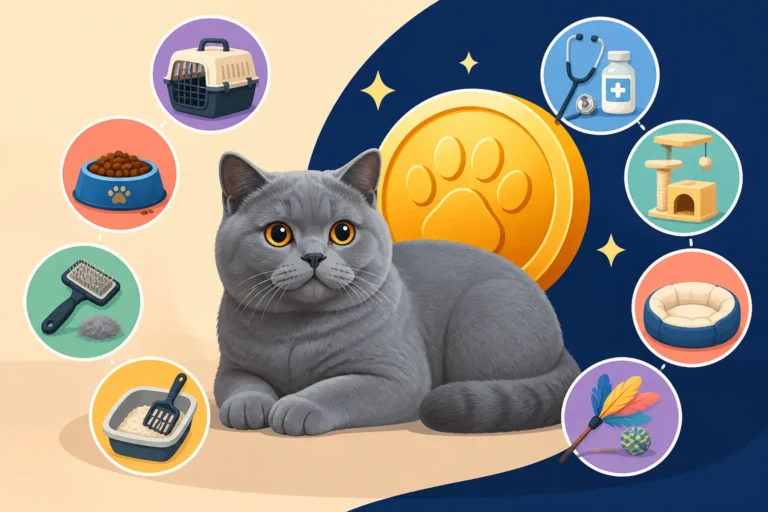
Once you've paid for your gorgeous Colorpoint British Shorthair kitten, your wallet isn't quite done. There's an array of essential items you'll need to purchase to get your home ready for their arrival. This initial setup includes things like:
- Food and Water Bowls: Opt for sturdy, non-plastic bowls (ceramic or stainless steel are best) that won't harbor bacteria.
- Litter Box and Litter: Given their size, British Shorthairs need a large, easily accessible litter box. You'll also need a supply of high-quality litter.
- Bedding: A comfy bed or two, perhaps a cozy cave bed, will give your BSH a place to feel secure and snooze.
- Scratching Posts/Trees: British Shorthairs love a good scratch, and providing appropriate options helps protect your furniture. Look for sturdy, heavy ones that won't tip over.
- Carrier: An essential for vet visits and safe travel. Make sure it's large enough for your BSH to stand and turn around comfortably.
- Toys: While BSH can be laid-back, they still need enrichment. Wand toys, puzzle feeders, and soft toys are great.
- Grooming Tools: A good quality steel comb is a must for their dense coat.
- Initial Vet Visit: Even if your kitten came fully vaccinated, a first check-up with your own vet is vital to establish a health baseline and ask any questions.
- Vaccinations & Microchipping: Ensure all boosters are up to date and your new companion is microchipped for identification.
Many of these items can be found at pet supply stores or online retailers like Chewy, which offers a vast selection. While some costs are one-off, like the carrier, others, like food and litter, will be recurring. These initial costs can easily add a few hundred dollars to your initial investment, so factor them in. For a full breakdown of first-year expenses, check out What the First Year With a British Shorthair Costs.
Ongoing Care and Health Maintenance
The purchase price is just the entry ticket; the real financial commitment comes with the day-to-day and yearly care of your Colorpoint British Shorthair. Their health and happiness depend on consistent, quality care, which naturally has an associated cost.
- Food: High-quality cat food is paramount. British Shorthairs are prone to obesity, so a balanced diet is crucial. Always opt for food that supports their specific needs, especially if they are on a weight management plan.
- Litter: This is a continuous expense. Depending on the type of litter you choose and the number of litter boxes, this can add up monthly.
- Routine Veterinary Care: Annual check-ups are non-negotiable. These visits typically include a physical exam, booster vaccinations, and sometimes routine blood work, especially as they age. Early detection of any health issues can save significant costs down the line.
- Grooming: While British Shorthairs are relatively low-maintenance groomers, regular combing is essential to prevent mats and reduce shedding. You might also need nail trims, ear cleaning, and occasional dental care.
- Pet Insurance: This is where many owners find peace of mind. A robust pet insurance policy can be a lifesaver for unexpected illnesses or accidents. Companies like Healthy Paws offer comprehensive plans that can help offset the cost of emergency vet visits, surgeries, or ongoing treatments for chronic conditions. Given British Shorthairs can live a good The Twelve to Seventeen Years a British Shorthair Gets, having insurance for their entire lifespan can be a smart financial move, protecting you from potentially crippling vet bills. Even with the best breeding, accidents and age-related ailments can occur.
Planning for the Lifespan of Your British Shorthair
A Colorpoint British Shorthair, if well cared for, can be a cherished companion for well over a decade, often living 12 to 17 years. This means you are signing up for a long-term commitment that extends far beyond their cute kitten phase. As your British Shorthair ages, their needs will change, and often, so will the associated costs.
- Senior Care: Just like humans, senior cats often require more frequent vet visits, specialized diets, and sometimes medication for age-related conditions like arthritis, hyperthyroidism, or kidney issues. Caring for a British Shorthair Past Ten outlines many of these considerations. These can include joint supplements, pain management, prescription foods, or even more advanced diagnostic tests.
- Emergency Fund: It's always a good idea to have an emergency fund specifically for your cat. Even with insurance, there might be deductibles or co-pays, or conditions not fully covered. A few thousand dollars set aside can provide immense comfort should a sudden illness or injury strike.
- Lifestyle Adjustments: As they get older, your British Shorthair might become less active, require ramps to reach high places, or need softer bedding. These small adjustments also contribute to their overall care and comfort, and while individually minor, they add up over time.
Considering the full lifespan, the cost of a Colorpoint British Shorthair truly is a long-term investment in companionship, health, and happiness. It’s a rewarding journey, but one that requires careful financial planning.
| Cost Category | Initial Purchase Range (Estimate, check breeders for current figures) | Ongoing Monthly/Annual Costs (Estimate) | Notes |
|---|---|---|---|
| Kitten Price | Varies widely by breeder, location, pedigree, and quality | N/A | High-end Colorpoint British Shorthairs from reputable breeders will be on the upper end of the scale due to specialized genetics, health testing, and pedigree. Lower prices are a red flag. |
| Initial Setup | Varies, usually a few hundred dollars | N/A | Includes carrier, litter box, bowls, initial toys, scratching post, first vet visit, vaccinations, microchip. |
| Food (High Quality) | N/A | Varies, typically $40-$100+ per month | British Shorthairs are prone to obesity; quality, portion-controlled food is key. Prices vary significantly based on brand and type (wet/dry). |
| Litter | N/A | Varies, typically $20-$40 per month | Depends on type, brand, and number of cats. Larger litter boxes are recommended for BSH. |
| Routine Vet Care | N/A | Varies, typically $100-$300 per year | Annual check-ups, vaccinations. Does not include dental cleanings or unexpected illness. |
| Grooming Supplies | Varies, usually $30-$80 one-off for comb/clippers | Minimal ongoing, or $0 if DIY | Steel comb, nail clippers. British Shorthairs require minimal professional grooming unless neglected. |
| Pet Insurance | N/A | Varies, typically $25-$60+ per month | Highly recommended for British Shorthairs. Covers accidents and illnesses, can significantly offset costs for conditions like HCM or unexpected emergencies. Companies like Healthy Paws are popular choices. |
| Toys/Enrichment | N/A | Varies, typically $10-$30 per month | Even calm British Shorthairs need stimulation to prevent boredom and encourage activity. |
| Emergency Fund | N/A | Recommended to save $100-$200 per month | Crucial for unexpected emergencies or conditions not covered by insurance. A few thousand dollars saved up is a wise decision over their long lifespan. |
Disclaimer
This article is for general informational purposes only and does not constitute professional advice. Laws, prices and regulations vary by location and change over time. Consult a qualified professional for guidance on your specific situation.