What Adopting an Adult British Shorthair Costs
It’s a common misconception that adopting an adult cat, especially a purebred like a British Shorthair, is automatically a much cheaper alternative to buying a kitten. While the initial adoption fee might be lower than a breeder’s price tag, the reality of bringing an adult cat into your home, complete with their history, health needs, and established preferences, involves a nuanced financial landscape. This guide will walk you through the true costs involved in welcoming an adult British Shorthair into your family, helping you budget wisely and prepare for a fulfilling life together.
The Initial Adoption Fee: More Than Just a Number
When you decide to adopt an adult British Shorthair, the first thing you'll encounter is the adoption fee. This isn't just a random number; it's a reflection of the care, time, and resources invested in that particular cat before they even met you. Understanding what this fee entails and why it can vary so much is crucial for setting your expectations.
Why Adoption Fees Vary So Much for Adult British Shorthairs
The adoption fee for an adult British Shorthair from a reputable rescue or shelter can fluctuate quite a bit. You might see fees that range, sometimes surprisingly close to what a kitten might cost from a less scrupulous breeder. Several factors influence this. Firstly, the cat's age plays a role; very young adults (1-3 years old) are often in higher demand and may have slightly higher fees, reflecting their longer potential lifespan ahead. Older seniors, while still incredibly deserving, might have lower fees to encourage adoption.
Secondly, the cat's health status and known history are huge determinants. A British Shorthair that has already undergone extensive veterinary work, such as dental procedures, comprehensive blood panels, or specialized diagnostics, will naturally have had more resources poured into them. If the rescue has taken on the financial burden of managing a chronic condition, a portion of that might be reflected in the fee, though often it's still heavily subsidized. Temperament, too, can sometimes play a subtle part; a cat known to be particularly calm, affectionate, and well-socialized might be seen as a prime candidate for a busy family, and demand can influence the fee structure in certain organizations. Lastly, even in rescue, the purebred status of a British Shorthair means there's an inherent recognition of its breed value, which can nudge fees upward compared to a domestic shorthair.
What an Adoption Fee Typically Covers and What It Doesn't
A standard adoption fee for an adult British Shorthair from a legitimate rescue or shelter almost always includes a comprehensive package of initial veterinary care. This typically covers spaying or neutering, ensuring responsible pet ownership and preventing further unplanned litters. Vaccinations, including core feline vaccines and often rabies, will be up-to-date, providing vital protection against common diseases. Most rescues also microchip their cats, which is an invaluable tool for reunification if your beloved British Shorthair ever gets lost. Furthermore, an initial health check, deworming, and flea treatment are usually part of the deal, giving you a cat that's had a good baseline health assessment.
However, it’s important to understand that while comprehensive, these initial services might not cover every potential health issue. An adult British Shorthair, especially one with an unknown history, could be harboring undiagnosed conditions that might only become apparent later. For example, some may have early signs of heart disease like What HCM Does to a British Shorthair's Heart that haven't progressed enough to be easily detectable or treated within the standard rescue protocol. Similarly, dental issues, which are incredibly common in adult cats, might have received basic care but could require further, more extensive procedures down the line. Always ask what health records are available and what specific screenings, if any, have been performed, especially concerning breed-specific concerns. Rescues are usually very transparent about known conditions and any ongoing medical needs, which is a huge advantage over buying from an unknown source.
Immediate Needs After Bringing Your Adult British Shorthair Home
The adoption fee is just the beginning. Once your new British Shorthair walks through your door, there's a whole new set of expenses to consider for their immediate comfort and well-being. Think of it as setting up their personal kingdom, tailored to their mature needs.
Essential Supplies: Beyond the Basics for a Grown-Up Cat
Bringing home an adult British Shorthair means you'll need a different set of supplies than you might for a tiny kitten. Their substantial size and calm demeanor dictate specific needs. First on the list should be a generous litter box. These are not small cats, and a standard litter box might feel cramped, leading to avoidance issues. You’ll want something wide and spacious to accommodate their full body. For detailed guidance on this, consider reading Litter and Boxes for a Cat as Wide as a British Shorthair. Durable scratching posts or cat trees are also crucial. A flimsy, small scratching post won't withstand a large British Shorthair leaning into it, and you'll want something sturdy enough for them to truly stretch and satisfy their natural urges. Look for robust sisal or cardboard options that are tall enough for them to get a full vertical scratch.
Food and water bowls should be wide and shallow, especially the water bowl, to prevent whisker fatigue, which can be uncomfortable for cats. Since many British Shorthairs are prone to weight gain, investing in a good quality food dispenser that allows for measured portions can be a smart move from day one. Brands like Chewy offer a vast selection of these larger, more robust items, from extra-large litter pans to sturdy cat furniture, making it easy to find everything you need to set up a comfortable home environment. Don't forget a secure, adequately sized carrier for vet visits; a small kitten carrier simply won't do for a fully grown British Shorthair.
The Importance of a "Welcome Home" Vet Check
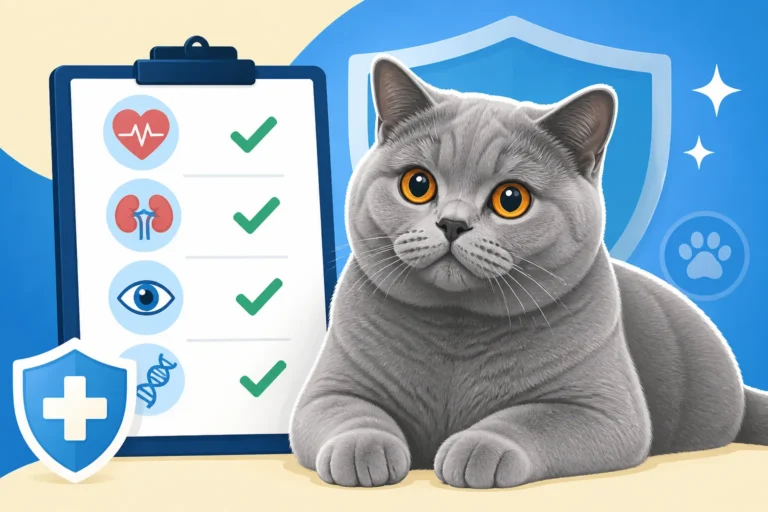
Even if your adult British Shorthair comes with a clean bill of health from the rescue, a "welcome home" vet check with your own trusted veterinarian is non-negotiable within the first week or two. This isn't just a formality; it's a critical step in establishing a baseline for your new companion's health and integrating them into your existing pet care routine. Your vet can perform a thorough examination, addressing any minor issues that might have been missed or have developed during the transition period. They can also discuss any known health history provided by the rescue and advise on appropriate preventative care.
The stress of moving to a new environment can sometimes suppress symptoms or exacerbate existing, underlying conditions. Your vet can assess for any stress-related issues, ensure their appetite and litter box habits are normal, and confirm that all vaccinations and parasite control are current. This visit also allows you to discuss nutrition, particularly if your British Shorthair is overweight or on the heavier side, which is a common concern for the breed. It’s also an excellent opportunity to talk about their temperament and integrate them smoothly into your household. For ongoing care, it's wise to plan for regular check-ups, as discussed in How Often a British Shorthair Needs a Wellness Exam, which helps catch any health changes early on.
Long-Term Health & Wellness: Unforeseen Costs
Adopting an adult British Shorthair means taking on a cat with a past, and sometimes that past includes health predispositions or existing conditions that will require ongoing management. These long-term health and wellness costs are often the most significant part of owning any pet, and British Shorthairs are no exception.
Ongoing Veterinary Care and Potential Hidden Conditions
Beyond the initial adoption vet check, ongoing veterinary care is a consistent and essential expense. This includes annual wellness exams, routine booster vaccinations, and regular parasite prevention. However, with an adult British Shorthair, you need to be particularly vigilant about breed-specific health concerns. For instance, British Shorthairs are genetically predisposed to conditions like Polycystic Kidney Disease (PKD) and Hypertrophic Cardiomyopathy (HCM). While many reputable rescues screen for these, some adult cats may develop symptoms later in life, making ongoing monitoring crucial.
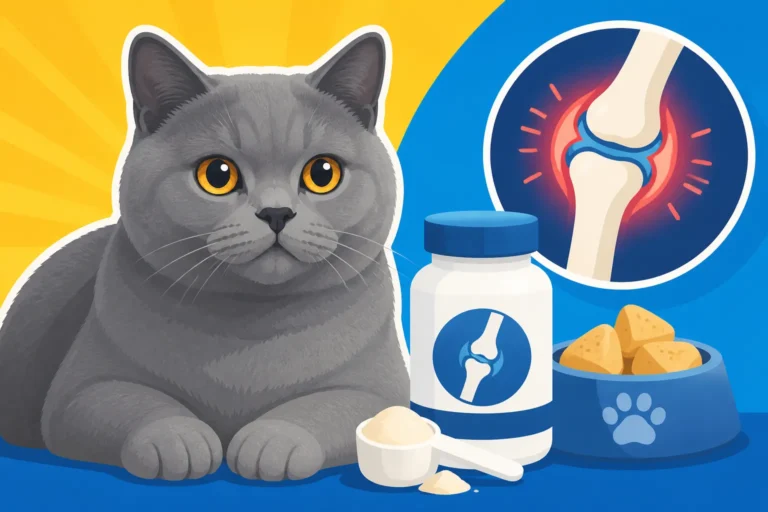
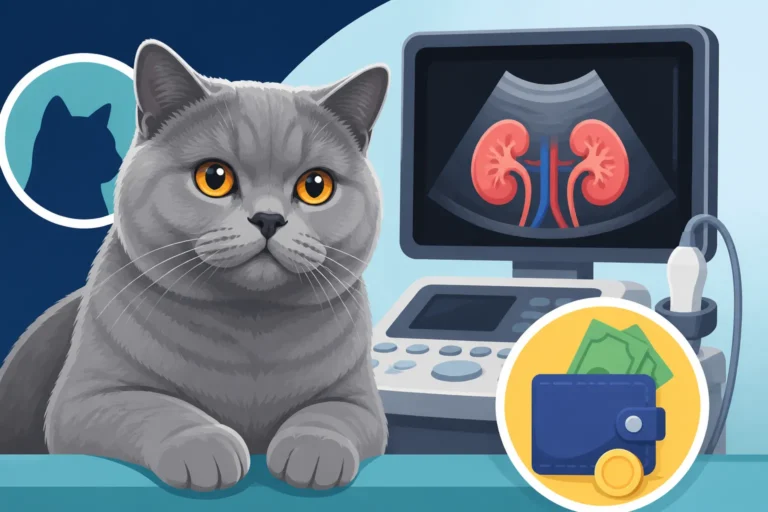
An adult British Shorthair might arrive with an undiagnosed heart murmur, or subtle signs of early Arthritis in an Older British Shorthair, which can manifest as reduced activity or stiffness over time. These conditions will require diagnostic tests, medication, and specialized care, which can become quite costly. Regular screenings, like an annual echocardiogram for HCM, are strongly recommended, especially once a British Shorthair reaches middle age. This proactive approach helps in early detection and management, potentially extending their lifespan and improving their quality of life. Detailed information on this can be found in The Yearly Echo That Replaces a British Shorthair Gene Test. It's about being prepared for the unexpected because even the healthiest adult cat can develop issues as they age.
Food, Glorious Food: Budgeting for a British Shorthair's Diet
Feeding a British Shorthair correctly is paramount to their long-term health, and it's an area where costs can fluctuate significantly. These cats are known for their hearty appetites and relatively sedentary lifestyles, making them incredibly prone to obesity. This means "free feeding" is almost always a recipe for disaster. Budgeting for high-quality, portion-controlled food is not just about nutrition; it's a preventative health measure.
You'll need to consider not just the brand, but the type of food. Many British Shorthair owners find that a wet food diet, or a mix of wet and dry, helps with satiety and hydration, while potentially aiding in weight management. Specialized prescription diets, perhaps for urinary health or weight loss, might be recommended by your vet if your British Shorthair develops specific issues. Fresh, human-grade food options could be considered by owners looking for premium quality, though these often come at a higher price point. Similarly, Chewy offers a wide range of veterinary prescription diets that might be necessary. It's not just about the bag price; it's about the appropriate caloric intake and nutritional balance for your cat. You might find that managing a British Shorthair's weight on a controlled diet can have its own costs, as detailed in What a British Shorthair Costs a Month on a Weight Diet, but it’s a vital investment in their well-being.
Insurance and Contingency Planning for Your Adult British Shorthair
Even with the best preventative care and a healthy diet, life happens. Accidents and illnesses can strike unexpectedly, and the costs associated with advanced veterinary medicine can be truly astronomical. This is where strategic financial planning, specifically pet insurance or an emergency fund, becomes invaluable for an adult British Shorthair owner.
Is Pet Insurance Worth It for an Adopted Adult?
Pet insurance can be a lifesaver, or at least a budget-saver, for adopted adult British Shorthairs. The primary benefit is the peace of mind it offers, knowing that if your cat experiences an unexpected illness or injury, you won't have to make heartbreaking decisions based purely on financial constraints. Policies typically cover a percentage of eligible veterinary bills after you meet a deductible. For an adult cat, this can be particularly beneficial as they are more likely to encounter health issues than a young kitten.
However, there's a crucial caveat: pre-existing conditions. Most pet insurance policies, including those from providers like Healthy Paws, will not cover conditions that were present or showed symptoms before the policy began or during a waiting period. This is why it's so important to thoroughly understand your adopted British Shorthair's health history from the rescue and discuss it with potential insurance providers. Even if a condition isn't officially diagnosed, if symptoms were noted, it could be deemed pre-existing. Despite this, insurance can still be incredibly valuable for new, unexpected ailments or accidents. It's worth comparing different plans and understanding what they cover and exclude. For a deeper dive into this topic, you might find Insuring a British Shorthair helpful.
Building an Emergency Fund for the Unexpected
Whether or not you opt for pet insurance, establishing an emergency fund specifically for your British Shorthair is a wise financial move. This fund acts as a safety net for those truly unexpected events or for costs that insurance might not cover. Think about it: a sudden urinary blockage, which male British Shorthairs can be prone to, or an emergency visit for a suspected ingestion of something toxic. These situations can rack up bills in the thousands very quickly.
An emergency fund also comes in handy for covering deductibles if you have insurance, or for procedures that aren't fully reimbursed. For instance, if your British Shorthair develops a saddle thrombus (a blood clot), which is a devastating complication of untreated heart disease, the immediate and intensive care required can be incredibly costly. Having funds set aside, even a few hundred or a couple of thousand dollars, means you can focus on your cat's care rather than stressing about the veterinary invoice. This kind of preparation can truly make a difference in a crisis. You can learn more about preparing for such serious health events in What a British Shorthair Owner Should Bank for a Clot.
| Cost Category | Initial (Adoption & Setup) | Ongoing (Monthly/Annually) |
|---|---|---|
| Adoption Fee | Yes | No |
| Vet Check & Initial Meds | Yes | No (covered by initial fee) |
| Core Supplies | Yes (litter box, carrier, bowls, toys) | No (replacements as needed) |
| Food & Treats | Yes (first bag/batch) | Yes (significant ongoing cost) |
| Litter | Yes (first bag) | Yes (significant ongoing cost) |
| Annual Vet Exams | No | Yes |
| Vaccinations | No (covered by initial fee/annual) | Yes (boosters as needed) |
| Parasite Control | No (covered by initial fee/annual) | Yes (monthly/quarterly) |
| Pet Insurance | No | Yes (monthly premium) |
| Emergency Fund | Recommended (build over time) | Yes (replenish as used) |
| Dental Care | No | Yes (potential annual cleanings, extractions) |
| Specialized Diets | No | Yes (if medically necessary, higher cost than standard food) |
| Medication | No | Yes (if chronic condition develops) |
| Grooming Tools | Yes (comb, nail clippers) | No (replacements as needed) |
| Enrichment Items | Yes (initial toys) | Yes (replacements, new toys for stimulation) |
Enriching the Life of Your Adult British Shorthair
Bringing an adult British Shorthair into your home is about more than just meeting their basic physical needs; it's about enriching their life and ensuring they are happy and stimulated. While these costs might seem secondary, they are crucial for a well-adjusted and healthy cat.
Toys and Enrichment for a Less Active Breed
It's true that British Shorthairs are renowned for their calm, laid-back personalities, often preferring a cozy nap over an Olympic sprint. However, mistaking their placid nature for a complete lack of interest in play can be detrimental to their physical and mental health. An adult British Shorthair still needs enrichment to prevent boredom, maintain a healthy weight, and keep their minds sharp. This means budgeting for appropriate toys and interactive playtime.
You might find that your British Shorthair isn't interested in every flashy toy. They often prefer quiet, engaging play that stimulates their hunting instincts without requiring excessive exertion. Think wand toys with feathers or soft lures, laser pointers (used sparingly to avoid frustration), and puzzle feeders that make them work for their food. These items might not be expensive individually, but having a variety and replacing them when they lose appeal or break is an ongoing cost. Encouraging movement is vital, especially for a breed prone to weight gain, and you can find strategies for this in Getting a Low Energy British Shorthair to Move. Investing in a sturdy cat tree, even if they only use the lower levels for napping, can also provide a sense of security and vertical space, enriching their environment.
Grooming Essentials and Comfort Items
The iconic dense, plush coat of a British Shorthair is one of its most charming features, but it does require regular attention, especially in an adult cat. While they are generally good self-groomers, their thick double coat can easily become matted, particularly in areas they can't reach well (like their back, if they're a bit chunky), or during shedding seasons. This means you'll need to invest in quality grooming tools.
A good steel comb, specifically designed to penetrate their dense undercoat without damaging the guard hairs, is an absolute must. Brushes like slickers can actually be too harsh for their unique coat. You can learn more about suitable tools in Which Comb a British Shorthair Needs. Regular combing not only keeps their coat healthy and tangle-free but also helps reduce hairballs, which can be a common issue for such a plush-coated breed. Nail clippers are also essential for keeping their thick claws at a healthy length. Beyond grooming, comfort items like a soft, appropriately sized bed are important. An aging British Shorthair, in particular, will appreciate a supportive, warm spot to rest their joints. Taking care of an older British Shorthair often involves a bit more attention to these details, as highlighted in Caring for an Old British Shorthair, ensuring they remain comfortable and clean.
Understanding the "Why" Behind Adult British Shorthair Adoption
While the financial considerations are significant, adopting an adult British Shorthair also brings a unique set of circumstances and emotional rewards. Understanding why these magnificent cats end up in rescue can help you prepare and appreciate the special bond you'll form.
Common Reasons for an Adult British Shorthair Needing a New Home
It's a sad reality that even purebred cats like the British Shorthair, initially purchased with good intentions, sometimes find themselves needing a new home later in life. Often, these reasons have nothing to do with the cat's behavior or health, but rather with unforeseen life changes for their previous owners. Common scenarios include owner relocation to a place where pets aren't allowed, severe allergies developing within the family, or major life events like divorce or the birth of a child that drastically alter the household dynamics.
Tragically, some British Shorthairs end up in rescue because their owners have passed away or become too ill to care for them. Occasionally, behavioral issues that the previous owner couldn't manage, such as litter box problems (often resolvable with proper medical checks and environmental changes), or conflicts with other pets, can lead to surrender. It's also not uncommon for financial constraints to play a role, particularly if an adult cat develops a chronic health condition that requires expensive ongoing treatment. In rare cases, a British Shorthair might be surrendered due to a breeder retiring or reducing their numbers. Understanding these potential backgrounds can help you approach your adoption with empathy and patience, knowing that often, these cats simply need a second chance at a loving, stable home. You can explore more on this topic in Why an Owner Gives Up a British Shorthair.
The Emotional Rewards Outweighing the Financial Investment
While the costs associated with adopting and caring for an adult British Shorthair are considerable and require thoughtful budgeting, the emotional rewards far outweigh the financial investment. When you adopt an adult cat, you're not just getting a pet; you're often getting a companion with a pre-established personality. What you see is usually what you get, meaning fewer surprises in terms of temperament compared to a kitten whose personality is still developing.
Adult British Shorthairs are typically past their energetic kitten phase, making them ideal companions for quieter households or individuals seeking a calm presence. They often settle into new homes relatively quickly, showing immense gratitude for a warm bed, regular meals, and gentle affection. The bond you form with an adopted adult cat can be incredibly profound. You're giving a second chance, offering a safe haven to a creature who has experienced change, and watching them blossom in your care is immensely satisfying. Their quiet purrs, contented gazes, and preference for simply being in the same room as you create a peaceful, loving atmosphere. The companionship, unconditional love, and the unique joy of saving a life are truly priceless.
Disclaimer
This article is for general informational purposes only and does not constitute professional advice. Laws, prices and regulations vary by location and change over time. Consult a qualified professional for guidance on your specific situation.